
Shoreline sits north of Seattle near Lake Forest Park, Edmonds, Mountlake Terrace, and North Seattle. People seeking drug rehab Shoreline care may need help with alcohol, drugs, or mental health. Drug or alcohol use can harm sleep, work, health, family ties, money, and daily safety. Early help can show which risks need care and which setting may fit best.
People comparing a Shoreline rehab facility should focus on safety, home support, health, and daily needs. An addiction treatment program can address drug use, relapse risk, coping skills, and care goals. Care plans should also review housing, work, medicines, family support, and any past care. These facts can guide choices between local visits, live-in care, or travel for more help.
We Level Up Treatment Centers provides medical detox, addiction treatment, dual diagnosis, and mental health services nationwide through accredited centers in Lake Elsinore, Tamarac, Lake Worth, West Palm Beach, Kingwood, Lawrenceville, and Spokane Valley. Licensed admissions staff help Shoreline residents compare treatment locations and available telehealth outpatient care. This national substance abuse and mental health facility network offers care for different recovery needs. The next sections explain treatment programs, care levels, therapy options, and local recovery support.
Why Recover in Shoreline, Washington?
Shoreline may suit people who want family support while staying close to Seattle-area care. Local parks can support calm walks and healthy routines after health risks become stable. Staying nearby may help people keep work, school, parenting, or family duties during recovery. Travel may help when privacy, distance from triggers, or more structure supports safer care.
- Richmond Beach Saltwater Park offers space for walks and quiet outdoor time.
- Major roads and transit connect Shoreline with Seattle and nearby communities.
- Edmonds, Lake Forest Park, and Mountlake Terrace offer nearby support choices.
- Local agencies provide mental health and substance use help for area residents.
Shoreline Rehab Treatment Resources for Alcohol & Drug Addiction
Searching for a Shoreline Rehab Center WA? The nearest We Level Up WA treatment centers include:

Our Top Drug & Alcohol Rehab Center in Washington
14114 E 3rd Avenue, Spokane Valley, WA 99216
(844) 597-1011
The We Level Up network is BBB “A” rated, Accredited & Licensed.
Washington Addiction & Mental Health Resources by City


Treatment Modalities at We Level Up
Care needs can change with health, withdrawal risk, drug use, housing, and home support. Some people need close health care before therapy or other care can begin safely. Others may start with outpatient care when health risks stay lower and home support remains strong. A care plan should change when symptoms improve, risks rise, or support needs shift.
Medical Detox
Medical detox care helps when stopping alcohol or drugs may cause unsafe withdrawal signs. Staff may check heart rate, sleep, fluids, medicines, and changes in key health signs. Medical staff can also act quickly when sudden health problems appear during withdrawal. After health improves, clients can move into care that supports long term recovery goals.
Residential Rehab
Residential treatment gives clients a safe setting away from common drug or alcohol triggers. Daily care may include therapy, groups, meals, health checks, education, and planned skill work. This level may fit heavy drug use, repeat relapse, unsafe housing, or weak home support. Live-in care can help people build safer habits before returning to work and home duties.
Partial Hospitalization Program (PHP)
Partial hospitalization care gives strong daytime support while clients sleep outside the program. Care may include therapy, groups, medicine support, coping skills, and regular progress checks. PHP gives more support than standard outpatient care without requiring an overnight stay. Safe housing and steady travel matter because clients leave after scheduled care each day.
Intensive Outpatient Program (IOP)
Intensive outpatient treatment gives several weekly sessions while clients keep living outside the main care setting. Flexible hours may help people continue work, school, parenting, or other important daily duties. Sessions often address cravings, stress, relationships, coping skills, and early signs of relapse. IOP may also help people move from live-in care toward more daily freedom.
Outpatient Treatment
Outpatient treatment uses fewer weekly hours and may fit people with stable homes and lower risks. Visits may include counseling, medicine checks, care plans, and help with stress or triggers. This level may follow residential, PHP, or IOP care after someone becomes more stable. Ongoing help can support progress while people rebuild work, family, and home routines.
Medication-Assisted Treatment (MAT)
Medication-assisted treatment uses approved medicines with counseling for some opioid or alcohol use disorders. Medicine may reduce cravings, ease withdrawal signs, or help people stay involved in care. A doctor should review health history, current medicines, drug use, and care goals first. MAT works best when medicine supports therapy, later care, and a wider recovery plan.
Get Help. Get Better. Get Your Life Back.
Searching for Accredited Drug and Alcohol Rehab Centers Near You?
Even if you have failed previously and relapsed, or are in the middle of a difficult crisis, we stand ready to support you. Our trusted behavioral health specialists will not give up on you. When you feel ready or just want someone to speak to about therapy alternatives to change your life call us. Even if we cannot assist you, we will lead you to wherever you can get support. There is no obligation. Call our hotline today.
(206) 203-8120Levels of Care Explained
Care can move through several levels as health, safety, and daily needs change over time. Some people begin with close health support and later need fewer care hours each week. Others can start with visits when withdrawal risks and home life remain stable enough. Regular reviews help decide when someone needs more structure or can safely step down.
Detox
- Who it fits: People with unsafe withdrawal risks.
- Usual time: Often several days.
- Goal: Reach stable health before more care begins.
Residential Care
- Who it fits: People needing daily structure or space from harmful triggers.
- Usual time: Several weeks or longer.
- Goal: Build safer habits in a stable living setting.
Partial Hospitalization Program
- Who it fits: People needing strong daytime care.
- Usual time: Several hours across many weekdays.
- Goal: Build more freedom while keeping regular support.
Intensive Outpatient Program
- Who it fits: Stable clients needing frequent care.
- Usual time: Several weeks or months.
- Goal: Use coping skills during normal daily life.
Outpatient Care
- Who it fits: Stable people needing regular follow-up.
- Usual time: Several months or longer.
- Goal: Protect progress and manage new risks early.
Are you or somebody you know at serious risk of an overdose because of drug or alcohol abuse? If so, please call 911 right away. There are addiction rehab center addiction hotlines that can help guide you to proper local therapists & facilities.
SAMHSA TREATMENT HELPLINE
Struggling with substance use disorder? SAMHSA’s Addiction Treatment Helpline can connect you with proper help. (206) 203-8120
DRUG or ALCOHOL POISON CONTROL
If you’re experiencing or witnessing a drug- or alcohol-related poisoning, the poison control hotline can help. (206) 203-8120
Evidence-Based Therapy and Treatment Approaches
Good care should address thoughts, feelings, habits, stress, relationships, and triggers linked with drug use. Care teams may combine methods because each person has different risks, strengths, and needs. Each method should support clear goals within the person’s wider care and recovery plan. Regular reviews can show whether one method still helps or another choice fits better.
Cognitive Behavioral Therapy (CBT)
- Purpose: Cognitive behavioral therapy links thoughts, actions, and drug use.
- Why it helps: Clients learn safer ways to handle cravings and stress.
- Used when: Thoughts or habits raise relapse risk.
Dialectical Behavior Therapy (DBT)
- Purpose: DBT teaches skills for strong feelings, stress, and sudden choices.
- Why it helps: New coping skills may support calmer choices.
- Used when: Strong feelings make recovery harder.
Individual Therapy
- Purpose: Private sessions explore goals, stress, grief, relationships, and setbacks.
- Why it helps: Clients can discuss personal concerns in private.
- Used when: Personal stress affects progress or relapse risk.
Group Therapy
- Purpose: Groups combine staff support, peer talks, and useful skill work.
- Why it helps: Shared experiences may reduce isolation and build support.
- Used when: Peer feedback supports care goals.
Family Therapy
- Purpose: Family sessions address trust, limits, conflict, and healthy support.
- Why it helps: Loved ones learn safer ways to support recovery.
- Used when: Home stress affects care progress.
Trauma-Informed Care
- Purpose: This approach looks at how past harm may affect trust and safety.
- Why it helps: Respectful care may reduce fear and stress.
- Used when: Trauma affects drug use or care.
Relapse Prevention
- Purpose: Relapse planning helps people notice warning signs before risks become stronger.
- Why it helps: Clients plan clear steps for cravings and stress.
- Used when: People prepare for less structured care.
Holistic Therapies
- Purpose: Wellness care may include walking, art, music, breathing, or mindfulness.
- Why it helps: These activities may support sleep, focus, and calm.
- Used when: Wellness tools safely support care goals.

Get Your Life Back
Find Hope & Recovery. Get Safe Comfortable Detox, Addiction Rehab & Dual Diagnosis Trused Care.
7/365 Line (206) 203-8120What Makes a Quality Rehab Center?
People comparing a rehab center Shoreline WA option should ask how each program keeps clients safe. A strong program should explain staff roles, emergency steps, care plans, and discharge support. Families should understand insurance rules, costs, visit policies, and how staff review progress. Clear facts help people compare care centers without relying only on sales claims or appearance.
- Clear insurance and payment details
- Licensed health and therapy staff
- Current state licensing and recognized accreditation
- Medical detox when withdrawal risks need close care
- Dual diagnosis care for mental health conditions
- Personal care plans with regular reviews
- Family support and useful education
- Aftercare and relapse prevention planning
First-class Facilities & Amenities
Trusted Comprehensive Addiction & Mental Health Rehabilitation Treatment
Rehab Centers TourRecognized Addiction Centers. Serene Private Facilities. Inpatient rehab programs vary.
Addiction Helpline (206) 203-8120Recovery-Centered Care, Backed by a Team w/ History of:
15+
Years of Unified Experience
100s
5-Star Reviews Across Our Centers
10K
Recovery Success Stories Across Our Network
- Onsite Medical Detox Center
- Comprehensive Dual-Diagnosis Treatment
- Complimentary Family & Alumni Programs
- Alumni Coaching, Recovery & Personal Development Events

Shoreline Support Groups and Community Resources
Shoreline lists local groups that provide mental health, substance use, and family support. The City of Shoreline community resources directory includes local care providers. Local options may include assessments, counseling, referrals, medicine support, and other forms of care. These services can help residents before or after a more structured care stay.
AA Meetings
Alcoholics Anonymous offers peer meetings for people who want help changing harmful alcohol use. Meetings may include group talks, sponsors, readings, and Twelve Step work within each group. Meeting times can change, so residents should confirm current details before attending. AA can support recovery, but dangerous alcohol withdrawal still needs proper health care.
NA Meetings
Narcotics Anonymous provides peer support for people who want to stop harmful drug use. Meetings may include group talks, sponsors, readings, and step work in some groups. Local and online choices can help people find support that fits their schedule. Health care may still be needed when drug use creates serious safety or health risks.
SMART Recovery
SMART Recovery uses simple tools that focus on urges, choices, goals, and behavior change. Its model differs from Twelve Step groups and focuses more on learned coping skills. Online meetings may help when work, travel, or family duties make local attendance harder. Peer groups work best with professional care when health or mental health risks remain serious.
Local Mental Health Resources
The King County behavioral health search lists providers that serve Shoreline and nearby areas. Residents can search for counseling, crisis support, substance use care, and other local help. These options may help people with mental health conditions that occur beside substance use. Immediate danger or severe health signs still require urgent emergency care instead of routine referral.
People seeking alcohol assessment Shoreline options can ask local providers about current screening services. An assessment reviews drug use, health, safety, home life, and other care needs. Results can help show whether outpatient care or more support may be useful. A good assessment should guide care without judging or labeling the person seeking help.
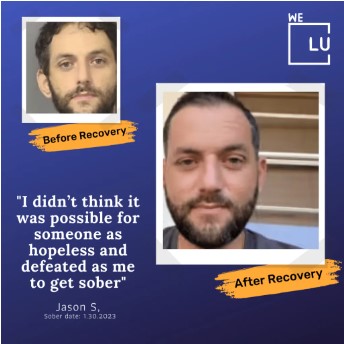
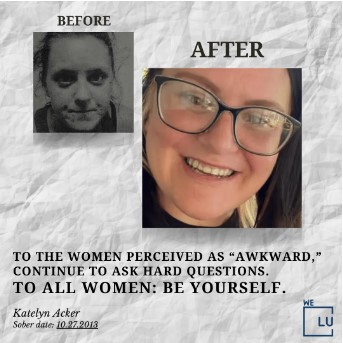
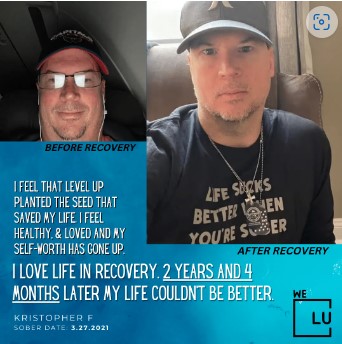
Experience Transformative Recovery at We Level Up Treatment Centers.
See our authentic success stories. Get inspired. Get the help you deserve.
Start a New Life
Begin with a free call to an addiction & behavioral health treatment advisor. Learn more about our dual-diagnosis programs. The We Level Up Treatment Center Network delivers recovery programs that vary by each treatment facility. Call to learn more.
- Personalized Care
- Caring Accountable Staff
- World-class Amenities
- Licensed & Accredited
- Renowned w/ 100s 5-Star Reviews
We’ll Call You
Is Shoreline Right for Your Recovery?
Staying near Shoreline can make work, family contact, travel, and follow-up care easier. Travel may help when home triggers remain strong, privacy matters, or more structure supports recovery. Drug use severity, withdrawal risks, mental health needs, and home support should guide this choice. Admissions staff can compare those needs with open programs before someone chooses a care setting.
People should also think about where they can focus best during early recovery. Staying close may work when home life feels safe and support remains steady. Travel can create helpful space from people, places, or habits tied to substance use. The best setting should support safety, privacy, daily needs, and long term recovery goals.
Dual Diagnosis and Co-Occurring Mental Health Treatment
Drug use can occur with depression, anxiety, trauma, bipolar disorder, and other mental health conditions. Dual diagnosis treatment addresses drug use and mental health needs within one care plan. Care may include therapy, medicine support, coping skills, sleep help, and mental health follow-up. Treating both concerns may reduce gaps when one problem makes the other harder.
Family Involvement and Alumni Support
Family support can help when loved ones understand recovery goals, warning signs, and healthy limits. A family support program may teach communication, trust, boundaries, and useful recovery skills. Alumni support may add peer contact, sober events, coaching, or check-ins after formal care. Strong follow-up plans can support long-term recovery after more structured care ends.
Family members may need time to learn new ways to support recovery at home. Clear limits can reduce stress and make daily communication easier for everyone involved. Ongoing peer support may also help clients stay connected after formal treatment ends. These steps can make the move back into normal routines feel more manageable.
Insurance, Payment Options, and Financial Assistance
Private insurance may cover some detox, residential care, outpatient care, or mental health services. Coverage depends on health needs, network rules, deductibles, benefits, and the chosen care level. Some plans may require approval or use of certain in-network care providers before care begins. Our admissions team is available 24/7 to verify your insurance benefits at no cost.
Facility Tour and Treatment Environment
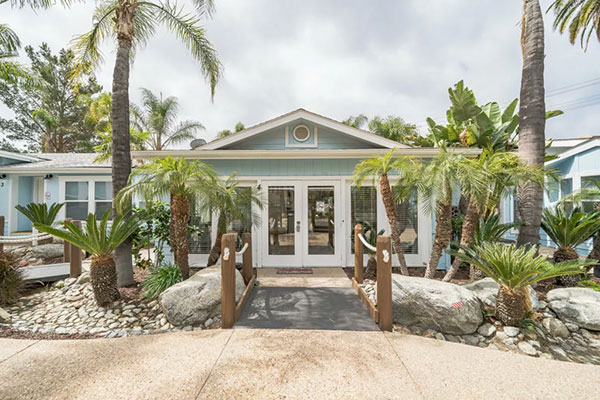
We Level Up’s Washington behavioral health center is located in Spokane Valley, Washington. Care areas may include bedrooms, therapy rooms, dining areas, fitness options, and shared spaces. Room types, meals, visit rules, activities, and other features can differ by location. Families should confirm current site details and tour choices before making any travel plans.
Start Your Recovery Today
Recovery can begin with a private talk about drug use, withdrawal risks, mental health, and daily needs. Admissions staff can discuss Shoreline rehab concerns, open programs, insurance, travel, and possible start dates. Help is available throughout the day and night for private questions about getting started. The contact form also lets you ask about open care and next steps.

We Level Up Tamarac FL
Premier Behavioral Health Treatment Center
 Licensed & Accredited w/ 5-star reviews.
- Inpatient mental health treatment center
- Therapy for depression, anxiety, trauma, bipolar disorder, PTSD, and more.
- Dual diagnosis rehab programs available

We Level Up West Palm Beach
Premier Behavioral Health Treatment Center
Licensed & Accredited.
- Inpatient mental health treatment center
- Therapy for depression, anxiety, trauma, bipolar disorder, PTSD, and more.
- Dual diagnosis rehab programs available
We Level Up California
Drug & Alcohol Addiction Treatment Center w/Detox
Licensed & Accredited w/ 5-star reviews.
- Inpatient addiction rehab center w/medical detox
- Addiction treatment and detox for alcohol, benzo, heroin, opioid, and more.
- Secondary mental health treatment available as part of our dual diagnosis programs.
Frequently Asked Questions
Can I bring work or school items into treatment?
Rules vary by care setting and location. Ask admissions what work or school items are allowed before packing.
Can treatment help if I use more than one substance?
Yes. Care can address several substances when they affect a person’s health, safety, or recovery needs.
Can my doctor stay involved during treatment?
That depends on the care plan and setting. Ask how outside doctors may take part when needed.
Can treatment support mental health conditions too?
Yes. Care may address substance use and mental health conditions together when both affect daily recovery.
Can I change my level of care later?
Yes. Staff can review progress and change care when health, safety, or support needs change.
How can I check my insurance before treatment?
You can verify insurance benefits before treatment to review possible coverage and plan requirements. Your insurance company makes the final coverage decision.
Who can answer my admissions questions?
Our admissions team is available 24/7 to answer treatment questions. Call (844) 597-1011 for private support.
Getting Into Treatment Is Easy
- Call Admissions: Discuss substance use, mental health needs, risks, and recovery goals.
- Verify Insurance: Share plan details so staff can review possible benefits.
- Complete Assessment: Review health, medicines, substance use, and home support.
- Begin Treatment: Confirm the care level, location, travel needs, and arrival plan.
Related Reading
- Drug rehab versus medical detox
- Alcohol withdrawal and recovery
- How substance use assessments work
- Understanding residential addiction care
- Nearby recovery areas include Seattle, Edmonds, Mountlake Terrace, and Lake Forest Park.
- Washington treatment and mental health resources
- Drug and alcohol addiction information
Sources
- Substance Abuse and Mental Health Services Administration. Find Help and Treatment. samhsa.gov
- National Institute on Drug Abuse. Treatment and Recovery. nida.nih.gov
- Centers for Disease Control and Prevention. Treatment of Substance Use Disorders. cdc.gov
- National Institute on Alcohol Abuse and Alcoholism. Treatment for Alcohol Problems. niaaa.nih.gov
- National Institute of Mental Health. Substance Use and Mental Health. nimh.nih.gov
- Washington State Health Care Authority. Substance Use Treatment. hca.wa.gov
- King County. Behavioral Health and Recovery Services. kingcounty.gov
- City of Shoreline. Community Resources. shorelinewa.gov
- We Level Up Treatment Centers. Washington Behavioral Health Center. welevelup.com
Search Washington Rehab Centers & Other Resources
Popular Drug Rehab Articles of Interest
Medical Disclaimer
The information on this website is for informational purposes only and does not provide nor substitute professional medical advice. Always seek the help of a physician or other qualified health provider if you have questions regarding your health! This content is not intended to replace professional medical advice, diagnosis, or treatment. Do not overlook professional medical advice or wait to seek it because of something you have read on this site. In the event of a medical emergency, call 911 immediately. This website does not recommend nor endorse any specific tests, doctors, products, procedures, opinions, or other information that may be noted on the website. Dependence on any information supplied by this website is exclusively at your own risk.