

What to Know About Adderall Addiction
Adderall addiction signs can include physiological and psychological dependence on the drug. When individuals become addicted to being high on Adderall, they will begin to feel as if they require it to feel alert and productive. Continue to read more to learn why Adderall is addictive.
Clinically Reviewed by Lauren Barry, LMFT, MCAP, QS
Medically Reviewed by Ali Nikbakht, PsyD
Updated on September 23, 2025 — Editorial Policy | Research Policy | Privacy Policy
What to Know About Adderall Addiction
Adderall addiction signs can include physiological and psychological dependence on the drug. When individuals become addicted to being high on Adderall, they will begin to feel as if they require it to feel alert and productive. Continue to read more to learn why Adderall is addictive.
Clinically Reviewed by Lauren Barry, LMFT, MCAP, QS
Medically Reviewed by Ali Nikbakht, PsyD
Reviewed / Updated: September 23, 2025 — Editorial Policy | Research Policy | Privacy Policy
By We Level Up | Author Jessica Lewis, PharmD | Editorial Policy | Research Policy
Adderall is a stimulant medication prescribed to treat ADHD and narcolepsy. While it can be beneficial when used as directed, Adderall also has a high potential for abuse and addiction. If you’ve been using Adderall for an extended period, stopping suddenly can lead to uncomfortable withdrawal symptoms.
That’s where Adderall detox comes in. Detox is the process of allowing your body to rid itself of the drug while managing withdrawal symptoms. It’s a critical first step on the path to recovery.
Adderall detox can be challenging, but with proper medical supervision and support, you can safely navigate the process. In this text, we’ll jump into what to expect during Adderall detox, how to prepare, and strategies for coping with withdrawal symptoms. By understanding the detox process, you’ll be better equipped to take the first steps toward overcoming Adderall addiction and reclaiming your health.
Key Takeaways
- Adderall is a highly addictive stimulant medication, even when prescribed for legitimate medical purposes like treating ADHD or narcolepsy.
- Signs of Adderall addiction include taking higher doses than prescribed, using the drug without a prescription, experiencing intense cravings, and neglecting responsibilities.
- Long-term risks of Adderall addiction include cardiovascular issues, neurological changes, mood disorders, malnutrition, and social problems.
- Effective Adderall addiction treatment typically involves detox, behavioral therapies, medication-assisted treatment for co-occurring disorders, and aftercare support.
Adderall Addiction Overview
Adderall is a potent stimulant with a high potential for abuse and addiction. Even when prescribed for legitimate medical purposes, it can still lead to dependence.
What Is Adderall Used For?
Adderall, a combination of amphetamine and dextroamphetamine, is a central nervous system stimulant prescribed to treat attention deficit hyperactivity disorder (ADHD) and narcolepsy. For people with ADHD, Adderall can improve focus, concentration, and impulse control. It helps manage symptoms such as inattention, hyperactivity, and impulsivity.
When used to treat narcolepsy, Adderall promotes wakefulness and reduces excessive daytime sleepiness. It can help regulate sleep patterns and improve alertness during the day.
Adderall works by increasing the availability of neurotransmitters like dopamine and norepinephrine in the brain. These chemicals are critical in attention, motivation, and reward-seeking behavior. Enhancing their levels can improve cognitive function and performance.
It’s essential to use Adderall only as prescribed by a healthcare provider. The provider will determine the appropriate dosage based on your age, medical history, and the severity of your condition. Regular monitoring is necessary to assess the medication’s effectiveness and adjust the dosage if necessary.
Misusing Adderall or taking it without a prescription can lead to serious side effects and addiction. The drug’s stimulant properties can be appealing to those seeking increased productivity or recreational highs. But, abusing Adderall can result in adverse health consequences, including cardiovascular problems, sleep disturbances, and mental health issues.
If you suspect that you or someone you know is struggling with Adderall addiction, it’s critical to seek professional help. A healthcare provider can guide you through the process of Adderall detox and provide the necessary support for recovery.

Adderall Addiction Side Effects
Stimulant addiction can cause rapid weight loss, seizures, hallucinations, and potentially-fatal heart problems. Recovery professionals recommend beginning the first phase of treatment in a supervised facility. This will start with undergoing medical detox and substance use disorder treatment in an inpatient drug rehab.
Is Adderall Addictive When Prescribed for ADHD?
Yes, Adderall can be addictive even when prescribed for ADHD. The drug increases dopamine levels in the brain, which can lead to feelings of euphoria and a strong desire to continue using it. Over time, the body develops a tolerance, requiring higher doses to achieve the same effects.
This tolerance can quickly turn into dependence and addiction. Adderall misuse is common among those prescribed the medication, as they may take higher doses or use it more frequently than directed. It’s critical to follow your healthcare provider’s instructions carefully and report any concerns about dependence or addiction. Regular monitoring by a healthcare professional can help prevent and address potential addiction issues.
Tips To Avoid Adderall Addiction ADHD
How to not get addicted to Adderall? If you have concerns about the potential addiction or misuse of Adderall, talk to your doctor or healthcare provider. They can help you understand the risks and benefits of the medication and provide guidance on how to use it safely and effectively. The following are the tips on how to avoid Adderall addictions:
- Take your medication precisely as your doctor prescribes. Do not consume more than the prescribed dosage or more frequently than recommended.
- Do not share your medication with others, even if they have similar symptoms. Taking Adderall without a prescription can be dangerous and increase the risk of addiction.
- If you have concerns about the potential addiction or misuse of amphetamine stimulants, talk to your doctor or healthcare provider. They can help you understand the risks and benefits of the medication and provide guidance on how to use it safely and effectively.
- Please keep track of your use of Adderall and how it affects you. If you notice any adverse side effects or changes in behavior, talk to your doctor.
- Take breaks from Adderall use when possible to help prevent tolerance and dependence.
- If you struggle with addiction or dependence on Adderall, seek help from an accredited addiction medical professional or specialist. They can guide how to stop using the drug and support your recovery safely.
- Avoid using alcohol or other drugs while taking Adderall. This can increase the risk of addiction and other adverse side effects.
Adderall (Amphetamine and Dextroamphetamine) Drug Facts
Pronunciation: ADD-ur-all
Generic Name: Amphetamine and Dextroamphetamine
Brand Names: Adderall, Adderall XR, Mydayis
Drug Class: CNS Stimulants
Adderall is a prescription stimulant medication that combines amphetamine and dextroamphetamine. It’s primarily used to treat attention deficit hyperactivity disorder (ADHD) and narcolepsy.
Typical Dosage
The typical starting dose for adults with ADHD is 5 mg once or twice daily. Your healthcare provider may gradually increase the dosage by 5 mg weekly until optimal therapeutic response is achieved, up to a maximum of 40 mg per day. For narcolepsy, the usual dose is 5-60 mg per day in divided doses, depending on individual response.
Follow your healthcare provider’s instructions closely and never exceed the prescribed dosage to avoid potential side effects and addiction risks.
Alcohol and Adderall Addiction
Mixing alcohol and Adderall can be incredibly dangerous. It’s a common practice among those who misuse the medication, but it significantly increases health risks. When combined, alcohol intensifies Adderall’s side effects, leading to severe consequences.
You may feel more alert and less drunk when using them together. However, this false sense of sobriety can lead to excessive drinking. Alcohol also slows down the absorption of Adderall, causing a buildup in your system. This increases the risk of a life-threatening overdose.
Combining these substances strains your heart and raises blood pressure. It can lead to heart palpitations, irregular heartbeat, and even cardiac arrest. Your liver works overtime to process both drugs, increasing the risk of liver damage.
Alcohol is a depressant, while Adderall is a stimulant. Mixing them sends conflicting signals to your nervous system. This can result in unpredictable behavior, impaired judgment, and loss of coordination. It also raises the risk of accidents and injuries.
Adderall masks alcohol’s sedative effects, making it harder to recognize intoxication. You may drink more than intended, increasing the risk of alcohol poisoning. Symptoms include confusion, vomiting, seizures, and loss of consciousness.
Long-term use of this combination can lead to physical dependence on both substances. Withdrawal from alcohol and Adderall can be severe and even life-threatening. Symptoms may include anxiety, depression, tremors, and seizures.
If you’re struggling with alcohol and Adderall addiction, seek professional help immediately. Treatment typically is characterized by detox, therapy, and support groups. With the right care, you can overcome addiction and reclaim your health.

Get Your Life Back
Find Hope & Recovery. Get Safe Comfortable Detox, Addiction Rehab & Dual Diagnosis Trused Care.
7/365 Line (844) 597-1011Adderall Addiction Rates Statistics
Because the frequency of prescriptions for amphetamines has grown several-fold over the past decade, an amphetamine-containing formulation is the most typically prescribed stimulant in North America. It is essential to know that amphetamines are the most abused prescription medications.
5 Million
In 2020, roughly five million individuals abused prescription stimulants, including Adderall.
Source: NIMH
16 Million
In 2012, there were estimated 16 million prescriptions for Adderall written for adults.
Source: NIMH
60%
Hopkins researchers found that 60 percent of individuals who used Adderall for non-medical purposes were between 18 and 25.
Source: NIMH
Signs of Adderall Addiction
Being aware of the signs of Adderall addiction is critical for seeking timely help and support. You may notice changes in behavior, such as:
- Taking higher doses than prescribed
- Using Adderall without a prescription
- Spending excessive time and energy obtaining the drug
- Experiencing intense cravings or urges to use Adderall
- Neglecting responsibilities at work, school, or home
Physical and psychological signs of addiction can include:
- Insomnia or sleep disturbances
- Rapid heartbeat and elevated blood pressure
- Dry mouth and decreased appetite
- Anxiety, irritability, or mood swings
- Depression or feelings of hopelessness
As tolerance builds, you may need higher doses to achieve the desired effects. This can lead to dangerous consequences, such as:
- Cardiovascular issues, including heart attack and stroke
- Seizures or convulsions
- Psychosis or hallucinations
- Overdose, which can be life-threatening
If you recognize these signs in yourself or a loved one, it’s essential to seek professional help. Addiction specialists can provide the necessary support and guidance to overcome Adderall dependence safely and effectively. Remember, recovery is possible with the proper treatment and a strong support system.
Adderall Addiction Symptoms
Can someone with ADHD get addicted to Adderall? Yes. Adderall is classified as a Schedule II drug under federal regulation because of the significant potential for abuse. No one intends to become dependent on Adderall. Usually, the risk increases productivity on a stressful day at work or to study for an important test. Some people even fake attention deficit hyperactivity disorder (ADHD) symptoms to get their prescription for the drug.
Stimulant addiction can have a range of symptoms that can vary depending on the severity of the drug use and the specific type of stimulant being used. The following symptoms of Adderall addiction are indications that you or someone you’re concerned with needs to help to recover from drug use disorder:
- Increased tolerance: Over time, a person may need to take more significant amounts of the drug to achieve the same effect.
- Withdrawal symptoms: When an individual stops taking the drug, they may experience fatigue, depression, anxiety, irritability, and intense cravings.
- Compulsive use: Despite negative consequences, a person with a stimulant addiction may continue to use the drug.
- Social or occupational dysfunction: The person’s use of stimulants may interfere with their ability to function normally, such as performing work or maintaining relationships.
- Physical symptoms: Stimulant use can cause physical symptoms such as increased heart rate, high blood pressure, dilated pupils, sweating, and muscle tension.
- Behavioral changes: A person with a stimulant addiction may become more impulsive, agitated, or aggressive.
- Financial difficulties: A person may spend excessive money on the drug, leading to financial problems.
If you or someone you know is showing or experiencing these symptoms, it may be a sign of stimulant addiction, and it is crucial to seek help from a healthcare professional.
Get Help. Get Better. Get Your Life Back.
Searching for Accredited Drug and Alcohol Rehab Centers Near You?
Even if you have failed previously and relapsed, or are in the middle of a difficult crisis, we stand ready to support you. Our trusted behavioral health specialists will not give up on you. When you feel ready or just want someone to speak to about therapy alternatives to change your life call us. Even if we cannot assist you, we will lead you to wherever you can get support. There is no obligation. Call our hotline today.
(844) 597-1011Negative Effects of Adderall
What does Adderall do to your brain? To experience Adderall’s stimulant effects, some people willfully abuse the medication. They might use it to increase their mental performance or study all night. The drug Adderall is prescribed as a pill. To intensify its effects, some users snort or inject it.
How Does Adderall Work in the Brain?
Norepinephrine influences how the brain responds to circumstances, specifically how it pays attention and reacts to outside stimuli. Dopamine, the body’s “feel-good” chemical, creates a rewarding effect. Although dopamine occurs naturally, drugs like Adderall produce unnaturally high levels. This can cause users to come back for more. Taking psychoactive drugs like Adderall and mixing them with alcohol or other drugs poses a significant risk. Not only is mixing Adderall and alcohol terrible, but it’s also deadly.
Because Adderall is a stimulant, it also intrudes on sleep schedules, so the person consuming it may stay awake for days and then “crash” and sleep for extended periods. When someone is on Adderall and comes off the drug, they often seem lethargic and depressed. They may not be interested in doing anything and tend to be disassociated from the people and events around them.
Adderall addiction signs can include physiological and psychological dependence on the drug. When individuals become addicted to being high on Adderall, they will begin to feel as if they require it to feel alert and productive. Conversely, when someone addicted to this drug doesn’t take it, it can make them think foggy or tired, also described as Adderall brain fog.
The following are some of the stimulants’ addiction effects that may be experienced right after Adderall abuse:
- Shortness of breath.
- Fatigue.
- Dry mouth.
- Reduced sex drive.
- Peeling skin.
- Pounding heartbeat.
- Dizziness.
- Shortness of breath.
- Reduced sex drive.
- Chest pain.
- Sleeping difficulties.
- Exhaustion.
- Weight loss.
- A decline in personal hygiene.
- Lack of appetite.
- Headaches.
- Fast-talking.
- Nausea.
- Upset stomach.
- Malnutrition.
- Restlessness.
- Pounding heartbeat.

Adderall Abuse “Doctor Shopping”
The fact that Adderall is a prescription drug means that someone can “doctor shop” to get a high volume of it. To avoid being caught, drug abusers frequently fill their prescriptions at various pharmacies. One clear symptom of abuse is when friends and family members discover prescription bottles from several doctors and pharmacies. “Doctor shopping” means going to several pharmacies to fill Adderall prescriptions.
The longer a person abuses Adderall, the higher the chance of experiencing Adderall’s side effects, some of which are permanent and irreversible neurotoxicity. It is psychosis and schizophrenia-like symptoms of paranoid delusions and hallucinations (a persistent mental illness requiring a lifetime of treatment). The following list includes the most significant psychological side effects of extended abuse:
- Mania.
- Depression.
- Anxiety.
- Suicidal thoughts.
- Aggression.
- Memory loss.
- Incomplete thoughts.
- Disorientation.
Who’s At Risk For An Adderall Addiction?
Why do people abuse Adderall? Most Adderall abusers desire stimulation, long-lasting wakefulness, improved focus, increased energy, or weight loss. People who fit the following descriptions are more susceptible to becoming addicted to Adderall:
- Students.
- Athletes.
- Those wanting to lose weight.
- Those with eating disorders like anorexia.
- Those with demanding occupations.
- Those with a history of drug use.
Several additional drugs and Adderall may interact negatively. If you additionally take any of the following medicines, you run an increased chance of developing an Adderall addiction:
- Medications for soreness, decongestants, and antidepressants.
- Antacids.
- Anti-epileptic drugs.
- Clotting agents.
- Lithium.
- Blood pressure medicine.
Adderall And Pregnancy
Adderall is classified as a pregnancy category C drug, meaning animal studies have shown adverse effects on the fetus, but there are no adequate, well-controlled studies in pregnant women. Amphetamines can cause premature delivery and low birth weight. They may also increase the risk of birth defects, miscarriage, and withdrawal symptoms in the newborn.
If you’re pregnant or planning to become pregnant, discuss the potential risks and benefits of taking Adderall with your healthcare provider. They’ll help you weigh the risks against the importance of treating your ADHD or narcolepsy symptoms during pregnancy.
Long-Term Risks of Adderall Addiction
Adderall addiction can have far-reaching consequences that extend beyond the immediate effects of the drug. Long-term abuse of Adderall puts you at risk for serious health problems, both physical and mental. Cardiovascular issues are among the most concerning, as chronic Adderall use can lead to high blood pressure, irregular heartbeat, and even heart attacks or strokes. The strain on your heart and circulatory system increases with prolonged misuse.
Neurologically, extended Adderall abuse can alter brain chemistry and functioning. You may experience cognitive deficits, memory problems, and difficulties with decision-making and impulse control. Mood disorders like depression and anxiety often develop or worsen with long-term use. Psychotic symptoms such as paranoia and hallucinations can also emerge in severe cases of addiction.
Your physical health may also deteriorate in other ways. Adderall suppresses appetite, so chronic use can result in malnutrition and unhealthy weight loss. Insomnia is common, weakening your immune system and leaving you vulnerable to illnesses. Gastrointestinal problems, such as constipation and abdominal pain, are also potential long-term effects.
Socially, Adderall addiction can be destructive. Relationships may suffer as you prioritize drug use over personal connections. Performance at work or school can decline, jeopardizing your career or academic future. Financial instability often follows as obtaining the drug becomes an all-consuming concern.
The longer you misuse Adderall, the greater the risk of permanent damage. You may face chronic health conditions that persist even after quitting. Seeking professional help is critical for overcoming addiction and preventing these long-term consequences. With proper treatment and support, you can reclaim your health and well-being.
First-class Facilities & Amenities
Trusted Integrated Addiction & Mental Health Rehabilitation Treatment
Rehab Centers TourEstablished Addiction Centers. Serene Private Facilities. Inpatient rehab programs vary.
Addiction Helpline (844) 597-1011Comprehensive recovery success experience, backed by a Team w/ History of:
15+
Years of Unified Experience
100s
5-Star Reviews Across Our Centers
10K
Recovery Success Stories Across Our Network
- Low Patient to Therapist Ratio
- Onsite Medical Detox Center
- Comprehensive Dual-Diagnosis Treatment
- Complimentary Family & Alumni Programs
- Alumni Coaching, Recovery & Personal Development Events
Adderall Dependence vs. Adderall Addiction
Adderall dependency is an expected and anticipated physiological response to the substance. The individual has physical support due to the interaction of the chemicals in the body (even if taken as prescribed), but not psychological dependence in which they abuse the medication to achieve a “high.” They may require medical assistance to get off the drug due to how the chemicals affect the brain, but they are not mentally obsessing or craving Adderall.
Adderall addiction is a person’s physical and psychological dependence on Adderall and particular behaviors. When these people stop using Adderall, they typically can’t cope and will go to any extent to acquire more drugs. The individual’s primary focus becomes the drug’s usage since they frequently run out of their prescription early due to taking more than prescribed, resulting in withdrawal from the substance, which results in going to any extent to get more of the sensation. Adderall obsession and cravings are also indicators of addictive behavior.
Can You Overdose On Adderall?
How long does it take to become addicted to Adderall? It’s important to note that everyone’s body is different, and some people may overdose or become addicted to a relatively tiny quantity of this medicine. People with pre-existing cardiac issues are more likely to overdose on Adderall. Individuals are consuming Adderall on binges to extend the duration of the effects. This frequently leads to a person not sleeping for a long time. As more of the drug enters a person’s system, they may be on the verge of an overdose.
After using Adderall for a period, a person may lose the euphoric sensation that the medication formerly produced. This tolerance may cause individuals to consume more medicine in significant amounts, dramatically increasing the danger of overdose. Adderall by itself is harmful. But many recreational drug users combine it with additional substances (polydrug usage) to boost the euphoric effects. This increases the likelihood of Adderall overdose and addiction.
Adderall Overdose
An Adderall overdose can be life-threatening. It occurs when you take too much of the drug, either accidentally or intentionally. Signs of an overdose include:
- Severe agitation and panic
- Rapid heartbeat and chest pain
- Confusion and hallucinations
- Nausea and vomiting
- Seizures and loss of consciousness
Seek immediate medical attention if you suspect an overdose. Call 911 or poison control right away. Prompt treatment is critical to prevent serious complications or death.
Overdose risk increases with high doses or mixing Adderall with other substances like alcohol. The combination can mask Adderall’s effects, leading to excessive use. It also strains the heart and liver. To avoid an overdose, always take Adderall as prescribed. Never exceed the recommended dose or frequency. Be honest with your healthcare provider about any side effects or addiction concerns.

If you have an Adderall addiction, professional treatment can help. Detox allows for safe withdrawal under medical supervision. Therapy addresses underlying issues and builds coping skills. Aftercare planning ensures ongoing support for lasting recovery.
Remember, an Adderall overdose is a medical emergency. Swift action can save your life. With proper treatment, you can overcome addiction and reclaim your health. Don’t wait to get the help you need.
Diagnosing Adderall Addiction
Diagnosing Adderall addiction requires a comprehensive evaluation by a qualified healthcare professional. They’ll assess your physical, psychological, and behavioral symptoms to determine if you have a substance use disorder. The evaluation may include:
- A thorough medical history and physical examination
- A psychological assessment to identify mental health concerns
- A review of your Adderall use patterns and dosages
- Laboratory tests to detect the presence of Adderall in your system
- An assessment of the effect of Adderall use on your daily life and functioning
To be diagnosed with an Adderall addiction, you must meet specific criteria outlined in the Diagnostic and Statistical Manual of Mental Disorders (DSM-5).
These criteria include:
- Taking larger amounts of Adderall or using it for longer than intended
- Persistent desire or unsuccessful attempts to cut down or control Adderall use
- Spending significant time obtaining, using, or recovering from the effects of Adderall
- Craving or strong desire to use Adderall
- Failing to fulfill major role obligations at work, school, or home due to Adderall use
- Continuing Adderall use even though persistent social or interpersonal problems
- Giving up important activities because of Adderall use
- Using Adderall in physically hazardous situations
- Continuing Adderall use even though knowledge of a persistent physical or psychological problem
- Tolerance, marked by needing increased amounts of Adderall for desired effects
- Withdrawal symptoms when Adderall use is reduced or stopped
If you meet two or more of these criteria within 12 months, you may be diagnosed with an Adderall addiction. Early diagnosis is critical for effective treatment and recovery. Don’t hesitate to seek help if you suspect you have an Adderall addiction.
Specialized, Accredited, 5-Star Reviewed, Evidence-based Addiction & Mental Health Programs. Complete Behavioral Health Inpatient Rehab, Detox plus Co-occuring Disorders Therapy.
CALL(844) 597-1011End the Addiction Pain. End the Emotional Rollercoaster. Get Your Life Back. Start Drug, Alcohol & Dual Diagnosis Mental Health Treatment Now. Get Free, No-obligation Guidance by Substance Abuse Specialists Who Understand Addiction & Mental Health Recovery & Know How to Help.
Adderall Addiction Treatment
Treating Adderall addiction requires a comprehensive approach tailored to your unique needs. Effective treatment programs combine detox, therapy, and aftercare support. Detox helps you safely withdraw from Adderall under medical supervision. Medications may be used to manage withdrawal symptoms and cravings.
Behavioral therapies, such as cognitive-behavioral therapy (CBT) and contingency management, are critical components of treatment. CBT helps you identify and change thought patterns and behaviors that contribute to addiction. You’ll learn coping skills to manage triggers and prevent relapse. Contingency management provides rewards for maintaining sobriety, reinforcing positive behaviors.
Individual and group therapy sessions provide a supportive environment to address underlying issues and build a strong recovery foundation. Family therapy can help repair relationships and improve communication. Aftercare planning ensures you have ongoing support through outpatient programs, sober living homes, or support groups like Narcotics Anonymous.
Medication-assisted treatment (MAT) may be used to manage co-occurring disorders, such as depression or anxiety. MAT combines medications with therapy to address both addiction and mental health concerns. Your treatment team will work with you to develop a personalized plan that meets your specific needs.
Long-term recovery requires a commitment to lifestyle changes and ongoing support. Engaging in healthy activities, building a sober network, and attending support groups can help you maintain sobriety. With the right treatment and support, you can overcome Adderall addiction and build a fulfilling life in recovery.
How to Prevent Adderall Addiction
Taking Adderall as prescribed by your healthcare provider is critical for preventing addiction. Always follow the recommended dosage and frequency. Don’t increase your dose or take it more often without consulting your healthcare provider first. Communicate openly with your healthcare team about any concerns or side effects you experience.
Regularly assess your need for Adderall with your healthcare provider. As your symptoms improve or change, your dosage may need to be adjusted. Don’t continue taking Adderall if it’s no longer necessary for managing your condition. Gradually tapering off the medication under medical supervision can help prevent withdrawal symptoms and minimize the risk of relapse.
Develop a strong support system of family, friends, and professionals who can help you stay accountable and on track with your treatment plan. Attend all scheduled appointments with your healthcare provider and consider joining a support group for people with ADHD or stimulant addiction. Surrounding yourself with positive influences and engaging in healthy activities can help you maintain a balanced lifestyle and reduce the likelihood of developing an addiction.
Practice stress management techniques like exercise, meditation, and deep breathing. These activities can help you cope with the challenges of ADHD without relying solely on medication. Incorporating these strategies into your daily routine can improve your overall well-being and decrease the risk of Adderall misuse.
Educate yourself about the potential risks and signs of Adderall addiction. Stay informed about the latest research and treatment options. If you notice any red flags, such as taking higher doses than prescribed or experiencing intense cravings, promptly reach out to your healthcare provider or an addiction specialist for guidance and support. Early intervention is key to preventing the development of a full-blown addiction.
Frequently Asked Questions
Adderall is a prescription stimulant medication with a high potential for addiction. If you or a loved one is struggling with Adderall addiction, seeking professional help is critical for recovery.
Is Adderall addictive?
Yes, Adderall is highly addictive due to its effects on dopamine levels in the brain. When taken as prescribed, it can be an effective treatment for ADHD and narcolepsy. However, misusing Adderall by taking higher doses or using it without a prescription can quickly lead to dependence and addiction. The euphoric feelings and increased energy associated with Adderall use can create a strong desire to continue using the drug, resulting in tolerance and withdrawal symptoms when attempting to quit.
What are the signs of Adderall addiction?
Signs of Adderall addiction include taking higher doses than prescribed, “healthcare provider shopping” for multiple prescriptions, and neglecting responsibilities due to drug use. Physical symptoms may include insomnia, rapid heartbeat, and weight loss. Psychological signs can involve irritability, anxiety, and depression. You may also experience intense cravings for the drug and withdrawal symptoms when attempting to stop using Adderall. If you notice these signs in yourself or a loved one, seek professional help immediately.
How long does it take to get addicted to Adderall?
The time it takes to develop an Adderall addiction varies from person to person. Some people may become addicted within a few weeks of misusing the drug, while others may take months or longer. Factors such as dosage, frequency of use, and individual biology can influence the speed of addiction development. It’s important to remember that even taking Adderall as prescribed can lead to dependence over time, so regular monitoring by a healthcare provider is essential to prevent addiction.
Who’s At Risk For An Adderall Addiction?
Anyone who misuses Adderall is at risk for addiction, but certain factors can increase the likelihood of developing a substance use disorder. College students and young professionals who use Adderall as a “study drug” to enhance academic or work performance are particularly vulnerable. People with a history of substance abuse or mental health disorders such as depression or anxiety may also be at higher risk. Those who have easy access to Adderall, either through a prescription or illicit means, are more likely to misuse the drug and develop an addiction.
Examples of Denial In Addiction/Substance Abuse Video
“Denial is a huge part of the disease of addiction.”
Lexi’s Addiction Recovery Testimonial
“I don’t use every day. I’m not even sick. I’m not even experiencing withdrawal symptoms. I’m still successful. I still have money in the bank. I still have my family in my life. I still love my house.”
These are all common examples of the denial that we experience through the disease of addiction. Denial is a huge part of the disease of addiction, and the way that we get our clients to realize that they are addicts and alcoholics is through the assignment. The goodbye letter seeing the the patterns of the behaviors that they they display when they’re using, seeing the consequences of their actions.”
“Whether they want to realize them or not, when they write it down, it becomes real. When they speak those words to us, it becomes real to them. It’s pen and paper. It’s their words that they’re reading back to themselves. They can see the power that the disease has over their lives, and they can no longer say that I’m not an addict. I’m not an alcoholic, and there’s power in that, and there’s a breakthrough.”
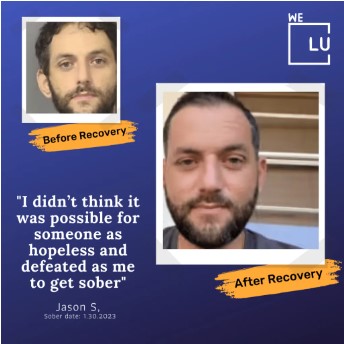
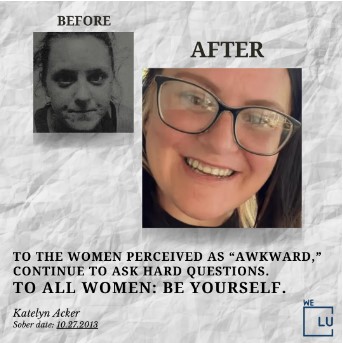
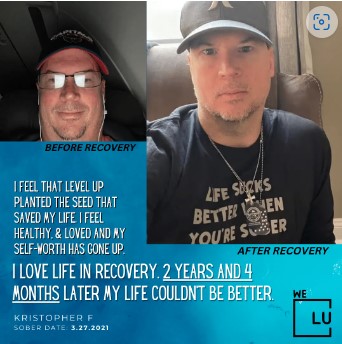
Experience Transformative Recovery at We Level Up Treatment Centers.
See our authentic success stories. Get inspired. Get the help you deserve.
Start a New Life
Begin with a free call to an addiction & behavioral health treatment advisor. Learn more about our dual-diagnosis programs. The We Level Up Treatment Center Network delivers recovery programs that vary by each treatment facility. Call to learn more.
- Personalized Care
- Caring Accountable Staff
- World-class Amenities
- Licensed & Accredited
- Renowned w/ 100s 5-Star Reviews
We’ll Call You
Search We Level Up Adderall Detox, Mental Health Topics & Resources
Sources
[1] Belujon P, Jakobowski NL, Dollish HK, Grace AA. Withdrawal from Acute Amphetamine Induces an Amygdala-Driven Attenuation of Dopamine Neuron Activity: Reversal by Ketamine. Neuropsychopharmacology. 2016 Jan;41(2):619-27. DOI: 10.1038/npp.2015.191. Epub 2015 Jul 1. PMID: 26129677; PMCID: PMC5130137.
[2] ADDERALL® (CII) – Food & Drug Administration (FDA)
Magnus W, Nazir S, Anilkumar AC, et al. Attention Deficit Hyperactivity Disorder. [Updated 2023 Jan 21]. In: StatPearls [Internet]. Treasure Island (FL): StatPearls Publishing; 2023 Jan-. Available from: https://www.ncbi.nlm.nih.gov/books/NBK441838/
[3] NIDA. Prescription Stimulants DrugFacts. National Institute on Drug Abuse website. http://nida.nih.gov/publications/drugfacts/prescription-stimulants. June 6, 2018, Accessed April 1, 2023.
[4] Weyandt LL, White TL, Gudmundsdottir BG, Nitenson AZ, Rathkey ES, De Leon KA, Bjorn SA. Neurocognitive, Autonomic, and Mood Effects of Adderall: A Pilot Study of Healthy College Students. Pharmacy (Basel). 2018 Jun 27;6(3):58. DOI: 10.3390/pharmacy6030058. PMID: 29954141; PMCID: PMC6165228.
[5] Farrell M, Martin NK, Stockings E, Bórquez A, Cepeda JA, Degenhardt L, Ali R, Tran LT, Rehm J, Torrens M, Shoptaw S, McKetin R. Responding to global stimulant use: challenges and opportunities. Lancet. 2019 Nov 2;394(10209):1652-1667. DOI: 10.1016/S0140-6736(19)32230-5. Epub 2019 Oct 23. Erratum in: Lancet. 2019 Nov 16;394(10211):1806. PMID: 31668409; PMCID: PMC6924572.
[6] Farzam K, Faizy RM, Saadabadi A. Stimulants. 2023 Feb 13. In: StatPearls [Internet]. Treasure Island (FL): StatPearls Publishing; 2023 Jan–. PMID: 30969718.
[7] National Survey on Drug Use and Health (NSDUH) – Substance Abuse and Mental Health Services Administration (SAMHSA)
[8] McKay JR. Impact of Continuing Care on Recovery From Substance Use Disorder. Alcohol Res. 2021 Jan 21;41(1):01. DOI: 10.35946 PMID: 33500871; PMCID: PMC7813220.
[9] Fluyau D, Charlton TE. Drug Addiction. [Updated 2022 Aug 29]. In: StatPearls [Internet]. Treasure Island (FL): StatPearls Publishing; 2022 Jan-. Available from: https://www.ncbi.nlm.nih.gov/books/NBK549783/
[10] Justinova Z, Panlilio LV, Goldberg SR. Drug addiction. Curr Top Behav Neurosci. 2009;1:309-46. DOI: 10.1007/978-3-540-88955-7_13. PMID: 21104390; PMCID: PMC3039293.
Brown KA, Samuel S, Patel DR. Pharmacologic management of attention deficit hyperactivity disorder in children and adolescents: a review for practitioners. Transl Pediatr. 2018 Jan;7(1):36-47. DOI: 10.21037/tp.2017.08.02. PMID: 29441281; PMCID: PMC5803014.