

Medically Assisted Alcohol Detox for Safe Recovery
Alcohol use disorder is a life-threatening condition that can lead to an irreversible health crisis and may even be fatal. At We Level Up Treatment Centers, our alcohol detox program provides a safe, medically supervised environment to manage withdrawal symptoms effectively. With a focus on comprehensive care, we offer personalized detox plans, therapy sessions, and ongoing support to ensure a successful recovery. Contact us today and get help for you or your loved one.
Clinically Reviewed by Lauren Barry, LMFT, MCAP, QS
Medically Reviewed by Ali Nikbakht, PsyD
Reviewed / Updated: August 7, 2026 — Editorial Policy | Research Policy | Privacy Policy
Alcohol detox is the first step in treating alcohol dependence and helps the body safely adjust after drinking stops. Because long-term or heavy alcohol use can lead to physical dependence, stopping alcohol suddenly may cause withdrawal symptoms that range from mild discomfort to life-threatening complications. Medical supervision helps manage these symptoms and reduces the risk of serious health problems during detox.
At We Level Up, alcohol addiction treatment is available through accredited facilities in Florida, Texas, California, Washington, and New Jersey. Our nationwide network of treatment centers provides evidence-based alcohol detox and recovery services, with licensed physicians, nurses, psychologists, therapists, and other behavioral health professionals developing individualized care plans to support each person’s recovery journey.
Alcohol withdrawal can begin within hours after the last drink and range from mild symptoms, such as anxiety and nausea, to serious complications like seizures or delirium tremens (DTs). Early medical intervention can help manage symptoms, reduce the risk of complications, and make the detox process safer and more comfortable.
At We Level Up, medically supervised alcohol detox is the first step in a comprehensive recovery plan. Our clinical team monitors withdrawal around the clock, provides medications when appropriate, and helps clients transition into residential treatment or other levels of care to support long-term recovery.
Skip To:

What is Alcohol Detox
Alcohol detox is the medical process of safely removing alcohol from your body and managing the symptoms that come with stopping drinking. When you drink regularly, your body becomes physically dependent on alcohol. Your brain and nervous system adapt to having alcohol present.
When you suddenly stop drinking, your body goes into shock. Your nervous system becomes overactive, causing tremors, sweating, rapid heartbeat, anxiety, and sometimes dangerous symptoms like seizures. Medical detox uses medication and monitoring to help your body adjust gradually instead of shutting down.

Who Should Avoid Alcohol
Certain people should never drink alcohol, even small amounts. If you are pregnant or trying to become pregnant, alcohol can harm fetal development and cause lifelong damage. If you have liver disease, hepatitis, or a history of liver problems, alcohol puts your liver at serious risk of failure. People with a family history of alcoholism have a higher chance of developing addiction and should avoid alcohol entirely.
People in recovery from alcohol addiction should absolutely avoid alcohol. Once addiction develops, your brain chemistry changes. Even one drink can trigger cravings that lead to full relapse. The disease of addiction does not go away with time alone. It requires ongoing treatment, support groups, and sometimes medication-assisted care. Willpower is not enough because addiction rewires how your brain processes reward and craving.
Get Help. Get Better. Get Your Life Back.
Searching for Accredited Drug and Alcohol Rehab Centers Near You?
Even if you have failed previously and relapsed, or are in the middle of a difficult crisis, we stand ready to support you. Our trusted behavioral health specialists will not give up on you. When you feel ready or just want someone to speak to about therapy alternatives to change your life call us. Even if we cannot assist you, we will lead you to wherever you can get support. There is no obligation. Call our hotline today.
(844) 597-1011Signs & Symptoms of Alcohol Dependence
Alcohol dependence often develops gradually. Early warning signs may be easy to overlook, but they usually become more noticeable as drinking increases, and the body becomes dependent on alcohol.
- Drinking more alcohol than planned or for longer than intended
- Needing more alcohol to feel the same effects (increased tolerance)
- Experiencing withdrawal symptoms when not drinking
- Being unable to cut down or stop despite repeated attempts
- Spending a lot of time drinking or recovering from alcohol use
- Neglecting responsibilities at work, school, or home
- Continuing to drink despite health, relationship, or legal problems
- Losing interest in hobbies or activities once enjoyed
- Drinking in risky situations, such as before driving or operating machinery
- Strong alcohol cravings or feeling unable to function without drinking
Many people continue drinking because withdrawal symptoms can be uncomfortable or even life-threatening. A medically supervised alcohol detox program can help manage withdrawal safely and provide the support needed to begin recovery.
Why Is Alcohol Addictive?
Alcohol changes how your brain releases dopamine, a chemical linked to pleasure, reward, and motivation. When you drink, dopamine floods your brain, creating a high that feels good. Your brain remembers this and starts craving alcohol to recreate that feeling. Over time, you need more alcohol to get the same effect because your brain adapts. This is called tolerance.
Meanwhile, alcohol also affects glutamate and GABA, neurotransmitters that regulate stress and anxiety. When you drink regularly, your brain stops producing these chemicals naturally and depends on alcohol to function.
Addiction happens gradually. At first, drinking feels like a choice. But as your brain chemistry changes, alcohol stops being optional and becomes necessary just to feel normal. You may drink to manage stress, sleep, or social anxiety. You may drink to cope with depression or past trauma. Over time, drinking becomes the main way you handle emotions.
Your brain literally rewires itself around alcohol. Stopping suddenly causes withdrawal because your nervous system cannot regulate itself without the drug. This is why addiction is a disease, not a character flaw. It’s a medical condition that requires professional treatment to reverse.

The Importance of Alcohol Detox
Alcohol withdrawal can be life-threatening, which makes medical detox essential. Seizures, dangerously high fever, and dangerous heart rhythms can occur without warning during withdrawal.
Medications can prevent these emergencies. Doctors provide benzodiazepines to calm your nervous system, thiamine to restore nutrients your body lost from drinking, and fluids to rehydrate you. They monitor your vital signs constantly to catch problems early. This medical supervision makes withdrawal survivable and reduces your suffering.
Detox alone is not enough for recovery. It stops the physical dependence, but your brain still craves alcohol, and your emotions still feel overwhelming. That is why detox must include therapy, coping skills training, and mental health treatment.
How We Treat Alcohol Addiction
Alcohol detox is the first step in recovery. Detox helps the body safely clear alcohol while managing withdrawal symptoms under medical supervision. After detox, many people benefit from continued treatment to address the physical, emotional, and behavioral aspects of alcohol use disorder.
Treatment May Include:
Relapse Prevention Planning: Helps people identify triggers, create a personalized relapse prevention plan, strengthen recovery skills, and prepare for life after treatment.
Medication-Assisted Treatment (MAT): FDA-approved medications may be used when appropriate to help reduce alcohol cravings, ease withdrawal-related symptoms, and support long-term recovery.
Cognitive Behavioral Therapy (CBT): Helps people recognize unhealthy thought patterns, develop healthier behaviors, and build practical coping skills.
Dialectical Behavior Therapy (DBT): Teaches emotional regulation, distress tolerance, mindfulness, and healthy ways to respond to stress.
Individual and Group Counseling: Individual therapy provides personalized support, while group counseling encourages connection, shared experiences, and peer support.
Holistic Therapies: Activities such as mindfulness, meditation, yoga, and recreational therapies can promote overall wellness and reduce stress during recovery.
Searching for an “alcohol detox center near me?” Call We Level Up today for a free medical assessment and insurance check to find the nearest detox centers near you!

Get Your Life Back
Find Hope & Recovery. Get Safe Comfortable Detox, Addiction Rehab & Dual Diagnosis Trused Care.
7/365 Line (844) 597-1011Benefits of Medically Assisted Alcohol Detox
Aftercare and next-step planning before you finish detox
- 24/7 medical monitoring and support from licensed nurses and physicians
- Personalized medication management based on your symptoms
- Comfortable, private detox spaces
Nutritional support and hydration therapy
- Dual diagnosis screening for co-occurring mental health conditions
- Group therapy for peer connection and support
We Level Up connects clients to medication-assisted treatment through a national network of accredited facilities. We also offer a licensed telehealth outpatient program, so support is close by no matter where you live. Trained clinicians build your plan around a conversation, not a form, and adjust your care as your body responds. That personal approach gives you the strongest possible start toward lasting recovery.

Levels of Care for Alcohol Detox
Alcohol Detox is the first and most critical step in the recovery process. When someone stops drinking after prolonged use, the body goes through withdrawal. Withdrawal symptoms can range from mild discomfort to life-threatening complications like seizures and delirium tremens, depending on how much and how long someone drank. That is why medical supervision is essential during this phase.
Our Alcohol Detox program at We Level Up provides 24-hour medical monitoring, medication management, and emotional support. Our team uses FDA-approved medications to reduce the severity of withdrawal symptoms and keep you as comfortable as possible. We manage tremors, anxiety, elevated heart rate, and other dangerous symptoms with proper medications and care. We also address any co-occurring medical or psychiatric conditions that may complicate the detox process.
After completing Alcohol Detox, patients are encouraged to transition into a higher level of care, such as our Residential Inpatient Program or Partial Hospitalization Program (PHP). Detox alone is not a complete treatment for addiction. It is the beginning of a longer journey toward lasting recovery. Our care coordinators will work with you to build a seamless transition plan that addresses the emotional and psychological aspects of alcohol addiction.
First-class Facilities & Amenities
Trusted Integrated Addiction & Mental Health Rehabilitation Treatment
Rehab Centers TourEstablished Addiction Centers. Serene Private Facilities. Inpatient rehab programs vary.
Addiction Helpline (844) 597-1011Comprehensive recovery success experience, backed by a Team w/ History of:
15+
Years of Unified Experience
100s
5-Star Reviews Across Our Centers
10K
Recovery Success Stories Across Our Network
- Low Patient to Therapist Ratio
- Onsite Medical Detox Center
- Comprehensive Dual-Diagnosis Treatment
- Complimentary Family & Alumni Programs
- Alumni Coaching, Recovery & Personal Development Events
Mental Health and Alcohol Addiction
Alcohol addiction can affect both the body and the mind. Some people drink to deal with stress, pain, or hard feelings. Over time, alcohol use may make mental health problems worse.
People with alcohol addiction may also have:
- Anxiety
- Depression
- Mood changes
- Trouble sleeping
- PTSD
- Panic attacks
- High stress
Treating alcohol addiction and mental health at the same time can help people heal. This is called dual diagnosis treatment. Therapy, counseling, and healthy coping skills can help people feel better and support long-term recovery.

Level Up Treatment Lawrenceville
Drug & Alcohol Addiction Treatment Center w/Detox
Licensed & Accredited w/ 5-star reviews.- Inpatient addiction rehab center w/medical detox
- Addiction treatment and detox for alcohol, benzo, heroin, opioid, and more.
- Secondary mental health treatment available as part of our dual diagnosis programs.

We Level Up Washington
Premier Behavioral Health Treatment Center
Licensed & Accredited w/ 5-star reviews.- Inpatient mental health treatment center
- Therapy for depression, anxiety, trauma, bipolar disorder, PTSD, and more.
- Dual diagnosis rehab programs available

We Level Up California
Drug & Alcohol Addiction Treatment Center w/Detox
Licensed & Accredited w/ 5-star reviews.- Inpatient addiction rehab center w/medical detox
- Addiction treatment and detox for alcohol, benzo, heroin, opioid, and more.
- Secondary mental health treatment available as part of our dual diagnosis programs.
Why Support Is Important During Recovery
Recovery is easier with support. Family, friends, counselors, and support groups can help people stay on track. They can listen, give hope, and remind people they are not alone.
A strong support system can help during hard days. It can help people manage stress, avoid relapse, and keep working toward their goals. With the right care and support, people can build healthy habits and move toward a healthier life.
Do I Need Alcohol Detox?
Many people try to stop drinking on their own, but it can be hard. Alcohol withdrawal can cause strong symptoms and may be dangerous for some people. A medical alcohol detox program can provide safe care and support while your body starts to heal.
You may benefit from alcohol detox if you:
- Drink alcohol every day or often
- Have strong cravings for alcohol
- Cannot stop drinking on your own
- Feel sick after you stop drinking
- Keep drinking even when it causes problems
- Have tried to quit but started drinking again
- Have had withdrawal symptoms in the past
A professional assessment can help you find the right level of care. Medical detox can help you manage withdrawal and take the first step toward recovery.

We Level Up Tamarac FL
Premier Behavioral Health Treatment Center
Licensed & Accredited w/ 5-star reviews.- Inpatient mental health treatment center
- Therapy for depression, anxiety, trauma, bipolar disorder, PTSD, and more.
- Dual diagnosis rehab programs available

We Level Up West Palm Beach
Premier Behavioral Health Treatment Center
Licensed & Accredited.- Inpatient mental health treatment center
- Therapy for depression, anxiety, trauma, bipolar disorder, PTSD, and more.
- Dual diagnosis rehab programs available
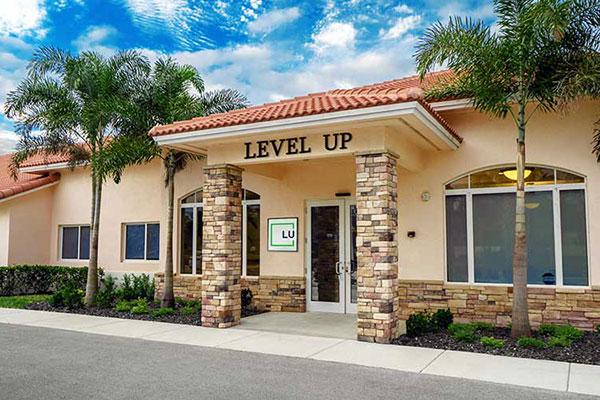
We Level Up Lake Worth
Drug & Alcohol Addiction Treatment Center w/Detox
Licensed & Accredited w/ 5-star reviews.- Inpatient addiction rehab center w/medical detox
- Addiction treatment and detox for alcohol, benzo, heroin, opioid, and more.
- Secondary mental health treatment available as part of our dual diagnosis programs.
Insurance and Payment Options
Getting help for alcohol addiction should be simple. Our admissions team is available 24 hours a day, 7 days a week to answer your questions and explain your treatment options. We can help you understand the admissions process and find the level of care that fits your needs.
Many insurance plans may help pay for alcohol detox and addiction treatment. Our team can check your benefits, explain your coverage, and discuss payment options, including self-pay if you do not have insurance. Check our insurance page to learn more about coverage options. Every call is private and confidential.
Recovery Starts Here
You do not have to face alcohol addiction alone. Help is here, and recovery is possible. A medical alcohol detox program can help you stop drinking with safe care and support.
We Level Up Treatment Centers has accredited treatment centers in Florida, Texas, California, Washington, and New Jersey. Our doctors, nurses, therapists, and counselors work together to create a care plan that fits your needs. We help people manage withdrawal, learn healthy habits, and build a strong recovery.
After detox, you may continue care with individual therapy, Cognitive Behavioral Therapy (CBT), Dialectical Behavior Therapy (DBT), group therapy, family therapy, dual diagnosis treatment, relapse prevention, wellness programs, and aftercare support. Our admissions team is available 24 hours a day, 7 days a week. Call (844) 597-1011 to ask questions, check your insurance, or learn more about treatment.
Specialized, Accredited, 5-Star Reviewed, Evidence-based Addiction & Mental Health Programs. Complete Behavioral Health Inpatient Rehab, Detox plus Co-occuring Disorders Therapy.
CALL(844) 597-1011End the Addiction Pain. End the Emotional Rollercoaster. Get Your Life Back. Start Drug, Alcohol & Dual Diagnosis Mental Health Treatment Now. Get Free, No-obligation Guidance by Substance Abuse Specialists Who Understand Addiction & Mental Health Recovery & Know How to Help.
Frequently Asked Questions
How do I know if alcohol detox is right for me?
If you drink often, have strong cravings, or feel sick when you stop drinking, you may need alcohol detox. A professional assessment can help you understand what type of care you need.
What Insurance Does We Level Up Accept?
We Level Up accepts many major insurance plans that may help cover addiction treatment and mental health care. Plans may include Blue Cross Blue Shield (BCBS), Beacon, Cigna, and others. Coverage varies by plan and location. Our admissions team can verify your benefits at no cost.
What happens if I am scared to start alcohol detox?
It is normal to feel scared or unsure. Our team can explain what to expect and answer your questions before you start. You do not have to go through the process alone.
Can someone help me get started with alcohol detox?
Yes. Our admissions team is available 24/7 to answer questions, check your insurance, and help you understand your treatment options. Call (844) 597-1011 to speak with someone.
What happens after I finish alcohol detox?
Detox is often the first step in recovery. After detox, you may move to residential care, PHP, IOP, outpatient treatment, or therapy. Your care team can help you choose the next step based on your needs.
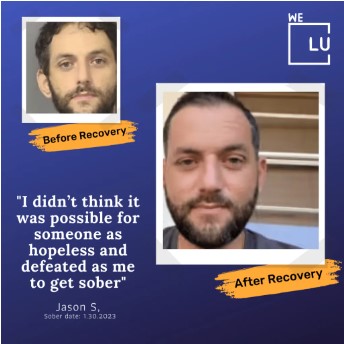
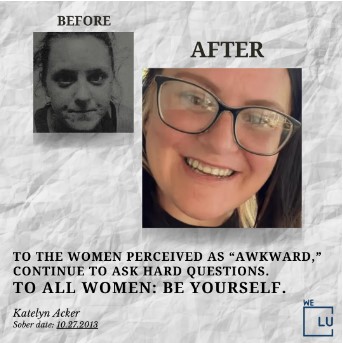
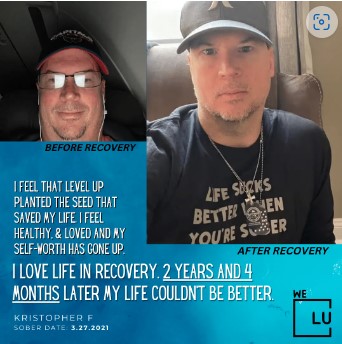
Experience Transformative Recovery at We Level Up Treatment Centers.
See our authentic success stories. Get inspired. Get the help you deserve.
Start a New Life
Begin with a free call to an addiction & behavioral health treatment advisor. Learn more about our dual-diagnosis programs. The We Level Up Treatment Center Network delivers recovery programs that vary by each treatment facility. Call to learn more.
- Personalized Care
- Caring Accountable Staff
- World-class Amenities
- Licensed & Accredited
- Renowned w/ 100s 5-Star Reviews
We’ll Call You
Search We Level Up Alcohol Detox, Mental Health Topics & Resources
Sources
Alcohol Use Disorder. National Institute on Alcohol Abuse and Alcoholism (NIAAA). National Institutes of Health (NIH). https://www.niaaa.nih.gov/publications/brochures-and-fact-sheets/understanding-alcohol-use-disorder
Alcohol Withdrawal. National Institute on Alcohol Abuse and Alcoholism (NIAAA). National Institutes of Health (NIH). https://www.niaaa.nih.gov/alcohols-effects-health/alcohol-topics/alcohol-withdrawal
Treatment for Alcohol Problems: Finding and Getting Help. National Institute on Alcohol Abuse and Alcoholism (NIAAA). National Institutes of Health (NIH). https://www.niaaa.nih.gov/publications/brochures-and-fact-sheets/treatment-alcohol-problems-finding-and-getting-help
Alcohol Use and Your Health. Centers for Disease Control and Prevention (CDC). CDC Alcohol and Public Health. https://www.cdc.gov/alcohol/about-alcohol-use/index.html
Alcohol and Public Health. Centers for Disease Control and Prevention (CDC). CDC Alcohol and Public Health Resources. https://www.cdc.gov/alcohol/
Alcohol and Cancer. National Cancer Institute (NCI), National Institutes of Health (NIH). https://www.cancer.gov/about-cancer/causes-prevention/risk/alcohol
Alcohol Use Disorder and Alcohol-Related Problems. National Institute of Mental Health (NIMH). National Institutes of Health (NIH). https://www.nimh.nih.gov/health
Mental Health Information and Resources. National Institute of Mental Health (NIMH). National Institutes of Health (NIH). https://www.nimh.nih.gov/health/topics
Substance Use and Co-Occurring Mental Disorders. National Institute of Mental Health (NIMH). National Institutes of Health (NIH). https://www.nimh.nih.gov/health/topics/substance-use-and-mental-health
Alcohol Use Disorder: From Risk to Diagnosis to Recovery. National Institute on Alcohol Abuse and Alcoholism (NIAAA). National Institutes of Health (NIH). https://www.niaaa.nih.gov/health-professionals-communities/core-resource-on-alcohol/alcohol-use-disorder-risk-diagnosis-recovery
Alcohol Facts and Statistics. National Institute on Alcohol Abuse and Alcoholism (NIAAA). National Institutes of Health (NIH). https://www.niaaa.nih.gov/alcohols-effects-health/alcohol-topics/alcohol-facts-and-statistics
Substance Use Treatment and Recovery. Substance Abuse and Mental Health Services Administration (SAMHSA). U.S. Department of Health and Human Services. https://www.samhsa.gov/substance-use/treatment
Alcohol Use Disorder Treatment and Recovery. Substance Abuse and Mental Health Services Administration (SAMHSA). U.S. Department of Health and Human Services. https://www.samhsa.gov/find-help
Substance Use Prevention and Treatment Resources. Florida Department of Health. Florida Health. https://www.floridahealth.gov/programs-and-services/prevention/substance-abuse/index.html
Accreditation and Certification for Behavioral Health Care. The Joint Commission. https://www.jointcommission.org/what-we-offer/accreditation/health-care-settings/behavioral-health-care/