Borderline Personality Treatment & Diagnosis- We Level Up
Clinically Reviewed by Lauren Barry, LMFT, MCAP, QS
Medically Reviewed by Ali Nikbakht, PsyD
Reviewed / Updated: September 30, 2025 — Editorial Policy | Research Policy | Privacy Policy
By We Level Up | Author Alex Evans, PharmD, MBA | Editorial Policy | Research Policy
What is Borderline Personality Disorder?
Borderline personality disorder, also known as BPD, is a mental illness. It develops during adolescence or early adulthood. It includes self-image issues and difficulty managing emotions and behavior. And shows up in a pattern of unstable relationships. According to the National Institute of Mental Health, adults reached 1.6 % in the United States have Borderline Personality Disorder. And require borderline personality treatment.
A personality disorder is a pattern of feelings and behaviors. Cognitive-behavioral treatment can help manage borderline personality disorder. These seem right to the person who has them. However, they often cause many problems in that person’s life.
Early Signs of BPD in Adolescence: Prevention, Early Intervention, and Best Practices
Borderline Personality Disorder (BPD) is a complex mental health condition that often begins to show signs during adolescence. A formal diagnosis usually happens in adulthood. However, many early warning signs can show up in the teenage years. This highlights the need to find the best inpatient treatment centers for borderline personality disorder. Spotting these signs early and taking the right actions can help lessen symptoms and lead to better long-term results.
Skip To:

Early signs of borderline personality traits can often appear during adolescence or young adulthood. Knowing these signs can help you spot problems early. This allows you to get support on time, which can improve your long-term emotional health.
- Emotional instability – Intense, rapidly changing moods that are difficult to manage.
- Fear of abandonment – Feeling rejected or separated can lead to strong reactions. These reactions can be managed with clear treatment goals for borderline personality disorder.
- Unstable relationships – Shifting between idealizing and devaluing friends or family.
- Impulsive behaviors – Risk-taking actions such as substance use, reckless driving, or unsafe sexual activity.
- Identity disturbance – Confusion about values, goals, or sense of self.
- Self-harm or suicidal thoughts – Engaging in cutting, burning, or frequent suicidal ideation.
- Chronic feelings of emptiness – Persistent lack of purpose or dissatisfaction with life.
Prevention and Risk Reduction
While BPD cannot always be prevented, certain strategies can lower risks and improve resilience:
- Building emotional regulation skills early through school programs, mindfulness, and coping strategies.
- Promoting secure attachments between parents/caregivers and adolescents to provide a strong emotional foundation.
- Addressing trauma and stress early with counseling or therapy after adverse childhood experiences.
- Encouraging healthy peer and family relationships to model balanced, supportive interactions.
Early Intervention Approaches
Timely professional care can make a significant difference in outcomes:
- Psychotherapy: Evidence-based methods like Dialectical Behavior Therapy for Adolescents (DBT-A) and Cognitive Behavioral Therapy (CBT) help teach skills. These skills include emotional regulation, distress tolerance, and effective communication.
- Family Therapy: Involving family members helps improve communication, reduce conflict, and create a supportive environment.
- School-based support: Collaborating with teachers and counselors ensures consistency and monitoring in academic settings.
- Medication (when needed): Medications are not the main treatment for BPD. However, they can help with related issues like depression or anxiety.
Best Practices for Families and Caregivers
Families play a vital role in shaping recovery and resilience. Helpful practices include:
- Validating emotions rather than dismissing them.
- Maintaining consistent boundaries while showing empathy.
- Encouraging healthy coping outlets such as journaling, sports, or creative expression.
- Seeking professional guidance early, even before a formal diagnosis, if concerning behaviors persist.
Borderline Personality Treatment & Symptoms
- Individuals need to make efforts to avoid real or imagined abandonment.
- Intense bouts of anger, depression, or anxiety that may last only hours or, at most, a few days.
- A person has an unstable or dysfunctional self-image or a distorted sense of self.
- A person has unstable career plans, goals, and achievements.
- Recurrent suicidal behavior.
You may be experiencing one or more of the above symptoms daily. A person with a borderline personality disorder consistently shares many of the symptoms listed above throughout adulthood.
You are extremely sensitive to rejection, reacting with anger and distress to mild separations. These fears of being abandoned are linked to trouble feeling close to important people when they are not around. This can make someone with Borderline Personality Disorder feel lost or worthless.
Get Your Life Back
Find Hope & Recovery. Get Safe Comfortable Detox, Addiction Rehab & Dual Diagnosis Trused Care.
7/365 Line (844) 597-1011Borderline Personality Disorder Complications

You may suffer emotional harm in many areas of your life. This can hurt many parts of your life. This includes your close relationships, school, job, self-image, and social activities. This can result in repeated job losses or failing to complete your education. You can see multiple legal issues, resulting in jail time, conflict-filled relationships, marital stress, or divorce.
Also, BPD can show self-injury and involvement in abusive relationships. Also in unplanned pregnancies, sexually transmitted infections, motor vehicle accidents, and physical fights.
These BPD behaviors are due to impulsive and risky behavior, leading to attempted or even actual suicide. Furthermore, mental health disorders can result from depression, alcohol, or other substance abuse. In addition to anxiety disorders, eating disorders, bipolar disorder, post-traumatic stress disorder, attention-deficit hyperactivity disorder, and other personality disorders.
Get Help. Get Better. Get Your Life Back.
Searching for Accredited Drug and Alcohol Rehab Centers Near You?
Even if you have failed previously and relapsed, or are in the middle of a difficult crisis, we stand ready to support you. Our trusted behavioral health specialists will not give up on you. When you feel ready or just want someone to speak to about therapy alternatives to change your life call us. Even if we cannot assist you, we will lead you to wherever you can get support. There is no obligation. Call our hotline today.
(844) 597-1011BPD Causes

Borderline Personality Disorder is currently being studied. Some aspects of BPD illness are unknown. But it can perhaps relate to child abuse or neglect. And could also be led to the need for Borderline Personality Treatment in adulthood.
Genetics is another cause of Borderline Personality disorder. One can inherit BPD-related genes. We already understand that generics are strongly associated with other mental health disorders among family members.
In addition, Brain abnormalities are also possible causes for Borderline Personality disorder. Based on research, BPD shows changes in some regions of the brain. These sections of the brain involve emotion regulation, impulsivity, and aggression. Brain chemicals that help regulate mood, such as serotonin, may not function properly.
Finally, environmental, cultural, and social factors that may contribute to traumatic life events are also relevant. These include abandonment or adversity during childhood, exposure to unstable, invalidating relationships, and hostile conflicts.
If you see signs or symptoms in a family member or friend, please talk to someone. Encourage them to see a doctor or mental health provider. If your relationship causes significant stress, you may find it helpful to see a therapist yourself.
Early identification and intervention can make a significant difference for individuals with Borderline Personality Disorder. Learning healthy coping strategies, building strong support networks, and seeking proven treatments like therapy can help manage symptoms. These steps can also improve your overall quality of life. Raising awareness about BPD in families, schools, and communities can help reduce stigma. This encourages people to seek professional help sooner.
Do I Need Borderline Personality Treatment? Take a Quiz Now
Take a free borderline personality treatment quiz and learn more about the impact of this and how it affects you.
First-class Facilities & Amenities
Trusted Integrated Addiction & Mental Health Rehabilitation Treatment
Rehab Centers TourEstablished Addiction Centers. Serene Private Facilities. Inpatient rehab programs vary.
Addiction Helpline (844) 597-1011Comprehensive recovery success experience, backed by a Team w/ History of:
15+
Years of Unified Experience
100s
5-Star Reviews Across Our Centers
10K
Recovery Success Stories Across Our Network
- Low Patient to Therapist Ratio
- Onsite Medical Detox Center
- Comprehensive Dual-Diagnosis Treatment
- Complimentary Family & Alumni Programs
- Alumni Coaching, Recovery & Personal Development Events
Stigma and Misconceptions Surrounding Borderline Personality Disorder (BPD)
Borderline Personality Disorder (BPD) is a complex mental health condition characterized by intense emotions, unstable relationships, and difficulties with self-image and behavior regulation. Despite growing awareness about mental health, BPD remains heavily stigmatized, often leading to misunderstanding, discrimination, and barriers to treatment.
Common Misconceptions About BPD
- BPD Is “Attention-Seeking” or Manipulative
One of the most pervasive myths is that individuals with BPD are intentionally dramatic or manipulative. In reality, these behaviors are often coping mechanisms developed in response to intense emotional pain or fear of abandonment. They are not deliberate attempts to control others.
- People with BPD Are “Dangerous”
While BPD can involve self-harming behaviors or emotional outbursts, most individuals are not inherently dangerous to others. Misunderstanding this can lead to unnecessary fear and social isolation for those affected.
- BPD Cannot Be Treated
Some believe BPD is untreatable or a permanent personality flaw. Therapies such as Dialectical Behavior Therapy (DBT), Cognitive Behavioral Therapy (CBT), and Schema-Focused Therapy (SFT) work well. They are very effective. They help people manage their symptoms and live fulfilling lives.
- BPD Only Affects Women
BPD is often stereotypically associated with women, but research shows it affects all genders. Misgendering the disorder contributes to underdiagnosis in men and can prevent them from seeking help.
- People with BPD Are Always Unstable
The intensity of emotional experiences can fluctuate. With appropriate treatment and coping strategies, individuals with BPD can achieve stability, maintain healthy relationships, and succeed in personal and professional endeavors.
Reducing Stigma and Promoting Understanding
- Education and Awareness: Learning about the causes, symptoms, and effective treatments of BPD helps replace myths with facts.
- Compassionate Communication: Using nonjudgmental language, avoiding labels, and validating experiences can improve social interactions.
- Supportive Communities: Peer support groups and family education foster understanding and reduce feelings of isolation.
- Encouraging Treatment: Promoting evidence-based therapy and mental health support can empower individuals to seek help without shame.
Digital Tools and Teletherapy for Borderline Personality Disorder (BPD)
Besides teletherapy, many digital tools can help people with BPD. These tools can track emotions, practice coping skills, and support therapy techniques. Some effective tools include:
- Mood Tracking Apps: Apps like Daylio and Moodpath let users record their daily feelings and triggers. This helps patients and therapists see patterns.
- Mindfulness and Meditation Apps: Apps like Headspace, Calm, and Insight Timer help you learn mindfulness. They can reduce emotional reactions and promote relaxation.
- DBT Skill Apps: Apps like DBT Diary Card & Skills Coach provide guided exercises. These exercises focus on distress tolerance, emotion regulation, interpersonal effectiveness, and mindfulness. These are the main skills taught in Dialectical Behavior Therapy.
Considerations and Best Practices
- Ensure the security and privacy of online platforms for the treatment of borderline personality.
- Choose evidence-based apps and programs recommended by mental health professionals.
- Combine digital support with in-person therapy when possible for comprehensive care.
- Communicate openly with your therapist about the use and effectiveness of these tools.
While digital tools and teletherapy are highly beneficial, it is important to:
BPD Treatments and Therapies
Many people with the disorder experience fewer or less severe symptoms and improved quality of life. Most importantly, those with Borderline Personality disorder receive evidence-based, specialized treatment from an appropriately trained provider. It is important to be careful. Other BPD treatment programs by doctors or therapists may not be effective if they lack proper training. More likely to develop other chronic medical or mental illnesses and less likely to make healthy lifestyle choices. Borderline Personality Disorder is linked to a much higher rate of self-harm and suicide than the general public. This shows how important inpatient treatment centers are for people with this disorder.
Borderline Personality treatment starts with psychotherapy. This is the first choice for these patients. Borderline personality disorder can make it difficult for people to trust their therapist. This can affect their ability to form a strong connection.
Examples of Psychotherapies Used to Treat BPD
Dialectical Behavior Therapy, or DBT, is the therapy developed for individuals with borderline personality disorder. DBT focuses on mindfulness and acceptance. This means being aware of and paying attention to your current feelings and situation. Dialectical Behavior Therapy also teaches skills that can help:
- Control intense emotions
- Reduce self-destructive behaviors
- Improve relationships
Cognitive Behavioral Therapy is a type of therapy. It helps people with borderline personality disorder. This therapy helps them identify and change core beliefs and behaviors. These beliefs and behaviors can lead to wrong views of themselves and others. They can also cause problems in interacting with others. Cognitive Behavioral Therapy can help lower mood and anxiety symptoms. It may also reduce suicidal thoughts and self-harming behaviors.
Specialized, Accredited, 5-Star Reviewed, Evidence-based Addiction & Mental Health Programs. Complete Behavioral Health Inpatient Rehab, Detox plus Co-occuring Disorders Therapy.
CALL(844) 597-1011End the Addiction Pain. End the Emotional Rollercoaster. Get Your Life Back. Start Drug, Alcohol & Dual Diagnosis Mental Health Treatment Now. Get Free, No-obligation Guidance by Substance Abuse Specialists Who Understand Addiction & Mental Health Recovery & Know How to Help.
BPD Medications
In some cases, medications are not typically used as the primary treatment for Borderline Personality Disorder. However, We Level Up recommends using a psychiatrist, group, peer therapy, and family support to treat specific symptoms like:
- Mood swings
- Depression
- Other co-occurring mental disorders
Treatment for borderline personality disorder often needs help from more than one medical professional. This includes finding the most effective medications.
BPD Treatment Near Me
Suppose you experience severe symptoms and need intensive, often inpatient care. Others may use some outpatient treatments but never need hospitalization or emergency care.
Here at We Level Up Treatment Facility, we offer great care. Our doctors are available 24/7 to help you with your recovery. Reclaim your life, and call us to speak with one of our treatment specialists. Our specialists know what you are going through and will answer any of your questions.
Your call is private and confidential, and there is never any obligation.
Top 5 Borderline Personality Treatment Studies with Insights
When you look at the top five studies on Borderline Personality Treatment, you will see that science-based methods can help. Patients, doctors, and program leaders can support recovery by using proven therapies.
| Study | Treatment Implications | Insights for Patients |
|---|---|---|
| Cognitive-Behavioral Treatment of Chronically Parasuicidal Borderline Patients View Study | DBT is highly effective for reducing self-harm and suicidal behavior; consider early in treatment. | Patients receive structured skills training (mindfulness, distress tolerance) and support to manage crises. |
| Two-Year RCT and Follow-up of DBT vs Community Treatment by Experts View Resource | Long-term DBT reduces relapse, hospitalizations, and suicidal behavior. | Consistent therapy adherence can provide lasting benefits even after treatment ends. |
| Effectiveness of Partial Hospitalization in the Treatment of BPD: A Randomized Controlled Trial Read Article | MBT improves understanding of self and others, reducing impulsivity and interpersonal conflicts. | Patients can gain better relationship stability and emotional regulation. |
| Evaluating Three Treatments for BPD: A Multiwave Study Read Study | TFP and DBT target suicidality and anger; supportive therapy helps with general symptoms. | Patients benefit from therapy tailored to their specific challenges (anger, relationships, self-image). |
| Psychological Therapies for People with BPD (Cochrane Review) Read Review | Multiple therapies (DBT, MBT, TFP, Schema Therapy) are effective; treatment can be individualized. | Patients should discuss therapy options to find the best fit for their needs. |
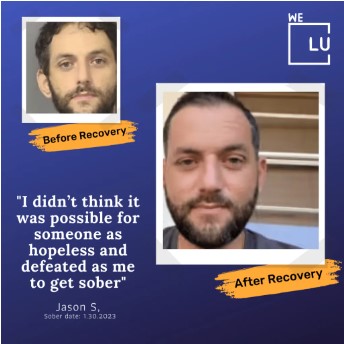
Experience Transformative Recovery at We Level Up Treatment Centers.
See our authentic success stories. Get inspired. Get the help you deserve.
Start a New Life
Begin with a free call to an addiction & behavioral health treatment advisor. Learn more about our dual-diagnosis programs. The We Level Up Treatment Center Network delivers recovery programs that vary by each treatment facility. Call to learn more.
- Personalized Care
- Caring Accountable Staff
- World-class Amenities
- Licensed & Accredited
- Renowned w/ 100s 5-Star Reviews
We’ll Call You
Frequently Asked Questions
What is the most effective treatment for BPD?
The most evidence-based treatment for BPD is psychotherapy. Dialectical Behavior Therapy (DBT), Mentalization-Based Therapy (MBT), Transference-Focused Psychotherapy (TFP), and Schema Therapy can help manage symptoms. These symptoms include emotional instability, impulsivity, and self-harm.
How does Transference-Focused Psychotherapy (TFP) work?
TFP focuses on understanding relationship patterns and emotional responses, particularly in therapy. Patients gain insight into how past experiences influence current behaviors, which helps reduce anger, impulsivity, and interpersonal conflicts.
How long does BPD treatment take?
Treatment duration varies. Structured therapies like DBT usually last 12–18 months, while others may continue for several years. Long-term therapy often leads to the best outcomes.
Can people with BPD recover fully?
Yes. With consistent treatment, many patients experience significant symptom reduction, improved relationships, and better overall functioning. Recovery may not mean a complete absence of symptoms, but it often allows a meaningful and stable life.
Can BPD be treated without therapy?
Therapy is considered the first-line treatment. While medications and support groups can help, psychotherapy is essential for long-term improvements and coping strategies.
Can BPD treatment help with self-harm and suicidal thoughts?
Yes. Evidence-based therapies like DBT and TFP are specifically designed to reduce self-harm and suicidal behaviors. Therapy teaches patients safer coping strategies during emotional crises.
Resources
Dialectical Behavior Therapy (DBT) – briefly mentions DBT but does not provide an in-depth explanation. A dedicated page on DBT could offer comprehensive insights into its principles, effectiveness, and how it helps individuals with BPD
Co-occurring Disorders – BPD often coexists with other mental health conditions such as depression, anxiety, and substance use disorders. A page discussing these co-occurring disorders and their treatment would be beneficial.
Cluster B Personality Disorders – The article could expand on other Cluster B personality disorders like Narcissistic Personality Disorder and Antisocial Personality Disorder, which share some overlapping features with BPD.