

Depression hits women harder and more often than men. It can also be harder to spot. Hormone shifts, pregnancy, new motherhood, and menopause all play a part in women’s mental health. Depression can also show up with drug or alcohol use, which is why dual diagnosis care matters for many women.
We Level Up is a national substance abuse and mental health facility for women, with accredited centers in Florida, Texas, California, Washington, and New Jersey. We offer therapy, medical care, and a licensed telehealth option, along with gender-focused support built around you. We treat depression from every angle, not just one symptom. No two women are the same, so no two treatment plans look the same either.

Skip To:
What Is Depression in Women?
Depression is a mood disorder. It changes how you think, feel, and act each day. It is more than normal sadness. The National Institute of Mental Health says depression is more common in women due to their biology, hormones, and life experiences.
A doctor usually looks for symptoms that last two weeks or more. These symptoms must get in the way of work, family, or daily life.
Women get depression about twice as often as men. Much of this comes from hormone changes during puberty, periods, pregnancy, birth, and menopause. Stress, caregiving, and past trauma can raise the risk, too.
Depression can show up alone. It can also show up with anxiety, trauma, or substance use. A mental health professional can check your symptoms and confirm a diagnosis.
Get Help. Get Better. Get Your Life Back.
Searching for Accredited Drug and Alcohol Rehab Centers Near You?
Even if you have failed previously and relapsed, or are in the middle of a difficult crisis, we stand ready to support you. Our trusted behavioral health specialists will not give up on you. When you feel ready or just want someone to speak to about therapy alternatives to change your life call us. Even if we cannot assist you, we will lead you to wherever you can get support. There is no obligation. Call our hotline today.
(844) 597-1011Depression and Related Conditions
Depression rarely comes alone. Anxiety often shows up with depression in women. Both can cause restlessness, poor sleep, and trouble focusing.
Mood disorders like bipolar disorder can look like depression during low points. When conditions overlap, symptoms feel stronger and harder to manage alone. Full care treats every condition at the same time. It does not treat depression by itself.

Get Your Life Back
Find Hope & Recovery. Get Safe Comfortable Detox, Addiction Rehab & Dual Diagnosis Trused Care.
7/365 Line (844) 597-1011Common Types of Depression Unique to Women
Depression shows up in different forms for women. Some of these forms tie directly to hormones. Common types include:
- Seasonal Affective Disorder: Depression tied to shorter, darker days. This hits women more than men.
- Major Depressive Disorder (MDD): Deep sadness or loss of interest that lasts two weeks or more.
- Premenstrual Dysphoric Disorder (PMDD): Strong mood symptoms that show up before your period.
- Perinatal and Postpartum Depression: Depression during pregnancy or after birth, often tied to fast hormone drops.
- Perimenopausal Depression: New or worse depression during the shift into menopause.
- Persistent Depressive Disorder: Low-level depression that lasts two years or longer.
First-class Facilities & Amenities
Trusted Integrated Addiction & Mental Health Rehabilitation Treatment
Rehab Centers TourEstablished Addiction Centers. Serene Private Facilities. Inpatient rehab programs vary.
Addiction Helpline (844) 597-1011Comprehensive recovery success experience, backed by a Team w/ History of:
15+
Years of Unified Experience
100s
5-Star Reviews Across Our Centers
10K
Recovery Success Stories Across Our Network
- Low Patient to Therapist Ratio
- Onsite Medical Detox Center
- Comprehensive Dual-Diagnosis Treatment
- Complimentary Family & Alumni Programs
- Alumni Coaching, Recovery & Personal Development Events
Common Symptoms of Depression in Women
Depression can look different in women than in men. Common symptoms include:
- Ongoing sadness, emptiness, or hopelessness
- Loss of interest in things you used to enjoy
- Guilt or feeling worthless
- Low energy, even after rest
- Changes in appetite or weight
- Sleeping too little or too much
- Trouble focusing or making choices
- Irritable or sudden mood swings
- Body aches, headaches, or stomach issues
These symptoms often get worse without help. Reaching out early makes recovery easier.
Specialized, Accredited, 5-Star Reviewed, Evidence-based Addiction & Mental Health Programs. Complete Behavioral Health Inpatient Rehab, Detox plus Co-occuring Disorders Therapy.
CALL(844) 597-1011End the Addiction Pain. End the Emotional Rollercoaster. Get Your Life Back. Start Drug, Alcohol & Dual Diagnosis Mental Health Treatment Now. Get Free, No-obligation Guidance by Substance Abuse Specialists Who Understand Addiction & Mental Health Recovery & Know How to Help.
Questions About Our Facilities or Programs?
Our admissions team is here for you 24/7. Call us with any questions about care at We Level Up for you or a loved one.
Talk To Our Team: (844) 597-1011
Experience Transformative Recovery at We Level Up Treatment Centers.
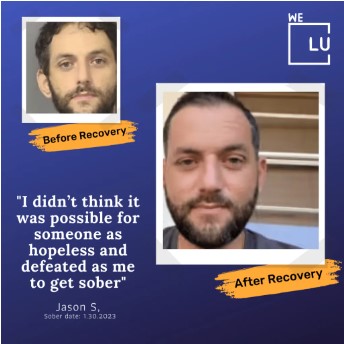
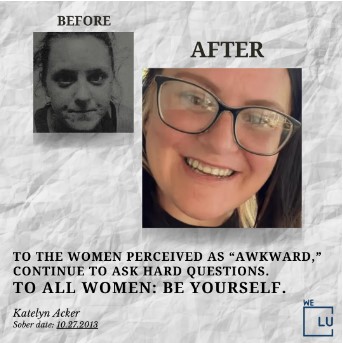
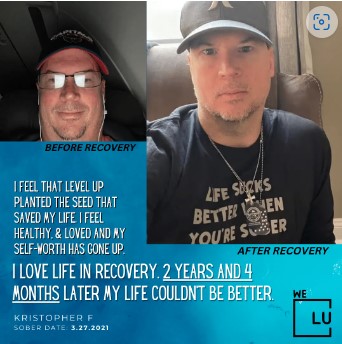
See our authentic success stories. Get inspired. Get the help you deserve.
Start a New Life
Begin with a free call to an addiction & behavioral health treatment advisor. Learn more about our dual-diagnosis programs. The We Level Up Treatment Center Network delivers recovery programs that vary by each treatment facility. Call to learn more.
- Personalized Care
- Caring Accountable Staff
- World-class Amenities
- Licensed & Accredited
- Renowned w/ 100s 5-Star Reviews
We’ll Call You
How Depression in Women Is Diagnosed
A mental health provider does a full check before making a diagnosis. This means a look at your symptoms, health history, and family history. It also covers how depression affects your daily life. For women, this check also covers hormone history, like pregnancy, period patterns, and menopause.
Providers use the DSM-5 guide to confirm a diagnosis. This stands for the Diagnostic and Statistical Manual of Mental Disorders. Depression in women’s health often overlaps with anxiety, trauma, or substance use. A clear diagnosis is the first step toward real treatment.
Evidence-Based Treatment for Women’s Depression
Good treatment is built around you and backed by research. It often mixes talk therapy, medical care, and full-picture support.
Talk Therapy and Coping Strategies
Talk therapy helps you spot the thoughts and stress that feed depression. Sessions build coping skills and healthier ways to handle hard days.
Medication Support
Medicine may help with moderate to severe depression, especially with therapy. Our medical team watches dosage and side effects closely. Hormone changes can affect how medicine works in your body.
Integrated Mental Health Care
Many women with depression also face substance use or another mental health issue. Treating both at once, not one at a time, leads to better results and lowers the risk of relapse.
We Level Up’s Approach to Women’s Depression Treatment
Treatment starts with a full check of your symptoms, triggers, and hormone history. We also look for any other conditions. Since depression looks different in every woman, your plan is built just for you and changes as you progress.
Our care stays evidence-based and happens in a supportive, women-focused space. The goal is fewer symptoms, stronger coping skills, and lasting stability.
Our women’s depression program uses:
- Cognitive Behavioral Therapy (CBT): Helps you spot and change the negative thoughts behind depression.
- Dialectical Behavior Therapy (DBT): Builds skills to manage strong emotions.
- Group Therapy and Peer Support: Connects you with other women facing similar struggles.
- Trauma-Informed Care: Treats past trauma that may feed your depression.
Your care team reviews your plan often. This may include medicine and a plan for support after treatment ends.
What Our Women’s Depression Treatment Program Offers
Our program is built around women facing depression. It includes:
- A full mental health and hormone history check
- A treatment plan made just for you
- Evidence-based therapy and skill-building
- Group therapy with other women in recovery
- Medical care and medicine management when needed
- A support plan for after you leave treatment
Levels of Care for Women’s Depression Treatment
The right level of care depends on how severe your symptoms are and your daily needs. We Level Up offers many options to match where you are right now.
Inpatient Depression Treatment
Residential treatment gives you round-the-clock care for severe or ongoing depression. Daily therapy, medical checks, and a quiet setting help you stabilize fast.
Outpatient Depression Treatment
Outpatient care fits mild to moderate depression. It lets you keep working, caring for family, or going to school. Options include partial hospitalization and set therapy sessions each week.
Telehealth Depression Treatment
Telehealth gives you therapy and medical support from home through a secure video call. It works well if you have a busy schedule, no transport, or need care after in-person treatment ends.
What to Expect During Women’s Depression Treatment
Treatment follows a routine but is built around you. Most women move through a mix of therapy, skill-building, and reflection each week:
- Individual Therapy Sessions: One-on-one work on your triggers and goals.
- Group Therapy and Peer Support: Shared time with other women in treatment.
- Skill-Building and Emotional Regulation: Real tools to manage stress and mood swings.
- Progress Checks: Regular reviews with your care team to update your plan.
Between sessions, you’ll practice these skills in real life. Over time, this builds your confidence and eases your symptoms.
Co-Occurring Disorders Linked to Depression and Addiction in Women
Depression in women often shows up with substance use. Some women use drugs or alcohol to numb hard feelings. The CDC notes that depression in women often ties to other health and behavior risks that need care together. Treating both issues at once brings better, longer-lasting results.
| Condition | How It Often Links to Addiction |
| Major Depressive Disorder | Substances may numb ongoing sadness or hopelessness. |
| Postpartum Depression | New moms may turn to drugs or alcohol to cope. |
| PMDD | Mood swings each month can lead to substance use. |
| Anxiety Disorders | Alcohol or sedatives may be misused to calm anxiety. |
| Perimenopausal Depression | Poor sleep and mood swings can raise substance use. |
| Trauma-Related Disorders | Past trauma often drives self-medicating. |
Care that treats both depression and substance use as linked, not separate, leads to stronger recovery.
Treatment Options and Care Pathways
Your best path depends on how severe your symptoms are and your daily life. Many women do well with outpatient therapy alone. Others need the structure of inpatient or residential care. It’s common to move between levels of care as you get better.
Every plan at We Level Up is built for you. Your care team adjusts your path as your needs change.
Insurance and Accessibility
We Level Up works with many major insurance plans. This helps make women’s depression treatment easier to reach. Our team can check your insurance benefits and explain your coverage. This happens in a private, no-pressure setting.
We also offer self-pay and flexible payment plans. Reaching out is the hardest step. We handle the rest.
Take the Next Step Toward Women’s Depression Treatment
Depression can feel like too much to carry. But real treatment can help. Our women’s treatment center for depression pairs caring staff with proven therapy to help you feel like yourself again. Recovery is possible, and you don’t have to face it alone.
Contact our team today. Learn about your options or set up a private mental health assessment.
Call Now: (844) 597-1011
Sources
Depression in Women: 4 Things to Know. National Institute of Mental Health (NIMH). https://www.nimh.nih.gov/health/publications/depression-in-women
Depression Among Women. Centers for Disease Control and Prevention (CDC). https://www.cdc.gov/reproductivehealth/depression
Women and Mental Health. National Institute of Mental Health (NIMH), 2024.
Major Depression. National Institute of Mental Health (NIMH), Statistics, 2021 NSDUH data.
Diagnostic and Statistical Manual of Mental Disorders, Fifth Edition (DSM-5). American Psychiatric Association, 2013.
Depression. Office on Women’s Health, U.S. Department of Health and Human Services.
Postpartum Depression. Office on Women’s Health, HHS.
Premenstrual Dysphoric Disorder. American College of Obstetricians and Gynecologists.
Perinatal Depression. NIMH Brochure, 2023.
Depression and Substance Use Comorbidity. Substance Abuse and Mental Health Services Administration (SAMHSA).