
Psychiatric Disorder Treatment Programs at We Level Up
This guideline addresses the management and support provided to individuals dealing with a range of common psychiatric disorders, such as depression, (GAD) generalized anxiety disorder, phobias, panic disorder, social anxiety disorder, (OCD) obsessive-compulsive disorder, and (PTSD) post-traumatic stress disorder. Continue to read more about the most common types of psychiatric disorders and the most effective treatment options.
Clinically Reviewed by Lauren Barry, LMFT, MCAP, QS
Medically Reviewed by Ali Nikbakht, PsyD
Reviewed / Updated: October 5, 2026 — Editorial Policy | Research Policy | Privacy Policy
By We Level Up | Author Alex Evans, PharmD, MBA | Editorial Policy | Research Policy
Psychiatric disorders can change thoughts, feelings, behavior, sleep, and daily choices over time. The NIMH reports that more than one in five U.S. adults lives with a mental illness. Some conditions also occur with alcohol or drug use, making symptoms harder to manage. Without care, symptoms may harm health, safety, work, school, and close relationships.
Treatment may combine therapy, medicine, skill building, family guidance, and substance use support. A full assessment reviews symptoms, health, safety, sleep, drug use, and past care. This review helps clinicians choose services that match each person’s needs and goals. Regular check-ins allow the care plan to change as symptoms and risks improve.
We Level Up Treatment Centers brings coordinated psychiatric care to people throughout the country. Its seven accredited facilities serve Florida, Texas, California, Washington, and New Jersey. Psychiatrists, nurses, psychologists, and therapists may provide diagnosis, therapy, medication support, and crisis planning. Secure telehealth visits may support follow-up care when remote treatment remains safe and suitable.
Skip To:
What Is a Psychiatric Disorder?
A mental health condition is a health condition that affects thoughts, mood, actions, or tasks. The term covers a wide range of problems with different care needs. Normal grief, fear, stress, or anger does not always mean someone has a disorder. A trained clinician must review the pattern before giving a diagnosis.
People searching for mental disorder vs psychiatric disorder may find both terms used in similar ways. Many teams use mental health condition because it sounds more direct. The label does not show how severe the signs are. Mental health professionals must review harm, safety, health, and symptom length.
Psychiatric Disorders and Related Conditions
Mental health signs can overlap with trauma, poor sleep, pain, brain injury, or illness. Alcohol, cannabis, stimulants, and some medicines may also worsen mood or thought changes. Risk factors may include genes, stress, trauma, illness, and weak social support. A review shows what began first and needs care.


Level Up Treatment Lawrenceville
Drug & Alcohol Addiction Treatment Center w/Detox
Licensed & Accredited w/ 5-star reviews.- Inpatient addiction rehab center w/medical detox
- Addiction treatment and detox for alcohol, benzo, heroin, opioid, and more.
- Secondary mental health treatment available as part of our dual diagnosis programs.
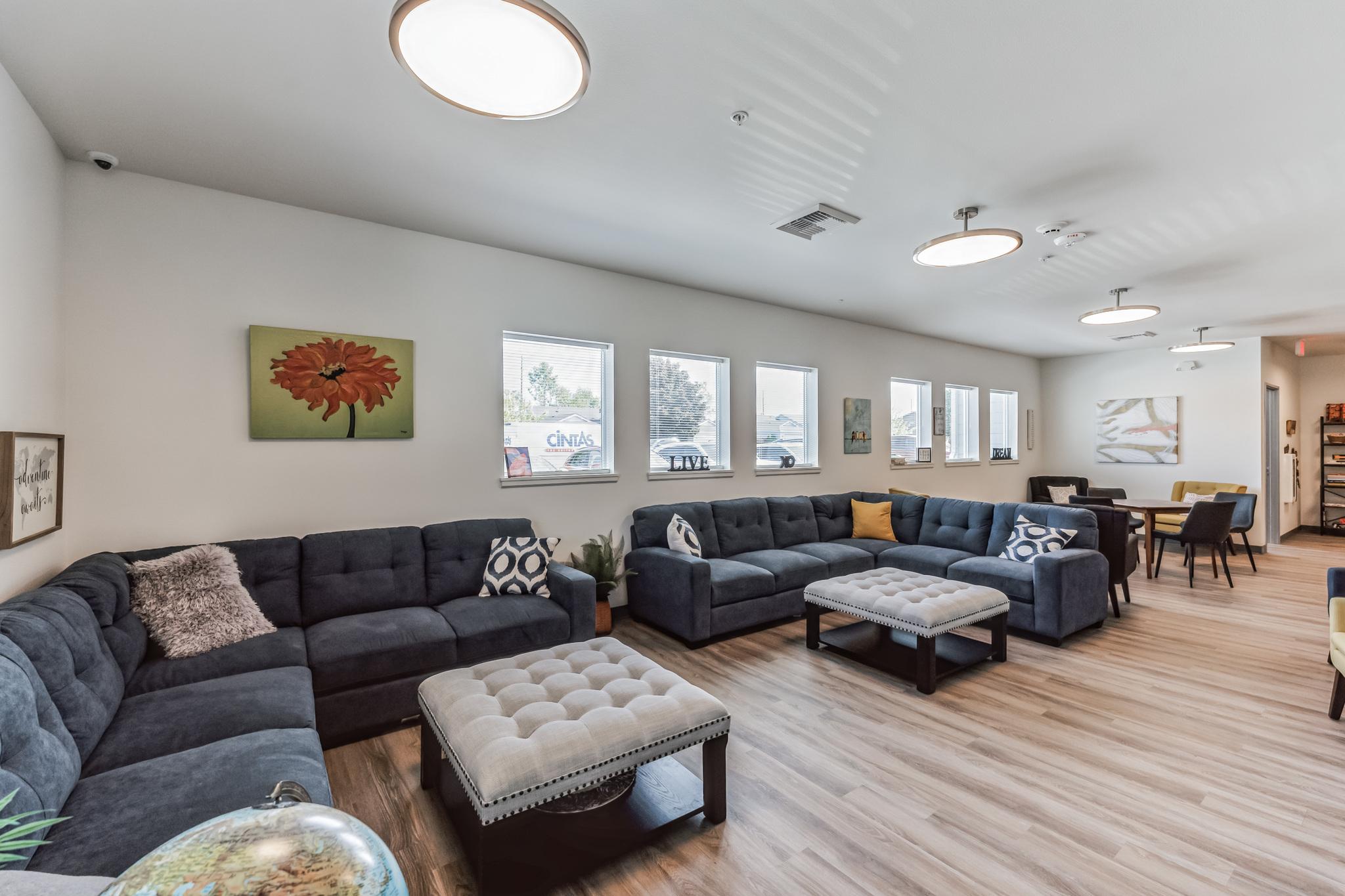
We Level Up Washington
Premier Behavioral Health Treatment Center
Licensed & Accredited w/ 5-star reviews.- Inpatient mental health treatment center
- Therapy for depression, anxiety, trauma, bipolar disorder, PTSD, and more.
- Dual diagnosis rehab programs available

We Level Up California
Drug & Alcohol Addiction Treatment Center w/Detox
Licensed & Accredited w/ 5-star reviews.- Inpatient addiction rehab center w/medical detox
- Addiction treatment and detox for alcohol, benzo, heroin, opioid, and more.
- Secondary mental health treatment available as part of our dual diagnosis programs.
Common Symptoms of Psychiatric Disorders
Signs differ by condition, age, health, culture, stress, and help. Some signs grow slowly, while others follow trauma, illness, medicine changes, or drug use. One symptom alone does not prove that a disorder is present. Great or unsafe changes need a clinical review.
- Ongoing sadness, fear, anger, numbness, or sharp mood changes.
- Trouble sleeping, eating, focusing, remembering, or finishing tasks.
- Pulling away from family, friends, work, school, or valued activities.
- Hearing, seeing, or believing things that other people do not.
- Fast speech, little sleep, high energy, or unsafe choices.
- Repeated rituals, unwanted thoughts, panic, or severe avoidance.
- More alcohol or drug use to manage mood, sleep, or stress.
- Thoughts of self-harm, suicide, violence, or being unable to stay safe.
Common Types of Psychiatric Disorders
The types of mental health conditions differ in signs, causes, risks, and support needs. Some have one condition, while others have two or more. Signs may change with age, stress, health, help, or drug use. Common disorders include the groups below.
- Brain Development Disorders: Early brain differences affect focus, learning, speech, or social skills.
- Depressive Disorders: Low mood, loss of interest, guilt, or low energy harm life.
- Anxiety Disorders: Strong fear, worry, panic attacks, or avoidance become hard to control.
- Bipolar Disorders: Large mood, sleep, and energy shifts affect tasks.
- Trauma Disorders: A harmful event leads to fear, bad memories, or avoidance.
- Psychotic Disorders: Hallucinations or false beliefs change a person’s view of reality.
Questions About Our Facilities or Programs?
Our admissions coordinators are available 24/7. Staff can explain programs, sites, insurance, and intake. They can help you see which setting may fit current signs and safety needs. Access may vary by site, license, age, health risk, coverage, and space.
[Talk To Our Team: (954) 475-6031]
How Psychiatric Disorders Are Diagnosed
A full mental health assessment reviews signs, health, medicine, drug use, safety, and life. The clinician asks when changes began and how they affect tasks. DSM-5-TR guidance helps staff compare the signs with known mental health conditions. Trusted people may share facts when the person agrees.
Medical checks may rule out thyroid problems, infections, seizures, sleep loss, or drug effects. A doctor may use lab work, an exam, or other tests. A diagnosis matters because several disorders share signs but need different care. The team should explain the findings and first care goals.
Evidence-Based Treatment for Psychiatric Disorders
Effective treatment fits the diagnosis, signs, health, risks, goals, and past care. Care may include therapy, medicine, daily structure, family support, or services. The right mix depends on safety needs and the person’s life. Regular reviews help the team change care when needs or goals shift.
Talk Therapy and Coping Strategies
Cognitive behavioral therapy helps people spot harmful thoughts and practice more useful actions. CBT can also build skills for sleep, stress, planning, and problem solving. Other behavior therapy methods can change habits that keep fear or low mood active. The team should explain each method and track its effect.
DBT may help with strong feelings, unsafe urges, conflict, or stress. It teaches calm focus, stress control, speech, and safer choices. DBT does not fit every diagnosis, so staff should review the person’s needs. Therapy works best when people use new skills between sessions.
Medication Support
Prescribed medicine may help with signs tied to mood, fear, sleep, thought, focus, or agitation. A doctor reviews age, health, other drugs, side effects, and past care. Some people improve with medicine, while many also need therapy and daily help. People should not start, stop, share, or change medicine without medical advice.
Medicine checks help staff track sleep, mood, side effects, safety, and life. Some drugs take time to work, so early follow-up is important. The doctor may change the dose when the benefits stay low or the side effects grow. Clear instructions can reduce mistakes and support safe medicine use.
Integrated Mental Health Care
Mental illness and drug use can worsen sleep, mood, judgment, safety, and care follow-through. Integrated dual diagnosis care treats both needs within one shared plan. Services may include therapy, medicine checks, relapse plans, testing, and safer coping skills. Shared goals help all clinicians follow the same recovery path.
Across its national substance abuse and mental health facility network, We Level Up treats mental illness and drug use in one plan. This joined care supports mood, sleep, safety, medicine, and recovery.
We Level Up’s Approach to Psychiatric Disorder Treatment
We Level Up begins with a broad review of signs, health, safety, past care, and goals. The team learns what each person needs and builds a care plan that fits their needs. Care may include the following:
- Individual Therapy: Private sessions help people talk about symptoms, set goals, and learn healthy ways to cope.
- Medication Support: Medicine may help manage symptoms when needed. Staff track progress, changes, and side effects.
- Family Education: Family members can learn how to support daily routines, set healthy limits, use medicine safely, and help with follow-up care.
- Group Therapy: Group therapy gives people a place to learn new skills, share support, and connect with others who may face similar challenges.
- Wellness and Recovery Support: Care can focus on daily needs, warning signs, healthy routines, and steps that support long-term recovery.
Care may address obsessive-compulsive disorder, depression, anxiety, trauma, bipolar disorder, psychosis, or other mental health needs. Family members can learn how to support routines, limits, medicine safety, and follow-up care. The team also reviews warning signs that may place progress at risk and helps each person know what to do if symptoms return.
Get Help. Get Better. Get Your Life Back.
Searching for Accredited Drug and Alcohol Rehab Centers Near You?
Even if you have failed previously and relapsed, or are in the middle of a difficult crisis, we stand ready to support you. Our trusted behavioral health specialists will not give up on you. When you feel ready or just want someone to speak to about therapy alternatives to change your life call us. Even if we cannot assist you, we will lead you to wherever you can get support. There is no obligation. Call our hotline today.
(844) 597-1011
What Our Psychiatric Treatment Program Offers
Care should lower signs while helping people regain safety and control. Services vary by site, age, diagnosis, health needs, risk, and program rules. Staff explain each service and how they track gains. Program features may include the help below.
- Mental health, medical, and drug use checks when needed.
- Personal goals with regular progress and safety reviews.
- Private therapy, coping skills, and family education.
- Medicine review, side-effect checks, and follow-up support.
- Peer support, discharge planning, referrals, and continued care.
We Level Up is a Joint Commission-accredited treatment center. Our team follows recognized standards for safe and quality care. These standards support staff training, patient rights, safety checks, and care reviews. People may ask what each site offers.
Levels of Care for Psychiatric Disorder Treatment
The right level of care depends on a person’s signs, safety, health, support, and daily life. Some people may need care all day, while others may be safe at home while getting treatment. The care team looks at each person’s needs and explains why a certain level may fit. Care can also change as the person feels better, becomes safer, and learns new skills.
When signs are strong or safety is a concern, inpatient psychiatric treatment may be the best place to start. This care gives support day and night in a safe setting. It may help when a person has unsafe acts, drug use, poor self-care, psychosis, or trouble with daily life. Staff may provide therapy, medicine checks, meals, sleep support, health checks, and safety plans. The first goal is to help the person feel safe, calm, and stable before moving to the next step.
As the person gets better, outpatient psychiatric treatment may become a good option. The person can live at home while going to treatment visits. A partial hospitalization program gives care for much of the day, but the person goes home at night. These options can give support while also leaving time for work, school, and family.
For some people, telehealth psychiatric treatment can make care easier to access. Therapy, teaching, follow-up visits, and medical care may be done through secure video visits. This can help when travel, work, health, or family needs make in-person visits hard. A person still needs a safe place, good internet, and local help if risks rise. To learn more about psychiatric treatment and care options, call (844) 597-1011.
What to Expect During Psychiatric Treatment
Treatment gives structure while people learn skills and rebuild healthy routines. Early work focuses on safety, signs, goals, drug use, health, and first steps. People use skills between sessions while staff adjust tools for life. Care may include the activities below.
- Individual Therapy: People discuss signs, goals, stress, trauma, relationships, and gains.
- Group Support: Members learn skills, share support, and practice clear speech.
- Skill Building: Sessions cover sleep, stress, emotions, choices, and habits.
- Care Reviews: Staff check signs, medicine, safety, goals, gains, and barriers.
Co-Occurring Psychiatric Disorders and Addiction
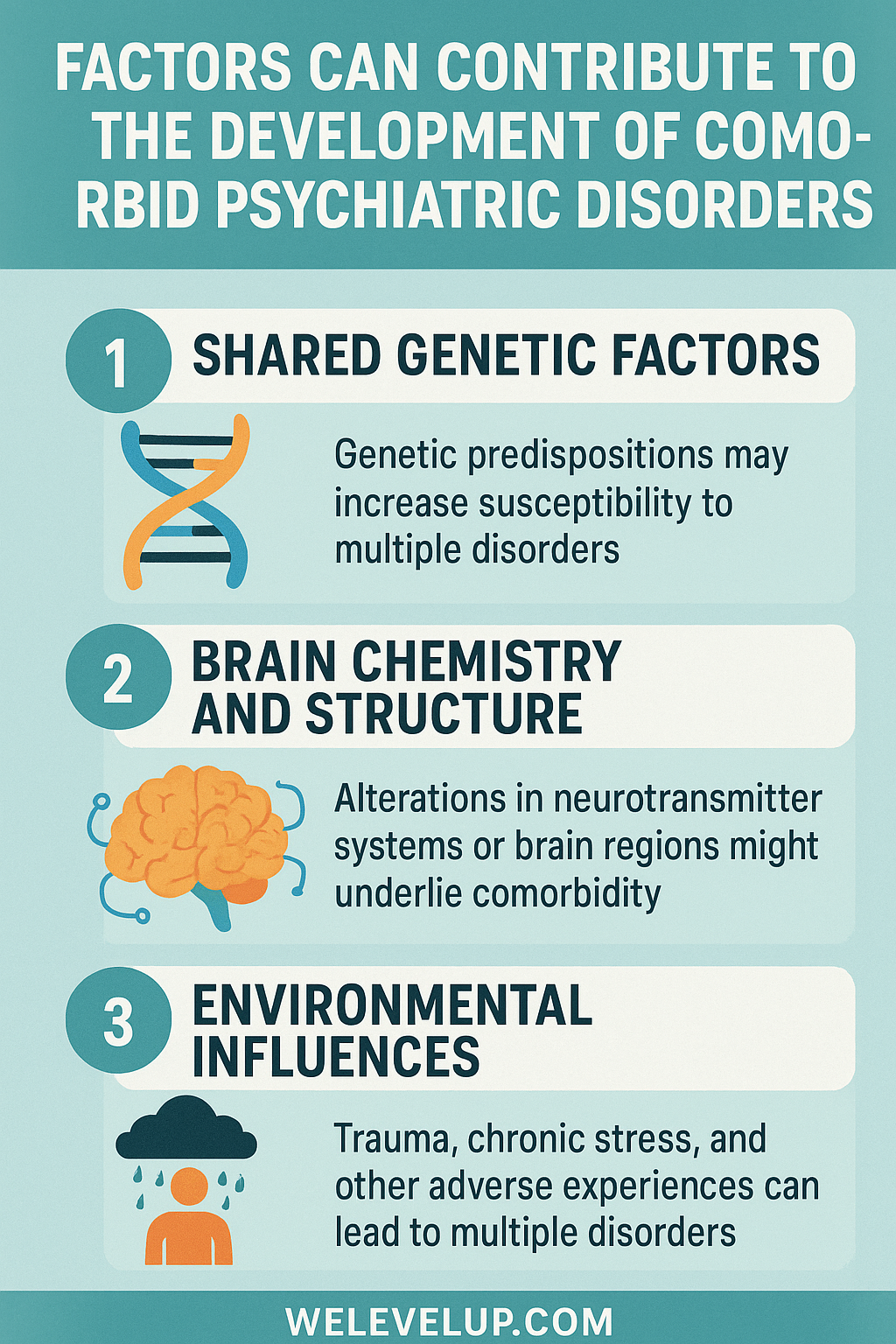
Mental illness and drug use may share risks such as trauma, stress, poor sleep, and family history. Some people use drugs to numb pain, gain energy, sleep, or escape distress. Drug use can later worsen mood, judgment, physical health, and treatment progress. SAMHSA supports treating both concerns through one joined care plan.
- Depression: Drugs may briefly numb sadness, guilt, or low hope.
- Anxiety: Drugs may seem to ease fear, panic, or body tension.
- Bipolar Disorder: High energy and quick choices may increase unsafe drug use.
- Trauma Disorders: Drugs may help someone avoid fear, memories, or body stress.
- Psychotic Disorders: Drug use may worsen fear, confusion, or loss of reality.
Joined care may include therapy, medicine support, health checks, relapse planning, and coping skills. The team should ask about alcohol, cannabis, pills, stimulants, nicotine, and other drugs without blame. One care plan can address symptoms, cravings, sleep, medicine safety, and support needs. Clear communication between providers helps prevent care gaps and keeps treatment goals aligned.
We Level Up is Backed by a Team with a History of:
>> 15+ Years Experience
>> 100s of 5-Star Reviews
>> 10K+ Recovery Successes
>> Low Patient to Therapist Ratio
>> Dual Diagnosis Mental Health Treatment
Did you know that only Joint Commission-accredited and certified organizations can use the Gold Seal of Approval®? We Level Up is one of them. And that only about 10% of treatment centers qualify.
WE LEVEL UP REHAB IS PROUD TO MEET / EXCEED JCAHO QUALITY CENTER STANDARDS.
Free Psychiatric Disorder Evaluation/Treatment Options Assessments
Looking for “psychiatric evaluation near me?” Your free psychiatric evaluation will present your complete treatment program options.
EVEN IF YOU’RE NOT ADMITTED FOR TREATMENT WITH US, YOUR ASSESSMENT CAN GUIDE THE NEXT STEPS IN YOUR CARE.
Where we’re unable to treat you, please don’t worry. We’ll help guide you to other suitable treatment options.

Get Your Life Back
Find Hope & Recovery. Get Safe Comfortable Detox, Addiction Rehab & Dual Diagnosis Trused Care.
7/365 Line (844) 597-1011Treatment Options and Care Pathways
Some people begin with therapy, medicine visits, family support, and changes in habits. Others need more structure because signs, safety, health, or drug use raise risk. Care may step down as signs ease and control improves. Each move should protect gains and keep follow-up care in place.
Insurance and Accessibility
We Level Up works with many health plans, but each plan has different rules and costs. Admissions staff can check benefits, network status, approvals, deductibles, and known costs. Coverage may depend on diagnosis, care level, site, and open programs. Call (954) 475-6031 for private help with insurance, admissions, and program choices.
Take the Next Step Toward Psychiatric Treatment
Mental health signs can feel lonely, but the right care can help people regain balance. We Level Up offers care shaped around each person’s diagnosis, strengths, risks, and goals. Call (954) 475-6031 to ask about services or schedule a private admissions review. For self-harm risk or immediate danger, call 911 or seek emergency care now.
We Level Up Treatment Centers operates seven accredited facilities across Florida, Texas, California, Washington, and New Jersey, each staffed by licensed physicians, psychologists, and therapists delivering individualized care. Admissions staff can explain which site and program may fit needs. Services, age rules, licenses, and space may differ across the network. Contact the team before travel so staff can confirm access and fit.
Frequently Asked Questions About Psychiatric Disorder Treatment
Is there a difference between a psychiatrist and a psychologist?
Yes. A psychiatrist is a medical doctor who can diagnose mental health conditions and prescribe medication. A psychologist typically holds a doctoral degree in psychology, focuses on therapy and testing, and cannot prescribe medication in most states. Many treatment plans use both types of providers working together.
Can online care help with mental health treatment?
Remote care may be offered when video visits are safe and useful. It can support therapy, teaching, follow-up, family sessions, and medical care. Some people still need exams, tests, or more help. Admissions staff can explain access, privacy, state rules, and technology needs. To learn more about remote care and treatment options, call (844) 597-1011.
What insurance plans does We Level Up accept?
We Level Up works with many health insurance plans, including Ambetter and Curative. Coverage depends on your specific plan and treatment needs. Our team can help verify your insurance and explain your coverage and payment options.
Can mental health symptoms improve without formal treatment?
Some mild signs may ease when stress falls, sleep improves, or help grows. Lasting or strong signs often need trained care. A review can find physical causes, safety risks, and related needs. Delayed care may allow signs, drug use, or conflict to grow.
How long does psychiatric treatment usually last?
Care length depends on diagnosis, symptom severity, and how a person responds to treatment. Some programs last a few weeks, while follow-up care and medication management may continue much longer. The team reviews progress regularly and adjusts the plan as needs change.
First-class Facilities & Amenities
Trusted Integrated Addiction & Mental Health Rehabilitation Treatment
Rehab Centers TourEstablished Addiction Centers. Serene Private Facilities. Inpatient rehab programs vary.
Addiction Helpline (844) 597-1011Comprehensive recovery success experience, backed by a Team w/ History of:
15+
Years of Unified Experience
100s
5-Star Reviews Across Our Centers
10K
Recovery Success Stories Across Our Network
- Low Patient to Therapist Ratio
- Onsite Medical Detox Center
- Comprehensive Dual-Diagnosis Treatment
- Complimentary Family & Alumni Programs
- Alumni Coaching, Recovery & Personal Development Events
Free Psychiatric Evaluations
Insurance for Mental Health
Find your mental health rehab insurance coverage without anyone knowing that you inquired.
YOUR MENTAL HEALTH INSURANCE COVERAGE CHECK IS PRIVATE AND CONFIDENTIAL.
Specialized, Accredited, 5-Star Reviewed, Evidence-based Addiction & Mental Health Programs. Complete Behavioral Health Inpatient Rehab, Detox plus Co-occuring Disorders Therapy.
CALL(844) 597-1011End the Addiction Pain. End the Emotional Rollercoaster. Get Your Life Back. Start Drug, Alcohol & Dual Diagnosis Mental Health Treatment Now. Get Free, No-obligation Guidance by Substance Abuse Specialists Who Understand Addiction & Mental Health Recovery & Know How to Help.
We Level Up FL Mental Health Center Tour Video
Looking for help with mental health challenges like psychiatric disorders? Join thousands of patients who trusted We Level Up for mental health and other substance abuse treatments. Call 24/7 for more psychiatric rehab information today. Your call is free and confidential—access mental health professionals who understand your circumstances and are ready to help.
Don’t Wait. Get Help Now!
Searching for a top-notch treatment for mental health or “psychiatric near me?” We Level Up treatment centers offer support and proven treatment programs you and your family can trust. Get help to get on your path to long-term mental health recovery success. Your dedicated behavioral team will lead you, no matter where you are in treatment or lack thereof. You will get care from a team of doctors, therapists, and clinicians. They work together to provide mental health services that fit your needs and goals. Your therapy programs will tackle your needs today and the tools you’ll need long after for long-term recovery at home.
The We Level Up Mental Health Treatment Center can help with severe depression, anxiety, and many other cases.

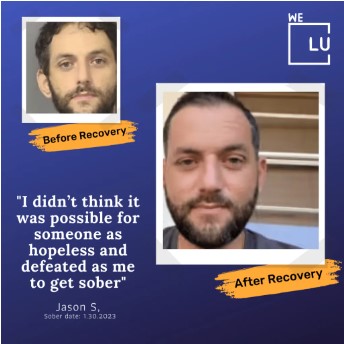
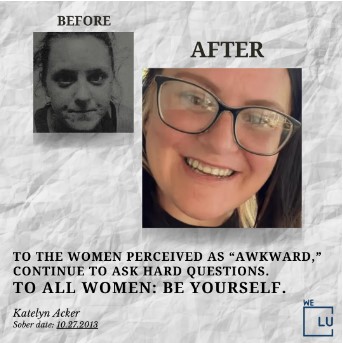
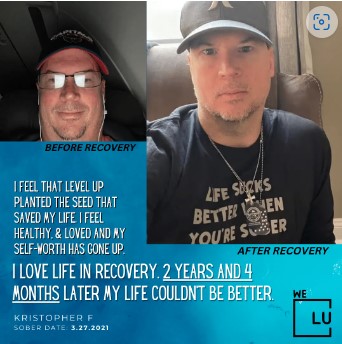
Experience Transformative Recovery at We Level Up Treatment Centers.
See our authentic success stories. Get inspired. Get the help you deserve.
Start a New Life
Begin with a free call to an addiction & behavioral health treatment advisor. Learn more about our dual-diagnosis programs. The We Level Up Treatment Center Network delivers recovery programs that vary by each treatment facility. Call to learn more.
- Personalized Care
- Caring Accountable Staff
- World-class Amenities
- Licensed & Accredited
- Renowned w/ 100s 5-Star Reviews
We’ll Call You
Search We Level Up Psychiatric Disorder Treatment, Mental Health Topics & Resources
Sources
- National Institute of Mental Health (NIMH). Mental Illness. https://www.nimh.nih.gov/health/statistics/mental-illness
- National Institute of Mental Health (NIMH). Mental Health Information. https://www.nimh.nih.gov/health
- American Psychiatric Association. Diagnostic and Statistical Manual of Mental Disorders, Fifth Edition, Text Revision (DSM-5-TR). https://www.psychiatry.org/psychiatrists/practice/dsm
- American Psychiatric Association. DSM-5-TR Fact Sheets. https://www.psychiatry.org/psychiatrists/practice/dsm/educational-resources/dsm-5-tr-fact-sheets
- Substance Abuse and Mental Health Services Administration (SAMHSA). Substance Use Disorder Treatment for People With Co-Occurring Disorders. https://library.samhsa.gov/product/advisory-substance-use-disorder-treatment-people-co-occurring-disorders-based-tip-42/pep20
- National Institute of Mental Health (NIMH). Psychotherapies. https://www.nimh.nih.gov/health/topics/psychotherapies
- National Institute of Mental Health (NIMH). Mental Health Medications. https://www.nimh.nih.gov/health/topics/mental-health-medications
- National Institute of Mental Health (NIMH). Finding Help for Co-Occurring Substance Use and Mental Disorders. https://www.nimh.nih.gov/health/topics/substance-use-and-mental-health
- National Library of Medicine. Mental Disorders. MedlinePlus. https://medlineplus.gov/mentaldisorders.html
- National Institute on Drug Abuse (NIDA). Common Comorbidities With Substance Use Disorders Research Report. https://nida.nih.gov/publications/research-reports/common-comorbidities-substance-use-disorders