
Medication Assisted Treatment: A Comprehensive Guide to Overcoming Opioid and Alcohol Use Disorder
Medication assisted treatment (MAT) is the pairing of psychosocial intervention with a Food and Drug Administration (FDA)–approved medication to treat various substance use disorders. MAT has resulted in reductions in overdose deaths, improved patient comfort, and lessened infectious disease transmission. Continue to read more about medication assisted treatment and resources.
Clinically Reviewed by Lauren Barry, LMFT, MCAP, QS
Medically Reviewed by Ali Nikbakht, PsyD
Reviewed / Updated: May 28, 2026 — Editorial Policy | Research Policy | Privacy Policy
By We Level Up | Author Kate Byrd | Editorial Policy | Research Policy
What is Medication Assisted Treatment?
Medication-assisted treatment (MAT) helps people with opioid use disorder and alcohol use disorder. It combines medications with counseling and behavioral therapies. MAT is a proven treatment that can help you manage withdrawal symptoms and cravings.
The medications used in MAT, like buprenorphine and methadone, block the effects of opioids in the brain. This reduces the risk of relapse and overdose. Counseling and therapy address the underlying causes of addiction.
MAT is a comprehensive approach to treating opioid addiction. It’s tailored to your individual needs. With MAT, you can focus on your recovery and rebuild your life.
Medication-Assisted Treatment Key Takeaways
- MAT combines FDA-approved medications with counseling and behavioral therapies to treat opioid and alcohol addiction comprehensively.
- MAT is a safe and effective treatment. It works best when qualified healthcare providers supervise it. They monitor progress and adjust treatment as needed.
- MAT significantly reduces substance use, overdose deaths, and criminal activity while improving social functioning and treatment retention.
- The length of MAT is different for everyone. It depends on their needs and progress. A minimum of 12 months is usually recommended for the best results.
Overcoming Opioid Addiction via MAT
The opioid crisis in the U.S. is an ongoing, devastating problem affecting millions. Fatal overdoses from the misuse of opioids, both prescription and non-prescription, continue to rise. This crisis has taken a toll on individuals, their families, and their communities.
In the search for help for people with opioid use disorder, Medication-Supported Recovery is the best option. This evidence-based treatment has effectively addressed opioid addiction and other substance use disorders.
If you or someone you know is struggling with opioid addiction, keep reading. You will learn about MAT and how it can help.
Drugs Used in the MAT Program
Several drugs are used in Medication-Supported Recovery programs to support people with substance use disorders. The specific medications used depend on the substance being treated and individual circumstances. Here are three commonly used medications:
- Methadone is used in MAT programs for individuals addicted to opioids such as heroin or painkillers. It helps reduce cravings and withdrawal symptoms. It does this by binding to the same brain receptors as opioids. However, it does not create the same intense high.
- Buprenorphine is another medication used in MAT for opioid use disorders. It is a partial opioid agonist. This means it activates opioid receptors less than full agonists like heroin. Buprenorphine can help lower cravings and withdrawal symptoms while minimizing the risk of misuse.
- Naltrexone is used in MAT programs for opioid and alcohol addiction. It blocks the effects of opioids or alcohol on the brain, reducing cravings and the potential for relapse. Naltrexone is available in oral form or as a long-acting injectable.
These medications, along with counseling and therapy, create a complete approach to MAT. They offer support to people on their recovery journey.
Is MAT the Right Treatment for Me?
Determining whether MAT is the right treatment for you involves careful consideration and consultation with a qualified healthcare provider. They will look at your needs. – This looks at how severe your opioid use disorder is.
It also considers your overall health.
Additionally, it takes into account any mental health issues you might have. Your provider will talk about the benefits and risks of MAT. This will help you make a smart choice about your treatment plan.
MAT is a comprehensive treatment that requires active participation. You need to follow your prescribed medication plan. Also, attend regular counseling sessions. This will help you understand your addiction and build healthy coping skills.
MAT may be particularly beneficial if you’ve struggled with relapse or found other treatments ineffective. The medications used in MAT can alleviate withdrawal symptoms and reduce cravings, providing a stable foundation for your recovery. This can help you focus on building a support system and developing skills for long-term recovery.
Ultimately, the decision to pursue MAT should be made in collaboration with your healthcare provider. They can help you look at the benefits and risks. This will help you see if MAT fits your recovery goals. Remember, recovery is a highly individualized process, and what works for one person may not work for another. Trust your healthcare provider’s expertise and your own instincts as you navigate the path to recovery.
Learn More:
- Discover Top-Rated Drug & Alcohol Medical Detox Near Me, Licensed Accredited Programs. Find Top-rated Detox Near Me Treatment Centers.
- Drug & Alcohol Medical Detox Treatment
- Heroin Detox Timeline, Withdrawal Symptoms, Care & Treatment
- What Is A Prescription Pill Detox Program?
- Vivitrol Effects, Uses, Dangers, & Interactions
- Subutex vs Suboxone, What’s The Difference Between Them?
- Methadone Uses, Side Effects, Effective Treatment, and Risks
- Suboxone Detox, Withdrawal Symptoms, Timeline & Treatment
- Opiate Detox Timeline, Withdrawal Symptoms, & Top Treatment Options
Skip To:
Effectiveness of MAT
MAT is highly effective in treating opioid use disorder. It stops opioid use, overdose deaths, and criminal activity. MAT also increases social functioning and retention in treatment.
You can expect better outcomes with MAT compared to medication or behavioral treatment alone. MAT decreases opioid use more than either approach by itself. People are more likely to stay in treatment longer.
MAT leads to significant reductions in drug use and risk behaviors. It helps you avoid relapse and maintain recovery. MAT improves your ability to function in daily life, work, and relationships.
The medications used in MAT are safe and effective. They’re FDA-approved and prescribed by trained healthcare professionals. The dosages are carefully monitored and adjusted as needed.
Buprenorphine, methadone, and naltrexone bind to opioid receptors in the brain. This reduces cravings and withdrawal symptoms without producing euphoria. You can focus on your recovery without the disruptive effects of opioids.
Counseling and behavioral therapies enhance the effectiveness of MAT medications. They help you address the underlying causes of addiction. You learn healthy coping skills and build a strong support system. This combination of medication and therapy gives you the best chance for long-term success.
Top Medication-Assisted Treatment Studies with Insights
Medication treatment (MAT) is a proven way to treat substance use disorders. It combines FDA-approved medications with therapy to help people recover in the long term. The studies below are known for their strong evidence. They demonstrate the effectiveness of MAT programs, such as those offered at We Level Up Treatment Centers.
How We Level Up Turns Research Into Real Recovery
At We Level Up, we believe that the bridge between research and real-world recovery is built on action. Studies on Medication-Assisted Treatment (MAT) offer powerful insights, but information alone doesn’t change lives. What matters is how we apply evidence-based research to help people recover.
We Level Up MAT specialists aim to apply the latest research to support long-term recovery. Our approach is personal, proven, and practical.
| Study | Treatment Implications | Insights for Patients |
|---|---|---|
| Effects of MAT on Functioning (Maglione et al., 2018) View Study | MAT helps in more ways than just stopping drug use—it can support social and work life. But providers need to help manage any remaining cognitive issues. | MAT can help improve your ability to live a more stable, functional life. You may still experience some thinking or memory issues during treatment, especially in the early stages. However, most people feel better socially and emotionally with MAT. |
| 18-Month MOUD Outcomes Study (2024) Read Article | The longer you stay in MAT, the more benefits you get. Programs should make it easier to stay in care. | People who stay on MAT for a year or more often reduce their drug use. They also avoid overdoses and stay out of the hospital and jail. Progress builds over time. |
| Medication-Assisted Treatment for Opioid Use Disorder View Study | Supports integrating MAT as a core part of opioid use disorder treatment. | Patients have higher retention and lower relapse rates when using MAT. |
| A Comparison of Medication-Assisted Treatment Options for Opioid Use Disorder Review Study | Tailor MAT choice based on patient history, comorbidities, and lifestyle. | Patients can discuss options with providers to find the best-fit treatment. |
| MAT in 12-Step Programs (2019) Read Review | Treatment providers should offer MAT even in programs with a spiritual or peer-support focus. It improves results. | Even if you are in a recovery program with 12-step meetings, MAT can still be part of your plan. It can help you succeed. |
What This Means for Your Care at We Level Up
These studies deliver a powerful statement. It’s clear that Medication-Assisted Treatment (MAT) is an effective and well-rounded approach. It does more than just help with withdrawal symptoms. It also supports overall well-being. This includes both mental and physical health. Plus, it promotes long-term recovery. The best results are achieved through programs that cater to individual needs. They should offer support services and reduce obstacles to treatment.
If you are considering MAT, you can expect a caring and personalized care plan. Research indicates that staying engaged for a longer period can lead to more favorable recovery outcomes. Ready to turn evidence into action? Contact We Level Up Treatment Centers for a private and complimentary assessment. We will create a personalized plan tailored to your needs, informed by research.
MAT Addiction Treatment is Proven To Help:
1. Reducing cravings and withdrawal symptoms
Medications used in MAT help reduce the intensity of cravings and alleviate withdrawal symptoms. This can contribute to better recovery outcomes and a decreased risk of relapse.
2. Improving retention in treatment
MAT has been shown to improve retention rates in substance abuse treatment programs. Reducing cravings and withdrawal symptoms helps people stay in treatment. This makes it more likely they will finish their therapy.
3. Preventing overdose
MAT can significantly reduce the risk of overdose in individuals with substance use disorders. Medications like Naloxone are used to treat opioid use disorder. They can reverse opioid overdose effects and save lives.
4. Enhancing overall health and well-being
MAT has been linked to better health outcomes. It can help lower the risk of infectious diseases such as HIV and hepatitis C.
Treating substance use disorders with MAT can improve physical health.
It can also enhance mental and social well-being.
5. Promoting long-term recovery
MAT has been shown to increase the chances of long-term recovery. By stabilizing brain chemistry and lowering cravings, people have a better chance of joining therapy. This helps them build skills to stay sober and avoid relapse.
Medication-Supported Recovery treatment is a proven method. It takes a complete approach to addiction. This method looks at biological, psychological, and social factors. It aims to address all these aspects together.
Eligibility for MAT Medication Assisted Treatment
Is Medication-Supported Recovery the proper treatment for you? Eligibility for MAT programs is determined case-by-case and depends on several factors. Here are some common considerations for MAT eligibility:
- Diagnosis of substance use disorder: Generally, individuals diagnosed with opioid or alcohol use disorder may be eligible for MAT. The seriousness of the addiction and any other mental health issues may also be considered.
- Medical assessment: A healthcare professional will evaluate an individual’s overall health, medical history, and any potential contraindications or risks associated with the medications.
- Medication-specific criteria: Each medication used in MAT has specific eligibility criteria. Some medications can help people who want to reduce or stop using opioids. Others may be given for alcohol addiction.
- Readiness and commitment to treatment: People should show a willingness and motivation to join treatment. They need to follow medication plans and take part in counseling and behavioral therapies.
- Legal considerations: These can include licensing or certification requirements for healthcare providers or specific regulations for dispensing medications used in MAT.
It’s crucial to consult a qualified healthcare professional or addiction specialist to determine individual eligibility for MAT. They can do a complete assessment and help people find the best treatment options for their needs.
Patient Stories
The following patient stories are composites drawn from multiple illustrative cases to protect privacy. Always consult your medical provider before using any medication or treatment.
- “J., 33 — New dad, shift worker”
Short-acting opioid use for 5 years; worried about missing work. After a clinic-based induction to buprenorphine, J. reports cravings “down from an 8 to a 2” by week 2. He appreciates fewer visits after stabilization and carries naloxone in accordance with his safety plan. - “M., 27 — In recovery during pregnancy”
Previously on buprenorphine, continued treatment through pregnancy with OB coordination. Delivered a healthy infant; the baby was monitored for NAS and did well. M. says, “Knowing my OB and MAT team talked weekly kept me calm.” - “R., 45 — Multiple relapses, prefers ‘all-or-nothing’”
Wanted a non-opioid option and chose extended-release naltrexone after completing opioid-free detox. Values the monthly shot and “no daily dosing,” plus ongoing therapy for triggers.
Illustrtive Clinician perspective (quotes)
“Buprenorphine or methadone are generally preferred in pregnancy because they reduce relapse risk and support prenatal care. We coordinate closely with OBs and pediatric teams.” — Medical Director
“Naltrexone can be a strong fit for patients who can complete a full opioid-free interval or who don’t want an opioid agonist—but we avoid it in acute hepatitis or severe liver disease.” — Addiction Medicine NP
Safety, Eligibility, and Safeguards
Contraindications & cautions (by medication)
- Buprenorphine: Use caution with concurrent sedatives (e.g., benzodiazepines, alcohol), severe respiratory disease, or significant hepatic impairment.
- Methadone: Avoid or monitor closely with history of QT prolongation, torsades, or when using other QT-prolonging meds (see below). Risk of respiratory depression increases with sedatives/alcohol.
- Naltrexone / XR-naltrexone: Contraindicated in current opioid dependence or positive opioid screen (can precipitate withdrawal), acute hepatitis, or liver failure. Requires an opioid-free period before starting.
Common drug–drug interactions (not exhaustive)
- Methadone + QT-prolonging agents (e.g., certain antipsychotics, macrolide antibiotics, fluoroquinolones): ↑ risk of dangerous arrhythmias—consider baseline/periodic ECG, weigh alternatives.
- All MAT meds + CNS depressants (benzodiazepines, Z-hypnotics, alcohol): ↑ sedation/overdose risk—use the lowest effective doses, stagger timing when appropriate, prescribe naloxone.
- Buprenorphine: CYP3A4 inhibitors/inducers may alter levels; monitor for over- or under-treatment.
- Naltrexone: Opioid analgesics won’t work; urgent pain plans should use non-opioid strategies or require specialist input.
Pregnancy & postpartum considerations
- Preferred: Methadone or buprenorphine during pregnancy; avoid withdrawal and reduce relapse risk.
- Naltrexone: Generally not initiated in pregnancy; consider continuation case-by-case if already stable before conception.
- Postpartum: Elevated relapse risk—tight follow-up, lactation-safe plans, newborn NAS monitoring when applicable.
Diversion safeguards
- Treatment agreement and education on safe storage (lockboxes).
- PDMP checks, random toxicology (including buprenorphine/norbuprenorphine), film/pill counts, and observed dosing if concerns arise.
- Gradual take-home privileges based on stability (attendance, negative screens, psychosocial progress).
Take-home rules (typical)
- Start with clinic-based or limited take-homes; increase only after sustained stability.
- Immediate safety changes (lost meds, abnormal screens, intoxication at visits) may reduce take-home eligibility until stabilized.
Monitoring plan
- Methadone: baseline risk review; ECG at baseline and after dose increases if cardiac risk/QT-prolonging meds.
- Buprenorphine: assess sedation/respiratory risk; consider LFTs if hepatic disease.
- Naltrexone: baseline and periodic LFTs; confirm opioid-free status; document pain management plan.
- All: routine UDS, pregnancy tests as indicated, naloxone co-prescribing, and counseling for overdose prevention.
Medication-Assisted Treatment Statistics
Medication-Supported Recovery for alcohol use includes medicine and therapy. This helps a person stop a substance use disorder. Medication-supported recovery for alcohol addiction is effective and available. However, a medical-assisted treatment for alcohol alone is ineffective in addressing addiction. But when combined with therapy, it can help successfully treat substance use disorders, including opioid addiction.
50%
MAT reduced opioid overdose deaths by 50% or more than non-MAT approaches.
Source: NCBI
2.0 Million
In 2019, an estimated 2.0 million people in the US had an OUD. The data from 2019 indicated that about 18% of individuals with an opioid use disorder received MAT.
Source: SAMHSA
345,000
In 2019, approximately 345,000 people received methadone as part of their treatment for opioid addiction.
Source: SAMHSA
Where Can I Get Medication-Supported Recovery?
You can access Medication-Supported Recovery (MAT) from various healthcare settings, including:
- Specialized MAT clinics
- Outpatient substance abuse treatment programs
- Primary care clinics
- Community health centers
- Hospitals
- Mental health clinics
Be sure to find a certified and experienced provider who can administer MAT. Use the SAMHSA treatment locator to find help. You can also call your state’s substance abuse agency for assistance. They can help you find certified MAT providers near you.
Before starting MAT, you’ll undergo a comprehensive assessment to determine its suitability for your needs. This assessment may include:
- Medical history and physical exam
- Substance use history
- Mental health evaluation
- Discussion of treatment goals and expectations
Your provider will create a personalized treatment plan based on the assessment. This plan will include the right medication, dosage, and how often you need to visit. They’ll also recommend counseling and behavioral therapies to address the psychological aspects of addiction.
During treatment, you will have regular check-ins with your provider. These meetings will help track your progress, change medication if needed, and discuss any concerns. MAT is a collaborative effort between you and your healthcare team. Communicate openly about your experiences, challenges, and successes to ensure you receive the support needed for long-term recovery.
If you or a loved one is struggling with substance use, We Level Up can help. Contact us today to learn more.
How Long Does MAT Take?
The duration of MAT varies for each individual based on their unique needs and progress in recovery. There’s no one-size-fits-all timeline. Treatment could last months or years. Your healthcare provider will work with you to determine the appropriate length of treatment.
Factors influencing the duration of MAT include:
- Severity of opioid or alcohol use disorder
- Overall health and any co-occurring conditions
- Response to medications and behavioral therapies
- Adherence to the treatment plan
- Personal recovery goals
In the early stages of MAT, you will have more check-ins with your provider. This helps monitor how you respond to medications and adjust dosages if needed. Over time, as you stabilize and progress in recovery, visits may become less frequent. You’ll continue to participate in counseling and behavioral therapies.
Research shows that longer participation in MAT often leads to better outcomes. A minimum of 12 months is generally recommended, but some people may benefit from several years of treatment. Discontinuing MAT too early can increase the risk of relapse.
You and your healthcare provider will regularly assess your progress and discuss the appropriate time to taper off medications. This process is gradual to minimize withdrawal symptoms and prevent relapse. Even after medications are discontinued, you may continue with behavioral therapies and support groups to maintain recovery.
Remember, recovery is a journey. MAT provides ongoing support for as long as you need it to build a strong foundation for long-term recovery. Committing to the full course of treatment, as recommended by your healthcare provider, will give you the best chance of success.
Featured We Level Up Treatment Centers for Opiate Detox & Rehab & Mental Health Treatment
Break free from the burdens of opioid addiction through Medication Assisted Treatment. Quitting alone can be demanding and isolating, leading to frequent relapses and unrelenting cravings. We Level Up provides access to effective therapy and comprehensive treatment programs that make withdrawal and recovery more manageable. Don’t face addiction alone – contact our 24/7 treatment advocates for the support you need.

We Level Up Tamarac FL
Premier Behavioral Health Treatment Center
 Licensed & Accredited w/ 5-star reviews.
- Inpatient mental health treatment center
- Therapy for depression, anxiety, trauma, bipolar disorder, PTSD, and more.
- Dual diagnosis rehab programs available

We Level Up West Palm Beach
Premier Behavioral Health Treatment Center
Licensed & Accredited.
- Inpatient mental health treatment center
- Therapy for depression, anxiety, trauma, bipolar disorder, PTSD, and more.
- Dual diagnosis rehab programs available

We Level Up California
Drug & Alcohol Addiction Treatment Center w/Detox
Licensed & Accredited w/ 5-star reviews.
- Inpatient addiction rehab center w/medical detox
- Addiction treatment and detox for alcohol, benzo, heroin, opioid, and more.
- Secondary mental health treatment available as part of our dual diagnosis programs.
View more We Level Up treatment centers and get a free Medication Assisted Treatment program insurance check.
Medication-Assisted Treatment for Opioid Use Disorder
Medication-Supported Recovery (MAT) combines FDA-approved medications with counseling and behavioral therapies to treat opioid addiction. It’s a comprehensive approach tailored to each individual’s needs.
Medications Used:
The medications used in MAT for opioid addiction include:
Buprenorphine
This medication partially activates opioid receptors, reducing cravings and withdrawal symptoms without producing the euphoria associated with opioids. Buprenorphine is available as a sublingual tablet or film and is often combined with naloxone to prevent misuse.
Methadone
This long-acting opioid agonist reduces cravings and withdrawal symptoms by activating opioid receptors in the brain. Methadone is dispensed through certified opioid treatment programs and requires daily clinic visits for dosing.
Naltrexone
As an opioid antagonist, naltrexone blocks the effects of opioids on the brain. It’s available as a daily pill or a monthly injection. It helps prevent relapse by lowering cravings and the pleasure from opioids.
Your healthcare provider will help you find the best medication for your needs, health, and treatment goals.
Medication-Assisted Treatment For Alcohol Use Disorder
Medication-Assisted Treatment (MAT) is a highly effective approach for treating alcohol use disorder. It combines FDA-approved medications with counseling and behavioral therapies to provide a comprehensive treatment plan.
Medications Used:
Three FDA-approved medications are commonly used in MAT for alcohol addiction: naltrexone, acamprosate, and disulfiram.
Naltrexone
This medication blocks the effects of alcohol on the brain’s reward system, reducing cravings and the desire to drink. It’s available in both oral and long-acting injectable forms.
Acamprosate
This drug helps restore the brain’s chemical balance, which is disrupted by chronic alcohol use. This medication can reduce withdrawal symptoms and prevent relapse.
Disulfiram
Causes unpleasant reactions when alcohol is consumed, such as nausea, headache, and flushing. It serves as a deterrent, discouraging people from drinking.
Your healthcare provider will help you find the best medication for your needs and medical history.
Medication-Assisted Treatment for Alcohol Detox
Medication-assisted treatment (MAT) is different from medically assisted detox. Many people often think these two treatments are the same. Each treatment uses specific medications and therapies. It helps people deal with different parts of substance use disorders.
Medically assisted detox uses specific medications to treat the withdrawal symptoms associated with alcohol use disorder, including the following:
- Nausea.
- Vomiting.
- Anxiety.
- Shakes.
- Diarrhea.
- Hallucinations.
- Delusions.
- Seizures.
Alcohol withdrawal can be deadly. Severe alcohol withdrawal can lead to a condition known as delirium tremens, where people experience vivid hallucinations and delusions. When withdrawal symptoms are this severe, people can experience life-threatening seizures.
Fortunately, medically assisted detox can alleviate many of these symptoms and make achieving abstinence much more comfortable.
Using specific medications can help calm the central nervous system in the first days and weeks of abstinence. This can greatly lower the chances of seizures or hallucinations. It also helps people focus on feeling better.
Medications Used for Medically Assisted Alcohol Detox
The medications for detoxing from alcohol use disorder are often the same as those for opioid use disorder. Both alcohol and opioid use disorders affect the body’s central nervous system, though the substances target different brain parts.
The most common medications used to help people overcome alcohol withdrawal symptoms include:
1. Benzodiazepines
Benzodiazepines include drugs like Valium, Xanax, and Klonopin. These drugs are often used to treat anxiety disorders. They affect the same areas of the brain as alcohol. Specifically, their effect on GABA receptors is similar to that of alcohol. Benzodiazepines’ effect on GABA receptors gives them an anticonvulsant property that can help prevent the life-threatening seizures associated with substance abuse withdrawal. This also helps people avoid experiencing the vivid hallucinations and delusions associated with delirium tremens.
2. Barbiturates
Barbiturate drugs function similarly to benzodiazepines and deliver a potent anticonvulsant effect. They increase the level of GABA activity within the brain, which can help stave off alcohol withdrawal symptoms. Barbiturates can help improve sleep patterns. This is important in the early days of recovery from substance use disorder.
3. Blood Pressure Medications
Many people going through alcohol withdrawal will have high blood pressure. This can put them at risk for heart problems. In medically assisted detox, doctors can prevent health problems with specific blood pressure medications. These medications help keep a patient’s blood pressure normal. Blood pressure medications can also help reduce anxiety during withdrawals. This is a common symptom in all types of substance use disorders. They play an essential role in the medically assisted detox process.
Tapering Assisted Treatment
The detox process can last from a few days to two weeks. This depends on how severe the withdrawal symptoms are for the person in recovery. The medications at our detox facilities usually start at higher doses. They are then slowly reduced over the next few days.
This tapering process helps people feel great relief when their symptoms are at their worst. It allows for a slow and controlled reduction of medications. This way, people can achieve sobriety without needing long-term medication. The drugs used in detox are controlled substances. They can be addictive themselves. Therefore, they should only be used under direct medical supervision and for a short time.
The medications used for substance abuse treatment in medically assisted detox are not used in MAT. The drugs used in MAT are intended to be used long-term to support recovery after a person has broken through the withdrawal process.
Discover the Medication-Supported Recovery and support we offer at We Level Up. Call now.
Medication Assisted Treatment Rehab Centers Tour
Addiction Helpline
- 15+ Years Experience.
- 100s of 5-Star Reviews.
- 10K+ Recovery Successes.
- Low Patient to Therapist Ratio.
- Onsite Medical Detox Center.
- Comprehensive Dual-Diagnosis Treatment.
- Complimentary Family & Alumni Programs.
- Coaching, Recovery & Personal Development Events.
We Level Up Medication Assisted Treatment Program
Many medications for addiction treatment are approved by the FDA. However, just taking these medications is not enough for recovery from alcohol and substance use disorders. The We Level Up treatment centers understand that withdrawal and detox involve using supportive medications and therapy. This combination helps people recover.
The Substance Abuse and Mental Health Services Administration (SAMHSA) describes MAT as a complete approach. This method is used to treat substance use disorders. Taking medications can help block the euphoric effects of drugs and alcohol. However, this alone is not enough to achieve abstinence. Substance abuse and addiction can affect several aspects of a person’s life. Addiction problems can affect how you function in society. They can cause serious physical harm and lead to lasting mental health issues that need treatment.
At We Level Up, our team helps people focus on their overall well-being during recovery. We want them to stay sober for years and create meaningful lives in recovery.
MAT is just a part of that process. Supportive medicine can help reduce some uncomfortable side effects of alcohol use disorder. However, it needs support from specific therapies and mental health services. These can help people deal with the mental parts of addiction.
People in recovery from substance abuse need to learn life skills and coping methods. These skills help them resist temptation and create fulfilling routines. Without these vital components, a person risks getting sober and not enjoying life. This can quickly lead to a desire to return to active substance use.
Overcoming Opioids Through MAT at We Level Up
Don’t face opioid withdrawal alone. Many people struggle with relapses when trying to alleviate symptoms and cravings. With opioid Medication-Supported Recovery, rehab therapy, and firm support, you can successfully manage withdrawal and recover. At the We Level Up Opioids Medication Assisted Treatment Centers, we’re here to help you on your recovery journey. Contact one of our treatment specialists for a free and confidential consultation. Get a free rehab insurance check with no obligation.

perfect—here’s a streamlined comparison table with your requested merges (Evidence folded into the Medication cell; Common side effects folded into Use case). I’ve kept it concise and clinic-ready for the MAT page.
MAT Medications Compared
These FDA-approved options can reduce relapse and overdose risk when paired with counseling and recovery supports. Your care team will match medications to your goals, health history (e.g., pregnancy, liver/cardiac risk), and current medications. (SAMHSA)
| Medication (with key evidence) | Use case (incl. common side effects) | How it works | Initiation setting | Monitoring needs |
|---|---|---|---|---|
| Buprenorphine — robust efficacy and safety in office-based care per SAMHSA TIP 63 and ASAM guideline. (SAMHSA) | First-line for OUD; rapid craving control; preferred in many pregnancies. Side effects: nausea, constipation, headache, possible sedation—heightened with benzodiazepines/alcohol. (SAMHSA) | Partial opioid agonist; dampens withdrawal/cravings with a ceiling effect on respiratory depression. (SAMHSA) | Office-based once in objective withdrawal (or micro-induction when appropriate). (SAMHSA) | Periodic UDS; review CNS depressants; consider LFTs if hepatic risk; co-prescribe naloxone. (SAMHSA) |
| Methadone — strong evidence for retention/overdose reduction; QTc risk and monitoring emphasized in guidelines. (SAMHSA) | First-line for OUD when higher agonist support or daily structure is helpful. Side effects: constipation, sweating, sedation; QT prolongation risk, especially with other QT-prolonging meds. (University of Rochester Medical Center) | Full opioid agonist; suppresses withdrawal/craving and blocks illicit opioid effects. (SAMHSA) | OTP program with supervised daily dosing initially; take-homes expand with stability. (SAMHSA) | Baseline/periodic ECG if QT/cardiac risk or QT-prolonging meds; UDS; review sedatives/alcohol; naloxone. (SAMHSA) |
| Naltrexone (oral or XR injection) — effective for OUD/AUD; rapid 5–7-day XR induction improves start rates vs 12–14 days. (JAMA Network) | OUD (XR after opioid-free period) or AUD when a non-opioid option is preferred. Side effects: nausea, headache; injection-site reactions (XR); potential LFT elevations—use caution with active hepatitis/severe liver disease. (pcssnow.org) | Opioid receptor antagonist; blocks opioid effects and reduces alcohol reinforcement. (SAMHSA) | Requires opioid-free interval before start; outpatient commonly used for AUD. (SAMHSA) | Baseline/periodic LFTs; confirm opioid-free status; plan for acute pain (opioids won’t work). (pcssnow.org) |
| Acamprosate — meta-analyses/Cochrane show improved continuous abstinence vs placebo; renal dosing per label. (Cochrane) | AUD—supports abstinence after detox; useful when liver risk limits naltrexone. Side effects: diarrhea, GI upset, anxiety. (Drugs.com) | Modulates glutamate/GABA to reduce protracted withdrawal/craving. (Cochrane) | Outpatient once abstinent; TID dosing. (Drugs.com) | Baseline renal function; dose-adjust if CrCl 30–50 mL/min; avoid if severe renal impairment. (FDA Access Data) |
| Disulfiram — benefit strongest with supervised dosing per meta-analysis. (PLOS) | AUD deterrent for motivated patients with clinic/family supervision. Side effects: drowsiness, metallic/garlic taste; rare hepatitis; strict alcohol-avoidance needed. (PLOS) | Inhibits aldehyde dehydrogenase; alcohol ingestion → aversive reaction (flushing, nausea, palpitations). (PLOS) | Outpatient with adherence checks and safety counseling. (PLOS) | Baseline/periodic LFTs; interaction checks; reinforce supervised dosing for effectiveness/safety. (PLOS) |
How We’ll Help You Choose
At We Level Up, your plan begins with a complete medical review. This includes your medications, heart and liver history, pregnancy or postpartum status, and mental health. Your doctor will match your medication to your goals. This could mean using buprenorphine for quick stabilization. You might prefer structured care with methadone. If you want a non-opioid option, we can use naltrexone. For alcohol treatment, we can consider acamprosate or supervised disulfiram. We will also include therapy, naloxone access, and relapse-prevention skills. Close follow-up will ensure your safety. (SAMHSA)
First-class Facilities & Amenities
Trusted Integrated Addiction & Mental Health Rehabilitation Treatment
Rehab Centers TourEstablished Addiction Centers. Serene Private Facilities. Inpatient rehab programs vary.
Addiction Helpline (844) 597-1011Comprehensive recovery success experience, backed by a Team w/ History of:
15+
Years of Unified Experience
100s
5-Star Reviews Across Our Centers
10K
Recovery Success Stories Across Our Network
- Low Patient to Therapist Ratio
- Onsite Medical Detox Center
- Comprehensive Dual-Diagnosis Treatment
- Complimentary Family & Alumni Programs
- Alumni Coaching, Recovery & Personal Development Events
Integrated Alcohol Counseling
MAT treatment for alcohol addiction with therapies is highly advisable. Alcohol counseling is an essential and valuable step in treating an alcohol use disorder (AUD). A counselor can offer guidance and support along your journey to an alcohol-free life.
As previously mentioned, there is no cure for alcoholism. As a result, these medications only serve as a portion of the alcohol rehab process. The essential part of MAT treatment is behavioral therapy and peer support.
During treatment, patients in a MAT program for alcoholism must take part in a complete treatment plan. This plan includes mental health therapy, behavioral counseling, and support groups to help with their recovery.
Some Therapies And Activities Patients Can Expect to Include:
- Cognitive-behavioral therapy (CBT).
- Group therapy.
- One-on-one counseling.
- Evidence-based therapy.
- 12-Step facilitation.
- Nutritional counseling.
- Relapse prevention.
These therapies aim to give individuals the coping skills and resources they need to stay sober. Medications can help reduce cravings. However, treatment and peer support teach patients why they abuse alcohol. They also show how to cope in healthy ways.
To provide a whole-patient approach, integrated treatment also helps address co-occurring disorders, trauma, family therapy, and more. Most importantly, patients will work closely with their main therapist and a doctor. They will monitor their progress during treatment, make needed changes, and provide extra support.
MAT Treatment for Alcohol Addiction Works
MAT for alcohol disorder includes counseling and behavior therapies. It also uses medication to help treat alcohol use disorder and support recovery. Medication can help to:
- Regain a stable state of mind, free from alcohol-induced highs and lows.
- Provide freedom from thinking about alcohol all the time.
- Reduce problems of craving.
- Focus on lifestyle changes that lead back to healthy living.
Treatment for alcohol addiction, or MAT, is a strategy for combating alcohol addiction that combines behavioral counseling with certain prescription medications. Taking medication for alcohol use disorder is like taking medication to treat any other medical condition. It is not substituting one drug for another. Appropriately used medication does not create a new addiction.
Importance of Counseling During MAT
No existing treatment for alcohol can guarantee that problem drinkers will not return to drinking or relapse. Ongoing therapy is critical to maintaining sobriety.
- Counseling can be offered as part of treatment or by itself. It consists of talking with a mental health provider one-on-one or in a group with others in treatment. Counseling can encourage motivation to stick with treatment and coping skills to avoid relapse.
- In group counseling and support groups, people connect with others in treatment. They built a network to help with recovery.
- Support from family and friends can be beneficial during treatment and recovery. Some treatment programs offer counsel for loved ones because being close to someone with an addiction can be challenging. Counseling is helpful for family and friends to learn about Addiction, how to help, and how to handle other problems.
Our compassionate staff understands the path to recovery is a challenging one. At We Level Up, we offer patients a personalized care plan that meets their individual needs. If you or someone you know needs help with opioid addiction or alcoholism, consider getting medical treatment. This could be a chance to improve your life. Call today to speak with one of our treatment professionals. Our specialists know what you are going through and will answer any of your questions.
MAT Programs Near Me
Medical detox is a short-term treatment. It helps people deal with the first physical effects of drug and alcohol withdrawal. In contrast, treatment reduces cravings and prevents relapse for long-lasting substance abuse recovery support. While both methods use medications to assist in the addiction treatment process, they focus on different elements of recovery.
Treatment can help you achieve successful recovery. Learn more about treatment for substance use disorders with medication at We Level Up. Searching for “Medication-Supported Recovery near me?” The We Level Up can help you navigate and explore treatment options and resources near you.

Specialized, Accredited, 5-Star Reviewed, Evidence-based Addiction & Mental Health Programs. Complete Behavioral Health Inpatient Rehab, Detox plus Co-occuring Disorders Therapy.
CALL(844) 597-1011End the Addiction Pain. End the Emotional Rollercoaster. Get Your Life Back. Start Drug, Alcohol & Dual Diagnosis Mental Health Treatment Now. Get Free, No-obligation Guidance by Substance Abuse Specialists Who Understand Addiction & Mental Health Recovery & Know How to Help.
How to Find Top-Rated Accredited Drug & Alcohol Detox Near Me Treatment Centers
Integrating MAT into inpatient rehab programs gives individuals a better chance of recovery. It makes therapy more effective, lessens withdrawal symptoms, and improves treatment results.
Get FREE addiction treatment insurance check – https://welevelup.com/rehab-insurance/
If you or someone you know has an alcohol or drug problem, we can help. Call us for a free consultation. You can reach us anytime, day or night.
Frequently Asked Questions
MAT is a comprehensive approach to treating opioid and alcohol abuse disorders. It uses FDA-approved medicines along with counseling and therapy. This approach helps with both the physical and mental parts of addiction.
What is MAT?
MAT uses medications like buprenorphine, methadone, or naltrexone to treat opioid addiction and naltrexone, acamprosate, or disulfiram for alcohol addiction. These medications either reduce cravings and withdrawal symptoms or block the effects of the substance on the brain. MAT is a personalized treatment plan tailored to your specific needs. It is given by qualified healthcare providers. They watch your progress closely and change the treatment if needed.
Can I get treatment online?
Some parts of MAT, like counseling and support groups, can be accessed online through telemedicine. However, the medications used in MAT need a prescription from a qualified healthcare provider. You’ll need an in-person assessment to determine your suitability for MAT. Your healthcare provider will give you the right medication. They will also check your progress regularly, either online or in person.
What are the benefits of treatment?
MAT offers numerous benefits for people struggling with opioid or alcohol addiction. It significantly reduces substance use, overdose deaths, and criminal activity while improving social functioning and treatment retention.
MAT helps with both the physical and mental parts of addiction. It supports you in managing cravings and withdrawal symptoms. It also helps you develop coping skills and build a strong support system. By combining medications with counseling and behavioral therapies, MAT enhances treatment effectiveness and helps you maintain long-term recovery.
How can I find treatment providers near me?
You can find MAT providers near you by asking your doctor, local health department, or treatment centers. You can also use online directories like the Substance Abuse and Mental Health Services Administration (SAMHSA) treatment locator to find certified providers in your area. Be sure to verify their credentials and experience in providing MAT to ensure you receive high-quality care.
How to Find Top-Rated Accredited Drug & Alcohol Detox Near Me. Video Transcript.
Welcome to the We Level Up treatment center video series. In today’s video, we will discuss:
What is Medical Detox?
Medical detox, or detoxification, is the first step in addiction treatment. It is the process of ridding the body of toxins caused by drug or alcohol abuse. Detox can cause uncomfortable and serious withdrawal symptoms. These symptoms can be dangerous if not managed by a team of licensed medical professionals. A doctor often leads a medical detox center team. This team includes nurses, a clinical team, substance abuse counselors, and therapists.
Some medical detox centers use trained staff like nurse practitioners or physician assistants to give medical care during detox.
The We Level Up medical detox near me centers offer:
- Hundreds of verified 5-star reviews.
- University partnerships.
- Psychology Today verification.
- The detox facilities are licensed, modern, staffed by detox specialists, and nationally accredited.
- The detox centers near my facilities range from the East to the West Coast.
- Specialty alcohol detox centers near me & drug detox near me facilities include opiate detox near me clinics.
To get the best care, think about a few things when looking for a drug and alcohol detox near you. Here are some things to look for when researching drug and alcohol medical detox treatment centers:
- Check reviews and ratings.
- Verify the accreditations and licenses.
- Consider the level of care.
- Look at the qualifications of medical staff.
- Review the therapies and programs offered.
Below are some of the services that you can expect from top medical detox near me centers’ programs:
- 24-hour medical supervision.
- Treatment.
- Cognitive-behavioral therapy.
- Holistic services.
- Aftercare planning.
- Comfortable accommodations.
Stopping drugs or alcohol suddenly after using them for a while can cause withdrawal symptoms. These symptoms can be severe and even life-threatening. Medical detox is necessary to help individuals manage these symptoms safely and effectively.
The following signs indicate that medical detox is required:
- Physical dependence.
- Severe withdrawal symptoms.
- Previous unsuccessful attempts.
- An addiction to multiple substances.
- Medical conditions.
- Several drugs require medical detoxification when an individual attempts to stop using them due to physical dependence.
Here are some examples of drugs that require medical detox treatment:
- Opioids.
- Benzodiazepines.
- Alcohol.
- Stimulants.
- Prescription medications.
Drug detox is removing drugs from an individual’s body who is physiologically dependent on drugs. People who drink a lot of alcohol and abuse drugs may need medical detox. If they have a strong physical addiction, they are candidates for this treatment. Some substance use disorders are more likely to call for a medically supervised detoxification program than others.
We encourage you to consider medically supervised detox. This is important if you or a loved one struggles with addiction to any of the substances listed below:
- Alcohol Detox.
- Benzodiazepines Detox.
- Heroin & Opiate/Opioid Pain Pills Detox.
- Cocaine Detox.
- Methamphetamine Detox.
It is challenging and sometimes dangerous for you to quit alone. Drug and alcohol withdrawal symptoms can be severe and, in extreme cases, fatal. Going to rehab eases addiction recovery and helps reverse the harm caused by addiction.
Some of the benefits of medical detox in an inpatient treatment setting include the following:
- Medically-assisted detox.
- Therapeutic environment.
- Improved treatment outcome.
- Access to experienced addiction specialists.
- A more comprehensive range of therapies to overcome the root cause of addiction.
Medical detox drugs are mainly used in detox treatment. They help manage withdrawal symptoms and reduce cravings during addiction programs.
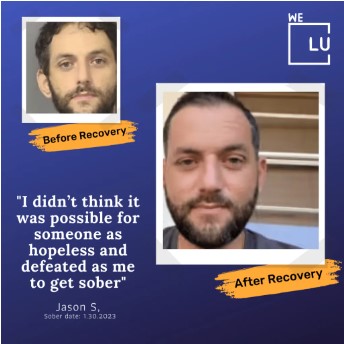
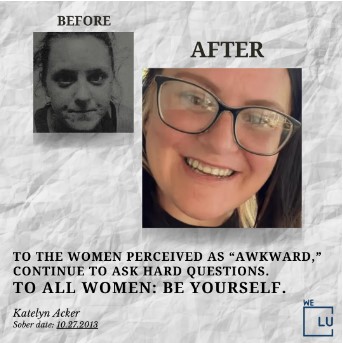
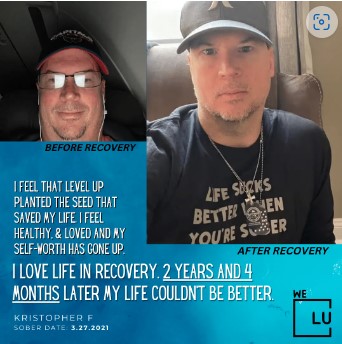
Experience Transformative Recovery at We Level Up Treatment Centers.
See our authentic success stories. Get inspired. Get the help you deserve.
Start a New Life
Begin with a free call to an addiction & behavioral health treatment advisor. Learn more about our dual-diagnosis programs. The We Level Up Treatment Center Network delivers recovery programs that vary by each treatment facility. Call to learn more.
- Personalized Care
- Caring Accountable Staff
- World-class Amenities
- Licensed & Accredited
- Renowned w/ 100s 5-Star Reviews
We’ll Call You
Search We Level Up Medication Assisted Treatment Detox, Mental Health Topics & Resources
Resources
Opioid Addiction Treatment – Provides detailed information on opioid addiction and treatment options.
Alcohol Detox – Discusses the detoxification process for alcohol dependence.
Methadone Detox – Covers the specifics of detoxing from methadone.
Residential Rehab – Explains the residential treatment options available.
Intensive Outpatient Program (IOP) – Details the intensive outpatient programs offered.
Sources
[1] 10 to know about Medication-Assisted Treatment (MAT) Available from: https://dss.sd.gov/formsandpubs/docs/BH/BHAO10_MAT_Brochure.pdf
[2] Deyo-Svendsen M, Cabrera Svendsen M, Walker J, Hodges A, Oldfather R, Mansukhani MP. Medication-Assisted Treatment for Opioid Use Disorder in a Rural Family Medicine Practice. J Prim Care Community Health. 2020 Jan-Dec;11:2150132720931720. doi 10.1177/2150132720931720. PMID: 32507023; PMCID: PMC7278292.
[3] Maglione MA, Laura R, Christine C, Azhar GS, Nima S, Mimi S, Hernandez EJM, Shanman RM, Susanne H. Effects of Medication-Assisted Treatment (MAT) for Opioid Use Disorder on Functional Outcomes: A Systematic Review. Rand Health Q. 2020 Jun 15;8(4): RR-2108-OSD. PMID: 32582471; PMCID: PMC7302321.
[4] Medication-Assisted Treatment – Administration for Children & Families and the Substance Abuse and Mental Health Services Administration
[5] Information about Medication-Assisted Treatment (MAT) – Food & Drug Administration (FDA)
[6] Medications for Substance Use Disorders – Substance Abuse and Mental Health Services Administration (SAMHSA)
[7] Medications for Opioid Use Disorder Study (MOUD Study) – Centers for Disease Control and Prevention (CDC)
[8] DEA’s Commitment to Expanding Access to Medication-Assisted Treatment – Drug Enforcement Administration (DEA)
[9] Implementing Medication-Assisted Treatment for Opioid Use Disorder in Rural Primary Care – https://integrationacademy.ahrq.gov/sites/default/files/2020-06/mat_for_oud_environmental_scan_volume_1_1.pdf
[10] Medication-Assisted Treatment (MAT) – Get Smart About Drugs (.gov) Available from: https://www.getsmartaboutdrugs.gov/medication-assisted-treatment-mat