

Dialectical Behavior Therapy (DBT) for Addiction and Mental Health
Clinically Reviewed by Lauren Barry, LMFT, MCAP, QS
Medically Reviewed by Ali Nikbakht, PsyD
Reviewed / Updated: August 10, 2026 — Editorial Policy | Research Policy | Privacy Policy
By We Level Up | Author Alex Evans, PharmD, MBA | Editorial Policy | Research Policy
At We Level Up, we offer Dialectical behavior therapy across seven accredited facilities in Florida, Texas, California, Washington, and New Jersey. Each location is staffed by licensed physicians, psychologists, and therapists who deliver individualized care.
Living with big, hard-to-control emotions can make daily life feel impossible. Some people struggle with anger, sadness, or urges to hurt themselves. No matter how hard they try, coping can feel out of reach. These experiences do not mean something is wrong with a person; they mean the mind and body need better tools.
Dialectical behavior therapy (DBT) is a well-studied, evidence-based therapy. It helps people manage strong emotions and unhealthy behaviors. It teaches real, practical skills for staying safe and steady, even when feelings run high. At We Level Up, DBT is delivered by trained therapists who guide every session and build skills through hands-on skills training.
Everyone’s path looks different, and the right level of care depends on individual needs. With the right treatment, many people learn to manage big emotions and build a calmer, more connected life.
Skip To:
Understanding Dialectical Behavior Therapy
A dialectical behavior therapy program teaches people to manage big emotions and reduce unhealthy behaviors. Dr. Marsha Linehan created dialectical behavior therapy (DBT) in the 1980s, originally to treat borderline personality disorder. The word “dialectical” means holding two ideas at once.
It means accepting yourself as you are. It also means working to change harmful patterns.
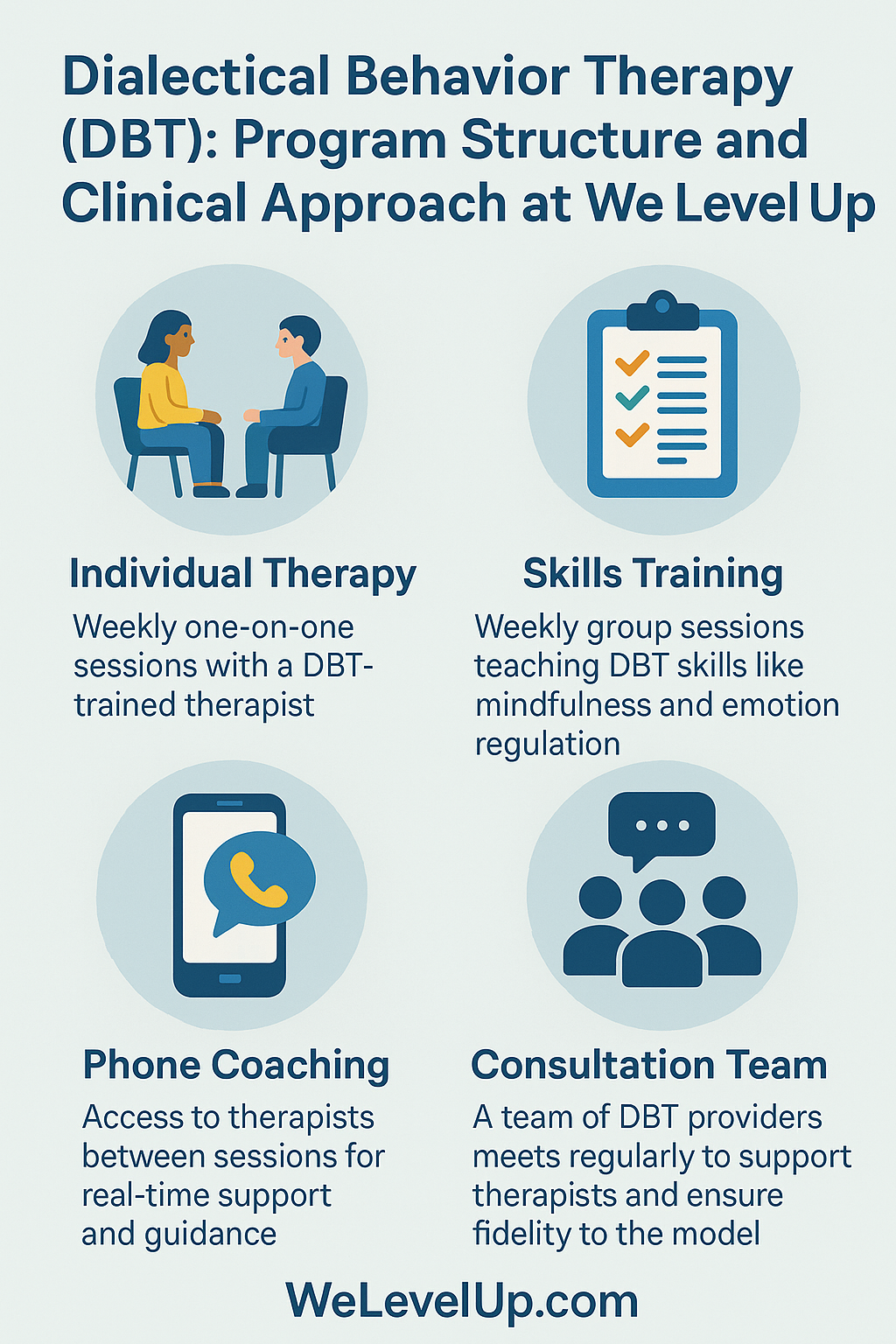
Today, DBT also helps with addiction, depression, anxiety, and PTSD. It combines one-on-one therapy with group skills training and gives extra support between sessions. This makes skills available right when they are needed most.
What to Expect: How DBT Works
Before treatment starts, a full clinical assessment reviews a person’s symptoms and history. It also includes any co-occurring mental health conditions. This step helps build a plan that fits the individual rather than a one-size-fits-all script.
Mental health struggles are common nationwide. Millions of adults live with a mental illness each year, according to SAMHSA, and many also face substance use problems. A structured DBT program gives people a clear path forward so they do not have to manage it alone.
A typical program includes:
- A comprehensive assessment to understand symptoms, history, and treatment goals
- Individual therapy sessions focused on personal challenges and pacing
- Weekly group skills training to build and practice DBT tools with peers
- Between-session coaching for real-time support during a crisis
- Ongoing adjustments to the treatment plan as progress is made

Get Your Life Back
Find Hope & Recovery. Get Safe Comfortable Detox, Addiction Rehab & Dual Diagnosis Trused Care.
7/365 Line (844) 597-1011How DBT Helps With Emotional and Behavioral Challenges
Recovery and emotional stability are often blocked by automatic, self-defeating thoughts and reactions. DBT breaks this cycle by helping people pause, evaluate, and respond in new ways. It helps before strong emotions lead to a crisis or relapse. Someone with big mood swings can learn to name the emotion, ride out the wave, and respond instead of react.
A person with urges to self-harm can use distress tolerance skills to get through the moment safely. Someone who uses substances to numb hard feelings can replace that habit with grounding and mindfulness techniques. These skills can provide healthier ways to manage intense emotions without immediately acting on them.
A person facing repeated conflict in relationships can use interpersonal skills to ask for what they need and set healthy boundaries. By practicing these strategies, people can learn to respond to emotional and behavioral challenges more effectively while building healthier patterns for recovery.
Questions about our Facilities or Programs?
Our admissions coordinators are available 24/7. They can answer your questions as you consider treatment at We Level Up. This support is for you or your loved one.
Get Help. Get Better. Get Your Life Back.
Searching for Accredited Drug and Alcohol Rehab Centers Near You?
Even if you have failed previously and relapsed, or are in the middle of a difficult crisis, we stand ready to support you. Our trusted behavioral health specialists will not give up on you. When you feel ready or just want someone to speak to about therapy alternatives to change your life call us. Even if we cannot assist you, we will lead you to wherever you can get support. There is no obligation. Call our hotline today.
(844) 597-1011Benefits of Dialectical Behavior Therapy
DBT offers a wide range of benefits for people with emotional dysregulation, addiction, and co-occurring mental health conditions:
- Support and monitoring, day and night
- A treatment plan built around individual needs
- Access to licensed therapists and doctors trained in DBT
- Medication management is reviewed regularly by a medical team
- Peer groups that lower isolation and build connections
- Family counseling to strengthen support at home
- DBT skills groups are held several times each week
- Aftercare and relapse prevention planning once treatment ends

Is Dialectical Behavior Therapy (DBT) Safe?
Dialectical Behavior Therapy (DBT) is generally considered safe for people receiving treatment for addiction and mental health concerns. Some sessions may feel emotionally challenging because DBT can involve discussing difficult thoughts, behaviors, and experiences. A trained therapist can help clients work through these challenges while learning healthier ways to manage emotions and stress. At We Level Up, the care team monitors each client’s progress and adjusts treatment based on their needs.
When choosing a DBT provider, confirm that the therapist has appropriate training and experience with addiction or co-occurring mental health concerns. Ask what your insurance plan covers and what to expect from treatment. A qualified provider should explain the therapy process, answer questions, and create a treatment plan based on your needs. At We Level Up, the admissions team can help identify an appropriate program and level of care.
How DBT Works at We Level Up
At We Level Up, dialectical behavior therapy (DBT) focuses on practical skills that clients can use both during treatment and in everyday life. DBT is built around four core skills that help clients manage emotions, cope with stress, and build healthier relationships.
- Mindfulness: Clients learn to notice their thoughts and feelings without judgment, helping them slow down before reacting. A simple grounding exercise may involve naming five things they see, four things they can touch, and three things they hear.
- Distress Tolerance: Clients learn how to get through difficult moments without making the situation worse. Calming techniques, such as slow breathing, can help reduce emotional intensity until the crisis passes.
- Emotion Regulation: Clients learn to recognize emotional triggers and respond more intentionally instead of reacting impulsively. With practice, these skills may help reduce the intensity and frequency of overwhelming emotions.
- Interpersonal Effectiveness: Clients practice communicating their needs, setting healthy boundaries, saying no when necessary, and handling relationship conflicts more effectively.
At We Level Up, these skills may be practiced during individual therapy and reinforced through group sessions. Family therapy can also help clients rebuild trust, improve communication, and strengthen relationships with loved ones. With regular practice, DBT skills can become practical tools that clients carry into daily life and use throughout recovery.
First-class Facilities & Amenities
Trusted Integrated Addiction & Mental Health Rehabilitation Treatment
Rehab Centers TourEstablished Addiction Centers. Serene Private Facilities. Inpatient rehab programs vary.
Addiction Helpline (844) 597-1011Comprehensive recovery success experience, backed by a Team w/ History of:
15+
Years of Unified Experience
100s
5-Star Reviews Across Our Centers
10K
Recovery Success Stories Across Our Network
- Low Patient to Therapist Ratio
- Onsite Medical Detox Center
- Comprehensive Dual-Diagnosis Treatment
- Complimentary Family & Alumni Programs
- Alumni Coaching, Recovery & Personal Development Events
Types of Disorders Treated by DBT
Substance Abuse Disorders
DBT for addiction treats the pain behind substance use, teaching better ways to handle cravings, triggers, and stress. This lowers the risk of relapse and supports alcohol addiction treatment and treatment for other substances alike. DBT is commonly used for:
- Alcohol addiction
- Opioid and fentanyl addiction
- Prescription medication misuse
- Cocaine, methamphetamine, and other stimulant addictions
- Marijuana or polysubstance use
- Benzodiazepine addiction
Mental Health Disorders
DBT is equally powerful in treating mental health conditions that often accompany substance use. It remains the most-studied treatment for borderline personality disorder, and it also helps with:
- Depression
- Anxiety disorders
- PTSD and trauma-related symptoms
- Chronic feelings of emptiness or mood instability
Co-Occurring Disorders
Many people who need DBT also face another condition at the same time. Treating every part of the picture leads to better, longer-lasting results:
- Depression combined with substance use
- Anxiety combined with addiction
- PTSD combined with substance abuse
- Borderline personality disorder combined with substance use

Getting Into Treatment Is Easy
Many private insurance plans cover part or all of a dialectical behavior therapy program. Coverage depends on the plan, provider network, and level of care needed. An admissions team can verify benefits and walk through any payment options for remaining costs.
Specialized, Accredited, 5-Star Reviewed, Evidence-based Addiction & Mental Health Programs. Complete Behavioral Health Inpatient Rehab, Detox plus Co-occuring Disorders Therapy.
CALL(844) 597-1011End the Addiction Pain. End the Emotional Rollercoaster. Get Your Life Back. Start Drug, Alcohol & Dual Diagnosis Mental Health Treatment Now. Get Free, No-obligation Guidance by Substance Abuse Specialists Who Understand Addiction & Mental Health Recovery & Know How to Help.
Frequently Asked Questions
Can DBT be used as part of a dual diagnosis treatment plan?
Yes. DBT can be incorporated into treatment when someone is dealing with both a mental health condition and substance use. The treatment team can address emotional regulation, behavioral patterns, and substance-related concerns together rather than treating each issue separately.
What happens if DBT skills are difficult to use at first?
It can take time to become comfortable with DBT skills. A therapist can help break each skill into manageable steps and adjust the approach based on a person’s progress. Regular practice can make the techniques easier to apply during stressful situations.
Can DBT help improve communication with loved ones?
DBT may support healthier communication by teaching people how to express their needs clearly, establish boundaries, and respond more effectively during disagreements. These skills can also be reinforced through family therapy when appropriate.
Is Aetna insurance accepted for DBT treatment at We Level Up?
We Level Up lists Aetna among the major insurance providers it accepts, although coverage can vary by plan, facility, and level of care. The admissions team can verify benefits and explain what services may be covered before treatment begins.
Can DBT be continued after leaving an inpatient program?
Yes. Depending on a person’s clinical needs and available services, DBT skills may continue through outpatient therapy or other ongoing support. Continuing to practice the skills can help reinforce progress and make them easier to use in everyday situations.
How can I find out which DBT program may be right for me?
The appropriate level of care depends on factors such as symptoms, safety concerns, substance use, and the amount of daily support needed. An admissions coordinator can discuss these factors and help identify an appropriate program. We Level Up’s 24/7 admissions line is (844) 597-1011.
Experience Transformative Recovery at We Level Up Treatment Centers.
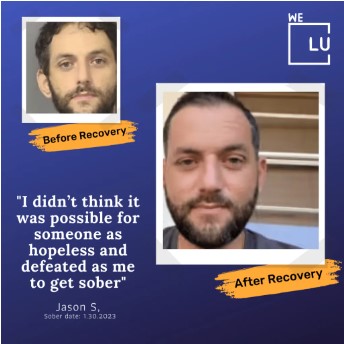
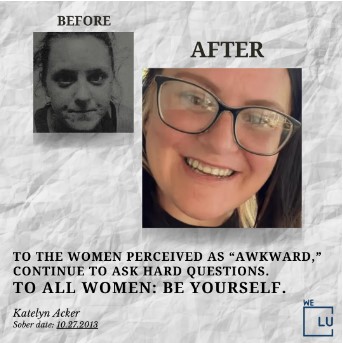
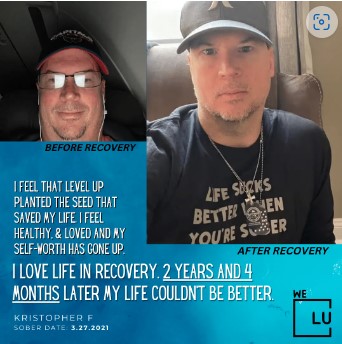
See our authentic success stories. Get inspired. Get the help you deserve.
Start a New Life
Begin with a free call to an addiction & behavioral health treatment advisor. Learn more about our dual-diagnosis programs. The We Level Up Treatment Center Network delivers recovery programs that vary by each treatment facility. Call to learn more.
- Personalized Care
- Caring Accountable Staff
- World-class Amenities
- Licensed & Accredited
- Renowned w/ 100s 5-Star Reviews
We’ll Call You
Find Dialectical Behavior Therapy Treatment
DBT is delivered across a full continuum of care, so clients can step up or down in intensity as their needs change.
Inpatient DBT Treatment Options
For people who need care all day and night, residential treatment offers strong support. It includes on-site living and daily therapy. A partial hospitalization program (PHP) offers full-day care. It lets clients return home or to sober housing at night. Both levels fit people in crisis or those who need a high degree of structure.
Outpatient Solutions for DBT
An intensive outpatient program (IOP) meets a few times a week for a few hours each time. Clients can practice DBT skills while still living their daily lives. Standard outpatient treatment offers weekly sessions for people with a stable base. It helps them protect their progress over the long term.
Sources
1. Linehan, M. M. Cognitive-Behavioral Treatment of Borderline Personality Disorder. Guilford Press.
2. National Institute of Mental Health. Psychotherapies. NIMH.
3. Substance Abuse and Mental Health Services Administration. Mental Health Information. SAMHSA.
4. American Psychological Association. Dialectical Behavior Therapy. APA.
5. National Institute on Drug Abuse. Substance Use and Co-Occurring Mental Disorders. NIDA.
6. Linehan, M. M. DBT Skills Training Manual. Guilford Press.
7. National Alliance on Mental Illness. Dialectical Behavior Therapy. NAMI.
8. Substance Abuse and Mental Health Services Administration. Co-Occurring Disorders and Other Health Conditions. SAMHSA.
9. American Psychiatric Association. Diagnostic and Statistical Manual of Mental Disorders (DSM-5).
10. National Institute of Mental Health. Borderline Personality Disorder. NIMH.