
By We Level Up | Author Alex Evans, PharmD, MBA | Editorial Policy | Research Policy
Severe depression is more than sadness. It changes how you think, sleep, and act. Many people with severe depression cannot work or take care of themselves the way they used to. The National Institute of Mental Health says millions of adults have a major depressive episode every year.
Depression often shows up with other problems, like anxiety or substance use. A mental health assessment can help find out what’s really going on before treatment starts. When depression and substance use happen at the same time, dual diagnosis care treats both together. This works better than treating them apart.
We Level Up is a national substance abuse and mental health facility with accredited centers in Florida, Texas, California, Washington, and New Jersey, plus a licensed telehealth program for people who want care from home. Our team builds personal care plans, uses proven therapy, and adds medical support to help people feel steady again. We treat major depressive disorder, functional depression, and mood problems linked to bipolar illness. Each plan is built around the person, not a one-size-fits-all model.
Skip To:
Get Help. Get Better. Get Your Life Back.
Searching for Accredited Drug and Alcohol Rehab Centers Near You?
Even if you have failed previously and relapsed, or are in the middle of a difficult crisis, we stand ready to support you. Our trusted behavioral health specialists will not give up on you. When you feel ready or just want someone to speak to about therapy alternatives to change your life call us. Even if we cannot assist you, we will lead you to wherever you can get support. There is no obligation. Call our hotline today.
(844) 597-1011What Is Severe Depression?
Severe depression is a strong form of major depressive disorder. It brings deep sadness, low energy, and trouble thinking clearly. It is not just a bad day. It lasts most of the day, almost every day, for two weeks or more. It often disrupts sleep, eating, work, and relationships.
Depression can show up alone or with other mental health issues. Some people keep pushing through daily tasks while hiding their pain. This pattern is sometimes called functional depression. Other people feel so weighed down that simple tasks feel impossible. A mental health professional can check symptoms and confirm the diagnosis.
Severe Depression and Related Conditions
Depression rarely stands alone. It often overlaps with anxiety, past trauma, and mood disorders like bipolar disorder. Mood can swing between deep lows and high energy. When this happens, a person may need bipolar depression treatment instead of standard depression care. The right diagnosis matters. Bipolar depression often needs different medication than major depressive disorder.
When anxiety and depression occur together, symptoms can grow stronger and harder to manage. A person may feel constant worry along with deep hopelessness. Good mental health care treats both problems in one plan, not as two separate issues.
Common Types of Depression
Depression comes in different forms. Each type has its own pattern of symptoms. Knowing the type helps guide the right treatment.
- Major Depressive Disorder (MDD): Deep sadness and loss of interest that last for most days for two weeks or more.
- Persistent Depressive Disorder (Dysthymia): A lower but steady low mood that lasts two years or longer.
- Functional Depression: A pattern where a person keeps working or caring for family while struggling inside.
- Postpartum Depression: Depression that starts after childbirth and affects bonding with the baby.
- Seasonal Affective Disorder: Depression tied to the seasons, most often in fall and winter.
- Psychotic Depression: Severe depression along with false beliefs or seeing and hearing things that are not there. It needs close medical care.

Get Your Life Back
Find Hope & Recovery. Get Safe Comfortable Detox, Addiction Rehab & Dual Diagnosis Trused Care.
7/365 Line (844) 597-1011Common Symptoms of Severe Depression
Severe depression affects the mind and the body. Spotting the signs early can lead to faster help and a better recovery.
- Constant sadness, emptiness, or irritability.
- Loss of interest in things you once enjoyed.
- Big changes in sleep, too much or too little.
- Changes in appetite or weight without trying.
- Trouble focusing or making choices.
- Constant tiredness or low energy.
- Feelings of guilt or feeling worthless.
- Thoughts of death, self-harm, or suicide.
Symptoms often get worse without treatment, especially during hard times. If you notice thoughts of self-harm in yourself or a loved one, treat it as an emergency. Get help right away.
Questions about our Facilities or Programs?
Our admissions coordinators are here 24/7 to answer your questions. We can help you decide if treatment at We Level Up is right for you or your loved one.
First-class Facilities & Amenities
Trusted Integrated Addiction & Mental Health Rehabilitation Treatment
Rehab Centers TourEstablished Addiction Centers. Serene Private Facilities. Inpatient rehab programs vary.
Addiction Helpline (844) 597-1011Comprehensive recovery success experience, backed by a Team w/ History of:
15+
Years of Unified Experience
100s
5-Star Reviews Across Our Centers
10K
Recovery Success Stories Across Our Network
- Low Patient to Therapist Ratio
- Onsite Medical Detox Center
- Comprehensive Dual-Diagnosis Treatment
- Complimentary Family & Alumni Programs
- Alumni Coaching, Recovery & Personal Development Events
How Severe Depression Is Diagnosed
A mental health professional runs a full check to diagnose severe depression. This includes questions about symptoms, personal history, and family history. It also looks at how depression affects daily life. A primary care doctor may also help rule out other health causes.
Doctors use a guide called the DSM-5 to confirm the diagnosis. This guide comes from the American Psychiatric Association. Depression often comes with anxiety, trauma, or substance use. So a clear diagnosis matters. It shapes every part of the treatment plan that follows.
Evidence-Based Treatment for Severe Depression
Good depression treatment is personal and backed by research. Most plans mix therapy, medication, and full support together.
Talk Therapy and Coping Strategies
Therapy helps people understand the thoughts that fuel their depression. It builds real skills for handling sadness and stress. Sessions focus on finding triggers and learning better ways to respond to hard feelings.
Medication Support
Medication can ease symptoms enough for someone to get the most out of therapy. A doctor watches dosage and side effects closely. Not everyone needs medication. But for many people with severe depression, it plays a big role in feeling stable again.
Integrated Mental Health Care
When depression happens with substance use, treating both at the same time works best. Integrated care looks at the full picture, not just one piece. This lowers the risk of relapse in either area.
Specialized, Accredited, 5-Star Reviewed, Evidence-based Addiction & Mental Health Programs. Complete Behavioral Health Inpatient Rehab, Detox plus Co-occuring Disorders Therapy.
CALL(844) 597-1011End the Addiction Pain. End the Emotional Rollercoaster. Get Your Life Back. Start Drug, Alcohol & Dual Diagnosis Mental Health Treatment Now. Get Free, No-obligation Guidance by Substance Abuse Specialists Who Understand Addiction & Mental Health Recovery & Know How to Help.

We Level Up’s Approach to Severe Depression Treatment
Treatment at We Level Up starts with a full look at your symptoms and triggers. We also check for any other conditions. Depression looks different for every person, so each plan is personal and changes as progress happens. Our team blends proven therapy with medical support in a caring, structured setting.
As part of your plan, we may use cognitive behavioral therapy (CBT). This helps you spot and change harmful thoughts. For people with strong emotions, dialectical behavior therapy (DBT) teaches skills to manage feelings and stress. Group therapy and peer support round out the plan. They give clients a safe place to practice new skills with others.
We review treatment plans often. Medication support is added when it helps. Ongoing check-ins and aftercare planning keep progress going long after treatment ends.
What Our Severe Depression Treatment Program Offers
- Aftercare planning and ongoing support.
- Full mental health assessments.
- Treatment plans built around you.
- Proven therapy and skill-building.
- Medication support with doctor oversight.
- Group therapy and peer support.
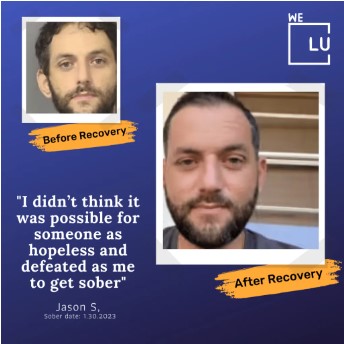
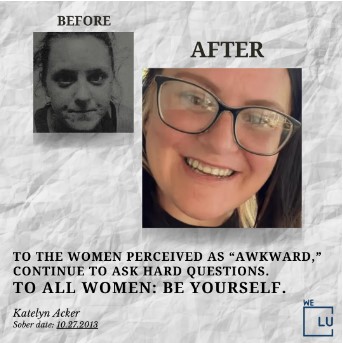
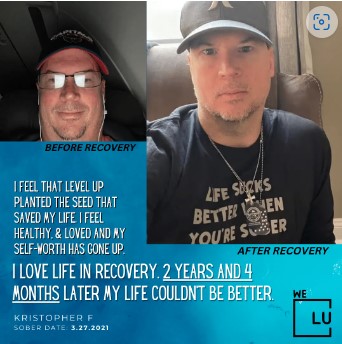
Experience Transformative Recovery at We Level Up Treatment Centers.
See our authentic success stories. Get inspired. Get the help you deserve.
Start a New Life
Begin with a free call to an addiction & behavioral health treatment advisor. Learn more about our dual-diagnosis programs. The We Level Up Treatment Center Network delivers recovery programs that vary by each treatment facility. Call to learn more.
- Personalized Care
- Caring Accountable Staff
- World-class Amenities
- Licensed & Accredited
- Renowned w/ 100s 5-Star Reviews
We’ll Call You
Levels of Care for Severe Depression Treatment
The right level of care depends on a few things. These include how severe the symptoms are, safety, and how well someone can function each day. We Level Up offers several levels of care. This way, each person gets the right amount of support.
Inpatient Severe Depression Treatment
Inpatient depression treatment gives 24/7 structure and care for severe or unsafe symptoms. Clients live on-site and take part in daily therapy, medication checks, and care team visits. This level of care removes outside stress so clients can focus on getting stable.
Outpatient Severe Depression Treatment
For milder symptoms, outpatient therapy is a good fit. People can keep working or going to school. They can also care for their family while getting treatment. Sessions include one-on-one and group therapy, along with skill-building. Outpatient care also works well as a step-down after inpatient treatment ends.
Telehealth Severe Depression Treatment
Telehealth gives clients therapy and doctor support through video calls. It works well for people with travel or schedule problems. Telehealth also helps clients stay in care after finishing in-person treatment.


What to Expect During Severe Depression Treatment
Depression treatment has structure, but it is shaped around each person. Most clients follow a routine that mixes therapy, medical care, and quiet reflection.
- Individual Therapy Sessions: One-on-one time to work through personal triggers and thoughts.
- Group Therapy and Peer Support: Shared sessions that ease loneliness and build connection.
- Skill-Building and Emotional Regulation: Simple tools for managing mood and stress.
- Progress Monitoring and Care Team Check-Ins: Regular reviews to track progress and update the plan.
Outside of sessions, clients practice new coping skills in daily life. Over time, this steady approach lowers symptoms and builds long-term stability.
Co-Occurring Disorders Associated With Depression and Addiction
Depression and substance use often happen together. A person may use alcohol or drugs to numb painful feelings. This usually makes depression worse over time.
| Mental Health Condition | How It Commonly Co-Occurs With Addiction |
| Major Depressive Disorder | Substances may be used to escape sadness or hopelessness. |
| Bipolar Depression | Mood swings can raise impulsive choices and substance misuse. |
| Anxiety Disorders | Substances may be used to calm worry, which can deepen depression. |
| Trauma-Related Disorders | Painful memories may lead to substance use for short-term relief. |
| Postpartum Depression | New stress and exhaustion can raise the risk of substance misuse. |
Treating depression and addiction together works better than treating them apart. Our team builds one unified plan that covers both.
Treatment Options and Care Pathways
The right care path depends on how severe the symptoms are. It also depends on what support a person has at home. Many people do well in outpatient treatment. Others need inpatient care first. As symptoms improve, clients often move to a lower level of care. This personal approach helps treatment fit each stage of recovery.
Insurance and Accessibility
We Level Up works with many insurance providers to make treatment easier to reach. Our admissions team can check your benefits and explain your coverage in a private setting. Most checks finish fast, so you can start treatment without long delays.
Take the Next Step Toward Severe Depression Treatment
Severe depression can feel heavy, but real help is out there. We Level Up offers caring, proven treatment at every level, from inpatient care to outpatient support. Our alumni program keeps clients connected to the community and support long after treatment ends.
Contact our team today to learn more or to set up a private mental health assessment.
Frequently Asked Questions
What is a severe depression treatment center?
A severe depression treatment center gives structured care to people whose depression makes daily life hard. Care can include therapy, medication, and 24/7 support. The setting can be inpatient or outpatient, based on how severe the symptoms are.
Can severe depression and bipolar disorder be treated together?
Yes. Bipolar depression treatment often overlaps with care for severe depression. One plan can treat mood swings, medication needs, and therapy together. This helps people stay stable over time.
What is functional depression?
Functional depression means a person still works or cares for family while struggling inside. It can look fine on the outside. It is still serious and often needs treatment.
How can I help someone with depression?
Listen without judging them. Encourage them to get a mental health assessment. Stay close and involved in their care. Do not tell them to just snap out of it.
Is telehealth available for severe depression treatment?
Yes, when it fits the person’s needs. Telehealth lets people join therapy and check in with a doctor from home. This helps people who cannot travel easily to a clinic.
How long does severe depression treatment usually last?
Treatment length is different for each person. It depends on how severe the symptoms are and how someone responds to care. Care teams review progress often and adjust the plan as needed.
Sources
National Institute of Mental Health (NIMH). Major Depression Statistics.
American Psychiatric Association (APA). Diagnostic and Statistical Manual of Mental Disorders (DSM-5).