
Stress and addiction can form a cycle that harms sleep, mood, judgment, and health. Short-term stress may sharpen focus, but ongoing pressure can increase substance use risks. In 2024, 21.2 million adults had mental illness and a substance disorder, according to SAMHSA. Without joined care, each problem can make the other harder to manage.
People may use alcohol or drugs to escape fear, pressure, pain, or exhaustion. The relief often fades, while cravings, conflict, and poor sleep create more stress. Treatment should address substance use, trauma, health, sleep, and daily pressures together. A shared plan can build safer coping skills and lower relapse risk.
We Level Up Treatment Centers helps clients understand how stress can trigger substance use. Care teams map personal triggers, cravings, sleep problems, trauma, and relapse warning signs. Seven accredited programs provide this support across Florida, Texas, California, Washington, and New Jersey. Therapy, medical care, peer support, and planning help clients respond differently under pressure.
Skip To:
Get Help. Get Better. Get Your Life Back.
Searching for Accredited Drug and Alcohol Rehab Centers Near You?
Even if you have failed previously and relapsed, or are in the middle of a difficult crisis, we stand ready to support you. Our trusted behavioral health specialists will not give up on you. When you feel ready or just want someone to speak to about therapy alternatives to change your life call us. Even if we cannot assist you, we will lead you to wherever you can get support. There is no obligation. Call our hotline today.
(844) 597-1011What Is Stress With Addiction?
People asking what is the relationship between stress and addiction is are often describing a cycle that grows worse over time. Stress can raise urges, while drug or alcohol use may seem calming at first but often creates more stress later. Stress alone does not prove drug addiction, so a full review checks urges, control, harm, and withdrawal symptoms. The review also checks trauma, pain, and other mental health disorders that may affect use.
How Stress and Addiction Co-Occur
Stress and substance abuse can become linked when long-term pressure keeps the body from returning to calm. NIH clinical review linked changes in stress response with urges, continued use, and relapse. Job loss, grief, debt, conflict, and other stress events may trigger learned cues for quick relief. Care breaks this pattern through plans, support, and steady practice with safer coping skills.
Common Types of Stress
Stress may come from one event, many daily demands, or a long period of doubt. The same event can affect two people differently because health, support, trauma, and coping skills vary. Knowing the type of stress helps the care team choose useful tools and clear goals. Common forms include the following.
- Acute stress: A short response to danger or conflict. It may follow sudden change.
- Episodic acute stress: Urgent problems happen often. Fear and tension keep returning.
- Chronic stress: Stress continues for months or years and affects daily health.
- Traumatic stress: A frightening event leaves lasting fear. Strong memories or body reactions may follow.
- Work stress: Heavy duties, job insecurity, or workplace strain affect coping.
- Relationship stress: Grief, abuse, conflict, or isolation create strain. Close ties may feel unsafe.

Get Your Life Back
Find Hope & Recovery. Get Safe Comfortable Detox, Addiction Rehab & Dual Diagnosis Trused Care.
7/365 Line (844) 597-1011Common Symptoms of Stress
Stress can affect ideas, feelings, actions, sleep, pain, digestion, and energy throughout the day. Long-lasting signs may begin to feel normal, which can delay care and make drug use seem useful. Some people become restless and irritable, while others feel tired, numb, or unable to focus. A careful review can separate stress from illness, trauma, detox, or another need.
- Feeling worried or angry. Relaxing may feel hard
- Having headaches or tight muscles. Stomach pain or a fast heartbeat may occur
- Sleeping poorly or waking often. Tiredness may remain after enough time in bed
- Losing focus, forgetting tasks, or expecting the worst outcome
- Avoiding people, duties, places, or hard talks
- Eating much more or less than usual
- Drinking, smoking, or using drugs more often
- Feeling hopeless, numb, restless, or unable to enjoy normal activities
Signs of Addiction
Signs of harmful use may affect health, family members, work, money, safety, and daily duties. A person may hide use or deny clear harm because shame, fear, and urges are strong. Signs differ by drug, dose, health, and length of use, so one symptom cannot confirm a drug problem. A trained provider should review the full pattern before making a finding.
- Strong urges may occur. Thoughts about drug use may return often
- Using more often than planned. Use may also last longer
- Trying to cut back. The effort may fail
- Needing more of the drug to feel the same effect
- Feeling sick, shaky, anxious, or sleepless after stopping
- Continuing use despite health, work, money, or relationship harm
- Giving up valued activities because drug use comes first
- Using in unsafe places or during risky tasks.
Questions about our Facilities or Programs?
Our intake coordinators are open 24/7 to answer questions for you or a loved one. Staff can explain sites, insurance, health needs, safety needs, and the private intake process. They can also discuss current stress, drug use, and possible detox needs before placement. Placement depends on review, health, licensing, coverage, and open space.
[Talk To Our Team: (954) 475-6031]
First-class Facilities & Amenities
Trusted Integrated Addiction & Mental Health Rehabilitation Treatment
Rehab Centers TourEstablished Addiction Centers. Serene Private Facilities. Inpatient rehab programs vary.
Addiction Helpline (844) 597-1011Comprehensive recovery success experience, backed by a Team w/ History of:
15+
Years of Unified Experience
100s
5-Star Reviews Across Our Centers
10K
Recovery Success Stories Across Our Network
- Low Patient to Therapist Ratio
- Onsite Medical Detox Center
- Comprehensive Dual-Diagnosis Treatment
- Complimentary Family & Alumni Programs
- Alumni Coaching, Recovery & Personal Development Events
How Stress and Addiction Are Diagnosed
A full mental health assessment reviews stress, drug use, mood, trauma, health, and urgent safety needs. The care team examines urges, tolerance, control, detox signs, daily harm, and changes in work or close ties. They also check for depression, anxiety, PTSD, pain, and other conditions that may increase drug use. Clear findings guide visits, detox, medicine, health tests, and the safest program setting.
Evidence-Based Treatment for Stress and Addiction
Effective care is based on research, current risks, and the person’s recovery goals. Care should reduce drug-related harm while building safer ways to handle stress and strong emotions. Care may also address trauma, sleep, pain, mood, housing, work, and stress in close ties. The team reviews progress often because needs can change during detox, early recovery, and ongoing care.
Talk Therapy and Stress-Management Skills
Cognitive behavioral therapy helps people connect ideas, feelings, situations, and drug use habits. People learn to spot triggers, question harmful beliefs, and plan for urges before they become actions. Visits may also address guilt, shame, anger, avoidance, and fear of hard talks. These skills become stronger through steady practice in care and daily life.
EMDR may help when old trauma still drives fear, stress, or drug use. Trauma care requires safety, consent, enough stability, and a clear plan for hard reactions. Post traumatic stress disorder and addiction can be treated together when the care team coordinates each step. Trauma work should never replace detox, health care, or direct drug care.
Medication Support
Medicines may help with alcohol, opioid, or nicotine use disorders when they are safe and useful. Other medicines may treat mood, sleep, pain, or trauma symptoms that affect recovery. Medicine may reduce urges or relapse risk, but it cannot replace therapy, support, and healthier routines. Doctors should explain benefits, side effects, interactions, and follow-up before care begins.
Joined Mental Health and Addiction Care
Stress, drug use, trauma, mood, pain, and sleep issues can affect each other in powerful ways. Joined care gives the care team shared goals for safety, gains, and daily function. This approach can reduce mixed advice, repeated tests, and missed signs of rising risk. People also learn how each need affects urges, choices, and gains.
Treatment helps clients replace substance use with safer responses to pressure. That goal shapes We Level Up’s role as a national substance abuse and mental health facility focused on stress, cravings, and relapse.

Specialized, Accredited, 5-Star Reviewed, Evidence-based Addiction & Mental Health Programs. Complete Behavioral Health Inpatient Rehab, Detox plus Co-occuring Disorders Therapy.
CALL(844) 597-1011End the Addiction Pain. End the Emotional Rollercoaster. Get Your Life Back. Start Drug, Alcohol & Dual Diagnosis Mental Health Treatment Now. Get Free, No-obligation Guidance by Substance Abuse Specialists Who Understand Addiction & Mental Health Recovery & Know How to Help.
We Level Up’s Approach to Stress and Addiction Treatment
We Level Up reviews drug use, stressors, detox needs, health, safety, and goals for getting well before recommending care. Staff also ask about trauma, sleep, housing, work, close ties, and support at home. Care may include private sessions, health support, wellness care, and group therapy. Plans change when symptoms, risks, barriers, or progress change.
Early goals may include safe detox, fewer urges, better sleep, and more stable daily routines. People learn to notice warning signs before use begins and choose useful steps during stressful situations. Staff review setbacks without shame and help people know what happened before the return to use. Stress and addiction recovery grow through safer choices, relapse planning, honest review, and ongoing care.
What Our Stress and Addiction Treatment Program Offers
Care should address drug use and the stress, habits, and health issues that keep it active. Services vary by site, health needs, insurance, licensing, and current program access. Each patient should know why every service may support safety or progress. A care plan may include the following support.
- Mental health, drug use, health, detox, and safety checks.
- Personal goals with regular craving and progress reviews.
- Individual therapy for stress, trauma, mood, and drug use.
- Coping practice for urges, strain, sleep, and strong emotions.
- Peer support and set groups led by trained staff.
- Discharge plans with care teams, support contacts, and crisis steps.
We Level Up is a Joint Commission-accredited care center network. Our team follows known standards for patient rights, safety, staff training, and quality review. Mental health, detox, and drug care differ by site and may not fit every patient. Intake staff must confirm each site’s current services before travel.
Levels of Care for Stress and Addiction Treatment
The right levels of care depend on detox, safety, support, health, and daily function. Some people remain at home while attending scheduled therapy, groups, or medical visits. Others need detox, residential care, or day treatment because risks are higher. The care team should explain why a setting matches the person’s current needs.
Inpatient Stress and Addiction Treatment
An inpatient rehab program may help when risks require full-time support and a drug-free setting. Detox or hospital care may come first when withdrawal, overdose, psychosis, or urgent danger is present. Inpatient care can address urges, sleep, trauma, mood, close ties, health, housing, and safe physical activity. People also practice coping skills and create clear plans for triggers, discharge, and ongoing help.
Outpatient Stress and Addiction Treatment
Outpatient care lets people live at home while attending therapy, groups, medicine visits, and recovery planning. It may fit people who remain stable enough and can use support between visits. A partial hospitalization program offers more daily support without an overnight stay. Intake staff can explain current programs because services differ by site.
Telehealth Stress and Addiction Treatment
Telehealth may support therapy, medicine visits, family sessions, and progress reviews for stable people. Remote care requires privacy, reliable technology, local support, and a clear emergency plan. Video visits cannot replace detox, physical exams, testing, or urgent care during a crisis. State rules, insurance, risk, and program limits may affect access.
What to Expect During Stress and Addiction Treatment
Care focuses on drug use, stress patterns, health, safety, skills, and goals. Early work identifies triggers, detox needs, barriers, support, and daily risks. People practice skills during visits, groups, and real situations outside the program. Common parts may include the following.
- Individual Therapy: People review triggers, emotions, drug use, and recovery goals.
- Group Support: People practice talking, coping, and support without judgment.
- Coping Skills: People learn grounding, planning, sleep habits, and urge control.
- Relapse Prevention: People identify warning signs, safe steps, and support contacts.
- Care Reviews: Staff monitor safety, urges, health, and gains.

Co-Occurring Disorders Associated With Stress and Addiction
Stress can occur with conditions that also raise the risk of harmful drug use. People may use drugs to manage fear, pain, poor sleep, or hard memories. A dual diagnosis care can address drug use and mental health needs within one plan. Assessment should cover every concern that affects safety, judgment, and recovery.
- Anxiety disorders: Substances may calm worry briefly but often worsen anxiety later.
- Depression: Drugs may numb sadness, guilt, hopelessness, or isolation.
- PTSD: Trauma reminders may increase fear, urges, and risky drug use.
- Sleep disorders: Alcohol or sedatives may further disrupt healthy sleep.
- Chronic pain: Pain and stress may raise unsafe use of opioids or alcohol.
- Bipolar disorder: Mood changes may increase impulsive drug use and conflict.
Joined care may include therapy, drug care, medicine, health care, and relapse plans. Staff should ask about alcohol, cannabis, stimulants, opioids, sedatives, and nicotine without blame. One plan can address urges, detox, mood, trauma, pain, sleep, and urgent safety needs. Clear communication between care teams prevents mixed advice and missed risks.
Treatment Options and Care Pathways
Many people begin with outpatient visits, medicine, groups, and stress plans. Others need detox or inpatient care because withdrawal, overdose, self-harm, or unstable health raises risk. Stress and addiction relapse should prompt review of cues, access, medicine, support, and daily stress rather than shame. Staff may add visits, structure, peer support, or another level of care when needs change.
Insurance and Accessibility
We Level Up works with many health plans, but coverage rules and out-of-pocket costs differ. Benefits may depend on medical need, diagnosis, care level, location, and services. Staff can review networks, approvals, deductibles, travel, scheduling, payment needs, and program options. Call (954) 475-6031 for private intake and insurance support.
Take the Next Step Toward Stress and Addiction Treatment
Stress and addiction can feel like a closed cycle, but care can help people build safer ways to cope. We Level Up creates care plans around drug use, health, stress, skills, and goals for getting well. Call (954) 475-6031 to discuss care or schedule a private review. Seek urgent care for overdose, severe withdrawal, self-harm, psychosis, or immediate danger.
Our sites include We Level Up Tamarac/Fort Lauderdale, We Level Up Lake Worth, and We Level Up West Palm Beach. The network also includes We Level Up California in Lake Elsinore and Level Up Treatment Lawrenceville. We Level Up Washington serves Spokane Valley, while We Level Up Texas in Kingwood is coming soon. Programs, licenses, medical services, age rules, and space differ by site.
[Call Now: (954) 475-6031] [Verify Insurance] [Free Assessment]
Frequently Asked Questions About Stress and Addiction
Can chronic stress cause addiction?
Chronic stress does not mean that a person will develop a drug problem, but it can be an important risk factor. Ongoing stress may harm sleep, mood, judgment, and healthy coping. Genes, trauma, drug access, and social support also shape risk. Early help can reduce harm before the pattern becomes severe.
Why does stress increase substance cravings?
The brain may learn that drugs bring quick relief during fear, strain, or exhaustion. Repeated use can make stress a strong cue for urges. Poor sleep, detox, and health issues may make those urges worse. Care breaks this link through plans, support, medicine, and coping practice.
Can stress and addiction be treated together?
Yes, both needs can be treated within one joined plan. Providers may combine detox, visits, medicine, peer support, and coping skills. Joined care matters when trauma, depression, anxiety, pain, or sleep issues are present. The plan should match the person’s safety, health, goals, and support.
What therapies help with stress and addiction?
CBT can address cues, ideas, habits, urges, and safer steps to stress. Trauma care may help when painful memories drive fear or drug use. Group care can provide practice, feedback, accountability, and social support. The best method depends on diagnosis, health, goals, and preference.
How long does stress and addiction treatment last?
Care length depends on the drug, detox risk, stressors, health, support, and gains. Set programs may last several weeks, while later care often continues longer. Care plans should change when needs, goals, or risks shift. Ongoing support can protect recovery during future stress.
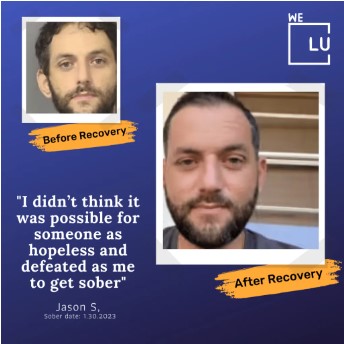
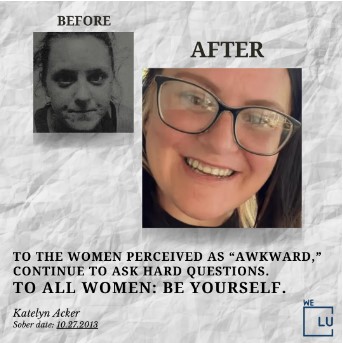
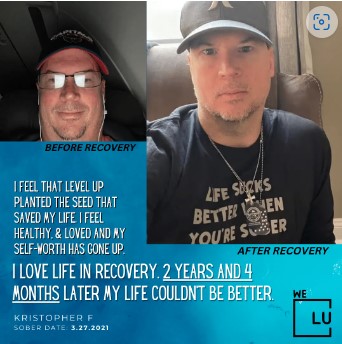
Experience Transformative Recovery at We Level Up Treatment Centers.
See our authentic success stories. Get inspired. Get the help you deserve.
Start a New Life
Begin with a free call to an addiction & behavioral health treatment advisor. Learn more about our dual-diagnosis programs. The We Level Up Treatment Center Network delivers recovery programs that vary by each treatment facility. Call to learn more.
- Personalized Care
- Caring Accountable Staff
- World-class Amenities
- Licensed & Accredited
- Renowned w/ 100s 5-Star Reviews
We’ll Call You
Sources
- SAMHSA. Co-Occurring Disorders. https://www.samhsa.gov/substance-use/treatment/co-occurring-disorders
- SAMHSA. 2024 National Survey on Drug Use and Health. https://www.samhsa.gov/data/report/2024-nsduh-annual-national-report
- CDC. Managing Stress. https://www.cdc.gov/mental-health/living-with/index.html
- Sinha R. Stress and Substance Use Disorders, 2024. https://pubmed.ncbi.nlm.nih.gov/39145454/
- Sinha R. Chronic Stress, Drug Use, and Addiction. https://pubmed.ncbi.nlm.nih.gov/18991954/
- NIDA. Drugs, Brains, and Behavior. https://nida.nih.gov/publications/drugs-brains-behavior-science-addiction
- NIAAA. The Cycle of Alcohol Addiction. https://www.niaaa.nih.gov/publications/cycle-alcohol-addiction
- NIAAA. Understanding Relapse. https://alcoholtreatment.niaaa.nih.gov/support-through-the-process/understanding-relapse
- National Center for PTSD. Substance Use and PTSD. https://www.ptsd.va.gov/understand/related/substance_misuse.asp
- American Psychiatric Association. DSM-5-TR. https://www.psychiatry.org/psychiatrists/practice/dsm/about-dsm