

PTSD Treatment Programs at We Level Up
Post-traumatic stress disorder (PTSD) is a chronic, often debilitating mental health disorder that may develop after a traumatic life event. Fortunately, effective psychological treatment options for PTSD exist. The goals of PTSD treatment include modifying negative judgements, correcting the autobiographical memory, and removing the problematic behavioral and cognitive practices. Continue to read more about PTSD treatment options and programs.
Clinically Reviewed by Lauren Barry, LMFT, MCAP, QS
Medically Reviewed by Ali Nikbakht, PsyD
Reviewed / Updated: August 10, 2026 — Editorial Policy | Research Policy | Privacy Policy
By We Level Up | Author Inês Oliveira, MSc, PhD Candidate | Editorial Policy | Research Policy
Trauma can change how a person thinks, feels, and acts. Some people recover after a hard event. Others develop post-traumatic stress disorder (PTSD). PTSD can happen after military combat, abuse, violence, accidents, natural disasters, or other frightening events. According to the National Institute of Mental Health (NIMH), many adults in the United States live with PTSD each year.
Many people ask if emotional or verbal abuse can cause PTSD. The answer is yes. PTSD can develop after long-term emotional abuse, childhood trauma, domestic violence, or other painful experiences. Treatment can help people understand their symptoms, learn healthy coping skills, and improve their daily lives.
We Level Up is a national substance abuse and mental health facility with accredited treatment centers in Florida, Texas, California, Washington, and New Jersey. Our licensed doctors, psychologists, therapists, nurses, and other mental health professionals help adults with PTSD, other mental health problems, and substance use disorders. Care is based on each person’s needs and recovery goals.
At We Level Up, PTSD treatment may include therapy, medication support, and care for other mental health or substance use problems. Every treatment plan is made to fit the person’s needs and may change as recovery continues. The goal is to help people manage PTSD symptoms and build a healthier future.
What Is PTSD?
Post-traumatic stress disorder (PTSD) is a mental health condition that can happen after a person experiences or sees a traumatic event. Trauma may include abuse, violence, serious injury, accidents, disasters, or the fear of death. Not everyone who goes through trauma develops PTSD. A trained mental health professional must complete a full evaluation to diagnose PTSD.
PTSD can affect how the brain responds to stress. A person may continue to feel fear even after the danger has ended. Certain memories, sounds, places, or people may bring back strong emotional or physical reactions. PTSD may happen by itself or with other conditions, such as depression, anxiety, or substance use disorders. Treating all conditions together can help improve recovery.
PTSD and Related Mental Health Disorders
PTSD often happens with other mental health conditions. These conditions can make symptoms harder to manage and may affect daily life.
Depression is common in people with PTSD. Some people may feel sad, lose interest in activities, or have low energy. Anxiety disorders can also happen with PTSD and may cause constant worry, fear, or panic.
When PTSD happens with addiction, depression, or anxiety, treatment should address each condition together. A complete treatment plan can help people manage symptoms and build healthier ways to cope.

Skip To:
Learn More:
- Do I Have Complex PTSD Quiz Quick, Free, & Confidential
- PTSI VS PTSD, What Are The Differences?
- PTSD And Addiction, Treatment Options Available
- What is EMDR Therapy? The EMDR Procedure, Warnings, Effectiveness, & How To Find EMDR Therapy Near Me?
- What Is Cognitive Behavioral Therapy (CBT)?
- What Is Dialectical Behavior Therapy (DBT)?
- Benefits of Solution-Focused Therapy
- What is Biofeedback Therapy? Biofeedback Therapy for Anxiety & Biofeedback Therapy Near Me
- Understanding The Purpose Of Group Therapy
- Intervention Services For Addiction & Mental Health Recovery
Common Types of PTSD
PTSD can affect people in different ways. Some people notice symptoms soon after trauma, while others may not notice symptoms until months or years later.
Common types of PTSD include:
- Acute PTSD: Symptoms begin after a traumatic event and last for a shorter period of time.
- Chronic PTSD: Symptoms continue for a long time and may affect daily life, relationships, and work.
- Complex PTSD (C-PTSD): This may happen after repeated or long-term trauma, such as childhood abuse, domestic violence, or emotional abuse.
- Delayed-Onset PTSD: Symptoms appear months or years after the traumatic event.
- PTSD With Dissociative Symptoms: A person may feel disconnected from their thoughts, feelings, or surroundings during stressful moments.

Common Symptoms of PTSD
PTSD symptoms can be different for each person. Some people have symptoms every day, while others experience symptoms during stressful situations.
Common symptoms include:
- Unwanted memories of trauma
- Nightmares or sleep problems
- Flashbacks
- Avoiding trauma reminders
- Feeling afraid or always alert
- Mood changes or anger
- Trouble focusing
- Feelings of guilt or shame
- Pulling away from others
- Physical reactions such as sweating or a fast heartbeat
Some people also experience PTSD attack symptoms. These may include panic attacks, shaking, crying, trouble breathing, or feeling out of control.
How PTSD Is Diagnosed
Many people ask how to get a PTSD diagnosis. PTSD cannot be found with a blood test or scan. A mental health professional must check a person’s thoughts, feelings, symptoms, and past trauma.
During the check, the provider asks about the trauma, health history, and daily life. They also look for other problems that may happen with PTSD, such as depression, anxiety, or substance use.
Mental health providers use the DSM-5 to help diagnose PTSD. A clear diagnosis helps the care team make a treatment plan that fits the person’s needs.
We Level Up Treatment Centers provides nationwide medical detox, addiction treatment, dual diagnosis, and mental health services through multiple accredited treatment centers across the United States, including Lake Worth, West Palm Beach, Jupiter, Allenwood, Blackwood, Lawrenceville, Fairfield, Seattle, and Spokane Valley. Individuals who need ongoing support can continue their recovery through our Therapy Programs, helping them build healthy coping skills and maintain long-term wellness.

Get Your Life Back
Find Hope & Recovery. Get Safe Comfortable Detox, Addiction Rehab & Dual Diagnosis Trused Care.
7/365 Line (844) 597-1011
Evidence-Based Treatment for PTSD
PTSD can get better with the right care. Treatment helps people understand trauma, manage symptoms, and learn ways to cope.
Each person has different needs. A treatment plan is made to help with the person’s symptoms, goals, and recovery.
Talk Therapy and Coping Strategies
Talk therapy is a main part of PTSD treatment. It helps people understand their feelings, thoughts, and reactions after trauma.
Therapy can teach skills to handle fear, stress, and hard emotions.
- Cognitive Behavioral Therapy (CBT): CBT helps people notice harmful thoughts and learn healthier ways to think and act.
- Dialectical Behavior Therapy (DBT): DBT helps people manage strong feelings, handle stress, and build better relationships.
- Eye Movement Desensitization and Reprocessing (EMDR): EMDR helps some people work through painful trauma memories in a safe way.
- Group Therapy and Peer Support: Group therapy helps people share their stories, learn from others, and feel supported during recovery.
Medication Support
Some people may need medicine as part of PTSD treatment. Medicine may help with anxiety, depression, sleep problems, or nightmares. A healthcare provider decides if medicine is helpful. The care team checks how the person is doing and changes the plan when needed.
Integrated Mental Health Care
PTSD can happen with other problems, such as depression, anxiety, and substance use disorders. Treating only one problem may make recovery harder because other symptoms may still affect daily life.
We Level Up’s Approach to PTSD Treatment
PTSD treatment at We Level Up starts with a full mental health check. Our team learns about each person’s symptoms, trauma history, health needs, and recovery goals. This helps us create a care plan made for each person.
Treatment may include:
- Individual Therapy: One-on-one sessions to help people understand trauma, manage PTSD symptoms, and build healthy coping skills.
- EMDR Therapy: A therapy that helps people process painful memories and reduce emotional distress.
- Group Therapy: Group sessions where people learn coping skills, share experiences, and support one another.
- Medication Support: Medicine may be used when needed to help manage PTSD symptoms, anxiety, depression, or sleep problems.
- Relapse Prevention and Aftercare Planning: Ongoing support and a recovery plan to help people manage stress, prevent relapse, and continue healing after treatment.
Treatment may change as a person’s needs change. The goal is to help people heal from trauma, manage PTSD symptoms, build healthy coping skills, and improve daily life.
What Our PTSD Treatment Program Offers
Our PTSD treatment program gives care based on each person’s needs. Every person has a different trauma story, so each plan is made to support their health and recovery.
Our program offers:
- Mental health assessments
- Personal treatment plans
- Cognitive Behavioral Therapy (CBT)
- Dialectical Behavior Therapy (DBT)
- Eye Movement Desensitization and Reprocessing (EMDR)
- Individual therapy
- Group therapy and peer support
- Family therapy
- Medication management when needed
- Relapse prevention planning
- Aftercare planning and support
Our goal is to help people heal from trauma, manage PTSD symptoms, and build skills for recovery.
The National Institute of Mental Health (NIMH) reports that PTSD can develop after experiencing or witnessing a traumatic event. The Centers for Disease Control and Prevention (CDC) also recognizes that trauma can have lasting effects on mental and physical health, making early treatment and support important.
Cognitive Behavioral Therapy for PTSD
CBT is a widely recognized and practical treatment for post-traumatic stress disorder (PTSD). CBT incorporates skills training to enhance coping strategies, emotion regulation, and problem-solving abilities, empowering individuals to manage distressing symptoms and improve overall functioning.
CBT for PTSD is often given in individual or group sessions. It has been shown to greatly reduce PTSD symptoms. It also improves quality of life and builds resilience.
EMDR Therapy for PTSD
Eye movement desensitization and reprocessing (EMDR) therapy is a specialized and effective treatment for post-traumatic stress disorder (PTSD). EMDR uses a clear eight-step process. It combines cognitive therapy, exposure therapy, and bilateral stimulation, like eye movements or taps. During EMDR sessions, people with PTSD are guided to remember painful memories. They also use bilateral stimulation. This process helps them deal with and lessen the impact of traumatic experiences.
This eye therapy PTSD management aims to facilitate reprocessing traumatic memories, alleviate uncomfortable symptoms, and promote adaptive cognitive and emotional responses.
Exposure Therapy for PTSD
Exposure therapy is a well-known and proven treatment for post-traumatic stress disorder (PTSD). It involves slowly and carefully facing memories, situations, or triggers related to trauma. This is done in a safe and controlled way.
In exposure therapy for PTSD, patients team up with a therapist. They make a list of feared situations or memories. They start with less distressing items and slowly move to more difficult ones.
Through repeated and controlled exposure to these stimuli, individuals can:
- Process and integrate the traumatic experiences.
- Reduce avoidance behaviors.
- Learn that the associated distress decreases over time.
Exposure therapy helps people feel more in control of their trauma triggers. This can reduce PTSD symptoms and improve their overall functioning and quality of life.
Cognitive Processing Therapy for PTSD
Cognitive processing therapy (CPT) is a widely used and effective treatment for post-traumatic stress disorder (PTSD) that addresses maladaptive thoughts and beliefs related to the traumatic event.
CPT involves structured sessions where individuals work with a therapist to identify and challenge unhelpful cognitive patterns, such as self-blame or negative beliefs about oneself or the world.
Through various techniques, including Socratic questioning and writing assignments, individuals learn to reframe and restructure their thoughts, develop a more balanced perspective on the trauma, and challenge cognitive distortions.
CPT effectively reduces PTSD symptoms and has a solid evidence base supporting its use in treating PTSD.
Levels of Care for PTSD Treatment
The right level of PTSD care can be different for each person. Some people may need more care and support, while others may be able to live at home while getting help. A mental health provider can look at a person’s symptoms, safety, and daily needs to help find the right type of care. Inpatient PTSD treatment gives care day and night. People stay at the treatment center while they get help. Care may include therapy, medicine support, group therapy, and daily activities that help people feel safe and learn healthy ways to cope. A Partial Hospitalization Program (PHP) gives care during the day, while people go home at night. PHP offers more support than regular outpatient care and can help people build healthy coping skills.
An Intensive Outpatient Program (IOP) gives care several days each week. People live at home and go to therapy and other treatment sessions. This can help people get support while staying close to work, school, or family. Outpatient PTSD treatment also lets people live at home while going to a treatment center for planned visits. Care may include one-on-one therapy, group therapy, family counseling, and medication support when needed. Telehealth PTSD treatment lets people get care from home through safe video visits. It may include therapy, counseling, medicine follow-up, and other support. A provider can help decide if telehealth is a good fit.
A person’s needs may change over time, so the level of care may change too. Some people may start with more support and move to a lower level of care as they feel better. Others may need more support if their symptoms become hard to manage. If you have questions about PTSD treatment or need help finding the right level of care, call (844) 597-1011. Our admissions team is available 24 hours a day, 7 days a week, to help you find the right next step.
New PTSD Treatment Fact Sheet
What are The New Treatments for PTSD?
Researchers and clinicians have been exploring innovative approaches such as virtual reality therapy, mindfulness-based interventions, neurofeedback, and pharmacological advancements. These new treatments aim to improve the effectiveness and availability of PTSD help. They offer options for people who may not have responded well to traditional therapies.
However, some emerging treatment options have been controversial and need more research. It is important to talk to mental health professionals. Stay updated on the latest news to find treatment options.
The Efficacy of Ketamine Therapy for PTSD
Ketamine therapy is a new promising treatment for PTSD. Ketamine is a type of anesthetic. When given in safe and monitored doses, it can quickly reduce PTSD symptoms.
The way it works targets glutamate receptors in the brain. This leads to changes in the brain and new neural connections. It is often delivered in a clinical setting under the supervision of healthcare professionals.
More research is needed to understand the long-term effects and best ways to use ketamine. However, ketamine treatment for PTSD shows promise. It could be a new and effective option for people who have not responded well to standard therapies.
The Risks of MDMA for PTSD Treatment
MDMA, also called ecstasy or Molly, may help treat post-traumatic stress disorder (PTSD). However, it has risks that need careful thought.
MDMA therapy PTSD medication involves combining the administration of MDMA with psychotherapy sessions. Early studies have shown good results. However, there are potential risks. These include negative psychological effects like anxiety, panic, and emotional distress during the drug experience.
There are worries about possible misuse and long-term harm to brain function, heart health, and mental well-being. Close monitoring, strict safety rules, and ongoing research are important. They help us understand the risks of using MDMA for PTSD treatment. This ensures that MDMA can be used safely and effectively as a possible treatment.
Psychedelic-Assisted Therapy for PTSD
Psychedelic-assisted therapy, which uses psilocybin mushrooms (often called “shrooms”), has gained attention as a possible treatment for PTSD. Preliminary studies have shown promising results, suggesting that psychedelics can facilitate profound therapeutic experiences and enhance psychological well-being.
The legal status and rules about psychedelic substances differ in each area. This shows the need to think about the risks, safety measures, and ethical issues related to mushroom therapy for PTSD.
It’s important to do careful research.
Get expert advice.
Follow safety rules.
These steps help you understand the benefits and risks of new PTSD treatments
Get Help. Get Better. Get Your Life Back.
Searching for Accredited Drug and Alcohol Rehab Centers Near You?
Even if you have failed previously and relapsed, or are in the middle of a difficult crisis, we stand ready to support you. Our trusted behavioral health specialists will not give up on you. When you feel ready or just want someone to speak to about therapy alternatives to change your life call us. Even if we cannot assist you, we will lead you to wherever you can get support. There is no obligation. Call our hotline today.
(844) 597-1011
What to Expect During PTSD Treatment
PTSD treatment helps people feel better after something scary or painful happens. It gives people a safe place to talk, learn, and get help. During treatment, people learn why they feel scared, upset, or worried and learn new ways to handle these feelings.
Every person with PTSD is different. Some people may have bad memories, fear, sadness, or trouble with daily life. The care team talks with each person to learn what help they need and how to best support them.
During PTSD treatment, people may take part in:
- Individual Therapy Sessions: People talk with a therapist one-on-one. They can share their feelings, fears, and past experiences. The therapist helps them understand PTSD and learn ways to feel calmer and safer.
- Group Therapy and Peer Support: People meet with others who have faced hard times too. They can share their stories, listen to others, and learn that they are not alone.
- CBT, DBT, or EMDR Therapy: These therapies help people deal with hard thoughts and feelings. They help people learn new ways to handle fear, stress, and painful memories.
- Stress Help and Grounding Exercises: People learn simple ways to calm their mind and body. These skills can help when they feel scared, upset, or remember something painful.
- Medicine Help: Some people may take medicine to help with sleep, worry, or sadness. A doctor checks the medicine and makes sure it is helping.
- Family Therapy When Needed: Family therapy helps loved ones understand PTSD. It teaches families how they can listen, help, and be there during the healing process.
PTSD treatment is not only about therapy visits. People use what they learn every day to handle problems, build better habits, and feel more in control. With the right help, many people with PTSD can heal and create a better future.
First-class Facilities & Amenities
Trusted Integrated Addiction & Mental Health Rehabilitation Treatment
Rehab Centers TourEstablished Addiction Centers. Serene Private Facilities. Inpatient rehab programs vary.
Addiction Helpline (844) 597-1011Comprehensive recovery success experience, backed by a Team w/ History of:
15+
Years of Unified Experience
100s
5-Star Reviews Across Our Centers
10K
Recovery Success Stories Across Our Network
- Low Patient to Therapist Ratio
- Onsite Medical Detox Center
- Comprehensive Dual-Diagnosis Treatment
- Complimentary Family & Alumni Programs
- Alumni Coaching, Recovery & Personal Development Events
Co-Occurring Disorders Associated With PTSD and Addiction
PTSD can happen with other mental health problems and substance use disorders. Some people may use alcohol or drugs to deal with fear, stress, bad memories, or painful feelings. While substances may seem to help for a short time, they can make PTSD and other problems worse over time.
When PTSD and addiction happen together, both need to be treated. Helping with only one problem may not fully help the person heal. A treatment plan that works on both PTSD and addiction can help people learn better ways to cope and build a healthier life.
Common conditions that may happen with PTSD include:
- PTSD: Some people may use alcohol or drugs to deal with nightmares, scary memories, fear, or stress after trauma.
- Depression: Some people may use substances to escape feelings of sadness, hopelessness, or emptiness.
- Anxiety Disorders: Some people may use alcohol or drugs to calm worry, panic, or fear. Over time, substance use can make anxiety harder to manage.
- Bipolar Disorder: Changes in mood, energy, and behavior may make it harder for some people to avoid substance use.
- Childhood Trauma: Painful experiences during childhood can increase the chance of PTSD, anxiety, depression, and addiction later in life.
- Emotional or Verbal Abuse: Long-term emotional harm or hurtful words from others can lead to PTSD, depression, anxiety, and substance use problems.
Treating PTSD and addiction together helps people learn healthy ways to handle stress and emotions. With the right care, people can improve their mental health, strengthen relationships, and work toward long-term healing.
Treatment Options and Care Pathways
PTSD treatment is different for every person. Some people may need more care at the start, while others may need less support. The right type of treatment depends on each person’s needs, safety, health, and goals.
Some people begin treatment with a higher level of care, such as inpatient treatment. Others may start with outpatient care where they can continue living at home while getting help.
As people improve, they may move to a different level of care. This allows them to keep getting help while slowly returning to daily activities.
Long-term healing also includes support after treatment. Therapy, support groups, and recovery programs can help people continue using the skills they learned. Staying connected can help people handle challenges and continue making healthy choices.
Insurance and Accessibility
We Level Up works with many insurance providers to help people get PTSD treatment. Our admissions team can answer questions, explain treatment choices, and help check insurance benefits before treatment begins.
If you are unsure about your coverage, our team can help explain your options. We are available 24 hours a day, 7 days a week to help guide you through the process and answer questions about starting care.
Specialized, Accredited, 5-Star Reviewed, Evidence-based Addiction & Mental Health Programs. Complete Behavioral Health Inpatient Rehab, Detox plus Co-occuring Disorders Therapy.
CALL(844) 597-1011End the Addiction Pain. End the Emotional Rollercoaster. Get Your Life Back. Start Drug, Alcohol & Dual Diagnosis Mental Health Treatment Now. Get Free, No-obligation Guidance by Substance Abuse Specialists Who Understand Addiction & Mental Health Recovery & Know How to Help.
Take the Next Step Toward PTSD Treatment
Living with PTSD can feel difficult, but help is available. With the right treatment, people can learn how to handle symptoms, work through painful experiences, and create a healthier future.
At We Level Up Treatment Centers, our team provides care for adults with PTSD and other mental health or substance use concerns. We create treatment plans based on each person’s needs and goals.
Contact our admissions team to learn more about PTSD treatment, check insurance coverage, or ask questions about care. Support is available, and healing can start with the first step.
Frequently Asked Questions About PTSD Treatment
Can I get PTSD treatment even if my trauma happened many years ago?
Yes. It does not matter how long ago the trauma happened. Many people get help months or even years later. PTSD treatment can still help you manage symptoms and improve your daily life.
Will my PTSD treatment stay private?
Yes. Your privacy is important. Your personal and medical information is protected by law. Our team will explain how your information is kept confidential.
I am not sure if I have PTSD. Can I still call?
Yes. You do not need to know if you have PTSD before you contact us. Our admissions team can answer your questions and help you understand your options. Call (844) 597-1011 anytime to speak with someone.
Does We Level Up accept insurance for PTSD treatment?
We Level Up works with many insurance providers, including Baylor Scott & White, ComPsych, and many more. Coverage depends on your insurance plan and the services you need. Our admissions team can help verify your insurance benefits before treatment begins.
Can I get PTSD treatment if I also have anxiety or depression?
Yes. Many people with PTSD also have anxiety, depression, or other mental health conditions. Your treatment plan can address these conditions together to help support your recovery.
Getting Into Treatment Is Easy
1. Call Us Anytime
Speak with our admissions team 24 hours a day, 7 days a week. We answer questions and explain treatment options.
2. Complete an Initial Assessment
Our team learns about your symptoms, needs, and goals to help find the right level of care.
3. Review Insurance and Payment Options
We check insurance benefits and explain payment options before treatment starts.
4. Begin Your Recovery
Start a PTSD treatment program with care that helps you heal, build skills, and move toward a healthier future.
Facilities Offering PTSD Treatment
Deerfield Beach, Florida
We Level Up Treatment Centers provides PTSD treatment and mental health care for adults who need help with trauma, addiction, and other challenges. Our program includes therapy, medical care, and support to help people build healthier ways to cope.
Programs may include:
- PTSD treatment
- Medical detox
- Residential treatment
- Partial Hospitalization Program (PHP)
- Intensive Outpatient Program (IOP)
- Outpatient services
- Dual diagnosis treatment
Lake Worth, Florida
We Level Up Lake Worth provides care for adults facing PTSD and other mental health concerns. Our team uses therapy and other treatment methods to help people understand their feelings, handle stress, and work toward healing.
Programs may include trauma care, PTSD treatment, therapy, and other mental health services.
Tamarac, Florida
We Level Up Tamarac provides mental health and addiction treatment for adults. The program helps people work through PTSD symptoms, emotional struggles, and substance use concerns.
Care may include therapy, medication support when needed, and recovery services that help people build healthier daily routines.
New Jersey
We Level Up New Jersey provides PTSD care and mental health treatment for adults. The program helps people who are dealing with trauma, addiction, and other mental health concerns.
Services may include inpatient and outpatient care, PTSD treatment, and dual diagnosis treatment for people facing both mental health and substance use challenges.
Powerful Coping Skills for Anxiety. Top Mental Health Tips & Anxiety Tips Advice from a Therapist.
Depression and post-traumatic stress disorder (PTSD) frequently co-occur, with many individuals simultaneously experiencing symptoms of both conditions. The distressing and traumatic experiences associated with PTSD can significantly contribute to developing or exacerbating depressive symptoms. Treating both conditions concurrently is essential for comprehensive mental health care and improved overall well-being.
Experience Transformative Recovery at We Level Up Treatment Centers.
See our authentic success stories. Get inspired. Get the help you deserve.
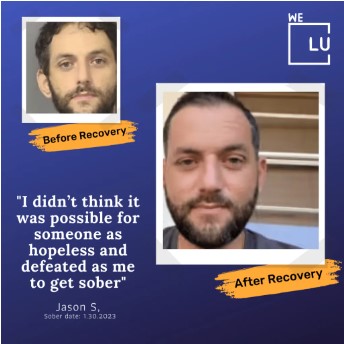

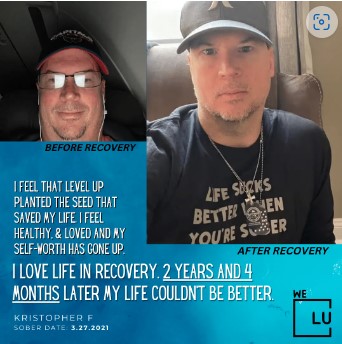
Start a New Life
Begin with a free call to an addiction & behavioral health treatment advisor. Learn more about our dual-diagnosis programs. The We Level Up Treatment Center Network delivers recovery programs that vary by each treatment facility. Call to learn more.
- Personalized Care
- Caring Accountable Staff
- World-class Amenities
- Licensed & Accredited
- Renowned w/ 100s 5-Star Reviews
We’ll Call You
Search We Level Up PTSD Treatment, Mental Health Topics & Resources
Sources
Mayo Clinic. Post-Traumatic Stress Disorder (PTSD).
National Institute of Mental Health (NIMH). Post-Traumatic Stress Disorder (PTSD).
American Psychiatric Association. Diagnostic and Statistical Manual of Mental Disorders (DSM-5-TR).
Substance Abuse and Mental Health Services Administration (SAMHSA). National Helpline.
U.S. Department of Veterans Affairs. National Center for PTSD.
Centers for Disease Control and Prevention (CDC). About Adverse Childhood Experiences (ACEs).
National Institute on Drug Abuse (NIDA). Common Comorbidities with Substance Use Disorders.
World Health Organization (WHO). Mental Health and Trauma.
American Psychological Association. Clinical Practice Guideline for the Treatment of PTSD.
National Center for Biotechnology Information (NCBI). Post-Traumatic Stress Disorder Review.