
What Is A Prescription Pill Detox Program?
Prescription pill detox is a program and therapy to treat all aspects of the individual. These are used to treat ADHD, anxiety, and severe pain. Prescription medications are beneficial for several reasons. Unfortunately, these prescription medications are also known for being highly abused. However, many believe prescription pill abuse is safer than other drug abuse, considering a medical doctor and FDA-approved prescribe these drugs.
Unfortunately, this way of thinking is why our country’s prescription pill epidemic is a massive problem. Many of these prescribed medications are psychoactive, mind-altering, and can lead to addiction problems. According to the National Survey on Drug Use and Health [1], over 52 million people older than 12 have used prescription medications recreationally.
Once abuse turns into an addiction, this is when the problem arises. Prescription drugs fall into three main classes: opioid pain relievers, stimulants, and central nervous system depressants. Each type of drug can create a physical and chemical dependence, making changes in the brain take time to reverse. Withdrawal occurs when drug use is stopped, or quantities are decreased. Withdrawal symptoms can range from mild to severe and can even be life-threatening if not managed correctly and safely.
Skip To:
Learn More:
- Prescription Drug Abuse
- Mixing Prescription Drugs with Alcohol
- Mixing Lyrica And Alcohol
- Can You Mix Ritalin and Alcohol?
- Soma And Alcohol
- Valium and Alcohol
- Alcohol and Anxiety Meds
- Withdrawal Symptoms of Prescription Drugs
- How Long Do Prescription Drugs Stay In Your System?
- 10 Most Abused Prescription Drugs In The US
What is Prescription Pill Detox Like?
The cycle of dependence can be challenging to break and often requires professional assistance. The first step in most recovery programs is typically detox. Detox refers to the process by which toxins are purged from the body. The detox process may vary depending on the type of drug abused, the length of time used, and the severity of the dependence.
Since some different prescription medications that people become addicted to, the withdrawal symptoms will vary. The prescription pills we see frequently abused are opiates, benzos, and amphetamines. To learn specifically about each drug category and the specific withdrawal symptoms for each, click the above link. With all prescription pill detox and withdrawals, the individual’s body will be affected physically, mentally, and spiritually.

Withdrawal symptoms from most prescription medications are so severe that detoxing without medical supervision often fails. At We Level Up, we know that the only way to guarantee a successful start to the recovery journey is to have a medically supervised prescription pill detox program and therapy to treat all aspects of the individual.

Get Your Life Back
Find Hope & Recovery. Get Safe Comfortable Detox, Addiction Rehab & Dual Diagnosis High-Quality Care.
Hotline(844) 597-1011Why Prescription Pill Detox is Crucial to Recovery
When the anxiety and pain from withdrawal begin, this can be too much to tolerate for many individuals. In most cases, this is the leading cause of relapse. Medically detoxing a person is crucial to begin the recovery journey. The former addict is likelier to succeed in a life of sustained sobriety through proper medical treatment and added support through therapy. Treating the withdrawal medically but with treatment simultaneously is essential to ensure proper recovery.
What Are My Options For Prescription Pill Detox?
The most successful way to detox from prescription pills would be a medically supervised prescription pill detox program like the one at We Level Up. While detoxing at home is possible, many complications could result from going “cold turkey,” When death could be a likely outcome, this is not something to take lightly. Therefore, proper medical detoxification and therapy are required to ensure a life of sustained recovery.
Prescription Pill Detox Withdrawal Symptoms
When experiencing withdrawal, the body becomes shocked as it begins to rid itself of the prescription drugs and painkillers it has been accustomed to. While withdrawal symptoms are usually somewhat similar, there are different symptoms for different kinds of medicines.
Symptoms Of Prescription Stimulant Withdrawal
Stimulants are most commonly prescribed to treat hyperactivity disorders. The impact of the drug on the nervous system makes the body release natural chemicals, such as dopamine, to increase mental alertness. Stimulants have become popular among younger people because they are used as study drugs to enhance academic performance. When a person stops misusing stimulants, they can experience symptoms like:
- Difficulty Sleeping
- Depression
- Intense Dreaming
- Suicidal Thoughts and Tendencies
- Anxiety
- Aggression
- Tremors
- Stomach pains
- Sweating
- Fever
Get Help. Get Better. Get Your Life Back.
Searching for Accredited Drug and Alcohol Rehab Centers Near You?
Even if you have failed previously and relapsed, or are in the middle of a difficult crisis, we stand ready to support you. Our trusted behavioral health specialists will not give up on you. When you feel ready or just want someone to speak to about therapy alternatives to change your life call us. Even if we cannot assist you, we will lead you to wherever you can get support. There is no obligation. Call our hotline today.
(844) 597-1011Symptoms Of Opiate Withdrawal
Typically, opiates are prescribed to treat pain. Unfortunately, opiates have a long history of being used to treat pain and misused for recreational purposes. Opiates are available in a couple of different forms: one form is as a prescription pharmaceutical, like morphine or codeine, and the other form is as an illegal street drug, like heroin.
When opiates are taken, the drugs enter the brain through the bloodstream, creating false endorphins and dopamines. This means that the drug gives the person the high that makes a rush of happiness and euphoria. On the other hand, opiate withdrawal is far from euphoric.
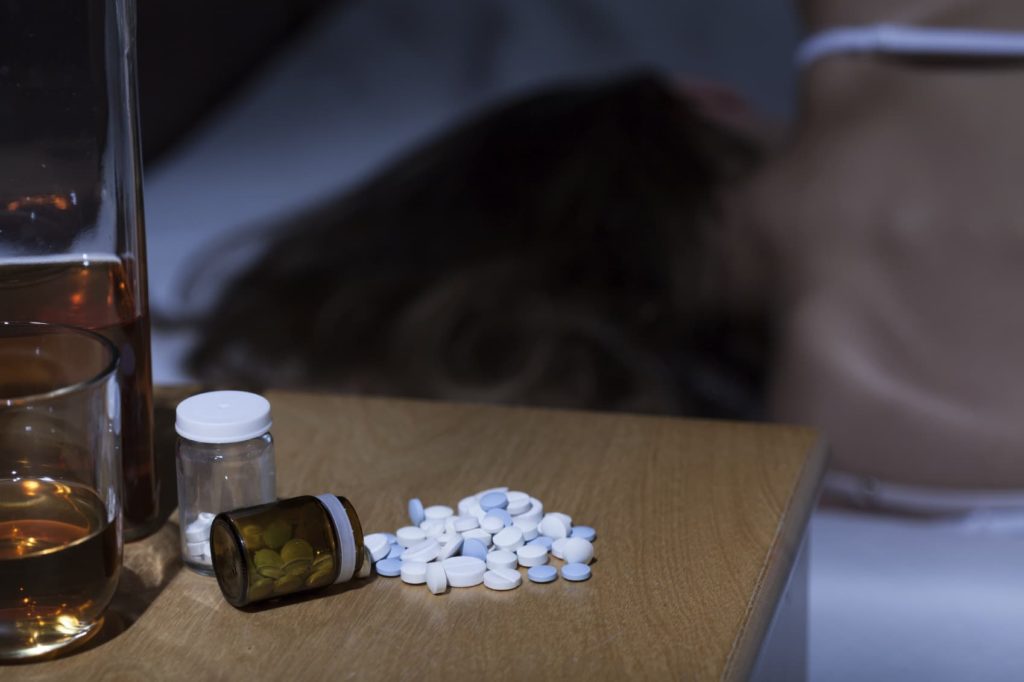
Symptoms of opiate withdrawal include:
- Fatigue
- Insomnia
- Excessive Sweating
- Anxiety
- Muscle Aches and Spasms
- Paranoia
- Nausea
- Aggression
- Abdominal Cramping
- Rapid Heartbeat
- High Blood Pressure
- Dilated Pupils
- Irritability
- Inability to concentrate
Symptoms Of Antidepressant Withdrawal
Another common prescription drug that can often get misused is antidepressants, which are the most commonly used prescription drug among clients. While antidepressants are usually used to treat medically diagnosed depression, these medications are misused for the feeling of euphoria they can provide. For the most part, antidepressant misuse occurs in young adults with a substance use disorder or a mental illness. Much like opiate withdrawal, antidepressant withdrawal comes with a handful of potential side effects.
Symptoms of antidepressant withdrawal are:
- Anxiety
- Depression
- Mood swings
- Dizziness
- Fatigue
- Tremors
- Loss of coordination
- Headache
- Flu-like symptoms
- Nightmares
- Nausea
- Vomiting
- Restlessness
- Muscle Spasms
First-class Facilities & Amenities
World-class High-Quality Addiction & Mental Health Rehabilitation Treatment
Rehab Centers TourRenowned Addiction Centers. Serene Private Facilities. Inpatient rehab programs vary.
Addiction Helpline(844) 597-1011Proven recovery success experience, backed by a Team w/ History of:
15+
Years of Unified Experience
100s
5-Star Reviews Across Our Centers
10K
Recovery Success Stories Across Our Network
- Low Patient to Therapist Ratio
- Onsite Medical Detox Center
- Comprehensive Dual-Diagnosis Treatment
- Complimentary Family & Alumni Programs
- Coaching, Recovery & Personal Development Events
Detox from Pain Pills and Prescription Drugs
To start the detox process from painkillers and prescription drugs, it’s essential to understand how the process works to ensure that the road to recovery will be smooth and straightforward. We Level Up helps people looking for a solution to their addictions by offering comfortable and cohesive treatment options.
An evaluation is essential in determining the specific treatment plan for each client to start the detox process. This is a very significant part of the recovery process as it gives the medical professionals at We Level Up an idea of what treatment will work the best. During this time, the team evaluates symptoms, medical history, and the severity of the addiction to pain pills and prescription drugs. The team will then create a unique and individual treatment plan to make the detox process as effective as possible.
After the evaluation comes the detoxification process, the moment a person stops using prescription drugs and pain pills, the detoxification process starts. During this process, the body works to remove the drugs consumed. The most effective form of detox is medically supervised and assisted.
We Level Up has a variety of programs to make detoxification easier:
- Inpatient Rehab: Depending on the severity of the addiction, the treatment team may suggest staying in a 24-hour care facility during the inpatient rehabilitation program. During that time, the client will have the chance to receive one-on-one counseling, group therapy, and additional recreational therapy opportunities.
- Outpatient Rehab: Instead of living in a rehabilitation facility, We Level Up offers a treatment plan where clients commute daily for treatment during an outpatient rehabilitation program. The treatment team determines how often the client should come in, but they still receive the same therapeutic options as inpatient rehab provides.
- Intensive Outpatient Rehab: In this case, the client may not live in a facility. With a minimum of nine hours each week, this intensive outpatient rehabilitation program can be split between either a whole week or several days throughout the week. This program can last for as long as it needs to ensure maximum impact and convenience. As the client progresses during the recovery process, their treatment team may feel that the client can receive a less intense level of treatment.
How to Get Off Pain Pills At Home
When trying to detox from prescription drugs and painkillers, some people attempt to detox in the comfort of their own homes. While detoxing at home is not an ideal undertaking for people looking to defeat a substance use disorder, it can be possible. First, however, it is essential to keep the risks in mind.
Detoxing in a professional rehabilitation facility is more effective for several reasons. A change of environment could be beneficial to recovery because a person is no longer surrounded by the things that influenced substance misuse. Also, being around medical professionals can significantly increase the chance of a long-lasting recovery. While an at-home detoxification attempt can succeed, this can be a complicated process without medical professionals. Addiction treatment experts agree that the best way to detox from pain pills and prescription drugs is to be supervised by professional addiction treatment service providers. This is a hazardous way to detox. When a person stops using the drugs so suddenly, the body can go into shock and experience extremely severe withdrawal symptoms.
World-class, Accredited, 5-Star Reviewed, Effective Addiction & Mental Health Programs. Complete Behavioral Health Inpatient Rehab, Detox plus Co-occuring Disorders Therapy.
CALL(844) 597-1011End the Addiction Pain. End the Emotional Rollercoaster. Get Your Life Back. Start Drug, Alcohol & Dual Diagnosis Mental Health Treatment Now. Get Free No-obligation Guidance by Substance Abuse Specialists Who Understand Addiction & Mental Health Recovery & Know How to Help.
Severe Withdrawal Symptoms include:
- Headaches
- Fatigue
- Dizziness
- Upset stomach
- Anxiety
- Extreme mood swings
- Anger
- Depression
- Nausea
- Vomiting
Another detox method that some people try to attempt at home on their own is tapering. A taper is gradual weaning off of a substance throughout a period. The length of time that a person tapers off a drug depends on factors like the severity of the addiction and dosage amount. Using the tapering method allows the body to slowly and safely rid itself of the toxins. Detoxing by tapering also limits the number of withdrawal symptoms that are experienced, as the body has more time to become accustomed to functioning without the substance. The usual approach, when tapering, is to decrease the dosage by one-quarter for each week during the detoxification process.
While tapering is a more effective and safer method than quitting cold turkey, it is still recommended to begin tapering with professional medical support. A great way to do so would be through an inpatient or outpatient program with We Level Up. Seeking out professional medical help at the start of the rehabilitation process sets a strong foundation for future, long-term recovery.
Prescription Pill Detox Treatment
We Level Up has various facilities across the country for individuals to begin their journey to recovery. With locations in Florida, Washington, Colorado, Ohio, and Maryland, each center is focused on helping clients through the process of beginning a life of sobriety and teaching them the skills they need to remain sober if you would like more information about We Level Up and all of the ways we can help you or someone you care about achieve a drug-free life, do not hesitate to call. Our associates are ready to answer any questions you may have about entering treatment. Calls are free and confidential so take the first step to a happy and healthy recovery.
We Level Up Treatment Center provides world-class care with round-the-clock medical professionals available to help you cope. We work as an integrated team providing support through prescription pill detox and other aspects of treatment. Make this your opportunity to reclaim your life. Call today to speak with one of our treatment specialists. Our specialists know what you are going through and will answer any of your questions.
Your call is private and confidential, and there is never any obligation.
Experience Transformative Recovery at We Level Up Treatment Centers.
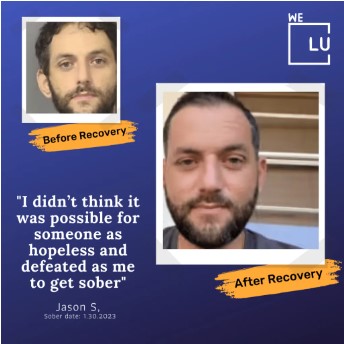
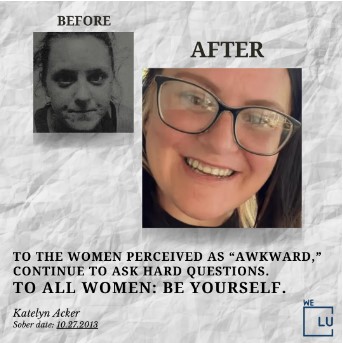
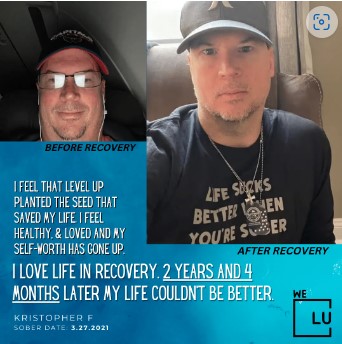
See our authentic success stories. Get inspired. Get the help you deserve.
Start a New Life
Begin with a free call to an addiction & behavioral health treatment advisor. Learn more about our dual-diagnosis programs. The We Level Up Treatment Center Network delivers recovery programs that vary by each treatment facility. Call to learn more.
- Personalized Care
- Caring Accountable Staff
- World-class Amenities
- Licensed & Accredited
- Renowned w/ 100s 5-Star Reviews
We’ll Call You
How I Overcame Alcoholism and Prescription Drug Abuse To Work Towards Recovery Video
Alcoholism and Prescription Recovery Testimonial
This man discusses his struggles with alcoholism and prescription drug abuse, as well as his story of overcoming addiction.
“I was a slave to my addiction.
Seventeen years I drank and used drugs to medicate the way that I felt because I didn’t like me.
So the drugs or alcohol made me either feel better about me or forget how i felt about me.
No matter what I did or how much I did. It didn’t change the way I felt about me and since then I’ve learned that no matter what happened to my life.
I don’t get to medicate the way that I feel. I was told early on the good news are you’ll have feelings, the bad news is you’ll have feelings.
I just learned to navigate life with the help of master and doctorate-level therapists that are skilled with addiction and alcoholism.
That helped me to identify more through the colleges and conditions.
And life is so much better on the other side. I wouldn’t trade the way I feel today or the way I felt then for anything in the world.
Recovery is great.”
Does Alcoholism and Prescription Drug Abuse Treatment Work?
Between 85% and 95% of patients who successfully complete drug rehab report continuing to abstain from all substances nine months after discharge. Approximately 80% of patients report that their health and quality of life have improved after completing prescription drug and alcohol rehabilitation.
Sources:
[1] National Survey on Drug Use and Health – https://www.samhsa.gov/data/sites/default/files/reports/rpt29393/2019NSDUHFFRPDFWHTML/2019NSDUHFFR1PDFW090120.pdf