
Opiate Addiction Rehab at We Level Up
Opioid use disorder and opiate addiction remain at epidemic levels in the US and worldwide. Three million US citizens and 16 million people worldwide have had or currently suffer from opioid use disorder (OUD). More than 500,000 in the US are dependent on heroin. Continue to read more about opiates and opioids effects and addiction treatment.
Clinically Reviewed by Lauren Barry, LMFT, MCAP, QS
Medically Reviewed by Ali Nikbakht, PsyD
Reviewed / Updated: August 12, 2026 — Editorial Policy | Research Policy | Privacy Policy
Opiate Addiction Treatment
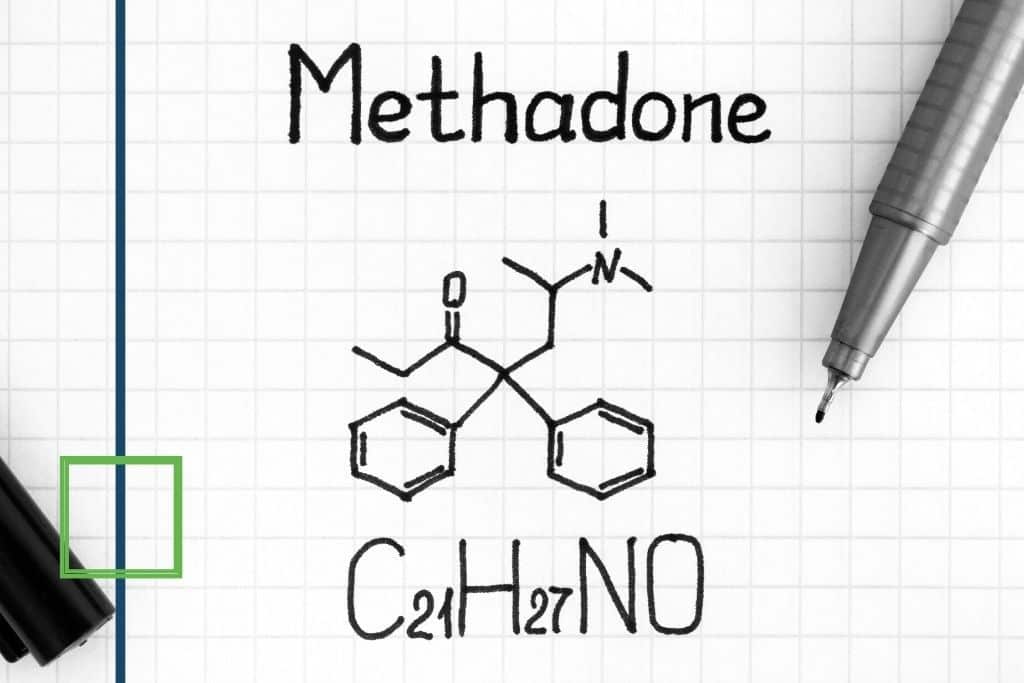
Opiates are drugs derived from the opium poppy, while opioids include natural and synthetic drugs that act on the same brain receptors. Examples include morphine, codeine, oxycodone, hydrocodone, fentanyl, and heroin. Some are prescribed for pain, while others, such as heroin, are illegal.
These drugs bind to opioid receptors and produce effects similar to the body’s natural endorphins, which can reduce pain and create feelings of relaxation or pleasure. With repeated use, the brain can adapt, leading to tolerance, physical dependence, and difficulty feeling normal without the drug. What begins as prescribed pain treatment can sometimes develop into opioid use disorder, which is treatable and deserves professional support.
We Level Up provides medical detox, addiction treatment, dual diagnosis care, and mental health services through accredited treatment centers in Florida, Texas, California, Washington, and New Jersey. As a national substance abuse and mental health facility network, its programs may include medical detox, residential care, outpatient treatment, and telehealth services, when available.
Skip To:
What Are Opiates?
Opiates are a group of drugs that help relieve pain. Some come from the opium poppy plant, while others are made in a lab to work the same way. Common examples include morphine, codeine, oxycodone, hydrocodone, fentanyl, and heroin. Some are prescribed by doctors for pain after surgery or an injury. Others, like heroin, are illegal.
Opiates attach to special receptors in the brain and body. They block pain signals and can create a calm or happy feeling. When used for a long time, they can change how the brain works. Over time, a person may need higher doses to get the same effect or feel sick without the drug. This can lead to opiate addiction and opioid use disorder.
Who Should Avoid Opiates?
Some people may face a higher risk of harm from opiates. This includes people with a personal or family history of substance use, pregnant or nursing people, and those with lung or breathing problems. People with depression, anxiety, or other mental health concerns may also need extra care. Anyone who has had a bad reaction to opiates before should talk with a doctor.
Opiates can slow breathing and may be very dangerous when mixed with alcohol or other drugs that cause sleepiness. A doctor should check a person’s health, medicines, and past drug use before starting an opiate. If misuse is suspected, getting medical help early can lower the risk of serious harm.
Signs of Opiate Addiction
Opiate addiction can look different from person to person, and it often starts small. Doctors may use a drug screen for opiates to confirm recent use and support an assessment, but a positive test alone does not diagnose addiction.
Watch for these common signs:
- Strong cravings for opiates
- Needing more of the drug to feel the same effect
- Withdrawal symptoms between doses
- Visiting several doctors to get more prescriptions
- Neglecting work, school, or family duties
- Mood swings, irritability, or poor judgment
- Slowed breathing or heavy drowsiness
- Small, pinpoint pupils and social withdrawal
Why Are Opiates Addictive?
Opiates attach to receptors in the brain and body that normally respond to endorphins. As noted, opiate drugs mimic this same brain neurotransmitter. This is why opiates can dull pain and cause a rush of pleasure. With repeated use, the brain relies less on its own endorphins and more on the drug to feel normal.
This leads to tolerance, meaning you need a higher dose to get the same effect. It also leads to physical dependence, where the body reacts with withdrawal symptoms if the drug is stopped. Doctors use the term opioid use disorder, as defined in the DSM-5. It describes a pattern of opioid use that causes problems with health, work, or relationships. Many people keep using opiates not to get high, but to avoid withdrawal. That drive to find relief, not pleasure, is a big reason quitting alone is so hard.
The Importance of Opiate Detox
Stopping opiates suddenly, often called going “cold turkey,” can be dangerous and rarely succeeds without support. Withdrawal can bring nausea, vomiting, muscle aches, chills, and intense cravings. While opiate withdrawal is rarely life-threatening, relapse and overdose risks can rise fast during solo detox.
Medical detox gives you 24/7 monitoring while opiates leave your system. Doctors and nurses can manage symptoms safely and keep you more comfortable. Detox alone is not a complete treatment. It clears the drug from your body, but it does not change the habits and triggers behind addiction. This is why it works best as the first step in a longer plan.

How Opiate Addiction Is Treated
Opiate addiction is highly treatable, but treatment works best when it goes beyond detox. Medication-Assisted Treatment (MAT) pairs FDA-approved medicine with counseling to ease withdrawal and lower the risk of relapse. Suboxone medicine can reduce cravings and help stabilize brain chemistry while a person builds new coping skills.
Evidence-based therapies used at We Level Up include:
- Cognitive Behavioral Therapy (CBT): Helps you notice thoughts that lead to opiate use and replace them with healthier ones.
- Dialectical Behavior Therapy (DBT): Builds skills for managing intense emotions without turning to drugs.
- Individual and Group Therapy: Private work on the roots of use, plus support from peers who understand.
- Trauma-Informed Therapy: Addresses past events that may fuel opiate use.
- Life Skills Training and Holistic Therapies: Build daily coping tools, along with practices like yoga and mindfulness.
- Relapse Prevention Planning: Prepares you to recognize triggers before a slip turns into a full relapse.
Researchers are also working on a new drug for opiate addiction with fewer side effects. Extended-release naltrexone and lofexidine are newer, FDA-approved options that give doctors more tools to support recovery.
Levels of Care for Opiate Addiction Treatment
The right level of care depends on opiate use, health, withdrawal risk, relapse history, and support at home. Some people need intensive treatment, while others can safely step down to outpatient care as they stabilize.
Medical detox provides 24-hour monitoring while opiate withdrawal is managed and symptoms are treated. Once stable, clients can transition into ongoing addiction treatment.
Residential treatment provides full-time housing, therapy, and structured recovery support in a controlled setting. For those who need intensive daytime care without overnight treatment, a partial hospitalization program (PHP) provides several hours of treatment while clients return home or to sober housing.
An intensive outpatient program (IOP) offers regular treatment while allowing clients to maintain work, school, or family responsibilities. As recovery progresses, telehealth can provide flexible therapy and medical follow-up for people facing transportation, scheduling, or other access barriers.

Get Your Life Back
Find Hope & Recovery. Get Safe Comfortable Detox, Addiction Rehab & Dual Diagnosis Trused Care.
7/365 Line (844) 597-1011The Role of Mental Health and Co-Occurring Disorders
Many people who misuse opiates also live with anxiety, depression, or trauma. Opiate use can hide these conditions at first, but over time, it often makes them worse. Left untreated, the two conditions tend to feed each other, which makes recovery harder on both fronts. That’s why dual diagnosis treatment matters so much.
Common co-occurring conditions include anxiety disorders, major depressive disorder, post-traumatic stress disorder (PTSD), insomnia, bipolar disorder, and other trauma-related disorders. Our team checks for these conditions at intake, so your care plan addresses the full picture from day one.
The Importance of a Strong Support Network
Recovery rarely happens in isolation. A safe home gives you stability to focus on healing, away from people and places linked to past drug use. Peer support groups reduce isolation, while alumni programs provide accountability long after treatment ends.
Family involvement also strengthens recovery. Loved ones often need their own support to understand addiction and rebuild trust. Long-term recovery needs steady support from all sides. That is why we add groups, alumni links, and family programs at every stage of care.
Is Opiate Addiction Treatment Right for Me?
You might benefit from treatment if you can’t function without opiates. You may have withdrawal symptoms when you miss a dose or cut back. You may use more than you planned or were prescribed. You may mix opiates with alcohol or other substances. You may have tried to stop before but relapsed.
If any of this sounds familiar, you’re not alone, and it doesn’t mean you’ve failed. A professional assessment can help determine the right path forward.
Insurance and Admissions Support
Many insurance plans cover part or all of opiate addiction treatment. Our admissions specialists are available 24/7. They can guide you through benefits verification. They can also explain your coverage in simple terms. Every conversation is confidential, with no pressure to commit before you’re ready. A free rehab insurance check can help you find out what your plan covers before you start.
Start Your Recovery Today
Help is available, and recovery from opiate addiction is possible with the right support. Professional treatment works, especially when it combines medical care, therapy, and a strong community around you.
We Level Up Treatment Centers runs seven accredited facilities in Florida, Texas, California, Washington, and New Jersey. Each site has licensed doctors, psychologists, and therapists who provide individualized care. No matter where you are, help is within reach. Our team is available 24/7, and every call is confidential.
FAQs About Opiates
-
What are opiates on a drug test?
A positive result for opiates on a drug test means the screen found opiate metabolites in your body. This can come from illegal drugs like heroin, or from prescription opioids taken exactly as directed by a doctor.
-
How long do opiates stay in your system for a drug screen?
Most urine tests can detect opiates for 1 to 4 days after use, though this window can shift depending on the person. Hair tests can detect opiates for up to 90 days. This makes them useful for spotting long-term use patterns, not one recent dose. Your exact detection window depends on the opiate you take. It also depends on your dose, how often you use it, and your metabolism. Blood tests, by comparison, usually have the shortest detection window of all.
-
What neurotransmitter do opiates mimic in the brain?
Opiates mimic endorphins, which are the brain’s own natural painkillers. This is why opiates can ease pain and create feelings of pleasure or calm, especially early on. It also explains why long-term opiate use can change how your brain handles pain and mood. Over time, it can feel harder to feel normal without the drug.
-
Is there a new drug for opiate addiction?
Yes. Extended-release naltrexone and lofexidine are newer FDA-approved options. Research also seeks treatments with fewer side effects. It also aims for less risk of dependence. Doctors use these medicines with counseling and support, not as a stand-alone fix. Lasting recovery often needs medical care and therapy working together.
-
What is the first step in opioid addiction treatment?
Most people start with medical detox. This step clears opioids from your body under 24/7 care. From there, your team helps you move into the level of care that fits your needs, whether that is inpatient treatment, PHP, IOP, or outpatient care.
-
Does insurance cover opioid addiction treatment?
Many insurance plans cover part or all of opioid addiction treatment. Free rehab insurance check can help you find out what your plan covers before you start.
-
How long does opioid addiction treatment take?
Treatment length depends on your needs. Medical detox may last about a week, and residential care often runs several weeks. Many people stay in PHP, IOP, or outpatient care for months afterward. Longer treatment often leads to better results that last.
-
Can opiate addiction be treated for good?
Opiate addiction is a long-term condition, but it is treatable. With the right mix of medicine, therapy, and support, many people can recover. They can stay well for years. Ongoing tools like aftercare plans, alumni programs, and continued therapy help protect that progress long after formal treatment ends.
-
Does insurance cover opiate addiction treatment?
Many insurance plans cover part or all of opiate addiction treatment. You can check your insurance benefits online in just a few minutes. Our admissions team is also available by phone at (954) 475-6031, 24 hours a day, seven days a week.
Sources
- National Institute on Drug Abuse. “Opioids.” https://nida.nih.gov/research-topics/opioids
- Substance Abuse and Mental Health Services Administration. “Opioid Overdose.” https://www.samhsa.gov/substance-use/prevention/opioid-overdose
- Centers for Disease Control and Prevention. “Opioids.” https://www.cdc.gov/opioids/index.html
- U.S. Food and Drug Administration. “Information About Medications for Opioid Use Disorder.” https://www.fda.gov
- Drug Enforcement Administration. “Drug Fact Sheets.” https://www.dea.gov
- National Institute of Mental Health. “Substance Use and Co-Occurring Mental Illness.” https://www.nimh.nih.gov
- National Library of Medicine (StatPearls). “Opioid Use Disorder.” https://www.ncbi.nlm.nih.gov/books/NBK553166/
- National Institutes of Health. “NIH Researchers Discover Pain-Relieving Drug With Minimal Addictive Properties.” https://www.nih.gov/news-events/news-releases/nih-researchers-discover-pain-relieving-drug-minimal-addictive-properties
- Substance Abuse and Mental Health Services Administration. “Medications for Substance Use Disorders.” https://www.samhsa.gov/medications-substance-use-disorders
- National Institute on Drug Abuse. “Naloxone DrugFacts.” https://nida.nih.gov/publications/drugfacts/naloxone
- National Institute on Drug Abuse. “Principles of Drug Addiction Treatment: A Research-Based Guide.” https://nida.nih.gov
- American Psychiatric Association. “What Is a Substance Use Disorder?” https://www.psychiatry.org
- Substance Abuse and Mental Health Services Administration. “National Helpline.” https://www.samhsa.gov/find-help/national-helpline
- National Institute on Drug Abuse. “Words Matter — Terms to Use and Avoid When Talking About Addiction.” https://nida.nih.gov
- National Institute on Drug Abuse. “Prescription Opioids DrugFacts.” https://nida.nih.gov/publications/drugfacts/prescription-opioids
- Centers for Disease Control and Prevention. “Drug Overdose Deaths.” https://www.cdc.gov/drugoverdose
Get Help. Get Better. Get Your Life Back.
Searching for Accredited Drug and Alcohol Rehab Centers Near You?
Even if you have failed previously and relapsed, or are in the middle of a difficult crisis, we stand ready to support you. Our trusted behavioral health specialists will not give up on you. When you feel ready or just want someone to speak to about therapy alternatives to change your life call us. Even if we cannot assist you, we will lead you to wherever you can get support. There is no obligation. Call our hotline today.
(844) 597-1011Experience Transformative Recovery at We Level Up Treatment Centers.
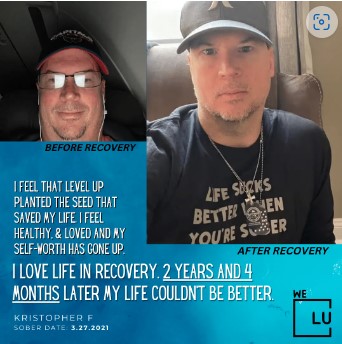
See our authentic success stories. Get inspired. Get the help you deserve.
Start a New Life
Begin with a free call to an addiction & behavioral health treatment advisor. Learn more about our dual-diagnosis programs. The We Level Up Treatment Center Network delivers recovery programs that vary by each treatment facility. Call to learn more.
- Personalized Care
- Caring Accountable Staff
- World-class Amenities
- Licensed & Accredited
- Renowned w/ 100s 5-Star Reviews
We’ll Call You
Search We Level Up Opiates Detox, Mental Health Topics & Resources
Resources
Opiate withdrawal – Covering symptoms, timeline, and treatment options.
Morphine opiate addiction – Explains signs, risks, and treatment for morphine abuse.
Opiate overdose reversal – Narcan and naloxone for saving lives from opiate overdoses.
Black tar opiate risks – Details about heroin as an opiate and its harmful effects.
Sources
[1] Dydyk AM, Jain NK, Gupta M. Opioid Use Disorder. [Updated 2022 Jun 21]. In: StatPearls [Internet]. Treasure Island (FL): StatPearls Publishing; 2023 Jan-. Available from: https://www.ncbi.nlm.nih.gov/books/NBK553166/
[2] Azadfard M, Huecker MR, Leaming JM. Opioid Addiction. [Updated 2023 Jan 1]. In: StatPearls [Internet]. Treasure Island (FL): StatPearls Publishing; 2023 Jan-. Available from: https://www.ncbi.nlm.nih.gov/books/NBK448203/
[3] Clinical Guidelines for Withdrawal Management and Treatment of Drug Dependence in Closed Settings. Geneva: World Health Organization; 2009. 4, Withdrawal Management. Available from: https://www.ncbi.nlm.nih.gov/books/NBK310652/
[4] Institute of Medicine (US) Committee on Opportunities in Drug Abuse Research. Pathways of Addiction: Opportunities in Drug Abuse Research. Washington (DC): National Academies Press (US); 1996. B, Drug Abuse Research in Historical Perspective. Available from: https://www.ncbi.nlm.nih.gov/books/NBK232965/
[5] Opioid Withdrawal – U.S. Department of Health and Human Services National Institutes of Health Available from: https://medlineplus.gov/ency/article/000949.htm
[6] Prescription Opioids DrugFacts – National Institute on Drug Abuse (NIDA)
[7] Understanding the Opioid Overdose Epidemic – Centers for Disease Control and Prevention (CDC)
[8] Schiller EY, Goyal A, Mechanic OJ. Opioid Overdose. [Updated 2022 Sep 19]. In: StatPearls [Internet]. Treasure Island (FL): StatPearls Publishing; 2023 Jan-. Available from: https://www.ncbi.nlm.nih.gov/books/NBK470415/
[9] Narcotics (Opioids) – Drug Enforcement Administration (DEA)
[10] Risk Factors for Opioid Misuse, Addiction, and Overdose – U.S. Department of Labor