
Eating Disorder Treatment Programs at We Level Up
Clinically Reviewed by Lauren Barry, LMFT, MCAP, QS
Medically Reviewed by Ali Nikbakht, PsyD
Reviewed / Updated: October 12, 2026 — Editorial Policy | Research Policy | Privacy Policy
By We Level Up | Author Nam Tran, PharmD | Editorial Policy | Research Policy
Eating disorders can change food habits, body image, emotions, and physical health. They can affect people of every age, body size, gender, and background. Many people also face anxiety, depression, trauma, or substance use problems during recovery. Without care, these conditions may harm the heart, bones, digestion, sleep, and daily safety.
Treatment often combines therapy, medical checks, nutrition support, family program, and coping skills. Care teams also review purging, bingeing, food limits, body fears, and health risks. A full assessment helps match services with each person’s symptoms, strengths, and goals. Regular reviews allow the plan to change as health and recovery needs improve.
Through accredited facilities nationwide, We Level Up Treatment Centers provides specialized eating disorder care. Our locations in Florida, Texas, California, Washington, and New Jersey serve diverse recovery needs. Multidisciplinary teams may combine medical monitoring, therapy, nutrition guidance, and family support. Telehealth services can extend counseling and follow-up when remote care remains clinically appropriate.
Skip To:
What Is an Eating Disorder?
An eating disorder is a mental health condition that changes food habits, body thoughts, or weight-related acts. It may involve food limits, bingeing, purging, body checks, or strong distress after meals. Normal worry about food or looks does not always mean an illness is present. A care team must review the full pattern, health risks, and harm to daily life.
The feeding disorder vs eating disorder question can be hard because both change food intake. Feeding problems may involve swallowing, sensory needs, low interest, or choking fears without body concerns. Other disorders may involve weight fears, bingeing, purging, strict rules, or body distress. Both groups need a full check because harm can occur at any body size.
Eating Disorders and Related Conditions
Eating disorders often occur with anxiety, depression, trauma, fixed thoughts, self-harm, autism, or drug use. Autism and eating disorders may overlap through sensory needs, set routines, food fears, or weak hunger signals. The long term effects of eating disorders may include heart damage, weak bones, hormone shifts, and tooth damage. Care should address each active need, not just food habits.
Common Symptoms of Eating Disorders
The signs of eating disorder problems may affect thoughts, acts, health, school, work, or close bonds. Some signs stay hidden because people may feel shame, fear, doubt, or pressure. Body size alone cannot show if someone is safe or needs care. A common eating disorder can harm health when outward changes seem small.
- Skipping meals or following strict food rules.
- Hiding food, bingeing, or feeling unable to stop.
- Vomiting, fasting, using laxatives, or exercising through pain.
- A strong fear of gaining weight or repeated body checks.
- Dizziness, weakness, stomach pain, feeling cold, or poor sleep.
- Changes in weight, periods, heart rate, digestion, or teeth.
- Avoiding meals, work, school, family, or social events.
- Shame, low mood, anger, fear, or self-harm thoughts.

Common Types of Eating Disorders
NIMH notes that eating disorders include diagnoses based on food habits, thoughts, health risks, and reasons for each act. A person may have severe signs without looking thin or fitting common views of these illnesses. Signs can change, so the care team should review health and progress often. A full check helps the team name the illness and choose safe care.
- Anorexia Nervosa: Restrictive eating and weight fears can cause poor health.
- Bulimia Nervosa: Binges are followed by vomiting, fasting, or overexercise.
- Binge-Eating Disorder: A large amount of food causes distress and loss of control.
- Avoidant/Restrictive Food Intake Disorder: Food limits stem from sensory needs, low interest, or fear.
- Other Specified Feeding or Eating Disorder: Serious signs do not meet every rule for another diagnosis.
How Eating Disorders Are Diagnosed
A full mental health assessment reviews food habits, weight changes, health, mood, safety, and daily life. The team may ask about food limits, bingeing, purging, exercise, body thoughts, and weight fears. DSM-5-TR rules help the team name the pattern and choose a diagnosis. Clear diagnosis supports safe health care, therapy goals, food support, and treatment planning.
The team may check pulse, blood pressure, fluids, lab results, and health risks. A doctor may review drugs, stomach pain, hormone changes, tooth harm, and past care. Family may share facts when the patient agrees or urgent safety needs arise. Fainting, chest pain, severe weakness, or repeated purging may need emergency care.
Evidence-Based Care for Eating Disorders
Good care fits the person’s health, age, risks, signs, support, goals, and past response. Plans may combine therapy, food support, health checks, family help, and related care. No method works for all, so the team should explain each service and review progress. Steady care can improve health, coping, trust, daily function, and eating disorder recovery.
Talk Therapy and Coping Skills
CBT helps patients test food rules, body thoughts, binge triggers, and harmful acts. Sessions may use meal notes, thought checks, coping practice, and more flexible habits. The patient and therapist set goals while tracking food, stress, safety, and daily life. This work should stay direct, kind, useful, and free from shame.
DBT may help when strong moods, self-harm urges, quick acts, or stress affect care. Skills include calm focus, mood control, clear speech, and safer choices. DBT does not replace food or health care, but it can add coping tools. The team should choose therapy based on diagnosis, age, risks, goals, and past response.
Medication Support
No drug alone cures an eating disorder, but some may help related signs or binges. A doctor may treat low mood, fear, fixed thoughts, poor sleep, or binge urges. The best choice depends on health, food intake, heart risk, other drugs, and side effects. Patients should not start, stop, share, or change medicine without a doctor’s advice.
Integrated Mental Health Care
Food problems and drug use can worsen shame, poor sleep, quick choices, hunger shifts, and coping. Integrated dual diagnosis care treats both needs within one plan. Care may include therapy, health checks, relapse plans, food support, and ways to handle urges. Shared goals help each provider give clear advice and support the same path.

We Level Up’s Approach to Eating Disorder Treatment
At We Level Up, eating disorder treatment begins with a full assessment. Our team learns about each person’s symptoms, health, eating habits, past care, needs, and recovery goals. Care is made to fit each person. Some people may need more support and structure. Others may do well with outpatient care while living at home.
Treatment May Include:
- Individual therapy
- Group therapy
- Family counseling
- Nutrition education and meal support
- Skills training
- Medication support when needed
- Dual diagnosis care
- Aftercare planning
Treatment may change as a person’s needs change. The goal is to help people build healthy eating habits, improve physical and mental health, learn coping skills, and support long-term recovery.
What Our Eating Disorder Program Offers
Care should improve health while helping patients build steady food habits, coping skills, and daily function. Services vary by site, age, diagnosis, health needs, risk, and program rules. Each patient should know why a service may help and how staff will track progress. Program features may include the care and support below.
- Mental health, medical, food, and drug use checks.
- Personal goals with progress and safety reviews.
- Private therapy, skill work, and family help.
- Health checks, medicine review, and food teaching.
- Peer support, discharge plans, referrals, and follow-up.
Eating disorder care may include health checks, food support, therapy, and help with drug use. We Level Up links these services through its national substance abuse and mental health facility network.
Levels of Care for Eating Disorder Treatment
The right level of care depends on a person’s symptoms, health, and safety. At We Level Up, care can change as a person moves through recovery. Some people may need care day and night, while others may be ready to live at home and attend treatment.
When symptoms are severe or health risks are high, inpatient care may be the best place to start. The person stays at the center and gets care 24 hours a day. Staff provide health checks, therapy, meal support, and a daily routine. The team watches progress and changes care as needed. The goal is to help the person become safe and stable before moving to a lower level of care.
As the person gets better, outpatient care may be the next step. The person lives at home and goes to treatment visits. PHP and IOP give more support than regular outpatient care, but the person still goes home each night. These programs may follow inpatient care or help people with less severe needs.
For people who cannot always come to a center, our telehealth program offers care through secure video visits. It may help with travel, work, or time limits. It can also help people keep getting care after they move to a lower level of treatment. To learn more about eating disorder treatment and your care options, call (844) 597-1011.

[Call Now: (844) 597-1011] [Verify Insurance] [Free Assessment]
Frequently Asked Questions
Can I get help if I am worried about someone with an eating disorder?
Yes. You can contact the We Level Up team to learn about treatment options and how to support a loved one. The team can explain what steps to take and what care may fit their needs.
What happens during the first step of treatment?
The team starts by learning about the person’s health, eating concerns, symptoms, and daily needs. This helps staff understand what type of care may be a good fit.
How do I know which We Level Up program may fit my needs?
You do not have to choose a program on your own. The care team can review your needs and help explain which level of care may be right for you.
How can I check if my insurance may help pay for treatment?
Insurance coverage depends on your plan and treatment needs. You can visit our insurance page and payment options page to learn more about coverage and ways to pay for treatment.
How can I speak with someone about treatment?
You can call We Level Up at (844) 597-1011 to speak with the intake team. They can answer questions about treatment, insurance, and the next steps.
Experience Transformative Recovery at We Level Up Treatment Centers.
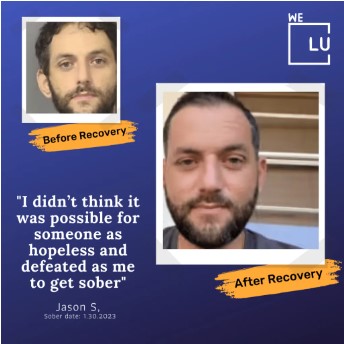
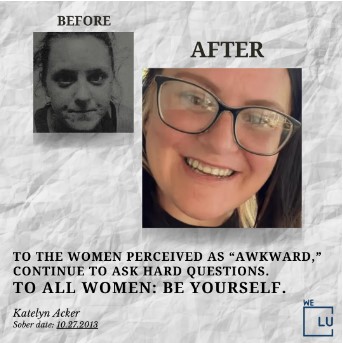
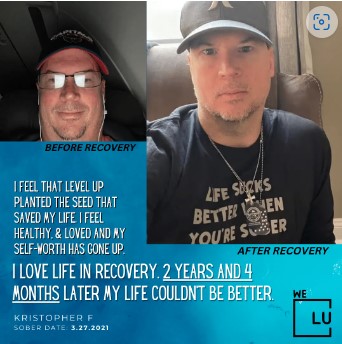
See our authentic success stories. Get inspired. Get the help you deserve.
Start a New Life
Begin with a free call to an addiction & behavioral health treatment advisor. Learn more about our dual-diagnosis programs. The We Level Up Treatment Center Network delivers recovery programs that vary by each treatment facility. Call to learn more.
- Personalized Care
- Caring Accountable Staff
- World-class Amenities
- Licensed & Accredited
- Renowned w/ 100s 5-Star Reviews
We’ll Call You
Search We Level Up Eating Disorders, Mental Health Topics & Resources
Sources
- National Institute of Mental Health (NIMH). Eating Disorders. https://www.nimh.nih.gov/health/topics/eating-disorders
- National Institute of Mental Health (NIMH). Eating Disorders Statistics. https://www.nimh.nih.gov/health/statistics/eating-disorders
- American Psychiatric Association. Diagnostic and Statistical Manual of Mental Disorders, Fifth Edition, Text Revision (DSM-5-TR). American Psychiatric Association Publishing. https://www.psychiatry.org/psychiatrists/practice/dsm
- American Psychiatric Association. What Are Eating Disorders? https://www.psychiatry.org/patients-families/eating-disorders/what-are-eating-disorders
- Substance Abuse and Mental Health Services Administration (SAMHSA). Evidence-Based Care for Clients With Co-Occurring Substance Use Disorders and Eating Disorders. https://library.samhsa.gov/product/advisory-evidence-based-care-clients-co-occurring-substance-use-disorders-eating-disorders/pep25-02-010
- National Institute on Drug Abuse (NIDA). Part 1: The Connection Between Substance Use Disorders and Mental Illness. https://nida.nih.gov/publications/research-reports/common-comorbidities-substance-use-disorders/part-1-connection-between-substance-use-disorders-mental-illness
- National Institute of Mental Health (NIMH). Psychotherapies. https://www.nimh.nih.gov/health/topics/psychotherapies
- National Library of Medicine. Eating Disorders. MedlinePlus. https://medlineplus.gov/eatingdisorders.html
- National Institute of Diabetes and Digestive and Kidney Diseases. Binge Eating Disorder. https://www.niddk.nih.gov/health-information/weight-management/binge-eating-disorder
- National Institute of Diabetes and Digestive and Kidney Diseases. Symptoms and Causes of Binge Eating Disorder. https://www.niddk.nih.gov/health-information/weight-management/binge-eating-disorder/symptoms-causes