

Cognitive Behavioral Therapy for Addiction and Mental Health
Clinically Reviewed by Lauren Barry, LMFT, MCAP, QS
Medically Reviewed by Ali Nikbakht, PsyD
Reviewed / Updated: August 10, 2026 — Editorial Policy | Research Policy | Privacy Policy
By We Level Up | Editor Yamilla Francese | Editorial Policy | Research Policy
Heavy drinking and other substance use often start as a way to cope with stress, pain, or difficult emotions. Over time, these coping patterns can become a difficult cycle that is hard to break through willpower alone. Alcohol and other substances can change how the brain sends and receives signals, making cravings feel much stronger than the desire to stop. That is why detox and early recovery often work best when paired with practical coping skills rather than simply spending time away from substances.
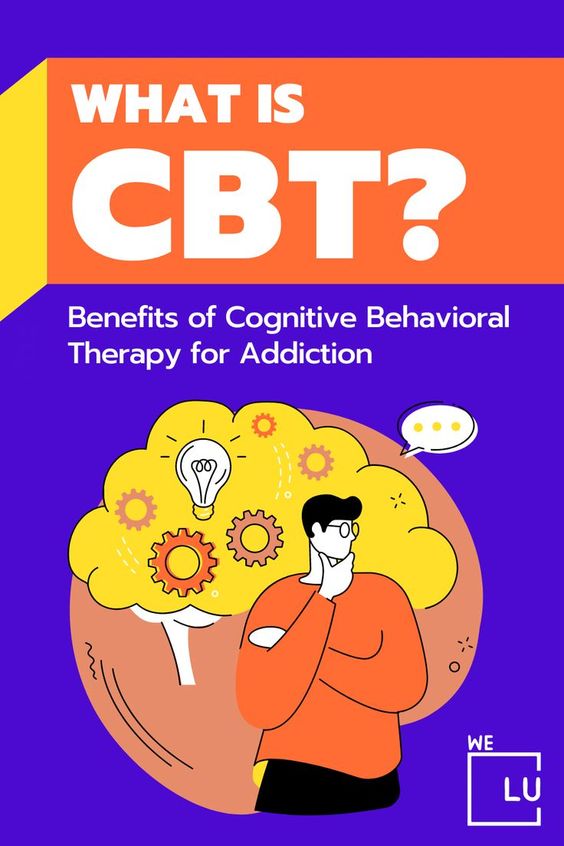
Cognitive behavioral therapy (CBT) is one of the most studied, evidence-based therapies for addiction and mental health conditions. It focuses on the connection between thoughts, feelings, and behaviors, helping people recognize unhelpful thought patterns and develop healthier responses to cravings, stress, and difficult emotions. These skills can be practiced during detox and throughout treatment, giving clients practical tools they can continue using in recovery.
We Level Up provides addiction treatment, medical detox, dual diagnosis care, and mental health services through a nationwide network of accredited treatment centers in Florida, Texas, California, Washington, and New Jersey. As a national substance abuse and mental health facility network, our programs may include medical detox, residential care, outpatient treatment, and telehealth services, when available. Licensed doctors, nurses, therapists, and psychologists work together to understand each person’s needs and develop a personalized treatment plan.
At We Level Up, CBT can be incorporated throughout different levels of care, from medical detox through outpatient support. Our medically supervised alcohol detox program includes CBT training from the beginning of treatment, allowing clients to start developing practical coping skills while their bodies clear alcohol and begin the recovery process.
Skip To:
Understanding Cognitive Behavioral Therapy
Cognitive behavioral therapy, or CBT, is a structured talk therapy. Dr. Aaron Beck developed it in the 1960s. It rests on a simple idea: thoughts, feelings, and behaviors are connected, and changing how someone thinks can change how they feel and act. Over decades of research, CBT has proven effective in treating substance use disorders and many mental health conditions.
Unlike therapies that dwell primarily on the past, CBT is goal-oriented, time-limited, and practical. It teaches clients to spot distorted or unhelpful thoughts. It helps them test those thoughts with evidence. It also helps them replace unhealthy behaviors with healthier ones. Clients practice these skills in session. They keep building them between appointments. This helps the changes last well beyond treatment.
CBT also helps clients understand their own patterns. Many people use substances after certain triggers, like work stress, conflict at home, or hard memories returning. CBT helps clients name those triggers early, and once a trigger is named, it tends to lose some of its power. This makes cravings and difficult emotions easier to manage over time.
Get Help. Get Better. Get Your Life Back.
Searching for Accredited Drug and Alcohol Rehab Centers Near You?
Even if you have failed previously and relapsed, or are in the middle of a difficult crisis, we stand ready to support you. Our trusted behavioral health specialists will not give up on you. When you feel ready or just want someone to speak to about therapy alternatives to change your life call us. Even if we cannot assist you, we will lead you to wherever you can get support. There is no obligation. Call our hotline today.
(844) 597-1011What to Expect: How CBT Works
CBT sessions are collaborative. A therapist works alongside each client to build skills step by step rather than simply offering advice. A typical course of CBT involves:
- Identifying automatic negative thoughts, such as “I’ll never be able to quit” or “I can’t cope without using.”
- Challenging these beliefs with evidence and reframing them into more accurate, balanced thoughts.
- Building strategies to handle stress, cravings, or difficult emotions without turning to substances.
- Setting realistic, achievable goals that support both recovery and mental health.
- Practicing new skills through role-play, journaling, or real-world assignments between sessions.
Sessions usually follow a regular schedule for weeks or months, with the pace adjusted to each client’s needs.
How CBT Helps Addiction and Mental Health
Addiction recovery is often slowed by automatic, self-defeating thoughts that arrive before a person even notices them. CBT breaks this cycle by helping clients pause, review, and reframe thoughts before relapse or other harmful behavior occurs. The same skills apply directly to many mental health conditions that often accompany substance use.
For example:
- A client who feels anxious may learn to challenge the belief, “I need a drink to calm down.” They can replace it with a grounding or relaxation technique instead.
- Someone with depression may replace the thought, “Nothing will ever get better,” with a small step toward a real goal.
- A person with strong cravings can use CBT strategies to spot the trigger and use a healthier coping skill.
- A client managing trauma symptoms can use CBT tools to slow racing thoughts and stay grounded in the present moment.
The NIAAA alcohol use disorder guide explains how these thoughts and behavior patterns often develop. This is why CBT is a key part of early treatment.
Questions about our Facilities or Programs?
Our admissions coordinators are available 24/7 to answer your questions. As you consider treatment at We Level Up, we are here for you. We can also help if you are asking for a loved one.

Get Your Life Back
Find Hope & Recovery. Get Safe Comfortable Detox, Addiction Rehab & Dual Diagnosis Trused Care.
7/365 Line (844) 597-1011Benefits of Cognitive Behavioral Therapy
CBT offers a wide range of benefits for people managing substance use, mental health conditions, or both. Because it is structured and skills-based, progress is often easier to see and measure than with less directive approaches.
- Identifies and changes harmful thought patterns, reducing relapse triggers
- Improves emotional regulation, making stress and anxiety easier to manage
- Develops practical coping skills for cravings, low mood, and daily stressors
- Strengthens problem-solving abilities that clients can use long after treatment ends
- Enhances relapse prevention by building healthier automatic responses
- Supports mental health stability for conditions such as PTSD, ADHD, and bipolar disorder
- Promotes confidence and self-efficacy, helping clients believe change is possible
- Builds skills that transfer to work, family, and everyday relationships
How Cognitive Behavioral Therapy Works at We Level Up

At We Level Up, cognitive behavioral therapy (CBT) goes beyond theory by emphasizing practical skills that clients can apply in everyday life. Through exercises such as journaling, clients can identify thought patterns, emotional triggers, and behaviors that may contribute to unhealthy coping. We Level Up therapists may also introduce relaxation and grounding techniques to help clients manage anxiety and stress in healthier ways without relying on substances.
CBT at We Level Up also focuses on strengthening problem-solving skills that clients can use when dealing with conflict at home, at work, or in other stressful situations. Instead of reacting impulsively under pressure, clients learn to recognize unhelpful thought patterns and respond more constructively. Another key part of CBT is challenging negative self-talk, which can contribute to low self-esteem and make recovery more difficult.
Group settings can reinforce these skills by giving clients opportunities to practice them with others. We Level Up’s group therapy for addiction provides a supportive environment where clients can work through challenges, share experiences, and learn how others apply coping strategies during recovery.
With consistent practice, the skills taught through CBT at We Level Up can become part of a practical coping plan that supports resilience, sobriety, and long-term mental health.
First-class Facilities & Amenities
Trusted Integrated Addiction & Mental Health Rehabilitation Treatment
Rehab Centers TourEstablished Addiction Centers. Serene Private Facilities. Inpatient rehab programs vary.
Addiction Helpline (844) 597-1011Comprehensive recovery success experience, backed by a Team w/ History of:
15+
Years of Unified Experience
100s
5-Star Reviews Across Our Centers
10K
Recovery Success Stories Across Our Network
- Low Patient to Therapist Ratio
- Onsite Medical Detox Center
- Comprehensive Dual-Diagnosis Treatment
- Complimentary Family & Alumni Programs
- Alumni Coaching, Recovery & Personal Development Events
Types of Disorders Treated by CBT
Substance Abuse Disorders
CBT is often used to treat substance use disorders because it targets thoughts and triggers that lead to continued use. Clients learn to view cravings as temporary and manageable, rather than overwhelming. This builds confidence in their ability to stay sober.
CBT is commonly used to treat:
- Alcohol use disorder
- Opioid and fentanyl addiction
- Prescription medication misuse
- Cocaine, methamphetamine, and other stimulant addictions
- Marijuana use or polysubstance use
- Benzodiazepine addiction

Mental Health Disorders
CBT is equally effective in treating mental health conditions that often accompany substance use. Many clients at We Level Up face depression, anxiety, or trauma along with addiction. CBT helps treat both directly.
CBT is highly effective for:
- Depression, by challenging negative thought cycles
- Anxiety disorders, by reducing catastrophic thinking and avoidance behaviors
- Post-traumatic stress disorder, through structured techniques like cognitive restructuring
- Attention-deficit/hyperactivity disorder, by building organization, planning, and coping skills
- Bipolar disorder, by helping clients recognize mood-related thought distortions
- Schizophrenia-spectrum conditions, as part of a broader treatment plan
For clients managing psychosis and substance use, cognitive behavioral techniques can help stabilize symptoms. When paired with schizophrenia treatment, they can reduce reliance on alcohol or other substances for coping. Adults who manage focus and impulse-control issues can use the same approach.
CBT skills in our ADHD treatment for adults teach focus and self-control strategies. These strategies can reduce the urge to use substances.
Co-Occurring Disorders
Many clients have more than one condition at the same time. Treating them together leads to better, longer-lasting results than treating either one alone. Left unaddressed, an untreated mental health condition can trigger relapse even after a successful detox.
Common co-occurring combinations treated with CBT include:
- Major depressive disorder and substance use
- Anxiety disorders and addiction
- PTSD and substance abuse
- ADHD and addiction
- Bipolar disorder and substance use
- Schizophrenia-spectrum disorders and substance use
Clients whose substance use is tied to a difficult past often benefit from a trauma-informed version of this work. Our trauma-informed therapy for addiction blends CBT skills with a safe, steady approach. It helps you process painful memories at your own pace. Healing and sobriety can grow together.
Specialized, Accredited, 5-Star Reviewed, Evidence-based Addiction & Mental Health Programs. Complete Behavioral Health Inpatient Rehab, Detox plus Co-occuring Disorders Therapy.
CALL(844) 597-1011End the Addiction Pain. End the Emotional Rollercoaster. Get Your Life Back. Start Drug, Alcohol & Dual Diagnosis Mental Health Treatment Now. Get Free, No-obligation Guidance by Substance Abuse Specialists Who Understand Addiction & Mental Health Recovery & Know How to Help.
Cognitive Behavioral Therapy for Addiction, Depression, and ADHD
Cognitive behavioral therapy (CBT) can help people with substance use disorders recognize the thoughts, emotions, and triggers that contribute to continued substance use. During CBT, clients learn to identify automatic negative thoughts, challenge them with evidence, and replace unhealthy responses with practical coping strategies. These skills can help manage cravings, stress, and difficult emotions during treatment and recovery. We Level Up provides addiction treatment and incorporates CBT across different levels of care, including medical detox, residential treatment, and outpatient support.
CBT can also support people experiencing depression and anxiety alongside addiction. By identifying negative thought cycles and challenging patterns such as catastrophic thinking or hopelessness, clients can develop healthier ways to respond to difficult emotions. Because mental health concerns may occur alongside substance use, CBT can be incorporated into a broader dual-diagnosis treatment plan that addresses both conditions together.
Similarly, CBT can be useful for adults with ADHD who struggle with organization, planning, focus, or impulse control. Therapy focuses on practical strategies that help clients recognize unhelpful patterns and develop better ways to manage daily responsibilities and emotional challenges. We Level Up also provides ADHD treatment for adults, where CBT skills can support focus and self-control as part of a broader treatment approach.
Is Cognitive Behavioral Therapy Safe?
Cognitive Behavioral Therapy (CBT) is considered safe for most people and does not involve medication or invasive procedures. Some people may experience temporary discomfort when discussing difficult thoughts, emotions, or past experiences. Working with a trained, licensed therapist can help make the process more manageable. At We Level Up, the care team monitors each client’s progress and adjusts therapy based on their needs.
Not every provider uses the same approach to CBT. Confirm that your therapist has appropriate training and experience with your concerns. Ask what your insurance plan covers and what to expect during sessions. Choosing a provider who explains the process and encourages your questions can make treatment more comfortable. At We Level Up, the admissions team can help determine which program and level of care may be appropriate for your needs.
Getting Into Treatment Is Easy With Free Insurance Verification
Cost should never stand between someone and treatment. Our admissions team can verify insurance benefits at no cost. We will explain what your plan covers before treatment starts. Reaching out is confidential, and there is no pressure to commit before you have the information you need.
Frequently Asked Questions
Can CBT be helpful for people who are not ready for residential treatment?
Yes. CBT can be provided at different levels of care, including outpatient programs. This may allow people to work on coping skills while continuing to manage work, school, or family responsibilities.
How does CBT address triggers that happen outside therapy sessions?
CBT teaches practical skills that can be applied in everyday situations. Clients can use techniques such as identifying thought patterns, challenging unhelpful beliefs, and practicing healthier responses when they encounter stress, conflict, or other personal triggers.
Does Cigna insurance cover CBT or addiction treatment at We Level Up?
Coverage depends on the specific Cigna plan, the services needed, and eligibility requirements. We Level Up’s admissions team can verify insurance benefits at no cost and explain what the plan may cover before treatment begins.
Can CBT skills still be used after formal therapy ends?
Yes. CBT emphasizes skills that can be practiced beyond scheduled therapy sessions. Techniques such as identifying unhelpful thoughts, challenging negative self-talk, problem-solving, and using healthier coping strategies can become part of a person’s ongoing recovery routine.
How can I verify whether CBT treatment is available through my insurance?
You can contact We Level Up’s admissions team for a free insurance benefits verification. The team can explain available coverage and help determine which level of care may be appropriate. For questions about treatment, call (844) 597-1011.
Find CBT Treatment Near You
Recovery works best when clients have access to the right level of structure and support at each stage. We Level Up offers CBT across the full continuum of care, so clients can step up or down in intensity as their needs change.
Inpatient CBT Treatment Options
For clients who need the most structure, 24/7 medical detox care provides support all day and night. Residential treatment also offers round-the-clock help. They also include daily CBT sessions. Clients live on-site, away from daily triggers, giving them the space to focus fully on building new thought patterns and coping skills. Our partial hospitalization program offers similar clinical care for clients ready to go home each evening.
Clients may also return to sober housing each evening.
Outpatient Solutions for CBT
Clients who are managing work, school, or family responsibilities can continue CBT through intensive outpatient or standard outpatient care. These options meet a few times a week. They reinforce skills learned earlier in treatment. They help clients use CBT tools in real-world situations. Clients can rebuild their daily routine.
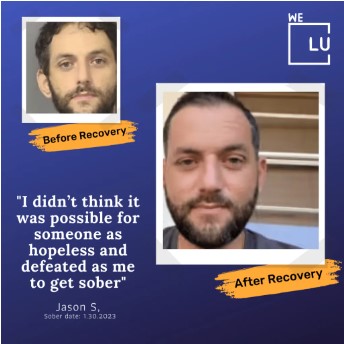
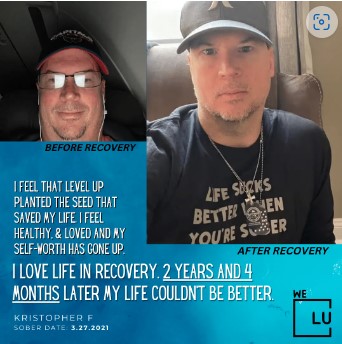
Experience Transformative Recovery at We Level Up Treatment Centers.
See our authentic success stories. Get inspired. Get the help you deserve.

Start a New Life
Begin with a free call to an addiction & behavioral health treatment advisor. Learn more about our dual-diagnosis programs. The We Level Up Treatment Center Network delivers recovery programs that vary by each treatment facility. Call to learn more.
- Personalized Care
- Caring Accountable Staff
- World-class Amenities
- Licensed & Accredited
- Renowned w/ 100s 5-Star Reviews
We’ll Call You
Related Reading
Dual Diagnosis Treatment For Mental Health And Addiction – Treating co-occurring disorders; overlaps with CBT in dual diagnosis settings.
What Is Dialectical Behavior Therapy (DBT)? – Another therapy related to CBT; its differences/additions.
Medication Assisted Treatment: A Comprehensive Guide – A different treatment modality in addiction/substance use.
Residential Treatment For Depression – Related, since CBT is often used in treating depression, in a residential care context.
Sources
1. American Psychiatric Association. Diagnostic and Statistical Manual of Mental Disorders, 5th Edition.
2. National Institute on Alcohol Abuse and Alcoholism (NIAAA). Alcohol Use Disorder overview.
3. Substance Abuse and Mental Health Services Administration (SAMHSA). National Helpline.
4. Beck Institute for Cognitive Behavior Therapy. History and research on CBT.
5. National Institute of Mental Health (NIMH). Psychotherapies overview.
6. Linehan, M. Foundational research on behavioral and dialectical therapy approaches.
7. van der Kolk, B. Research on trauma and the body.
8. National Institute on Drug Abuse (NIDA). Principles of drug addiction treatment.