

CareFirst Mental Health Providers at We Level Up
All insurance companies are required by the Affordable Care Act (ACA) to provide coverage for mental health treatment services. Additionally, the ACA requires that behavioral health, inpatient mental health, and treatment for substance use disorders (SUD) be covered by all health insurance policies (such as counseling and psychotherapy). For more information on Carefirst's coverage of addiction and mental health services, keep reading.
Clinically Reviewed by Lauren Barry, LMFT, MCAP, QS
Medically Reviewed by Ali Nikbakht, PsyD
Reviewed / Updated: July 29, 2026 — Editorial Policy | Research Policy | Privacy Policy
By We Level Up | Editor Yamilla Francese | Clinically Reviewed By Lauren Barry, LMFT, MCAP, QS, Director of Quality Assurance | Editorial Policy | Research Policy | Last Updated: March 13, 2023
At We Level Up, we offer CareFirst Mental Health Provider Services across seven accredited facilities in Florida, Texas, California, Washington, and New Jersey. Each location is staffed by licensed physicians, psychologists, and therapists who deliver individualized care.
Finding the right mental health provider can help you get the care you need. CareFirst mental health providers can help with anxiety, depression, trauma, stress, and other mental health concerns. Care may include therapy, mental health checks, medicine support, and other services. Getting help can make it easier to understand symptoms and find healthy ways to cope.
Some people like to get care in person. Others may choose telehealth mental health providers who offer care by video or phone. Telehealth can make it easier to get help from home. The right type of care depends on a person’s needs, symptoms, health, and goals. We Level Up provides mental health care for adults who need support.
Our team can help each person find the right level of care. Treatment may include one-on-one therapy or group therapy. It may also include family support and medication support. Care options can include inpatient care or residential care. Programs may include partial hospitalization or intensive outpatient programs. Other options include outpatient care and aftercare.
Skip To:
Carefirst Bluechoice Mental Health Coverage & Drug Rehab Inpatient Programs Carefirst Free Quick Check
Carefirst Mental Health Provider Search
Free Rehab Insurance Check
Seeking For Carefirst Behavioral Health Services?

What Are CareFirst Mental Health Providers?
CareFirst mental health providers are professionals who may accept CareFirst insurance. They may include therapists, counselors, psychiatrists, psychologists, and other mental health providers. They can help people with sadness, worry, trauma, mood changes, and other mental health concerns.
A mental health provider can check a person’s needs and help make a care plan. Care may include therapy, medicine support, mental health checks, and other services. The right care depends on the person’s symptoms, health, and needs.
Mental Health Concerns We Treat
Mental health concerns can affect how a person thinks, feels, acts, and lives each day. Some people have mild symptoms. Others may need more care and support.
Mental health care may help with:
- Depression
- Anxiety
- Trauma
- Bipolar disorder
- Borderline personality disorder
- Eating disorders
- Substance use disorders
- Dual diagnosis
- Other mental health concerns
Some people have more than one condition. For example, a person may have anxiety and drug or alcohol problems. Treatment can help address both concerns in one care plan.
Get Help. Get Better. Get Your Life Back.
Searching for Accredited Drug and Alcohol Rehab Centers Near You?
Even if you have failed previously and relapsed, or are in the middle of a difficult crisis, we stand ready to support you. Our trusted behavioral health specialists will not give up on you. When you feel ready or just want someone to speak to about therapy alternatives to change your life call us. Even if we cannot assist you, we will lead you to wherever you can get support. There is no obligation. Call our hotline today.
(844) 597-1011Finding the Right CareFirst Mental Health Provider
The right provider depends on the help a person needs. Some people may need talk therapy. Others may need medicine support or more care each day. A mental health provider can help a person find the right type of support.
Care may include mental health checks and one-on-one therapy. It may also include group therapy and family counseling. Care can include medicine support and mental health education. It may include crisis support and aftercare planning. The care team can help a person understand their symptoms and learn ways to cope.
A professional assessment can help find the right care. The team can look at a person’s symptoms, health, daily life, and goals. This can help create a care plan that fits the person’s needs.
Telehealth Mental Health Providers
Telehealth mental health providers give care through secure video or phone visits. This may help people who cannot easily travel to a treatment center. Telehealth care may include therapy and follow-up visits. It can help people get support from home when this type of care is safe and right for them.
Telehealth may not be right for everyone. People with severe symptoms or safety concerns may need a higher level of care. A mental health professional can help decide what type of care is best.

Get Your Life Back
Find Hope & Recovery. Get Safe Comfortable Detox, Addiction Rehab & Dual Diagnosis Trused Care.
7/365 Line (844) 597-1011Mental Health Cigna Providers and Other Insurance Plans
People may search for mental health Cigna providers when looking for care that may be covered by their insurance. Each insurance plan has its own rules and benefits. Some plans may help pay for therapy, mental health treatment, medicine support, or other care. Coverage may depend on the plan, the provider, and the type of treatment needed.
Our admissions team can help check your insurance benefits. We can explain what your plan may cover and answer questions about treatment and payment options. We can also help you learn about different levels of care. If you are not sure where to start, our team can help you take the next step.
Providence Mental Health Services
People may search for Providence mental health services when looking for help with mental health concerns. Mental health services may include therapy, psychiatric care, crisis support, and other types of care. The right service depends on a person’s needs, symptoms, and location.
Some people may need regular therapy. Others may need more support or a structured treatment program. A professional assessment can help a person find the right next step. If someone may hurt themselves or another person, seek emergency help right away.
Psychiatric Emergency Services
Psychiatric emergency services can help people who have a serious mental health crisis. A crisis may include thoughts of suicide, severe confusion, dangerous behavior, or a risk of harm. Emergency care may provide quick support and safety checks. A person may need to go to an emergency room or another crisis service.
Do not leave the person alone if it is not safe to do so. After a crisis, a person may need more mental health care. This may include inpatient care, residential care, PHP, IOP, or outpatient treatment.

First-class Facilities & Amenities
Trusted Integrated Addiction & Mental Health Rehabilitation Treatment
Rehab Centers TourEstablished Addiction Centers. Serene Private Facilities. Inpatient rehab programs vary.
Addiction Helpline (844) 597-1011Comprehensive recovery success experience, backed by a Team w/ History of:
15+
Years of Unified Experience
100s
5-Star Reviews Across Our Centers
10K
Recovery Success Stories Across Our Network
- Low Patient to Therapist Ratio
- Onsite Medical Detox Center
- Comprehensive Dual-Diagnosis Treatment
- Complimentary Family & Alumni Programs
- Alumni Coaching, Recovery & Personal Development Events
Getting a Mental Health Assessment
Before care starts, a mental health professional may check a person’s needs. This check helps the team learn more about the person’s symptoms, health, and daily life.
The assessment may ask about:
- Current symptoms
- Mental health history
- Medical history
- Drug or alcohol use
- Past treatment
- Current medicine
- Family history
- Daily life
- Safety
The team uses this information to make a care plan. The plan can change as the person’s needs change.
Mental Health Treatment Services
Mental health treatment can include many types of care. The right services depend on the person’s needs.
Individual Therapy
Individual therapy gives a person private time with a trained therapist. It can help people talk about thoughts, feelings, stress, and daily problems.
Therapy can also teach new ways to cope. These skills may help people manage emotions and make healthy choices.
Group Therapy
Group therapy lets people learn with others. A trained therapist leads the group.
People may learn how to manage stress, talk with others, and cope with hard feelings. Group care can also help people feel less alone.
Family Counseling
Mental health problems can affect the whole family. Family counseling can help loved ones learn about mental health.
It can also help families learn how to talk, listen, and give healthy support.
Medicine Support
Some people may need medicine as part of mental health care. A qualified medical provider can decide if medicine may help.
The provider can check symptoms and watch for changes. Medicine should only be taken as directed by a qualified provider.
Specialized, Accredited, 5-Star Reviewed, Evidence-based Addiction & Mental Health Programs. Complete Behavioral Health Inpatient Rehab, Detox plus Co-occuring Disorders Therapy.
CALL(844) 597-1011End the Addiction Pain. End the Emotional Rollercoaster. Get Your Life Back. Start Drug, Alcohol & Dual Diagnosis Mental Health Treatment Now. Get Free, No-obligation Guidance by Substance Abuse Specialists Who Understand Addiction & Mental Health Recovery & Know How to Help.

Levels of Mental Health Care
Different levels of care are available for mental health needs. The right level depends on a person’s symptoms, health, and daily needs. We Level Up is Joint Commission-accredited and provides structured mental health care for adults. A professional assessment can help find the right level of support.
Inpatient Treatment
Inpatient treatment gives care day and night. People stay at the treatment center while they get help. This level may help people who need close support and more structure.
Residential Treatment
Residential treatment gives care in a structured setting. People live at the treatment center while they work on mental health concerns. Care may include therapy, group support, daily help, and other services.
Partial Hospitalization Program
A partial hospitalization program, or PHP, gives care during the day. People may return home at night. PHP gives more support than regular outpatient care.
Intensive Outpatient Program
An intensive outpatient program, or IOP, gives care several times each week. People can live at home while they get treatment. Care may include therapy, group sessions, and skills training.
Outpatient Treatment
Outpatient treatment lets people live at home. They attend planned visits for therapy and other care. This level may work for people who can manage daily life with less support.
Mental Health and Substance Use Care
Some people have a mental health problem and a drug or alcohol problem at the same time. This is called a dual diagnosis or co-occurring condition. A person may have depression and alcohol use disorder, or anxiety and drug use. According to the National Institute of Mental Health, mental health conditions can occur with substance use problems.
Care can help with both problems at the same time. Treatment may include therapy, medical support, medicine support, recovery skills, and aftercare planning. The care team can look at each person’s symptoms and needs to make a plan that fits. This can help people work on their mental health and substance use as part of one care plan.

What to Do During a Mental Health Crisis
A mental health crisis can feel scary. The person may feel out of control or unable to stay safe.
Signs of a crisis may include:
- Thoughts of suicide
- Thoughts of self-harm
- Severe confusion
- Dangerous behavior
- Severe mood changes
- Hearing or seeing things others do not
- Risk of harm to others
After the crisis, continued mental health care may help. A professional can help decide what care is needed next.
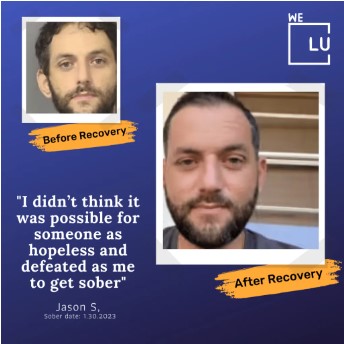
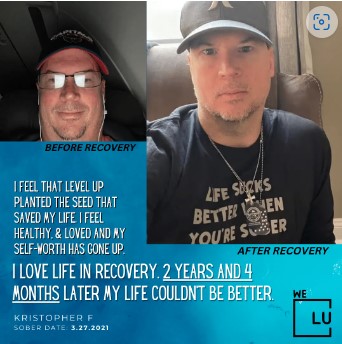
Experience Transformative Recovery at We Level Up Treatment Centers.
See our authentic success stories. Get inspired. Get the help you deserve.

Start a New Life
Begin with a free call to an addiction & behavioral health treatment advisor. Learn more about our dual-diagnosis programs. The We Level Up Treatment Center Network delivers recovery programs that vary by each treatment facility. Call to learn more.
- Personalized Care
- Caring Accountable Staff
- World-class Amenities
- Licensed & Accredited
- Renowned w/ 100s 5-Star Reviews
We’ll Call You
Insurance and Mental Health Treatment
Paying for mental health care can be hard to understand. Insurance may help pay for some services. Coverage depends on the insurance plan and the type of care needed. Some plans may cover therapy, treatment programs, or other mental health services. Our admissions team can help check insurance benefits. We can also answer questions about care, payment options, and the admissions process.
Start Your Mental Health Care Today
You do not have to face mental health problems alone. Help is available. A mental health provider can help you understand your symptoms and find the right care.
We Level Up provides mental health treatment for adults. Care may include therapy, group support, family counseling, medicine support, and care for co-occurring conditions. We Level Up has treatment facilities in Florida, Texas, California, Washington, and New Jersey.
Our team can help you find the right level of care for your needs. We can also help you learn about treatment and insurance benefits. Call (844) 597-1011 today. Help is available 24 hours a day, 7 days a week.
FAQs About CareFirst Mental Health Providers
What are CareFirst mental health providers?
CareFirst mental health providers are mental health professionals who may provide care to people with CareFirst insurance. They may include therapists, counselors, psychiatrists, and other providers.
What do mental health providers treat?
Mental health providers may treat depression, anxiety, trauma, bipolar disorder, eating disorders, and other mental health problems.
What are telehealth mental health providers?
Telehealth mental health providers give care via secure video or phone. This can help people get some types of care from home.
What are mental health Cigna providers?
Mental health Cigna providers are mental health professionals who may accept Cigna insurance. Coverage depends on the person’s plan.
What is Providence mental health care?
Providence mental health care may include mental health services offered through Providence Health Systems in some areas. The right care depends on the person’s needs.
What are psychiatric emergency services?
Psychiatric emergency services help people during serious mental health crises. Emergency care may help with safety, urgent assessment, and crisis support.
When should I seek psychiatric emergency services?
Seek emergency help when a person may hurt themselves or someone else, has thoughts of suicide, or cannot stay safe.
How do I find the right mental health provider?
A professional assessment can help find the right provider and level of care. The team can look at symptoms, health, history, and daily needs.
Carefirst Mental Health Providers Video
To help you take the initial step toward recovery, our team of admissions coordinators is here to help. They are also accessible to address any queries or worries you may have. We are aware that starting something new can be challenging, especially when struggling with addiction. Our team is familiar with your situation firsthand. We want you to know that you are not alone on this path and that we are here to help.
Search We Level Up Carefirst Mental Health Providers Resources
Sources
Substance Abuse and Mental Health Services Administration (SAMHSA). Mental Health Information and Resources. https://www.samhsa.gov
National Institute of Mental Health (NIMH). Mental Health Information. https://www.nimh.nih.gov
National Institute of Mental Health (NIMH). Depression. https://www.nimh.nih.gov/health/topics/depression
National Institute of Mental Health (NIMH). Anxiety Disorders. https://www.nimh.nih.gov/health/topics/anxiety-disorders
National Institute of Mental Health (NIMH). Bipolar Disorder. https://www.nimh.nih.gov/health/topics/bipolar-disorder
National Institute of Mental Health (NIMH). Borderline Personality Disorder. https://www.nimh.nih.gov/health/topics/borderline-personality-disorder
National Institute of Mental Health (NIMH). Psychotherapies. https://www.nimh.nih.gov/health/topics/psychotherapies
Substance Abuse and Mental Health Services Administration (SAMHSA). 988 Suicide & Crisis Lifeline. https://www.samhsa.gov/find-help/988
Centers for Disease Control and Prevention (CDC). Mental Health. https://www.cdc.gov/mental-health
National Library of Medicine. Mental Health. MedlinePlus. https://medlineplus.gov/mentalhealth.html
American Psychiatric Association. What Is Psychiatry? https://www.psychiatry.org
National Institute on Drug Abuse (NIDA). Part 1: The Connection Between Substance Use Disorders and Mental Illness. https://nida.nih.gov