
Benzo Addiction Rehab at We Level Up
Benzo detox should always be done under medical supervision, as withdrawal from benzodiazepines can be dangerous and potentially life-threatening. The process typically involves slowly tapering off the drug over several weeks or months, depending on the individual's needs and the severity of their addiction. Continue to read more about benzo detox.
Clinically Reviewed by Lauren Barry, LMFT, MCAP, QS
Medically Reviewed by Ali Nikbakht, PsyD
Reviewed / Updated: August 7, 2026 — Editorial Policy | Research Policy | Privacy Policy
By We Level Up | Author Alex Evans, PharmD, MBA | Editorial Policy | Research Policy
Benzo Detox Treatment
Benzo detox helps people safely stop taking benzodiazepines. Benzodiazepines, also called benzos, are prescription medicines used to treat anxiety, panic attacks, seizures, muscle spasms, and sleep problems. These medicines work by calming the brain and nervous system.
Common benzos include Xanax (alprazolam), Valium (diazepam), Ativan (lorazepam), and Klonopin (clonazepam). They can help when used for a short time. But using them for too long can lead to benzodiazepine dependence. This means the body gets used to the medicine and has a hard time without it.
As a national substance abuse and mental health facility, We Level Up provides benzo detox and other levels of care for people who need help stopping benzodiazepines. A benzo detox program helps people stop benzos safely. Doctors and nurses watch for withdrawal symptoms and give support during the process. A benzo detox protocol may use a slow taper to lower the medicine safely.
We Level Up offers benzo detox through a nationwide network of accredited treatment centers in Florida, Texas, California, Washington, and New Jersey. Our programs may include medical detox, residential care, outpatient treatment, and telehealth services, when available. Trained doctors, nurses, therapists, and psychologists work together to understand each person’s needs and create a personalized treatment plan. Care may also address co-occurring mental health concerns and support long-term recovery through ongoing therapy and structured treatment.
Skip To:

Get Your Life Back
Find Hope & Recovery. Get Safe Comfortable Detox, Addiction Rehab & Dual Diagnosis Trused Care.
7/365 Line (844) 597-1011
What Are Benzodiazepines?
Benzodiazepines, also called benzos, are prescription medicines. They help treat anxiety, panic attacks, seizures, and trouble sleeping. Common benzos include Xanax, Valium, Ativan, and Klonopin. These medicines calm the brain and nervous system. Using benzos for a long time can lead to dependence and addiction. Stopping them without medical help can cause serious withdrawal symptoms.
Who Should Avoid Benzodiazepines?
Benzodiazepines are not safe for everyone. People with a history of drug or alcohol addiction may have a higher risk of benzodiazepine dependence. Taking benzos with alcohol or other drugs can be very dangerous.
Pregnant or breastfeeding people should talk to a doctor before taking benzos. People with breathing problems, such as COPD or sleep apnea, may also need to avoid these medicines because they can slow breathing.
Doctors check a person’s health, medical history, and other medicines before prescribing benzodiazepines. This helps lower the risk of side effects, dependence, and other health problems.
Benzodiazepine Drug Facts
Benzodiazepines are a class of prescription sedative medications. They work by enhancing the effects of a neurotransmitter called gamma-aminobutyric acid (GABA), which reduces anxiety and promotes relaxation.
What are Benzodiazepines?
Common benzodiazepines include:
- Alprazolam (Xanax)
- Diazepam (Valium)
- Clonazepam (Klonopin)
- Lorazepam (Ativan)
Doctors prescribe benzos to treat conditions such as anxiety disorders, panic disorders, seizures, and insomnia.
Benzodiazepine Addiction & Overdose
Benzodiazepine use disorder (benzodiazepine addiction) is possible with all benzodiazepines, especially if they are misused. Taking higher doses or using them more often than prescribed raises your risk of benzodiazepine addiction.
Signs include:
- Strong cravings
- Continued use even though negative consequences
- Unsuccessful attempts to cut back or quit
- Neglecting responsibilities due to drug use
Combining benzodiazepines with opioids or alcohol dangerously increases the risk of overdose.
Symptoms of an overdose include:
- Extreme drowsiness
- Slurred speech
- Shallow breathing
- Loss of consciousness
Overdoses can be fatal without prompt medical attention. If you suspect an overdose, call 911 immediately.
Signs of Benzo Addiction
Benzo addiction can grow over time. At first, the signs may be hard to see. As benzodiazepine dependence gets worse, the signs become easier to notice.
Common signs include:
- Taking more benzos than prescribed
- Going to more than one doctor for prescriptions
- Having withdrawal symptoms between doses
- Using benzos with alcohol or other drugs
- Mood changes or poor judgment
- Memory problems
- Feeling sleepy, dizzy, or weak
- Problems at work, school, or home
Many people cannot stop using benzodiazepines because of withdrawal symptoms. A medical detox program provides professional support to help manage withdrawal safely and gives people a structured start to recovery.

Why Are Benzodiazepines Addictive?
Benzodiazepines change how the brain works. They increase a brain chemical called GABA, which helps people feel calm. Over time, the brain gets used to the medicine and depends on it.
The body also builds tolerance. This means a person may need more medicine to get the same effect. According to the National Institute of Mental Health (NIMH), changes in brain function can make it harder to stop using these medicines without help.
Many people keep taking benzos to avoid withdrawal symptoms like anxiety, shaking, trouble sleeping, and seizures. A medical benzo detox program can help people stop safely and begin recovery.

Get Help. Get Better. Get Your Life Back.
Searching for Accredited Drug and Alcohol Rehab Centers Near You?
Even if you have failed previously and relapsed, or are in the middle of a difficult crisis, we stand ready to support you. Our trusted behavioral health specialists will not give up on you. When you feel ready or just want someone to speak to about therapy alternatives to change your life call us. Even if we cannot assist you, we will lead you to wherever you can get support. There is no obligation. Call our hotline today.
(844) 597-1011The Importance of Benzo Detox
Benzo detox is the first step to recovery. It helps people stop using benzodiazepines safely. Do not stop benzos all at once. This can cause dangerous withdrawal symptoms, such as anxiety, shaking, trouble sleeping, or seizures.
During benzo detox, doctors and nurses slowly lower the medicine instead of stopping it right away. They watch for withdrawal symptoms, check your health, and help keep you safe. After detox, people can continue with therapy and other treatment programs to support long-term recovery.

How Benzodiazepine Addiction Is Treated
Benzo detox is the first step in recovery. Detox helps the body stop using benzodiazepines safely. After detox, people need more treatment to help them stay drug-free and build a healthy life.
After detox, people may move to residential treatment, a partial hospitalization program (PHP), an intensive outpatient program (IOP), or outpatient care. These programs help people understand why they used benzos, learn new coping skills, and lower the risk of relapse.
Treatment may include:
Cognitive Behavioral Therapy (CBT): Helps people change unhealthy thoughts and make better choices.
Dialectical Behavior Therapy (DBT): Helps people stay calm and manage strong feelings.
Individual and Group Counseling: Individual counseling gives one-on-one support. Group counseling lets people share, listen, and learn from others.
Trauma-Informed Therapy: Helps people heal from painful events that may have led to benzo use.
Life Skills Training: Teaches healthy daily habits, problem-solving, and ways to handle stress.
Holistic Therapies: Yoga, meditation, and mindfulness can help people relax and feel better.
Relapse Prevention Planning: Helps people avoid triggers, make a recovery plan, and stay drug-free over time.
First-class Facilities & Amenities
Trusted Integrated Addiction & Mental Health Rehabilitation Treatment
Rehab Centers TourEstablished Addiction Centers. Serene Private Facilities. Inpatient rehab programs vary.
Addiction Helpline (844) 597-1011Comprehensive recovery success experience, backed by a Team w/ History of:
15+
Years of Unified Experience
100s
5-Star Reviews Across Our Centers
10K
Recovery Success Stories Across Our Network
- Low Patient to Therapist Ratio
- Onsite Medical Detox Center
- Comprehensive Dual-Diagnosis Treatment
- Complimentary Family & Alumni Programs
- Alumni Coaching, Recovery & Personal Development Events
Levels of Care for Benzo Detox Treatment
Benzo Detox is the first and most critical step in the recovery process. When someone stops using a substance after prolonged use, the body goes through withdrawal. Withdrawal symptoms can range from mild discomfort to life-threatening complications, depending on the substance and how long it has been used. That is why medical supervision is essential during this phase.
Our Benzo Detox program at We Level Up provides 24-hour medical monitoring, medication management, and emotional support. Our team uses FDA-approved medications to reduce the severity of withdrawal symptoms and keep you as comfortable as possible. We also address any co-occurring medical or psychiatric conditions that may complicate the detox process.
After completing Benzo Detox, patients are encouraged to transition into a higher level of care, such as our Residential Inpatient Program or Partial Hospitalization Program (PHP). Detox alone is not a complete treatment for addiction. It is the beginning of a longer journey toward lasting recovery. Our care coordinators will work with you to build a seamless transition plan.
We Level Up accepts most major insurance plans, including Aetna, Cigna, Blue Cross Blue Shield, United Healthcare, and many others. Our admissions team is available 24/7 to verify your benefits at no cost. Call us now at (844) 597-1011 or fill out the form below to get started today.
The Role of Mental Health and Co-Occurring Disorders
Many people with benzodiazepine dependence also have mental health conditions. Benzos are often prescribed to treat anxiety, panic attacks, or sleep problems. If these conditions are not treated, it can be harder to stop using benzos and stay in recovery.
Treating addiction and mental health at the same time gives people a better chance of recovery. If only the addiction is treated, mental health symptoms may continue and increase the risk of relapse. A complete treatment plan helps people heal both the mind and body.
Common co-occurring mental health conditions include:
- Anxiety disorders
- Panic disorder
- Major depressive disorder
- Post-Traumatic Stress Disorder
- Insomnia and other sleep disorders
- Bipolar disorder
- Trauma-related disorders
- Obsessive-Compulsive Disorder (OCD)

The Importance of a Strong Support Network
Recovery from benzodiazepine dependence is easier with support from other people. A safe place to live, support groups, family, and friends can help people stay focused on recovery. Having people to encourage and support you can make a big difference during and after benzo detox.
Support groups help people meet others who understand what they are going through. Alumni programs help people stay connected after treatment ends. These groups can reduce loneliness, build confidence, and help people stay motivated during recovery. Family support is also important. Family members can learn about addiction, improve communication, and help create a healthy home.
Specialized, Accredited, 5-Star Reviewed, Evidence-based Addiction & Mental Health Programs. Complete Behavioral Health Inpatient Rehab, Detox plus Co-occuring Disorders Therapy.
CALL(844) 597-1011End the Addiction Pain. End the Emotional Rollercoaster. Get Your Life Back. Start Drug, Alcohol & Dual Diagnosis Mental Health Treatment Now. Get Free, No-obligation Guidance by Substance Abuse Specialists Who Understand Addiction & Mental Health Recovery & Know How to Help.
Is Benzo Detox Right for Me?
Benzo detox may be right for you if it is hard to stop taking benzodiazepines on your own. Many people need medical help because withdrawal can be hard and sometimes dangerous.
You may need benzo detox if you:
- Cannot get through the day without benzos
- Feel anxious or cannot sleep when you miss a dose
- Take more medicine than your doctor prescribed
- Use benzos with alcohol or other drugs
- Tried to stop before but started using again
- Have problems at home, work, school, or with your health because of benzo use
A professional assessment can help you find the right treatment. Our admissions team is available 24 hours a day, 7 days a week to answer your questions and help you get started.
Insurance and Admissions Support
Getting help should be simple. Our admissions team is available 24 hours a day, 7 days a week to answer your questions and guide you through each step of the process.
Many health insurance plans help pay for benzo detox and addiction treatment. Coverage is different for every plan, but our team can check your benefits and explain what your insurance may cover. We can also answer questions about treatment, help you choose the right program, and schedule your admission.
Your call is private and confidential, and there is no pressure to start treatment. If you do not have insurance, we can talk with you about self-pay and payment options. Our goal is to make it easier for you to get the help you need and begin recovery.
Start Your Recovery Today
You do not have to face benzodiazepine dependence alone. Help is here, and recovery is possible. A professional benzo detox program can help you stop using benzos safely with medical care, therapy, and support. Taking the first step today can help you build a healthier future.
We Level Up Treatment Centers has seven accredited facilities in Florida, Texas, California, Washington, and New Jersey. Our licensed doctors, nurses, therapists, and psychologists provide care that fits your needs. After benzo detox, you can continue treatment through residential care, PHP, IOP, outpatient care, or telehealth to support long-term recovery.
Our admissions team is available 24 hours a day, 7 days a week. Your call is private, and there is no pressure to start treatment. Call (844) 597-1011 to speak with an admissions specialist. We can answer your questions, verify your insurance, and help you begin your recovery today.
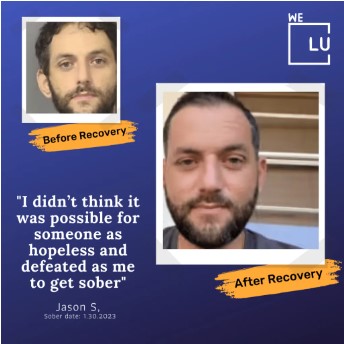
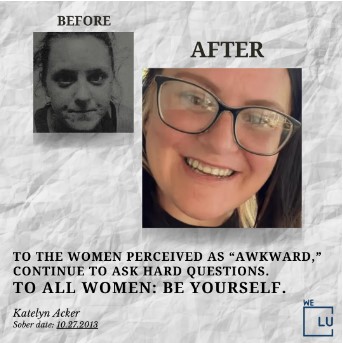
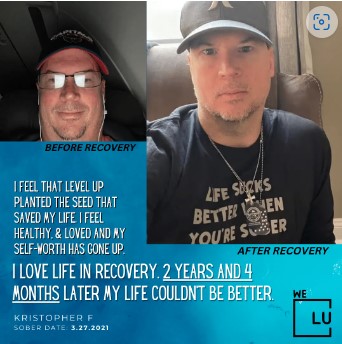
Experience Transformative Recovery at We Level Up Treatment Centers.
See our authentic success stories. Get inspired. Get the help you deserve.
Start a New Life
Begin with a free call to an addiction & behavioral health treatment advisor. Learn more about our dual-diagnosis programs. The We Level Up Treatment Center Network delivers recovery programs that vary by each treatment facility. Call to learn more.
- Personalized Care
- Caring Accountable Staff
- World-class Amenities
- Licensed & Accredited
- Renowned w/ 100s 5-Star Reviews
We’ll Call You
Frequently Asked Questions About Benzo Detox
How long does Benzo Detox take?
The length of Benzo Detox varies depending on the substance, how long it was used, and the individual’s overall health. Most detox programs last between 3 and 10 days. Our medical team will assess your situation and give you a personalized timeline.
Can benzo detox be done on an outpatient basis, or do I need to stay on-site?
Some people can taper off benzos through scheduled outpatient visits. Others may need to stay on-site for around-the-clock care, especially with a high dose or long history of use. A doctor will review your health and help you choose the safer option. Both paths include close medical support. Call We Level Up at (844) 597-1011 to learn more about benzo detox and treatment options.
What should I bring with me to benzo detox?
You will want comfortable clothing, toiletries, and a list of your current medications. Leave valuables and large amounts of cash at home. Your treatment center can give you a full packing list before you arrive. Bringing a photo ID and insurance card can also help speed up check-in.
Will family members be able to stay in touch with me during detox?
Most programs allow phone calls at set times during detox. Staff can explain the exact schedule when you check in. Staying connected to loved ones can support your recovery. Ask your care team about visiting hours as well.
Does insurance cover benzo detox, and how do I reach admissions?
Many insurance plans help pay for benzo detox and treatment. Our admissions team is available 24/7 to check your benefits at no cost. Check our insurance page to learn more about coverage options.
Search We Level Up Benzo Detox, Mental Health Topics & Resources
Sources
American Society of Addiction Medicine (ASAM). Clinical Practice Guideline on Benzodiazepine Tapering. https://www.asam.org
U.S. Food and Drug Administration (FDA). Benzodiazepine Drug Safety Information. https://www.fda.gov
National Institute on Drug Abuse (NIDA). Principles of Drug Addiction Treatment. https://nida.nih.gov
Centers for Disease Control and Prevention (CDC). Prescription Drug Overdose Resources. https://www.cdc.gov
Substance Abuse and Mental Health Services Administration (SAMHSA). Treatment Improvement Protocols. https://www.samhsa.gov
Drug Enforcement Administration (DEA). Benzodiazepines Drug Fact Sheet. https://www.dea.gov
National Institute of Mental Health (NIMH). Anxiety Disorders. https://www.nimh.nih.gov
American Psychiatric Association. Diagnostic and Statistical Manual of Mental Disorders (DSM-5-TR).
American Academy of Family Physicians. Benzodiazepine Use Disorder: Common Questions and Answers.
National Library of Medicine. The Benzodiazepine Withdrawal Syndrome. https://pubmed.ncbi.nlm.nih.gov
National Center for Biotechnology Information. Benzodiazepine Pharmacology and CNS Effects. https://www.ncbi.nlm.nih.gov
Cochrane Database of Systematic Reviews. Psychosocial Interventions for Benzodiazepine Dependence.
National Center for Health Statistics. Benzodiazepine Prescribing Trends. https://www.cdc.gov/nchs
National Institute on Drug Abuse. Drugs, Brains, and Behavior: The Science of Addiction. https://nida.nih.gov
National Institutes of Health (NIH). MedlinePlus: Benzodiazepines. https://medlineplus.gov