
Heroin Dangers: What You Must Know to Protect Lives
Heroin, also known as diacetylmorphine, is derived from the opium poppy plant. Heroin currently has no FDA-approved indications for use. It is a Schedule I drug under the Controlled Substances Act, with no approved medical use in the United States. With the high rate of prescription opioid addiction and the lower cost of heroin, many individuals turned to the cheaper option and developed heroin dependence. Continue to read more about heroin drug.
Clinically Reviewed by Lauren Barry, LMFT, MCAP, QS
Medically Reviewed by Ali Nikbakht, PsyD
Updated on September 20, 2025 — Editorial Policy | Research Policy | Privacy Policy
Heroin Dangers: What You Must Know to Protect Lives
Heroin, also known as diacetylmorphine, is derived from the opium poppy plant. Heroin currently has no FDA-approved indications for use. It is a Schedule I drug under the Controlled Substances Act, with no approved medical use in the United States. With the high rate of prescription opioid addiction and the lower cost of heroin, many individuals turned to the cheaper option and developed heroin dependence. Continue to read more about heroin drug.
Clinically Reviewed by Lauren Barry, LMFT, MCAP, QS
Medically Reviewed by Ali Nikbakht, PsyD
Reviewed / Updated: September 20, 2025 — Editorial Policy | Research Policy | Privacy Policy
By We Level Up | Author Alex Evans, PharmD, MBA | Editorial Policy | Research Policy
What is Heroin?
Heroin, also called diacetylmorphine, comes from the opium poppy plant. It is an illegal drug with no approved medical use in the US. Classified as a Schedule I drug under the Controlled Substances Act, this is very dangerous and highly addictive. It is a leading cause of drug-related deaths, claiming thousands of lives each year.
Many heroin users started with prescription painkillers before turning to heroin. Some people use this because prescription opioid painkillers can be expensive. They may use it to relieve pain or as a cheaper drug.
But unfortunately, heroin quickly traps users in a cycle of addiction or dependence. Keep reading to learn more about this drug. You will discover its origin, its effects on the body and mind, and why it is so hazardous.
Heroin Key Takeaways
- This is an illegal opioid drug derived from morphine. It is often used by injection, smoking, or snorting.
- Signs of drug addiction can include physical changes like small pupils, tiredness, and track marks. You may also see behavioral changes such as withdrawal, secrecy, and money problems. Psychological symptoms can include anxiety, depression, and strong cravings.
- Short-term effects include a feeling of happiness. However, using it for a long time can lead to serious health risks. These risks include heart and lung problems, as well as mental health issues.
- It can stay in the body for hours or days. Withdrawal symptoms can be very strong, but they can be treated with professional help.
How is Heroin Taken?
This is an illegal opioid drug made from morphine. Morphine is a natural substance taken from the seed pod of opium poppy plants. These plants mainly grow in Mexico, Asia, and South America. It comes in several forms. It can come as a white or brown powder or as a black sticky substance known as black tar heroin. It has many street names like brown sugar, junk, smack, or horse.
How is heroin taken? It is abused by injection, sniffing, snorting, or smoking. No matter how it is abused, this drug works very quickly. It binds to opioid receptors in your brain and creates a rush of euphoria and pain relief.
However, this rush doesn’t last long. As the effects of this drug fade, withdrawal symptoms appear quickly. These can include strong cravings, muscle aches, nausea, and vomiting. These symptoms will make you feel uncomfortable. Your body and brain will want to take more of the drug to avoid these symptoms.
The regular use of it changes your brain chemistry. Over time, your brain becomes dependent on the drug to feel normal, and your body builds a tolerance. This means you’ll need higher doses of the drug to get the same high. This greatly increases the risk of addiction and overdose.
For some people, a single dose can cause physical dependence. This dangerous drug can stop your body from receiving pain signals and slow down your heart rate and breathing. If you overdose on it, you may stop breathing or die.
Many people start using it to cope with stress, anxiety, or depression. Unfortunately, it often makes these conditions worse and can lead to serious physical, mental, and social disorders.
Side Effects of Heroin
What does this drug do to your mind and body? It affects the brain by attaching to opioid receptors. These receptors control feelings of pain and pleasure. When this affects these receptors, it fills the brain with dopamine. This causes a strong feeling of happiness known as a “high.”
But this high comes with a lot of risk. Below are some potential side effects of this drug.
Heroin side effects appear shortly after taking it and can last a few hours. They include:
- Dry mouth
- Warm flushing of the skin
- Nausea
- Vomiting
- Severe itching
- A rush of euphoria and happiness
- Drowsiness and wakefulness
- Clouded mental functioning
- Heavy feeling in the arms and legs
The long-term use can result in severe negative consequences, such as:
- Damage to the heart, such as the infection of the heart lining and valves
- Increased risk of infections, such as HIV/AIDS or Hepatitis B and C, from sharing needles
- Liver and kidney diseases
- Chronic constipation or stomach issues
- Collapsed veins
- Lung infections, including tuberculosis and pneumonia
- Brain damage caused by lack of oxygen during overdoses
How can heroin affect your mental health? The drug alters your brain chemistry, causing imbalances in hormones and neurochemicals that aren’t easily reversed. This significantly increases the risk for depression, anxiety, mood swings, personality changes, difficulty concentrating, and other mental illnesses. Chronic heroin abuse can negatively affect your cognitive ability, behavior, and decision-making ability.
The long-term effects of abuse extend beyond the individual. They affect families, friendships, and entire communities. But with comprehensive addiction treatment, it is possible to overcome its powerful grip, prevent irreversible damage, and save lives.
Skip To:
Learn More:
- Heroin Detox Timeline, Withdrawal Symptoms, Care & Treatment
- What Does Heroin Smell Like?
- How Long Does It Take To Withdraw From Heroin?
- Heroin Withdrawal Symptoms, Timeline, & Effective Detox
- How Long Does a Heroin High Last?
- Side Effects Of Heroin, Withdrawal Symptoms, & Treatment
- What Does a Heroin Addict Look Like?
- 6 Signs of a Functioning Heroin Addict
- Can You Snort Heroin? Snorting Heroin Side Effects, Dangers & What Happens If You Snort Heroin?
- The Signs & Risks Of Smoking Black Tar Heroin
What are the Signs and Symptoms of Heroin Addiction
How do you identify if you or someone you know is becoming addicted? Addiction is difficult to recognize, especially in the early stages.
People struggling with abuse may show certain physical, psychological, and behavioral signs. Signs and symptoms are similar to other opioids and include:
Physical Signs
- Constricted pupils
- Slurred speech
- Drowsiness
- Sudden weight loss
- Constipation
- Marks on the arms or legs from needles (trace marks)
- Constantly runny nose or coughing without illness
Behavioral Signs
- Isolation from friends and family
- Loss of interest in hobbies or social activities
- Neglecting responsibilities at work, home, or school
- Borrowing or stealing money to buy drugs
- Lying about their whereabouts
- Engaging in secretive behavior
Psychological Signs
- Mood swings, including irritability or depression
- Feeling anxious or restless
- Appearing disoriented
- Having difficulty concentrating
- Intense cravings
If you, a family member, or a friend shows signs of addiction, get professional help right away. The sooner you get help, the more chances you have for a long-term recovery.
We Level Up offers comprehensive treatment for substance use disorder, including this kind of drug. Contact us today to learn more.
How Is Heroin Taken?
How to take this kind of drug? First, it’s essential to understand that all types of this pose serious health risks. These include addiction, overdose, and many physical and mental health problems.
How is this used? It can be taken through various routes of administration. The most common methods include:
- Heroin Injection: It is dissolved in water and injected directly into the veins using a syringe. Injecting heroin delivers the drug rapidly into the bloodstream, resulting in an immediate and intense high.
- Smoking: Can you smoke heroin? And how is heroin smoked? This can be heated on foil or a similar surface, and the vapors are inhaled through a tube or straw. This produces a quick onset of effects, but it is less potent than injecting.
- Snorting Heroin: This is ground into a powder and snorted through the nose. The drug is absorbed through the nasal mucosa and enters the bloodstream, but the effects may be less intense than injection or smoking.
The Link Between Prescription Opioids And Heroin Abuse
The rise in this kind of drug abuse is closely tied to the increased use of prescription opioids. Prescription opioids like oxycodone, oxycodone ER (OxyContin), hydrocodone/acetaminophen (Vicodin), oxycodone/acetaminophen (Percocet), and morphine are commonly used to treat pain from injuries, surgeries, cancer, and chronic conditions. It is used as prescribed and under medical supervision; these medications can effectively manage pain. However, they carry a high risk of misuse and addiction.
Many people misuse prescription opioids to relieve pain, experience euphoria, or avoid withdrawal symptoms. Over time, they need larger doses to achieve the same effects due to tolerance. This cycle often leads to dependence and addiction.
When some people can’t get prescription pills because of strict rules and high costs, they turn to heroin. This is cheaper and often easier to find. Both prescription opioids and heroin belong to the same class of drugs—opioids. They produce similar effects on the brain. According to the American Medical Association, about 45% of people who use this start by misusing prescription opioids.
Many factors lead people to switch from prescription opioids to this kind of drug. These include lower cost, easier access, higher strength, and simpler use. But switching to this use after prescription opioid addiction is very risky. The strength of this drug is unpredictable, increasing the chances of overdosing. And if you overdose, it can slow breathing so much that it can lead to death.
How do we address this issue? The very first step is to prevent the misuse of prescription opioids. Doctors and pharmacies are working to reduce access to these medications. They are using Prescription Drug Monitoring Programs (PDMPs) to identify patients who are at risk of multiple opioid prescriptions. Healthcare providers screen patients for signs of addiction and offer early interventions.
For those people already struggling with addiction, evidence-based treatments like methadone, buprenorphine, or naltrexone can be life-saving. These medications, when combined with therapy, can help people overcome addiction.
Heroin Drug Injection, HIV, And Hepatitis
Tackling the main causes of drug addiction is important. This includes providing complete treatment and support services. Doing so can help lower the risk of its use and related health problems.
What does this kind of drug do to the body? Here’s some information about the effect on the body and the connection between heroin injection and these viral infections:
- HIV transmission: HIV (Human Immunodeficiency Virus) can be transmitted by sharing contaminated heroin needles and other drug paraphernalia. When people inject this kind of drug with needles that someone with HIV has used, they risk spreading the virus. Moreover, risky sexual behaviors in the context of drug use can also contribute to the spread of HIV.
- Hepatitis transmission: Hepatitis is the swelling of the liver. There are different types, like hepatitis B (HBV) and hepatitis C (HCV). Like HIV, hepatitis viruses can be transmitted by sharing needles and drug paraphernalia. Hepatitis B can also be transmitted through sexual contact and other means of blood-to-blood contact.
- Injection-related risks: Heroin injection involves using needles, syringes, and other equipment that may not be adequately sterilized. Sharing needles and other injection equipment can lead to the transmission of bloodborne infections. Using unclean water or sharing drug preparation tools raises the risk of infection.
- Co-infection: People who inject this kind of drug can get infected with HIV, hepatitis B, or C. This is called co-infection. This means they have multiple viruses at the same time. Co-infection can cause serious health problems. It may speed up disease progression and raise the risk of complications.
- Harm reduction strategies: Harm reduction strategies help lower the risks of heroin injection. They also help prevent the spread of HIV and hepatitis. These strategies are very important. These strategies aim to minimize the negative consequences of drug use without requiring abstinence.
- Examples of harm reduction approaches include:
- Needle and syringe exchange programs: These programs give clean needles and syringes to people who use drugs. This helps reduce the sharing of dirty equipment.
- Safe injection sites: These supervised places let people inject drugs with help from healthcare workers. They provide clean equipment and can help in case of overdoses.
- Education and counseling: Giving information on safe injection practices and the risks of HIV and hepatitis is important. It can help people make better choices and reduce the spread of infections.
- People who inject drugs need easy access to testing for HIV and hepatitis. They should also be able to get treatment. This is very important. They also need proper medical care and treatment if they are diagnosed. This helps reduce the impact of these infections.
- Examples of harm reduction approaches include:

Get Your Life Back
Find Hope & Recovery. Get Safe Comfortable Detox, Addiction Rehab & Dual Diagnosis Trused Care.
7/365 Line (844) 597-1011Statistics & Facts About Heroin
Access to evidence-based treatment for heroin addiction, including medication-assisted treatment (MAT) with medications like methadone and buprenorphine, is crucial in supporting recovery. However, treatment gaps and barriers to access continue to be significant challenges in addressing this addiction effectively. How many people die from this drug? Take a look at the summarized statistics below.
80%
Roughly 80% of users reported misusing prescription opioids before using this kind of drug.
Source: CDC
14,000
In 2019, more than 14,000 people died from this type of drug. This was a big increase from earlier years.
Source: NIDA
902,000
In 2020, 0.3%, or roughly 902,000 persons 12 or older, reported taking this drug in the previous 12 months.
Source: NSDUH
Top 5 Heroin Studies with Insights
Here’s a patient-friendly chart of the top five heroin studies/guidelines.
Below is a curated, practical list of authoritative heroin studies and guidance you can cite in clinical copy, program pages, or treatment guides. Each row distills what the evidence implies for treatment and turns it into actionable tips for care teams and admissions scripts. Sources were chosen for recency, rigor, and relevance to integrated treatment.
| Study | Treatment Implications | Insights for Patients |
|---|---|---|
| Cue Processing in Heroin Use Disorder (Mount Sinai, 2023) View Study | Use therapies that not only suppress drug cravings but also boost natural reward sensitivity (e.g., savoring, mindfulness). | Patients may feel disconnected from joy in daily life; recognizing this can guide recovery. |
| OST in Adolescents (BMC Pediatrics, 2018) View Resource | Prioritize treatment retention. Tailor opioid substitution doses individually. Provide support for co-occurring issues. | Improvements take time. Staying in treatment is crucial. Support systems (family, school) enhance success. |
| Heroin-Assisted Treatment (Norway, 2023) Read Article | Design humane, respectful clinics with flexible rules. Train staff in relational, stigma-reducing care. | Patients feel respected and stable with consistent care. Restrictions in treatment access can be a barrier. |
| Meta-analysis of Diamorphine Treatment (UK, DE, CH, etc.) Read Study | For severe cases, consider diamorphine under strict medical supervision. Combine with psychosocial care. | When other options fail, having alternative treatments can restore hope. Structure and monitoring are key. |
| Long-Term HAT Follow-Up (Switzerland, 6 Years) Read Review | Integrate addiction treatment with job training, housing, and social support for better long-term outcomes. | Even after stopping heroin, rebuilding life takes time. Patients benefit from ongoing, holistic support. |

This kind of drug is one of the most addictive drugs. It is hard to overcome an addiction without professional treatment. This kind of addiction is treatable. Although it is possible to recover from this, it’s not easy.
Experience Unexplained Physical Changes
Since this drug often causes nausea and vomiting, many people who use this lose their appetite. Because of this, most people who abuse this drug lose weight. Weight loss is often one of the first physical signs and symptoms of this drug addiction that family members notice. Moreover, many users appear tired and look older than their actual age. They may have dark circles around their eyes and a pale complexion. Some individuals may exhibit a bluish tint to their skin due to the impact on their heart rate and blood pressure.
Other unexplained physical changes commonly linked with this kind of drug include:
- Difficulty breathing.
- Slurred speech.
- Scabs and bruises.
- Constant runny nose.
- Heavy-feeling limbs.
Experience Excessive Itching and Picking Disorder
Other common symptoms are itching skin and skin-picking disorder. When used, it makes the immune system release histamine. Histamine is a chemical that is usually released during an allergic reaction. When released inside the body, histamine activates the skin’s itch receptors, which command the brain to scratch an itch.
In addition, it can:
- Irritate nerve fibers in the body, making itching worse.
- Bind to specific receptors in the body that send itch signals to the brain.
- Lead to injection injuries that cause abscesses and skin infections that may itch as they attempt to heal.
Many users also pick at their skin. Generally, the picking is a result of the intense itching caused by this drug. However, the anxiety and restlessness associated with heroin withdrawal can also lead to skin picking.
Heart Attack
Chronic heroin injectors may develop collapsed veins and infection of the valves and heart linings. Other cardiovascular effects include heart failure, blood vessel damage, low blood pressure, collapsed veins, and a heart attack. Users had a higher risk of heart injury after using it and binge drinking. The cause might be a heroin-induced cardiotoxic effect or vasospasm compounded by binge drinking.
Lung Disease
Lung problems, such as different types of pneumonia, can occur due to the user’s poor health. They can also occur because it slows down breathing. Street heroin can have harmful effects. It often contains toxic substances that can block blood vessels. This can lead to problems in the lungs, liver, kidneys, or brain. These issues can cause lasting damage to these important organs.
Infections
This can decrease and suppress T and B immune cells. It can lower someone’s ability to fight infections, viruses, and bacteria. How someone uses it and other forms of the drug can also put them at risk for disease.

Heroin Drug Test
Drug tests on this can detect the presence of this or its metabolites in a person’s system. Here are some critical details about this:
- Types of drug tests: It can be found using different drug tests. These include urine, blood, saliva, and hair tests. Urine tests are the most commonly used method for detecting recent use.
- Detection window: The detection window for this in drug tests depends on the specific type of test being used. Generally, this drug and its metabolites can be detected:
- It is present in urine for 1-3 days after use.
- In blood and saliva tests, this can typically be seen for 6-12 hours.
- Hair tests can detect this kind of drug use for several months or longer. This depends on how long the hair sample is.
- Testing accuracy: Drug tests for this have generally high accuracy rates when conducted by reputable laboratories. False positives are uncommon. However, false negatives can happen if the drug is not in detectable amounts. They can also occur if the test is done outside the drug’s detection window.
- Purpose of testing: These drug tests serve many purposes. They are used for job screening, monitoring probation or parole, substance abuse treatment, and forensic investigations. They are often used in healthcare to check patients who may be at risk. They also help monitor people in addiction treatment.
- Other opioid detection: Some drug tests can also find other opioids. This includes prescription opioids and synthetic opioids like fentanyl. They have similar chemical structures.
How Much Does Heroin Cost?
This information is for general knowledge only. It should not be seen as a guide for buying or using illegal drugs.
How much is a gram? The weight or quantity typically measures the price and is commonly sold in small units, such as “bags” or “capsules.” Street prices can vary significantly, but on average, a single dose or bag can range from $5 to $20 or more.
The cost can vary across different regions and even within local markets. Supply and demand dynamics, law enforcement efforts, and drug availability can influence regional price variations.
The purity of this type of drug can vary a lot. Higher purity levels usually mean higher prices. Dealers may mix this kind of drug with other substances to make more money. This can change the drug’s quality and price.
How Long Do the Effects of Heroin Last?
Heroin levels peak in the body about 5 minutes after it is injected or snorted. But it is about twice as potent when it is injected.
This produces a feeling of euphoria (a ‘rush’) almost immediately after abusing it. Afterwards, most people experience a sense of calm and detachment. This is followed by a feeling of contentment for several hours after use.
How Long Does This Stay in Your System?
How long this stays in the body can vary for each person. This depends on factors such as height, weight, age, body fat, metabolism speed, and the amount used. Drinking plenty of water may slightly shorten detection times. These variables influence how long it takes to leave the body and how long drug tests can detect it.
How Long is Heroin Detectable in Urine?
Urine drug screening is the most common way to test for heroin use. The heroin urine test typically looks for a byproduct of heroin, called 6-MAM. Most tests can detect it for up to 12 hours after use.
Get Help. Get Better. Get Your Life Back.
Searching for Accredited Drug and Alcohol Rehab Centers Near You?
Even if you have failed previously and relapsed, or are in the middle of a difficult crisis, we stand ready to support you. Our trusted behavioral health specialists will not give up on you. When you feel ready or just want someone to speak to about therapy alternatives to change your life call us. Even if we cannot assist you, we will lead you to wherever you can get support. There is no obligation. Call our hotline today.
(844) 597-1011Heroin Withdrawal and Its Symptoms
This is a highly addictive drug, and the body and brain quickly adjust to its presence. While it may take time to become dependent on this, psychological cravings can happen even after using it once. Heroin withdrawal refers to the symptoms that happen if you suddenly cut back or stop using this drug. While withdrawal isn’t typically life-threatening, it can make you feel sick.
The symptoms can be so uncomfortable and intense that you may do anything to avoid them. The withdrawal symptoms vary from person to person and depend on factors like how much and how long you take it. You may experience a combination of physical and psychological symptoms during withdrawal.
The physical symptoms of this withdrawal may include:
- Muscle aches and pains
- Restlessness and insomnia
- Abdominal cramps and diarrhea
- Nausea and vomiting
- Chills and goosebumps
- Runny nose and watery eyes
- Sweating and fever
- Tearing up or crying
Psychological symptoms are also common during heroin withdrawal. They may include:
- Intense cravings
- Anxiety
- Depression
- Irritability
- Mood swings
- Difficulty concentrating
How Long Does Heroin Withdrawal Last?
Individual experiences of this can differ, and the duration and severity of symptoms can vary. Seeking professional medical assistance and support during withdrawal is crucial to ensure safety and effectively manage symptoms.
Here’s a rough overview:
- Early withdrawal symptoms: Withdrawal symptoms typically begin within 6-12 hours after the last dose of this. During this initial stage, individuals may experience anxiety, restlessness, muscle aches, sweating, insomnia, and drug cravings. These symptoms usually peak within 1-3 days.
- Acute withdrawal phase: The acute withdrawal phase typically lasts about 5-7 days, although some symptoms may persist for longer. This phase has stronger symptoms. These include nausea, vomiting, diarrhea, stomach cramps, dilated pupils, fast heartbeat, and changes in blood pressure. Psychological symptoms such as depression, irritability, and mood swings are also common during this phase.
- Post-acute withdrawal symptoms: Some individuals may experience post-acute withdrawal symptoms (PAWS) following the acute withdrawal phase. These symptoms can persist for weeks or months and vary in intensity. PAWS symptoms may include mood swings, fatigue, insomnia, anxiety, difficulty concentrating, and drug cravings.
Addiction is the compulsive use of substances, causing psychological and physical dependence. It may take time to become physically dependent on a drug. However, a user can feel strong cravings after just one use. Regular users of this drug will feel withdrawal symptoms if they try to cut back or stop using it. Heroin withdrawal is usually not deadly. However, the symptoms can be so intense that users will do anything to escape them.
How Long Do Heroin Withdrawal Symptoms Last?
Early withdrawal symptoms usually start 6-24 hours after the last dose of this. During this stage, a person may feel anxious, restless, and have strong cravings for the drug. These symptoms tend to peak within 2-3 days.
The acute withdrawal phase lasts about 5-7 days. This phase has serious symptoms. These include nausea, vomiting, stomach cramps, a fast heartbeat, dilated pupils, and mental symptoms.
Post-acute withdrawal syndrome (PAWS) may follow the acute phase and can last for weeks or even months. These lingering symptoms can include fatigue, trouble sleeping, mood swings, difficulty focusing, and cravings for this kind of drug.
If you are dealing with drug abuse, getting help for withdrawal symptoms is the first step to recovery.
Risks of Heroin Overdose
Overdose is one of the scariest risks of drug abuse. An overdose is possible every time it is abused. The risk of overdose is particularly high when this is combined with other substances like alcohol, fentanyl, or benzodiazepines.
Overdosing slows or stops breathing, which can lead to unconsciousness, coma, permanent brain damage, or death. While drug overdose rates have gone down in the US, it is still a major cause of drug overdose deaths.
Slow breathing, blue lips or fingertips, extreme sleepiness, and passing out are signs of an overdose. This needs immediate medical help. People who overdose on this may appear to be sleeping and might even snore.
What to do if you suspect an overdose? If you suspect someone is overdosing, act quickly, as they need immediate treatment. The drug naloxone (Narcan) can reverse the effects of this or other opioids if administered within minutes. Sometimes, more than one dose of Narcan is required to reverse the effects of this. After giving naloxone, call 911 immediately for further care.
Health experts advise that anyone, especially those around opioid users, should carry naloxone at home.

Is Heroin Addictive?
Addiction is the most severe form of substance use disorder, ranging from mild to severe. If a drug addict quickly stops using the substance, they could experience acute withdrawal. The following are examples of withdrawal symptoms, which can start as soon as a few hours after the last dose of the drug:
- Restlessness.
- Severe skeletal and muscular discomfort.
- Sleep issues.
- Constipation and vomiting.
- Shivering and goosebumps (“cold turkey”).
- Involuntary leg movements (“kicking the habit”).
- Severe opiate withdrawals.
The long-term effects of opioid addiction on the brain are a research topic. Studies show that many people ask, “Is heroin an opioid?”. Research indicates that using this kind of drug can lead to some loss of white matter in the brain. This loss may affect a person’s ability to make decisions, control their behavior, and handle stress.
Before And After Heroin
Many people who experience this kind of addiction will go to great lengths to hide their condition. Seeing the warning signs and symptoms of this drug addiction can change everything. It can mean the difference between staying addicted, recovering, or even life and death.
The seven most common characteristics of someone with a drug addiction personality are:
- Changes in physical health and appearance that are sudden or slow.
- Continual impulsivity.
- Constant tiredness.
- Dishonesty and manipulation patterns.
- Unreliable relationships.
- Chronic financial issues.
- Problems managing stress.
“I’m quitting heroin.” The good news is that there are a lot of ways to help someone addicted to this drug. Caring for someone addicted to this is hard. However, families can do many things to help. People can:
- Find out everything you can about how this drug works.
- Hold an intervention to discuss drug use.
- Choose an inpatient heroin treatment program.
- Obtain pre-authorization from insurance providers before receiving therapy.
- Speak with providers of this drug addiction therapy.
- Assist the patient to the medical facility.
- Attend therapeutic sessions as necessary.
- Find out when and where local support groups for addiction meet.
- Watch out for indications of heroin relapse.
First-class Facilities & Amenities
Trusted Integrated Addiction & Mental Health Rehabilitation Treatment
Rehab Centers TourEstablished Addiction Centers. Serene Private Facilities. Inpatient rehab programs vary.
Addiction Helpline (844) 597-1011Comprehensive recovery success experience, backed by a Team w/ History of:
15+
Years of Unified Experience
100s
5-Star Reviews Across Our Centers
10K
Recovery Success Stories Across Our Network
- Low Patient to Therapist Ratio
- Onsite Medical Detox Center
- Comprehensive Dual-Diagnosis Treatment
- Complimentary Family & Alumni Programs
- Alumni Coaching, Recovery & Personal Development Events
Heroin Addiction Treatment
This addiction is a serious issue that should be handled with professional help. Luckily, there are various effective treatment options available for those struggling with addicted heroin addiction, such as medications, rehabilitation centers, and addiction therapies. No matter how severe the addiction seems, recovery is always possible, and no one is beyond help.
Specialized, Accredited, 5-Star Reviewed, Evidence-based Addiction & Mental Health Programs. Complete Behavioral Health Inpatient Rehab, Detox plus Co-occuring Disorders Therapy.
CALL(844) 597-1011End the Addiction Pain. End the Emotional Rollercoaster. Get Your Life Back. Start Drug, Alcohol & Dual Diagnosis Mental Health Treatment Now. Get Free, No-obligation Guidance by Substance Abuse Specialists Who Understand Addiction & Mental Health Recovery & Know How to Help.
Frequently Asked Questions
Who Invented Heroin?
This kind of drug wasn’t always an illegal drug. It was first synthesized in 1874 by a chemist trying to create a stronger medicine. Then, in 1898, a company called Bayer marketed heroin as a cough medicine and a pain treatment. It was first seen as a less addictive option to Morphine. Later, it was found to be very addictive and banned in many countries.
Is Heroin a Stimulant?
No, this is not a stimulant. It is actually the opposite. It is a depressant that slows down the processes in your body. These processes are controlled by the central nervous system. Your heartbeat can become irregular, your breathing rate can slow down, and your blood pressure can drop. It produces a sedating and euphoric effect.
Where Does It Come From?
This is made from morphine, a natural substance extracted from the seed pod of opium poppy plants. These plants mainly grow in Mexico, Southeast Asia, and South America.
What Type of Drug is Heroin?
This kind of drug is an illegal opioid drug with no approved medical use in the US. Classified as a Schedule I drug under the Controlled Substances Act, this is very dangerous and highly addictive. It is five to ten times more potent than Morphine.
How is Heroin Synthesized?
Heroin is synthesized by the direct acetylation of morphine. The US Heroin Act of 1924 makes it illegal to make, use, or possess heroin, even for medical purposes. If someone is caught manufacturing heroin, they may have to face serious legal consequences.
What is the Chemistry of Heroin?
The main chemical component of this is the psychoactive compound diacetylmorphine, a derivative of morphine. This is often mixed with other substances like lactose, starch, or other powders. This is done to increase its bulk and street value.
Is Morphine the same as Heroin?
No, morphine and heroin are not the same. Both are derived from the opium poppy plant, but heroin is synthesized from morphine and is more potent and fast-acting. Morphine is used medically for pain relief, while heroin is an illegal drug with no accepted medical use.
Is Heroin a Narcotic?
Yes. This belongs to a class of pain-relieving drugs called narcotics. As a powerful opioid, this drug is known for its strong sedative and pain-relieving effects.
How Does It Work?
This drug works by binding to opioid receptors present in the brain and body. It suppresses the central nervous system and modifies the neurotransmitters’ release of neurotransmitters in pain perception, reward, and pleasure. This action produces a strong sense of euphoria, pain relief, and sedation. These effects can be dangerous and even life-threatening, especially with high doses.
How Much Does This Cost?
This cannot be purchased legally. The price of buying it on the street can change a lot. However, the key point is that it cannot be bought legally.
Addiction Recovery Story of Alcoholism, Crack Cocaine Addiction, & Heroin Addiction To Sobriety & AA
Recovery from this drug addiction is possible with the proper support and treatment. It requires a combination of medical interventions, therapy, and a solid support system. Detoxification is usually the first step. After that, ongoing treatment helps address the causes of addiction. It also helps develop healthier ways to cope.
While recovery is challenging, many individuals have successfully overcome drug addiction and built fulfilling, drug-free lives.
If you or someone you know is struggling with this kind of addiction or other substance use problems, you can get help. Call for a FREE consultation anytime at (561) 678-0917
Get FREE addiction treatment insurance check – https://welevelup.com/rehab-insurance/
Lorraine’s Addiction Recovery Testimonial Video Transcript.
“If I didn’t change, I would return to jail. I’m Lorraine, and I’ve been sober for six years. I’m a recovering alcoholic, heroin addict, and crack cocaine addict.
I was homeless for several years. I called the one person that never gave up on me, and that was my mom, and within an hour, she was at the motel where I was staying. And I said yes because I didn’t know what I was doing with my life, and it was the best phone call I had ever made.
After getting out of treatment, I did everything they told me to do. I got a sponsor. She’s still my sponsor. She’s taken me through the steps several times. I went back to school, and now I’m one semester away from finishing my Bachelor’s in social work. And then, I will start my Master’s in hopes of being a therapist so I can be there for others.
Being sober is the only reason that I can work towards that.”
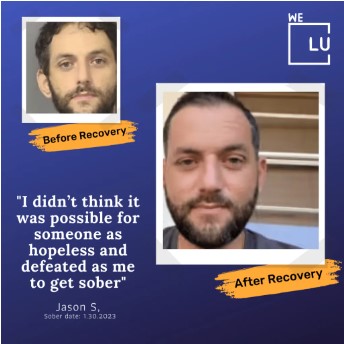
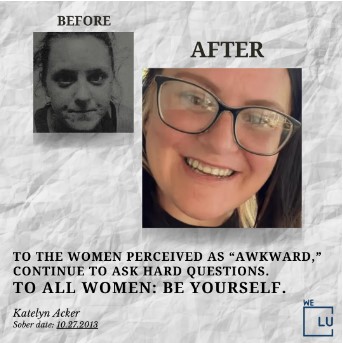
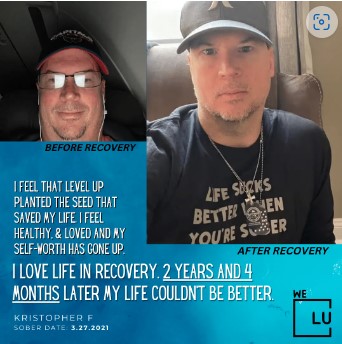
Experience Transformative Recovery at the We Level Up Treatment Center.
See our authentic success stories. Get inspired. Get the help you deserve.
Search We Level Up Heroin Drug Detox, Mental Health Topics & Resources
Resources
What Does Heroin Do To The Brain? – Explains how Heroin impacts brain chemistry, dopamine, and cognition.
Signs And Symptoms Of Heroin Use & Addiction – Early and long-term indicators of Heroin abuse.
What Does a Heroin High Feel Like? – Describes the effects of a Heroin high and treatment approaches.
What Does Heroin Look Like? – Visual guide to identifying Heroin and related paraphernalia.
Sources
[1] Chasing the Black Dragon – Heroin Drug – Office of Justice Programs (OJP)
[2] Passaro DJ, Werner SB, McGee J, Mac Kenzie WR, Vugia DJ. Wound botulism associated with black tar heroin among injecting drug users. JAMA. 1998 Mar 18;279(11):859-63. DOI: 10.1001/jama.279.11.859. PMID: 9516001.
[3] Wound Botulism Outbreak Among Persons Who Use Black Tar Heroin — San Diego County, California, 2017–2018 – Centers for Disease Control and Prevention (CDC)
[4] Ciccarone D. Heroin in brown, black and white: structural factors and medical consequences in the US heroin market. Int J Drug Policy. 2009 May;20(3):277-82. DOI: 10.1016/j.drugpo.2008.08.003. Epub 2008 Oct 21. PMID: 18945606; PMCID: PMC2704563.
[5] Mars SG, Bourgois P, Karandinos G, Montero F, Ciccarone D. The Textures of Heroin: User Perspectives on “Black Tar” and Powder Heroin in Two U.S. Cities. J Psychoactive Drugs. 2016 Sep-Oct;48(4):270-8. DOI 10.1080/02791072.2016.1207826. Epub 2016 Jul 20. PMID: 27440088; PMCID: PMC5027195.
[6] Learn More About “What Does Heroin Look Like?” – National Institute on Drug Abuse (NIDA) Available from: https://nida.nih.gov/research-topics/heroin
[7] Heroin Fast Facts – Department of Justice (USDOJ) Available from: https://www.justice.gov/archive/ndic/pubs3/3843/index.htm
[8] MedlinePlus Heroin Drug Information: https://medlineplus.gov/heroin.html
[9] Davis CS, Carr DH, Samuels EA. Paraphernalia Laws, Criminalizing Possession and Distribution of Items Used to Consume Illicit Drugs and Injection-Related Harm. Am J Public Health. 2019 Nov;109(11):1564-1567. DOI: 10.2105/AJPH.2019.305268. Epub 2019 Sep 19. PMID: 31536408; PMCID: PMC6775926.
[10] Oelhaf RC, Azadfard M. Heroin Toxicity. [Updated 2023 May 8]. In: StatPearls [Internet]. Treasure Island (FL): StatPearls Publishing; 2023 Jan-. Available from: https://www.ncbi.nlm.nih.gov/books/NBK430736/