

At We Level Up, we offer Adderall addiction therapy across seven accredited facilities in Florida, Texas, California, Washington, and New Jersey. Each location is staffed by licensed physicians, psychologists, and therapists who deliver individualized care.
We Level Up Treatment Centers is an AHCA-licensed facility that helps adults recover from bath salt addiction and other substance use disorders. Bath salts are synthetic drugs that can affect a person’s physical and mental health. Our Addiction Rehab Program provides personalized care to support long-term recovery.
Early treatment can help people stop using synthetic drugs, manage withdrawal symptoms, and begin rebuilding their lives. Comprehensive Medical Detox and evidence-based therapies help individuals safely begin recovery while addressing their unique needs.
At We Level Up, every treatment plan is tailored to the individual. Our licensed clinicians provide compassionate care, ongoing support, and recovery planning to help people achieve lasting sobriety and improve their overall well-being.
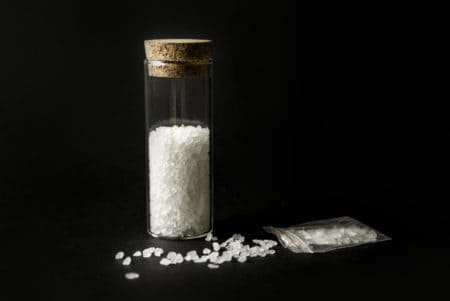
What Are Bath Salt Drugs?
Many people ask, what are bath salt drugs? Bath salts are man-made stimulant drugs. They are not the same as bath products used for bathing. These drugs change how the brain and body work. They can cause serious mental and physical health problems.
Some people use bath salts to feel more awake or have more energy. But the effects are not safe and can be life-threatening.
What Type of Drugs Are Bath Salts?
Many people ask, what type of drugs are bath salts? Bath salts are synthetic stimulant drugs. They are made in a lab and affect the central nervous system.
These drugs can:
- Raise heart rate
- Raise blood pressure
- Change thoughts, feelings, and behavior
Using bath salts can lead to addiction, overdose, and other serious health problems.
What Are Bath Salt Drugs Made Of?
Many people ask, what are bath salt drugs made of? Bath salts are made with man-made chemicals. They are not the same as natural bath salts used for bathing. The chemicals can change from one product to another, so people may not know what they are taking.
The National Institute on Drug Abuse (NIDA) says synthetic stimulant drugs can be very dangerous because the chemicals often change. Learning about these drugs can help people know the risks and get help early.
What Do Bath Salts Drugs Look Like?
Many people ask, what do bath salts drugs look like? Bath salts may look like white or brown powder, small crystals, or capsules. Some are sold in bright packages that do not say what is inside.
Bath salts can look different from one package to another. You cannot tell what chemicals are in them just by looking at them.
Signs and Symptoms of Bath Salt Use
Using bath salt drugs can hurt the body and the mind. Some signs happen right away. Others happen after using the drug many times. The signs may change depending on what chemicals are in the drug and how much was used.
Common signs include:
- Fast heartbeat
- High blood pressure
- Chest pain
- Trouble sleeping
- Anxiety
- Panic attacks
- Confusion
- Aggressive behavior
- Hallucinations
- Paranoia
- Poor judgment
- Mood swings
Some people become violent. Some lose touch with reality. These can be medical emergencies. Get medical help right away.

Bath Salts Drug Effects
The bath salts drug effects can be very dangerous. The chemicals in these drugs often change. One product may not be the same as another. Even a small amount can cause serious health problems.
Short-term effects may include:
- More energy
- Restlessness
- Sweating
- Dilated pupils
- High body temperature
- Fast breathing
- Nausea
- Severe agitation
Long-term use may lead to:
- Addiction
- Memory problems
- Depression
- Anxiety
- Psychosis
- Heart problems
- Kidney damage
- Problems at work, school, or home
Using bath salts again and again can make recovery harder.
How Is Bath Salt Addiction Diagnosed?
There is no single test for bath salt addiction. A healthcare provider or addiction specialist does a full check. They learn about the person’s drug use, symptoms, and health. This helps them choose the right care.
During the check, they may:
- Ask about medical history
- Ask about drug use
- Ask about mental health
- Check physical health
- Check for other mental health conditions
- Make a treatment plan
This helps providers choose the right level of care.

Evidence-Based Treatment for Bath Salt Addiction
Many people need professional treatment to recover from bath salt addiction. These drugs can hurt the body and the mind. Treatment helps people stop using drugs and start recovery.
Medical Detox helps people stop using drugs safely. Healthcare providers watch them day and night.
Cognitive Behavioral Therapy (CBT) helps people change unhealthy thoughts. It also helps them avoid triggers and build healthy coping skills.
Dialectical Behavior Therapy (DBT) helps people handle strong feelings. It teaches healthy ways to deal with stress.
Group Therapy gives people a safe place to talk, learn, and support each other.
Medication Management may help treat anxiety, depression, sleep problems, or other mental health problems during recovery.
The Get Smart about drugs says people do best when treatment includes therapy, recovery support, and care that fits their needs.
We Level Up’s Approach to Bath Salt Addiction Treatment
At We Level Up Treatment Centers, we help people with bath salt addiction and other substance use disorders. Our team makes a care plan for each person.
Treatment may include:
- Addiction Rehab
- Medical Detox
- Residential Treatment
- Cognitive Behavioral Therapy (CBT)
- Dialectical Behavior Therapy (DBT)
- Individual Therapy
- Group Therapy
- Family Therapy
- Medication Management
- Relapse Prevention Planning
Our goal is to help people stop using bath salts, build healthy habits, and stay in recovery.
Verify Your Insurance
Getting help may be easier than you think. Our team is here to help. We can answer your questions. We can explain your treatment options. We can also check your insurance before treatment starts.
What Our Bath Salt Addiction Treatment Program Offers
Our bath salt addiction treatment program helps people stop using bath salt drugs. We make a care plan for each person.
Our program includes:
- 24/7 clinical support
- Personalized treatment plans
- Medical detox when needed
- Cognitive Behavioral Therapy (CBT)
- Dialectical Behavior Therapy (DBT)
- Individual therapy
- Group therapy
- Family therapy
- Medication management
- Relapse prevention planning
- Aftercare planning
Our goal is to help people stop using drugs, feel better, and stay in recovery.
Levels of Care
Medical Detox
Medical detox helps people stop using bath salt drugs safely. Healthcare providers watch them day and night. They help with withdrawal symptoms before the next step in treatment.
Residential Treatment
People live at the treatment center while they get therapy, medical care, and daily help.
Partial Hospitalization Program (PHP)
A Partial Hospitalization Program (PHP) gives care during the day. People go home at night. They may get therapy, medicine, and relapse prevention.
Intensive Outpatient Program (IOP)
An Intensive Outpatient Program (IOP) lets people get care while they work, go to school, or care for family. They go to therapy a few days each week.
Outpatient Treatment
Outpatient treatment lets people get therapy and medicine while living at home. It also helps people stay in recovery and lower the risk of relapse.
Telehealth Treatment
Telehealth treatment allows people to receive care online. Patients can meet with therapists and treatment providers through secure video visits.
Telehealth can help people who:
- Live far from a treatment center
- Have trouble getting transportation
- Need support after in-person treatment
Virtual care helps people stay connected with their care team and continue working toward recovery.
Co-Occurring Mental Health Disorders
Many people who use bath salt drugs also have mental health problems. These may include anxiety, depression, bipolar disorder, or post-traumatic stress disorder (PTSD).
Treating both problems at the same time can help people feel better, build healthy coping skills, and stay in recovery.
Frequently Asked Questions
What are bath salt drugs?
Many people ask, what are bath salt drugs? Bath salts are synthetic stimulant drugs. They are made with chemicals in a lab. They affect the brain and nervous system. They can cause serious mental and physical health problems.
What type of drugs are bath salts?
Many people ask, what type of drugs are bath salts? Bath salts are synthetic stimulant drugs. They affect the central nervous system. They can raise heart rate and blood pressure. They can also change mood and behavior.
What is bath salt drugs made of?
Many people ask, what is bath salt drugs made of? Bath salts are made with man-made chemicals. The chemicals often change. This makes the drugs hard to predict and very dangerous.
What do bath salts drugs look like?
Many people ask, what do bath salts drugs look like? Bath salts may look like white or brown powder, small crystals, or capsules. Some come in bright packages. You cannot tell what chemicals are inside by looking at them.
What are the bath salts’ drug effects?
The bath salts drug effects may include a fast heartbeat, anxiety, hallucinations, paranoia, aggression, high body temperature, and severe agitation. Long-term use can lead to addiction, mental health problems, and other serious health problems.
Can people recover from bath salt addiction?
Yes. Many people recover from bath salt addiction with professional treatment. Medical care, therapy, relapse prevention, and ongoing support can help people stay in recovery.
Take the First Step Toward Recovery
If you or someone you love has bath salt addiction, We Level Up Treatment Centers can help. We are here 24 hours a day, 7 days a week. We can answer your questions, check your insurance, and help you start treatment. Call (954) 475-6031 to talk with our admissions team.
RELATED READINGS
- National Institute of Mental Health (NIMH) – Perinatal Depression
- Office on Women’s Health – Postpartum Depression
- American College of Obstetricians and Gynecologists (ACOG) – Postpartum Depression
- Mayo Clinic – Postpartum Depression: Symptoms and Causes
- Cleveland Clinic – Postpartum Depression
- MedlinePlus – Postpartum Depression
- National Health Service (NHS) – Postnatal Depression
- Substance Abuse and Mental Health Services Administration (SAMHSA) – Maternal Mental Health
- Anxiety & Depression Association of America (ADAA) – Postpartum Depression
- Postpartum Support International (PSI) – Postpartum Depression and Anxiety