

Drug Addiction Treatment
Diagnosing drug addiction is the first step toward real recovery. A drug addiction diagnosis is not a guess. It comes from a full check-up by a doctor, a psychiatrist, or a psychologist. This check looks at the body, the mind, and daily habits to see if drug addiction is present.
Many people ask how to spot drug addiction in themselves or someone they love. The steps are clearer than most people think. They often include a body exam, a talk with a mental health expert, and a short test. You can also try our free drug and alcohol assessment before you see a professional.
We Level Up is a national substance abuse and mental health facility with accredited centers in Florida, Texas, California, Washington, and New Jersey, plus a licensed telehealth option for ongoing support. A diagnosis is not a label here. It is a door to help. Our team helps people spot signs of addiction and find the right level of care, from medical detox to dual diagnosis treatment, so each person gets a plan built just for them.
Skip To:
Get Help. Get Better. Get Your Life Back.
Searching for Accredited Drug and Alcohol Rehab Centers Near You?
Even if you have failed previously and relapsed, or are in the middle of a difficult crisis, we stand ready to support you. Our trusted behavioral health specialists will not give up on you. When you feel ready or just want someone to speak to about therapy alternatives to change your life call us. Even if we cannot assist you, we will lead you to wherever you can get support. There is no obligation. Call our hotline today.
(844) 597-1011What Is Drug Addiction
Drug addiction is diagnosed when a pattern of drug use causes real problems in a person’s daily life. These problems can affect work, school, relationships, health, and safety. A single bad choice does not equal addiction. Doctors look for a repeating pattern over time, along with clear signs that the person cannot cut back even when they want to.
How Drug Addiction Is Diagnosed
Certain factors raise the risk of developing drug addiction and often guide how doctors evaluate a person for it. A personal or family history of substance use disorder raises the risk significantly. Co-occurring mental health conditions, like depression or anxiety, also raise risk. Some people use drugs to ease painful symptoms. A history of trauma, chronic pain, or high-stress environments can raise risk as well. Because risk factors vary so much from person to person, careful evaluation matters before any treatment plan is built.
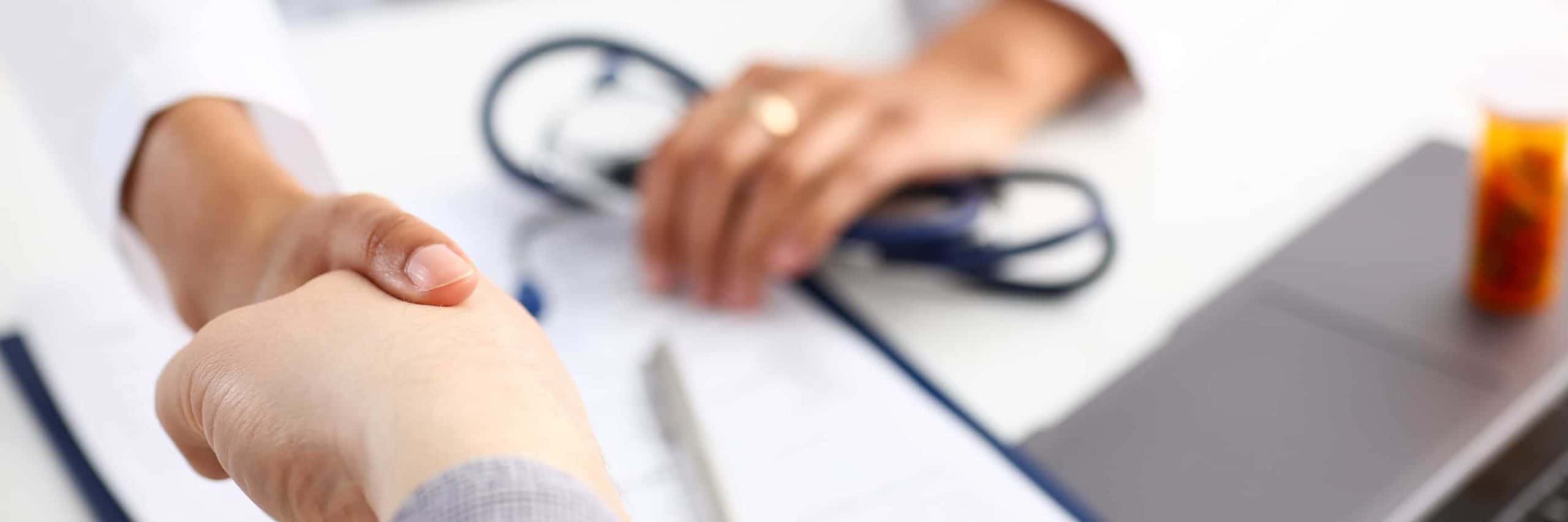
Diagnosis usually starts with a doctor, who checks physical health and may run blood or urine tests to confirm drug use. From there, a psychiatrist or psychologist asks about how much and how often a person uses drugs, and how that use affects daily life. Providers compare these answers to the Diagnostic and Statistical Manual of Mental Disorders (DSM-5). The DSM-5 lists eleven criteria for substance use disorder. A person needs at least two of these criteria within 12 months for a diagnosis. The number met determines if the disorder is mild, moderate, or severe.
Some providers also use a formal, structured test built from the DSM-5 criteria. This removes guesswork and creates a clear record for insurance and treatment planning. A correct diagnosis is not a label. It becomes the starting point for a treatment plan built around a person’s real needs.
Signs of Drug Addiction
- Needing more of the drug to feel the same effect
- Using more of a drug than planned
- Trying to stop or cut back and failing
- Spending a large amount of time getting or using drugs
- Strong cravings or urges to use
- Missing work, school, or family responsibilities because of drug use
- Continuing to use even when it damages health or relationships
- Giving up hobbies or friendships for drug use

Why Is Drug Addiction Addictive?
Drug addiction takes hold because most addictive drugs act directly on the brain’s reward system. When a person uses a drug, the brain releases a rush of dopamine that creates a strong feeling of pleasure. The brain quickly learns to connect this good feeling with the drug, which makes the person want to use it again.
With repeated use, the brain makes less dopamine and grows less sensitive to everyday rewards. These rewards include food and time with loved ones. This is why everyday life can start to feel dull compared to the intense high a drug provides. Over time, the person needs the drug just to feel normal, not to feel good.
This change in brain chemistry is called dependence. It explains why willpower alone rarely works to stop the cycle of drug addiction. The brain and body adapt to the drug over time, and safe recovery often needs professional help to reverse this.

Get Your Life Back
Find Hope & Recovery. Get Safe Comfortable Detox, Addiction Rehab & Dual Diagnosis Trused Care.
7/365 Line (844) 597-1011The Importance of Drug Addiction Detox
Before starting therapy, many people need medical detox to safely clear drugs from their system. Detox is a critical first step, and it should always happen under medical supervision.
Quitting suddenly, or “cold turkey,” can be dangerous depending on the drug involved. Withdrawal from alcohol or benzodiazepines can cause seizures, hallucinations, and dangerous changes in heart rate. Withdrawal from opioids causes intense physical pain, vomiting, and severe cravings that often lead to relapse without support.
Medically supervised detox helps manage these withdrawal symptoms safely. Our medical team watches vital signs, adjusts medication, and keeps patients as comfortable as possible during this stage. Detox alone does not treat the addiction itself. It prepares the body and mind for the deeper work of therapy and long-term recovery that follows.
First-class Facilities & Amenities
Trusted Integrated Addiction & Mental Health Rehabilitation Treatment
Rehab Centers TourEstablished Addiction Centers. Serene Private Facilities. Inpatient rehab programs vary.
Addiction Helpline (844) 597-1011Comprehensive recovery success experience, backed by a Team w/ History of:
15+
Years of Unified Experience
100s
5-Star Reviews Across Our Centers
10K
Recovery Success Stories Across Our Network
- Low Patient to Therapist Ratio
- Onsite Medical Detox Center
- Comprehensive Dual-Diagnosis Treatment
- Complimentary Family & Alumni Programs
- Alumni Coaching, Recovery & Personal Development Events
How Drug Addiction Is Treated
Treating drug addiction takes more than detox alone. Real recovery means treating the whole person, not just the physical dependence on a drug.
Our programs use structured levels of care, including residential treatment, partial hospitalization, and outpatient support. Therapy focuses on identifying triggers, managing stress without drugs, and building skills to prevent relapse.
Evidence-based therapies used in drug addiction treatment include:
Relapse Prevention: Builds a personal plan for recognizing triggers and staying on track after treatment ends.
Cognitive Behavioral Therapy: Helps people spot and change thoughts that lead to drug use. It also teaches coping skills for cravings.
Dialectical Behavior Therapy: Builds skills to manage strong emotions without using drugs. It is especially helpful for people with co-occurring mental health conditions.
Group Counseling: Individual sessions address personal causes of addiction, while group sessions build peer support and accountability.
Trauma-Informed Therapy: Addresses past trauma that may have contributed to drug use in the first place.
Life Skills Training: Teaches practical tools for building healthy routines and handling daily stress without drugs.
Holistic Therapies: Yoga, mindfulness, and other practices support whole-person healing alongside clinical treatment.

Specialized, Accredited, 5-Star Reviewed, Evidence-based Addiction & Mental Health Programs. Complete Behavioral Health Inpatient Rehab, Detox plus Co-occuring Disorders Therapy.
CALL(844) 597-1011End the Addiction Pain. End the Emotional Rollercoaster. Get Your Life Back. Start Drug, Alcohol & Dual Diagnosis Mental Health Treatment Now. Get Free, No-obligation Guidance by Substance Abuse Specialists Who Understand Addiction & Mental Health Recovery & Know How to Help.
Levels of Care for Drug Addiction Treatment
We Level Up offers a full range of care, so each person gets the right support at every stage of recovery.
Medical Detox
Medical detox is often the first step in drug addiction treatment. Our medical team provides 24/7 supervision to manage withdrawal safely. Patients are closely monitored while drugs leave their system. This lowers the risk of seizures and other serious complications. Detox also helps patients get ready for therapy in ongoing treatment, giving them a stable base to build on.
Residential Treatment
Residential treatment provides intensive, round-the-clock care in a structured and supportive setting. This level of care fits people with severe drug addiction, mental health conditions, or a history of relapse. Patients live on-site and take part in daily therapy, medical monitoring, and recovery-focused activities. Being away from daily triggers and stress helps patients focus on healing, without distractions pulling them away from recovery.
Partial Hospitalization Program (PHP)
Our Partial Hospitalization Program offers strong clinical support while patients return home or to sober living each evening. PHP includes daily therapy sessions, medication management, and relapse prevention planning. This level of care works well after residential treatment. It also helps people who need strong support without living full time onsite. It balances structure with a return to daily life.
Intensive Outpatient Program (IOP)
Intensive Outpatient Programs let patients keep working, going to school, or caring for family. They still get structured treatment several times each week. IOP focuses on therapy, coping skill development, and relapse prevention within a real-world setting. This level of care supports steady progress. It helps patients build independence and accountability as they move down from intensive care.
Telehealth Treatment
Our telehealth program gives patients access to therapy, counseling, and medical support remotely through secure video platforms. This option is flexible. It works well for people who cannot travel. It also helps if they have schedule conflicts. It can provide ongoing care after in-person treatment. Telehealth helps maintain steady progress while supporting long-term recovery from the comfort of home..
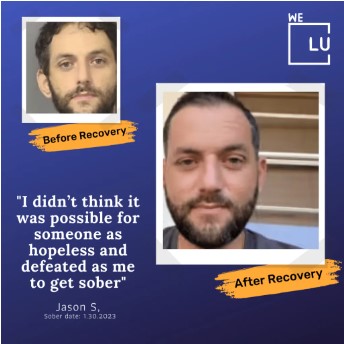
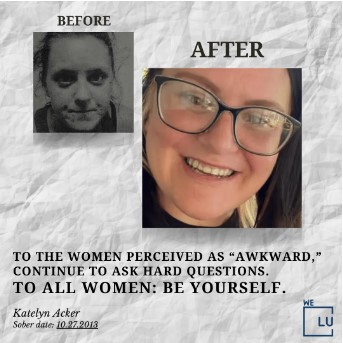
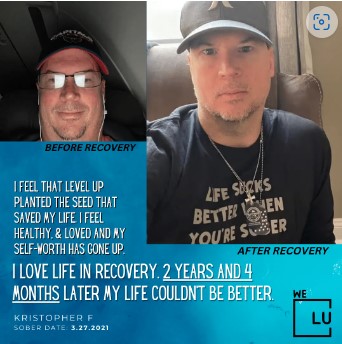
Experience Transformative Recovery at We Level Up Treatment Centers.
See our authentic success stories. Get inspired. Get the help you deserve.
Start a New Life
Begin with a free call to an addiction & behavioral health treatment advisor. Learn more about our dual-diagnosis programs. The We Level Up Treatment Center Network delivers recovery programs that vary by each treatment facility. Call to learn more.
- Personalized Care
- Caring Accountable Staff
- World-class Amenities
- Licensed & Accredited
- Renowned w/ 100s 5-Star Reviews
We’ll Call You
The Role of Mental Health and Co-Occurring Disorders
Many people with drug addiction also live with a mental health condition. When these problems are treated separately, the risk of relapse increases. Integrated dual-diagnosis care treats addiction and mental health conditions together, which leads to better outcomes overall.
Common co-occurring conditions include:
- Anxiety disorders and panic disorder
- Major depressive disorder
- Post-Traumatic Stress Disorder (PTSD)
- Insomnia and other sleep disorders
- Bipolar disorder
- Trauma-related disorders
- Obsessive-Compulsive Disorder (OCD)
A unified treatment plan addresses all conditions together, instead of treating addiction and mental health separately. Our clinical team is trained to spot these conditions early in the diagnostic process. This helps treatment start on the right footing from day one.
The Importance of a Strong Support Network
Recovery from drug addiction is stronger with a solid support system around it. Safe housing, peer support groups, and steady routines help lower relapse risk in early recovery.
Alumni programs give patients an ongoing connection to the community and accountability well after treatment ends. Family involvement helps rebuild trust and improve communication at home, which strengthens the foundation for lasting recovery. Long-term recovery is far more achievable with consistent support from people who understand the journey. We help facilitate this through structured groups, alumni events, and family programs built directly into the treatment process.
Is Drug Addiction Treatment Right for Me?
Drug addiction treatment may be the right step if you or a loved one:
- Feel unable to function without using drugs
- Experience anxiety or physical sickness when a dose is missed
- Use more of a drug than intended, again and again
- Mix drugs with alcohol or other substances
- Have tried to quit before, but relapsed
- Notice drug use hurting work, health, or relationships
A professional assessment can help determine the safest and most effective path forward for your specific situation.
Insurance and Admissions Support
Most insurance plans cover drug addiction treatment. Our admissions specialists are available 24/7. They can verify your benefits and explain your coverage. They can also answer your questions in a confidential, no-pressure setting.
We work with most major insurance carriers and can often verify benefits within a few hours. Most verifications finish the same day, and urgent cases are handled quickly. We also offer self-pay options and can help arrange payment plans for those without insurance coverage.
Start Your Recovery Today
If you or a loved one is struggling with drug addiction, help is available right now. A correct diagnosis opens the door to a treatment plan built around your real needs, not a one-size-fits-all program.
Recovery from drug addiction is possible. We Level Up Treatment Centers runs seven accredited facilities in Florida, Texas, California, Washington, and New Jersey. Each location has licensed physicians, psychologists, and therapists who provide individualized care. No matter where you are, we are here to help you take the first step toward lasting recovery.
Frequently Asked Questions
How do you diagnose drug addiction?
Doctors diagnose drug addiction through a physical exam, a mental health evaluation, and a comparison against DSM-5 criteria. A formal test may confirm the diagnosis. This process usually needs both a medical doctor and a mental health professional working together.
How long does it take to get a diagnosis?
An initial check-up often happens in one visit. A full diagnosis, including a mental health screening, may take a few visits to complete. Our admissions team can walk you through this timeline before you arrive.
Is drug addiction the same as drug abuse?
Not exactly. Drug abuse means harmful use of a substance. Addiction, or substance use disorder, is a medical diagnosis. It involves dependence and loss of control. A professional evaluation can clarify where a person falls on this spectrum.
Does diagnosing drug addiction also check for mental health issues?
Yes. Screening for co-occurring mental health conditions is a normal part of a full evaluation. Depression, anxiety, and PTSD often appear alongside drug use, and both need treatment together for the best outcome.
What happens after a diagnosis is confirmed?
After diagnosis, the care team builds a personalized treatment plan. This plan may include medical detox, residential care, or outpatient therapy. It changes over time as the patient makes progress.
Can I get better without a formal diagnosis?
A self-check, like a free drug and alcohol assessment, is a helpful starting point. But only a licensed doctor or mental health professional can give a real diagnosis. They can also create a treatment plan that fits your needs.
Sources
American Psychiatric Association. Diagnostic and Statistical Manual of Mental Disorders, Fifth Edition (DSM-5), 2013.
National Institutes of Health, National Center for Biotechnology Information. DSM-5-TR Criteria for Diagnosing and Classifying Substance Use Disorders. NCBI Bookshelf, 2024.
National Institute on Drug Abuse (NIDA). Principles of Drug Addiction Treatment: A Research-Based Guide, Third Edition, 2018.
Substance Abuse and Mental Health Services Administration (SAMHSA). Substance Use Disorders. samhsa.gov.
National Institute on Drug Abuse (NIDA). Understanding Drug Use and Addiction, 2022.