

Trauma Treatment Programs at We Level Up
Clinically Reviewed by Lauren Barry, LMFT, MCAP, QS
Medically Reviewed by Ali Nikbakht, PsyD
Reviewed / Updated: August 12, 2026 — Editorial Policy | Research Policy | Privacy Policy
By We Level Up | Author Jessica Lewis, PharmD | Editorial Policy | Research Policy
We Level Up provides trauma treatment at accredited facilities in Florida, Texas, California, Washington, and New Jersey. As a nationwide mental health treatment provider, we help people work through trauma and related mental health concerns. Our licensed physicians, psychologists, and therapists create personalized care plans based on each person’s symptoms, needs, and recovery goals.
We Level Up Treatment Centers is an AHCA-licensed facility that helps adults heal from trauma and other mental health conditions. Our Mental Health Treatment programs provide personalized, evidence-based care to help individuals recover and improve their quality of life.
Trauma can affect work, relationships, and everyday life. Some people also turn to alcohol or drugs to cope with painful memories or overwhelming emotions. Our Trauma Treatment services are designed to help individuals build healthy coping skills and support long-term recovery.
At We Level Up, every person receives a personalized care plan that may include therapy, medication management when appropriate, and ongoing support. Our goal is to help individuals heal, strengthen emotional well-being, and move forward with confidence.
Skip To:

Get Your Life Back
Find Hope & Recovery. Get Safe Comfortable Detox, Addiction Rehab & Dual Diagnosis Trused Care.
7/365 Line (844) 597-1011What Is Trauma?
Trauma is the way the mind and body react after something very scary, painful, or stressful happens. It can happen after abuse, violence, a bad accident, war, a natural disaster, a serious illness, or losing someone close. Many people slowly heal, but others keep having symptoms that make daily life harder.
Trauma can come from one event or from many hard events over time. Some people live through abuse, neglect, family problems, or other painful experiences as children. These events can affect how they think, feel, and handle stress as they grow older. Treatment helps people understand what happened, learn better ways to cope, and move forward with life.
Trauma and Related Disorders
Trauma often happens with other mental health problems. Many people also have anxiety, depression, post-traumatic stress disorder (PTSD), or addiction. These problems can make each other worse. They can also make recovery take longer if they are not treated.
Good treatment looks at the whole person, not just one problem. Treating trauma, mental health problems, and addiction together helps people feel better, handle stress in healthier ways, and build a stronger recovery.
Common Types of Trauma
Trauma can happen in many ways. Knowing the different types can help people understand their experiences and know when it is time to get help. Not everyone reacts to trauma in the same way. The type of trauma, how long it lasts, and a person’s life experiences can all affect how they heal.
Common types of trauma include:
- Acute Trauma: Happens after one scary or dangerous event, such as a car crash, a natural disaster, or an assault.
- Chronic Trauma: Happens after living through stressful or harmful events again and again over a long time.
- Complex Trauma: Develops after many traumatic events, often during childhood or in close relationships.
- Childhood Trauma: Includes abuse, neglect, bullying, or seeing violence while growing up.
- Secondary Trauma: Can affect people who often hear about or see the trauma of others, such as healthcare workers, first responders, or caregivers.
The National Institute of Mental Health (NIMH) reports that many adults experience traumatic events during their lives, and some develop lasting symptoms that require treatment. The Centers for Disease Control and Prevention (CDC) also recognizes that trauma can have long-term effects on both mental and physical health.
Get Help. Get Better. Get Your Life Back.
Searching for Accredited Drug and Alcohol Rehab Centers Near You?
Even if you have failed previously and relapsed, or are in the middle of a difficult crisis, we stand ready to support you. Our trusted behavioral health specialists will not give up on you. When you feel ready or just want someone to speak to about therapy alternatives to change your life call us. Even if we cannot assist you, we will lead you to wherever you can get support. There is no obligation. Call our hotline today.
(844) 597-1011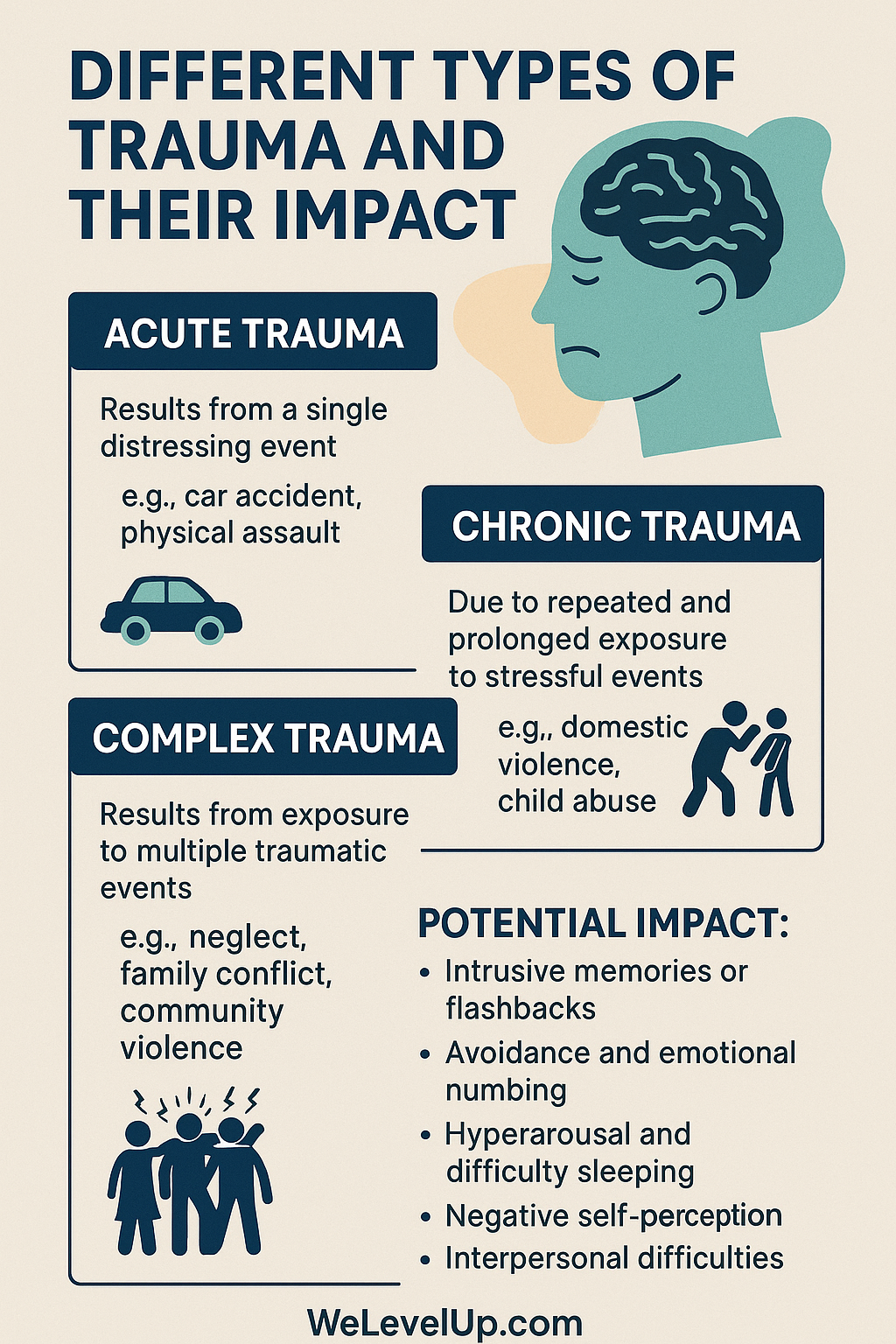
Common Signs and Symptoms of Trauma
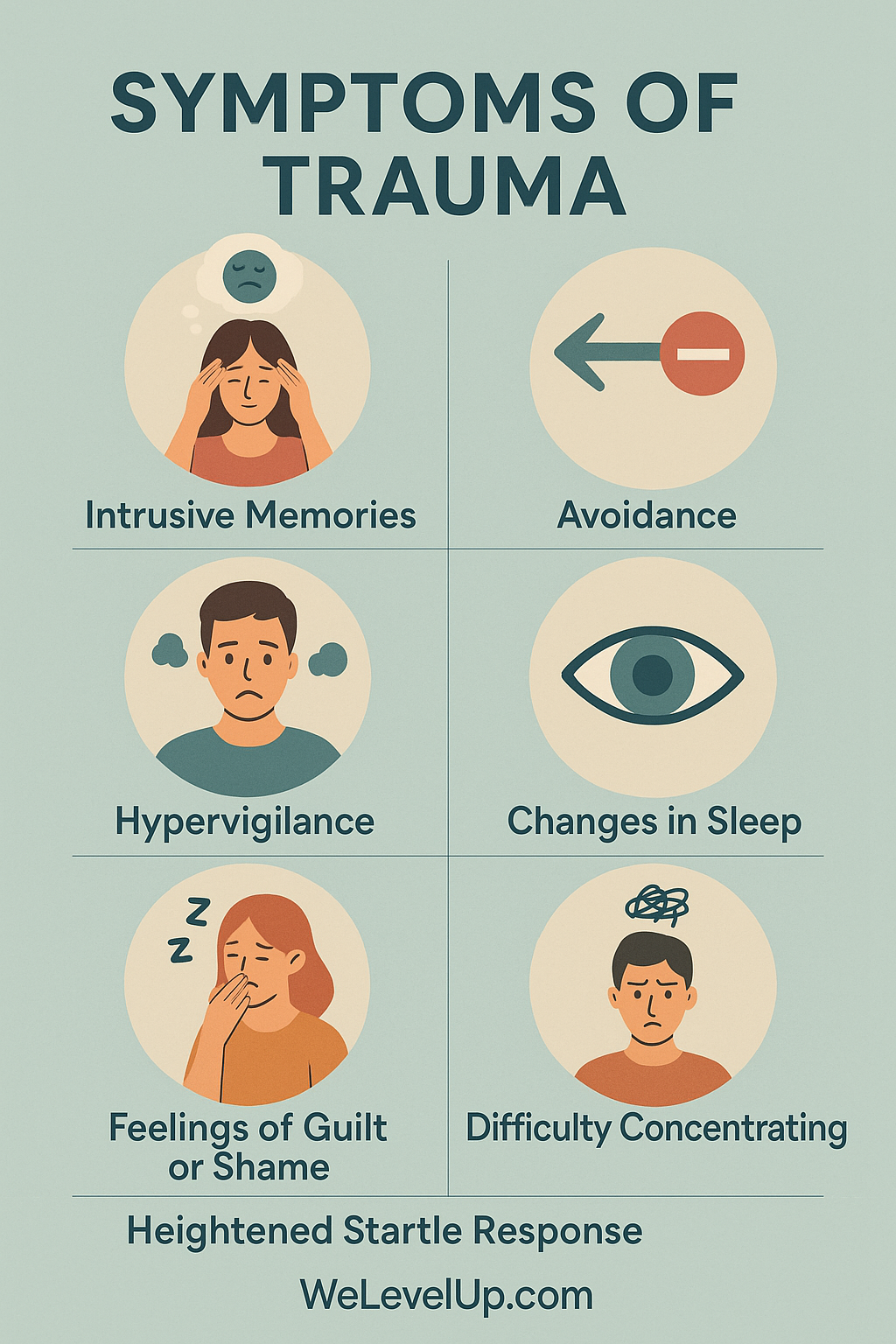
Many people ask what the signs of trauma are. Symptoms can start soon after a hard event or show up months or even years later. They may affect a person’s thoughts, feelings, body, and daily life. Some people have only a few symptoms, while others have many.
Common signs and symptoms include:
- Feeling worried or afraid most of the time
- Upsetting memories that keep coming back
- Nightmares or trouble sleeping
- Staying away from people, places, or things that bring back memories
- Feeling numb or cut off from others
- Mood changes or getting upset easily
- Trouble paying attention or remembering things
- Feeling guilty or blaming yourself
- Being startled easily
- Physical problems such as headaches, muscle pain, or feeling tired
Without treatment, these symptoms may last for a long time and make daily life harder. Getting help early can lower symptoms, improve daily life, and help people heal over time.
Questions About Our Facilities or Programs?
Our admissions team is here day and night to answer your questions. We can tell you about our trauma treatment programs, therapy, and levels of care. We can also explain what happens during treatment and help you choose the care that is right for you. If you need help for yourself or someone you love, we are here to help.
We Level Up Treatment Centers provides nationwide medical detox, addiction treatment, dual diagnosis, and mental health services through multiple accredited treatment centers across the United States, including Lake Worth, West Palm Beach, Jupiter, Allenwood, Blackwood, Lawrenceville, Fairfield, Seattle, and Spokane Valley. In addition to clinical care, our Family Program encourages loved ones to participate in the recovery process, helping build a stronger support system during and after treatment.
First-class Facilities & Amenities
Trusted Integrated Addiction & Mental Health Rehabilitation Treatment
Rehab Centers TourEstablished Addiction Centers. Serene Private Facilities. Inpatient rehab programs vary.
Addiction Helpline (844) 597-1011Comprehensive recovery success experience, backed by a Team w/ History of:
15+
Years of Unified Experience
100s
5-Star Reviews Across Our Centers
10K
Recovery Success Stories Across Our Network
- Low Patient to Therapist Ratio
- Onsite Medical Detox Center
- Comprehensive Dual-Diagnosis Treatment
- Complimentary Family & Alumni Programs
- Alumni Coaching, Recovery & Personal Development Events
How Trauma Is Diagnosed
There is no blood test or scan that shows if a person has trauma. A licensed mental health professional talks with the person and asks about their symptoms, health, and life. They also ask how these problems affect work, school, family, and daily life. This helps the care team understand what is happening and decide what kind of help the person needs.
Mental health professionals use the Diagnostic and Statistical Manual of Mental Disorders (DSM-5) when checking for trauma-related conditions. They look at how long the symptoms have lasted, how strong they are, and how they affect daily life. They also check for other mental health or substance use problems. A full evaluation helps the team make the right diagnosis and choose the best treatment plan.
Evidence-Based Treatment for Trauma
Trauma treatment is not the same for everyone. Each person gets a care plan that fits their needs. The plan depends on their symptoms, health, and goals.
Talk Therapy and Coping Skills
Treatment may include Cognitive Behavioral Therapy (CBT), Dialectical Behavior Therapy (DBT), Eye Movement Desensitization and Reprocessing (EMDR), individual therapy, and group therapy. These treatments help people change unhealthy thoughts, understand their feelings, and build better coping skills. As treatment goes on, many people feel stronger and find daily life easier to manage.
Medication Support
Some people may need medicine as part of treatment. Medicine can help with anxiety, depression, sleep problems, or other symptoms. A healthcare provider decides if medicine is needed.
Integrated Mental Health Care
Integrated care treats trauma, mental health problems, and addiction together. This gives people the help they need in one plan. It helps lower symptoms, teaches healthy coping skills, and supports long-term recovery.
Specialized, Accredited, 5-Star Reviewed, Evidence-based Addiction & Mental Health Programs. Complete Behavioral Health Inpatient Rehab, Detox plus Co-occuring Disorders Therapy.
CALL(844) 597-1011End the Addiction Pain. End the Emotional Rollercoaster. Get Your Life Back. Start Drug, Alcohol & Dual Diagnosis Mental Health Treatment Now. Get Free, No-obligation Guidance by Substance Abuse Specialists Who Understand Addiction & Mental Health Recovery & Know How to Help.

We Level Up’s Approach to Trauma Treatment
At We Level Up Treatment Centers, treatment starts with a full check of each person’s needs. Our team talks with each person about their symptoms, health, past, and goals. This helps us make a care plan that fits them. We check the plan often and change it as the person gets better.
Treatment may include:
Cognitive Behavioral Therapy (CBT): CBT helps people see thoughts that are not helpful. It teaches them how to replace those thoughts with healthier ones. People also learn better ways to deal with stress and daily problems.
Dialectical Behavior Therapy (DBT): DBT helps people stay calm when they have strong feelings. It also teaches healthy ways to handle stress and get along with other people.
Eye Movement Desensitization and Reprocessing (EMDR): EMDR helps some people work through painful memories. Over time, these memories may not feel as upsetting.
Individual Therapy: People meet one-on-one with a therapist. They can talk about their thoughts, feelings, and problems in a safe place.
Group Therapy and Peer Support: Group therapy lets people talk with others who have gone through hard times. They learn from each other, give support, and see that they are not alone.
Healing takes time. Our team stays with each person through treatment. We check progress, change the care plan when needed, and help people get ready for life after treatment with aftercare and ongoing support.
What Our Trauma Treatment Program Offers
Our trauma treatment program helps adults heal from trauma and other mental health problems. Every person gets care that fits their needs. We help people feel safe, handle stress in healthy ways, and build a better life.
Our program may include:
- Full mental health check
- A care plan made for each person
- Cognitive Behavioral Therapy (CBT)
- Dialectical Behavior Therapy (DBT)
- Eye Movement Desensitization and Reprocessing (EMDR)
- One-on-one therapy
- Group therapy and peer support
- Medicine when needed
- Help to prevent relapse for people with addiction
- Family support and education
- Aftercare planning and ongoing support
Levels of Care for Trauma Treatment
People need different kinds of care. Some people need more help at the start. Others can get care while living at home. Our team helps each person choose the level of care that is right for them.
Inpatient Trauma Treatment
Inpatient treatment gives people a safe place to heal. It is often the best choice for people with severe symptoms or other mental health problems. People stay at the treatment center and get help day and night. They take part in therapy, learn healthy coping skills, and build a strong start for recovery.
Outpatient Trauma Treatment
Outpatient treatment lets people get care while living at home. Some people join a Partial Hospitalization Program (PHP) or an Intensive Outpatient Program (IOP). They come to therapy during the week and keep up with work, school, or family life as they recover.
Telehealth Trauma Treatment
Some people can get care from home by using secure online visits. They can meet with their therapist, talk about their progress, and keep getting support. Telehealth can help people who live far away or cannot travel easily.
Co-Occurring Disorders Associated With Trauma and Addiction
Trauma often happens with addiction and other mental health problems. Some people drink alcohol or use drugs to stop fear, stress, or bad memories. It may help for a short time, but it usually makes both problems worse. Getting help for both at the same time can make recovery easier and lower the chance of using drugs or alcohol again.
| Mental Health Condition | How It Can Be Linked to Addiction |
| Anxiety Disorders | Some people drink or use drugs to feel less afraid or worried. |
| Depression | Some people use alcohol or drugs to get away from sadness. |
| PTSD | Some people use alcohol or drugs to escape bad memories or nightmares. |
| Bipolar Disorder | Mood changes can make drug or alcohol use more likely. |
| Childhood Trauma | Trauma early in life can raise the chance of addiction later. |
| Chronic Stress | Stress that lasts a long time can lead to drinking or drug use. |
Many people ask, how does childhood trauma affect adulthood? Childhood trauma can still affect a person many years later. It can make it hard to trust people, stay calm, or feel safe. Some people also have anxiety, depression, PTSD, or addiction. Treatment can help people heal and learn better ways to deal with stress.
Treatment Options and Care Pathways
There is no one treatment that works for everyone. Each person needs different care. Some people need to stay at a treatment center first. Others can get care while living at home. Some people can also meet with a therapist online.
As people get better, their care may change. They may leave inpatient care and move to outpatient care. Later, they may join aftercare or support groups. This helps people keep using the skills they learned in treatment and stay on the path to recovery.
Insurance and Accessibility
We Level Up works with many insurance plans to help people get care. Our admissions team can check your insurance and explain what it covers. They can also answer your questions before treatment starts.
If you do not know where to start, we can help. We will explain your choices and help you find the care that fits your needs. We want to make it easy to get help as soon as you are ready.
Take the Next Step Toward Trauma Treatment
At We Level Up Treatment Centers, we help adults heal from trauma and other mental health problems. Our team takes time to learn about each person’s needs before treatment starts. We build a care plan that fits the person, not just the condition. As treatment goes on, we adjust the plan if more support is needed.
Healing takes time, but many people get better with the right care. If you or someone you love is living with trauma, our team is ready to help. Contact We Level Up today to learn about our trauma treatment programs, check your insurance, or schedule a private assessment. Recovery can start today.
Frequently Asked Questions (FAQS)
How can I heal from emotional trauma?
Healing takes time, but it is possible. Many people heal through therapy, support from trained professionals, and healthy coping skills. Everyone heals at their own pace. The right treatment plan can help you move forward.
How does childhood trauma affect adulthood?
Childhood trauma can affect a person for many years. It can make it hard to trust people, handle stress, or feel safe. Some people later have anxiety, depression, PTSD, or addiction. Treatment can help people heal and learn better ways to cope.
Why is it important to understand trauma?
Learning about trauma helps people know when they need help. It can also help families understand what their loved one is going through. Getting help early may lower symptoms and make recovery easier.
Is telehealth available for trauma treatment?
Yes. Some people can get care through secure online visits. Telehealth lets people meet with a therapist from home. It can make it easier to stay in treatment and keep getting support. Reach out at (844) 597-1011 any time to ask questions or schedule a private assessment.
Does insurance cover trauma treatment?
We Level Up works with many insurance plans, and our admissions team can explain what your specific plan covers. You can check your benefits online before you call.
Getting Into Treatment Is Easy
1. Call Us Anytime
Call our admissions team any time, day or night. We will answer your questions, explain your treatment choices, and help you get started.
2. Complete a Mental Health Assessment
You will meet with a licensed mental health professional. They will ask about your symptoms, health, and life experiences. This helps us understand your needs and choose the right treatment for you.
3. Check Insurance and Payment Options
Our team will check your insurance and explain what your plan may cover. We can also answer questions about costs and payment options before treatment begins.
4. Begin Your Recovery
Once your treatment plan is ready, you can begin care. Our team will support you through each step as you heal, learn healthy coping skills, and work toward a healthier life.
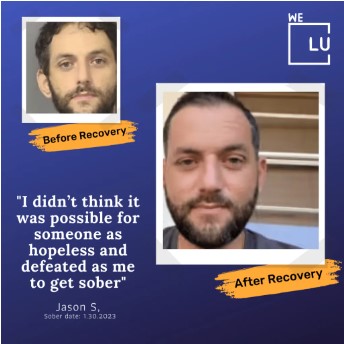
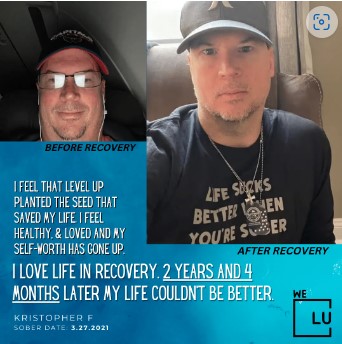
Experience Transformative Recovery at We Level Up Treatment Centers.
See our authentic success stories. Get inspired. Get the help you deserve.

Start a New Life
Begin with a free call to an addiction & behavioral health treatment advisor. Learn more about our dual-diagnosis programs. The We Level Up Treatment Center Network delivers recovery programs that vary by each treatment facility. Call to learn more.
- Personalized Care
- Caring Accountable Staff
- World-class Amenities
- Licensed & Accredited
- Renowned w/ 100s 5-Star Reviews
We’ll Call You
Trauma Treatment Education Videos
Resources
Monthly Mental Health Calendar + Substance Abuse / Crisis Hotlines — Useful when adding resource section or crisis support context.
Addiction & Mental Health Crisis Hotlines— Can be included when talking about acute crises or when symptoms become overwhelming.
Dual Diagnosis Treatment (Mental Health + Addiction) — Very relevant when discussing co-occurring disorders and how trauma often overlaps with substance use.
Informational Mental Health / Addiction Videos — Good resource to embed or point readers to multimedia content in the trauma article.
Inpatient / Residential Mental Health Programs (general mental health overview page) — Can be linked when describing the types of care levels available (inpatient, residential) for trauma recovery.
Sources
1] https://www.apa.org/topics/trauma/ – American Psychological Association (APA)
[2] Post-Traumatic Stress Disorder (PTSD) – National Institute of Mental Health (NIMH)