

Dual Diagnosis Treatment: Integrated Care for Mental Health and Addiction
Get comprehensive care at our dual diagnosis treatment centers. We specialize in addressing both mental health and substance use disorders with personalized care. Our expert staff and evidence-based practices ensure your path to lasting recovery. Contact We Level Up Treatment Centers to get the help you need.
Clinically Reviewed by Lauren Barry, LMFT, MCAP, QS
Medically Reviewed by Ali Nikbakht, PsyD
Updated on February 2, 2026 — Editorial Policy | Research Policy | Privacy Policy
By We Level Up | Author Alex Evans, PharmD, MBA | Editorial Policy | Research Policy
What is Dual Diagnosis?
What You Need to Know About Dual Diagnosis? Dual diagnosis is when someone is living with both a substance use disorder (addiction) and a mental health condition. It is challenging for both the person living with the dual diagnosis and healthcare providers treating it.
Understanding how mental health issues underpin addiction is crucial for effective treatment and recovery. We will cover both substance and behavioral addictions that commonly intersect with mental health issues.
If you or someone you care about is dealing with dual diagnosis, we know it can feel overwhelming. Dual diagnosis is when a person has both a substance abuse problem and a mental health issue. It needs professional and caring support. Our facility is dedicated to offering the support and expertise needed to navigate these problems.
We Level Up Treatment Centers believe in a straightforward, empathetic approach to recovery, acknowledging the courage it takes to seek help. Our team is skilled in helping with mental health and substance abuse. We customize treatments for each person’s needs. This way, everyone gets the understanding and care they deserve. Recovery is based on trust, support, and complete care. It also relies on years of experience with substance abuse and mental health issues.
We are here to support you. We will provide the tools and guidance you need for a successful journey to wellness and resilience. Your story matters, and we’re here to listen and help write the next chapter, one step at a time. Contact us today, and let’s start writing together.
The Relationship Between Addiction and Mental Health
Substance use disorder can increase the risk of a mental health disorder. And a mental health disorder can increase the risk of a substance use disorder. Also, some factors increase the risk of both disorders, including stress or traumatic events.
Skip To:
Common substance addictions that coincide with mental health issues include:
Alcohol Addiction: Alcohol use disorder can lead to a cycle of increased dependence and worsening mental health. Depression, post-traumatic stress disorder (PTSD), and attention deficit hyperactivity disorder (ADHD) commonly co-occur with alcohol use disorder.
Drug Addiction: Depression, anxiety, and other mental health conditions are also strongly associated with addiction to:
- Opioids: Including prescription painkillers and heroin.
- Cocaine and Amphetamines: Stimulant use also includes prescription stimulants like Adderall and Vyvanse.
- Marijuana: Though often perceived as less harmful, marijuana abuse is associated with schizophrenia, especially in those with a predisposition to the condition.
- Benzodiazepines: Commonly used to treat anxiety or insomnia, benzodiazepines can also cause dependency. Over time, they may worsen symptoms of anxiety.
In dual diagnosis, it is important to treat both the mental health issue and the addiction together. This helps ensure a complete and effective recovery process. That is why attending even some of the best alcohol rehab centers simply isn’t enough.
Our tailored all-inclusive treatment plans, which include therapy, medication management, and support groups, are crucial for addressing the specific needs of those with dual diagnosis.

The Dangers Of Self-Medication
Dual diagnosis faces a tough truth. Self-medicating for a mental health issue or substance use disorder can be dangerous. It may even result in a dual diagnosis. When people try to self-medicate, they may not know the appropriate dosages or possible side effects. They may also use illicit drugs with no approved medical use.
This can result in ineffective treatment, worsening symptoms, or even new health problems. Also, self-medicating can mask underlying conditions, delay proper diagnosis, and prevent people from receiving the necessary care. If you or someone you care about is having trouble with mental health, substance use, or both, reach out to us today for help. We offer programs like drug and alcohol rehab that can get you on the path to recovery.
We Level Up Dual Diagnoses Programs
Even today, our clients suffering from dual diagnoses encounter difficulties accessing effective treatment. Many people are denied mental health services if they admit to a drug or alcohol addiction. The same happens when they seek help for addiction while in mental health services.
That’s why one should find treatment providers that can tackle all your issues and challenges in an integrated approach. This is crucial to achieving lasting recovery treatment success. Joining a complete treatment program instead of just treating one illness can greatly improve recovery results.
Dual Diagnosis Residential Treatment
Residential treatment is a specialized treatment where individuals with co-occurring mental health and substance use disorders receive inpatient rehabs and comprehensive care in a residential setting.
In this type of treatment, individuals reside in a structured environment that provides 24/7 support and supervision. The treatment usually includes different therapies, counseling, medication management, and life skills training. These are designed to help with mental health and substance use. It offers a focused, immersive experience promoting recovery and long-term stability.
Dual Diagnoses IOP
An intensive outpatient program (IOP) is a structured treatment option. It helps people with both mental health and substance use disorders. It provides a higher level of care than traditional outpatient therapy while allowing individuals to live at home.
It provides a complete way to address mental health and substance use. It helps people build coping skills and strategies to prevent relapse. It also supports them in keeping their daily routines.
Dual Diagnoses Group Therapy
Group therapy is a way to help people with both mental health and substance use issues. It brings them together in a supportive and organized group. It provides a safe space for members to share experiences, gain insights, and learn from one another. Group therapy, led by a trained therapist, helps people understand each other. It offers support and builds coping skills. This improves treatment for co-occurring disorders.
Cognitive Behavioral Therapy (CBT)
CBT is a form of therapy that helps you identify and change negative thinking patterns and behaviors. Our dual diagnosis treatment centers use it because it helps you learn practical skills. These skills help you manage your daily thoughts and actions. It also helps lessen symptoms of mental health disorders. It reduces the chance of substance relapse by changing how you respond to stress and triggers.
Dialectical Behavior Therapy (DBT)
DBT gives you skills to manage painful emotions and decrease conflict in relationships. It’s particularly effective for those with intense emotional experiences, such as those seen with borderline personality disorder.
At our dual diagnosis rehab centers, we use DBT. This helps you manage your emotions better. It also helps you handle stress without using substances. Plus, it improves your relationships with better communication skills.
Medication-Assisted Treatment (MAT)
MAT involves the use of medications, in combination with counseling and behavioral therapies, to treat substance use disorders. Often used in drug rehab centers, this approach helps to normalize brain chemistry, block the euphoric effects of alcohol and opioids, and relieve physiological cravings. Also, it stabilizes body functions, which makes recovery more manageable.
Why Choose Accredited Dual Diagnosis Treatment
When you’re looking for dual diagnosis treatment centers, look for accreditation. Accredited dual diagnosis treatment centers have high-quality standards. They are checked regularly to make sure they offer professional and top-notch care. This means you get the best addiction treatment and mental health services. The treatment is based on the latest science and ethical practices.
We Level Up is a Gold Seal Recipient and an essential co-occurring disorder treatment provider. Our rehab centers focus on the complete recovery program required for both illnesses. This integrated approach ensures that all parts of your health are treated as a whole – your mind, body, and soul.
Our co-occurring disorders treatment teams provide thorough therapy to clients and their family members. We are committed to providing coordinated and science-based treatments that work.
Accreditation requires that dual diagnosis treatment centers hire skilled professionals. Patients can see doctors, therapists, and support staff who are experts in complex cases. This ensures they receive personalized and informed care.

Get Help. Get Better. Get Your Life Back.
Searching for Accredited Drug and Alcohol Rehab Centers Near You?
Even if you have failed previously and relapsed, or are in the middle of a difficult crisis, we stand ready to support you. Our trusted behavioral health specialists will not give up on you. When you feel ready or just want someone to speak to about therapy alternatives to change your life call us. Even if we cannot assist you, we will lead you to wherever you can get support. There is no obligation. Call our hotline today.
(844) 597-1011Step-by-Step Guide to Finding the Best Dual Diagnosis Inpatient Treatment Centers
1. Start Your Research
- Online: Begin with online research. The We Level Up Treatment Centers website has the information you need. You can learn about our approach and our team there.
- Hotlines: Call us and find out more about our services. Do not hesitate; we are always available to provide useful information and guidance (without judgment).
- Consult Healthcare Professionals: Talk to your doctor, psychiatrist, or therapist for further advice on specialized dual-diagnosis treatment centers.
2. Understanding Insurance and Financing Options
- Contact Your Insurance Provider: Ask about coverage for co-occurring disorder treatment facilities. They can offer a list of covered rehab centers or guide you in finding suitable options within your plan.
- Financing Options: If you’re concerned about payment, our treatment centers often have staff to help you navigate your options, including insurance and potential financing plans. Major companies like Blue Cross Blue Shield Rehab Coverage and Aetna Mental Health Coverage often provide insurance for mental health services.
3. Reaching Out to one of our We Level Up Treatment Centers
- Make Contact: It’s normal to have uncertainties, but taking the first step is crucial. Treatment centers are ready to address your questions, clarify payment options, and guide you through what to expect.
- Initial Assessment: Engage in an initial discussion or assessment with our center. This conversation is a chance for you to determine if our programs and approach are a good match for your needs.
First-class Facilities & Amenities
Trusted Integrated Addiction & Mental Health Rehabilitation Treatment
Rehab Centers TourEstablished Addiction Centers. Serene Private Facilities. Inpatient rehab programs vary.
Addiction Helpline (844) 597-1011Comprehensive recovery success experience, backed by a Team w/ History of:
15+
Years of Unified Experience
100s
5-Star Reviews Across Our Centers
10K
Recovery Success Stories Across Our Network
- Low Patient to Therapist Ratio
- Onsite Medical Detox Center
- Comprehensive Dual-Diagnosis Treatment
- Complimentary Family & Alumni Programs
- Alumni Coaching, Recovery & Personal Development Events
4. Preparing for Treatment
- Insurance Verification: Confirm your insurance details with our dual diagnosis treatment center before starting the program. This will ensure there are no surprises regarding coverage.
- Getting to Know the Center: Upon joining, you’ll be introduced to a supportive environment. We place our focus on compassion and expertise, creating a setting conducive to recovery. You’ll meet professionals dedicated to your recovery and peers who share similar experiences.
5. What to Expect During the Intake Process
- Initial Assessment – Our health experts will evaluate your mental health and substance use history. They will discuss your symptoms, past treatments, and medical history.
- Diagnostic Screening – We will screen for co-occurring disorders. This helps us find the best treatment. We will use standard assessment tools to identify specific mental health and substance use issues.
- Medical Examination – You will have a physical health check-up. This will help assess your overall health and any medical conditions. Laboratory tests may also be done to find any hidden health issues.
- Personalized Treatment Plan – We will create a treatment plan just for you. This plan will be based on your assessment results. We will discuss treatment options, goals, and what you can expect.
- Introduction to the Facility – You will take a tour of the facility. This will help you get to know the environment. You will also meet staff members. We will give you an overview of daily schedules and routines.
- Consent and Documentation – Necessary paperwork, including consent forms and privacy agreements, will be completed, and patient rights and confidentiality policies will be explained.
- Initial Counseling Session – You will meet with a therapist or counselor for your first session. This is to start building a helpful relationship. You will also talk about your immediate concerns and support needs.
- Orientation to Programs and Services – We will provide an overview of the treatment programs and support services available. This includes group therapy, individual counseling, medication management, and holistic approaches.
- Support and Guidance – You will receive resources and information to help you feel comfortable. A case manager or primary therapist will be assigned to guide you through the treatment process.
Taking the First Step at We Level Up
It’s natural to feel overwhelmed at the prospect of starting anew. However, remember that our support is available every step of the way. By following these steps, you’re moving closer to recovery in a place where your well-being is the top priority. Working with We Level Up Treatment Centers can start a new chapter. You will not be alone; you will have support from professionals and peers.
Don’t be anxious about taking the first step. We provide a nurturing environment for successful, evidence-based therapies for clients with coexisting disorders. Each part of these programs is unique and has different abilities. They help patients from all over the US with many conditions.
Dual Diagnosis in the US
Did you know that as little as 15% of drug and alcohol addiction illnesses is the physical act of substance abuse? Addiction becomes the most visible behavior over time. However, 85% of negative mental health behaviors and their symptoms drive the disease.
These causes of addiction can be connected to deep emotional problems. These problems can include anxiety, low self-esteem, and even schizophrenia. Unfortunately, only a few people with co-occurring disorders receive proper treatment for both issues.
Dual diagnosis affects a vast number of individuals across the United States. Research shows that around 9.2 million adults faced both a mental illness and a substance use disorder in 2018. This highlights the need for treatments that address both issues together.
According to the National Institute on Drug Abuse (NIDA), people with mental health conditions are twice as likely to experience substance use disorders, pointing to the close connection between these challenges. These numbers show how common dual diagnosis is. They highlight the need for care that addresses both mental health and substance abuse.
Treatment for co-occurring diagnoses is very important. It gives the best chance for recovery and better overall well-being. It also helps manage mental health and substance use disorders. Our We Level Up multi-diagnosis centers team has seen many times that integrated treatment helps clients recover better.
Top 5 Dual Diagnosis Studies with Insights
Here’s a patient-friendly chart of the top five dual diagnosis studies/guidelines.
Below is a curated, practical list of authoritative dual-diagnosis (co-occurring disorders) studies and guidance you can cite in clinical copy, program pages, or treatment guides. The selections lean on federal agencies (SAMHSA, NIDA), peer-reviewed journals, and high-quality systematic reviews. Each row distills what the evidence implies for treatment and turns it into actionable tips for care teams and admissions scripts. Sources were chosen for recency, rigor, and relevance to integrated treatment.
| Study | Treatment Implications | Insights for Patients |
|---|---|---|
| SAMHSA TIP 42 (2024 update): Substance Use Disorder Treatment for People With Co-Occurring Disorders View Study | Sets the gold standard for integrated care. This means treating mental health and substance use together with coordinated teams. | Look for programs that say they follow “integrated treatment” guidelines. If your provider separates mental health care from addiction care, ask why — and consider facilities that treat both together. |
| NIDA Research Topic on Co-Occurring Disorders (2024) View Resource | Shows that untreated mental health symptoms make addiction recovery harder, and vice versa. Emphasizes the need for coordinated medication and therapy. | If you’ve tried rehab before and relapsed, it may be because the mental health side wasn’t treated. Ask about psychiatric support and medication management in any program you consider. |
| JAMA Network Open (2025): PTSD + Substance Use Disorder Trial (COPE model) Read Article | Trauma-focused therapy with addiction treatment is safe and effective for people with PTSD and drug or alcohol issues. | If trauma is part of your story, pick a center that provides trauma-focused care. This can include EMDR or Prolonged Exposure, along with addiction treatment. |
| Journal of Substance Abuse Treatment (2006): Integrated vs. Parallel Treatment Study Read Study | People in integrated programs had fewer hospital stays and legal problems than those treated in separate systems. | Recovery isn’t just about staying sober — it’s about your whole life improving. Programs that treat both conditions together may reduce stress, hospital visits, and even legal troubles. |
| Cochrane Review: Psychosocial Interventions for Severe Mental Illness + Substance Misuse (updated) Read Review | Found that no single therapy fits everyone, but consistent, combined treatment works best over time. | Don’t worry if one approach doesn’t “click” right away. The key is finding a program that offers a mix of therapies (CBT, DBT, group, holistic) and sticks with you through the process. |
Common Dual Diagnosis Conditions
Dual diagnosis can present in many ways, but some mental health and substance abuse combinations are especially common.
- Depression + Alcohol Use Disorder: Alcohol is often used to numb sadness, but it worsens depressive symptoms over time.
- Anxiety Disorders + Benzodiazepine Dependence: Anxiety sufferers may misuse prescription sedatives, leading to dangerous dependence.
- Post-Traumatic Stress Disorder (PTSD) + Opioid Addiction: Trauma survivors often use opioids to escape distress, fueling addiction.
- Bipolar Disorder + Cocaine or Methamphetamine: Stimulant abuse may worsen manic episodes and increase relapse risk.
- Borderline Personality Disorder + Polysubstance Use: Impulsivity increases risk for multi-drug dependence.
Behavioral addictions like gambling or gaming can also co-occur with psychiatric conditions and substance use, creating complex challenges.
Our Rehab Center Network
We ensure accessible, high-quality care for both local and out-of-state patients. We have facilities across the country, from Florida and California to Washington and New Jersey. Please note that we can arrange transportation to a chosen facility, no matter where your current location is.

We Level Up Tamarac FL
Premier Behavioral Health Treatment Center
Licensed & Accredited w/ 5-star reviews.- Inpatient mental health treatment center
- Therapy for depression, anxiety, trauma, bipolar disorder, PTSD, and more.
- Dual diagnosis rehab programs available

We Level Up West Palm Beach
Premier Behavioral Health Treatment Center
Licensed & Accredited.- Inpatient mental health treatment center
- Therapy for depression, anxiety, trauma, bipolar disorder, PTSD, and more.
- Dual diagnosis rehab programs available
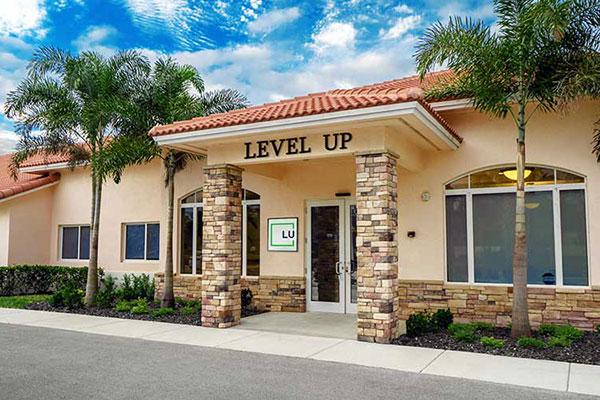
We Level Up Lake Worth
Drug & Alcohol Addiction Treatment Center w/Detox
Licensed & Accredited w/ 5-star reviews.- Inpatient addiction rehab center w/medical detox
- Addiction treatment and detox for alcohol, benzo, heroin, opioid, and more.
- Secondary mental health treatment available as part of our dual diagnosis programs.
Florida Facilities
Level Up Lake Worth, FL, Rehab is situated at 9935 Palomino Drive in Lake Worth, Florida. This center is renowned for its full range of substance abuse treatments, with a particular emphasis on alcohol addiction. It features detox programs, family programs, and recreational activities, including sound therapy, and is soon launching services for military veterans.
Nearby, We Level Up West Palm Beach Rehab operates out of the Lake Worth Treatment Center to serve the West Palm Beach area. It is known for its luxury treatments for opioid addiction. It offers a wide range of services, including new programs for veterans.
Further south, We Level Up Tamarac/Fort Lauderdale Rehab is located at 8290 N University Drive in Tamarac. They focus on mental health treatments for depression, anxiety, trauma, and mood disorders. The center provides various therapies, including EMDR, and is also preparing to introduce services for military veterans. This center welcomes patients from Tamarac and Fort Lauderdale. It is also a popular choice for many out-of-state patients.
New Jersey Facility
Level Up Treatment Lawrenceville Rehab is at 276 Bakers Basin Rd, Lawrenceville. They provide effective treatment for alcohol and drug abuse. The facility supports patients through medical detox and provides support for families and alumni, alongside a variety of therapeutic activities.
California Facility
In the West, We Level Up California Rehab is located at 31631 Auto Center Drive in Lake Elsinore. They focus on treating alcohol addiction. The center is equipped with detox facilities, offers extensive family support, and engages patients in recreational and therapeutic activities. An Executive Rehab program is also under development to cater to professionals seeking discreet recovery options.
Washington Facility
We Level Up Washington Mental Health Center is located at 14114 E 3rd Ave, Spokane Valley. We offer complete mental health care. Our services address issues like depression, anxiety, trauma, and mood disorders. We also provide treatments for addiction. The center is known for its many programs for families and alumni. It also offers a variety of therapeutic activities.

Level Up Treatment Lawrenceville
Drug & Alcohol Addiction Treatment Center w/Detox
Licensed & Accredited w/ 5-star reviews.- Inpatient addiction rehab center w/medical detox
- Addiction treatment and detox for alcohol, benzo, heroin, opioid, and more.
- Secondary mental health treatment available as part of our dual diagnosis programs.

We Level Up Washington
Premier Behavioral Health Treatment Center
Licensed & Accredited w/ 5-star reviews.- Inpatient mental health treatment center
- Therapy for depression, anxiety, trauma, bipolar disorder, PTSD, and more.
- Dual diagnosis rehab programs available

We Level Up California
Drug & Alcohol Addiction Treatment Center w/Detox
Licensed & Accredited w/ 5-star reviews.- Inpatient addiction rehab center w/medical detox
- Addiction treatment and detox for alcohol, benzo, heroin, opioid, and more.
- Secondary mental health treatment available as part of our dual diagnosis programs.
Support Beyond Treatment
Recovery doesn’t end when treatment does. At our dual diagnosis treatment centers, we believe that real recovery continues when you return to daily life. That’s why we have created a range of aftercare and support options. These options will help you keep your progress and stay connected.
We customize our aftercare to fit your unique needs after you leave treatment at our dual diagnosis rehab centers. Joining our alumni network opens up a world of opportunity for continued support through shared experiences. Our alumni programs include social events, group activities, volunteer opportunities, and even peer mentoring.
Specialized, Accredited, 5-Star Reviewed, Evidence-based Addiction & Mental Health Programs. Complete Behavioral Health Inpatient Rehab, Detox plus Co-occuring Disorders Therapy.
CALL(844) 597-1011End the Addiction Pain. End the Emotional Rollercoaster. Get Your Life Back. Start Drug, Alcohol & Dual Diagnosis Mental Health Treatment Now. Get Free, No-obligation Guidance by Substance Abuse Specialists Who Understand Addiction & Mental Health Recovery & Know How to Help.
Connect With We Level Up Treatment Centers Today
If you’re ready to talk or have any questions, here’s how you can easily get in touch with us. Our team is available 24/7 to provide support and help you get started on your recovery journey.
Phone: Call us anytime at (844) 597-1011. Whether it’s day or night, our mental health hotline is always open to assist you.
Email: For more detailed inquiries or if you prefer to write, email us at info@welevelup.com. We’re ready to respond to any questions or concerns you may have.
Experience compassionate and comprehensive care at We Level Up dual disorders behavioral health centers. Our expert team is dedicated to helping patients overcome substance abuse and mental health disorders. Discover support at every step of your journey to recovery with us.
If you or a loved one is struggling with mental health or other substance use disorder(s), call for a FREE consultation 24/7. Get a FREE co-occurring disorders rehab insurance check.
Frequently Asked Questions
What does dual diagnosis mean?
Dual diagnosis is when someone is diagnosed with both a substance use disorder and a mental health condition. It requires an integrated, interdisciplinary treatment approach for the best chances of success.
How is dual diagnosis treated?
Dual diagnosis treatment needs a complete approach. It must address both mental health disorders and substance use disorders at the same time. It typically involves a combination of psychotherapy, medication management, support groups, and lifestyle changes.
What is the best treatment for dual diagnosis?
Treatment must be tailored to the individual’s unique needs and delivered by a multidisciplinary team of experienced professionals. An integrated treatment approach works best for recovery. This method combines proven therapies for mental health and substance use disorders. It also includes a supportive and complete treatment environment.
Can bipolar and borderline personality as a dual diagnosis be treated?
Yes, like with other mental health conditions, it is possible to treat people living with both a substance use disorder and either bipolar disorder or borderline personality disorder. Treatment requires a combination of psychotherapy, medication, and other interventions. It is best done under the care of experienced mental health professionals.
Are there any dual diagnosis anonymous meetings?
The most famous support group is Alcoholics Anonymous (AA). It helps people with alcohol addiction. There are also other anonymous groups and support networks for those with a dual diagnosis. Examples include Dual Recovery Anonymous (DRA) and Double Trouble in Recovery (DTR).
Experience Transformative Recovery at We Level Up Treatment Centers.
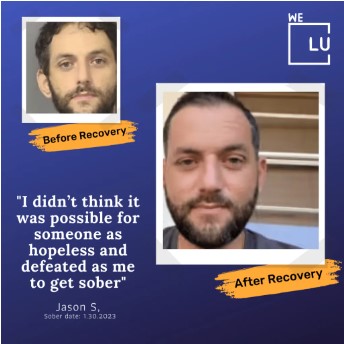
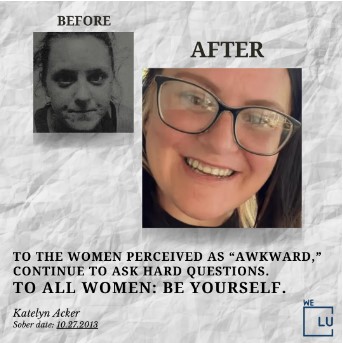
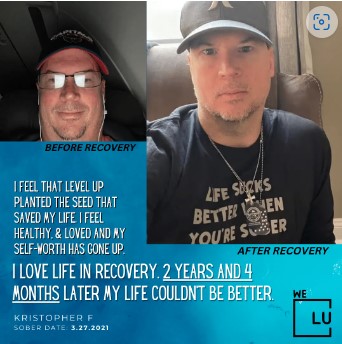
See our authentic success stories. Get inspired. Get the help you deserve.
Start a New Life
Begin with a free call to an addiction & behavioral health treatment advisor. Learn more about our dual-diagnosis programs. The We Level Up Treatment Center Network delivers recovery programs that vary by each treatment facility. Call to learn more.
- Personalized Care
- Caring Accountable Staff
- World-class Amenities
- Licensed & Accredited
- Renowned w/ 100s 5-Star Reviews
We’ll Call You
Search We Level Up Dual Diagnosis Treatments, Mental Health Topics & Resources
Resources
Co-Occurring Disorders Treatment Options – Focuses on treatment approaches for individuals with both substance use and mental health disorders, including therapy, medications, and inpatient programs.
Is Addiction a Mental Illness? Addiction Treatment Options – Explores whether addiction itself is classified as a mental illness and how this relates to co-occurring or dual diagnosis treatment.
Mental Health Month: Raise Awareness And Improve – Raises awareness about mental health, including dual diagnosis statistics and the importance of early recognition and treatment.
Sources
[1] Woody G. The Challenge of Dual Diagnoses. Alcohol Health Res World. 1996;20(2):76-80. PMID: 31798155; PMCID: PMC6876494.
[2] Hryb K, Kirkhart R, Talbert R. A call for a standardized definition of dual diagnoses. Psychiatry (Edgmont). 2007 Sep;4(9):15-6. PMID: 20532112; PMCID: PMC2880934.
[3] Co-Occurring Disorders and Other Health Conditions – Substance Abuse and Mental Health Services Administration (SAMHSA)
[4] The Case for Screening and Treatment of Co-Occurring Disorders – Substance Abuse and Mental Health Services Administration (SAMHSA)
[5] Dual-Diagnosis – MedlinePlus (.gov)
[6] Dual Diagnoses | Effective Health Care (EHC) Program – Agency for Healthcare Research and Quality (.gov)
[7] Co-existing Problems of Mental Health and Substance Misuse (Dual Diagnoses): A Literature Review – Office of Justice Programs (.gov)
[8] Mental Health & Substance Abuse – U.S. Department of Health and Human Services (.gov)
[9] For a successful recovery, treatment of dual diagnoses is paramount – Veterans Affairs (.gov)
[10] Drug Abuse and Mental Illness Fast Facts – Department of Justice (.gov)