

What to Know About Carfentanil Abuse
The rapid escalation in overdose fatalities has encompassed three interwoven waves of opioids: prescription opioids, heroin, and synthetic opioids like fentanyl and its analogs, such as carfentanil. Continue to read more about the effects of carfentanil drug abuse and when to get help.
Clinically Reviewed by Lauren Barry, LMFT, MCAP, QS
Medically Reviewed by Ali Nikbakht, PsyD
Reviewed / Updated: July 7, 2025 — Editorial Policy | Research Policy | Privacy Policy
By We Level Up | Author Alex Evans, PharmD, MBA | Editorial Policy | Research Policy
What is Carfentanil?
Carfentanil is a synthetic opioid that is 100 times more potent than fentanyl. It is often used to tranquilize large animals like elephants, but has grown in popularity as an illicit street drug.
The Dangers of Carfentanil
Carfentanil is a highly potent synthetic opioid that binds to the same receptors in the brain as natural endorphins, which regulate pain and mood. This drug can flood these receptors, causing significant central nervous system depression.
One of the biggest dangers of any opioid overdose is respiratory depression, which causes you to stop breathing. It is the most common cause of death from opioids, and powerful synthetic opioids like carfentanil have a much higher risk than other, less potent, opioids.
Carfentanil Street Name
Carfentanil, or Wildnil (carfentanyl), is a derivative of the widely recognized synthetic opioid analgesic fentanyl. Fentanyl and carfentanil are life-threatening drugs. Just touching or accidentally inhaling them can cause overdose and death.
Street names for fentanyl and carfentanil include the following:
- Apache.
- China Girl.
- China White.
- Dance Fever.
- Friend.
- Goodfella.
- Gray Death.
- Jackpot.
- Murder 8.
- TNT.
- Tango and Cash.
- Drop Dead.
What is Carfentanil Used For?
Carfentanil is primarily used as a veterinary tranquilizer for large animals, such as elephants and other wildlife. The drug’s high affinity for opioid receptors results in a strong analgesic and tranquilizing effect, enabling safe handling and care for these large animals. Legal carfentanil use is restricted to controlled veterinary settings, as even tiny amounts can lead to severe respiratory depression and overdose in humans. Carfentanil is unsuitable and unsafe for human use.
Carfentanil Side Effects
This drug is not intended for human use and should be used only by trained professionals in veterinary medicine. Its use without proper medical supervision can have severe and potentially life-threatening consequences.
Potential carfentanil side effects and risks are similar to other opioids and include:
- Respiratory depression.
- Sedation.
- Dizziness and drowsiness.
- Nausea and vomiting.
- Opioid overdose.
- Cardiovascular effects.
- Tolerance and dependence.
- Withdrawal symptoms.
- Death.
Carfentanil Withdrawal Symptoms
Carfentanil withdrawal, like withdrawal from other opioids, can be extremely uncomfortable and challenging to manage without proper medical supervision. Seeking professional help and support is crucial for individuals attempting to overcome dependence and withdrawal.
Withdrawal symptoms can include the following:
- Muscle and Body Aches: Individuals may experience generalized body pain and muscle discomfort during withdrawal.
- Anxiety and Restlessness: Restlessness, nervousness, and heightened anxiety are common withdrawal effects.
- Insomnia: Difficulty falling or staying asleep can occur due to carfentanil withdrawal.
- Nausea and Vomiting: Some individuals may experience gastrointestinal symptoms such as nausea and vomiting.
- Diarrhea: Diarrhea and gastrointestinal upset are possible withdrawal symptoms.
- Sweating: Profuse sweating, especially at night, can occur during carfentanil withdrawal.
- Runny Nose and Teary Eyes: Flu-like symptoms, including a runny nose and teary eyes, can manifest during withdrawal.
- Dilated Pupils: Pupils may become dilated as a result of withdrawal.
- Goosebumps: Goosebumps and cold flashes are common during withdrawal from opioids.
- Mood Changes: Mood swings, irritability, and depression are potential emotional effects of withdrawal.
Carfentanil Addiction Signs
- Increased Tolerance: Need higher doses to achieve the desired effects or avoid withdrawal symptoms.
- Withdrawal Symptoms: Experiencing physical and psychological symptoms when attempting to reduce or stop carfentanil use.
- Craving: Strong and persistent cravings for the drug, leading to a preoccupation with obtaining and using the drug.
- Neglecting Responsibilities: Failing to fulfill work, school, or home obligations due to carfentanil use.
- Isolation: Withdrawing from social activities, friends, and family in favor of spending more time using drugs.
- Loss of Interest: Losing interest in previously enjoyed activities and hobbies.
- Financial Problems: Experiencing financial difficulties due to spending money on acquiring drugs.
- Legal Issues: Involvement in legal problems or criminal activities related to drug use.
- Physical and Psychological Health Issues: Suffering from physical health problems such as respiratory issues, as well as psychological issues like anxiety, depression, and mood swings.
- Failed Attempts to Quit: Repeatedly trying to cut down or quit using without success.
- Continued Use Despite Consequences: Using drugs despite being aware of their adverse consequences on health, relationships, and life.
Carfentanil Overdose Warning Signs
Recognizing the warning signs of a carfentanil overdose is crucial for prompt intervention.
Overdose symptoms with this drug may include the following:
- Difficulty Breathing: Slow or shallow breathing, or complete cessation of breathing, is a critical sign of overdose.
- Extreme Drowsiness: Severe drowsiness or inability to stay awake, often leading to unconsciousness.
- Pinpoint Pupils: Constricted or pinpoint pupils, even in low light conditions.
- Cold and Clammy Skin: Skin that feels cold, damp, and pale.
- Limpness: Loss of muscle tone, leading to limpness or inability to move.
- Unresponsiveness: Inability to respond to stimuli or attempts to awaken the person.
- Slow Heart Rate: A weakened or slow heartbeat.
- Blue Lips or Fingertips: Bluish or purplish discoloration of the lips, fingertips, or nail beds due to inadequate oxygen.
- Confusion or Disorientation: Mental confusion, confusion about time or place, or inability to communicate clearly.
- Seizures: Sudden and uncontrolled movements or convulsions.
- Gurgling: Gurgling or choking noises due to fluids in the airway.
If you suspect someone is experiencing a carfentanil overdose, seek medical attention immediately. Call emergency services (911) and administer naloxone if available.
Carfentanil overdoses can progress rapidly and become life-threatening, so prompt intervention is critical to save a life.
Carfentanil vs Fentanyl
Carfentanil and fentanyl have a lot of similarities, but there are some important differences to be aware of.
- Chemical Structure: Both drugs belong to the same class of synthetic opioids known as piperidines. They share a similar core chemical structure, with differences in chemical side chains.
- Potency: Carfentanil is far more potent than fentanyl. The potency of opioids is often measured by how strongly they bind to and activate mu-opioid receptors in the brain.
- Medical Use: Fentanyl has legitimate medical uses and is commonly prescribed for severe pain management, typically in cases such as surgery or chronic pain. It is available in various forms, including patches, lozenges, and injectable formulations. Carfentanil, on the other hand, is not intended for human use and is only used as a veterinary tranquilizer for large animals.
- Illicit Use and Risks: Both drugs have been illicitly manufactured and distributed, contributing to the opioid crisis. However, carfentanil poses an even higher risk due to its higher potency. Even a minuscule amount of the drug can lead to profound respiratory depression, overdose, and death.
- Risk of Overdose: Both fentanyl and carfentanil carry a high risk of overdose when abused. But carfentanil can cause a fatal overdose at much smaller amounts, owing to its increased potency.
- Regulation: Fentanyl is a prescription product used for chronic and refractory pain. Carfentanil has no approved human uses.
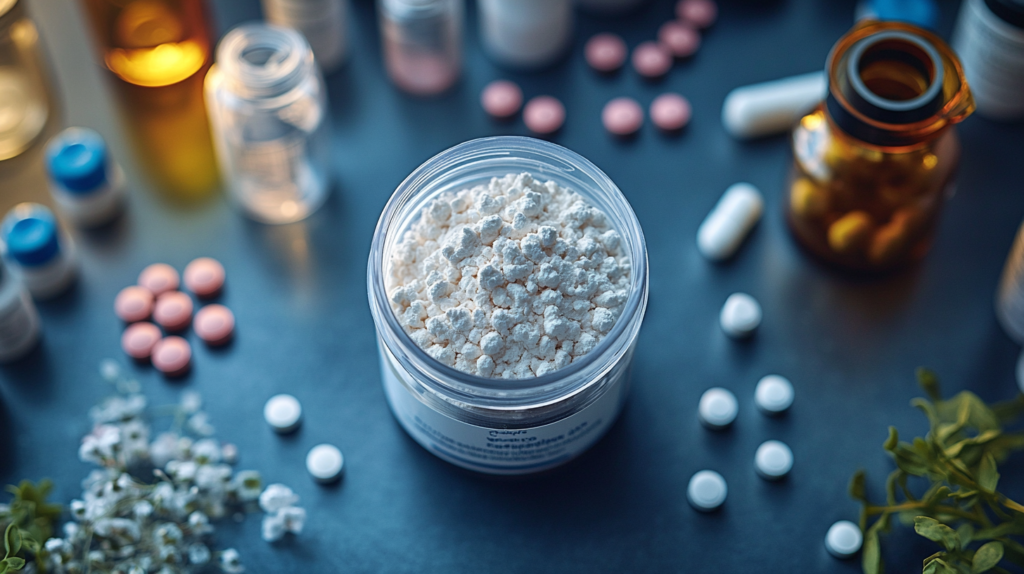
What Does Carfentanil Look Like?
In its pure form, carfentanil typically appears as a pale yellow crystalline powder. It may resemble other powdered substances. On the street, it can come in a lot of different forms, like tablets, powder, blotter paper, and spray.
What Color is Carfentanil?
Carfentanil, in its pure form, is a pale yellow crystalline powder. However, any substance’s color can change based on impurities and additives.
The color of carfentanil may vary based on its preparation and any substances it has been mixed with, especially in illicit or non-medical contexts. Unfortunately, street drugs are commonly tainted with other street drugs that the user is unaware of.
Skip To:
Learn More:
- What is Narcan Nasal Spray? How Does Narcan Work? What is Narcan Used For? Naloxone Uses & How To Administer Narcan.
- Carfentanil vs Fentanyl, What’s the Difference Between Fentanyl and Carfentanil? Carfentanil Compared to Fentanyl
- How Strong is Fentanyl? Is Fentanyl Stronger Than Morphine & Are There Drugs Stronger Than Fentanyl?
- Fentanyl Street Names, What is The Slang For Fentanyl? Common Street Names For Fentanyl
- The Fentanyl Epidemic, Fentanyl Deaths & Why is Fentanyl So Popular Now?
- What’s The Lethal Dose of Fentanyl? Facts About Fentanyl
- How Long Do Opiates Stay in Your System, Body, Blood, and Urine?
- Opiate Withdrawal Symptoms, Can You Die From Opiate Withdrawal?
- Opiate Detox Timeline, Withdrawal Symptoms, & Top Treatment Options
- How To Prevent & Avoid Opiate Addiction & Abuse
Carfentanil Overdose
An overdose of carfentanil is a critical and life-threatening situation that can happen even when you consume or come into contact with a tiny amount of the drug.
Within moments of exposure it can cause an overdose, leading to respiratory depression and death if not quickly treated. As the overdose progresses, the individual’s lips and fingertips may turn bluish due to lack of oxygen, and seizures, profound limpness, and unresponsiveness may occur.Immediate medical attention, including administering the opioid overdose reversal drug naloxone, is crucial to counteract the effects and increase the chances of survival.
How Can Naloxone Help With a Carfentanil Overdose?
Naloxone (Narcan) is an opioid antagonist that can reverse the effects of carfentanil. It is available at pharmacies and in many cases the person suffering from the overdose or one of their loved ones may be carrying it.
Always start by calling 911, so that professional help can come as soon as possible. Then administer naloxone as directed on the packaging or by a healthcare professional. Stay with the person until help arrives.
Carfentanil Addiction Treatment
Carfentanil addiction treatment typically involves a comprehensive approach tailored to the individual’s needs. Medical detoxification under professional supervision may be necessary to manage withdrawal symptoms safely. Behavioral therapies, counseling, and support groups are essential components of treatment to address the psychological aspects of addiction. Due to the extreme potency of this drug and its associated risks, seeking specialized medical and psychological care is crucial for a safe and successful recovery journey.
Support is available if you or someone close to you grapples with carfentanil addiction. Our team of medical, clinical, and well-being professionals is committed to assisting you in overcoming addiction and attaining the fulfilling and healthy life you deserve. Reach out to We Level Up today to get started. Your call is confidential, and there’s no obligation.
Specialized, Accredited, 5-Star Reviewed, Evidence-based Addiction & Mental Health Programs. Complete Behavioral Health Inpatient Rehab, Detox plus Co-occuring Disorders Therapy.
CALL(844) 597-1011End the Addiction Pain. End the Emotional Rollercoaster. Get Your Life Back. Start Drug, Alcohol & Dual Diagnosis Mental Health Treatment Now. Get Free, No-obligation Guidance by Substance Abuse Specialists Who Understand Addiction & Mental Health Recovery & Know How to Help.
Fentanyl vs Carfentanil Drug Facts
Carfentanil vs Fentanyl Comparisons
Both drugs are synthetic opioids with distinct characteristics, including the following:
Public Health Concerns: Both drugs have contributed to the opioid crisis. However, carfentanil’s presence in illicit drug supplies has raised significant alarm among law enforcement and public health officials due to the heightened risk of overdose.
Potency: Carfentanil is even more potent than fentanyl, estimated to be around 100 times stronger than fentanyl and thousands of times more potent than morphine.
Medical Use: Fentanyl is used in medical settings for pain management, often in patches, lozenges, or injections. Conversely, Carfentanil is primarily used in veterinary medicine to sedate large animals, such as elephants.
Illicit Use: Both drugs have been manufactured illegally and distributed for recreational use.
Risk of Overdose: Due to its potency, the risk of overdose with carfentanil is significantly higher than with fentanyl.
Lethal Dosage: Carfentanil lethal dose in humans is minuscule, which makes it exceptionally hazardous for non-medical use.
What’s the Difference Between Fentanyl and Carfentanil?
Fentanyl addiction is a severe and potentially life-threatening condition that develops when an individual becomes dependent on the synthetic opioid fentanyl. This addiction often results from the drug’s potent pain-relieving effects and can lead to physical and psychological dependence. Individuals struggling with fentanyl addiction may exhibit increased tolerance, require higher doses to achieve the desired results, and experience withdrawal symptoms when attempting to stop using the drug. Treatment for fentanyl addiction typically involves a combination of medical detoxification, behavioral therapies, counseling, and support groups to address addiction’s physical and psychological aspects and promote lasting recovery.
Fentanyl and carfentanil addiction share similarities as both are opioid dependencies, marked by increased tolerance, withdrawal symptoms, and the potential for severe health risks. Treating addiction to these drugs requires specialized and cautious approaches, given their strength. Both substance abuse necessitate comprehensive medical and psychological interventions to achieve recovery and prevent relapse.
Fentanyl vs Carfentanil Statistics
The Lethal Dose of Carfentanil
Carfentanil is a synthetic opioid that acts as a mu-opioid receptor agonist, binding to specific brain and spinal cord receptors involved in pain perception and regulation. Its potency is attributed to its strong binding affinity for these receptors. The lethal dose of this drug is exceptionally low due to its ability to overwhelm the central nervous system, particularly the respiratory centers in the brainstem, leading to severe respiratory depression or arrest.
The estimated lethal dose of the drug in humans is reported to be in the microgram range, which means that even a few micrograms (millionths of a gram) can result in a fatal outcome.
This extreme potency poses a significant risk, as accidental exposure or inhalation of airborne particles during handling can be enough to cause an overdose. The rapid onset of the drug’s effects and its potency makes it extremely difficult to reverse an overdose using traditional opioid reversal agents.
It’s essential to stress that carfentanil is not intended for human use and should only be handled by trained professionals in controlled veterinary settings. The potential for lethal overdose and the challenges in treating such cases underscore the critical importance of preventing contact or exposure to this hazardous substance.

Signs of Carfentanil Drug Abuse
Detecting whether someone is using carfentanil can be challenging due to its potency and the severe health risks associated with minimal exposure. Signs that someone might be using the drug could include:
- Unresponsiveness: Severe drowsiness, unresponsiveness, or nodding off frequently.
- Pinpoint Pupils: Constricted pupils that do not respond to changes in light.
- Slow Breathing: Slowed or shallow breathing or noticeable pauses in breathing.
- Blue Lips or Fingertips: Bluish or purplish discoloration of the lips, fingertips, or nail beds due to lack of oxygen.
- Extreme Lethargy: Extreme tiredness, inability to stay awake, or appearing “out of it.”
- Confusion or Disorientation: Confusion, disorientation, or inability to concentrate or communicate clearly.
- Unsteady Movements: Difficulty walking, maintaining balance, or coordinating movements.
- Sudden Mood Swings: Rapid changes in mood, such as agitation, irritability, or euphoria.
Side Effects of Carfentanil Drug Abuse
It’s crucial to approach any suspicion of carfentanil use with extreme caution. Given its potency, accidental exposure or inhalation of trace amounts can be life-threatening.
Some of the side effects of carfentanil drug abuse include:
- Respiratory depression.
- Overdose.
- Cardiovascular effects.
- Central nervous system depression.
- Nausea and vomiting.
- Constipation.
- Tolerance and dependence.
- Decreased cognitive function.
- Social and occupational impairment.
- Death.
If you believe someone is using carfentanil, prioritize safety by contacting medical professionals or emergency services immediately. It’s necessary not to handle any suspected substances and to encourage the individual to seek professional help for substance use disorders.
Get Help. Get Better. Get Your Life Back.
Searching for Accredited Drug and Alcohol Rehab Centers Near You?
Even if you have failed previously and relapsed, or are in the middle of a difficult crisis, we stand ready to support you. Our trusted behavioral health specialists will not give up on you. When you feel ready or just want someone to speak to about therapy alternatives to change your life call us. Even if we cannot assist you, we will lead you to wherever you can get support. There is no obligation. Call our hotline today.
(844) 597-1011Carfentanil Detox
Medical detox is a crucial step for individuals struggling with carfentanyl addiction. Detoxification safely and gradually removes carfentanil from the body while managing withdrawal symptoms. Due to carfentanyl’s potency and potential for severe health risks, detox should be conducted under medical supervision to ensure the individual’s safety and well-being. Here’s what you need to know about carfentanyl detox:

Detox is just the beginning of the recovery journey from carfentanyl addiction. Following detox, individuals are encouraged to engage in addiction treatment programs, including inpatient or outpatient therapy, counseling, support groups, and other forms of ongoing care. The goal is to achieve sustained recovery and improve overall well-being.
- Medical Supervision: Carfentanyl detox should always be carried out under the care of medical professionals, ideally in a specialized detox or addiction treatment center. The extreme potency of carfentanyl makes withdrawal particularly challenging, and medical supervision is essential to manage potential complications.
- Individualized Approach: Each person’s detox experience is unique. To develop a personalized detox plan, medical professionals will assess the individual’s physical health, substance use history, and any co-occurring medical or mental health conditions.
- Withdrawal Management: Carfentanyl withdrawal can be intense and uncomfortable. Medical staff may administer medications to help alleviate withdrawal symptoms such as nausea, vomiting, diarrhea, muscle aches, anxiety, and insomnia.
- Supportive Care: In addition to medical intervention, individuals in carfentanyl detox will receive emotional support and counseling to address the psychological aspects of addiction. This can include individual therapy, group therapy, and addiction education.
- Gradual Tapering: In some cases, a medical professional may recommend gradually tapering carfentanyl to reduce the severity of withdrawal symptoms. This involves slowly decreasing the dosage of the drug over some time.
- Aftercare Planning: Detox is the first step in the recovery process. It’s essential to have a comprehensive aftercare plan to address the underlying factors contributing to addiction and provide ongoing support to prevent relapse.
Carfentanil Addiction Treatment
Carfentanyl addiction treatment involves a comprehensive and individualized approach due to the extreme potency and risks associated with the drug. Here are the critical components of carfentanyl addiction treatment:
- Medical Assessment: Treatment begins with a thorough medical assessment to evaluate the individual’s physical and mental health, substance use history, and co-occurring medical conditions. This helps in creating a personalized treatment plan.
- Medical Detoxification: Due to the severity of carfentanyl withdrawal, medical detox is often necessary. Medical professionals closely monitor the individual’s vital signs, provide medications to manage withdrawal symptoms, and ensure safety.
- Inpatient or Residential Treatment: Depending on the addiction severity, individuals may opt for inpatient or outpatient treatment. Inpatient and residential programs provide intensive, 24/7 care within a controlled environment, while outpatient programs offer flexibility for those who do not require constant supervision.
- Behavioral Therapies: Cognitive-behavioral therapy (CBT), dialectical behavior therapy (DBT), motivational interviewing, and other evidence-based therapies address the psychological aspects of addiction, help individuals develop coping skills, and modify harmful behaviors.
- Group Therapy: Participating in group therapy sessions allows individuals to connect with peers facing similar challenges, share experiences, and gain insights and support from others.
- Family Involvement: Family therapy can help repair relationships damaged by addiction and provide education and support to family members.
- Dual Diagnosis Treatment: If co-occurring mental health disorders exist, integrated treatment simultaneously addresses addiction and underlying mental health issues.
- Relapse Prevention: Learning strategies to identify triggers, manage cravings, and prevent relapse is critical to addiction treatment.
- Holistic Approaches: Complementary therapies such as mindfulness, yoga, meditation, art therapy, and exercise can promote overall well-being and aid recovery.
- Naloxone Training: Individuals and their support networks are often trained in administering naloxone (Narcan) to reverse opioid overdoses in emergencies.
Carfentanyl addiction treatment requires specialized care due to its potency and risks. Seeking help from experienced addiction professionals is essential to ensure a safe and successful recovery journey.
Continued Care Options For Carfentanil Drug Treatment
Aftercare programs are structured and supportive services designed to help individuals maintain their recovery and progress after completing a rehabilitation (rehab) program for substance abuse or addiction. These programs are essential to the recovery process and provide ongoing support, guidance, and resources to help individuals avoid relapse and build a healthy, fulfilling life in sobriety.
Critical components of aftercare programs typically include the following:
- Counseling and Therapy: Aftercare programs often include individual or group counseling sessions to address ongoing emotional and psychological challenges and provide a safe space for sharing experiences and insights.
- Support Groups: Participating in support groups, such as 12-step meetings (e.g., Narcotics Anonymous, Alcoholics Anonymous) or non-12-step alternatives, offers the chance to connect with others in recovery and receive encouragement, understanding, and a sense of community.
- Relapse Prevention: Aftercare programs focus on developing effective strategies for preventing relapse. This may involve learning coping skills, stress management techniques and identifying triggers and high-risk situations.
- Continued Education: Ongoing education about addiction, its effects, and relapse prevention strategies helps individuals stay informed and make informed choices.
- Life Skills Development: Programs often assist in building practical life skills such as budgeting, time management, and goal setting to support a successful and fulfilling life in recovery.
- Family Support: Involving family members and loved ones in aftercare can help mend relationships, improve communication, and create a supportive environment at home.
- Holistic Approaches: Some aftercare programs incorporate holistic therapies such as meditation, yoga, exercise, and nutritional counseling to promote overall well-being.
- Monitoring and Accountability: Regular check-ins with counselors or mentors help individuals stay accountable and motivated while providing a safe space to discuss challenges and successes.
- Medication Management: Aftercare programs ensure proper medication management and ongoing medical support for those on medication-assisted treatment.
- Continuity of Care: Aftercare programs aim to bridge the gap between rehab and independent recovery by providing a structured transition and ongoing care plan.

If you or your family need help with drug addiction, contact us today at We Level Up treatment center. Each call is private and confidential. Even if we cannot assist you, we will lead you wherever you can get support. There is no obligation. Call our hotline today to get started!
First-class Facilities & Amenities
Trusted Integrated Addiction & Mental Health Rehabilitation Treatment
Rehab Centers TourEstablished Addiction Centers. Serene Private Facilities. Inpatient rehab programs vary.
Addiction Helpline (844) 597-1011Comprehensive recovery success experience, backed by a Team w/ History of:
15+
Years of Unified Experience
100s
5-Star Reviews Across Our Centers
10K
Recovery Success Stories Across Our Network
- Low Patient to Therapist Ratio
- Onsite Medical Detox Center
- Comprehensive Dual-Diagnosis Treatment
- Complimentary Family & Alumni Programs
- Alumni Coaching, Recovery & Personal Development Events
Frequently Asked Questions
How dangerous is carfentanil?
Carfentanil is one of the most dangerous opioids. That’s because it is so potent that even a small amount can be fatal.
How strong is carfentanil?
Carfentanil is very potent. It’s estimated to be approximately 100 times more powerful than fentanyl and thousands of times more potent than morphine.
What is the difference between fentanyl and carfentanil?
The main difference is how potent they are. While fentanyl is commonly used for pain management, carfentanil is only used in veterinary settings. Carfentanil has no approved medical uses in humans.
What is carfentanil in Hindi?
In Hindi it is “कारफेंटनिल,” pronounced as “Karphentanil.” Searching for this term in an effort to purchase the drug outside the United States is illegal and dangerous. Carfentanil has no approved medical uses and even a small amount can be deadly.
How can you buy carfentanil?
Carfentanil has no approved medical uses and is illegal to purchase outside of veterinary settings. Veterinarians typically buy this medication through authorized drug distributors for use only on large animals, like elephants. Abusing carfentanil is illegal and dangerous.
How Long Does Fentanyl Stay In Your Urine, Blood, Saliva & Hair?
Fentanyl and carfentanil are both synthetic opioids, with fentanyl being commonly prescribed for severe pain management in medical settings. In contrast, carfentanyl is a highly potent analog of fentanyl, primarily intended for tranquilizing large animals like elephants.
Due to their high potency, these substances have been associated with a significant risk of overdose and death, often leading to concerns within medical and law enforcement communities. The illicit use of fentanyl and carfentanyl has contributed to the opioid crisis, underscoring the urgent need for comprehensive public health and law enforcement interventions.
If you or a loved one is struggling with opioid addiction or other substance use disorder(s), call for a FREE consultation 24/7 at (561) 678-0917
Get FREE addiction treatment insurance check – https://welevelup.com/rehab-insurance/
Experience Transformative Recovery at We Level Up Treatment Centers.
See our authentic success stories. Get inspired. Get the help you deserve.

Start a New Life
Begin with a free call to an addiction & behavioral health treatment advisor. Learn more about our dual-diagnosis programs. The We Level Up Treatment Center Network delivers recovery programs that vary by each treatment facility. Call to learn more.
- Personalized Care
- Caring Accountable Staff
- World-class Amenities
- Licensed & Accredited
- Renowned w/ 100s 5-Star Reviews
We’ll Call You
Search We Level Up Carfentanil Abuse, Mental Health Topics & Resources
Sources
[1] National Center for Biotechnology Information (2023). PubChem Compound Summary for CID 62156, Carfentanil. Retrieved August 16, 2023, from https://pubchem.ncbi.nlm.nih.gov/compound/Carfentanil.
[2] Jalal H, Burke DS. Carfentanil and the rise and fall of overdose deaths in the United States. Addiction. 2021 Jun;116(6):1593-1599. Doi 10.1111/add.15260. Epub 2020 Sep 25. PMID: 32935381; PMCID: PMC8019064.
[3] MedlinePlus.gov. Opiate and opioid withdrawal.
[4] Food and Drug Administration.
[5] What Is Fentanyl? Effective Treatment For Fentanyl Withdrawal And Addiction (welevelupnj.com)
[6] Ramos-Matos CF, Bistas KG, Lopez-Ojeda W. Fentanyl. [Updated 2022 May 30]. In: StatPearls [Internet]. Treasure Island (FL): StatPearls Publishing; 2023 Jan-. Available from: https://www.ncbi.nlm.nih.gov/books/NBK459275/
[7] Taylor KP, Singh K, Goyal A. Fentanyl Transdermal. [Updated 2022 Nov 9]. In: StatPearls [Internet]. Treasure Island (FL): StatPearls Publishing; 2023 Jan-. Available from: https://www.ncbi.nlm.nih.gov/books/NBK555968/
[8] Shah M, Huecker MR. Opioid Withdrawal. [Updated 2023 Jan 17]. In: StatPearls [Internet]. Treasure Island (FL): StatPearls Publishing; 2023 Jan-. Available from: https://www.ncbi.nlm.nih.gov/books/NBK526012/
[9] Fluyau D, Charlton TE. Drug Addiction. [Updated 2022 Aug 29]. In: StatPearls [Internet]. Treasure Island (FL): StatPearls Publishing; 2023 Jan-. Available from: https://www.ncbi.nlm.nih.gov/books/NBK549783/
[10] Substance Abuse and Mental Health Services Administration (US); Office of the Surgeon General (US). Facing Addiction in America: The Surgeon General’s Report on Alcohol, Drugs, and Health [Internet]. Washington (DC): US Department of Health and Human Services; 2016 Nov. CHAPTER 6, HEALTH CARE SYSTEMS AND SUBSTANCE USE DISORDERS. Available from: https://www.ncbi.nlm.nih.gov/books/NBK424848/
[11] Boom M, Niesters M, Sarton E, Aarts L, Smith TW, Dahan A. Non-analgesic effects of opioids: opioid-induced respiratory depression. Curr Pharm Des. 2012;18(37):5994-6004. https://doi.org/10.2174/138161212803582469
[12] Shah M, Huecker MR. Opioid Withdrawal. [Updated 2023 Jul 21]. In: StatPearls [Internet]. Treasure Island (FL): StatPearls Publishing; 2024 Jan-. Available from: https://www.ncbi.nlm.nih.gov/books/NBK526012/
[13] MedlinePlus [Internet]. Bethesda (MD): National Library of Medicine (US); [updated 2020 Jun 24]. Opiate and opioid withdrawal [updated May 4, 2024]. Available from: https://medlineplus.gov/ency/article/000949.htm
[14] MedlinePlus [Internet]. Bethesda (MD): National Library of Medicine (US); [updated 2020 Jun 24]. Opioid overdose. Available from: https://medlineplus.gov/opioidoverdose.html.