...

What Is Cocaine? Harmful Effects, Addiction Risks & Treatment Help

Cocaine use continues to be a severe worldwide public health problem. Cocaine addiction is associated with substantial morbidity and mortality. Cocaine overdose deaths are increasing in the US and, in certain populations, outnumber heroin and opiate overdose deaths. Continue to read to learn why is cocaine addictive.


What Is Cocaine? Harmful Effects, Addiction Risks & Treatment Help

Cocaine use continues to be a severe worldwide public health problem. Cocaine addiction is associated with substantial morbidity and mortality. Cocaine overdose deaths are increasing in the US and, in certain populations, outnumber heroin and opiate overdose deaths. Continue to read to learn why is cocaine addictive.

By We Level Up | Editor Yamilla Francese | Clinically Reviewed By Lauren Barry, LMFT, MCAP, QS, Director of Quality Assurance | Editorial Policy | Research Policy | Last Updated: September 16, 2025

What Is Cocaine?

Cocaine is a highly addictive, powerful stimulant derived from the coca plant leaves native to South America. The drug is used recreationally for its euphoric and energising effects. Cocaine can be found in different forms, including powder (also known as Coke) and Crack Cocaine, a rock crystal form.

Cocaine has an increased prospect for abuse and is an FDA Schedule II drug. However, the strong drug can have some real medical uses. But drug dealers often sell Cocaine mixed to increase their profits. Cocaine drug dealers frequently “cut the Cocaine” with fillers and mix in other drugs like procaine or amphetamine. To make matters worse, some users even combine Cocaine with Heroin for extra stimulation and danger.

What is Cocaine’s lawful status? Cocaine is illegal in many places and very addictive. Because of this, treatment and recovery for cocaine addiction are very important. Continue to read for Cocaine addiction signs and Cocaine addiction treatment options. Watch the “How Long Does Cocaine Stay in Your Urine, System, Hair & Blood?” Video below.

What is Crack Cocaine?

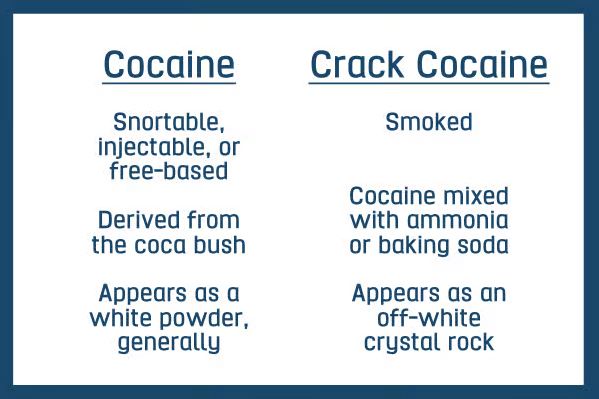
Crack cocaine is a highly unlawful and addictive drug derived from powder cocaine. It is named “crack” because of the crackling sound it makes when it is smoked.

To make crack cocaine, mix powder cocaine with baking soda or ammonia. Heat the mixture until it turns into a hard, crystal rock. The rock is then broken into small pieces that can be smoked.

Crack cocaine is a more powerful variation of cocaine than powder cocaine, which makes it more addictive and dangerous. It creates a strong, short high that can bring feelings of happiness, energy, and confidence. However, this is often followed by a big crash that can lead to sadness, anxiety, and other bad effects.

What is cocaine vs crack cocaine? Crack is similar to powdered cocaine but in a distinct form. Both are habit-forming and dangerous.

Crack cocaine can cause many health problems. These include heart issues, high blood pressure, stroke, breathing problems, and addiction. It can also cause social and financial problems. These include losing a job, having financial issues, facing legal troubles, and having strained relationships.

If you know someone struggling with addiction to crack cocaine, get help from a healthcare provider or addiction specialist.

How is Cocaine Used?

Cocaine can be used through several different methods, including:

  1. Sniffing or Snorting Cocaine: Powder cocaine is commonly snorted through the nose using a straw or rolled-up paper.
  2. Freebasing or Smoking Cocaine: Crack cocaine, a form of cocaine processed into a rock-like substance, can be smoked using a small pipe.
  3. Injecting Cocaine: Liquid cocaine can be injected directly into the bloodstream with a needle.
  4. Orally: Cocaine can be consumed by mouth, although this is a much less common way to use the drug.

Cocaine creates strong feelings of happiness and energy. These effects can last from a few minutes to over an hour, depending on how it is used.

Cocaine’s effects do not last long. They are often followed by negative side effects. These can include exhaustion, depression, anxiety, and paranoia. Physical symptoms may also occur, such as headaches, nausea, and heart palpitations.

Cocaine use can lead to addiction, overdose, and serious health problems. If you are having trouble with cocaine addiction, getting help from an expert can give you important support and treatment.

How is Cocaine Made & What is Cocaine Made Of?

Cocaine is derived from the South American coca plant’s leaves. The plant contains various alkaloids, one of which is Cocaine.

The process of making cocaine involves various steps, including:

  1. Harvesting and processing coca leaves: This means picking the leaves from the coca plant. Then, the leaves are soaked in gasoline or a similar solvent to get the alkaloids.
  2. Purifying the extracted alkaloids involves removing impurities and processing the crude extract into a purer form of cocaine.
  3. To make cocaine hydrochloride, you dissolve pure cocaine in hydrochloric acid. This creates a powder that people often snort.
  4. To make crack cocaine, mix cocaine powder with baking soda or ammonia. Heat the mixture until it forms small rocks. These rocks are then smoked.

The manufacturing process for cocaine is illegal and highly dangerous and often involves using toxic and harmful chemicals. The use of cocaine can also have serious and lasting negative effects on physical and mental health. If you or someone you know is having trouble with cocaine or any other drug addiction, get help. It’s important to talk to a professional.

Is Cocaine Addictive?

Cocaine is an addictive substance. Cocaine is a drug that makes people feel very happy and full of energy. However, these good feelings do not last long and can quickly change to bad ones. The more cocaine someone uses, the more their brain gets used to it. This can lead to physical dependence.

Using cocaine often and in larger amounts can lead to addiction. This addiction can cause physical and mental health issues. It can also lead to serious social, economic, and legal problems. Cocaine addiction can change a person’s judgment, mood, perception, and memory. This makes it hard to keep relationships, jobs, and other important parts of life.

Withdrawal symptoms such as depression, fatigue, anxiety, and irritability characterize Cocaine addiction. It’s crucial to seek professional medical help if you or someone else has developed a cocaine addiction. Treatment can include medication, therapy, counseling, and support groups. These help users beat addiction and create healthy habits. Continue reading for more about what is Cocaine, Cocaine addiction signs, and Cocaine addiction treatment options.

Street Names for Cocaine

Crack cocaine has many slang terms. These terms relate to the drug, how it is used, and the culture around it. Since drug traffickers try to keep one step ahead of police and DEA officers, new names are routinely coined.

Common slang for cocaine includes the following:

  • Crack.
  • Coke.
  • Nose Candy.
  • Speedball.
  • White Rock.
  • C or Big C.
  • Line.
  • Snow.
  • Sniff.
  • Dust.
  • Snow coke.
  • Cookies.
  • Black rock.
  • Dice.
  • Purple caps.
  • Scrabble.
  • Rocks.
  • Chemical.
  • Candy.
  • Hail.

Famous Cocaine Street Name

What is Cocaine’s famous slang name? The most famous street name for Cocaine is “Coke.” This term is widely used to refer to the drug in popular culture, media, and everyday conversation. The term is used in music, movies, and TV shows. It is often linked to parties and clubbing.

No matter what people call cocaine, it is important to know that it is a very addictive and dangerous drug. It can lead to serious health, social, and legal problems. Seeking professional medical help and support is critical for those struggling with cocaine addiction or misuse.

Common Cocaine Effects

Dangerous side effects of cocaine include the following:

  • Addiction.
  • Heart attack.
  • Stroke.
  • Respiratory failure.
  • Other serious health issues.

Cocaine’s effects on the mind and body are numerous. Here are some of the most common cocaine effects:

  1. Euphoria: Cocaine triggers the release of dopamine, a chemical in the brain that creates emotions of pleasure.
  2.  Increased energy: Cocaine is a stimulant that can cause an increase in vitality and alertness.
  3.  Decreased appetite: Cocaine can suppress appetite and lead to weight loss.
  4.  Dilated pupils: Cocaine can cause the pupils to become enlarged.
  5.  Elevated heart rate and blood pressure: Cocaine use can increase heart rate and blood pressure, leading to cardiovascular problems.
  6.  Restlessness and agitation: Cocaine can cause restlessness, tension, and anxiety.
  7.  Insomnia: Cocaine can disrupt sleep patterns and lead to insomnia.
  8.  Paranoia: Cocaine use can make people feel suspicious or paranoid.
  9.  Irritable bowel syndrome: Cocaine use can cause abdominal pain and other digestive problems.
  10.  Cocaine users may have a higher risk of getting infectious diseases. This is because they might share needles. Sharing needles can spread contagious diseases.

It’s important to remember that cocaine use can come with severe risks and negative consequences. Seeking help for cocaine addiction is essential for recovery and achieving a healthy, fulfilling life.

Cocaine Effects Dangers

Cocaine use can seriously affect an individual’s short- and long-term health and well-being. Some of the serious cocaine effects include:

  1. Cocaine is very addictive. It has a high risk of dependence. This can cause strong cravings and withdrawal symptoms. Many people find it hard to quit.
  2. Cardiovascular risks: Cocaine use increases the risk of heart attack and stroke. Cocaine use can lead to a sudden increase in blood pressure or heart rate, which can cause damage to the heart or arteries.
  3. Respiratory issues: Cocaine use can cause respiratory issues, such as difficulty breathing, shortness of breath, and chest pain.
  4. Mental health problems: Cocaine use can trigger mental health problems such as anxiety, depression, and paranoia.
  5. Overdose: Overdosing on cocaine can lead to severe medical emergencies, such as seizures, coma, and death.
  6. Cocaine use can cause serious personal, social, and financial problems. These include losing a job, facing legal issues, damaging relationships, and having money troubles.

Get medical care if you or someone you know is having problems from cocaine use. Seek professional help for addiction and recovery.

What Is Cocaine Infographic

Snorted cocaine, smoked, or injected, rapidly enters the bloodstream and penetrates the brain. The drug achieves its main rapid psychological effect, the high, by causing a buildup of the neurochemical dopamine.

What makes certain people notably vulnerable to cocaine addiction and others relatively resistant? The specific genes that increase risk for cocaine addiction remain unknown. Stress is known to increase a person’s risk of addiction. However, it is still unclear how stress causes this effect. It is also unknown why some people are affected and others are not.

What is Cocaine? Uncover cocaine's effects. Infographic: Cocaine in the Brain and Its Effects on You.
What is Cocaine? Uncover cocaine’s effects. Infographic: Cocaine in the Brain and Its Effects on You.

Skip To:

Learn More:

Top 5: How Is Cocaine Made? FAQs

  1. How to make cocaine?

    The apparent first stage in the production of cocaine is the cultivation and harvesting of the coca plant. Following drying, the leaves are steeped in a lime-containing solution.

    To assist in extracting the cocaine from the dried leaves, several different techniques are utilized. A second approach also involves steeping the mixture in acetone. The last step is to squeeze the liquid and heat it in a microwave to dry the bricks of cocaine.

  2. Is cocaine a plant?

    Cocaine is not a plant but is derived from the coca plant. Cocaine plant is used as a term to express it is produced from coca leaves.

  3. What is in cocaine?

    Cocaine powder is often mixed with corn starch, talcum powder, sugar, or other drugs. These can include procaine, which is a local anesthetic, or amphetamines.

  4. When was cocaine invented?

    Albert Niemann, a German scientist, was the first to extract cocaine from coca leaves in 1859. It wasn’t until the 1880s that it gained popularity in the medical world.

  5. Is cocaine in Coca-Cola?

    When John Pemberton added coca leaves to his new soft drink, Coca-Cola, in 1886, its popularity soared. The euphoric and invigorating effects on the user helped propel Coca-Cola’s popularity by the turn of the century.

Cocaine’s smell comes from the chemicals mixed with it. These chemicals are added to increase the amount and profit. Each chemical may have a different smell.

The odor of cocaine can vary depending on the purity and origin of the substance and the methods used to cut the drug. Cocaine can be mixed with different substances. These include baking soda, baby powder, caffeine, or other chemicals. This mixing can change its smell.

In some cases, cocaine can also have a slight chemical or medicinal odor. However, the smell of cocaine is not a reliable indicator of the drug’s purity or authenticity. It is important to be careful and get help if you or someone you know is dealing with addiction or drug abuse, like cocaine.

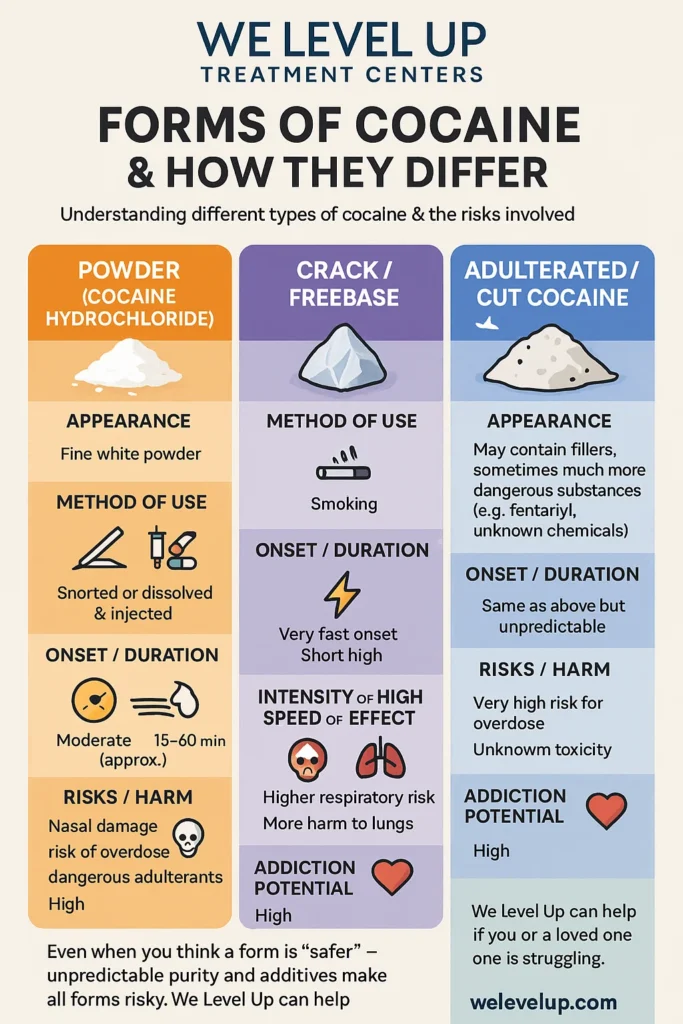
What is Cocaine: Forms of cocaine and How they differ

Why Do People Get Addicted To Cocaine?

Dopamine: Using cocaine stimulates the production of dopamine, a chemical in the human brain responsible for pleasure. Using too much cocaine will make the brain release more of this chemical. This gives the person a feeling of euphoria.

Too much exposure to this product will eventually make one want to experience that feeling. Hence the brain will prompt the need for the trigger.

Corticosterone Hormone: The stress hormone in the body makes the body vulnerable to addiction. Studies show that when a stressed person uses cocaine, high stress hormones can lead to a strong addiction. This is likely because cocaine relaxes brain function. This makes people want more of that feeling instead of feeling stressed.

Prefrontal Cortex: The brain’s control center is responsible for decision-making and self-control. Cocaine abuse affects how the prefrontal cortex works. This makes it hard for a person to see the effects of using cocaine over time. [2]

Liquid Cocaine

Liquid cocaine is a term used to describe different substances, depending on the context. Traditionally, liquid cocaine is a solution of cocaine hydrochloride, a powdered form of cocaine dissolved in liquid. In recent years, the term “liquid cocaine” has been used to describe a mix of drugs. This mix contains cocaine and other substances. These added substances create a stronger effect. These mixtures vary from vendor to vendor and can include other drugs like fentanyl or other potential health hazards.

Cocaine Addiction Symptoms

Cocaine is a stimulant, meaning it heightens alertness and energy. It influences the neuropathways in your brain, making you feel talkative, energetic, and euphoric.

Cocaine addiction can develop quickly, even after trying it only a few times. Physical dependence occurs when your body needs the substance. It can also be mental, implying that you crave the drug’s effects. Moreover, Cocaine can be consumed in a variety of ways.

Signs of Cocaine Addiction

Typical signs and symptoms of cocaine addiction include the following:

  • Drug tolerance requires considerable quantities to get high.
  • Inability to discontinue or lessen consumption.
  • Withdrawal symptoms occur when use is discontinued.
  • A desire to continue using even when health problems arise.
  • A detrimental influence on life satisfaction, relationships, and employment.
  • Spending an excessive amount of effort and money seeking cocaine.
  • Hallucinations and psychosis.
  • Anxiety or irritability.
  • Going missing during binge periods.

How Addictive Is Crack Cocaine?

Crack cocaine is highly addictive due to its powerful effects on the brain’s reward system. Crack cocaine is a strong type of cocaine that people smoke. Its effects can be felt right away, causing intense feelings of joy and pleasure.

Crack cocaine is very addictive. It quickly releases dopamine in the brain. This leads to strong feelings of pleasure and encourages people to use the drug again. This creates a strong cycle of addiction. Users keep taking the drug to feel the rush of dopamine. They also want to avoid withdrawal symptoms when the drug is not available.

Crack cocaine addiction can have severe consequences for both physical and mental health. Long-term use can lead to brain damage, heart disease, stroke, respiratory problems, and other serious health issues. It can also lead to social and financial problems, including job loss, financial difficulties, legal issues, and strained relationships.

Treatment for crack cocaine addiction may include behavioral therapies and pharmacological interventions, and may involve a combination of approaches. The earlier an individual receives treatment for addiction, the greater their chances of successful recovery.

What Does Cocaine Look Like?

What does cocaine look like? Cocaine typically appears as a white, crystalline powder. Its texture can range from fine and powdery to slightly chunky.

Maybe you are concerned that your loved one is abusing cocaine, but don’t know what to look for. Most often found in white powder form, cocaine may be cut with any other ingredients, some more harmful than others. Freebase cocaine or crack may look like small rocks that are a whitish color.

Cocaine can also come in different forms and colors depending on how it has been processed or cut with other substances. For example, when found as “crack” cocaine, it is usually off-white or beige. It appears in small rocks or crystals.

Cocaine bought on the street is often mixed with other substances. These can include baking soda or other chemicals. This is done to increase the dealer’s profits. The purity and look of cocaine can change a lot. It may also be mixed with other harmful chemicals that can be dangerous to users.

Cocaine can look different, and you should never assume a substance is pure or safe to use. Cocaine is an illegal drug, and its use can lead to serious health consequences, addiction, and legal problems. If you suspect someone is using cocaine or any other substance. In that case, it is important to get help from a doctor or addiction expert. They can offer support and guidance.

Why Is Cocaine Addictive?

Is cocaine highly addictive? Yes. Cocaine is a strong and addictive drug. Its “high” comes mainly from how it affects dopamine in the brain. It is a white powder commonly snorted, smoked, and injected.

Its popularity as a recreational drug is partly because it is thought to improve mood and energy. It can boost concentration, increase sociability, and reduce shyness, among other effects. Cocaine is a drug obtained from the South American coca plant leaves.

The NIDA (National Institute on Drug Abuse) reported that about 15% of people in the US have tried cocaine. It’s highly addictive, and recreational use is illegal in the US. Cocaine use can raise the risk of serious health problems. These include stroke, seizures, and damage to multiple organs.

Moreover, the need to take this deadly substance frequently leads cocaine addicts to utilize excessive amounts of cocaine. However, once the drug begins to leave the system, users may experience unpleasant reactions, including anxiety, confusion, irritability, and agitation. These adverse effects may lead to the regular use of cocaine to avoid the negative symptoms. This may lead to tolerance. People may need to use it more often and in higher amounts. This is to get the same positive effects and to reduce the harmful effects of withdrawal.

How To Overcome Cocaine Addiction?

When a person uses cocaine for a long time, it can affect their nervous system and brain. This can lead to problems with memory, enjoyment, and decision-making. As these brain processes deteriorate, cocaine detox becomes more challenging since the individual may become incapable of making informed judgments.

Several styles of psychosocial treatments for cocaine use disorder have proven effective. Group counseling and individual drug counseling are the most common therapies. Cognitive behavioral therapy (CBT) and motivational interviewing have also been sufficient. Finding an accredited cocaine addiction treatment center is the best option to ensure complete levels of care, including detoxification, therapies, and aftercare programs for relapse prevention.

Treatment for Cocaine Addiction

Cocaine addiction is a multifaceted illness having physical, mental, social, environmental, and family components. Many cocaine addiction treatments are available for people with a cocaine use disorder. These may be delivered in inpatient facilities, which accommodate the patient for the duration of their treatment. There are many treatment options and rehab centers for people who want to recover from cocaine addiction. Treatment can occur in an inpatient or residential rehab, providing room and board, round-the-clock supervision, and support.

Cocaine Drug Facts

Common Cocaine Street Names include: Coke, Coca, Crack, C, Blow, Rock, Snow, Flake, Soda Cot. Cocaine’s base form is called freebase or “crack”.

What is Cocaine?

Cocaine is an illegal, highly addictive drug from the coca plant in South America. It has a powerful effect on the central nervous system, resulting in euphoria, confidence, and alertness.

Cocaine is popular as a recreational substance for its short-term high. But this comes at a great cost. Long-term cocaine use can cause serious physical and mental health problems. These include addiction, stroke, and breathing issues. It can also harm organs due to long exposure to this dangerous drug.

What Is Cocaine Addiction?

Cocaine accelerates your whole body. You may feel energized, cheerful, and eager. Nonetheless, your mood might shift. You may get agitated, apprehensive, and fearful that someone is trying to contact you.

You could do things that don’t make sense. As the cocaine “high” wears off, you may “crash” and feel weary and unhappy for days. You also strongly desire to use the drug again to feel better.

Cocaine is harmful no matter how it is consumed. Strokes and heart attacks are two of the most prevalent significant disorders from cocaine effects. Sharing needles or having unsafe sex puts you at risk for HIV/AIDS and hepatitis. When taken with other drugs or alcohol, cocaine effects become more harmful.

Cocaine Addiction and the Brain

Repeated exposure to psychostimulant drugs such as cocaine has produced significant neuroadaptations in structure and function throughout the brain.

Cocaine users are frequently characterized as suffering from various cognitive impairments and affective dysfunction. Cognitively, these may include deficits in decision-making, abstract reasoning, and nonverbal problem-solving. Regarding affective dysfunction, cocaine users have a high incidence of depressive disorders, attention deficit disorders, and other psychopathologies. [3]

What is Crack Cocaine?

Crack cocaine is an incredibly addictive and harmful drug that should be avoided completely. This powerful stimulant is made by processing cocaine into a rock-like form and then smoked or injected for an intense high.

Crack cocaine has many short-term effects. These include increased energy, alertness, euphoria, and paranoia. However, using it for a long time can cause serious physical and mental health problems.

Crack cocaine poses a serious danger of overdose which can quickly become life-threatening. There are no safe levels of crack cocaine use. The only way to avoid risks is not to use it at all.

Crack vs Cocaine

What is Cocaine? It comes in the form of a white powder. The powder can be snorted up the nose or injected with a needle after being combined with water. Cocaine can also be processed into little white rocks, known as crack cocaine. A little glass pipe is used to smoke crack.

Crack Cocaine Addictions

Cocaine has the same physical and mental effects, whether it is cocaine hydrochloride or crack cocaine.

There is evidence that smoking or injecting cocaine leads to more abuse and dependence. It also causes more severe consequences than using it through the nose. [4]

Cocaine Addicts Before and After

The PET scans below contrast a person’s brain with and without a history of cocaine use disorder (middle and right) (left). A person with a cocaine problem has lower levels of the D2 dopamine receptor. This is in comparison to someone who does not use cocaine. This is seen in the striatum after one month (middle) and four months (right).

The number of dopamine receptors in a cocaine user’s brain is higher at four months. However, it has not returned to the levels seen in non-users. [5]

If you recognize the following cocaine addict symptoms and behaviors in yourself, this may suggest that you have developed a cocaine abuse:

Psychological Signs of Addiction to Cocaine

  • Deficient decision-making abilities.
  • Turmoil.
  • Psychosis.
  • A brief state of euphoria.
  • A sudden overabundance of confidence.
  • Depression, mood swings, and irritability.
  • Jitteriness.

Physical Symptoms of Cocaine Addiction

  • Elevated body temperature.
  • High blood pressure.
  • Persistent nosebleeds.
  • Excessive perspiration.
  • Loss of appetite.
  • Bursts of energy.
  • Reduced need for sleep or insomnia.
  • Liver and kidney damage.
  • Stroke.
  • Cognitive impairment.
  • Heart attack.

Cocaine Addiction Signs

  • You are taking more and more of the drug to feel the desired effect.
  • When you stop using cocaine or reduce your dosage, you feel agitated, restless, and depressed.
  • You cannot cut down or control how much you take, even if you try to.
  • You’re spending much time thinking about and trying to get cocaine.
  • You’re disregarding your family and friends and working in favor of taking cocaine.
  • You know the damage it does to you, but you can’t stop taking it.

Behavioral Signs of a Cocaine Addiction

  • Behaving impulsively or with increased energy.
  • Trying to borrow or steal money.
  • Being deceitful about your whereabouts, associates, and activities.
  • Being incapable of curtailing your cocaine misuse.
  • Excessive viewing of porn.
  • Doing reckless, risky conduct and engaging with prostitutes/escorts.

Cocaine Eyes

What is cocaine eye? Cocaine eyes, also known as cocaine pupils, refer to the appearance of the pupils after consuming cocaine. Cocaine dilates the pupils, but certain common medicines pinpoint them (make them look smaller) (makes them appear more prominent). Because cocaine is a stimulant, it causes a tremendous amount of brain chemicals and endorphins to be released. The user’s eyes react by dilation, resulting in what is known as cocaine eyes.

When the pupils dilate, they become light-sensitive. As a result, wearing sunglasses while the sun isn’t shining might indicate cocaine usage. It will be helpful to watch for the employment of sunglasses in unusual settings.

What Is Cocaine Nose?

Cocaine abusers often inhale powdered cocaine into their noses, where it enters their bloodstream. Snorting cocaine, on the other hand, causes nasal damage. This damage and the issues it causes are sometimes called “cocaine nose” or “coke nose.”

Cocaine and its additions or impurities might cause nasal discomfort in the short term. This promotes increased mucus production, resulting in stuffiness and a runny nose. When cocaine is used for a long time, it can cause blood vessels in the nose to tighten. This can lead to poor blood flow to the nose, which may result in injury. Most nasal damage induced by long-term cocaine usage is due to reduced circulation.

Cocaines Drug Pictures

Below are the images taken by the DEA (Drug Enforcement Administration) publicly made available for cocaine addiction awareness. The effects of illegal cocaine use are widespread. It causes lasting physical and mental harm to individuals. It also affects their families, coworkers, and many others they interact with. Cocaine addiction negatively impacts a user’s health, often leading to sickness and disease. Users often die prematurely from drug overdoses or other drug-associated illnesses.

Ryan Zofay forming a circle and hugging friends.

Get Your Life Back

Find Hope & Recovery. Get Safe Comfortable Detox, Addiction Rehab & Dual Diagnosis Trused Care.

7/365 Line (844) 597-1011

Cocaine Statistics

Cocaine use causes tens of thousands of emergency department (ED) visits and hundreds of casualties annually. While cocaine use is coincident in most cases (trauma, psychiatric, or infections), cocaine poisoning accounts for numerous visits. Cocaine poisoning can cause serious problems. It affects the central nervous system, leading to agitation, seizures, and psychosis. It can also harm the heart, causing irregular heartbeats, heart attacks, and heart failure.


2.2 Million

In the US, approximately 2.2 million are frequent users of cocaine.

Source: NCBI (National Center for Biotechnology Information)

1 Million

In 2018, 1 million individuals had cocaine use disorder.

Source: NCBI (National Center for Biotechnology Information)

24,538

NCHS (National Center for Health Statistics) releases recorded and forecasted provisional overdose death counts monthly. In 2020, cocaine overdose deaths reached 24,538.

Source: CDC (Centers for Disease Control and Prevention publication)


Top 5 Cocaine Studies with Insights

Here’s a patient-friendly chart of the top five cocaine studies/guidelines.

Below is a curated, practical list of authoritative cocaine studies and guidance you can cite in clinical copy, program pages, or treatment guides. Each row distills what the evidence implies for treatment and turns it into actionable tips for care teams and admissions scripts. Sources were chosen for recency, rigor, and relevance to integrated treatment.


StudyTreatment ImplicationsInsights for Patients
JAMA Meta‑analysis (2021)
157 trials, 15,842 people

View Study
Focus on contingency management as the core of treatment. Behavioral therapies with incentives work better than meds alone.Incentives for clean days can help stay motivated. Other treatments may not show fast effects, but support still helps.
Systematic Review (2024)
Predictors of better outcomes
View Resource
Start treatment early. Address cravings & withdrawal directly. Tailor programs based on how cocaine is used.Early action improves chances. Even small progress, like reduced craving = is success. Users of crack/injection need more support.
Cocaine Continuing Care Trials
445 people, 12–24 months follow-up
Read Article
Harm reduction is valid: programs can aim for less use, not just no use. Continuing care helps maintain progress.If quitting completely is hard, cutting down is still worthwhile. Ongoing support improves long-term outcomes.
Penn / Science Advances (2024)
Animal model study
Read Study
GLP‑1 could be a future medication target. Current treatments don’t yet use it, but research is progressing.Cocaine changes the brain; it’s not just about willpower. Future meds may support recovery better.
Frontiers in Psychiatry (2024)
Patient perspectives study
Read Review
Design patient-centered treatments. Don’t focus only on abstinence—consider mental health, lifestyle, and family.You’re allowed to want comfort, dignity, and holistic help—not just to stop using. Recovery isn’t one-size-fits-all.

How To Treat Cocaine Addiction?

  • Treatment Facilities – Residential rehab programs work to cover all facets of substance use disorder. These programs might run anything from a few weeks to a year. These frequently involve support groups, vocational rehabilitation, or counselling.
  • Behavior Treatment – It delivers promising results for helping people through cocaine addiction. Contingency management (CM) and cognitive-behavioral therapy are two behavioral treatments linked with effective cocaine cessation (CBT).
    • There is no specific prescription for cocaine addiction. Some medications, like antidepressants, can help with cocaine addiction for other reasons.
  • Alternative Therapies – Exercise, hypnosis, acupuncture, and herbs are some other resolutions to assist in overcoming cocaine addiction. However, further study is needed to evaluate the usefulness of these strategies in treating cocaine addiction.

How Is Cocaine Used?

Cocaine is often administered orally, intranasally, intravenously, or by inhalation. Snorting the drug means inhaling cocaine powder through the nose. The powder is absorbed into the bloodstream through the nasal lining.

People may also apply the drug to their gums (oral use). Cocaine dissolved in water and injected (intravenous usage) delivers the drug straight into circulation, intensifying its effects.

When smokers use cocaine by inhaling, they breathe in its vapor or smoke. This goes into their lungs and enters the bloodstream quickly, just like when it is injected. This quick euphoric impact was one of the reasons crack became so popular in the mid-1980s.

Pink Cocaine

The name “pink cocaine” is a misnomer because it bears no chemical resemblance to cocaine produced from plants. Pink Coke is a mix of ketamine, MDMA, strawberry flavouring, and pink food colouring. It is causing chaos among drug users and the police. Even though “pink cocaine” contains no natural cocaine, its toxic pharmacological combination can be considerably more lethal.

Pink cocaine is a synthetic illicit substance called mephedrone, 4-MMC, or 2C-B. It is usually snorted or ingested as a powder, and it can create hallucinations, anxiety, and restlessness. Its usage should be avoided because it might be harmful if misused.

Get Help. Get Better. Get Your Life Back.

Searching for Accredited Drug and Alcohol Rehab Centers Near You?

Even if you have failed previously and relapsed, or are in the middle of a difficult crisis, we stand ready to support you. Our trusted behavioral health specialists will not give up on you. When you feel ready or just want someone to speak to about therapy alternatives to change your life call us. Even if we cannot assist you, we will lead you to wherever you can get support. There is no obligation. Call our hotline today.

(844) 597-1011

Top 10 “Can You Get Addicted To Cocaine?” FAQs

  1. Is cocaine physically addictive?

    Is cocaine an addictive drug? Yes. An extreme craving is the most typical indication of physical addiction. The physical signs of cocaine addiction worsen as the addiction advances. Exhaustion, pains, and progressively severe headaches are common in the early stages. The addict should anticipate feeling a lack of appetite, physical sickness, and diarrhea. Addiction is also associated with severe hot flashes, feeling chilly, uncontrollable sweating, and shaking.

  2. How long does it take to get addicted to cocaine?

    Your genes, medical history, mental health, environment, and how you use drugs can all affect your risk of drug abuse. Crack cocaine, for example, can be more addictive than powdered cocaine. Smoking or injecting cocaine puts the drug into your bloodstream faster. This makes it work quickly and increases your risk of addiction.

  3. How addictive is cocaine?

    Cocaine dependency is a neurological disease that arises when withdrawal symptoms appear after discontinuing cocaine use. When people develop a physical reliance on a substance, they are likely to experience withdrawal symptoms when they stop using it.

  4. What makes cocaine addictive?

    Cocaine is a highly habit-forming and dangerous stimulant substance that is often inhaled as a white powder. Cocaine can have many effects and create a strong ‘high.’ This can make people want to use it repeatedly, leading to a dangerous addiction.

  5. Why is crack more addictive than cocaine?

    Both crack and cocaine pose a significant danger of addiction for those who use them. Both medicines affect the brain’s ability to make neurotransmitters like dopamine. This fills the body with excitement and pleasure. Once addicted, the brain cannot manufacture this molecule on its own. Cocaine, in any form, fills the brain with an abnormally large amount of dopamine. Those who utilize it might soon become accustomed to this sensation and seek it out even by harmful means, such as drug misuse.

  6. How many people are addicted to cocaine?

    In 2018, 1 million individuals had cocaine use disorder.

  7. How to beat cocaine addiction?

    When loved ones struggle with cocaine, they might not see the problem. They may not know they need therapy and might refuse to get help. Families may need to work hard to persuade loved ones that service is necessary to turn things around. Cocaine can disrupt how people’s brains work. This makes it difficult for them to see that change is important. Change is essential for their mental and physical health. It also benefits the well-being of others.

  8. How to stop cocaine addiction?

    Detecting and identifying the indicators of cocaine addiction and problem drug consumption is essential for determining when to seek treatment.

  9. What is cocain?

    While “what is cocain” is a common search term for “what is cocaine?”, the correct spelling of the drug is cocaine. It’s also the same for “How long does cocain stay in your system?” “Cocain” spelled correctly as cocaine, is a powerful and highly addictive stimulant drug derived from the coca plant native to South America. The drug is commonly used as a recreational substance for its euphoric and stimulating effects. The powder state of Cocaine is frequently snorted or dissolved in water, while the solid form of cocaine, also known as “crack,” is smoked.

  10. What is the cocaine super cartel?

    The US Intelligence Community usually believes the Sinaloa Cartel to be the world’s largest and most powerful drug trafficking organization, making it potentially more influential and competent than Pablo Escobar’s famed Medelln Cartel of Colombia was at its height. Meanwhile, Europol’s high-value targets had banded together to establish what was described as a “super cartel,” which controlled around one-third of Europe’s cocaine traffic.

In-depth Effects of Cocaine

How addictive is cocaine? Cocaine provides stimulating effects on the body for a brief period. It raises the concentration of the brain’s naturally occurring dopamine neurotransmitter. This produces sensations of joy and fulfillment.

Cocaine increases dopamine levels, causing the user to feel euphoric. Cocaine inhibits the uptake of dopamine and other neurotransmitters, such as norepinephrine and serotonin, into nerve cells. This permits many neurotransmitters to concentrate and excite the nerve cells around them.

What is cocaine? It is a stimulant that increases the sensation of euphoria. Cocaine can also reduce your urge to sleep and eat. Several people claim that cocaine helps them think and complete activities faster. Many cocaine users come to seek the sensations that cocaine produces.

Cocaine usage might lead to a more substantial tolerance to the substance. With a high tolerance, it takes more cocaine to feel its effects. This may lead to increased usage, potentially harming your mental and physical health.

The psychological effects of cocaine addiction include the following cocaine addict behavior:

  • Paranoia.
  • Panic.
  • Hallucinations.
  • Aggression.
  • Irritability.
  • Anxiety.
  • Depression.
  • Impaired judgment.
  • Repetitive or abnormal behaviors.

The physical effects of cocaine use disorder include the following:

  • Increased heart rate.
  • Abdominal pain.
  • Stroke.
  • Unhealthy weight loss.
  • Headaches.
  • Heart attack.
  • Nausea.
  • Heart arrhythmia.
  • Chest pain.
  • Seizure.

Cocaine use and addiction are also linked with medical conditions that include the following:

  • Respiratory diseases.
  • Weakened immune system.
  • Hepatitis.
  • Gangrene of the bowels.

How Long Does Cocaine Last?

Cocaine effects may quickly establish a strong addiction in certain users, making it difficult to experiment with the substance. Under research posted in the Journal of Psychopharmacology, Cocaine users prefer the drug over meals.

This strong addiction frequently makes quitting without aid complex since persons affected continue to use it despite the apparent adverse side effects. Crack is considered more addictive than cocaine because it wears off quickly.

How long do cocaine stay in your system? Cocaine is known to interact immediately with the bodily system, producing pleasure lasting anywhere from 15 minutes to an hour. The manner of consumption influences these effects. When cocaine is smoked, the influence is noticed after around 30 minutes, but an intravenous injection takes approximately five minutes.

Embed the below “Several Test Methods To See If Cocaine Is Present In A Person’s System” Infographic to your Website. This cocaine drug tests infographic is provided by the We Level Up addiction treatment center team. To use the above infographics, you agree to link back and attribute its source and owner at https://welevelup.com/addiction/cocaine/

First-class Facilities & Amenities

Trusted Integrated Addiction & Mental Health Rehabilitation Treatment

Rehab Centers Tour

Established Addiction Centers. Serene Private Facilities. Inpatient rehab programs vary.

Addiction Helpline (844) 597-1011

Comprehensive recovery success experience, backed by a Team w/ History of:

15+

Years of Unified Experience

100s

5-Star Reviews Across Our Centers

10K

Recovery Success Stories Across Our Network

  • Low Patient to Therapist Ratio
  • Onsite Medical Detox Center
  • Comprehensive Dual-Diagnosis Treatment
  • Complimentary Family & Alumni Programs
  • Alumni Coaching, Recovery & Personal Development Events

How Long Does Cocaine Stay In Urine?

How long does cocaine stay in your blood and urine? In general, cocaine or its metabolites will continue to appear on a urine test two to four days after the last use. Yet, some conditions might influence the duration. Repeat or continuous drug usage is one of these causes. If you or someone you’re concerned with is a severe cocaine user, the substance might last considerably longer in your urine. Even up to two weeks after using cocaine, a positive pee test is achievable.

The most frequent screening procedure is a urine test. Those suspected of taking cocaine are requested to urinate into a cup. The obtained sample is subsequently submitted to a lab to be tested for benzoylecgonine, the primary metabolite of cocaine.

Embed the below “What is Cocaine’s Drug Testing Duration” Infographic on your Website. This infographic is provided by the We Level Up addiction treatment center team. To use the above infographics, you agree to link back and attribute their source and owner at https://welevelup.com/addiction/cocaine/

Cocaine Classification and Chance of Addiction

Cocaine stimulant affects neurological systems in your brain. Cocaine use can alter pleasure, memory, and decision-making systems. When someone is addicted, their capacity to resist desires deteriorates, making quitting more difficult.

All stimulants increase dopamine, norepinephrine, and extracellular serotonin concentrations. Stimulant medicines can prevent these neurotransmitters from being transported.

Repeated cocaine effects exposure causes neuroadaptation. Sensitization (increased drug reaction) and tolerance are examples of this (decreased drug response). With only a few uses, physical resistance to the effects of cocaine might develop. As a result, more and more drug is required to get the same effect.

Risks for Cocaine Addiction

Everybody who consumes cocaine runs the danger of developing an addiction. The following factors enhance your chances of developing a cocaine addiction:

  • There is a family history of cocaine or other drug addiction.
  • Alcohol or other substance addiction.
  • Depression is an example of a mental disease that can make someone vulnerable to drug use.
What is cocaine addiction? The intense cravings and mental dependency that cocaine users develop mean that discontinuing use requires a medical detox. 

Effects of Cocaine Withdrawal

Cocaine withdrawal symptoms may be excruciatingly painful. This might result in a strong urge to use the substance again. Even after the withdrawal symptoms have faded, unexpected cravings are typical.

Friends, family, treatment institutions, and others recovering from addiction can all assist you in getting through this stage. We Level Up offers resources and a community for people recovering from cocaine addiction.

When addicted people cease taking cocaine, they experience an initial slump known as withdrawal. Because of cravings and unpleasant side effects, withdrawal can be strong and challenging. Effects of cocaine withdrawal include the following:

  • Hostility.
  • Anxiety.
  • Fatigue.
  • Paranoia.
  • Sleep disturbances.
  • Depression.
  • Agitation.

Cocaine addiction is a complicated disease that needs therapy. Cocaine addiction has a negative influence on both your mental and physical health and can lead to death.

If you or a loved one you’re concerned is addicted to cocaine, get help from an accredited addiction treatment provider or someone you trust to explore treatment options and find alternative support.

It affects the central nervous system. Cocaine, like other stimulants, increases energy levels. That boosts your alertness, leaving you feeling a “high” from the drug. Other common, short-term effects of cocaine include:

  • A feeling of “jitters” or restlessness.
  • Irritability.
  • Appetite suppression.
  • A brief period of extreme satisfaction or pleasure.

Long-Term Effects of Using Cocaine

Most cocaine’s short-term adverse effects go off within a day or two. Long-term negative effects, on the other hand, can be permanent. Long-term cocaine side effects can also be an indicator of brain damage.

A doctor can diagnose cocaine addiction. If you contact your doctor about your cocaine use, they will first ask about your lifestyle, habits, consumption, and dosage. To obtain the best therapy, you must be open and honest.

A medical emergency, such as a seizure or stroke, may encourage a doctor to discuss the likelihood of cocaine addiction with you if you also have other symptoms. Your doctor may use a drug test to confirm cocaine use.

A urine drug test for cocaine may only be positive for around four days after the previous usage. Yet, the more cocaine you consume, the more it builds up in your body and takes longer to process.

Cocaine can also have long-term adverse effects, primarily when used repeatedly. Long-term effects of cocaine use include the following:

  • Headaches.
  • Very rapid weight reduction.
  • Olfactory function is lost.
  • The mood changes.
  • Seizures.
  • Parkinson’s disease is one example of a movement issue.
  • Extreme paranoia.
  • Hallucinations of hearing.
  • Heartbeat irregularity.
  • Overdoes cause death.

Cocaine Overdose

A cocaine overdose occurs when someone takes too much of the drug, resulting in severe and potentially life-threatening symptoms. Symptoms of a cocaine overdose can vary depending on the amount of the drug taken and the individual’s sensitivity to it.

What is cocaine addiction treatment? Because no medications have been approved for treating cocaine use disorder, psychosocial treatment is currently the standard treatment.

If someone is experiencing a cocaine overdose, it is essential to seek immediate medical attention. Call for an ambulance or transport the individual to the closest hospital. While awaiting medical aid, make the person feel calm so they can be still. If unconscious, check their breathing and pulse and start CPR if necessary. Common symptoms of a cocaine overdose include the following:

  • Irregular or rapid heartbeat.
  • High blood pressure.
  • Chest pain.
  • Difficulty breathing.
  • Seizures.
  • Agitation or restlessness.
  • Confusion.
  • Hallucinations.
  • Nausea and vomiting.
  • Sweating and fever.
  • Tremors or muscle spasms.
  • Coma or loss of consciousness.

Preventing a cocaine overdose involves avoiding the drug altogether or seeking professional help if you have an addiction. If you or someone you’re concerned with is struggling with cocaine addiction, seek help from a qualified healthcare professional or addiction treatment center. They can provide support and resources to help overcome addiction and prevent future overdoses.

Cocaine Addiction Treatment Near Me

If a health event prompts your visit to your doctor, they’ll recommend cocaine addiction recovery treatment options and help manage your withdrawal once you’re stable.

To diagnose a cocaine addiction, your doctor will discuss your current usage and health history. And they will try to determine the degree of your dependence and other mental health issues and suggest dual-diagnosis treatment options. A user who wants treatment will need to commit to stopping.

Cocaine addiction, like many others, may be daunting to face alone. An addict must get the proper therapy that addresses their addiction personally and securely. At We Level Up, we work hard to build an atmosphere and uphold care standards for every client’s victory.

To begin our cocaine addiction treatment program, don’t hesitate to contact us. Please call We Level Up immediately to learn how our detox and addiction treatment program will help you overcome your cocaine addiction.

The We Level Up Cocaine addiction detox treatment centers provide world-class care with round-the-clock medical professionals to help you cope. All work as a team providing substance use disorder treatment for successful cocaine addiction recovery. Get better, feel better, and begin your journey to recovery. This is your opportunity to reclaim your life.

Whether seeking help from a cocaine addiction Orlando center or different states, We Level Up is ready to help. Call We Level Up today to talk with one of our therapy advocates. Your call is confidential without any obligation.

What is Cocaine’s Addiction Treatment Like?

What is cocaine's best addiction treatment? Are you searching for "cocaine addiction help near me?" or a cocaine addiction hotline to contact now? Perhaps you are looking for cocaine addiction meetings and cocaine addicts anonymous to join. Contact We Level Up for the right resources for recovering from cocaine addiction.
What is cocaine’s best addiction treatment? Are you searching for “cocaine addiction help near me?” or a cocaine addiction hotline to contact now? Perhaps you are looking for cocaine addiction meetings and cocaine addicts anonymous to join. Contact We Level Up for the right resources for recovering from cocaine addiction.

Specialized, Accredited, 5-Star Reviewed, Evidence-based Addiction & Mental Health Programs. Complete Behavioral Health Inpatient Rehab, Detox plus Co-occuring Disorders Therapy.

CALL(844) 597-1011

End the Addiction Pain. End the Emotional Rollercoaster. Get Your Life Back. Start Drug, Alcohol & Dual Diagnosis Mental Health Treatment Now. Get Free, No-obligation Guidance by Substance Abuse Specialists Who Understand Addiction & Mental Health Recovery & Know How to Help.

Top 10 “Why Is Cocaine So Addictive?” FAQs

  1. Is cocaine addicting?

    How is cocaine addictive? Cocaine is very addictive for a variety of reasons. Cocaine activates the pleasure regions of the brain, causing dopamine to be released. Positive reinforcement is produced through exhilaration, enthusiasm, and attentiveness. Cocaine’s powerful yet fleeting high is another factor, as it can instantly lead to increased use.

  2. Is cocaine chemically addictive?

    Cocaine consumption provides pleasurable sensations. Cocaine effects, in a way, “rewires” the brain by influencing the creation of neurotransmitters or chemical messengers in the brain. Dopamine, for example, is carried by these chemical messengers. Dopamine is also released when you have sex and engage in enjoyable activities such as listening to music or exercising.

  3. Is crack cocaine addictive?

    When establishing psychological dependence, crack cocaine is one of the most potent illicit drugs. It activates major pleasure areas in the brain, resulting in tremendous euphoria. Because the substance is smoked and enters the bloodstream quickly, compulsive crack usage develops soon after the individual uses it. Tolerance develops fast, and the addict quickly loses the ability to attain the same high from the same amount of crack cocaine as before.

  4. What causes cocaine to be so addictive?

    Cocaine effects, along with methamphetamine, produce the most psychological dependency on any substance. It activates major pleasure areas in the brain, resulting in tremendous euphoria. Tolerance to cocaine develops fast—the addict quickly loses the ability to attain the same high from the same quantity of cocaine as before.

  5. How to help a cocaine addict?

    While you may aid a cocaine addict somewhat, they will probably require professional rehab to overcome their reliance. You may offer to arrange an appointment for them to see their Physician on their behalf and then accompany them for emotional support to discuss alternatives and future actions. Instead, you may contact We Level Up to learn more about the cocaine addiction therapy available at our rehab centers.

  6. Am I addicted to cocaine?

    Can you be addicted to cocaine effects? If you’ve ever wondered, “Am I addicted to cocaine?” ‘odds are you’ve already realized you have a problem. When you use cocaine, you will feel a brief but strong high lasting anywhere from 5 to 30 minutes. The pleasure felt might cause people to want to use cocaine repeatedly until they develop a tolerance.

    At this point, more significant doses of cocaine are required more frequently to provide the desired benefits. This is how you develop a cocaine addiction. Many famous cocaine addicts and cocaine addiction movies portray how cocaine can destroy someone quickly. But the time you can say, “Im not addicted to cocaine,” is the most significant in this addiction struggle.

  7. Is nicotine more addictive than cocaine?

    Nicotine is as habit-forming as cocaine and heroin, if not more so. Many smokers acquire nicotine dependency, making quitting all the more difficult. In reality, 70% of smokers say they want to stop, but many put it off until they acquire a severe tobacco-related condition, such as heart disease, cancer, or stroke.

  8. Is sugar more addictive than cocaine?

    Is sugar as addictive as cocaine? Consuming sugar produces effects similar to cocaine, modifying mood, probably through its ability to induce reward and pleasure, leading to seeking sugar. Mice studies show that sweetness is preferred over cocaine, and mice can experience sugar withdrawal.

  9. Where does cocaine come from?

    What is cocaine? Cocaine is a highly addictive stimulant. People in South America have chewed and swallowed Coca leaves, the plant the drug is made from, for thousands of years for its stimulant effects. Cocaine hydrochloride, a refined chemical, was extracted from the plant over 100 years ago.

    Purified cocaine was the principal active component in numerous tonics and elixirs produced in the early 1900s to treat various ailments. Surgeons used cocaine to dull pain before the discovery of synthetic local anesthetics. Yet, research has revealed that cocaine is a highly addictive chemical that, when taken frequently, can change brain structure and function.

  10. Is cocaine an opioid?

    No. Cocaine is a stimulant that speeds up the messages between the brain and the rest of the body. Opioids are mainly utilized for pain relief and anesthesia.

How Long Does Cocaine Stay in Your Urine, System, Hair & Blood? Video 24/7 Helpline (561) 678-0917

Are you wondering how long cocaine can be tested for or what is Cocaine, to begin with? Let’s begin exploring the facts about cocaine testing and more about this topic. When someone must submit to a drug test, they may be concerned about how long cocaine stays in urine or their system. While the duration of cocaine in urine can vary, a good range is often up to 4 days. Cocaine is a central nervous system stimulant primarily abused for its euphoric effects in recreational settings.

So, what is cocaine? Also called coke, the drug is used to get high by millions of people and is tested in most drug test panels. Let’s get to it: how long does cocaine stay in your system, and how long does cocaine stay in urine? The ability of cocaine to be detected in urine, blood, and saliva drug tests will vary depending on several variables. Cocaine and its metabolites typically remain detectable in the body for 3 to 4 days after the last use and up to 2 days after that in blood or saliva. However, the testing window for the cocaine metabolites that Urine cocaine drug tests can detect is up to 4 days.

Wondering what is Cocaine’s half-life? The half-life of cocaine is the amount of time it takes for the body to eliminate half of a dose. What is cocaine half-life? Cocaine has a half-life of six hours in the urine or blood and one to one and a half months in hair, on average. The half-life of cocaine is shortened when it is smoked, slightly prolonged when injected, and longest when snorted. The metabolites of cocaine, however, have a longer half-life. The metabolite is a by-product of cocaine, and its half-life can double to 12 hours when testing for cocaine alone.

Experience Transformative Recovery at We Level Up Treatment Centers.

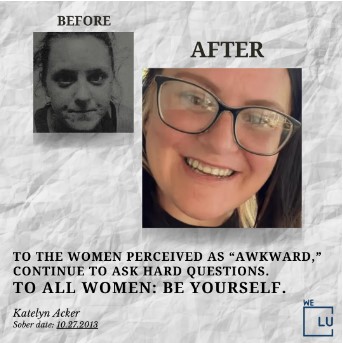
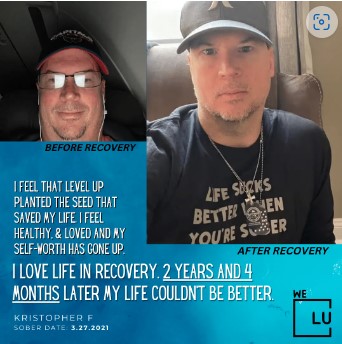
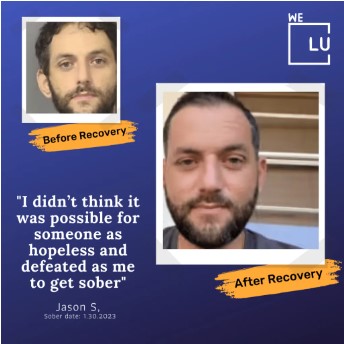
See our authentic success stories. Get inspired. Get the help you deserve.
We Level Up Treatment Centers for Drug Alcohol Rehab Detox Behavioral Mental Health Dual Diagnosis TherapyWe Level Up Treatment Centers for Drug Alcohol Rehab Detox Behavioral Mental Health Dual Diagnosis TherapyWe Level Up Treatment Centers for Drug Alcohol Rehab Detox Behavioral Mental Health Dual Diagnosis Therapy

Hotline (844) 597-1011
Voluntarily testimonials from the We Level Up Treatment Center network vary. Not intended as a guaranteed treatment or outcome as each person's journey is unique.

Start a New Life

Begin with a free call to an addiction & behavioral health treatment advisor. Learn more about our dual-diagnosis programs. The We Level Up Treatment Center Network delivers recovery programs that vary by each treatment facility. Call to learn more.

  • Personalized Care
  • Caring Accountable Staff
  • World-class Amenities
  • Licensed & Accredited
  • Renowned w/ 100s 5-Star Reviews

We’ll Call You


What Is Cocaine Video

The leaves of the South American native coca plant are used to make cocaine, a highly addictive and potent stimulant. Because of the drug’s euphoric and energizing effects, it is taken recreationally. Cocaine comes in a variety of forms, including as powder (commonly called Coke) and crack cocaine, which is a rock crystal form.

What Is Cocaine? Video Transcript

Welcome to the We Level Up treatment center video series. In today’s video we will discuss

What Is Cocaine?

Cocaine use continues to be a severe worldwide public health problem. Cocaine addiction is associated with substantial morbidity and mortality. Cocaine overdose deaths are increasing in the US and, in certain populations, outnumber heroin and opiate overdose deaths.

Cocaine is a highly addictive powerful stimulant derived from the coca plant leaves native to South America. The drug is used recreationally for its euphoric and energizing effects. Cocaine can be found in different forms, including powder (also known as Coke) and Crack Cocaine, a rock crystal form.

Cocaine has an increased prospect for abuse and is an FDA Schedule II drug. However, the potent drug can serve some legitimate medical purposes, but drug dealers often sell Cocaine diluted to maximize their profits. Cocaine drug dealers frequently “cut the Cocaine” with fillers and mix in other drugs like procaine or amphetamine. To make matters worse, some users even combine Cocaine with Heroin for extra stimulation and danger.

What is Crack Cocaine?
Crack cocaine is a highly unlawful and addictive drug derived from powder cocaine. It is named “crack” because of the crackling sound it makes when it is smoked.

Making crack cocaine involves mixing powder cocaine with baking soda or ammonia and heating it until it forms a hard, crystalline rock. The rock is then broken into small pieces that can be smoked.

Crack cocaine is a more powerful variation of cocaine than powder cocaine, which makes it more addictive and dangerous. It produces an intense, short-lasting high that can lead to euphoria, energy, and increased confidence, followed by a severe crash that can cause depression, anxiety, and other negative effects.

Crack Cocaine can trigger varied physical and mental health issues, including heart problems, high blood pressure, stroke, respiratory problems, and addiction. It can also lead to social and financial problems, such as job loss, financial difficulties, legal problems, and strained relationships.

Cocaine can be used through several different methods, including:

Sniffing or Snorting Cocaine: Powder cocaine is commonly snorted through the nose using a straw or rolled-up paper.
Freebasing or Smoking Cocaine: Crack cocaine, a form of cocaine processed into a rock-like substance, can be smoked using a small pipe.
Injecting Cocaine: Liquid cocaine can be injected directly into the bloodstream with a needle.
Orally: Cocaine can be consumed by mouth, although this is a much less common way to use the drug.
Cocaine produces rapid and intense feelings of euphoria and increased energy or alertness that can last for several minutes to an hour or more, depending on the method of use.

Cocaine’s effects are relatively short-lived and are often followed by negative side effects, including exhaustion, depression, anxiety, paranoia, and physical symptoms such as headache, nausea, and heart palpitations.

Cocaine use can lead to addiction, overdose, and serious health problems. If you are struggling with cocaine addiction, seeking skilled help from an addiction expert can provide vital treatment and support.

The process of making cocaine involves various steps, including:

Harvesting and processing coca leaves: This involves picking the leaves of the coca plant and processing them by soaking them in gasoline or a similar solvent to extract the alkaloids.
Purifying the extracted alkaloids involves removing impurities and processing the crude extract into a more pure form of cocaine.


Creating cocaine hydrochloride involves dissolving the purified cocaine in hydrochloric acid to create a crystalline powder that is commonly snorted.
Creating crack cocaine involves mixing the cocaine powder with baking soda or ammonia and heating it until it forms small rocks, which are then smoked.


The manufacturing process for cocaine is illegal and highly dangerous and often involves using toxic and harmful chemicals. The use of cocaine can also have serious and lasting negative effects on physical and mental health. Get experienced professional help if you or someone you love is suffering from addiction related to Cocaine or any other drug.

Cocaine is an addictive substance. Cocaine is a stimulant that produces feelings of euphoria and increased energy, but these positive effects are temporary and can turn into negative ones quickly. The more cocaine is used, the more the brain becomes accustomed to the drug, leading to developing physical dependence.

Using cocaine repeatedly and in higher doses can lead to addiction, which is associated with physical and mental health problems and can cause severe social, economic, and legal consequences. Cocaine addiction can affect an individual’s judgment, mood, perception, and memory, making maintaining connections, jobs, and other necessary parts of life challenging.

Withdrawal symptoms such as depression, fatigue, anxiety, and irritability characterize Cocaine addiction. It’s crucial to seek professional medical help if you or someone else has developed a cocaine addiction. Treatment may involve medication, behavioral therapies, counseling, and support groups that help users overcome addiction and build new, healthy habits.

Dangerous side effects of cocaine include the following:

Addiction.
Heart attack.
Stroke.
Respiratory failure.
Other serious health issues.
Cocaine’s effects on the mind and body are numerous. Here are some of the most common cocaine effects:

Euphoria: Cocaine triggers the release of dopamine, a chemical in the brain that creates emotions of pleasure.


Increased energy: Cocaine is a stimulant that can cause an increase in vitality and alertness.


Decreased appetite: Cocaine can suppress appetite and lead to weight loss.


Dilated pupils: Cocaine can cause the pupils to become enlarged.


Elevated heart rate and blood pressure: Cocaine use can increase heart rate and blood pressure, leading to cardiovascular problems.


Restlessness and agitation: Cocaine can cause restlessness, tension, and anxiety.
Insomnia: Cocaine can disrupt sleep patterns and lead to insomnia.
Paranoia: Cocaine use can make people feel suspicious or paranoid.


Irritable bowel syndrome: Cocaine use can cause abdominal pain and other digestive problems.
Increased risk of infectious diseases: Cocaine users may be more vulnerable to risky behaviors, such as sharing needles, which can increase the risk of contagious diseases.


It’s important to remember that cocaine use can come with severe risks and negative consequences. Seeking help for cocaine addiction is essential for recovery and achieving a healthy, fulfilling life.

Cocaine use can seriously affect an individual’s short- and long-term health and well-being. Some of the serious cocaine effects include:

Addiction: Cocaine is highly addictive, with a high risk of dependence, and can lead to intense cravings, withdrawal symptoms, and difficulties quitting.


Cardiovascular risks: Cocaine use increases the risk of heart attack and stroke. Cocaine use can lead to a sudden increase in blood pressure or heart rate, which can cause damage to the heart or arteries.


Respiratory issues: Cocaine use can cause respiratory issues, such as difficulty breathing, shortness of breath, and chest pain.


Mental health problems: Cocaine use can trigger mental health problems such as anxiety, depression, and paranoia.


Overdose: Overdosing on cocaine can lead to severe medical emergencies, such as seizures, coma, and death.


Social and financial problems: Cocaine use can lead to significant personal, social, and financial problems, such as job loss, legal troubles, impaired relationships, and financial difficulties.

Why Do People Get Addicted To Cocaine?
Dopamine: Using cocaine stimulates the production of dopamine, a chemical in the human brain responsible for pleasure. Excessive use of cocaine will result in the brain releasing more of this chemical, thus giving the individual a sense of euphoria.

Too much exposure to this product will eventually make one want to experience that feeling. Hence the brain will prompt the need for the trigger.

Corticosterone Hormone: The stress hormone in the body makes the body vulnerable to addiction. Studies have found that when an individual who is stressed up uses cocaine, the high levels of stress hormones in the body will create a severe addiction to the drug. This is likely because of the relaxation that cocaine will bring to the brain function, making one want more of that feeling instead of being bogged down by stress.

Prefrontal Cortex: The brain’s control center is responsible for decision-making and self-control. Cocaine abuse inhibits the proper functioning of the prefrontal cortex, making it hard for an individual to understand the effects of continued cocaine use.

Signs of Cocaine Addiction

Typical signs and symptoms of cocaine addiction include the following:

Drug tolerance requires considerable quantities to get high.
Inability to discontinue or lessen consumption.
Withdrawal symptoms occur when use is discontinued.
A desire to continue using even when health problems arise.
A detrimental influence on life satisfaction, relationships, and employment.
Spending an excessive amount of effort and money seeking cocaine.
Hallucinations and psychosis.
Anxiety or irritability.
Going missing during binge periods.

What does cocaine look like? Cocaine typically appears as a white, crystalline powder. Its texture can range from fine and powdery to slightly chunky.

Maybe you are concerned that your loved one is abusing cocaine but don’t know what to look for. Most often found in white powder form, cocaine may be cut with any other ingredients, some more harmful than others. Freebase cocaine or crack may look like small rocks that are a whitish color.

Cocaine can also come in different forms and colors depending on how it has been processed or cut with other substances. For example, if found in a freebase form, known as “crack” cocaine, it is typically off-white or beige in color and comes in small rocks or crystals.

Cocaine purchased on the street is often diluted or cut with other substances, such as baking soda or other chemicals, to increase the dealer’s profits. As a result, the purity and appearance of cocaine can vary widely, and it may be mixed with other harmful or poisonous chemicals that can be dangerous to users.

The visual appearance of cocaine can be deceptive, and it is never safe to assume that a particular substance is pure or safe to use. Cocaine is an illegal drug, and its use can lead to serious health consequences, addiction, and legal problems. If you suspect someone is using cocaine or any other substance. In that case, seeking help from a medical provider or addiction professional who can provide support and guidance is critical.

How To Treat Cocaine Addiction?
Treatment Facilities – Residential rehab programs work to cover all facets of substance use disorder. These programs might run anything from a few weeks to a year. These frequently involve support groups, vocational rehabilitation, or counseling.

Behavior Treatment – It delivers promising results for helping people through cocaine addiction. Contingency management (CM) and cognitive-behavioral therapy are two behavioral treatments linked with effective cocaine cessation (CBT).

There is no prescription for cocaine addiction explicitly designed to treat cocaine use; some medications help with cocaine addiction with other purposes, such as antidepressants.

Alternative Therapies – Exercise, hypnosis, acupuncture, and herbs are some more resolutions to assist in overcoming cocaine addiction. However, further study is needed to evaluate the usefulness of these strategies in treating cocaine addiction.

Please call We Level Up immediately to learn how our detox and addiction treatment program will help you overcome your Cocaine Addiction.
That’s it for today
Please subscribe and hit the notification bell.
Like, share and comment.
We would love your feedback.

Have a great day.

Search We Level Up What is Cocaine Detox, Mental Health Topics & Resources
Resources
Sources

[1] National Institute on Drug Abuse (NIDA) – What is Cocaine and its Effects? | National Institute on Drug Abuse (NIDA) What is Cocaine?

[2] What Is Cocaine Addiction, Detox & Treatment – Level Up Lake Worth, FL Treatment Center. All the facts on What is Cocaine?

[3] Porrino LJ, Smith HR, Nader MA, Beveridge TJ. What is Cocaine? The effects of cocaine: a shifting target over the course of addiction. Prog Neuropsychopharmacol Biol Psychiatry. 2007 Nov 15;31(8):1593-600. DOI: 10.1016/j.pnpbp.2007.08.040. Epub 2007 Sep 4. PMID: 17900777; PMCID: PMC2211431. What is Cocaine?

[4] Hatsukami DK, Fischman MW. What is Cocaine? Crack cocaine and cocaine hydrochloride. Are the differences between myth and reality? JAMA. 1996 Nov 20;276(19):1580-8. PMID: 8918856. What is Cocaine?

[5] NIDA. Drug Misuse and Addiction. National Institute on Drug Abuse website. http://nida.nih.gov/publications/drugs-brains-behavior-science-addiction/drug-misuse-addiction. July 13, 2020, Accessed April 3, 2023. Learn More About What is Cocaine? & Cocaine Effects

[6] Farrell M, Martin NK, Stockings E, Bórquez A, Cepeda JA, Degenhardt L, Ali R, Tran LT, Rehm J, Torrens M, Shoptaw S, McKetin R. Responding to global stimulant use: challenges and opportunities. Lancet. 2019 Nov 2;394(10209):1652-1667. DOI: 10.1016/S0140-6736(19)32230-5. Epub 2019 Oct 23. Erratum in: Lancet. 2019 Nov 16;394(10211):1806. PMID: 31668409; PMCID: PMC6924572. Learn More About What is Cocaine?

[7] Farzam K, Faizy RM, Saadabadi A. Cocaine Effects & Stimulants. 2023 Feb 13. In: StatPearls [Internet]. Treasure Island (FL): StatPearls Publishing; 2023 Jan–. PMID: 30969718. Learn More About What is Cocaine? & Cocaine Effects

[8] National Survey on Drug Use and Health (NSDUH) – Substance Abuse and Mental Health Services Administration (SAMHSA) on What is Cocaine?

[9] McKay JR. Impact of Continuing Care on Recovery From Substance Use Disorder. Alcohol Res. 2021 Jan 21;41(1):01. DOI: 10.35946 PMID: 33500871; PMCID: PMC7813220. What is Cocaine’s drug facts?

[10] Fluyau D, Charlton TE. Drug Addiction. [Updated 2022 Aug 29]. In: StatPearls [Internet]. Treasure Island (FL): StatPearls Publishing; 2022 Jan-. Available from: https://www.ncbi.nlm.nih.gov/books/NBK549783/ What is Cocaine?

[11] Alcohol Treatment Washington