

Is Ambien Addictive? Plus Other Ambien Addiction Tips
Zolpidem or Ambien can be addictive if used improperly or for an extended period of time. People who take Ambien for more than a few weeks risk developing a dependence on the drug, which can lead to addiction.
Clinically Reviewed by Lauren Barry, LMFT, MCAP, QS
Medically Reviewed by Ali Nikbakht, PsyD
Updated on September 23, 2025 — Editorial Policy | Research Policy | Privacy Policy
Is Ambien Addictive? Plus Other Ambien Addiction Tips
Zolpidem or Ambien can be addictive if used improperly or for an extended period of time. People who take Ambien for more than a few weeks risk developing a dependence on the drug, which can lead to addiction.
Clinically Reviewed by Lauren Barry, LMFT, MCAP, QS
Medically Reviewed by Ali Nikbakht, PsyD
Reviewed / Updated: September 23, 2025 — Editorial Policy | Research Policy | Privacy Policy
By We Level Up | Author Jessica Lewis, PharmD | Editorial Policy | Research Policy
Ambien is a sedative used to treat insomnia. It helps you fall asleep faster and stay asleep longer. But Ambien can be habit-forming, especially if used for a long time or in high doses.
You may develop a physical or psychological dependence on the drug. This means you need Ambien to fall asleep. You may experience withdrawal symptoms when you try to quit.
Ambien addiction is a serious condition. It can affect your health, relationships, and daily functioning. If you’re struggling with Ambien misuse, know that help is available. Treatment can assist you in stopping use and learning healthy sleep habits.
Key Takeaways
- Ambien is a sedative-hypnotic medication used to treat insomnia. However, it carries a risk of physical and psychological dependence, especially when used long-term or in higher doses than prescribed.
- Risks of Ambien addiction include cognitive impairment, persistent drowsiness, coordination problems, gastrointestinal issues, respiratory depression, overdose, and worsening mental health disorders.
- Treatment for Ambien addiction typically involves tapering off the medication under medical supervision, behavioral therapies, support groups, sleep hygiene education, and aftercare planning to prevent relapse.
Ambien Addiction Dangers
Zolpidem or Ambien is a sedative-hypnotic medication used for the short-term treatment of insomnia. It is in the class of drugs known as benzodiazepines, which can be habit-forming and cause physical dependence when taken in high doses or for long periods of time. Despite its intended purpose to help people sleep, Ambien has been abused by some individuals resulting in Ambien addiction.
Ambien’s Addictive Dangers include:
- Memory loss.
- Nausea and vomiting.
- Hallucinations.
- Dizziness.
- Headaches.
- Drowsiness.
- Overdose.
- Severe respiratory depression.
Ambien’s Addictive Signs include:
- Problem sleeping without Ambien
- Requiring bigger doses of Ambien to sleep.
- Abusing Ambien for non-medical reasons.
- Retreating from social activities because of Ambien usage.
- Expanded tolerance for Ambien.
- Experiencing Ambien withdrawal symptoms.
- Expending significant time and resources obtaining and using Ambien.
- Ambien abuse leads to deteriorating life, work, and school relationships and impacting daily life.
What is Ambien?
Ambien (zolpidem) is a sedative-hypnotic medication primarily prescribed for the short-term treatment of insomnia. It belongs to a class of drugs called nonbenzodiazepine sedative-hypnotic, which works by slowing down brain activity to induce sleep. Ambien is designed to help you fall asleep faster and stay asleep longer, allowing for a more restful night’s sleep.
Ambien is available in two forms: immediate-release tablets and extended-release tablets (Ambien CR). The immediate-release form is typically taken right before bedtime, while the extended-release form has a two-layer design that helps you fall asleep quickly and maintains a steady level of medication throughout the night. Ambien is generally prescribed for short periods, usually around 7 to 10 days, to minimize the risk of dependence and withdrawal symptoms.
It’s important to note that while Ambien can be an effective sleep aid, it also carries a risk of side effects and potential for abuse. Common side effects may include drowsiness, dizziness, headache, and nausea. In rare cases, people taking Ambien have reported engaging in complex sleep behaviors, such as sleepwalking, sleep-eating, or even sleep-driving, with no recollection of the events upon waking.
Due to its potential for habit formation and misuse, Ambien should only be taken as prescribed by a healthcare professional. Taking higher doses, using it for extended periods, or combining it with other substances can increase the risk of developing an Ambien addiction. If you suspect that you or someone you know may be struggling with Ambien misuse, it’s critical to seek professional help to address the issue and find alternative solutions for managing insomnia.

Is Ambien Addictive?
Yes, Ambien can be addictive when used long-term or in higher doses than prescribed. It’s a Schedule IV controlled substance, meaning it has the potential for abuse and dependence. Ambien works by slowing brain activity, producing a calming effect that induces sleep.
Over time, your body may develop a tolerance to the drug, requiring higher doses to achieve the same effects. This tolerance can lead to physical dependence, where you experience withdrawal symptoms like insomnia, anxiety, and irritability when you stop taking Ambien.
Also, some people may develop a psychological dependence on Ambien, relying on it to sleep and feeling unable to cope without it. They may continue using the drug even though there are negative consequences, such as daytime drowsiness or impaired memory.
Ambien misuse can involve taking higher doses, using it more frequently, or combining it with other substances like alcohol. These behaviors increase the risk of adverse effects, overdose, and addiction.
Skip To:
Learn More:
- How Long Does Ambien Withdrawal Last?
- Ambien Abuse Side Effects
- Ambien And Alcohol
- Sedatives Addiction: Symptoms, Dependence, Treatment
- Sleeping Pills and Alcohol
- Lunesta Detox
- Is Ativan Addictive? Lorazepam Addiction Signs, Symptoms, & Treatment
- Restoril Detox
- How Dangerous is Valium?
- Xanax Addiction Signs, Alprazolam Effects, Abuse & Treatment
- 10 Most Abused Prescription Drugs In The US
- Signs of Drug Abuse
- Codeine Addiction Treatment
- Depressant Drugs Health Risks & Treatment
- Benzos for Anxiety and Depression
- Can You Overdose on Melatonin?
Signs of Ambien addiction may include:
- Craving the drug
- Unsuccessful attempts to cut down or stop use
- Neglecting responsibilities due to Ambien use
- Continuing use even though physical or psychological problems
- Engaging in dangerous activities while under the influence
If you’re concerned about Ambien addiction, talk to your healthcare provider. They can help you safely taper off the medication and explore alternative treatments for insomnia. Behavioral therapies and lifestyle changes can be effective in improving sleep without the risk of dependence.
Ambien Imprint
The imprint on the Ambien drug can vary depending on the manufacturer and strength of the pill. Here are some common imprints for Ambien tablets:
- Ambien 5 mg: A~375.
- Ambien 10 mg: AMB 10, 5421.
- Ambien CR 6.25 mg: AMB 064.
- Ambien CR 12.5 mg: AMB 622.
Signs and Symptoms of Ambien Addiction
Ambien addiction can develop gradually. You may not realize you’ve become dependent on the drug until you experience withdrawal symptoms when trying to stop.
Here are some signs and symptoms that may indicate an Ambien addiction:
- Tolerance: You need higher doses to achieve the desired effects.
- Cravings: You have intense urges to use Ambien, even when not needed for sleep.
- Unsuccessful attempts to quit: You’ve tried to cut down or stop using Ambien but failed.
- Neglecting responsibilities: You miss work, school, or other obligations due to Ambien use.
- Relationship problems: Your Ambien use causes conflicts with family or friends.
- Risky behaviors: You engage in dangerous activities while under the influence of Ambien, such as driving or operating machinery.
- Withdrawal symptoms: You experience insomnia, anxiety, irritability, or other uncomfortable symptoms when you stop taking Ambien.
- Continued use even though negative consequences: You keep using Ambien even though it’s causing physical, psychological, or social problems.
Physical signs of Ambien addiction may include:
- Drowsiness
- Dizziness
- Headaches
- Nausea
- Dry mouth
- Muscle weakness
- Impaired coordination
- Slurred speech
If you recognize these signs in yourself or a loved one, it’s critical to seek help. Ambien addiction can have serious consequences for your health and well-being. Don’t hesitate to talk to your healthcare provider or an addiction specialist about treatment options.
Ambien Addictive Affects
It is essential to note that not everyone who takes Ambien will become addicted. But those who do may experience psychological or physical dependence on the drug, which can have serious implications if left untreated.
The best way to avoid an ambien addiction is to follow your doctor’s instructions carefully and take only the prescribed dose at the recommended time. If you are concerned that you or someone you know may be developing an ambien addiction, seek help from a medical professional immediately. With proper treatment and support, it is possible to overcome an ambien addiction and reclaim a healthier life.
Ambien Fact Sheet
Also known as Zolpidem
Ambien Brands
The following brand names for zolpidem are also used:
- Ambien
- Ambien CR
- Edluar
- Intermezzo
- Zolpimist
Ambien Drug Class
Sedative-hypnotics are a class of drugs that includes zolpidem. It functions by reducing brain activity to promote sleep.
Ambien Availability
It is only available by prescription.
Ambien & Alcohol
Medical professionals stress that combining alcohol with Ambien or other Zolpidem-based drugs is never safe and almost always increases the risk of an overdose.
Ambien & Pregnancy
No conclusive evidence exists to support the claim that zolpidem use during early pregnancy results in birth abnormalities in the fetus. According to certain research, pregnant women who use zolpidem and comparable medications run the risk of having a baby that is born prematurely or with a low birth weight.

Get Your Life Back
Find Hope & Recovery. Get Safe Comfortable Detox, Addiction Rehab & Dual Diagnosis Trused Care.
7/365 Line (844) 597-1011How Can You Get Addicted To Ambien?
Ambien is in a class of drugs known as sedative-hypnotics. It works by activating the neurotransmitter GABA, which slows down the brain and the central nervous system. Ambien is used to treat insomnia but is only intended for short-term use. Ambien addiction is due to prolonged use to fall asleep. There are two forms of Ambien; a quick-release form that helps initiate sleep and an extended-release form that helps maintain sleep.
Ambien makers created and marketed the drug as a less addictive alternative to benzos for acute insomnia. However, while it generally takes users longer to develop an addiction to Ambien than to Benzos, and withdrawal from Ambien is usually less severe and dangerous than Benzo withdrawal, Ambien is still an addictive substance. In addition, it is now recognized that Ambien has a similar potential for abuse as Benzos, causing Ambien addiction.
The physical dependence on Ambien can form in as little as two weeks, whether the user is following a prescription or abusing the drug. In addition, the user requires more significant amounts of the substance to feel the same effect. Ambien addiction withdrawal symptoms appear if they stop taking the drug or reduce their dosage.
A full-blown addiction to Ambien is possible; cravings characterize this reduced control over usage, compulsive use, and persistent use despite negative effects. Many people are unaware of a problem until they stop using the medication and discover they can’t sleep without it.
Additional Ambien Like Sedative-Hypnotics include:
- Ativan
- Restoril
- Valium
- Xanax
- Lunesta
- Sonata
Eventually, Ambien dependence may become a full-blown addiction characterized by increased tolerance, withdrawal symptoms, impaired control, compulsive use, continued use despite harm, and cravings. Unfortunately, many people don’t know they have a problem until they stop taking the drug and realize they cannot sleep without it.

Ambien Addiction Signs and Side Effects of Ambien Addiction
- Refilling prescriptions unusually often
- Repeatedly taking larger doses than prescribed
- Experiencing cravings for Ambien
- Engaging in dangerous situations without any memory of them later
- Spending large amounts of money on the drug
- Isolating oneself from family and friends
Ambien addiction begins with a simple case of short-term insomnia. Some users underestimate the addictive potential of Ambien because a doctor prescribes it, and they only use it to help them sleep. Ambien becomes less and less effective after taking it for over a few weeks. At this point, some users can’t stop taking the drug because their insomnia is even worse — they cannot sleep without Ambien.
Get Help. Get Better. Get Your Life Back.
Searching for Accredited Drug and Alcohol Rehab Centers Near You?
Even if you have failed previously and relapsed, or are in the middle of a difficult crisis, we stand ready to support you. Our trusted behavioral health specialists will not give up on you. When you feel ready or just want someone to speak to about therapy alternatives to change your life call us. Even if we cannot assist you, we will lead you to wherever you can get support. There is no obligation. Call our hotline today.
(844) 597-1011Ambien Addiction Treatment
If you’re struggling with Ambien addiction, you’re not alone. Treatment options are available to help you overcome this challenging condition. The first step is to consult with a healthcare provider or addiction specialist. They’ll develop a personalized treatment plan tailored to your specific needs.
Tapering off Ambien under medical supervision is critical. Your healthcare provider will gradually reduce your dosage to minimize withdrawal symptoms. This process may take several weeks or months, depending on the severity of your addiction.
Behavioral therapies are a key component of Ambien addiction treatment. Cognitive-behavioral therapy (CBT) helps you identify and change thought patterns and behaviors that contribute to addiction. You’ll learn coping skills and strategies to manage cravings and triggers.
Joining a support group can provide valuable encouragement and accountability. Groups like Narcotics Anonymous (NA) offer a safe, non-judgmental environment to share experiences and challenges with others who understand what you’re going through.
Developing healthy sleep habits is essential for long-term recovery. Your treatment plan may include sleep hygiene education and relaxation techniques. Establishing a consistent sleep schedule, creating a calming bedtime routine, and avoiding screens before bed can improve sleep quality.
In some cases, medication-assisted treatment (MAT) may be recommended. Your healthcare provider may prescribe alternative medications to manage insomnia or co-occurring mental health disorders. These medications are carefully selected to minimize the risk of addiction.
Aftercare planning is critical to prevent relapse. Your treatment team will work with you to develop a comprehensive plan that includes ongoing therapy, support group participation, and strategies for maintaining a healthy lifestyle.
Remember, recovery is a journey. With the right treatment and support, you can overcome Ambien addiction and reclaim your life. Don’t hesitate to reach out for help.
Ambien Addiction Side Effects And Risks
With pharmaceuticals and other substances, it’s important to be informed of the risks and potential adverse effects. It turns out that Ambien has a larger risk of abuse, tolerance, physiological dependency, and withdrawal than previously believed. Some possible addiction to Ambien side effects and addiction to Ambien symptoms are:
- Aggression
- Anxiety
- Depression
- Doing things, you can’t remember
- Drowsiness
- Impaired Driving
- Lack of Coordination
- Nightmares
- Slowed reaction time
- Suicidal Thoughts
Insomniacs have trouble getting to sleep or staying asleep. Your insomnia can worsen if you’ve tried to stop taking Ambien after using it for a long time.
Intensifying sleep apnea, reflux, persistent sinus infections, coughs, and laryngitis are possible additional long-term dangers.
Given that Ambien’s effects can become tolerable, you might need to take higher doses of the medication to achieve the same effects. Some persons who take Ambien claim that they experience euphoria rather than sleepiness.
Ambien Abuse Symptoms
If you take Ambien and are worried, or if a loved one is addicted to the drug, you should be aware of these possible Ambien abuse symptoms:
- Illegally obtaining Ambien.
- Mixing it with additional chemicals.
- Ambien-related driving offenses.
- Having withdrawal symptoms when attempting to quit.
- Committing prescription fraud.
- Taking it differently than as directed.
- Missing critical events while sleeping.
- Strange cravings.
- Attempting to reduce or quit yet failing.
- Taking Ambien every night.
- Obtaining prescriptions from multiple physicians.
First-class Facilities & Amenities
Trusted Integrated Addiction & Mental Health Rehabilitation Treatment
Rehab Centers TourEstablished Addiction Centers. Serene Private Facilities. Inpatient rehab programs vary.
Addiction Helpline (844) 597-1011Comprehensive recovery success experience, backed by a Team w/ History of:
15+
Years of Unified Experience
100s
5-Star Reviews Across Our Centers
10K
Recovery Success Stories Across Our Network
- Low Patient to Therapist Ratio
- Onsite Medical Detox Center
- Comprehensive Dual-Diagnosis Treatment
- Complimentary Family & Alumni Programs
- Alumni Coaching, Recovery & Personal Development Events
Am I Addicted To Ambien?
Here are five warning signals to look out for if you’re worried that you or a loved one may be developing an addiction to Ambien:
- Family members notice a change in you.
- Problems emerge at work or school.
- Financial problems keep getting worse.
- You are unable to stop using Ambien.
- New health issues are emerging.
Risks of Ambien Addiction
Ambien addiction carries significant risks to your health and well-being. Chronic use may lead to cognitive impairment, affecting memory and concentration. You might experience persistent drowsiness and dizziness, impairing daily functioning. Coordination problems increase the likelihood of accidents and injuries.
Long-term Ambien misuse can cause gastrointestinal issues like nausea and constipation. You may develop respiratory depression, slowing your breathing. In severe cases, overdose can be life-threatening. Ambien addiction often co-occurs with mental health disorders, worsening symptoms of depression and anxiety.
Your relationships and responsibilities may suffer due to Ambien addiction. You might prioritize drug use over family, friends, and work. Financial strain is common as obtaining the medication becomes a primary focus. Legal troubles can arise from risky behaviors while under the influence, such as driving impaired.
Attempting to quit Ambien abruptly after prolonged use can trigger withdrawal symptoms. You may experience rebound insomnia, intense cravings, and mood swings. Seizures and delirium are rare but serious complications. Trying to detox without medical supervision is dangerous.
The longer Ambien addiction continues, the greater the risks to your physical and mental health. You become more prone to accidents, respiratory problems, and overdose. Relationships deteriorate as drug use takes priority. Professional treatment is critical to safely overcome Ambien addiction and rebuild a healthy life.
Ambien Abuse
Taking Ambien without a prescription or in any way not directed by a doctor is abuse. Once someone tolerates Ambien, they need larger doses to fall asleep. This strengthens their dependence on the drug to sleep and causes many users to escalate their doses without medical guidance.
Ambien is meant to be taken immediately before bed, but some people have been known to take the drug hours before sleeping. This leads to a euphoria that washes away insecurity and self-conscious behavior.
Ambien is a safer alternative to benzodiazepine sedatives in some ways because there is less potential to overdose on the drug. It may be hard to detect an Ambien overdose because the signs of overdose are similar to the effects of the drug. As a potent central nervous system depressant, Ambien, when taken in large doses, can slow a user’s breathing and heart rate to the point where respiratory failure occurs. The result could be a fatal overdose. Prolonged breathing or heartbeat strongly indicates the user is in trouble.

Ambien Drug Interactions
Ambien can interact with other medications and substances, potentially leading to serious side effects or complications. It’s critical to be aware of these interactions to ensure safe and effective use of the medication.
Alcohol
Combining Ambien with alcohol is extremely dangerous. Both substances are central nervous system (CNS) depressants, and their effects can compound when taken together. This can lead to severe drowsiness, impaired coordination, slowed breathing, and even loss of consciousness.
In some cases, the combination may be life-threatening. You should never drink alcohol while taking Ambien or any other sleep medication. If you struggle with alcohol misuse, discuss this with your healthcare provider before starting Ambien treatment.
Opioids
Taking Ambien with opioid pain medications like oxycodone, hydrocodone, or morphine can also be hazardous. Opioids are CNS depressants that can intensify the sedative effects of Ambien. This combination may cause profound sedation, respiratory depression, coma, and death.
If you require both medications, your healthcare provider will carefully adjust the doses and monitor you closely for any signs of adverse reactions. Never take opioids with Ambien without medical supervision.
Benzodiazepines
Benzodiazepines, such as Xanax (alprazolam), Valium (diazepam), and Ativan (lorazepam), are another class of CNS depressants that can have dangerous interactions with Ambien. Like alcohol and opioids, benzodiazepines can potentiate the sedative effects of Ambien, leading to excessive drowsiness, impaired breathing, and other potentially life-threatening complications.
If you’re prescribed a benzodiazepine for anxiety or another condition, inform your healthcare provider before starting Ambien. They may need to adjust your treatment plan or closely monitor your response to the combination.
Other CNS Depressants
Various other medications can depress the central nervous system and interact with Ambien. These include muscle relaxants, sedating antidepressants, antihistamines, and certain antipsychotics. Even some over-the-counter sleep aids and herbal supplements can have CNS depressant effects.
Before taking Ambien, provide your healthcare provider with a complete list of all medications and supplements you use. They can identify potential interactions and make necessary adjustments to ensure your safety. Remember, it’s essential to follow your prescribed dosage and never combine Ambien with other substances without medical guidance.
Treatment For Ambien Addiction And Withdrawal
You may suffer more severe withdrawal symptoms if you have taken Ambien in heavy doses or have a long term Ambien addiction. Withdrawal symptoms may begin within 48 hours of quitting or reducing Ambien use.
Withdrawal symptoms might include:
- Agitation.
- Panic or anxiety attacks.
- Tremors.
- Abdominal discomfort and cramping in the stomach.
- Delirium.
- Disorientation.
- Seizures.
- Restlessness.
- Hallucinations.
- Sickness or vomiting.
- Increased respiratory rate, pulse, or blood pressure.
- High fevers.
- Irritability.
- Insomnia.
- Sweating.
- Fatigue.
When you reduce your substance usage in a facility under the supervision of experienced medical personnel, this process is referred to as medically managed withdrawal, often known as medical detox. The existence of a potential risk of withdrawal seizures is supported by case report information. As a result, medical care for Ambien withdrawal may be advantageous as this consequence can be fatal. A treatment center’s staff can give you medication and constantly monitor you to ensure your safety.
You will start treatment after you have finished detox. With the help of your treatment team, you should go over your options and choose what is best for you. Ambien addiction treatment options include:
- Outpatient Treatment: While still residing at home, you attend multiple individual therapy sessions in a week and once a month for a psychiatrist appointment. Although it is considerably less intensive and restrictive, you can still receive care comparable to that provided in an inpatient setting. The best candidates for outpatient therapy are those who have finished inpatient therapy or have robust, encouraging social networks at home.
- Inpatient Treatment: This facility allows you to remain while receiving rigorous group and one-on-one therapy. You will learn about addiction, relapse prevention, self-care, and how to treat insomnia without turning to addictive sleep aids for patients recovering from Ambien usage.
Specialized, Accredited, 5-Star Reviewed, Evidence-based Addiction & Mental Health Programs. Complete Behavioral Health Inpatient Rehab, Detox plus Co-occuring Disorders Therapy.
CALL(844) 597-1011End the Addiction Pain. End the Emotional Rollercoaster. Get Your Life Back. Start Drug, Alcohol & Dual Diagnosis Mental Health Treatment Now. Get Free, No-obligation Guidance by Substance Abuse Specialists Who Understand Addiction & Mental Health Recovery & Know How to Help.
Recovery and Rehab For Ambien Addiction
Living sober is a necessary part of recovering from an Ambien addiction. Utilizing insomnia management tactics will help you avoid using sleeping drugs. Unmanaged insomniacs must also learn about their diagnosis, the factors that set off their Ambien addiction symptoms, and effective coping mechanisms to heal.
Learning to function without Ambien might be challenging and irritating in the short run. You can have trouble falling asleep and have intense Ambien cravings. You could train a variety of skills, such as:
- Avoid using electronics, coffee, or exercise right before bed.
- Going to bed every night at the same hour.
- Using cognitive behavioral treatment (CBT).
- Relaxation methods, such as yoga and meditation.
- Keeping your space dark and cool.
It’s critical to give treatment first priority. Following therapy, many people join 12-step programs or other peer support organizations. These are frequently comparable to group therapy in that you can discuss your struggles and achievements with others who are going through substance abuse recovery.
Ambien Addiction Treatment Centers
The We Level Up Ambien addiction treatment centers provide world-class care with round-the-clock medical professionals available to help you cope. We work as an integrated team providing support through Ambien addiction and other aspects of treatment. Make this your opportunity to reclaim your life. Call today to speak with one of our treatment specialists. Our specialists know what you are going through and will answer any of your questions.
Your call is private and confidential, and there is never any obligation.

We Level Up Tamarac FL
Premier Behavioral Health Treatment Center
 Licensed & Accredited w/ 5-star reviews.
 - Inpatient mental health treatment center
- Therapy for depression, anxiety, trauma, bipolar disorder, PTSD, and more.
- Dual diagnosis rehab programs available

We Level Up West Palm Beach
Premier Behavioral Health Treatment Center
Licensed & Accredited. - Inpatient mental health treatment center
- Therapy for depression, anxiety, trauma, bipolar disorder, PTSD, and more.
- Dual diagnosis rehab programs available

We Level Up California
Drug & Alcohol Addiction Treatment Center w/Detox
Licensed & Accredited w/ 5-star reviews. - Inpatient addiction rehab center w/medical detox
- Addiction treatment and detox for alcohol, benzo, heroin, opioid, and more.
- Secondary mental health treatment available as part of our dual diagnosis programs.
Frequently Asked Questions
If you’re concerned about Ambien addiction, you likely have questions. Here are answers to some frequently asked questions about this serious issue.
How Do You Know If You Are Addicted to Ambien?
Signs of Ambien addiction include needing higher doses to fall asleep, strong cravings, failed attempts to quit, neglecting responsibilities, and experiencing withdrawal symptoms when stopping use. You may feel unable to sleep without Ambien. Drowsiness, dizziness, impaired coordination, and engaging in risky behaviors while under the influence are also red flags. If you recognize these signs, seek help from a healthcare provider or addiction specialist.
Why Is Ambien So Addictive?
Ambien is addictive because it can lead to physical and psychological dependence, especially when used long-term or in higher doses than prescribed. As a sedative-hypnotic, it alters brain chemistry to promote sleep. Over time, your brain may adapt to the presence of Ambien, requiring it to function normally. This leads to tolerance, where higher doses are needed for the same effect. Stopping Ambien abruptly can cause withdrawal symptoms, making it difficult to quit.
How Long Does It Take to Get Addicted to Ambien?
Addiction to Ambien can develop gradually, and the timeline varies from person to person. Some may become dependent within a few weeks of regular use, while for others, it may take months. Factors such as dosage, frequency of use, and individual physiology play a role. Using Ambien for longer than prescribed or at higher doses increases the risk of addiction. It’s critical to follow your healthcare provider’s instructions and discuss any concerns about dependence.
What Are the Risks of Ambien Addiction?
Ambien addiction carries significant risks to your health and well-being. Cognitive impairment, persistent drowsiness, and coordination problems can lead to accidents and injuries. Long-term misuse may cause gastrointestinal issues, respiratory depression, and in severe cases, overdose. Ambien addiction often co-occurs with mental health disorders, worsening symptoms of depression and anxiety. Relationships and responsibilities may suffer as drug use takes priority. Withdrawal symptoms can be intense and even dangerous without proper medical supervision.
Prescription Drug Addiction Recovery & Sobriety Video
Jen’s Addiction Recovery Story:
“I wanted my life back. I was a shell of a person. I wanted to be trusted; I wanted relationships back that I lost, mainly my children and family. It started innocent enough, I got into a car accident, and then I got sucked into the whole, you know, medication issue with the pills. And before I knew it, I was in a cloud.
I was sucked in by addiction and with my mind, I kept thinking it was OK because a doctor was prescribing this for me, a doctor was giving me this, a doctor was giving me that. So, I didn’t think I was doing anything wrong. Level Up supports my family and my relationships with them, and they’ve helped me grow.
When I first started there, I was so intimidated and scared, you know? But, they’ve taught me, they’ve taught me how to come into my own. And then, you know, when I get the call from my twenty-one-year-old daughter in the middle of the day, to say ‘I love you, Mom.’ that’s amazing.”
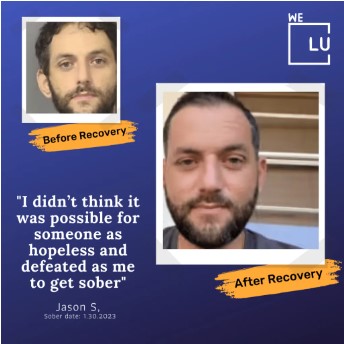
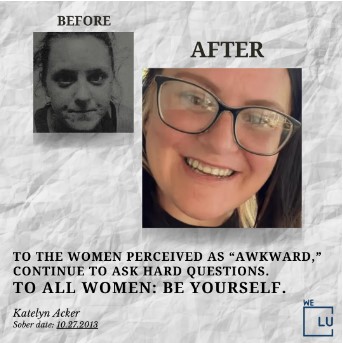
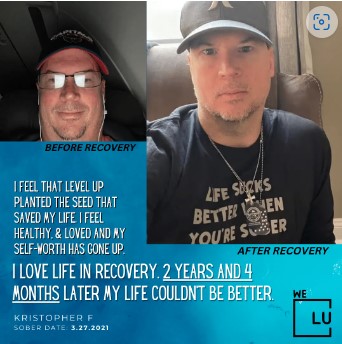
Experience Transformative Recovery at We Level Up Treatment Centers.
See our authentic success stories. Get inspired. Get the help you deserve.
Start a New Life
Begin with a free call to an addiction & behavioral health treatment advisor. Learn more about our dual-diagnosis programs. The We Level Up Treatment Center Network delivers recovery programs that vary by each treatment facility. Call to learn more.
- Personalized Care
- Caring Accountable Staff
- World-class Amenities
- Licensed & Accredited
- Renowned w/ 100s 5-Star Reviews
We’ll Call You
Sources
Schifano, F., Chiappini, S., Corkery, J.M., & Guirguis, A. (2019). – An insight into Z-drug abuse and dependence: An examination of reports to the European Medicines Agency database of suspected adverse drug reactions. International Journal of Neuropsychopharmacology, 22(4), 270-277.
Victorri-Vigneau, C., Dailly, E., Veyrac, G., & Jolliet, P. (2007). – Evidence of zolpidem abuse and dependence: Results of the French Centre for Evaluation and Information on Pharmacodependence (CEIP) network survey. British Journal of Clinical Pharmacology, 64(2), 198-209.
S. National Library of Medicine. (2019). – Zolpidem.
Joya, F. L., Kripke, D. F., Loving, R. T., Dawson, A., & Kline, L. E. (2009). – Meta-analyses of hypnotics and infections: Eszopiclone, ramelteon, zaleplon, and zolpidem. Journal of Clinical Sleep Medicine, 5(4), 377–383.
United States Drug Enforcement Administration. – Drug scheduling.
S. National Library of Medicine. (2016). – Label: Ambien – zolpidem tartrate tablet.
Dudyala, S., Reddy, P.R.K., & Siddarama, R. (2018). – A case report on zolpidem abuse: Dependence and withdrawal syndrome. Journal of Basic and Clinical Pharmacy, 9, 73-74.
Heydari, M. & Isfeedvajani, M.S. (2013). – Zolpidem dependence, abuse, and withdrawal: A case report. Journal of Research in Medical Sciences, 18(11), 1006-1007.
Center for Substance Abuse Treatment. (2015). – Detoxification and substance abuse treatment. Treatment Improvement Protocol (TIP) Series, No 45. HHS Publication No. (SMA) 15-4131. Rockville, MD: Center for Substance Abuse Treatment.
National Institute on Drug Abuse. (2012). – Principles of drug addiction treatment: A research-based guide (3rd edition).