

Suboxone Detox: Timeline, Symptoms, and How to Safely Withdraw
Inpatient treatment is the best option for those undergoing a Suboxone detox treatment and subsequent therapies to end their addiction. At We Level Up, we can offer access to a supportive environment and medical assistance as you detox. Continue to read more about Suboxone withdrawal symptoms, causes of addiction, and treatment.
Clinically Reviewed by Lauren Barry, LMFT, MCAP, QS
Medically Reviewed by Ali Nikbakht, PsyD
Updated on September 22, 2025 — Editorial Policy | Research Policy | Privacy Policy
Suboxone Detox: Timeline, Symptoms, and How to Safely Withdraw
Inpatient treatment is the best option for those undergoing a Suboxone detox treatment and subsequent therapies to end their addiction. At We Level Up, we can offer access to a supportive environment and medical assistance as you detox. Continue to read more about Suboxone withdrawal symptoms, causes of addiction, and treatment.
Clinically Reviewed by Lauren Barry, LMFT, MCAP, QS
Medically Reviewed by Ali Nikbakht, PsyD
Reviewed / Updated: September 22, 2025 — Editorial Policy | Research Policy | Privacy Policy
By We Level Up | Author Giselle Leung, PharmD, BCGP | Editorial Policy | Research Policy
What is Suboxone Detox?
Suboxone is an FDA-approved medication used to treat opioid addiction or opioid use disorder. It contains a combination of buprenorphine and naloxone. Buprenorphine reduces opioid cravings and withdrawal symptoms, while naloxone blocks the effects of opioids.
When you’re ready to stop taking Suboxone, you’ll need to go through detox. This allows your body to rid itself of the drug. Detox can be uncomfortable, but there are ways to manage symptoms. As long as you are determined to succeed, your healthcare provider will guide you and develop a personalized treatment plan to reduce your Suboxone dose gradually over time.
Suboxone Detox Key Takeaways
- Suboxone detox is the gradual removal of buprenorphine/naloxone from the body, which typically lasts 7-14 days but can vary based on individual factors.
- Tapering Suboxone under medical supervision allows for better management of withdrawal symptoms.
- Common withdrawal symptoms are muscle aches, sweating, nausea, insomnia, anxiety, and cravings, which peak within the first 72 hours and gradually subside.
- A personalized tapering plan, medications to alleviate symptoms, and a comprehensive aftercare plan are essential for managing withdrawal and maintaining long-term recovery.
Suboxone Detox Overview
Suboxone detox is the gradual removal of buprenorphine/naloxone from your body. It usually involves tapering the dose over 2 weeks or more. Buprenorphine, a partial opioid agonist, is one of the active ingredients in Suboxone. It binds to opioid receptors, reducing cravings and withdrawal symptoms associated with opioid addiction. The other active ingredient, naloxone, works to antagonize opioid effects.
Duration and Factors Influencing Detox
The duration of Suboxone detox varies depending on several factors, including:
- Length of Suboxone use
- Dosage
- Individual metabolism
- Overall health
Typically, the detox process lasts between 7 to 14 days. However, some people may experience prolonged withdrawal symptoms, also known as post-acute withdrawal syndrome (PAWS), which can persist for weeks or months.
Some studies show that some people may do better with a longer taper. This means tapering for at least 4 weeks or more. This is especially true for those reducing from a high dose of Suboxone. It also applies to those at higher risk for relapse due to other health issues, where understanding the suboxone detox timeline becomes essential for planning a safe and effective recovery process.
Tapering and Withdrawal Symptoms
To minimize withdrawal symptoms, your healthcare provider will create a tapering plan. This is characterized by gradually reducing your Suboxone dosage over time. Tapering helps your body adjust to lower doses. This makes the detox process easier. It also gives you guidance on how to detox suboxone safely.

Common withdrawal symptoms, similar to those in opioid withdrawal, include:
- Anxiety
- Insomnia
- Sweating
- Muscle aches
- Nausea
- Diarrhea
Your healthcare provider may prescribe other medications to alleviate these symptoms. They’ll also monitor your progress and adjust the tapering schedule as needed.
Importance of Medical Supervision
Undergoing Suboxone detox under medical supervision is critical. Attempting to detoxing off Suboxone “cold turkey” or without professional guidance can be dangerous and increase the risk of relapse. A healthcare provider will watch your health for any side effects. They will also help with any concerns you have about detox.
Skip To:
Learn More:
- Subutex vs Suboxone, What’s The Difference Between Them?
- Suboxone Addiction
- Suboxone Withdrawal Psychosis
- Does Suboxone Raise Your Blood Pressure?
- Suboxone Side Effects Sexually
- Suboxone Half Life
- Subutex Pill Uses, Withdrawal, Side Effects & Abuse
- How Long Does Subutex Stay in Your System?
- Post Acute Withdrawal Syndrome (PAWS), Symptoms, & Rehab
- Opiate Detox Timeline, Withdrawal Symptoms, & Top Treatment Options
Suboxone Detox Timeline
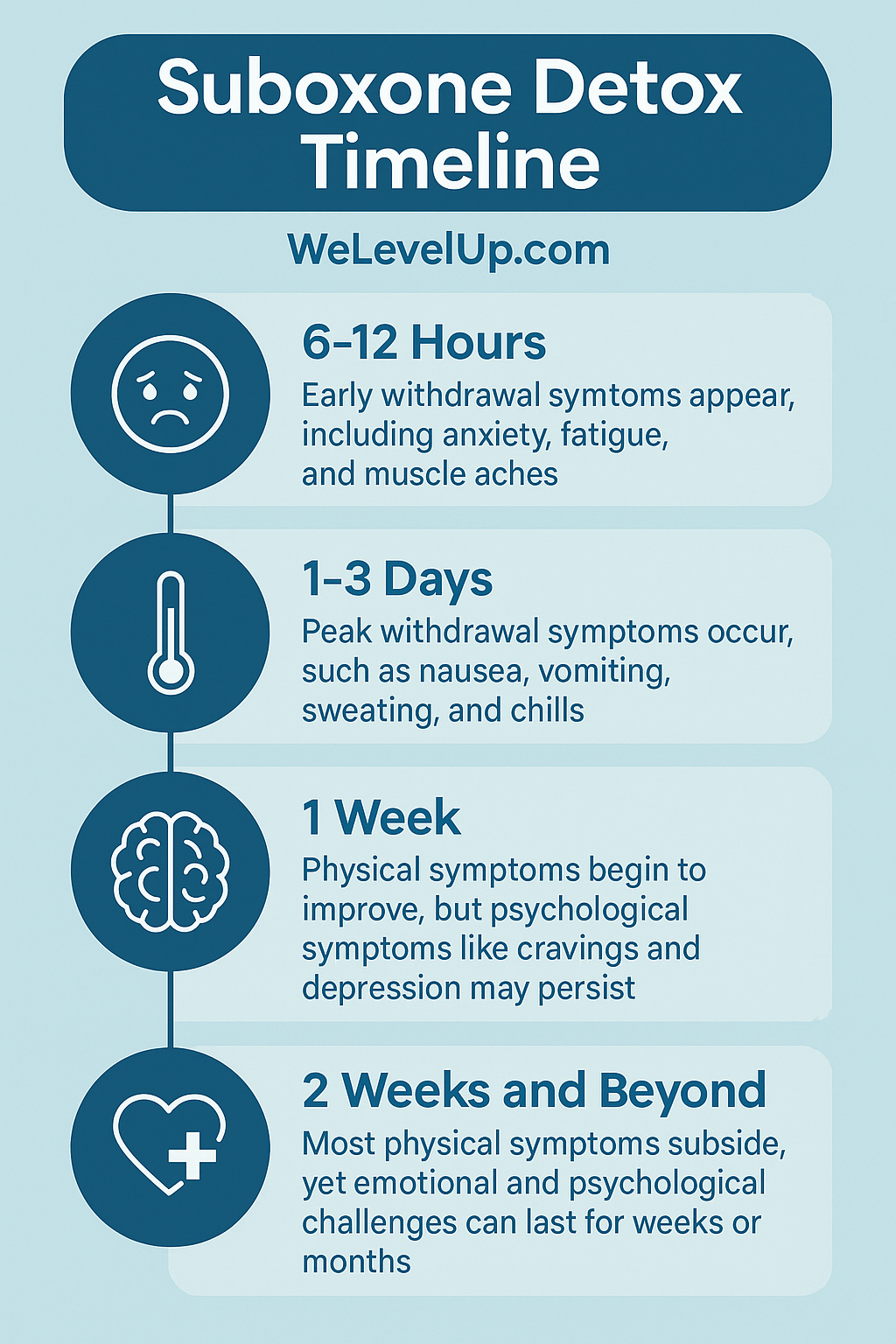
Days 1-3
The first few days after stopping Suboxone are typically the most challenging. You may experience withdrawal symptoms such as anxiety, insomnia, sweating, and muscle aches. These symptoms usually get worse around day 3. You can manage them with over-the-counter medicine and help from your doctor.
Days 4-7
By day 4, the worst of the physical withdrawal symptoms should have subsided. You may still experience lingering symptoms like fatigue, irritability, and cravings. It’s important to be focused on your recovery goals and engage in activities to manage stress and maintain motivation.
Days 8-14
During the second week of Suboxone detox, most physical symptoms will have dissipated. Nonetheless, psychological symptoms, such as depression and cravings, may persist. This is an important time to work closely with your healthcare provider and support system. This will help you handle any emotional challenges and prevent relapse.
Beyond 14 Days
After 14 days, Suboxone should be fully eliminated from your body. You may still experience some residual symptoms and cravings, but these will continue to improve with time. It’s important to have a complete aftercare plan. This plan may include ongoing therapy, support groups, and ways to prevent relapse. These steps help maintain long-term recovery.
Work closely with your healthcare provider to create a personalized plan that meets your unique needs.
Suboxone Withdrawal Symptoms
Suboxone withdrawal symptoms can range from mild to severe, depending on factors like your dosage and duration of use. You may experience physical and psychological symptoms as your body adjusts to the absence of the drug.
Common physical symptoms include:
- Muscle aches and pains
- Sweating and chills
- Nausea and vomiting
- Diarrhea and stomach cramps
- Headaches and fatigue
Psychological symptoms may include:
- Anxiety and restlessness
- Insomnia and sleep disturbances
- Irritability and mood swings
- Depression and low motivation
- Intense cravings for Suboxone or other opioids
These symptoms typically peak within the first 72 hours after your last dose. They gradually subside over the following days and weeks. Most physical symptoms diminish by day 7, but psychological symptoms and cravings may persist for longer.
Everyone’s experience with Suboxone withdrawal is unique. Your symptoms may differ in intensity and duration compared to those of others. This variability underscores the importance of having a personalized detox plan tailored to your needs.
To manage withdrawal symptoms effectively, your healthcare provider may adjust your tapering schedule, prescribe medications to alleviate specific symptoms, and suggest coping strategies. Staying hydrated, maintaining a balanced diet, and engaging in gentle exercise are effective self-care strategies.
Remember, detoxing from Suboxone is a significant milestone in your recovery. Stay focused on your goals and lean on your support network during this challenging but transformative process.
Suboxone Precipitated Withdrawal
Suboxone precipitated withdrawal happens quickly and intensely. It can occur when someone who depends on opioids takes Suboxone too soon after their last opioid use. This can happen if a person takes Suboxone before the opioids are fully out of their body. It can also happen if they are not in withdrawal when they take Suboxone.
When you take Suboxone, it connects to the same brain receptors as opioids. However, it does not create the same feelings of pleasure or sleepiness. Instead, it helps to manage withdrawal symptoms and reduce cravings for opioids. However, suppose Suboxone is taken too soon after the last use of opioids. In that case, it can cause the remaining opioids in the body to leave the receptors. This can quickly lead to withdrawal symptoms.
Precipitated withdrawal from Suboxone can be stronger and more intense than regular withdrawal. It can happen quickly, within minutes of taking Suboxone detox. Symptoms can include nausea, vomiting, diarrhea, muscle aches and pains, anxiety, restlessness, insomnia, sweating, and chills.
It’s critical to wait until a person is in a state of withdrawal before starting treatment with Suboxone. Healthcare providers will assess and screen for recent opioid use before prescribing Suboxone. Healthcare providers can watch the person’s symptoms. They can also change the dose of Suboxone if needed. This helps reduce the risk of withdrawal symptoms.
How To Stop Suboxone Withdrawals?
Stopping Suboxone use abruptly or without proper medical supervision can result in withdrawal symptoms. If you are experiencing Suboxone withdrawal symptoms, seeking medical help is critical. Many people wonder how long it takes to detox from Suboxone. The timeline can vary based on individual factors. When stopping Suboxone, people can get help from doctors who know how to treat opioid addiction. Medically-assisted Suboxone detox can help minimize the following risks:
- The severity of withdrawal symptoms.
- Reduces the risk of relapse.
- Ensuring a safe and successful recovery.
Suboxone Drug Facts
Suboxone is often used to treat opioid addiction. It has two medicines: buprenorphine and naloxone. These work together to lower cravings and withdrawal symptoms. They also help prevent misuse.
What is Suboxone?
Suboxone is a combination medication: buprenorphine, a partial opioid agonist, and naloxone, an opioid antagonist. Buprenorphine attaches to the same receptors as opioids but produces weaker effects, reducing cravings and withdrawal symptoms. Naloxone blocks opioid receptors and prevents misuse by causing withdrawal symptoms if Suboxone is injected.
Using Suboxone to Detox
Medically supervised detox programs use Suboxone to help their patients taper off opioid medications. Once detoxification of the opioid medication has been achieved, you can discuss Suboxone detox with your healthcare provider. Many patients often ask about detoxing from Suboxone how long does it take, since the timeline depends on factors such as dosage and duration of use. If detox is an option, they will make a plan to slowly lower your Suboxone dose over time. This approach minimizes withdrawal symptoms and leads to a successful detox under medical supervision.
Does Suboxone Help With Opiate Withdrawal?
Yes, Suboxone is an effective medication for managing opiate withdrawal symptoms. Buprenorphine, one of its active ingredients, reduces the severity of withdrawal by partially activating opioid receptors. This helps alleviate symptoms like muscle aches, nausea, and insomnia. Suboxone also decreases cravings, making it easier to focus on recovery. Naloxone works as an opioid antagonist. It assists by reducing the abuse potential of buprenorphine.
Suboxone for Alcohol Withdrawal
While Suboxone is mainly used to treat opioid addiction, it may also help with alcohol withdrawal symptoms. Some studies suggest that buprenorphine could help reduce alcohol cravings and consumption. However, more research is needed to establish its effectiveness and safety for this proposed indication. Always consult with your healthcare provider before using Suboxone for alcohol withdrawal.
Suboxone for Kratom Withdrawal
Kratom, a herbal substance with opioid-like effects, can lead to dependence and withdrawal symptoms when discontinued. Suboxone may be used off-label to manage kratom withdrawal, as buprenorphine can help reduce cravings and alleviate symptoms. However, the use of Suboxone for this proposed indication has not been well-studied. You should only consider this option under the guidance of a qualified healthcare provider.
Suboxone Statistics
The statistics below show that more people in the United States are using Suboxone detox to treat opioid addiction. However, there are also issues about the potential for medication misuse and diversion.
1.2 Million
The number of individuals who received medication-assisted treatment (MAT) for opioid addiction (including Suboxone) increased from 361,000 in 2011 to 1.2 million in 2018.
Source: SAMHSA
1.6 Million
In 2019, 1.6 million people in the United States aged 12 or older had used Suboxone for non-medical purposes at least once in their lifetime.
Source: NSDUH
70%
Suboxone was the most commonly prescribed medication for opioid addiction in 2019, with 70% of providers reporting that they prescribed it.
Source: ASAM
Top 5 Suboxone Detox Studies with Insights
Here’s a patient-friendly chart of the top Suboxone Detox studies/guidelines.
Here is a helpful list of trusted Suboxone Detox studies and guidance. You can use these in clinical documents, program pages, or treatment guides. Each row distills the evidence’s implications for treatment into actionable tips for care teams and admissions scripts. Sources were chosen for recency, rigor, and relevance to integrated treatment.
| Study | Treatment Implications | Insights for Patients |
|---|---|---|
| Buprenorphine Detoxification Treatment for Heroin Dependence: A Preliminary Experience in an Outpatient Setting View Study | Buprenorphine is a feasible outpatient detox option; a 21-day fixed-dose schedule is proposed. | An outpatient 21-day buprenorphine regimen can be effective; discuss your treatment plan with your provider. |
| Buprenorphine for Managing Opioid Withdrawal (Cochrane Review) View Resource | Buprenorphine is more effective than clonidine or lofexidine in reducing withdrawal symptoms and improving treatment retention. | Buprenorphine often offers a more comfortable detox experience; consult your provider about this option. |
| A Retrospective Survey of Buprenorphine Substitute Treatment With Minimal Dosage in Heroin Use Disorder Read Article | Minimal dose buprenorphine after prior detox can maintain health and effectiveness. | If you’ve detoxed, minimal-dose buprenorphine might maintain your recovery; discuss with your healthcare provider. |
| A Preliminary Investigation of Outcome Following Gradual or Rapid Buprenorphine Detoxification Read Study | Gradual tapering produces better treatment outcomes than rapid detoxification. | A slow taper is usually more tolerable and effective; collaborate with your provider for a personalized plan. |
| NIDA-CTN-0003: Buprenorphine/Naloxone Tapering Regimens for Opiate Detoxification Read Review | Different tapering regimens have varying effectiveness; personalization is key. | Understanding taper options helps you make informed choices; discuss these with your doctor. |
What Does Suboxone Withdrawal Feel Like?
Can you withdraw from Suboxone? Unfortunately, yes. It is hard to avoid withdrawal symptoms from Suboxone. Withdrawal from Suboxone looks a bit different from most withdrawal processes. Many addicts mistake initial endorphin drops for withdrawal. However, withdrawal does not begin until addicts start tapering off dosages. How long are withdrawals from Suboxone? Withdrawal can take as long as 72 hours, and the whole process can last up to a month.
Many Suboxone withdrawal symptoms mimic those of other drugs, especially opioids. How long do Suboxone withdrawal symptoms last? You will experience the worst physical and psychological symptoms within 72 hours after withdrawal. Psychologically, you may experience resurgent symptoms such as anxiety, agitation, and insomnia. These can continue for days or even weeks after beginning the suboxone detox process.
What are the withdrawal symptoms of Suboxone? Other symptoms of Suboxone withdrawal include the following:
- Muscle aches.
- Trembling.
- Watery eyes.
- Diarrhea.
- Feeling very cold or very hot.
- Intense cravings.
- Vomiting.
- Intense sweating.
- High blood pressure.
- Fatigue.
- Loss of appetite.
In the first week of withdrawal, your physical symptoms will lessen. However, you might still feel anxious and have mood swings. Within two weeks, the worst physical and psychological symptoms will reduce dramatically.
What helps with withdrawal from Suboxone? Getting help from medical professionals during suboxone detox is important. This support helps you stay comfortable and avoid relapse.
At We Level Up Suboxone withdrawal help, we perform a complete intake assessment of your physical and mental health. This allows us to understand your addiction and any co-occurring mental health disorders you may struggle with. With this information, we can create a personalized treatment plan. This plan will help you manage the worst Suboxone withdrawal symptoms. It will also help you start your healing journey.
Many experts think it is best to wait to give Suboxone. This should happen when a person with an opioid addiction shows signs of withdrawal. Still, some doctors offer micro-dosing options early in recovery. Suboxone has a low to moderate risk of changing your brain chemistry and function. However, this risk goes up if you use it longer than prescribed or if you inject or snort it.
Some of the signs of a Suboxone addiction include the following:
- Impaired coordination.
- Itching.
- Slurred speech.
- Doctor shopping.
- Inability to think clearly.
- Nausea.
- Vomiting.
- Slowed breathing.
- Constipation.
- Loss of inhibition.
There can also be side effects of long-term use of Suboxone. These are:
- Cardiovascular system damage.
- Sleep problems.
- Dental issues.
- Excessive weight loss.
- Chronic constipation.
- Stomach bleeding.
Suboxone has a ceiling, which means that increasing the dose past a certain level no longer increases its effects. Therefore, it is not common for people to overdose on Suboxone. Still, there are instances when this may be a concern. Suboxone overdose includes the following signs and symptoms:
- Low blood pressure.
- Respiratory distress.
- Pinpoint pupils.
- Loss of consciousness.
- Coma.
How long does it take to withdraw from Suboxone? Several factors and individual requirements determine the timeline. If you have an addiction to Suboxone, the best thing you can do is to seek professional help. At We Level Up, we provide treatment for Suboxone misuse. We start with the Suboxone detox process at our modern facilities.
Get Help. Get Better. Get Your Life Back.
Searching for Accredited Drug and Alcohol Rehab Centers Near You?
Even if you have failed previously and relapsed, or are in the middle of a difficult crisis, we stand ready to support you. Our trusted behavioral health specialists will not give up on you. When you feel ready or just want someone to speak to about therapy alternatives to change your life call us. Even if we cannot assist you, we will lead you to wherever you can get support. There is no obligation. Call our hotline today.
(844) 597-1011Home Remedies for Suboxone Withdrawal
How long does withdrawal last from Suboxone? It depends on several factors and the health status of the patient. Before doing any home treatment, it is best to consult your doctor to avoid complications. There is no replacement for medical treatment for Suboxone withdrawal. However, some home remedies may help ease symptoms and provide relief during withdrawal. Here are a few examples:
- Hydration: Staying hydrated is very important during Suboxone withdrawal. Symptoms like vomiting and diarrhea can lead to dehydration. Drinking plenty of water, electrolyte-rich sports drinks, or coconut water can help to replenish electrolytes and fluids.
- Hot Baths or Showers: Hot baths can help soothe muscle aches and relieve symptoms such as chills and sweats.
- Exercise: Doing light activities like walking, yoga, or stretching can improve your mood, ease anxiety, and lessen muscle pain.
- Balanced Diet: A healthy and balanced diet rich in nutrients can help support the body’s recovery process during withdrawal. Fruits, lean protein, vegetables, and whole grains can give the body the necessary healing nutrients.
- Herbal Remedies: Some herbal remedies can help you relax, sleep better, and feel less anxious. Examples include chamomile tea, lavender oil, and valerian root.
How to detox from Suboxone at home? These home remedies may help ease symptoms during Suboxone withdrawal. However, they should not replace medical treatment. It is safest and most effective to work with a healthcare provider. They can help you create a personalized plan to stop using Suboxone.
Suboxone is a prescription drug that helps treat opioid addiction. If you do not take Suboxone as prescribed, however, you can become addicted to it. Detoxing is the first step in getting sober for those struggling with an addiction to this medication. At We Level Up, we can offer inpatient treatment and support for patients seeking Suboxone detox treatment.
Rapid Suboxone Detox
The rapid Suboxone detox treatment process uses Vivitrol therapy. Vivitrol is a brand name for naltrexone, a fast-acting medicine for people detoxifying from opioid or alcohol dependency. It acts by blocking the influence of opioids, decreasing cravings, and reducing a person’s need for the drugs. Naltrexone is also much less addictive than Suboxone, which makes it an excellent alternative treatment option.
Your personally-tailored care and treatment can include the controlled administration of Vivitrol, and it also provides sedation. You will still feel the side effects of Suboxone withdrawal. However, since you are sedated and under expert care, it will be easier to handle. Plus, you will have people close to you to support you every step of the way.
Can you die from withdrawal from Suboxone? While rare, it is still possible when further complications from the withdrawal symptoms arise. For most individuals in recovery, the use of Suboxone is temporary. Drug use will eventually be tapered to make way for total sobriety. The rapid Suboxone detox process should be done slowly and accurately, allowing plateaus to accommodate the individual’s experience and stability.
Suboxone Withdrawal Treatment
How long for Suboxone withdrawal to subside? The severity and timing of Suboxone withdrawal symptoms can be affected by many factors. These include the person’s physical and mental health, age, and any existing medical or mental health issues.
How to ease withdrawal symptoms from Suboxone? Suboxone withdrawal treatment typically involves a combination of medication and supportive care to help manage withdrawal symptoms and promote recovery. Here are some common approaches to Suboxone withdrawal treatment:
- Medication-Assisted Treatment: Doctors may prescribe medications like Clonidine for Suboxone withdrawal. They may also use benzodiazepines and non-opioid pain relievers. These medications help manage the physical symptoms of Suboxone withdrawal. Medications like buprenorphine or methadone can be part of a treatment program. They help ease withdrawal symptoms and lower the risk of relapse.
- Behavioral Therapy: Behavioral therapy, such as cognitive-behavioral therapy (CBT) or contingency management, can help individuals develop coping strategies to manage triggers and cravings and learn new ways to manage stress and other emotional issues that may contribute to drug use.
- Supportive Care: Supportive care includes nutrition, hydration, and sleep management. These can help people handle withdrawal symptoms. They also promote health and well-being during suboxone detox.
- Residential or Inpatient Treatment: If the addiction is severe, a residential or inpatient treatment program may be recommended. This choice depends on the individual’s needs. These programs offer complete care and support for recovery from addiction.
Suboxone withdrawal can be tough. It is important to get help from a healthcare professional. They can guide you to a safe and successful suboxone detox.
First-class Facilities & Amenities
Trusted Integrated Addiction & Mental Health Rehabilitation Treatment
Rehab Centers TourEstablished Addiction Centers. Serene Private Facilities. Inpatient rehab programs vary.
Addiction Helpline (844) 597-1011Comprehensive recovery success experience, backed by a Team w/ History of:
15+
Years of Unified Experience
100s
5-Star Reviews Across Our Centers
10K
Recovery Success Stories Across Our Network
- Low Patient to Therapist Ratio
- Onsite Medical Detox Center
- Comprehensive Dual-Diagnosis Treatment
- Complimentary Family & Alumni Programs
- Alumni Coaching, Recovery & Personal Development Events
Inpatient Suboxone Detox Treatment

Inpatient treatment is the best option for detox with suboxone and subsequent therapies to end their addiction. At We Level Up, we can offer access to a supportive environment and medical assistance as you detox. Our inpatient program allows you to remove yourself from your regular environment, which may not be conducive to healing. You will be able to have medical detox as well as medication-assisted treatment. These options can help you avoid intense cravings that can cause you to relapse.
After you have gone through Suboxone detox, you can begin your therapies. We offer some of the leading options for addiction treatment, including behavioral therapies like cognitive-behavioral therapy, motivational interviewing, dialectical behavior therapy, and more.
We also offer evidence-based therapies to help you re-learn how to live your life and gain self-confidence. These therapies include art therapy, music therapy, yoga, and much more. To help you feel less alone with your addiction, you can join family therapy sessions, group therapy, and support groups.
Once you complete our inpatient treatment, you can participate in our alumni programs. These are lifelong, free programs that can assist you in maintaining long-term sobriety. You can return to your life knowing you have help if you need it. Our alumni programs help you create a support team you can trust. They also connect you with medical professionals, therapists, and more.
How to detox from Suboxone? The Suboxone detox protocol involves a medically supervised detoxification process to manage the withdrawal symptoms associated with Suboxone discontinuation. Even low-dose Suboxone withdrawal should not be taken lightly to avoid further complications. The following are the steps on Suboxone detox :
- Medical Assessment: The first step in treating Suboxone withdrawal is a thorough medical assessment. This assessment looks at the patient’s health, substance use history, and any other mental or physical health issues. This information helps the healthcare team develop an individualized treatment plan.
- Medication-Assisted Treatment: Medications such as Clonidine and Gabapentin for Suboxone withdrawal when the risks of seizure arise. Benzodiazepines and non-opioid pain relievers may be prescribed to help manage the physical symptoms of Suboxone withdrawal. Also, medications like buprenorphine or methadone can be used in treatment programs. They help ease withdrawal symptoms and lower the risk of relapse.
- Supportive Care: Supportive care includes nutrition, hydration, and sleep management. These can help people handle withdrawal symptoms. They also promote health and well-being during suboxone detox.
- Behavioral Therapy: Behavioral therapy, such as cognitive-behavioral therapy (CBT) or contingency management, can help individuals develop coping strategies to manage triggers and cravings and learn new ways to manage stress and other emotional issues that may contribute to drug use.
- Follow-Up Care: After completing the Suboxone detox program, people need ongoing care. This support helps them stay in recovery. This may include ongoing treatment with medication.
It can also involve joining individual or group therapy.
Suboxone Detox Centers Near Me
To find a “Suboxone detox near me,” you can follow these steps:
- Check with Your Insurance Provider: Call your insurance provider to see if they cover Suboxone detox treatment. Ask if there are any nearby facilities they work with. If your insurance plan pays for treatment, it can help you find a facility that is covered.
- Use Online Directories: Online directories for addiction treatment centers can help you find Suboxone detox centers nearby. One example is SAMHSA’s Behavioral Health Treatment Services Locator. These directories give clear information about the facilities. They include their location, contact details, and the types of treatment available.
- Ask for Referrals: Reach out to your primary care doctor, mental health provider, or other healthcare workers. Ask them for recommendations for Suboxone detox centers near you. You can also ask friends, family members, or support group members with addiction treatment experience for referrals. Many Suboxone withdrawal stories are successful when assisted medically.
- Research the Facilities: After you have a list of possible Suboxone detox centers, look into each one. Find out about their treatment methods, staff qualifications, and success rates. You can also read rehab reviews from other clients, patients, or families who have received treatment.
- Contact the Facilities: Reach out to the Suboxone detox centers you want to know more about. Ask about their treatment programs, insurance coverage, and availability. Ask questions about how they treat patients, the staff’s qualifications, and the types of therapy and support they provide.
Start Suboxone Detox
If you are addicted to Suboxone, you need help. It is important to find a facility that offers a Suboxone detox program. At We Level Up, we can provide a safe and supportive environment where you can undergo treatment.
We will help you create a treatment plan. This plan will address your addiction and any mental health issues you may have.
There is no reason to struggle through addiction on your own. By turning to experts at We Level Up, you can get the help you need. Contact We Level Up today to learn more about the treatment we can offer.
Specialized, Accredited, 5-Star Reviewed, Evidence-based Addiction & Mental Health Programs. Complete Behavioral Health Inpatient Rehab, Detox plus Co-occuring Disorders Therapy.
CALL(844) 597-1011End the Addiction Pain. End the Emotional Rollercoaster. Get Your Life Back. Start Drug, Alcohol & Dual Diagnosis Mental Health Treatment Now. Get Free, No-obligation Guidance by Substance Abuse Specialists Who Understand Addiction & Mental Health Recovery & Know How to Help.
Frequently Asked Questions
While Suboxone withdrawal can be challenging, there are ways to manage symptoms. Here are answers to some common questions.
How can I stop Suboxone withdrawal symptoms?
To minimize Suboxone withdrawal symptoms, work with your healthcare provider to create a personalized tapering plan. Reducing your Suboxone dosage in small increments allows your body to adjust. Your provider may also recommend medications to alleviate specific symptoms. For example, they might suggest a pain reliever you can buy without a prescription for muscle aches. They may also prescribe medicine to help with nausea. Staying hydrated, maintaining a balanced diet, and engaging in gentle exercise can ease withdrawal symptoms.
What is Suboxone Precipitated Withdrawal?
Precipitated withdrawal happens when you take Suboxone too soon after using opioids. This can lead to sudden and strong withdrawal symptoms. This happens because Suboxone’s buprenorphine component has a higher affinity for opioid receptors than other opioids. If you still have opioids in your system, buprenorphine will displace them, triggering severe withdrawal. To avoid precipitated withdrawal, you must wait until you’re in mild to moderate withdrawal before starting Suboxone treatment.
Can Suboxone withdrawal kill you?
Suboxone withdrawal is not usually life-threatening. However, it can be very uncomfortable and may cause problems if not managed well. Severe symptoms like dehydration from vomiting and diarrhea can be dangerous if left untreated. Seek medical attention immediately for these symptoms.
Also, the intense cravings and psychological distress during withdrawal may increase the risk of relapse and overdose. That’s why it’s critical to detox under medical supervision and have a comprehensive plan to maintain recovery.
Can you get off Suboxone without withdrawal?
It’s unlikely to quit Suboxone without experiencing any withdrawal symptoms. Suboxone is a long-acting opioid medication, and your body develops a physical dependence over time. By working with your healthcare provider, you can create a gradual tapering plan. This can help reduce the severity of withdrawal symptoms.
How long does it take to feel withdrawal from Suboxone?
The onset of Suboxone withdrawal symptoms varies depending on your dosage, duration of use, and individual metabolism. Generally, symptoms begin within 24 to 72 hours after your last dose. Suboxone is a long-acting medication, so it takes longer for withdrawal to start compared to short-acting opioids like heroin. Symptoms typically peak within the first few days and gradually subside over a week or two.
Can babies experience Suboxone withdrawal?
Yes, babies born to mothers who used Suboxone during pregnancy can experience neonatal abstinence syndrome (NAS). NAS occurs when a newborn goes through withdrawal from substances they were exposed to in the womb. The newborn may experience irritability, excessive crying, poor feeding, and sleep disturbances. Despite these side effects, Suboxone is a safer option for pregnant women with opioid addiction. It is better than leaving opioid use untreated or abruptly discontinuing the opioid medication. Under medical care, the newborn will be closely monitored and treated for withdrawal symptoms.
How long do withdrawal symptoms last from Suboxone?
The duration of Suboxone withdrawal varies, but most people experience symptoms for 1-2 weeks. Physical symptoms, including muscle aches, nausea, and sweating, peak within the first 72 hours and subside after 7 days. Psychological symptoms such as anxiety, depression, and insomnia may linger for several weeks or months. The severity and duration of symptoms depend on the dosage of Suboxone, length of use, and individual health. Participating in behavioral therapy and support groups can help you manage long-term symptoms and maintain recovery.
How long does it take to detox from Suboxone?
The length of Suboxone detox varies for each person. Usually, it takes 7 to 14 days to leave your body completely. Sometimes it can take several weeks or months. A gradual taper of Suboxone is key to a successful detox. After the detox phase, you might still have some symptoms. Ongoing support and therapy are important for long-term recovery.
How Long Do Opiates Stay in Your System? How Long Do Opiates Stay in Urine, Blood, & Body?
Suboxone withdrawal how long? And how do opioids stay in your system? Watch the below video to understand the effects of drug dependency, the general timeline, and how to get help. Get FREE addiction treatment insurance check – https://welevelup.com/rehab-insurance/ If you or a loved one is struggling with opiates addiction or other substance use disorder(s), call for a FREE consultation 24/7 at (561) 678-0917
How Long Do Opiates Stay in Your System? Brief Video Transcript.
Drugs in the opioid class are used to treat pain. Natural opioids, semi-synthetic opioids generated from natural opioids, and synthetic opioids produced in a lab are all referred to as opioids under the general term. A class of medications known as opioids contain opiates, which are organic byproducts of the poppy plant. The main difference is that “opiate” refers to the substances derived from the opium (poppy) plant. At the same time, “opioids” are all substances that interact with opioid receptors, including those created in the lab.
The length of time that opiates remain in your system varies depending on the type of opiate, the dosage, and the frequency of use. Generally, opiates can stay in your system for two to four days. However, heavier and chronic users may have residues in their system for up to seven days.
Opiates can be detected in the blood test for up to 24 hours and in the urine test for up to three days. Opiates can be detected in the hair follicles for up to 90 days. In chronic users, opiates can stay in the body for up to 30 days.
Opiates often have short half-lives, meaning their effects can linger for several hours even though they swiftly leave the body. However, Opioids can linger in a person’s bloodstream for several hours or days after the symptoms subside, depending on the substance used. Urine tests, one of the more common types of drug testing, can identify opioid usage for longer periods of time, often up to three to four days, and some tests can identify opioid use for up to three months.
Experience Transformative Recovery at We Level Up Treatment Centers.
See our authentic success stories. Get inspired. Get the help you deserve.
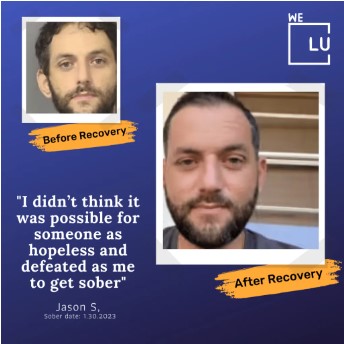
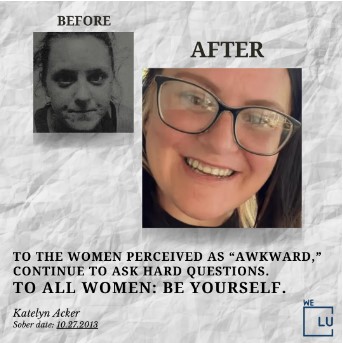
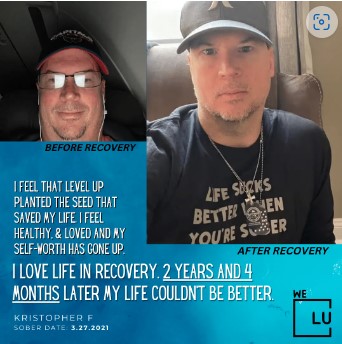
Start a New Life
Begin with a free call to an addiction & behavioral health treatment advisor. Learn more about our dual-diagnosis programs. The We Level Up Treatment Center Network delivers recovery programs that vary by each treatment facility. Call to learn more.
- Personalized Care
- Caring Accountable Staff
- World-class Amenities
- Licensed & Accredited
- Renowned w/ 100s 5-Star Reviews
We’ll Call You
Search We Level Up Suboxone Detox, Mental Health Topics & Resources
Resources
Suboxone Withdrawal Psychosis — info on psychosis during / resulting from Suboxone withdrawal.
Suboxone Side Effects Sexually — discusses sexual side effects of Suboxone, which isn’t typically part of detox but relevant to patients.
Methadone Detox: A Comprehensive Guide — for comparison, methadone detox has similarities/differences; helpful context.
Opiate vs Opioid. Differences, Uses, Withdrawal, & Treatment — explains broader substance classification and what detox/withdrawal means for opioids in general.
Sources
[1] Velander JR. Suboxone: Rationale, Science, Misconceptions. Ochsner J. 2018 Spring;18(1):23-29. PMID: 29559865; PMCID: PMC5855417.
[2] Kumar R, Viswanath O, Saadabadi A. Buprenorphine. [Updated 2023 Feb 27]. In: StatPearls [Internet]. Treasure Island (FL): StatPearls Publishing; 2023 Jan-. Available from: https://www.ncbi.nlm.nih.gov/books/NBK459126/
[3] Blum K, Oscar-Berman M, Femino J, Waite RL, Benya L, Giordano J, Borsten J, Downs WB, Braverman ER, Loehmann R, Dushaj K, Han D, Simpatico T, Hauser M, Barh D, McLaughlin T. Withdrawal from Buprenorphine/Naloxone and Maintenance with a Natural Dopaminergic Agonist: A Cautionary Note. J Addict Res Ther. 2013 Apr 23;4(2):10.4172/2155-6105.1000146. DOI: 10.4172/2155-6105.1000146. PMID: 24273683; PMCID: PMC3835595.
[4] Jordan MR, Morrisonponce D. Naloxone. [Updated 2022 Jul 11]. In: StatPearls [Internet]. Treasure Island (FL): StatPearls Publishing; 2023 Jan-. Available from: https://www.ncbi.nlm.nih.gov/books/NBK441910/
[5] Rzasa Lynn R, Galinkin JL. Naloxone dosage for opioid reversal: current evidence and clinical implications. Ther Adv Drug Saf. 2018 Jan;9(1):63-88. DOI: 10.1177/2042098617744161. Epub 2017 Dec 13. PMID: 29318006; PMCID: PMC5753997.
[6] What is Buprenorphine? – Substance Abuse and Mental Health Services Administration (SAMHSA)
[7] SUBOXONE (buprenorphine and naloxone) sublingual tablets – Food & Drug Administration (FDA)
[8] Medications for Opioid Use Disorder Study (MOUD Study) – Centers for Disease Control & Prevention (CDC)
[9] The Facts about Buprenorphine – Veterans Affairs Available from: https://www.mentalhealth.va.gov/providers/sud/docs/english_buprenorphine_facts.pdf
[10] Buprenorphine Sublingual and Buccal (opioid dependence) – MedlinePlus – U.S. Department of Health and Human Services National Institutes of Health