

Why Inpatient Rehab Program Is the Best Choice for Addiction Recovery?
Discover comprehensive care at We Level Up Treatment Centers' inpatient rehab. Our accredited facilities provide personalized treatment for mental health and substance use disorders. With expert staff and evidence-based practices, we ensure a supportive environment for lasting recovery. Contact us today.
Clinically Reviewed by Lauren Barry, LMFT, MCAP, QS
Medically Reviewed by Ali Nikbakht, PsyD
Reviewed / Updated: October 2, 2025 — Editorial Policy | Research Policy | Privacy Policy
By We Level Up | Author Alex Evans, PharmD, MBA | Editorial Policy | Research Policy
Struggling with mental health and battling addiction are not times you should be alone. We Level Up Treatment Centers offer safe places where you can find professional treatment, support, and peace. When you visit our facilities, you receive inpatient rehabilitation. We use a holistic approach for all your substance abuse and mental health issues. We offer medical detox and use proven therapies. We also include nutritional counseling and mindfulness techniques, like yoga and meditation. This ensures full supervision and care 24/7.

Our caring staff will create a personalized treatment plan just for you, according to your needs, preferences, and circumstances. You will let go of the burden of addiction, trauma, grief, or mental illness. Contact We Level Up Treatment Centers, and we will help you heal from anything that takes control of your life. Join our inpatient rehabs and become free again.
What Is Inpatient Rehab?
Inpatient rehab, or Live-in rehab program, is a way to help people overcome alcoholism and drug addiction. It also supports long-term sobriety. A patient stays overnight at a facility to allow for more observation and assistance. Generally, it takes more than one overnight stay to treat the condition. Therefore, these programs range in length from 30 to 90 days.
Is Inpatient Rehabilitation For You?
Inpatient and outpatient treatments work for anyone needing help with alcohol or drug addiction. However, some factors make inpatient care the better choice. For people with mental health issues and substance use disorder, personalizing treatment can be very helpful. This includes conditions like depression, bipolar disorder, and attention deficit hyperactivity disorder (ADHD). Specialists at our facilities can treat addiction and mental health simultaneously. It is strongly advised that people with heart, liver, or breathing problems in their medical history get inpatient treatment. That way, physicians can closely monitor any signs of different health problems if they occur.
Inpatient rehab could be a better choice than outpatient rehab for you if:
- Your addiction is strong or long-standing. Inpatient rehab provides intense care that might be just what you need to start your recovery.
- Outpatient treatment hasn’t worked for you. If you’ve tried other treatments with little success, inpatient rehab offers a more structured and focused environment.
- You need a break from daily triggers. Inpatient rehab removes you from the environments and situations that contribute to your substance use.
- You need medical help to detox. If detoxing is hard or risky, inpatient rehab provides the medical care needed to do it safely.
- You’re dealing with addiction and mental health issues. Our inpatient facilities are well-equipped to handle dual diagnoses, treating both your mental health and addiction together.
- Your home environment isn’t supportive. If your current living situation doesn’t support your recovery, inpatient rehab provides a supportive community and professional assistance.
- You need to focus entirely on improving. Inpatient rehab allows you to concentrate solely on your recovery without the distractions of everyday life.
- You want access to various therapies. Our programs offer a range of therapy options tailored to your specific needs. We offer one-on-one therapy and holistic treatments.
Skip To:
Why Choose Inpatient Rehabs at We Level Up Treatment Centers
Inpatient rehab will help you in many ways. Some of the benefits of inpatient rehab are:
1. Medical support
Withdrawal symptoms can sometimes be life-threatening. Medical staff members are trained to handle these situations and treat the patients to the best of their ability.
2. Round-the-Clock Supervision
Inpatient rehab offers 24/7 supervision and support from trained professionals. This ensures that individuals receive immediate medical attention or assistance whenever needed, especially during the detoxification process or during a mental health crisis.
3. Structured programming
Inpatient rehab is a structured environment. Rehab programs have structured days and weeks to help people return to a healthy way of life.
4. Nutritional support
Meals in inpatient rehab will be designed to meet the nutritional needs of the person undergoing detoxification. Alcohol detox requires a diet high in thiamine and other vitamins.
5. Sense of community
Many people in rehab are going through similar experiences of addiction. Group therapy sessions help build support systems that encourage continued recovery.
6. Establishing healthy boundaries
A person living with a substance use disorder may have never established healthy boundaries. Rehabilitation helps to build those boundaries and provides a person with the tools to maintain them after discharge.
7. Forming New Healthy Habits
One real benefit of inpatient rehab is that it helps create new, healthy habits. These habits can replace old, ineffective ones. Addiction thrives in environments that encourage it, like friends who binge drink. Rehabilitation helps people build new and healthy relationships and engage in activities without substance involvement.

Dual Diagnosis Inpatient Rehab Programs
We offer treatment for co-occurring or dual-diagnosis mental health conditions like depression, anxiety, personality disorders, and eating disorders, coupled with addictions. Treating mental health disorders and substance use disorders simultaneously often leads to better outcomes in recovery.
Patient Stories
The case examples presented here reflect authentic clinical experiences, though names and personal identifiers have been changed for confidentiality.
- “A., 34 — Healing from Trauma”
After years of drinking to cope with anxiety, A. entered inpatient rehab feeling hopeless. Detox was tough, but by week four, she was sleeping again and starting to process trauma in therapy. “It was scary at first, but freeing,” she said. She left with a relapse prevention plan and new confidence. - “J., 41 — Rebuilding Family Ties”
J. struggled with meth for years and felt cut off from loved ones. The first weeks were hard, with cravings and sleepless nights. Group sessions and family counseling helped him reconnect. “For the first time in years, I see a real future.” - “L., 55 — Finding Balance”
A demanding job and nightly drinking had taken a toll on L.’s health. In a 4-week inpatient stay, she completed detox, joined stress management workshops, and learned new coping tools. At follow-up, she was sober and reconnecting with family. “Rehab was the pause I didn’t know I needed.”
Illustrative Clinician perspective (quotes)
“Detox is only the first step. The real change comes from therapy and the support patients build here.” — Medical Director
“Family involvement often makes the difference. Recovery is stronger when loved ones are part of the journey.” — Licensed Therapist
Types of Inpatient Rehab Treatment
At We Level Up Treatment Centers, we have inpatient rehab treatments for alcohol, drugs, and mental health.
Inpatient alcohol rehab is an intensive form of treatment for people with alcoholism. It includes a stay at a residential facility. Here, patients get 24-hour medical care. They can focus on their recovery without daily life distractions. During our alcohol rehabs, clients participate in individual counseling, group therapy, addiction education classes, and relapse prevention strategies. Additionally, they attend to their physical and emotional needs through medical care, nutritional counseling, exercise, and recreational activities.
There are many people in the US struggling with alcohol abuse, as shown by the 2022 National Survey on Drug Use and Health. 29.5 million Americans had an alcohol use disorder (AUD) in 2022.
If you have a serious problem with alcohol and can’t stay sober, you need help from inpatient rehab. Inpatient rehab at our center helps you safely manage withdrawal symptoms and quit alcohol after past attempts. We will consider your emotional challenges along with your physical dependence. We aim to help you address the root of your addiction.
Are you or a loved one struggling with an addiction to drugs? If so, it may be time to consider inpatient drug rehab. This treatment program provides comprehensive care and support for individuals seeking long-term sobriety.
Drug inpatient rehab is typically the most intensive form of addiction treatment available. A person must stay in the rehab facility for their program. This facility offers care and supervision 24 hours a day. During this time, individuals will undergo medical detox, participate in therapy sessions, and receive education about addiction and recovery.
In 2022, 27.2 million people in the US had a drug use disorder. Inpatient drug rehabs are best if you have a strong addiction to drugs. This includes prescription medications, opioids, or illegal drugs. It’s a good fit if you’ve tried other treatments that haven’t helped or if you’re in an environment that makes it hard to stay drug-free. At our drug rehab centers, you will get the around-the-clock care and support needed to detox and start healing safely.
Inpatient mental health is provided in a monitored setting with 24-hour round-the-clock care. This treatment offers a structured setting. It includes professional staff and resources. This helps individuals get the best care for their mental health issues. If you or someone you care about is having mental health issues, inpatient care might be the best choice for lasting help.
A report from 2022 shows that nearly 1 in 4 adults aged 18 or older had a mental illness in the past year. This translates to approximately 59.3 million people in the US.
If you are dealing with mental health issues, you may need help from professionals. In this case, inpatient rehab is necessary. If you feel that you pose a risk to yourself or others, this option is for you. Here, you will work on your mental health in a structured setting. This space helps you focus on getting better.
What Is the Best Inpatient Rehab Near Me?
To find inpatient rehabs near you, you should:
Search online
Type in your search bar things like “inpatient rehab near me” or “inpatient drug rehabs near me”. Search engines will provide a list of rehab facilities in your area.
Use directories
Locate directories that specialise in addiction treatment or mental health services. These directories often provide comprehensive information about inpatient rehabs, including their location, services offered, and user reviews.
Seek referrals and recommendations
Talk to healthcare professionals, such as doctors, therapists, or counselors. They can provide information about good inpatient rehab centers near you. They can also suggest programs that fit your needs.
Contact your insurance provider
Contact your insurance provider and request a list of in-network inpatient rehab centers. This way, you can find facilities covered by your insurance, minimizing out-of-pocket expenses.
Attend support groups
Join local support group meetings or contact organizations like Alcoholics Anonymous (AA) or Narcotics Anonymous (NA). Members of these groups may know nearby inpatient rehab centers and can provide recommendations based on their personal experiences.
What to Look For?
Once you have compiled a list of potential inpatient rehabs, consider the following factors:
1. Accreditation and licensing
Ensure that a reputable organization accredits your chosen facility and has the proper licensing. This indicates that the rehab center meets specific quality standards and adheres to industry best practices. Choosing We Level Up Treatment Centers means you don’t have to worry about this step.
2. Treatment approach
Look for a rehab center that aligns with your treatment goals and preferences. Different facilities may provide various addiction treatment programs. These can include 12-step programs, cognitive-behavioral therapy, or holistic methods. Choose one that resonates with your needs.
3. Facilities and amenities
Consider the facilities and amenities offered at the rehab center. This may include comfortable accommodations, recreational activities, fitness facilities, and counseling rooms. The environment should be conducive to your recovery and overall well-being.
4. Staff expertise
Assess the qualifications and experience of the staff members, including doctors, therapists, and counselors. Ensure they possess the necessary expertise and credentials to deliver effective treatment and support.
5. Cost
Inpatient rehab can be costly, so consider the out-of-pocket cost involved. Review your insurance coverage and payment options provided by the facility. Additionally, inquire about any potential additional expenses not covered by insurance.
Benefits of We Level Up Inpatient Rehab Programs
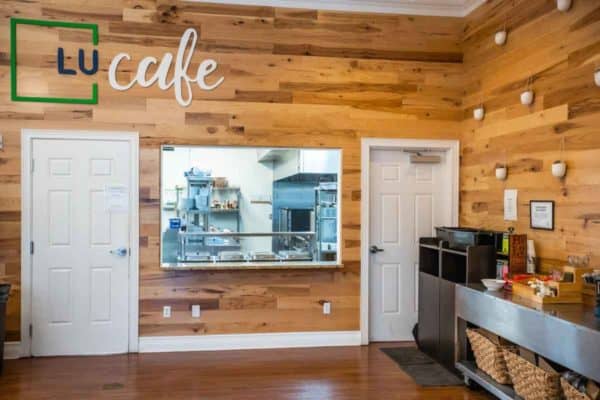
Our inpatient rehab facilities are accredited dual diagnosis treatment centers, ensuring high-quality standards and professional care. We Level Up Treatment Centers have a Gold Seal. This means we are checked regularly. We do this to make sure we provide high-quality services and treatments. Our accredited status indicates that we employ skilled professionals. This gives patients access to specialized doctors, therapists, and support staff for personalized treatment.
At our inpatient rehab centers, you will get experience that can help you change your life. You will be in a supportive environment and won’t have to deal with triggers and distractions. With 24/7 supervision from trained staff, you will get quick help and medical support during detox or a mental health crisis. Rest easy knowing help is always there.
Inpatient rehab offers many personalized services addressing your needs. We’ve covered a range of services, from therapy and medication management to holistic approaches and life skills training. Get the comprehensive support you deserve.
Our Treatment Centers
At the We Level Up network, we offer great amenities and top treatment programs. Our team helps you and your family work toward lasting recovery.

We Level Up Tamarac FL
Premier Behavioral Health Treatment Center
Licensed & Accredited w/ 5-star reviews.- Inpatient mental health treatment center
- Therapy for depression, anxiety, trauma, bipolar disorder, PTSD, and more.
- Dual diagnosis rehab programs available

We Level Up West Palm Beach
Premier Behavioral Health Treatment Center
Licensed & Accredited.- Inpatient mental health treatment center
- Therapy for depression, anxiety, trauma, bipolar disorder, PTSD, and more.
- Dual diagnosis rehab programs available
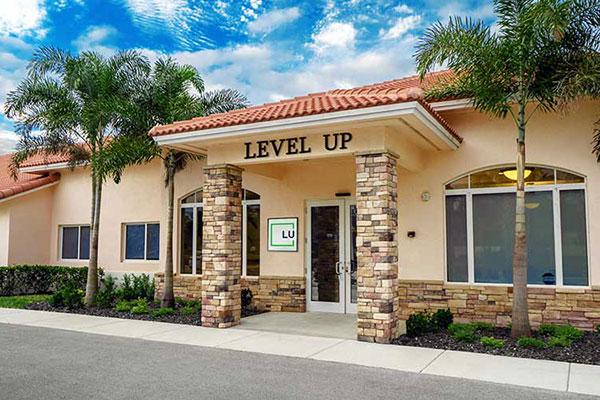
We Level Up Lake Worth
Drug & Alcohol Addiction Treatment Center w/Detox
Licensed & Accredited w/ 5-star reviews.- Inpatient addiction rehab center w/medical detox
- Addiction treatment and detox for alcohol, benzo, heroin, opioid, and more.
- Secondary mental health treatment available as part of our dual diagnosis programs.
- We Level Up Lake Worth (9935 Palomino Drive, Lake Worth) – this center is a safe place for people needing complete care in Florida. It provides services such as alcohol and drug detoxification. It also offers dual diagnosis and mental health treatments. There are many therapeutic and fun activities available.
- We Level Up Tamarac / Fort Lauderdale Location: 8290 N University Drive, Tamarac. This facility focuses on mental health. They treat conditions like depression, anxiety, and trauma using advanced therapies and dual diagnosis care. This center helps patients from Tamarac and Fort Lauderdale. It is also a popular choice for many people from other states who need treatment.
- We Level Up New Jersey (276 Bakers Basin Rd, Lawrenceville) focuses on dual-diagnosis treatments. They offer many services for people with alcohol addiction. They also have strong family and alumni programs for support.
- We Level Up California (31631 Auto Center Drive, Lake Elsinore) is a high-end facility. It provides a calm space for recovery from alcohol addiction and dual diagnosis treatments. They also offer programs designed for executives.
- We Level Up Washington (Spokane Valley, located at 14114 E 3rd Ave) specialises in addressing various mental health issues. This includes depression, anxiety, and mood disorders. We provide care in a modern behavioral health facility.
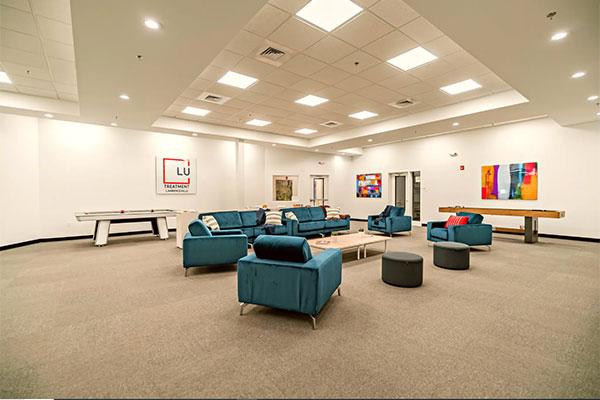
We Level Up New Jersey
Drug & Alcohol Addiction Treatment Center w/Detox
Licensed & Accredited w/ 5-star reviews.- Inpatient addiction rehab center w/medical detox
- Addiction treatment and detox for alcohol, benzo, heroin, opioid, and more.
- Secondary mental health treatment available as part of our dual diagnosis programs.
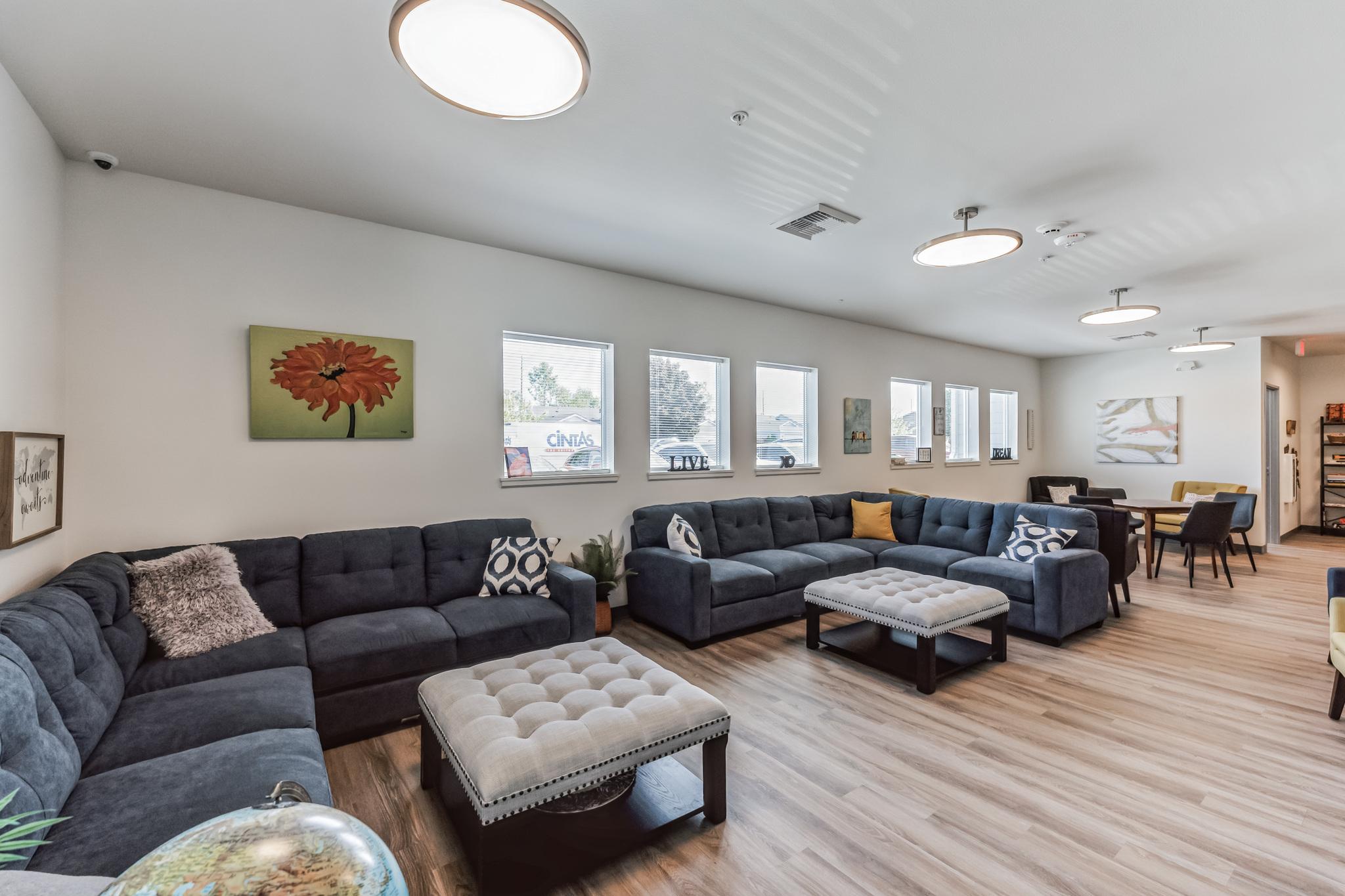
We Level Up Washington
Premier Behavioral Health Treatment Center
Licensed & Accredited w/ 5-star reviews.- Inpatient mental health treatment center
- Therapy for depression, anxiety, trauma, bipolar disorder, PTSD, and more.
- Dual diagnosis rehab programs available

We Level Up California
Drug & Alcohol Addiction Treatment Center w/Detox
Licensed & Accredited w/ 5-star reviews.- Inpatient addiction rehab center w/medical detox
- Addiction treatment and detox for alcohol, benzo, heroin, opioid, and more.
- Secondary mental health treatment available as part of our dual diagnosis programs.
What Happens In a Typical Day at Inpatient Rehab
After you complete admission and medical detox, which can take several days, you will have some personal time to prepare. We place importance on how you nurture your body, so you can have a healthy breakfast. This is a quiet time to mentally prepare for the day’s sessions.
During the day, you will join group therapy sessions. Here, you will share experiences, receive support from your peers, and discuss your recovery. Besides that, you will have regular individual therapy sessions with a trained counselor. These will be more personal and focused on you solely.
Every day, you will be educated on addiction and recovery. Our rehab centers teach about addiction and offer resources to help people stay on track with their recovery. This includes information on relapse prevention, healthy coping skills, nutrition, and other relevant topics.
Also, you will participate in specialized therapeutic activities. These could include art therapy, music therapy, or cognitive-behavioral therapy. Physical activity will be a part of your day. This benefits both physical and mental health. Activities might include yoga, walking, or other gentle exercises.
The day typically concludes with some free time, allowing you to relax, pursue hobbies, or simply reflect. This time is important for personal growth and relaxation. You will learn what a healthy bedtime routine is. You will also see why getting enough rest is important for your recovery.
Therapeutic Approaches

8. Holistic therapies
include yoga, meditation, art therapy, and working with animals, such as horses. Holistic therapies aim to heal the mind and body, reduce stress, and enhance overall well-being.
9. Recreational therapy
In inpatient care, you can use many recreational activities to help your physical and mental health. Amenities vary by facility but may include yoga, equine therapy, and sports activities.
Inpatient rehab programs use different methods. We want you to understand why you became addicted. You will learn how to handle tough situations and plan for a stable recovery.
1. Medical treatment
Inpatient treatment involves medical care to support you further as you take your first steps in recovery. Medical care is valuable because addiction and dependence impact physical health. For example, alcohol can cause seizures during withdrawal, so medical staff must be trained to handle episodes. An intravenous (IV) drug user might need to be screened for HIV, Hepatitis B, and C. Medical care in the inpatient rehab setting is sometimes the first treatment people have received in years.
2. Withdrawal management
The time it takes varies. It depends on the drug used, the amount taken, how long the abuse lasted, and other personal factors. Clinical care for inpatients helps mitigate negative side effects as a person faces lingering withdrawal symptoms.
3. Cognitive behavioral therapy (CBT)
CBT helps you recognize and change negative thoughts and behaviors. It’s particularly good for dealing with addiction and can also help if you’re struggling with depression or anxiety.
4. Dialectical behavior therapy (DBT)
DBT is great for managing intense emotions and improving relationships. It is especially helpful if you have emotional swings. It is often used to treat personality disorders and addiction.
5. Motivational interviewing (MI)
boosts your desire to change by helping you explore and resolve any mixed feelings about recovery. It’s a gentle approach that encourages you to discuss why you want to change and create your own plans to do so.
6. Group therapy
In group therapy, you will share your experiences and hear from others. This can help you feel supported and less alone. It’s also an opportunity to develop social skills and connect with others who share a desire to recover.
7. Family therapy
Many rehab programs include family therapy because healing relationships can be key to successful recovery. It brings your family into the process, teaches them about addiction, and shows them how they can support you.
Insurance and Payment Options
At We Level Up, we offer a complimentary insurance review. This helps you understand your coverage for addiction and mental health treatment. Simply contact us, and we will promptly assist you. We will inform you of what to expect and help you start your treatment without delay.
We accept most insurance plans:
- Aetna
- Beacon
- Blue Cross
- Carefirst
- Cigna
- Emblem
- Horizon
- Magellan
- Premera
- Regence
- Tricare
- And others
Besides insurance, we ensure that financing your inpatient rehab treatment is not a significant burden. We offer a variety of payment options to make our services accessible and affordable:
- Personalized payment plans: To accommodate different financial situations, we provide personalized payment plans that allow for manageable monthly payments. These plans are tailored to your financial needs and are designed to make the cost of treatment more manageable.
- Modern payment methods: We accept both traditional payment methods and cryptocurrencies. This gives you a secure and private way to pay.
- Credit and debit cards: We accept major credit cards like Visa, MasterCard, American Express, and Discover. This makes transactions easy and secure.
Our payments team is always here to help you understand your options. We will find the best solution for you. If you need assistance, please contact us at payments@welevelup.com or call our support line.
Aftercare Support
After completing an inpatient rehab program, we encourage you to explore personal coaching and development programs. These will be very helpful because they will help you find the barriers that hold you back in life. These barriers can be about your behavior, thoughts, or emotions. Additionally, these courses often focus on improving your ability to interact with others. Enhanced communication skills can foster stronger relationships, both professionally and personally. Another thing you will learn here is how to set goals. That is an important skill. You will learn how to set realistic goals that you can actually achieve.
Our affiliate company, We Level Up Personal Development LLC, provides personal development and coaching services independently from our treatment facilities. These services are different from treatment programs that can be billed to insurance. They are designed for individuals seeking ongoing growth and coaching support following their treatment with us.
Additionally, we offer our alumni a support program. It keeps you connected to a supportive recovery community and offers free aftercare planning. Regular get-togethers, workshops, and social events keep you engaged and offer continuous learning and personal growth opportunities. Our alumni community provides encouragement and understanding from others who share similar experiences. With our alumni support program, we provide you with the tools and resources you need. These will help you stay on track with your recovery and manage challenges.
Specialized, Accredited, 5-Star Reviewed, Evidence-based Addiction & Mental Health Programs. Complete Behavioral Health Inpatient Rehab, Detox plus Co-occuring Disorders Therapy.
CALL(844) 597-1011End the Addiction Pain. End the Emotional Rollercoaster. Get Your Life Back. Start Drug, Alcohol & Dual Diagnosis Mental Health Treatment Now. Get Free, No-obligation Guidance by Substance Abuse Specialists Who Understand Addiction & Mental Health Recovery & Know How to Help.
Ways to Reach Us
We’re here to help you anytime, day or night. Whether you have questions, need immediate assistance, or just want to explore your options, our team is always ready. You can:
- Call us at (844) 597-1011. You can reach out to us 24/7.
- Write us an email. Send it to info@backerwelevelup-com
- Leave us your phone number, and we will call you.
How to Start Your Recovery Process
When you first contact us, we will connect you with an admissions coordinator. This expert will spend time getting to know you or your loved one’s health and history. This will happen during a brief call that usually lasts 15 to 30 minutes. This way, we will fully understand your needs from the start.
During our initial conversation, we will gather some information to check if your health insurance is accepted. If you have any insurance issues or prefer alternative payment methods, we will explore various options. We will find a choice that fits your financial situation.
After sorting out the details, you will meet your own treatment consultant. This person will handle all the logistics and ensure that you can start your program without stress or doubts.
If you are travelling from afar, we can arrange transportation for you. We want to make sure you arrive safely and comfortably at our facility. Upon arrival, our friendly staff will greet you. They will help you finish any admission details and get settled. This is where your new life starts.
Call Us Today and Build a Healthier Future
Call We Level Up Treatment Centers now to learn more about inpatient rehabilitation and other aspects of addiction treatment. You can build a better future with clinical teams you can trust, backed by the support of family and loved ones. Contact us today and start bringing healing and happiness back into your home for everyone in your family. Your call is private and confidential, and there is never any obligation.
5 Inpatient Rehab Studies with Insights
Inpatient rehab provides structured, intensive, and evidence-based treatment for substance use and behavioral health disorders. Patients live at the facility, receiving 24/7 care that combines therapy, medical support, and life skills training. This immersive approach helps individuals focus fully on recovery in a safe and supportive environment.
How We Level Up Turns Research Into Real Recovery
Through our team at We Level Up, proven research on inpatient rehabilitation is transformed into personalized care. Our programs use proven therapies, organized routines, and expert help. We create treatment plans based on science for lasting recovery.
| Study | Treatment Implications | Insights for Patients |
|---|---|---|
| Inpatient rehabilitation specifically designed for geriatric patients Review Study | Invest in multidisciplinary rehab programs tailored for older adults, emphasizing comprehensive care over minimal/basic care. Consider longer stays or more intense rehab as needed. | Expect improved daily function and reduced risk of nursing home admission. Progress may be gradual; realistic expectations help. |
| Effect of inpatient rehabilitation treatment ingredients in older adults View Source | Include endurance exercise, early intervention, repeated practice, goal-setting, discharge planning, and enhanced medical care in rehab design. Increase transparency for better outcomes. | Ask about when rehab starts, what goals are set, how daily tasks will be practiced, and discharge planning. Improvements may take time, but can enhance endurance and function. |
| Experiences of inpatient rehab from persons with acquired brain injury (ABI) Read Article | Incorporate psychosocial care, counseling, support for identity, clear communication, and involvement of patients/families in planning beyond physical rehab. | Recovery involves identity and autonomy. Express your support needs and preferences. Participation in decisions aids emotional healing. |
| Inpatient rehab patients are more active during therapy than outside of sessions View Study | Extend activity opportunities beyond formal therapy; encourage safe, independent, or assisted activities during non-therapy times to improve overall recovery. | Keep moving outside therapy sessions by doing the recommended exercises. Small extra efforts support faster recovery. |
| Effectiveness and efficiency of inpatient rehab services in Thailand Read Review | Early referral to rehab after injury/stroke improves gains. Intensive programs and longer stays benefit patients with lower functional abilities. Rehab center type affects efficiency. | Start rehab early for better results. Intensive, longer rehab sessions can lead to greater improvement. Progress may be slow initially, but it builds over time. |
What This Means for Your Care at We Level Up
These studies show a clear message: recovery works best when inpatient rehab is structured and comprehensive. Your plan combines therapy, medication management if needed, life skills support, and holistic services. Family therapy and aftercare planning help maintain progress long-term. Every step is designed to turn evidence into real, lasting recovery. Ready to turn evidence into action? Contact We Level Up Treatment Centers for a private, free assessment. We will create a personalized plan tailored to your needs, informed by research.
Frequently Asked Questions about Inpatient Rehab
How long does inpatient rehab typically last?
The duration of inpatient rehab can vary depending on individual needs and the specific program. Generally, programs can last from 28 days to 90 days, but some may offer shorter or longer stays based on the treatment required.
What should I bring to inpatient rehab?
You should bring comfortable clothes and personal hygiene items that do not contain alcohol, such as toothpaste and shampoo. Also, pack any current prescription medications, a form of ID, and your insurance information. It’s also a good idea to bring a journal and a book for personal downtime. Avoid bringing valuables or large amounts of cash.
Can I have visitors during my stay in inpatient rehab?
Most inpatient rehabilitation facilities have set visiting hours and rules. These help create a safe and supportive environment for recovery. Visitors are usually allowed during designated times after the initial detox period, and facilities often require that visitors be approved in advance.
Experience Transformative Recovery at We Level Up Treatment Centers.
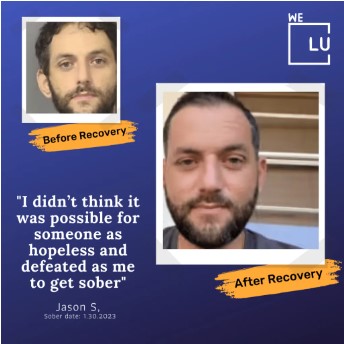
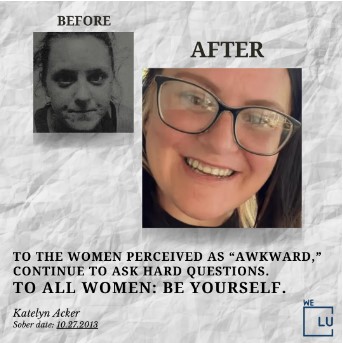
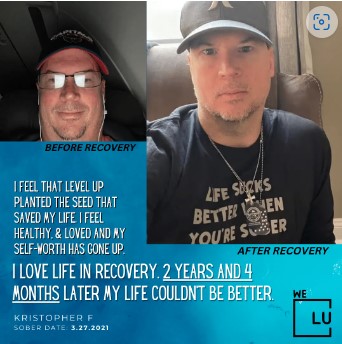
See our authentic success stories. Get inspired. Get the help you deserve.
Start a New Life
Begin with a free call to an addiction & behavioral health treatment advisor. Learn more about our dual-diagnosis programs. The We Level Up Treatment Center Network delivers recovery programs that vary by each treatment facility. Call to learn more.
- Personalized Care
- Caring Accountable Staff
- World-class Amenities
- Licensed & Accredited
- Renowned w/ 100s 5-Star Reviews
We’ll Call You
Search We Level Up Inpatient Rehab, Addiction & Mental Health Topics & Resources
Resources
Medical Detox Programs – Details about various medical detox options are available on the We Level Up website. These programs are often a precursor to inpatient rehab and are crucial for safely managing withdrawal symptoms.
Dual Diagnosis Treatment – For individuals dealing with both substance abuse and mental health disorders, dual diagnosis treatment is essential. We Level Up offers specialized programs to address these co-occurring conditions.
Outpatient Rehab Options – After completing inpatient rehab, some individuals may transition to outpatient programs. These programs provide continued support and therapy while allowing individuals to live at home.
15 Benefits of Inpatient Rehab – This article outlines 15 key advantages of inpatient rehabilitation, including 24/7 support, structured environments, and access to therapy.
Inpatient Drug Rehab – Learn about the comprehensive recovery options available at We Level Up’s inpatient drug rehabs, offering personalized care in a supportive environment.
Inpatient Alcohol Rehab – Discover the structured and supportive environment provided for individuals struggling with alcohol addiction, including 24/7 supervision and medical support.
Sources
SAMHSA (2023). HHS, SAMHSA Release 2022 National Survey on Drug Use and Health Data. [online] www.samhsa.gov. Available at: https://www.samhsa.gov/newsroom/press-announcements/20231113/hhs-samhsa-release-2022-nsduh-data.
www.cdc.gov. (2021). Inpatient Rehabilitation Facilities (IRF) | NHSN | CDC. [online] Available at: https://www.cdc.gov/nhsn/inpatient-rehab/index.html.
www.cms.gov. (n.d.). Inpatient Rehabilitation Facilities | CMS. [online] Available at: https://www.cms.gov/Medicare/Provider-Enrollment-and-Certification/CertificationandComplianc/InpatientRehab.
www.medicare.gov. (n.d.). Find Healthcare Providers: Compare Care Near You | Medicare. [online] Available at: https://www.medicare.gov/care-compare/?guidedSearch=InpatientRehabilitation.