

Methamphetamine Facts: Addiction, Symptoms, and Treatment Options
Methamphetamine, popularly known as “meth,” is one of the powerful stimulants of the central nervous system. It is sometimes a second-line treatment for attention deficit hyperactivity disorder (ADHD) and obesity. However, meth is better known as a recreational drug. Continue to read more about meth addiction signs, symptoms, and treatment.
Clinically Reviewed by Lauren Barry, LMFT, MCAP, QS
Medically Reviewed by Ali Nikbakht, PsyD
Updated on October 6, 2025 — Editorial Policy | Research Policy | Privacy Policy
Methamphetamine Facts: Addiction, Symptoms, and Treatment Options
Methamphetamine, popularly known as "meth," is one of the powerful stimulants of the central nervous system. It is sometimes a second-line treatment for attention deficit hyperactivity disorder (ADHD) and obesity. However, meth is better known as a recreational drug. Continue to read more about meth addiction signs, symptoms, and treatment.
Clinically Reviewed by Lauren Barry, LMFT, MCAP, QS
Medically Reviewed by Ali Nikbakht, PsyD
Reviewed / Updated: October 6, 2025 — Editorial Policy | Research Policy | Privacy Policy
By We Level Up | Author Giselle Leung, PharmD, BCGP | Editorial Policy | Research Policy
What are Methamphetamine Facts?
Methamphetamine (meth) is a highly addictive stimulant drug that affects the central nervous system (CNS). It is normally prescribed for attention deficit hyperactivity disorder (ADHD) and short-term treatment of obesity. However, people often abuse methamphetamine as a recreational drug. It is made illegally into a crystal form called “crystal meth” for short.
Meth comes in several forms and is usually smoked, swallowed, snorted, injected, or used rectally by recreational users.
Meth is highly addictive because it increases the amount of dopamine in the brain. Dopamine is a neurotransmitter involved in motivation, pleasure, and motor function. The drug’s ability to rapidly release high levels of dopamine strongly reinforces drug-taking behavior. This makes the user want to repeat the experience.
Taking even small amounts of meth can result in increased wakefulness and physical activity as well as decreased appetite. Other negative effects include faster breathing, rapid or irregular heartbeat, and increased blood pressure and body temperature.
Methamphetamine Facts Key Takeaways
- Methamphetamine is a very addictive stimulant drug. It affects the central nervous system and releases high levels of dopamine. This release reinforces the desire to seek out the drug.
- Meth addiction can develop quickly. This happens because the drug strongly affects the brain’s reward system. As a result, users build tolerance and dependence. They may continue to use meth even when it causes negative effects.
- Meth use can cause many symptoms. These include dilated pupils, fast breathing, and a quickened heart rate. Users may feel very happy, anxious, or paranoid. They may also act in unpredictable ways.
- Chronic use leads to severe psychological and physical health problems.
- Treatment for meth addiction uses a complete approach. This includes contingency management and medication-assisted treatment (MAT). These methods help prevent relapse and support long-term recovery.
Methamphetamine Addiction Overview
Methamphetamine addiction develops quickly due to the drug’s potent effects on the brain’s reward system. Tolerance builds rapidly, requiring higher doses to achieve the same high. This leads to a vicious cycle of compulsive drug-seeking behavior and intense cravings.
Chronic meth use alters brain structure and function, affecting judgment, decision-making, impulse control, and memory. Symptoms can rapidly progress to paranoia, hallucinations, and violent behavior. Meth addiction also causes devastating physical changes, namely tooth decay, skin sores, and weight loss.
Withdrawal from meth is psychologically distressing. This makes quitting extremely difficult without professional help. Treatment is characterized by behavioral therapy, counseling, and medications to manage withdrawal and prevent relapse.
Recovery from meth addiction is a long-term process. Engaging in a comprehensive treatment program, building a strong support network, and making healthy lifestyle changes are critical for maintaining sobriety.
Crystal Meth Addiction Treatment
Stimulant addiction treatment is often critical due to how extensively meth and other stimulants affect the body. A meth addict cannot stop using the drug. This happens even when it causes harmful physical, mental, or social effects. Many US citizens face an addiction crisis that can be overcome with proper intervention and ongoing treatment. This drug is commonly used illicitly in forms such as crystal meth.
Crystal meth is simple to get and inexpensive for the duration of the high. A small amount of crystal meth, costing about ten dollars, can keep one or two people high. They can party for a whole day or even longer. A person addicted to meth is using a bong or other tools to smoke the drug. Some people also inject it for faster effects. Meth users often crave the drug for several reasons. One reason is rapid weight loss. Another is that it lowers inhibitions and boosts libido.
How addictive is crystal meth? Some people turn to this stimulant when their tolerance to another drug increases, so they can no longer get high. Crystal meth not only provides the high that addicts want, but it is also less expensive and lasts longer. Medical detox is the first step in meth addiction therapy.
To manage the uncomfortable withdrawal symptoms, detox is often the first step in professional meth addiction treatment. Once stabilized, patients usually join an inpatient or residential rehab program. This helps them get therapy at meth rehab centers and learn skills for long-term sobriety and recovery.
Why Is Meth So Addictive?
Methamphetamine’s highly addictive nature stems from its profound effect on the brain’s reward system. When you use meth, it triggers a surge of dopamine, a neurotransmitter associated with pleasure and motivation. This flood of dopamine produces an intense euphoria that reinforces the desire to use the drug again. Over time, your brain becomes accustomed to these artificially high levels of dopamine, leading to tolerance and dependence.
Meth significantly affects decision-making, impulse control, impulse control, and memory. These big changes in brain chemistry make it harder to feel pleasure from natural rewards like food, sex, or socializing. You may find yourself wanting to use meth often to feel high, even with the bad effects.
When smoked or injected, meth quickly reaches the brain. It creates an intense rush in just 5 to 30 minutes. But this high is short-lived, often followed by a severe crash that leaves you craving more. This cycle of highs and lows can lead to addiction. You may keep trying to feel good and avoid bad withdrawal symptoms.
Meth addiction is not only psychologically gripping but also physically damaging to your body. Even with these consequences, addiction makes it incredibly challenging to quit without professional help.
Using Meth Addiction Signs
Available in many different forms, meth can be smoked, snorted, injected, or ingested orally. Each method will affect the user differently. The time the drug works will vary slightly with each way of use. Various methods of administration that can affect the user include the following:
- Injecting meth leads to an intense rush or flash of a high, described as a pleasurable state that typically only lasts a few minutes.
- Snorting or oral consumption leads to a less intense rush that lasts anywhere from 5 to twenty minutes and can linger.
- Smoking meth quickly gets the drug into the brain. This can increase dependence and cause many health issues, like lung tumors and other problems.
Medication for Meth Addiction
Methamphetamine dependency is a severe worldwide public health problem with significant medical, psychiatric, socioeconomic, and legal consequences. But the development of methamphetamine medications is at an early stage. No considerable evidence for efficacious medication treatment for meth addiction has yet emerged. Presently, there are no FDA-approved medications for the symptoms of meth addiction.
Psychological treatments are becoming more important for rehab options if you want to overcome meth addiction. Treatment with cognitive behavioral therapy appears to be associated with declines in meth use and other positive transformations, even over brief treatment periods.
Throw out the stereotypical idea of an “addict” while dealing with a functioning meth addict. These aren’t the people pulling shopping carts up and down the sidewalks of Skid Row. In truth, they work long hours only to keep up appearances and preserve their employment. They can find career success and have active social lives. They can also hide their substance abuse from loved ones, at least for a while. Sadly, the “functional meth addict” component comes at a high cost and risk. Friends and loved ones often do not see the problem. Functional addicts are good at hiding their issues and covering their tracks.


Get Your Life Back
Find Hope & Recovery. Get Safe Comfortable Detox, Addiction Rehab & Dual Diagnosis Trused Care.
7/365 Line (844) 597-1011Meth Addiction Recovery Rates & Statistics
In 1970, the Controlled Substances Act was passed. This law put methamphetamine and other stimulants, like cocaine, on Schedule II. These drugs have a high risk of abuse and can cause serious physical dependence. The 2019 National Survey on Drug Use and Health reported that roughly 2 million US citizens 12 years or older used methamphetamine in the past year, making it the second most commonly used illicit stimulant.
What percent of meth addicts recover? The success rate for crystal meth users to stay sober after three years without treatment is only 5%.
53
In 2014, 53 of every 100,000 individuals received care at a specialist addiction treatment facility for methamphetamine-related disorders.
Source: The National Treatment Episode Data Set
6%
Approximately 6% of US citizens (aged 12 and older) tried it at least once in 2015. Meth is typically smoked, injected, eaten, or snorted. It can be found as a white powder or in a glass-like form known as crystal meth.
Source: National Institute on Drug Abuse
3%
Admissions to meth addiction treatment increased by 3% from 2014 to 2015.
Source: US Department of Justice’s 2017 National Drug Threat Assessment
How Long Does Meth Stay In Your System?
The time meth stays in your system depends on several factors. These include how much and how often you use it, your metabolism, and the type of drug test used. Generally, meth can be detected in urine for 1-4 days after last use. With heavy or chronic use, the detection window goes up to a week. Blood tests typically detect meth for 1-3 days, while hair tests can reveal use for up to 90 days.
Meth has a half-life of about 10 hours, meaning it takes that long for half the drug to be eliminated from your body. Yet, traces can linger much longer. Age, weight, and overall health influence how quickly your body processes and eliminates the drug.
It’s important to know that even after meth is gone from a drug test, its effects on your brain and body can last.
Chronic meth use leads to long-term changes in brain structure and function, impacting cognitive abilities, emotions, and behavior. These changes may take months or even years to reverse.
If you are trying to quit meth, be ready for withdrawal symptoms. These symptoms usually start within 24 hours after your last use and can last for several weeks. Common symptoms are intense cravings, fatigue, depression, and sleep disturbances. A comprehensive treatment program can help you manage these symptoms to achieve sustainable recovery. Don’t hesitate to reach out for support.
Get Help. Get Better. Get Your Life Back.
Searching for Accredited Drug and Alcohol Rehab Centers Near You?
Even if you have failed previously and relapsed, or are in the middle of a difficult crisis, we stand ready to support you. Our trusted behavioral health specialists will not give up on you. When you feel ready or just want someone to speak to about therapy alternatives to change your life call us. Even if we cannot assist you, we will lead you to wherever you can get support. There is no obligation. Call our hotline today.
(844) 597-1011Signs of Methamphetamine Addiction
Methamphetamine addiction can develop quickly due to the drug’s powerful effects on the brain’s reward system. You may notice several signs that indicate someone is struggling with meth addiction.
They may look very thin and have poor dental and body hygiene. Their pupils may be large, and they may breathe quickly and have a fast heart rate. Their skin may be pale and clammy, with excessive sweating.
Psychologically, they may exhibit erratic behavior, mood swings, and irritability. Sometimes they may become paranoid, anxious, or aggressive. In severe cases, delusions and hallucinations can occur, leading to violent behavior.
Behaviorally, meth addiction can lead to social isolation and neglect of responsibilities. Users may engage in risky or illegal activities to obtain the drug, resulting in financial and legal issues. Social relationships suffer as the addiction takes priority over everything else. Paraphernalia such as pipes, syringes, or burnt foil may be found in their possession. Meth addicts often go on binges, using the drug continuously for days without sleep.
If you or someone you know is addicted to meth, it is important to get professional help right away.
Symptoms of Methamphetamine Use
Methamphetamine use can lead to various physical, psychological, and behavioral symptoms.
Some common physical symptoms include:
- Dilated pupils
- Rapid breathing, increased heart rate, and increased blood pressure
- Elevated body temperature
- Excessive sweating, tremors, and muscle twitches
The main psychological effect of meth is euphoria. This is a state of intense happiness. It lasts for 6 to 12 hours.

Other psychological effects include:
- Increased energy and alertness
- Anxiety, paranoia
- Irritability and aggression
- Delusions and hallucinations (especially with chronic or high doses)
- Loss of the ability to feel pleasure
Meth users often display worrisome behavioral symptoms:
- Hyperactivity, restlessness, and talkativeness
- Engagement in repetitive tasks or behaviors
- Sleep disturbances
- Appetite suppression
- Violent behavior
Chronic meth leads to severe and potentially fatal outcomes, such as:
- Skin sores from scratching
- Tooth decay (known as “meth mouth”)
- Extreme weight loss
- Cognitive impairments, such as memory loss, difficulty concentrating, and impaired decision-making
- Unintentional overdose
Withdrawal from meth can lead to:
- Intense cravings
- Depression
- Insomnia
- Increased appetite
- Vivid, unpleasant dreams
- Anxiety and irritability
- Suicidal thoughts and tendencies
Being aware of these symptoms is critical for identifying meth use and seeking appropriate help. Treatment can help manage symptoms, overcome addiction, and restore overall health and well-being.
First-class Facilities & Amenities
Trusted Integrated Addiction & Mental Health Rehabilitation Treatment
Rehab Centers TourEstablished Addiction Centers. Serene Private Facilities. Inpatient rehab programs vary.
Addiction Helpline (844) 597-1011Comprehensive recovery success experience, backed by a Team w/ History of:
15+
Years of Unified Experience
100s
5-Star Reviews Across Our Centers
10K
Recovery Success Stories Across Our Network
- Low Patient to Therapist Ratio
- Onsite Medical Detox Center
- Comprehensive Dual-Diagnosis Treatment
- Complimentary Family & Alumni Programs
- Alumni Coaching, Recovery & Personal Development Events
Meth Overdose Symptoms
The use of methamphetamine can cause physical and psychological dependence, increased tolerance, and severe Meth Withdrawal Symptoms. Methamphetamine users often develop tolerance quickly. This means they need to take more to feel the same “high.” Increasing the dose can be very dangerous. Taking too much methamphetamine raises the risk of overdose.
Symptoms of meth overdose include the following:
- Dangerously high body temperature.
- Convulsions.
- Stroke.
- Heart attack.
- Death.
- Fatigue.
- Anxiety.
- Irritability.
- Lack of energy.
- Weight gain.
- Dehydration.
- Chills.
- Insomnia followed by hypersomnia (sleeping too much).
- Dysphoria (low mood) could progress to clinical depression and suicidal thoughts.
- The inability to think clearly.
- Anhedonia (loss of ability to feel pleasure).
- Withdrawing from others.
- Drug cravings.
Top Science-Based Evidence Meth Rehab Studies with Insights
Meth Rehab symptoms occur when a person who has been using meth regularly stops or reduces their use. These symptoms are not usually life-threatening, but they can be extremely uncomfortable and mentally challenging. Symptoms occur when a person who has been using meth regularly stops or reduces their use. These symptoms are not usually life-threatening, but they can be extremely uncomfortable and mentally challenging.
How We Level Up Turns Research Into Real Recovery
At We Level Up, we believe the path to healing is strongest when it is guided by science. The studies on methamphetamine withdrawal show what patients experience. They face intense cravings, mood swings, fatigue, and sleep problems. This is why professional support is so important.
| Study | Treatment Implications | Insights for Patients |
|---|---|---|
| Acheson et al., 2022 – Meta-analysis View Study | Focus on non-pharmacological care (CBT, contingency management, structured support). Use medications only to relieve individual symptoms. | Patients should know there is no “magic pill”; recovery relies on therapy, support, and coping strategies. |
| Zorick et al., 2010 – Withdrawal symptoms in abstinent methamphetamine-dependent subjects View Resource | Ongoing therapy (CBT, contingency management) is needed beyond initial detox. Monitor for depression and relapse risk. | Even when mood improves, cravings can last weeks. Staying in treatment during this time reduces relapse risk. |
| Anxiety in Meth Withdrawal – Chen et al., 2017 Read Article | Early screening for anxiety is crucial. Provide supportive counseling and, when needed, short-term anti-anxiety medications. | Anxiety is common and temporary. Patients should know they are not alone and support can ease these feelings. |
| Controlled Amphetamine Withdrawal Trial – Newton et al., 2021 Read Study | Shows potential for medication-assisted approaches. More trials needed, but stimulant replacement may help in severe cases. | Cravings are part of the process. Some new therapies may help reduce them under medical care. |
| PWID Meth Withdrawal Study – Morin et al., 2021 Read Review | High-risk users need closer monitoring and access to residential or structured care. | Withdrawal can feel very painful. This is normal, not a sign of weakness. Professional help can make it safer and easier. |
What This Means for Your Care at We Level Up
These studies have an important message. Meth rehab often causes strong symptoms. These symptoms include anxiety, depression, and cravings. This is especially true during the first week. These symptoms can persist for weeks, increasing the risk of relapse. Non-medication treatments, like therapy and support groups, are the most effective. People who use meth in heavier or riskier ways, like by injection, often have worse withdrawal. They may need more intensive care that is closely monitored.
At We Level Up, we understand that navigating methamphetamine withdrawal is challenging. Based on the latest research, we have adjusted our treatment to help with withdrawal symptoms. We aim to support your recovery journey. Ready to turn evidence into action? Contact We Level Up Treatment Centers for a private, free assessment. We will create a personalized plan tailored to your needs, informed by research.
Treatment for Methamphetamine Addiction
Overcoming meth addiction is challenging, but with the right treatment approach, you can achieve lasting recovery. Treatment plans address the physical, psychological, and behavioral aspects of addiction.
Medication
While there are no FDA-approved medications specifically for treating meth addiction, certain medications target withdrawal symptoms and cravings. Antidepressants, namely bupropion and mirtazapine, have been shown to help with depression and anxiety during early recovery. Modafinil, a wakefulness-promoting agent, can counteract the fatigue and cognitive impairments associated with meth withdrawal. Your healthcare provider may also give you other medicines. These can help with mental health problems or physical health issues from meth use. These medications in combination with behavioral therapies, such as contingency management, are necessary to address all aspects of addiction. Your healthcare provider will create a medication plan specific to your needs and monitor your progress.
Variety Of Treatment For Meth Addiction
Meth addiction treatment begins with medical detox. Once that is complete, there are a variety of treatments that can help with recovery, including the following:
Behavioral Therapy
Changing old behaviors that led to drug use into new, productive behaviors that do not involve drugs.
Family Education
Teach others about meth addiction treatment. Show them how to help their loved ones. They can support recovery by not enabling the addiction.
The Matrix Model
If you struggle with methamphetamine addiction, there is a 16-week treatment program called the Matrix Model. It incorporates family education, counseling, a 12-step component, behavioral treatment, drug testing, and promoting activities unrelated to drugs.
Individual Counseling
Offering a safe space for the addict to seek help for their addiction. They won’t have to worry about what others think. Individual counseling provides a space to discuss possible causes of substance abuse. This includes past or present physical abuse or trauma.
12-Step Therapy
Drug addiction recovery groups are available in communities to provide social support for recovering addicts.
Contingency Management Interventions
These programs give patients rewards when they stay off meth for a certain time. They provide coupons or vouchers to help them find something they enjoy as a reward. The coupon may be for a free meal, a special gift, or something else of value.
Treating Meth Addiction With Behavioral Therapies
Behavioral therapy is an effective treatment for meth addiction. Some behavioral therapy techniques that are commonly used in treatment may include:
- Cognitive-Behavioral Therapy – A treatment to prevent relapse by increasing awareness of high-risk situations, developing coping skills, changing harmful behaviors, and managing cravings.
- Contingency Management – Interventions are motivational incentives in which tangible rewards reinforce positive behaviors, such as attending treatment sessions and not using. As you stay sober, the rewards may increase in value.
- The Matrix Model – Incorporates behavioral therapy, individual therapy, family therapy, education, encouragement to participate in 12-step meetings, drug testing, and positive reinforcement of desirable behaviors such as avoiding substance use and attending treatment.
Searching for “meth addiction treatment near me?” We Level Up Treatment Center provides world-class care with round-the-clock medical professionals to help you cope. We all work as an integrated team providing Methamphetamine Addiction treatment for a successful recovery at our numerous Meth addiction treatment centers nationwide. Make this your opportunity to reclaim your life. Call today to speak with one of our treatment specialists. Our specialists know what you are going through and will answer any of your questions.
Your call is private and confidential, and there is never any obligation.
Patient Stories on Meth Rehab
These examples reflect real patient experiences. Names and details have been changed for privacy.
- “J., 24 — Overcoming Peer Pressure”
J. started using meth in college to fit in with friends. Over time, the addiction began affecting his studies and personal relationships. In inpatient rehab, cognitive-behavioral therapy and group counseling helped him regain control. “Rehab gave me a safe place to understand why I used and how to stop,” he said. - “L., 32 — Battling Isolation and Anxiety”
L. turned to meth as a way to cope with severe anxiety and social isolation. Her addiction worsened her mental health, making everyday tasks overwhelming. Through structured therapy, mindfulness training, and peer support, she rebuilt her confidence and social connections. “I’m finally able to face the world without fear or dependency,” she shared. - “R., 41 — Struggling with Family Responsibilities”
R. began using meth to cope with the stress of supporting his family while managing work demands. His addiction led to strained relationships and financial instability. Rehab provided a combination of individual counseling, family therapy, and life skills coaching. “I’ve learned to manage stress without substances and reconnect with my loved ones,” he reflected.
Illustrative Clinician Perspective (quotes)
“Recovery from meth addiction often requires addressing underlying issues like anxiety, peer pressure, or chronic stress.” — Addiction Psychiatrist
“Structured rehab programs offer patients essential tools, support, and accountability to regain control over their lives.” — Licensed Therapist
Specialized, Accredited, 5-Star Reviewed, Evidence-based Addiction & Mental Health Programs. Complete Behavioral Health Inpatient Rehab, Detox plus Co-occuring Disorders Therapy.
CALL(844) 597-1011End the Addiction Pain. End the Emotional Rollercoaster. Get Your Life Back. Start Drug, Alcohol & Dual Diagnosis Mental Health Treatment Now. Get Free, No-obligation Guidance by Substance Abuse Specialists Who Understand Addiction & Mental Health Recovery & Know How to Help.
Methadone Detox Overview
Methadone detox is a gradual process of reducing your methadone dosage over weeks or months, depending on your needs.
What to Expect:
- Regular monitoring to track progress and address symptoms.
- A personalized taper schedule designed by your healthcare provider.
- Medications and therapies to alleviate discomfort.
The goal is to safely wean you off the medication while minimizing withdrawal symptoms.
How Long Does Methadone Detox Take?
The duration of methadone detox varies for each person. Let’s look more closely at the timeline and symptoms.
Methadone Withdrawal Timeline and Symptoms
With methadone detox, you’ll gradually taper off the medication under medical supervision. This is aimed at reducing withdrawal symptoms, which often happen once methadone starts to leave your body.
Symptoms are similar to other opioids and include:
- Anxiety
- Muscle aches
- Insomnia
- Sweating
- Runny nose
Some people also experience prolonged symptoms, known as post-acute withdrawal syndrome (PAWS). PAWS can last for several months, or even longer, after detox.
Patience is key during this period. Your body needs time to adjust and develop coping skills and a plan for staying opioid-free long-term.

Meth Addiction Quotes
Methamphetamine misuse has several harmful repercussions, including addiction. Addiction is a long-lasting condition. It is marked by a strong urge to seek and use drugs. It also causes changes in the brain’s function and structure.
In addition to being addicted to methamphetamine, long-term users may have symptoms such as considerable anxiety, disorientation, sleeplessness, mood problems, and aggressive conduct. They may also show psychotic symptoms like paranoia, seeing or hearing things that aren’t there, and delusions. For example, they might feel like insects are crawling under their skin. Psychotic symptoms can remain for months or years after a person has stopped using methamphetamine. Stress can cause methamphetamine psychosis to return in people who have had it before.
“I can pretty much guarantee that you will at some point find yourself doing something that at one point you swore you’d never do. You’ll do it for the sake of getting high, either directly or indirectly. Trust me. It will happen. You might think you know yourself better than anyone, but you have yet to become acquainted with your addiction. It will introduce itself in ways that you never thought were possible.”
― Ashly Lorenzana (meth addiction stories)
“I want to be good, do good, be a worker among workers, a friend among friends. But there’s also this part of me that is so dissatisfied with everything. If I’m not living on the verge of death, I feel like I’m not really living.”
― Nic Sheff, Tweak: Growing Up On Methamphetamines (stories and poems about meth addiction)
“It’s sad
that burnt marshmallows
make me think of
methamphetamine,
when they
should bring
back childhood
memories of
s’mores”
― Phil Volatile, Crushed Black Velvet (examples of meth addict poems)
“Breaking bad fans when they see a meth addict peel their skin off to get the bugs out.” ― Portrayal of a meth addict Breaking Bad Series
“My main concern was my teeth because they were in constant pain. Meth depletes the body of calcium, a vitamin essential to maintaining healthy teeth. It also includes acidic ingredients that can damage teeth. The ingredients include battery acid, Drano, cold medications like Sudafed, antifreeze, engine starter fluid, and brake fluid. Pop the hood of your car, and you can find the ingredients you need to cook meth. I’m no dentist, but I concluded that was the root of my tooth pain.”
― S.C. Sterling, Teenage Degenerate (one of the books about meth addiction and meth addiction poems)
“The longest I ever stayed up on meth was something like fourteen days. I started seeing these little creatures in my house. They looked so real to me that to this very day I could swear I actually saw them. They were these little men who looked like Stretch Armstrong dolls, but green. They were being manufactured under my house. They came up out of the ground and ran around my living room, and I would run around my house, chasing them, and shooting my gun at them.
Sometimes I hit one, and it dies. Then, all of a sudden, the wall opened up, and the creatures grabbed him and dragged him back inside, so I couldn’t show anybody. That’s why nobody else could see them but me.”
― Todd Bridges, Killing Willis: From Diff’rent Strokes to the Mean Streets to the Life I Always Wanted
Frequently Asked Questions
Meth addiction is a serious issue that affects many people and their loved ones. Here are some frequently asked questions.
How addictive is meth?
Meth is highly addictive. It quickly raises dopamine levels in the brain. This creates strong feelings of happiness and makes people want to use the drug again. The brain quickly adapts to these artificially high dopamine levels, leading to tolerance and dependence. Chronic use alters brain structure and function, making it increasingly difficult to experience pleasure from natural rewards. The rapid onset and short duration of meth’s effects contribute to its addictive potential.
What does a meth addict look like?
Meth addicts may look very thin. They often have pale, sweaty skin and large pupils. They may also have dental problems, breathe quickly, and have a fast heart rate. They may display erratic behavior, mood swings, paranoia, anxiety, and aggression. Severe cases lead to delusions and hallucinations, which can escalate to violent behavior. They often isolate themselves and ignore their responsibilities. They carry drug items with them and do risky or illegal things to get drugs.
How long does it take to get addicted to meth?
Meth addiction can develop rapidly due to the drug’s powerful effects on the brain’s reward system. Some people may become addicted after just a few uses, while others may take longer. Frequency of use, dosage, and individual health can influence how addiction develops. Regular meth use quickly leads to tolerance. Higher doses are needed to achieve the desired effects. This tolerance quickly escalates into dependence and addiction within a matter of weeks or months.
Is meth physically addictive?
Yes, meth is physically addictive. Chronic meth use alters brain structure and function, leading to physical dependence. When a person addicted to meth abruptly stops using the drug, they experience withdrawal symptoms. These symptoms happen because the body has adjusted to meth. It has a hard time working normally without it. The severity of physical dependence and withdrawal symptoms can make quitting meth extremely challenging without professional help.
What percentage of meth addicts recover?
Recovery rates for meth addiction vary, but with comprehensive treatment and ongoing support, long-term recovery is possible. Studies suggest that around 40-60% of people who enter treatment for meth addiction achieve abstinence. However, relapse is common. Many people require multiple treatment attempts before attaining lasting recovery. Addiction can be very serious. Other mental health issues can also affect recovery. Access to good treatment before and after is important for better outcomes. Recovery is lifelong and requires ongoing commitment, support, and vigilance to maintain sobriety.
Is crystal meth addictive?
Yes, it is. Crystal meth is a pure, crystal form of methamphetamine. People usually smoke or inject it. This produces a quick and strong high. This method of use increases the risk of addiction because the drug quickly enters the bloodstream and brain. The euphoric effects of crystal meth are short-lived, hence users binge on the drug to maintain the high. This pattern of use can quickly lead to addiction.
How can I help someone with a meth addiction?
Supporting a loved one with a meth addiction requires a compassionate, non-judgmental approach. Express your concern for their well-being and offer to help them find treatment options. Research reputable treatment programs and provide them with accurate information. Encourage open communication and be a supportive presence throughout their recovery. Avoid confrontation or enabling behaviors, and set clear boundaries to protect your well-being. Attending support groups for families of addicts can provide valuable guidance and emotional support. Remember, recovery is a long-term process, and your loved one will need ongoing support and understanding.
What are the signs of a meth addiction?
Signs of meth addiction consist of physical, psychological, and behavioral changes. Physical signs may include dilated pupils, rapid breathing, increased heart rate, and significant weight loss. Psychologically, people may exhibit erratic behavior, mood swings, paranoia, anxiety, and aggression. Severe cases can lead to delusions and hallucinations, which can escalate to violent behavior. Behaviorally, meth addicts often isolate themselves, neglect responsibilities, and engage in risky or illegal activities. Other indicators include sleep disturbances, poor hygiene, dental issues known as “meth mouth,” and the presence of drug paraphernalia. If you suspect someone is addicted to meth, seek professional help immediately.
What are the risks of meth addiction?
Meth addiction poses significant risks to physical and mental health. Short-term risks include rapid heart rate, high blood pressure, hyperthermia, and the potential for stroke or heart attack. Long-term risks include severe dental problems, skin sores, malnutrition, and cognitive impairments. Meth use raises the risk of infectious diseases like HIV and hepatitis. This is due to risky sexual behaviors and sharing needles. Psychologically, meth addiction can lead to depression, anxiety, paranoia, and psychosis. The social consequences of addiction may include strained relationships, job loss, financial instability, and legal problems. Seeking professional treatment is critical to mitigate these risks and achieve lasting recovery.
Experience Transformative Recovery at We Level Up Treatment Centers.
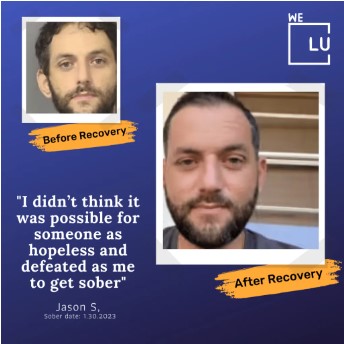
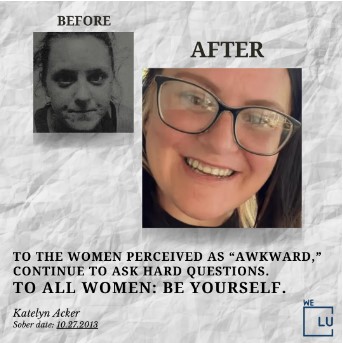
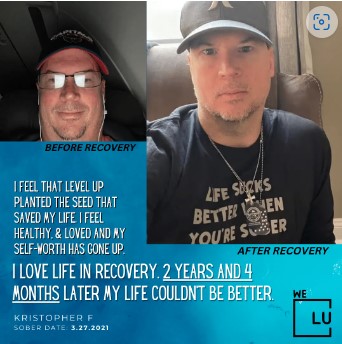
See our authentic success stories. Get inspired. Get the help you deserve.
Start a New Life
Begin with a free call to an addiction & behavioral health treatment advisor. Learn more about our dual-diagnosis programs. The We Level Up Treatment Center Network delivers recovery programs that vary by each treatment facility. Call to learn more.
- Personalized Care
- Caring Accountable Staff
- World-class Amenities
- Licensed & Accredited
- Renowned w/ 100s 5-Star Reviews
We’ll Call You
Search We Level Up Meth Addiction Detox, Treatment Options, Mental Health Topics & Resources
Resources
Methamphetamine Detox, Symptoms, & Treatment – A detailed guide covering the detoxification process, withdrawal symptoms, and treatment options for methamphetamine addiction.
Meth Withdrawal Symptoms, Timeline, Detox & Treatment – An in-depth look at the symptoms and timeline of methamphetamine withdrawal, along with treatment strategies.
Support Groups for Families of Addicts – Resources and support for families affected by addiction, highlighting the importance of community and shared experiences.
What Does Meth Feel Like? Crystal Meth Effects – This article delves into the subjective experience of methamphetamine use, detailing the initial euphoria, increased energy, and heightened alertness users may feel.
How To Sleep On Meth? Signs Of Drug Abuse & Effective Strategies – This resource addresses the challenges meth users face with sleep disturbances and offers guidance on managing these issues.
Sources
[1] Yasaei R, Saadabadi A. Methamphetamine. [Updated 2022 May 8]. In: StatPearls [Internet]. Treasure Island (FL): StatPearls Publishing; 2023 Jan-. Available from: https://www.ncbi.nlm.nih.gov/books/NBK535356/
[2] Karila L, Weinstein A, Aubin HJ, Benyamina A, Reynaud M, Batki SL. Pharmacological approaches to methamphetamine dependence: a focused review. Br J Clin Pharmacol. 2010 Jun;69(6):578-92. DOI: 10.1111/j.1365-2125.2010.03639.x. PMID: 20565449; PMCID: PMC2883750.
[3] Campillo R. My Experience and Recovery from Meth Addiction. Mo Med. 2022 Nov-Dec;119(6):500. PMID: 36588652; PMCID: PMC9762226.
[4] National Highway Traffic Safety Administration – April 2014 (Revised) Drugs and Human Performance Fact Sheets.
[5] We Level Up New Jersey – Rehab » Meth Addiction Treatment.
[6] How Long Does Meth Stay In Your System? Meth Drug Test Factors, Crystal Meth Half-life & Treatment – We Level Up Addiction Treatment Center.
[7] National Survey on Drug Use and Health (NSDUH) – Substance Abuse and Mental Health Services Administration.
[8] McKay JR. Impact of Continuing Care on Recovery From Substance Use Disorder. Alcohol Res. 2021 Jan 21;41(1):01. DOI: 10.35946 PMID: 33500871; PMCID: PMC7813220.
[9] Fluyau D, Charlton TE. Drug Addiction. [Updated 2022 Aug 29]. In: StatPearls [Internet]. Treasure Island (FL): StatPearls Publishing; 2022 Jan-. Available from: https://www.ncbi.nlm.nih.gov/books/NBK549783/
[10] Justinova Z, Panlilio LV, Goldberg SR. Drug addiction. Curr Top Behav Neurosci. 2009;1:309-46. DOI: 10.1007/978-3-540-88955-7_13. PMID: 21104390; PMCID: PMC3039293.
[11] Dual Diagnosis Treatment WA