

Drug Addiction And Depression
How To Help Someone With Drug Addiction And Depression? Symptoms, Tips & Ways To Help with Depression Anxiety and Drug Addiction Problems.
Clinically Reviewed by Lauren Barry, LMFT, MCAP, QS
Medically Reviewed by Ali Nikbakht, PsyD
Updated on January 22, 2026 — Editorial Policy | Research Policy | Privacy Policy
Suffering from Drug Addiction and Depression?
When a loved one struggles with any problem, it can be tough to sit back and watch them suffer. Caregivers especially want to feel useful and find a way to ease the pain. This response is normal and even intensifies when a loved one has a mental illness or substance abuse problem. Since the two are often co-occurring, the suffering is much more intense. Clinical depression is one of the most common mental health disorders.
It is also frequently diagnosed in people who have experienced or are at risk of developing a substance abuse problem. Depression comes in many forms and can range from mild to severe, often resulting in suicidal thoughts or tendencies. Early detection of drug addiction and depression is essential. If you suspect someone you love is struggling with depression and substance abuse, talk to them about getting drug addiction help.
Addiction and depression are two of the most common mental health illnesses. By themselves, each disorder is a recurring and often severe illness, and both involve changes in a person’s thinking, mood, and behaviors. An appropriate medical professional may formally diagnose both diseases. When severe, both can result in suicide or death[1]. If you believe someone is showing warning signs of depression, addiction, or suicide, contact an emergency medical professional to get help. But it’s not all doom and gloom (even when it feels like it is). Both depression and addiction are treatable. Moreover, many who suffer from one or both do recover and go on to live joyful lives.
Drug Addiction and Depression Statistics
Depression is the leading cause of disability globally, with more than 300 million people suffering [2] from depression. There are many different forms of depression, and it can be categorized as mild, moderate, or severe. When one experiences repeated depressive episodes, this is called a recurrent depressive disorder. Among others is bipolar affective disorder, [3] a common form of depression that involves sharp mood swings.
Skip to:
- Symptoms Of Drug Addiction and Depression
- Drug Addiction and Depression
- Connection Between Drug Addiction and Depression
- How to Help Someone with Depression and Drug Addiction
- How Drug Addiction and Depression Are Connected
- Ways To Support A Person With Drug Addiction and Depression
Learn More:
- Understanding Clinical Depression
- Alcohol and Depression Strong Co-occurring Connection
- Depression and Substance Abuse Comorbidity
- Bipolar And Addiction
- Cocaine and Depression
- Benzos and Depression
- Rehab for Depression
- Hyperbaric Oxygen Therapy for Depression
- Neurofeedback Therapy for Depression
- Can You Go To Rehab for Depression?
- Severe Depression Treatment
- Depression Hospital
- Women’s Depression Treatment Center
- Depression Treatment
- Residential Treatment for Depression
- Inpatient Depression Treatment
Get Help. Get Better. Get Your Life Back.
Searching for Accredited Drug and Alcohol Rehab Centers Near You?
Even if you have failed previously and relapsed, or are in the middle of a difficult crisis, we stand ready to support you. Our trusted behavioral health specialists will not give up on you. When you feel ready or just want someone to speak to about therapy alternatives to change your life call us. Even if we cannot assist you, we will lead you to wherever you can get support. There is no obligation. Call our hotline today.
(844) 597-1011Symptoms Of Drug Addiction and Depression
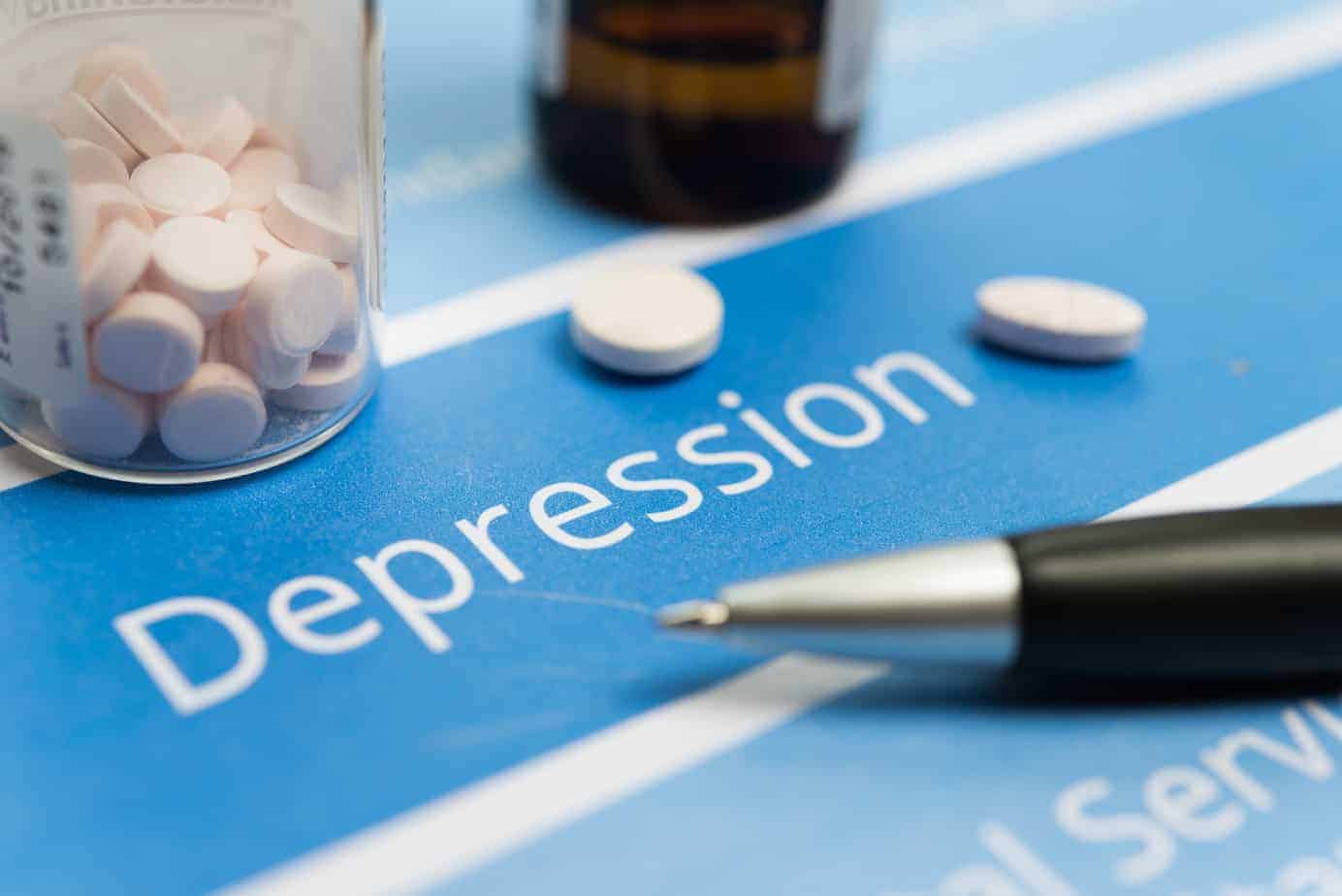
More than half of all individuals who experience substance abuse or addiction challenges are diagnosed with a mental illness. This statistic may seem staggering at first glance. Still, considering all factors, it is unsurprising that so many dual diagnoses exist between mental health and substance abuse.
The reality is that depression and other mental health conditions do not commonly occur suddenly or without warning. More often than not, this is a slow process that builds up over time. First, one or two otherwise manageable problems become entangled in a series of self-defeating thoughts and emotions. Eventually, a person operating at high-stress levels for a prolonged period begins to feel that they cannot manage their life without some outside intervention.
When this person is willing to recognize their situation and accept help from their support system, the spiral of depression can usually be controlled and treated. For those who do not have a support system or cannot accurately assess their situation, alcohol and drugs may seem like a logical solution to their depressed state. This creates more problems for the individual, but they may not even be aware of their symptoms by this point. Some of the most common signals that a person could be experiencing depression include:
- Low energy levels
- Loss of interest in enjoyable activities
- Changes in weight or appetite
- General sadness or crying episodes
- Changes to sleeping patterns
- Apathetic toward people and life
When these symptoms have occurred or continue to worsen over time, there is a very strong chance that depression is at work. Therefore, the sooner the person seeks treatment, the stronger the possibilities of implementing a successful treatment plan.
Drug Addiction and Depression
More professionally known as substance use disorder, addiction occurs when someone takes drugs (whether they’re legal or not) in a harmful way. They can’t stop even when it creates negative social, personal, and health outcomes.
Addiction can occur if someone drinks too much and either can’t stop or refuses to quit. In addition, someone who uses prescription painkillers to feel high and begins using them differently than they were prescribed can also suffer from addiction. As of 2017, more than 19 million U.S. adults had a Substance Use Disorder[4].
According To SAMHSA, There Are Seven Criteria For Drug Addiction and Depression
- Spent a lot of time engaging in activities related to the use of alcohol or drugs
- Used alcohol or drugs in greater quantities or for a longer time than intended
- Developed tolerance to alcohol or drugs
- Made unsuccessful attempts to cut down on the use of alcohol or drugs
- Continued to use alcohol or drugs despite physical health or emotional problems associated with the use
- Reduced or eliminated participation in other activities because of use of alcohol or drugs
- Experienced withdrawal symptoms when someone cuts back or stopped using alcohol or drugs
It is important to note that only one of these criteria may be present for someone addicted to alcohol and drugs.
Connection Between Drug Addiction and Depression
Essentially, the short version of this connection is that substance abuse is the answer to a personal battle with depression or that depression results from the guilt and mixed feelings about succumbing to substance or alcohol abuse. While neither scenario is incorrect, the general premise is incomplete. Drugs tend to produce mental health disorders and worsen underlying mental health conditions. Similarly, mental health disorders have the power and tendency to encourage people to abuse drugs and alcohol. These two conditions have a strong codependent relationship and are frequently seen together in dual diagnosis reports.
There are multiple direct correlations between substance abuse and mental health disorders. Unfortunately, information overload can be overwhelming because each field is awry with new research and treatment plan developments. This is especially true for individuals who are seeking to overcome either condition. One of the most obvious links between depression and substance abuse is the nature of alcohol and other specific drugs. By nature, these compounds are depressants and can easily compromise an already weakened immune system. That physical effect may also trigger emotional and mental changes.

Get Your Life Back
Find Hope & Recovery. Get Safe Comfortable Detox, Addiction Rehab & Dual Diagnosis Trused Care.
7/365 Line (844) 597-1011How to help someone with depression and drug addiction
When addiction and depression combine, they create a vicious cycle. Both conditions feed off one another. Breaking the process is not something that you can accomplish. Most importantly, it’s not something your loved one can do without help.
Therefore, learning to help someone with drug addiction and depression means educating yourself on treatment and rehabilitation. A quality treatment centers, addiction specialists recognize the combination of symptoms as a co-occurring condition. It needs simultaneous treatment. Your loved one would initially undergo a psychiatric evaluation.
Doing so ensures that staff members understand the scope of your loved one’s depression. Next, dual diagnosis treatment would focus on managing the condition. When your loved one can control the depression, it makes treatment of the addiction much easier.

Possible Depression Anxiety and Drug Addiction Treatment Approaches Include:
- Behavioral Treatment that encourages the person to investigate new coping mechanisms for specific stressors
- Massage Therapy that assists with relaxation and mindfulness training
- Trauma Treatment, which lets someone deal with underlying memories or emotions that intrude
- 12-Step Facilitation that encourages peer input and accountability for relapse prevention training and aftercare
- One-On-One Counseling Sessions, which create a safe environment for talking through triggers and responses
How Drug Addiction and Depression Are Connected
Addiction and depression often go hand in hand. This dual diagnosis makes everything more complicated because one may affect the other. If a depressed person is left untreated, they may find themselves reaching for coping mechanisms and self medicate to help them deal with this issue. Their depression brings the possibility of an addiction of some kind; drug addiction is a common one. When individuals are addicted to drugs, it can affect their mental and emotional stability and cause depression. What they do to soothe themselves can escalate their issues and trigger new ones.
Drug Addiction and Depression treatment and recovery from either problem can be rough. It can be an uphill climb, dealing with this dual diagnosis. The first step is to have a serious conversation with that person and talk about their issues. The following will help you understand some things involved in an individual’s recovery from drug addiction when the addict also suffers from depression.
Finding a facility and program tailored to the needs of the individual is one of the many vital factors that will help that person on the road to recovery. For example, if a person is dealing with a dual diagnosis, they need to handle both problems simultaneously, not working against them. In addition, the facility needs to have specific care for any mental illness the person might be experiencing. A general or incorrect treatment will not be beneficial. If that person, for example, is dealing with schizophrenia, they would need different help than someone who deals with anxiety or depression.
First-class Facilities & Amenities
Trusted Integrated Addiction & Mental Health Rehabilitation Treatment
Rehab Centers TourEstablished Addiction Centers. Serene Private Facilities. Inpatient rehab programs vary.
Addiction Helpline (844) 597-1011Comprehensive recovery success experience, backed by a Team w/ History of:
15+
Years of Unified Experience
100s
5-Star Reviews Across Our Centers
10K
Recovery Success Stories Across Our Network
- Low Patient to Therapist Ratio
- Onsite Medical Detox Center
- Comprehensive Dual-Diagnosis Treatment
- Complimentary Family & Alumni Programs
- Alumni Coaching, Recovery & Personal Development Events
Drug Addiction and Depression Detoxification
Drug and alcohol detox flushes a person’s system of the drugs they have consumed. People who are addicted to drugs typically have a very high tolerance for those substances. If they are without the drugs their bodies have become dependent on, they will typically go through withdrawals. Detoxing is serious business and can potentially be deadly because of this concern that it’s not a good idea for someone to try to detox on their own at home. They will be evaluated mentally and physically, which is an important step. This will include getting blood tests to determine how much of a substance is in their system.
If a person has a severe addiction, then an inpatient detox is recommended not just for their general health but also to keep them alive during the changes. Detoxing this way is monitored 24/7, and they can be prescribed medication to prevent complications and help their comfort level.
The most pressing issue is their safety during this time because many things can happen, including seizures. This is because their body has been flooded with a foreign matter for some time. The drugs are bad enough, but then it steals away any health they did have by depleting them of their nutrients and proper self-care. A plan for a treatment process takes place after detox, and the patients are made aware of what to expect.
Drug Addiction and Depression Aftercare Programs
Though going through a detox or rehab program is a great first step, it’s only one of many that an individual will face in the coming years they seek to turn their life back around. People can find the time after the treatment much more difficult because they have to deal with outside influences, triggers, and a change in their routine. Thankfully some places are available that offer things such as sober-living homes and therapy and support groups.
Counseling And Support Groups For Drug Addiction and Depression
For drug addiction, depression, or both, counseling can be of real value in the treatment process. Most of the problems being dealt with likely have underlying emotional and mental stress-related issues that have not been adequately handled. Once the root of these issues is fleshed out, building healthy thought processes and coping mechanisms can be accomplished. It can be more challenging for a person to move forward in treatment successfully if they don’t deal with their demons and do the internal self-work needed. Therapy can be individual, group, or family, giving support, advice, and accountability.
Drug Addiction and Depression Medication-Assisted Treatment
Sometimes medications are prescribed to help patients in their treatment of depression. These medications can help balance chemicals in their brains that can help improve their mood and other physical issues caused by their depression. The medicine can help “reset” their brain to have a healthier response in their everyday life and get them back doing the things they enjoyed, which will also boost their mood.
People respond differently to medications. Sometimes one type of medication and a short amount of time is needed to see any results. Other times people have to try various kinds of medication and require longer timeframes. Everyone is different. It’s important to note that these medications can have severe side effects sometimes, so caution must be exercised.
World-class Drug Addiction and Depression Treatment
Do not be surprised if the one you are trying to help shows resistance. Letting that person set the pace is vital. Pushing and prodding will only cause a poor relationship with them and bad results. They ultimately have to do the work themselves. You can be encouraging, but boundaries are also essential for everyone in this situation. Remember that even though they need help as soon as possible, time and patience are also required. We Level Up Detox offers numerous treatment programs to help those struggling with substance use disorder and a mental health issue, such as:
- Inpatient Detox Center
- Partial Hospitalization Program
- Intensive Outpatient Program
- Transitional Living Program
- Wellness Programs
Specialized, Accredited, 5-Star Reviewed, Evidence-based Addiction & Mental Health Programs. Complete Behavioral Health Inpatient Rehab, Detox plus Co-occuring Disorders Therapy.
CALL(844) 597-1011End the Addiction Pain. End the Emotional Rollercoaster. Get Your Life Back. Start Drug, Alcohol & Dual Diagnosis Mental Health Treatment Now. Get Free, No-obligation Guidance by Substance Abuse Specialists Who Understand Addiction & Mental Health Recovery & Know How to Help.
Ways To Support A Person With Drug Addiction and Depression
There are several ways to support and help a person with depression and substance abuse issues. Suppose a loved one is experiencing the aforementioned symptoms or has had a history of either mental illness or substance abuse. In that case, you are probably looking for effective techniques to ease their suffering. Continue to provide a compassionate ear and listen to their concerns, challenges, and fears. Keep in mind that listening does not equal problem-solving.
Avoid the temptation to provide answers to each of their dilemmas or take care of their every need. Making things too easy is allowing them to continue passing responsibility for their lives onto other people. Offering depression and addiction help is a fine line between helping and creating codependency in which you support their addiction. Reducing the symptoms of depression or anxiety and restoring broken relationships requires a workable drug abuse treatment plan and individuals committed to the cause. Setting boundaries is one of the most complex but essential tools you can use to help a loved one suffering from co-occurring depression and substance abuse.
This first step must be taken firmly so that your loved one knows the cycle of manipulation is over. They can no longer depend on your concern or generosity to support their habits or avoid taking ownership of their actions. This is where helping someone with an addiction can be challenging, but one of the best ways to help drug addicts is to scale back support for their poor habits and offer guided depression and addiction treatment.
When your loved one knows that you genuinely care about them and are committed to their recovery process, they will build the character they need to stand independently and move toward sobriety. This is how you foster an environment where their depression and addiction recovery becomes possible. This includes taking ownership of their thoughts, feelings, and behaviors without blaming others or attempting to manipulate situations for their benefit. In addition, if they have already been diagnosed and placed on a treatment plan for mental health or substance abuse, they will be responsible for upholding their commitment to the treatment for one or both conditions.
Whether you could reach through to them through sincere communication or physical intervention, you have taken the initiative and laid the foundation to provide them with drug addiction and depression help. Of course, recovery must be on its terms, but you should communicate your intentions and offer to be supportive. Then, if they are ready to take action, they will make the right decision and ask for help.
Tips For Helping Someone With Depression And Addiction
When addiction and depression co-occur, it is referred to as a co-occurring disorder (or a dual diagnosis). If a loved one, friend, or coworker is struggling with depression, there are a few things you can do to help. The most important thing you can do is be supportive and communicate that depression and addiction are serious, treatable illnesses.
- Express Empathy: This can be easier said than done, especially if someone’s mental illnesses have negative consequences in others’ lives. It isn’t easy to know exactly how someone else feels, but understanding and seeing the world from their perspective can increase trust. With trust, people become more open to advice and seeking treatment.
- Be Honest, But Not Brutal: Giving false reassurance might only enable an addict to continue using. Suggesting that someone needs “to cheer up” is infuriating if you’ve experienced depression. Instead, take an objective view, listen to what they’re saying, and give honest with compassion.
- Provide Solutions: Both depression and addiction can be very isolating conditions. They will most likely have stopped doing activities they previously enjoyed, pulled away from friends and family, and become non-communicative. When someone does reach out for help, it is critical to be ready with solutions and resources towards treatment.
Now is the perfect time to begin the recovery process. At We Level Up specializes in the treatment and recovery of co-occurring disorders. If you are concerned about someone suffering from depression and drug addiction, we are always available to talk and provide additional support and resources. Make this your opportunity to reclaim your life. Call today to speak with one of our treatment specialists. Our professionals know what you are going through and will answer any of your questions.
Your call is private and confidential, and there is never any obligation.
Experience Transformative Recovery at We Level Up Treatment Centers.
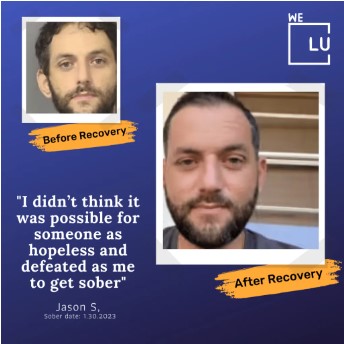
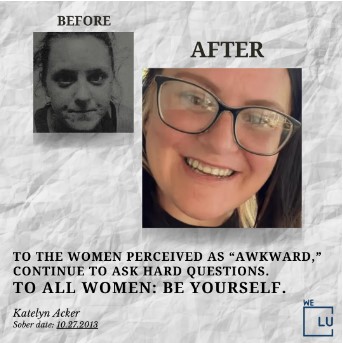
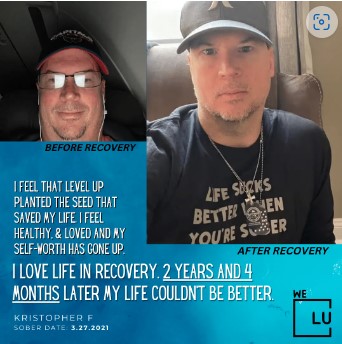
See our authentic success stories. Get inspired. Get the help you deserve.
Start a New Life
Begin with a free call to an addiction & behavioral health treatment advisor. Learn more about our dual-diagnosis programs. The We Level Up Treatment Center Network delivers recovery programs that vary by each treatment facility. Call to learn more.
- Personalized Care
- Caring Accountable Staff
- World-class Amenities
- Licensed & Accredited
- Renowned w/ 100s 5-Star Reviews
We’ll Call You
How I Overcame Drug Addiction, Depression and Anxiety To Work Towards Recovery Video
Sean’s Addiction Recovery Testimonial
Katelynn talks about her challenges with opiate and crack addiction recovery and how she overcame them.
“Hi, my name is Sean, I have been clean since September 26, 2014.
What I remember and what I, what I actually look back on is the feeling of the loneliness, the despair, and the constant anxiety ridden behavior.
Where I was left up to my own devices by myself and, and, and, looking to the left looking to the right.
And not really having anybody to to call or talk to.
I know it’s cliche, I know a lot of people say it.
I would have sold myself extremely short to the life that I have today.
If i would have tied myself to the material items, I wouldn’t even have realized that life that I truly wanted.
And I’m forever grateful for the guidance that I actually received along the way.”
Does Drug Addiction Treatment Work?
Nine months after discharge, between 85% and 95% of patients who successfully complete drug rehab report continuing to abstain from all substances. After completing drug and alcohol rehabilitation, approximately 80% of patients report that their health and quality of life have improved.
Sources
1 SAMHSA – suicide or death; https://www.samhsa.gov/find-help/disorders
2 WHO – https://www.who.int/en/news-room/fact-sheets/detail/depression
3 NIH – https://www.nimh.nih.gov/health/topics/bipolar-disorder
4 SAMHSA – https://www.samhsa.gov//2017-nsduh-annual-national-report
5 Drug Addiction and Depression – How To Help Someone With Drug Addiction And Depression – We Level Up FL Dual-Diagnosis Center
Level Up Treatment Lawrenceville – Mental Health » Depression Treatment
Level Up Treatment Lawrenceville – Mental Health » Drug Addiction And Depression