

Comprehensive Psychiatric Disorder Treatment at We Level Up
This guideline addresses the management and support provided to individuals dealing with a range of common psychiatric disorders, such as depression, (GAD) generalized anxiety disorder, phobias, panic disorder, social anxiety disorder, (OCD) obsessive-compulsive disorder, and (PTSD) post-traumatic stress disorder. Continue to read more about the most common types of psychiatric disorders and the most effective treatment options.
Clinically Reviewed by Lauren Barry, LMFT, MCAP, QS
Medically Reviewed by Ali Nikbakht, PsyD
Reviewed / Updated: September 23, 2025 — Editorial Policy | Research Policy | Privacy Policy
By We Level Up | Author Alex Evans, PharmD, MBA | Editorial Policy | Research Policy
What Is a Psychiatric Disorder?
A psychiatric disorder is a mental health disorder that significantly affects how you think, feel, and behave. It can interfere with your ability to carry out daily tasks and maintain family and social relationships. There are many types of psychiatric disorders. A few of the most common are depression, anxiety disorders, bipolar disorder, and schizophrenia.
If you’re struggling with mental health issues, know that you’re not alone. Millions of people live with psychiatric disorders (around 59.3 million people, 23.1% of the US adult population). These disorders are not related to character flaws or personal weaknesses. But these disorders don’t go away on their own.
Like other medical illnesses, psychiatric disorders can be treated—generally with psychotherapy, medication, and sometimes a combination of both. If you’re unsure where to start, contact a doctor or a mental health professional. We know taking the first step can be hard, but the sooner you address the symptoms, the easier they are to manage.
Keep reading to learn more about psychiatric disorders, their types, symptoms, and treatment.
Psychiatric Disorder Treatment Key Takeaways
- Psychiatric disorders significantly affect how we think, feel, and behave. They can disrupt our daily functioning and relationships.
- Anxiety disorders, mood disorders, eating disorders, trauma-related disorders, and personality disorders are some common types of psychiatric disorders.
- Some common signs and symptoms are anxiety, sadness, irritability, difficulty concentrating, and feelings of worthlessness or guilt.
- Psychiatric disorders can be successfully treated with psychotherapy, medication, and sometimes a combination of both.
- The term psychiatric disorder means a mental health issue. It can change how a person thinks, acts, and feels.
- Psychiatric disorders are also called mental disorders or psychological disorders.
- These disorders can cause disruptions in your daily functioning, as well as in your family and social relationships.
Types of Psychiatric Disorders
The Diagnostic and Statistical Manual of Mental Disorders, Fifth Edition (DSM-5) has listed numerous types of psychiatric disorders. Here are some of the most common:
- Anxiety disorders (e.g., Generalized anxiety disorder (GAD), panic disorder, specific phobias)
- Mood disorders (e.g., depression and bipolar disorder)
- Eating disorders (e.g., Bulimia Nervosa, binge-eating disorder, Pica, and anorexia nervosa)
- Personality disorders (e.g., narcissistic personality disorder, borderline personality disorder (BPD))
- Trauma-related disorders such as Post-traumatic stress disorder (PTSD)
- Schizophrenia and other psychotic disorders
Various factors influence the onset of these disorders, including biological, genetic, environmental, social, cultural, and economic factors. However, these conditions vary in severity (mild to severe) and duration (a few weeks to a lifetime).
Is ADHD a Psychiatric Disorder?
Yes, ADHD is a psychiatric disorder. The DSM-5 has listed Attention Deficit Hyperactivity Disorder (ADHD) as a psychiatric disorder. It is one of the most common neurodevelopmental disorders in children. This condition usually begins in childhood and often lasts into adulthood.
This long-term mental disorder disrupts a person’s ability to manage their thoughts, emotions, and actions. ADHD symptoms include persistent inattention, hyperactivity, and impulsivity.
In kids, ADHD can interfere with school performance or social skills. Adult ADHD symptoms are slightly different from childhood symptoms. For example, you may experience restlessness, disorganization, and difficulty prioritizing tasks.
The good news is that ADHD can be treated like other psychiatric disorders. The best ADHD treatment includes behavioral therapy and medication. However, if left untreated, ADHD can result in serious, lifelong complications.
Signs and Symptoms of Psychiatric Disorders
Signs and symptoms of mental disorders can change based on the type of disorder. They also depend on a person’s age, sex, lifestyle, and other factors.
Below are some signs and symptoms that may indicate a psychiatric disorder:
- Changes in sleep patterns
- Changes in mood
- Loss of interest in activities you once enjoyed or social withdrawal
- Difficulty concentrating
- Feelings of worthlessness or guilt
- Nervousness
- Suicidal thoughts
Below, we’ve discussed the symptoms related to specific psychiatric disorders.
If you or a loved one is having thoughts of harming themselves, do not wait to get help. Contact your healthcare provider immediately. You can also contact the 988 Lifeline to speak to someone 24 hours a day, 7 days a week.
Symptoms of Anxiety Disorders
Anxiety disorders are often characterized by excessive worry, restlessness, fear, and related behavioral patterns. For example, Generalized Anxiety Disorder (GAD) involves excessive worrying about daily events. People with anxiety disorders may also experience physical symptoms like rapid heartbeat and sweating.
Symptoms of Mood Disorders
Each mood disorder has different signs and patterns of symptoms. However, every mood disorder largely affects your emotional state. For example, a person with bipolar disorder experiences extreme changes in mood, energy levels, and thinking abilities.
Symptoms of Eating Disorders
People with eating disorders have an unhealthy relationship with food. The symptoms of eating disorders are different for each person. Some common signs are an intense focus on weight, body shape, and food. This can include strict calorie counting, eating very little, or often skipping meals. They may eat large amounts of food in a short time (bingeing) or eat non-food items (Pica).
Symptoms of Personality Disorders
A personality disorder is marked by disruptive patterns of thinking about yourself. People with personality disorders show impulsive behaviors and have unstable relationships.
Symptoms of Trauma-related Disorders
Trauma-related disorders, such as PTSD, are linked to traumatic or stressful events. They may cause intrusive memories, nightmares, hypervigilance, and avoidance triggers.
Symptoms of Psychotic Disorders
Psychotic disorder symptoms include hallucinations, delusions, disruptive thinking, and behavioral patterns.
Symptoms of ADHD
ADHD symptoms include persistent patterns of inattention, hyperactivity, and impulsivity. These patterns can interfere with your performance at school, work, or in social circles.
The intensity, persistence, and frequency of the above-mentioned symptoms can help you identify the severity of psychiatric disorders. If you notice any of these symptoms in yourself or someone you know, it is important to reach out to a mental health professional. They will determine the medication and psychotherapy that is best for you.
How are Psychiatric Disorders Diagnosed?
Before heading to the treatment of psychiatric disorders, the initial step is a proper diagnosis.
The DSM-5 is a tool used to classify and diagnose mental disorders. The DSM-5 gives clear guidelines for diagnosing mental disorders. It includes information on when these disorders start and what symptoms people may have. Each psychiatric disorder has its own set of diagnostic criteria.
Who can diagnose psychiatric disorders?
Doctors and mental health professionals, including psychiatrists, psychologists, or clinical social workers, can diagnose psychiatric disorders. Mental health professionals use the DSM-5 to understand your symptoms. They want to know how they can help you.
How does the diagnosis process work?
Diagnosis of psychiatric disorders is a multi-step process. Mental health professionals use various assessment tools and tests to diagnose psychiatric disorders accurately.
Psychological Evaluation
The diagnosis process usually begins with a clinical interview. During this time, your doctor collects information about your symptoms, medical history, and life experiences. When a psychologist talks to you about your worries and past, he can see your thoughts, feelings, and actions.
You may also be asked to complete psychological assessments or questionnaires. The psychological evaluation also helps professionals to differentiate between any possible comorbid psychiatric disorders.
Physical Exam
During your first visit, your doctor may conduct a physical exam to rule out physical health problems that may cause or worsen your symptoms.
Lab Tests
In some cases, mental health professionals suggest medical tests. These tests may include blood tests, brain scans, or checks for alcohol or drug use. They help understand what is causing these symptoms. The results will help your doctor arrive at a diagnosis and guide a treatment plan.
A diagnosis usually isn’t made during the first appointment. This is because psychiatric disorders are complex and symptoms can differ a lot. It might take a few visits to assess your mental health condition fully.
You might be wondering about your role during the diagnosis process.
- Be open and honest during the diagnostic process.
- Be sure to tell your healthcare provider when you first experience the signs of the disorder.
- Provide detailed information about your emotions and behaviors, even if you feel uncomfortable.
Mental health professionals are typically trained to create a safe, non-judgmental environment for people with mental illnesses. Remember that receiving a diagnosis doesn’t define you as a person. Instead, use it as a guiding tool to your recovery journey.
How to Treat Psychiatric Disorders
If you’ve been diagnosed with a psychiatric disorder, the next step is to start treatment. Your healthcare provider will work with you to identify the symptoms, create a treatment plan, and help you cope. Generally, the treatment for psychiatric disorders involves two approaches: therapy and medication. However, in some conditions, mental health professionals recommend a combination of these approaches.
Therapy Treatment for Psychiatric Disorders
Psychotherapy, also known as talk therapy, is a common mental health treatment approach. It provides an opportunity to talk with a mental health professional about your thoughts, feelings, and experiences. It involves both individual and group therapy.
Therapists use several types of psychotherapies to treat psychiatric disorders, including:
CBT is a popular psychological approach that helps you understand how your thoughts and emotions affect your actions. It also helps you change negative behaviors and thinking patterns contributing to mental illness.
Medication
Medication can also be an effective treatment for many psychiatric disorders, such as depression, anxiety, ADHD, and others. Commonly prescribed medications include antidepressants, anti-anxiety medications, and mood stabilizers.
Pro Tips: Take the medication dosage exactly as your healthcare professional directs. Secondly, never stop taking medications without consulting your healthcare provider.
Combined Approach
For many psychiatric disorders, treatments are more successful when they involve a combination of psychotherapy and medication. Mental health professionals use this combined treatment for many mental health issues. These include anxiety, depression, eating disorders, PTSD, and substance use disorders.
Lifestyle Changes
Several lifestyle factors can affect psychiatric disorders. Steps like regular exercise, a balanced diet, good sleep, and meditation techniques can support your treatment plan.
Hospitalization
Sometimes, hospitalization is necessary to treat a psychiatric disorder. This happens when symptoms become too severe to manage with partial hospitalization or outpatient care. Inpatient treatment usually involves several weeks of focused therapy and care. It is especially for people who may harm themselves or others.
Remember, recovery is a process that takes time and requires patience. Therefore, you need to be patient and honest with yourself and your healthcare team.
When Does it Become a Psychiatric Disorder?
If you’re like many people, you have likely faced a mental health issue at some point. For example, you might feel depressed after losing a job. That’s not the case with a psychiatric disorder. In this situation, your symptoms are ongoing. They can be very upsetting to you and to those around you. A psychiatric disorder also interferes with your ability to do day-to-day tasks.
When the stress of dealing with your symptoms is too much, treatment usually includes medications and talk therapy.
We Level Up treatment understands the stigma and challenges associated with mental illness. We are dedicated to helping our clients get the help they need to live healthy, fulfilling lives. We create personalized treatment plans for both inpatient and residential mental health services. These plans include aftercare programs to help clients succeed in the long run.

Skip To:
Learn More:
- Mental Health Disorders List. Types and Examples of Mental Health Disorders.
- Free Online Mental Health Tests, Quizzes, Self Assessments, & Screening Tools
- The Difference Between BPD Vs Bipolar, Mental Health Rehab
- Intervention Services for Addiction & Mental Health Recovery
- Depression Treatment, Diagnosis, & Causes
- Top Effective Anxiety Treatment. Anxiety Therapy & Medications. Types, Causes, Symptoms, & Anxiety Disorder Treatments.
- Top Effective PTSD Treatment. PTSD Treatments & Options. Facts About The Treatment for PTSD. How To Find PTSD Treatment Near Me.
- Dialectical Behavior Therapy Vs. Cognitive Behavioral Therapy
- Residential Treatment for Depression
- What is Dialectical Behavior Therapy (DBT)?
Focus on Your Recovery in an Inpatient Psychiatric Care
We understand that life can be challenging, especially when dealing with mental health issues. In times like these, it’s crucial to prioritize your mental health and focus on your recovery. The We Level Up inpatient psychiatric rehabilitation offers a unique and highly supportive environment for individuals seeking treatment for mental health issues.
Providing a structured, immersive experience allows individuals to focus entirely on their recovery journey. In this setting, distractions and outside pressures are reduced. This creates a safe and supportive space for people to focus on their recovery. Expert care from psychiatrists and mental health professionals ensures that treatment plans are tailored to each person’s needs. A structured daily routine provides stability and predictability.
Also, having crisis intervention and a peer support network helps create a complete approach to mental health recovery. Ultimately, inpatient mental health care helps individuals prioritize their treatment by offering an environment that fosters healing, self-discovery, and personal growth.

Level Up Treatment Lawrenceville
Drug & Alcohol Addiction Treatment Center w/Detox
Licensed & Accredited w/ 5-star reviews.- Inpatient addiction rehab center w/medical detox
- Addiction treatment and detox for alcohol, benzo, heroin, opioid, and more.
- Secondary mental health treatment available as part of our dual diagnosis programs.

We Level Up Washington
Premier Behavioral Health Treatment Center
Licensed & Accredited w/ 5-star reviews.- Inpatient mental health treatment center
- Therapy for depression, anxiety, trauma, bipolar disorder, PTSD, and more.
- Dual diagnosis rehab programs available

We Level Up California
Drug & Alcohol Addiction Treatment Center w/Detox
Licensed & Accredited w/ 5-star reviews.- Inpatient addiction rehab center w/medical detox
- Addiction treatment and detox for alcohol, benzo, heroin, opioid, and more.
- Secondary mental health treatment available as part of our dual diagnosis programs.
Advantages of Professional Psychiatric Services
Professional psychiatric services offer several advantages. Psychiatric services work best when people take part in their treatment. It is important to talk openly with mental health professionals. This helps address each person’s unique needs and goals. Some of the benefits of advanced psychiatric services:
- Accurate Diagnosis: Psychiatrists and mental health professionals have the expertise to diagnose psychiatric disorders, ensuring that individuals receive appropriate treatment tailored to their needs.
- Evidence-Based Treatment: They offer treatments based on evidence, like talk therapy, medication management, and other therapies. These methods have been shown to work for many mental health issues.
- Medication Management: Psychiatrists know how to prescribe and manage psychiatric medications. They help people find the right medication and dosage to reduce symptoms and improve mental health.
- Specialized Care: Mental health professionals provide specialized care for specific conditions. This ensures that individuals get the best treatment for their diagnosis.
- Support and Guidance: Psychiatric services offer a safe and private space. Here, people can talk about their thoughts and feelings. They can also get advice and learn ways to cope.
- Prevention and Early Intervention: They can help find and deal with mental health issues early. This can stop symptoms from getting worse and improve long-term results.
- Holistic Approach: Professionals look at the person as a whole. They consider physical, emotional, and social factors that affect mental health. This leads to a more complete treatment plan.
- Crisis Management: Psychiatric services can provide immediate help during mental health crises, ensuring individuals receive the necessary support and intervention to keep them safe.
- Less Stigma: Getting professional help lowers the stigma around mental health. It makes seeking treatment for mental health more normal.
- Better Quality of Life: With the right treatment and support, people can enjoy a better quality of life. They can have better relationships and feel healthier overall.
Get psychiatric disorder counseling that works. Discover professional help from We Level Up’s mental health therapists. Start getting support with a free call to our mental health and addiction hotline.
Get Help. Get Better. Get Your Life Back.
Searching for Accredited Drug and Alcohol Rehab Centers Near You?
Even if you have failed previously and relapsed, or are in the middle of a difficult crisis, we stand ready to support you. Our trusted behavioral health specialists will not give up on you. When you feel ready or just want someone to speak to about therapy alternatives to change your life call us. Even if we cannot assist you, we will lead you to wherever you can get support. There is no obligation. Call our hotline today.
(844) 597-1011What are Comorbid Psychiatric Disorders?
Comorbidity is the occurrence of two or more illnesses at the same time. Comorbidity is pervasive within psychiatric disorders. Studies show that people with one type of mental disorder are more likely to get other mental disorders later in life.
Common psychiatric disorders that often occur together include major depression and generalized anxiety disorder (GAD). They also include bipolar disorder and ADHD, panic disorder and agoraphobia, eating disorders, and substance use disorders.
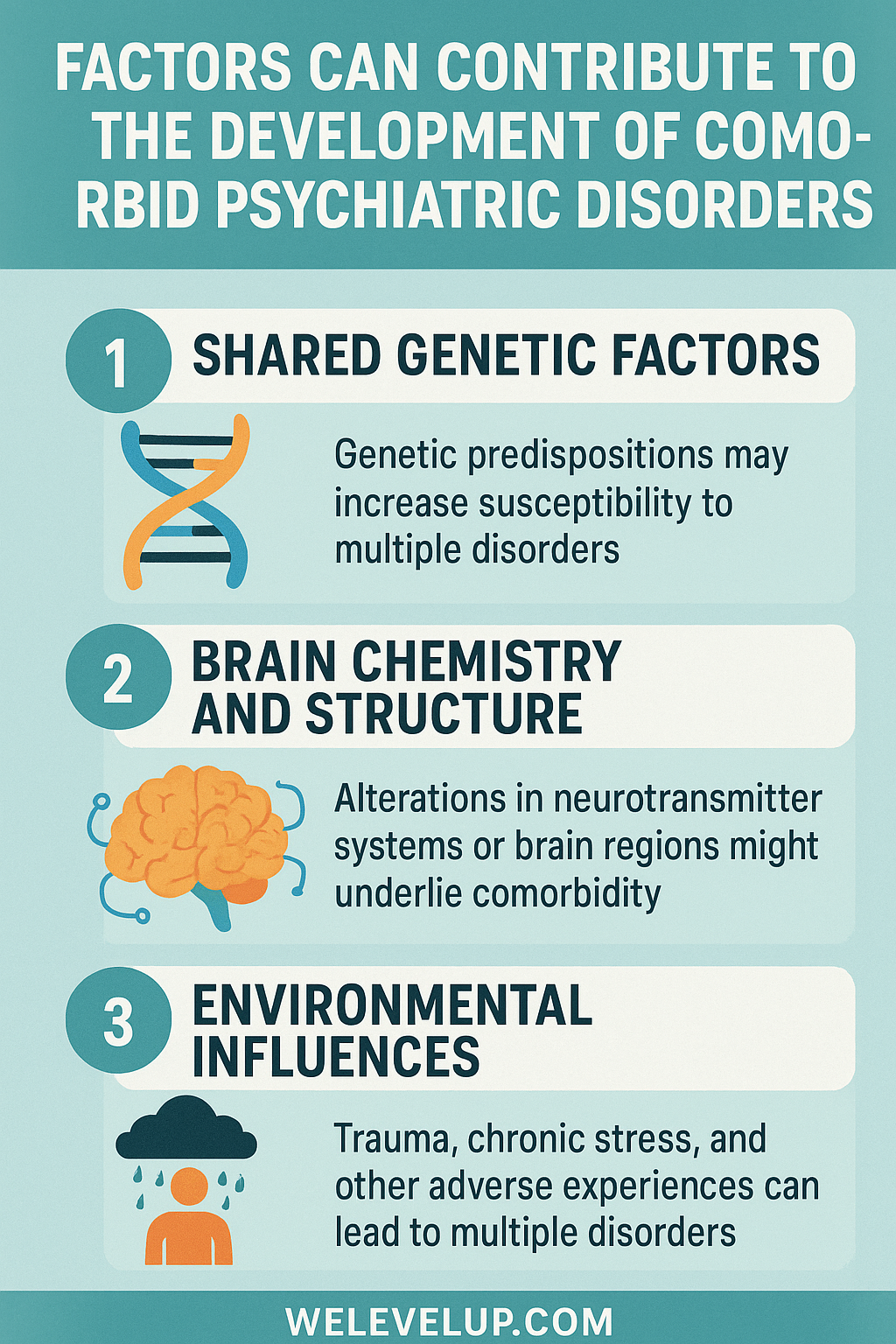
- Shared risk factors: Some mental health disorders come from genetic risks. Others are triggered by stress from life events and the environment. These shared-risk factors can increase the possibility of developing multiple mental health conditions.
- Overlapping Symptoms: Some mental health disorders have similar signs. These include mood changes, sleep problems, and trouble focusing. These symptoms overlap and are difficult to distinguish. For example, people with bipolar disorder may also show symptoms of anxiety and depression.
- Self-medication: People with mental health issues often do not get enough treatment for all their disorders. They’re more likely to cope with their symptoms via self-medication practices. They might turn to alcohol and other drugs as coping mechanisms and develop substance use disorders. For example, if someone with social anxiety disorder does not get help, they may turn to alcohol or drugs.
Are comorbid psychiatric disorders treatable?
When it comes to treatment, comorbid mental health conditions often pose significant challenges. People with multiple disorders are often less responsive to treatments. However, prompt diagnosis and treatment of one disorder may prevent the development of comorbidities.
If you experience symptoms of more than one psychiatric disorder, let your doctor know. Your symptoms will decide whether therapy, medication, or both are best for you.
When Does Mental Health Become a Psychiatric Disorder?
The mental health continuum shows a range of states. One end is mental health, and the other end is psychiatric disorders. Most people fall in the middle, where it is normal to experience sadness, anxiety, or stress during difficult situations. These emotions are normal responses to challenges until they don’t interfere with your daily functioning.
But when these symptoms worsen, persist, and significantly disrupt your daily life, they may indicate a psychiatric disorder.
You may be experiencing a mental health disorder if your symptoms:
- Last for an extended period (e.g., several weeks or months) without getting better
- Causes intense emotional distress and mood swings
- Affect your ability to work, study, make decisions, or maintain relationships
- Lead to significant changes in sleep, appetite, or energy levels
- Result in intrusive thoughts and behavior, such as thoughts of self-harm or suicide
Unlike physical illnesses, psychiatric disorders don’t have specific biological markers to measure their severity. You can assess the severity of a disorder by looking at the number of symptoms. Also, consider how often they happen and how much they disrupt daily life. In the early stages of a psychiatric disorder, symptoms can be subtle and easy to overlook.
If your symptoms get worse and don’t get better with self-care, it’s important to seek help. Self-care includes things like exercise, meditation, or talking to friends and family. We recommend getting professional help right away.
Verified 3rd Party Review & Dual Diagnosis Treatment Accreditation
We Level Up rehab center has already undergone a third-party review for its high-quality medical services. When choosing We Level Up rehab, you’ll find an accreditation-pending JCAHO mental health rehab center. By doing some research, you can be sure you have chosen a treatment provider. This provider has Joint Commission Gold Seal Approval and has passed its assessment.
We Level Up is Backed by a Team with a History of:
>> 15+ Years Experience
>> 100s of 5-Star Reviews
>> 10K+ Recovery Successes
>> Low Patient to Therapist Ratio
>> Dual Diagnosis Mental Health Treatment

Did you know that only Joint Commission-accredited and certified organizations can use the Gold Seal of Approval®? We Level Up is one of them. And that only about 10% of treatment centers qualify.
WE LEVEL UP REHAB IS PROUD TO MEET / EXCEED JCAHO QUALITY CENTER STANDARDS.
Free Psychiatric Disorder Evaluation/Treatment Options Assessments
Looking for “psychiatric evaluation near me?” Your free psychiatric evaluation will present your complete treatment program options.
EVEN IF YOU’RE NOT ADMITTED FOR TREATMENT WITH US, YOUR ASSESSMENT CAN GUIDE THE NEXT STEPS IN YOUR CARE.
Where we’re unable to treat you, please don’t worry. We’ll help guide you to other suitable treatment options.
Definition of Psychiatric Disorder and Facts
Psychiatric Disorder Definition
A psychiatric disorder is a clinically significant mental condition characterized by abnormal thoughts, emotions, behaviors, or brain functioning. These disorders are usually diagnosed and classified using specific criteria. These criteria are found in manuals like the DSM-5 or the ICD-10/ICD-11.
Psychiatric disorders are medical conditions. They affect a person’s mental and emotional health. These disorders can greatly impact daily life, relationships, and overall functioning. They often involve complex genetic, biological, psychological, and environmental interactions.
Scientific research in psychiatry aims to understand the causes and mechanisms of mental disorders. It also seeks to create treatments and interventions based on evidence. The goal is to reduce symptoms and improve the quality of life for those affected by these conditions.
What are the Most Common Psychiatric Medications
Medications play an important role in the treatment of psychiatric disorders along with therapies. Medications affect people in different ways. It may take a few tries to find the one that works best for you with the fewest side effects. So, let your doctor choose the best medication for you. They will consider your condition and how severe your symptoms are.
Antidepressants
If you’re suffering from depression or anxiety, your doctor may prescribe antidepressants for you. Commonly prescribed antidepressants include:
- Selective serotonin reuptake inhibitors (SSRIs) such as fluoxetine (Prozac) and sertraline (Zoloft)
- Serotonin-norepinephrine reuptake inhibitors (SNRIs) such as venlafaxine and duloxetine
- Older tricyclic antidepressants such as nortriptyline and amitriptyline
- Monoamine oxidase inhibitors (MAOIs) such as phenelzine and tranylcypromine
Anti-anxiety Medications
If you feel anxious, you might have symptoms like worry, fear, or panic attacks. In this case, your doctor may give you anti-anxiety medications. They may include:
- Benzodiazepines such as alprazolam and lorazepam—used to treat short-term anxiety symptoms
- Buspirone—used to treat anxiety over longer periods
Antipsychotic Medications
Antipsychotic medications are used to treat psychosis. During a psychotic episode, a person may experience delusions or hallucinations.
Older, first-generation, or typical antipsychotics include:
- Chlorpromazine
- Haloperidol
- Fluphenazine
Healthcare professionals often prescribe newer, second-generation atypical antipsychotics as they have fewer side effects. They include:
- Risperidone
- Olanzapine
- Quetiapine
Mood Stabilizers
Mood stabilizers are used to manage the symptoms of bipolar disorder. Sometimes, healthcare providers prescribe mood stabilizers to boost the effectiveness of other medications used to treat depression. Lithium is a commonly prescribed mood stabilizer for the treatment of bipolar disorder and mania. Other mood stabilizers include valproic acid and lamotrigine.
Stimulants
Mental healthcare professionals often prescribe stimulants to treat ADHD symptoms. The most commonly prescribed stimulants are methylphenidate and amphetamines. Non-stimulants, such as atomoxetine and guanfacine, also have FDA approval for the treatment of ADHD.
We all know that medications take some to work and adjust to a person’s body. So, it is important to stick to your treatment plan and follow your prescription. You should never stop taking prescribed medication without consulting your healthcare provider, even if you’re feeling better. This is a huge mistake many people make.
Who Should I See If I Think I Have a Psychiatric Disorder?
If you are looking for help with psychiatric disorders, there are many mental health professionals nearby. Your treatment team may include the following:
Primary Care Doctor: Usually, your primary care doctor can do your first screening for a mental health disorder. They may refer you to mental health professionals.
Psychiatrists: They are medical doctors who assess, diagnose, and treat mental health disorders. They can prescribe medication, perform/order medical tests, and provide psychotherapy.
Psychologists: These healthcare professionals hold doctoral degrees in psychology, typically clinical psychology. They’re trained to diagnose mental health disorders and treat them with psychotherapy. Psychologists cannot prescribe medications.
Clinical Social Workers: They’re categorized as therapists. They hold master’s degrees and are licensed to diagnose and treat mental health conditions through therapy.
Licensed Professional Counselors: They’re also categorized as therapists and have master’s degrees in counseling or a related field. These professionals provide individual, group, and family therapy.
Psychiatric Nurse Practitioners (PMHNP): These healthcare providers are advanced practice registered nurses. They can diagnose mental health disorders, prescribe medication, and provide therapy.
Certified Peer Specialists (CPSs): These are professionals who have personal experience with mental health issues. They are trained to offer support and resources.
Where to look? Talk to your family, friends, or clergy to find mental health professionals they may know or have heard of.
What is the VA Disability Compensation for an Acquired Psychiatric Disorder?
VA disability compensation offers tax-free payment to veterans who got sick and injured during the service.
The psychiatric disorders that qualify you for VA disability compensation include schizophrenia, psychotic disorders, and anxiety disorders like PTSD. They also include dementia, neurodevelopmental disorders, eating disorders, major depression, bipolar disorder, and personality disorder.
The Department of Veterans Affairs (VA) considers different factors before assessing your compensation, like:
- How often and how intense are your symptoms
- Your ability to maintain relationships and employment
- Whether you need ongoing medication or therapy
Then, the VA assigns compensation ratings based on how severe your condition is and how it affects your daily life. These ratings range from 0% to 100%, with higher percentages indicating more serious impairments.
For example, you may be given:
- 30% Rating: If you experience occasional work struggles and intermittent periods of inability to perform occupational tasks.
- 70% Rating: If you have deficiencies in most areas, such as work, school, family relations, judgment, thinking, or mood.
How do you file a claim for VA disability compensation?
The filing procedure requires detailed documentation that shows how your mental condition affects your daily life. The documentation has several parts. It includes medical records. It also has statements from mental health experts. Additionally, there is input from family or friends who know your situation.
If you need help with filing, you can work with Veterans Service Organizations or VA-accredited lawyers. They can guide you in gathering evidence and making a strong case for the correct VA rating.
Know that an acquired psychiatric disorder is a real and serious condition. Don’t let your mental health be a barrier to accessing the benefits you’ve rightfully earned through your service.

Get Your Life Back
Find Hope & Recovery. Get Safe Comfortable Detox, Addiction Rehab & Dual Diagnosis Trused Care.
7/365 Line (844) 597-1011Psychiatric Disorders Statistics
More people are aware of psychiatric disorders in the US. This has led to more efforts to raise awareness, reduce stigma, and improve access to mental health care and support services. It’s essential for individuals experiencing psychiatric disorder challenges to seek help.
21 Million
Depression is a prevalent mental health condition in the US. In 2020, around 21 million adults in the US experienced at least one major depressive episode. This represents 8.4% of the US population.
Source: NIMH
31%
Anxiety disorders, including generalized anxiety disorder, social anxiety disorder, and panic disorder, affect around 31% of US adults at some point in their lives.
Source: NIMH
7-8%
About 7-8% of people in the US may have PTSD at some point in their lives. This rate is higher for military veterans and trauma survivors.
Source: NIMH
Top 5 Dual Diagnosis Studies with Insights
Here’s a patient-friendly chart of the top Psychiatric Disorder Treatment studies/guidelines.
Here are some recent, high-quality studies about treating psychiatric disorders. These studies also cover co-occurring mental health and substance use issues. We include summaries of their findings, treatment implications, and insights for patients.
| Study | Treatment Implications | Insights for Patients |
|---|---|---|
| Evaluation of the Integrated Intervention for Dual Problems and Early Action (IIDEA) View Study | Demonstrates the effectiveness of integrated care for co-occurring mental health and substance use symptoms in Latino populations. Cultural tailoring and early interventions significantly reduce PTSD and depression symptoms. | If you’re struggling with both trauma and substance use, look for programs that combine mental health and addiction treatment. Early, culturally sensitive care can produce real results. |
| Effectiveness of Integrated Dual Diagnosis Treatment (IDDT) in Outpatients with Severe Mental Illness & Substance Use Disorder View Resource | Shows that dual diagnosis programs using motivational interviewing and multidisciplinary teams can reduce substance use and improve psychiatric symptoms over time. | Treating addiction and mental illness together—not separately—leads to better recovery. Programs that understand both are more effective. |
| Brief Cognitive Behavioral Therapy Improves Mental Health in Substance Use Disorders Read Article | Even short-duration CBT significantly reduces anxiety, depression, and insomnia symptoms in people with substance use issues. Highlights potential of low-barrier access. | If long-term therapy feels overwhelming or inaccessible, starting with brief CBT can still provide major improvements in mental health. |
| Internet-Based Unified Protocol for Treating Emotional Disorders in Primary Care Read Study | Validates the use of online therapy protocols for multiple emotional disorders (anxiety, depression) via primary care. Supports remote and scalable treatment. | Online mental health care can be just as effective as in-person. Don’t hesitate to try remote therapy if in-person treatment is difficult to access. |
| Nurse-Led, Needs-Tailored Recovery Program for Schizophrenia in the Community Read Review | Community-based, nurse-led programs customized to patient needs can improve outcomes for schizophrenia, emphasizing recovery beyond symptoms. | Long-term mental health recovery doesn’t always require hospitalization—tailored community support, led by compassionate professionals, can empower you in your own environment. |
Are Psychiatric Disorders Chronic?
When does a psychiatric disorder become chronic? If a mental health condition affects your thoughts, feelings, behavior, and health for a long time—at least three months—it is called chronic. While some people only experience short episodes of psychiatric disorders, others need to manage their symptoms throughout their lives.
Chronic psychiatric disorders can vary in their influence, from mild to moderate to severe. Severe mental illnesses significantly disrupt or restrict individuals from performing day-to-day activities.
Some of the more common chronic psychiatric disorders include depression, anxiety disorders, bipolar disorder, personality disorders, neurodevelopmental disorders (ADHD), and schizophrenia.
Can chronic psychiatric disorders be managed? Yes, absolutely! Managing these conditions requires commitment, and it can’t be done alone. You need good mental health providers who can guide a treatment plan according to your condition. It may include psychotherapy, medication, or self-care and healthy habits. With the right treatment and support, people with psychiatric disorders can lead happy and productive lives.
Why are Aftercare Programs Important for Psychiatric Disorders
Have you completed your treatment successfully? Don’t relax! Recovery from psychiatric disorders is a challenging journey that doesn’t end with treatment. Aftercare programs help people maintain their progress and continue their journey to long-term recovery. They offer support, tools, and strategies to help manage psychiatric disorders. This helps prevent relapse and promotes mental health and well-being.
How do aftercare programs support people with psychiatric disorders on their journey to lasting recovery? Through regular therapy sessions, medication management, support groups, check-ins with counselors, and life-skills training.

- Therapy Sessions: Some aftercare programs include Cognitive-behavioral therapy (CBT) and Dialectical behavior therapy (DBT) to help people maintain emotional stability. CBT may help you manage negative thought patterns, and DBT can help you develop coping skills. These sessions can be individual or group.
- Medication Management: This includes education about medications, strategies for preventing negative interactions, and monitoring side effects.
- Support Groups: They are a core element of aftercare programs. Support groups provide peer encouragement and accountability. They provide a safe space to share experiences. You can find groups through mental health organizations or community centers.
- Life Skills Training: Aftercare programs help individuals develop life skills for a purposeful and fulfilling life beyond recovery. They include stress management, healthy coping mechanisms, job training, financial planning, and relationship building.
How do you decide which aftercare program is best for you? Let your healthcare provider decide it. Your mental health provider would create a personalized aftercare plan based on your symptoms and progress.
Remember, recovery is a journey, but with the right support, consistency, and commitment, long-term recovery is within reach.
Searching for a mental health treatment program that offers aftercare is essential for long-term recovery. We Level Up treatment centers offer personalized advice and support. They can help you manage challenges after you leave inpatient psychiatric treatment. Seeking professional help is crucial, especially if symptoms are severe or distressing. Call us today for a free consultation and insurance check.
First-class Facilities & Amenities
Trusted Integrated Addiction & Mental Health Rehabilitation Treatment
Rehab Centers TourEstablished Addiction Centers. Serene Private Facilities. Inpatient rehab programs vary.
Addiction Helpline (844) 597-1011Comprehensive recovery success experience, backed by a Team w/ History of:
15+
Years of Unified Experience
100s
5-Star Reviews Across Our Centers
10K
Recovery Success Stories Across Our Network
- Low Patient to Therapist Ratio
- Onsite Medical Detox Center
- Comprehensive Dual-Diagnosis Treatment
- Complimentary Family & Alumni Programs
- Alumni Coaching, Recovery & Personal Development Events
We Level Up Psychiatric Disorder Treatment
We Level Up mental health treatment centers and programs offer the support and care you need. Our goal is to help you take control of your mental health again. Here’s why you should consider taking this crucial step:
- Expert Care: You will be under the care of experienced psychiatrists, psychologists, and mental health professionals specializing in treating various psychiatric disorders.
- Safe and Supportive Environment: Our facility provides a safe and caring space. Here, you can focus on healing without distractions or outside pressures.
- Personalized Treatment Plans: Your treatment plan will be made just for you. This way, you get the best therapies and care.
- Medication Management: If necessary, our experts can oversee medication management to help stabilize your symptoms.
- Structured Routine: A structured daily routine provides stability and consistency, which can be beneficial during recovery.
- Peer Support: You can connect with others on a similar journey. This creates a helpful support network.
- Therapeutic Activities: Engage in various therapeutic activities, including group therapy, individual counseling, and recreational therapy. These can help you build coping skills and boost your mental health.
- Crisis Intervention: Our team is equipped to provide immediate assistance and intervention in emergencies or crises.
Your mental health is very important. We believe that getting inpatient psychiatric care is a brave step toward a better future. We are here to support you every step of the way.
We Level Up will provide you with a complimentary mental health treatment assessment. Your free assessment can review your symptoms, prior behaviors, treatment history, and all relevant issues. Contact us today for further information. Our trained specialists will guide you to the right treatment options. They will also explain what you need to consider for a successful recovery. Our medical teams can review your initial assessment consultation. This will help guide you to therapy options based on evidence.
Free Psychiatric Evaluations
Insurance for Mental Health
Find your mental health rehab insurance coverage without anyone knowing that you inquired.
YOUR MENTAL HEALTH INSURANCE COVERAGE CHECK IS PRIVATE AND CONFIDENTIAL.
Specialized, Accredited, 5-Star Reviewed, Evidence-based Addiction & Mental Health Programs. Complete Behavioral Health Inpatient Rehab, Detox plus Co-occuring Disorders Therapy.
CALL(844) 597-1011End the Addiction Pain. End the Emotional Rollercoaster. Get Your Life Back. Start Drug, Alcohol & Dual Diagnosis Mental Health Treatment Now. Get Free, No-obligation Guidance by Substance Abuse Specialists Who Understand Addiction & Mental Health Recovery & Know How to Help.
Frequently Asked Questions
Here are answers to some frequently asked questions about specific psychiatric disorders.
Is Anxiety a Psychiatric Disorder?
Yes, anxiety is a psychiatric disorder when it causes constant, excessive worry and fear. This worry affects a person’s daily life. Common types include generalized anxiety disorder (GAD), panic disorder, and phobias. Common anxiety symptoms are restlessness, irritability, and physical issues like a racing heart. The good news is that anxiety is treatable with therapy, medication, or both.
Is Depression a Psychiatric Disorder?
Depression is indeed a psychiatric disorder that is categorized as a mood disorder. It involves a persistent feeling of sadness and loss of interest. It can also cause sleep issues, fatigue, and thoughts of self-harm. Depression is not a sign of weakness and may require long-term treatment. Most people feel better with therapy, medication, or both.
Is Dementia a Psychiatric Disorder?
Dementia itself is not classified as a psychiatric disorder but rather a neurocognitive disorder. A person with dementia suffers from a decline in cognitive function, including memory, reasoning, language, mood, and behavior. However, dementia patients may experience some psychiatric symptoms like depression or anxiety. These co-occurring psychiatric conditions need treatment alongside dementia care.
Are Seizures a Psychiatric Disorder?
No, seizures are a neurological condition caused by abnormal brain activity. People with epilepsy have repeated seizures. They are not considered to have a psychiatric disorder. However, they are at a higher risk for mental health issues. These issues can include depression and anxiety. If you have seizures or think you might have epilepsy, it’s important to see a neurologist. They can help with diagnosis and treatment. They can work with mental health professionals to address any co-occurring psychiatric symptoms.
We Level Up FL Mental Health Center Tour Video
Looking for help with mental health challenges like psychiatric disorders? Join thousands of patients who trusted We Level Up for mental health and other substance abuse treatments. Call 24/7 for more psychiatric rehab information today. Your call is free and confidential—access mental health professionals who understand your circumstances and are ready to help.
Don’t Wait. Get Help Now!
Searching for a top-notch treatment for mental health or “psychiatric near me?” We Level Up treatment centers offer support and proven treatment programs you and your family can trust. Get help to get on your path to long-term mental health recovery success. Your dedicated behavioral team will lead you, no matter where you are in treatment or lack thereof. You will get care from a team of doctors, therapists, and clinicians. They work together to provide mental health services that fit your needs and goals. Your therapy programs will tackle your needs today and the tools you’ll need long after for long-term recovery at home.
The We Level Up Mental Health Treatment Center can help with severe depression, anxiety, and many other cases.

Experience Transformative Recovery at We Level Up Treatment Centers.
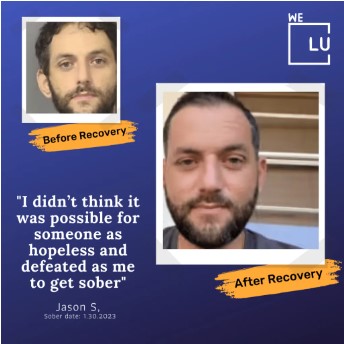
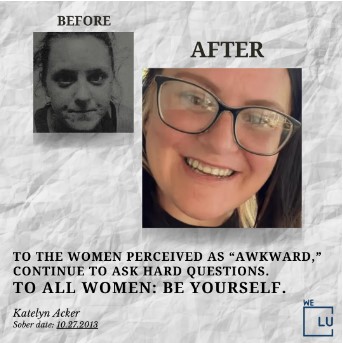
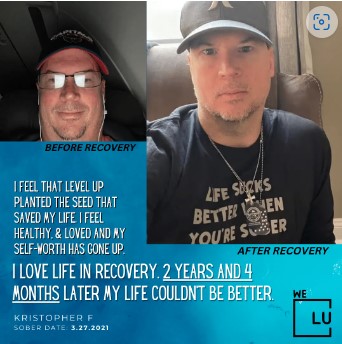
See our authentic success stories. Get inspired. Get the help you deserve.
Start a New Life
Begin with a free call to an addiction & behavioral health treatment advisor. Learn more about our dual-diagnosis programs. The We Level Up Treatment Center Network delivers recovery programs that vary by each treatment facility. Call to learn more.
- Personalized Care
- Caring Accountable Staff
- World-class Amenities
- Licensed & Accredited
- Renowned w/ 100s 5-Star Reviews
We’ll Call You
Search We Level Up Psychiatric Disorder Treatment, Mental Health Topics & Resources
Resources
Dual Diagnosis Treatment – Individuals with both mental health and substance use disorders require specialized treatment approaches. WeLevelUp offers a comprehensive dual diagnosis treatment program that addresses both conditions simultaneously, enhancing the chances of successful recovery.
Major Depressive Disorder Treatments – Explores various treatment modalities for major depressive disorder, including pharmacological, psychotherapeutic, interventional, and lifestyle modifications.
Co-Occurring Disorders Treatment – Addresses the challenges and treatment options for individuals dealing with both mental health and substance use disorders, emphasizing a cohesive approach to recovery.
Informational Addiction & Mental Health Videos – Offers a collection of videos covering various aspects of addiction and mental health, providing visual insights into treatment processes and recovery stories.
Over The Counter Medicine For Anxiety And Depression – Discusses the use of over-the-counter medications for managing anxiety and depression, including their safety and effectiveness.
Sources
[1] About Mental Health – Centers for Disease Control and Prevention (CDC)
[2] Mental health: strengthening our response – Centers for Disease Control and Prevention (CDC)
[3] Psychiatric Illness – National Institute of Mental Health (NIMH)
[4] Galderisi S, Heinz A, Kastrup M, Beezhold J, Sartorius N. Toward a new definition of mental health. World Psychiatry. 2015 Jun;14(2):231-3. DOI: 10.1002/wps.20231. PMID: 26043341; PMCID: PMC4471980.
[5] Manwell LA, Barbic SP, Roberts K, Durisko Z, Lee C, Ware E, McKenzie K. What is mental health? Evidence towards a new definition from a mixed methods multidisciplinary, international survey. BMJ Open. 2015 Jun 2;5(6):e007079. DOI: 10.1136/bmjopen-2014-007079. PMID: 26038353; PMCID: PMC4458606.
[6] National Collaborating Centre for Mental Health (UK). Common Mental Health Disorders: Identification and Pathways to Care. Leicester (UK): British Psychological Society (UK); 2011. (NICE Clinical Guidelines, No. 123.) 2, COMMON PSYCHIATRIC DISORDERS. Available from: https://www.ncbi.nlm.nih.gov/books/NBK92254/
[7] Krystal JH, State MW. Psychiatric disorders: diagnosis to therapy. Cell. 2014 Mar 27;157(1):201-14. DOI: 10.1016/j.cell.2014.02.042. PMID: 24679536; PMCID: PMC4104191.
[8] National Institutes of Health (US); Biological Sciences Curriculum Study. NIH Curriculum Supplement Series [Internet]. Bethesda (MD): National Institutes of Health (US); 2007. Information about Mental Illness and the Brain. Available from: https://www.ncbi.nlm.nih.gov/books/NBK20369/
[9] Malla A, Joober R, Garcia A. “Mental illness is like any other medical illness”: a critical examination of the statement and its impact on patient care and society. J Psychiatry Neurosci. 2015 May;40(3):147-50. DOI: 10.1503/jpn.150099. PMID: 25903034; PMCID: PMC4409431.
[10] About Psychiatric Health – Centers for Disease Control and Prevention (CDC)