

Soma Addiction Treatment
Soma is a prescription muscle relaxer used for short-term pain from muscle injuries. Its generic name is carisoprodol, and doctors may pair it with rest and therapy. Regular or heavy use can lead to dependence, misuse, or addiction. Mixing Soma with alcohol, opioids, or anxiety pills can slow breathing.
Stopping Soma suddenly may cause poor sleep, shaking, vomiting, confusion, or severe fear. Some people may also have muscle twitching, hallucinations, seizures, or balance problems. Medical detox helps staff watch symptoms and lower the drug more safely. Care should also address pain, sleep, cravings, and other drugs being used.
We Level Up Treatment Centers looks beyond the dose to understand how pain, sleep, and sedative use became connected. Clinicians use that history to plan safer withdrawal care and reduce risks from alcohol, opioids, or anxiety pills. This broader work follows a national substance abuse and mental health facility model that joins medical monitoring with therapy. After stabilizatio
Skip To:
Skip To:
What Is Soma?
Soma comes as a tablet and is meant for brief treatment of muscle pain. The term Soma carisoprodol refers to the brand and generic names for the same medicine. The MedlinePlus carisoprodol guide explains how the drug affects the brain and nerves. One breakdown product, meprobamate, can also lead to dependence.
Soma is a Schedule IV controlled substance under federal law. This status means the drug has accepted medical use but also carries misuse risk. People often ask, how does Soma make you feel after taking a dose? It may cause calm, sleepiness, dizziness, or a relaxed feeling.
Some people misuse Soma for stronger sedation or combine it with other drugs. Addiction treatment programs can address drug use, withdrawal, pain, and daily triggers. Treatment should also review alcohol, opioids, sleep drugs, and other sedatives. A complete review helps the team plan safer care.

Get Your Life Back
Find Hope & Recovery. Get Safe Comfortable Detox, Addiction Rehab & Dual Diagnosis Trused Care.
7/365 Line (844) 597-1011Who Should Not Take Soma?
Soma may be unsafe for people with acute intermittent porphyria or a carbamate allergy. Older adults may face more falls, confusion, or poor balance. Pregnant or nursing people need a careful medical review before use. Anyone with a history of substance abuse should share that information with the prescriber.
Alcohol, opioids, benzodiazepines, and other sedatives can increase Soma’s slowing effects. The DailyMed carisoprodol label warns about abuse, dependence, withdrawal, and overdose. Mixing Soma with other controlled substances may cause deep sleep or slow breathing. Severe reactions may include seizures, coma, or death.
A doctor should review every medicine, supplement, and street drug before Soma use changes. This review should include liver, kidney, breathing, and seizure problems. People should not share pills or take medicine from an unknown source. Careful screening can prevent unsafe drug combinations.
Signs of Soma Addiction
Soma addiction symptoms can affect memory, mood, work, money, health, and family trust. Some signs may look like pain, stress, or poor sleep. One change alone does not prove addiction. A lasting pattern should lead to a full health and drug-use review.
Common warning signs include:
- Taking more Soma or using it more often than directed
- Feeling unable to relax, sleep, or function without the drug
- Seeking pills from several doctors, people, or online sellers
- Mixing Soma with alcohol, opioids, or other sedatives
- Feeling shaky, sick, fearful, or confused after a missed dose
- Hiding pill use, spending, supplies, or failed efforts to stop
- Missing work, school, bills, family duties, or medical visits
- Continuing after falls, overdose, memory loss, or family concern
Soma abuse may also cause slow thinking, poor balance, and risky choices. Severe sleepiness, slow breathing, fainting, or no response may signal an overdose. Call 911 and give naloxone when opioid exposure is possible. Stay with the person until emergency help arrives.
Why Is Soma Addictive?
Soma can bring fast relief from muscle pain and tension. The brain may link the drug with calm, sleep, or escape from stress. Normal comfort may then feel weaker without the medicine. This pattern can lead to cravings or use outside medical advice.
Tolerance means the same dose feels weaker than before. A person may begin taking higher doses or using pills closer together. Physical dependence means the body has adapted to regular Soma use. Some people keep taking it mainly to avoid withdrawal.
Doctors may diagnose a substance use disorder when use causes harm or lost control. Signs may include cravings, risky use, tolerance, withdrawal, and failed efforts to stop. Addiction is different from expected physical dependence, though both may occur together. A clinical review can explain the difference and guide care.
The Importance of Soma Detox
Stopping Soma suddenly after long or heavy use may cause withdrawal. Soma addiction withdrawal symptoms can include poor sleep, vomiting, stomach pain, headache, and shaking. Muscle twitching, poor balance, hallucinations, or severe confusion may also occur. These changes can make home detox unsafe.
A doctor may lower the dose in steps based on health and symptoms. Medical supervision allows staff to check breathing, pulse, fluids, sleep, mood, and mental status. Staff may also treat pain or other problems that led to Soma use. The goal is safer withdrawal, not the fastest possible stop.
Detox alone does not change stress, drug access, pain habits, or family conflict. It also does not teach skills for cravings or hard emotions. Therapy should begin once the person becomes stable. Ongoing care can lower relapse risk and support lasting change.
Get Help. Get Better. Get Your Life Back.
Searching for Accredited Drug and Alcohol Rehab Centers Near You?
Even if you have failed previously and relapsed, or are in the middle of a difficult crisis, we stand ready to support you. Our trusted behavioral health specialists will not give up on you. When you feel ready or just want someone to speak to about therapy alternatives to change your life call us. Even if we cannot assist you, we will lead you to wherever you can get support. There is no obligation. Call our hotline today.
(844) 597-1011How Soma Addiction Is Treated
Treatment starts with a review of Soma use, health, pain, mood, sleep, and safety. Staff ask about alcohol, opioids, sedatives, and past withdrawal. They also review housing, work, family support, and past care. These facts help the team build a clear treatment plan.
Therapy helps people understand pain, stress, sleep problems, and pill use. Cognitive Behavioral Therapy links thoughts, feelings, triggers, and daily choices. Clients practice safer responses to cravings, pain, fear, and stress. These skills become stronger through steady use.
Treatment may include:
- Dialectical Behavior Therapy: DBT teaches skills for distress, strong feelings, and impulsive choices.
- Individual Counseling: Private sessions cover goals, pain, fear, trauma, sleep, and setbacks.
- Group Counseling: Groups provide support, feedback, and honest communication practice.
- Trauma-Informed Therapy: This care considers how past harm may shape pain and drug use.
- Life Skills Training: Clients practice sleep, meals, money, work, and healthy routines.
- Holistic Therapies: Movement, breathing, yoga, and mindfulness may support calm and comfort.
- Relapse Prevention Planning: Clients list triggers, warning signs, contacts, and urgent steps.
Care may include mental health treatment for anxiety, depression, trauma, or poor sleep. A pain review can also find safer ways to manage muscle discomfort. Families can learn to support care without blame, threats, or shame. Continued support helps clients use new skills after structured treatment.
First-class Facilities & Amenities
Trusted Integrated Addiction & Mental Health Rehabilitation Treatment
Rehab Centers TourEstablished Addiction Centers. Serene Private Facilities. Inpatient rehab programs vary.
Addiction Helpline (844) 597-1011Comprehensive recovery success experience, backed by a Team w/ History of:
15+
Years of Unified Experience
100s
5-Star Reviews Across Our Centers
10K
Recovery Success Stories Across Our Network
- Low Patient to Therapist Ratio
- Onsite Medical Detox Center
- Comprehensive Dual-Diagnosis Treatment
- Complimentary Family & Alumni Programs
- Alumni Coaching, Recovery & Personal Development Events
Levels of Care for Soma Addiction Treatment
The right setting depends on withdrawal risk, dose, health, housing, and past relapse. A guide to levels of care can help families compare support options. Some people need care throughout each day and night. Others can move into daytime or weekly services after becoming stable.
Medical Detox
Medical detox gives care throughout each day and night while Soma use is reduced or stopped. Staff check breathing, pulse, sleep, mood, fluids, confusion, cravings, and seizure risk. Doctors may adjust the schedule or treat symptoms when those choices are safe. Before discharge, the team plans therapy, pain care, housing, rides, family support, and the next care level. This plan reduces gaps and supports a safer move into continued treatment.
Residential Treatment
An inpatient rehab program provides round-the-clock care in a safe, drug-free setting. This level may fit severe addiction, repeated relapse, unsafe housing, or weak support at home. Clients follow a daily plan with therapy, groups, meals, health checks, rest, and recovery work. Staff track sleep, pain, cravings, mood, and medicine response. They also plan lower care, stable housing, follow-up visits, family support, and safer routines after final residential discharge home.
Partial Hospitalization Program
Partial hospitalization provides many treatment hours on most weekdays without an overnight stay. Clients attend therapy, groups, health visits, skill lessons, and regular progress checks. They return home or to recovery housing each evening and practice new coping skills. This level may fit people who need strong structure but can stay safe outside treatment. Stable housing, safe travel, steady attendance, family support, and honest updates help the plan work well.
Intensive Outpatient Program
An intensive outpatient program offers several planned visits each week for people living safely at home. Clients may keep work, school, or family duties while receiving therapy and peer support. Sessions cover pain, sleep, cravings, relationships, routines, coping skills, and relapse planning. Outpatient care works best when health and housing are stable. Staff may suggest stronger support if Soma use, severe symptoms, or safety concerns return between planned weekly visits.
Telehealth Treatment
Telehealth can provide therapy, follow-up visits, medicine checks, and care planning through private online sessions. It may help people facing travel, work, distance, health, or child care barriers. Clients need privacy, stable internet, a working device, and a clear local emergency plan. Online care can support progress after detox or in-person treatment. Severe withdrawal, unsafe housing, or urgent health needs still require direct in-person care from trained nearby local staff.
The Role of Mental Health and Co-Occurring Disorders
Soma misuse may occur with anxiety, depression, PTSD, bipolar disorder, or poor sleep. Some people take extra pills to manage pain, fear, trauma, or stress. Relief may be brief and can make some problems worse later. Addiction and mental health needs should be checked together.
Dual diagnosis treatment joins addiction care with support for mental health symptoms. Treating only pill use may leave pain, fear, or trauma in place. Treating only mood symptoms may leave cravings and risky use unaddressed. One team can keep therapy, medicine review, pain care, and safety planning connected.
Specialized, Accredited, 5-Star Reviewed, Evidence-based Addiction & Mental Health Programs. Complete Behavioral Health Inpatient Rehab, Detox plus Co-occuring Disorders Therapy.
CALL(844) 597-1011End the Addiction Pain. End the Emotional Rollercoaster. Get Your Life Back. Start Drug, Alcohol & Dual Diagnosis Mental Health Treatment Now. Get Free, No-obligation Guidance by Substance Abuse Specialists Who Understand Addiction & Mental Health Recovery & Know How to Help.
The Importance of a Strong Support Network
Recovery grows stronger with safe housing, steady sleep, peer help, and family support. Support groups can reduce isolation and offer guidance during hard changes. Family care may rebuild trust and teach healthy limits. Alumni services can add meetings, coaching, and contact after treatment.
We Level Up helps clients prepare for life after structured care. Plans may list contacts, meetings, daily goals, pain tools, and emergency steps. Treatment facilities may also connect clients with local support and follow-up services. Long-term support can rebuild health, work, family roles, and purpose.

Is Soma Addiction Treatment Right for Me?
Care may help when missed doses cause shaking, sickness, fear, or poor sleep. Other signs include rising doses, mixed drug use, hidden pills, or failed efforts to stop. A free drug and alcohol assessment can compare safer care choices. Asking for help does not force an immediate treatment decision.
More support may be needed after overdose, hallucinations, severe confusion, or repeated relapse. Unsafe housing, major illness, pregnancy, or suicidal thoughts also raise concern. A private review can explain detox, therapy, and care levels. Call 911 when someone cannot stay safe.
Insurance and Admissions Support
Many health plans cover some detox, residential, outpatient, and mental health services. Coverage depends on the network, medical need, costs, and approval rules. An admissions specialist can verify rehab insurance before treatment begins. Staff can explain likely benefits and costs in clear words.
The admissions team can discuss travel, timing, payment choices, and what to bring. Calls stay private and do not require a same-day choice. Help is available 24 hours each day. Staff can also explain what happens during the first day of care.Soma addiction. Call today to learn more. Knowing the right program for you increases your chance of overcoming Soma addiction.
Frequently Asked Questions
How Long Does Soma Detox Take?
Detox length depends on dose, use length, health, and other drugs. Some people need longer care because symptoms change slowly. A doctor should guide the pace.
Can I Stop Soma Suddenly?
Stopping suddenly may cause poor sleep, vomiting, shaking, or confusion. Severe symptoms can include hallucinations or seizures. A doctor should plan a safer dose change.
What Side Effects Can Soma Misuse Cause?
Soma addiction side effects may include sleepiness, poor balance, memory trouble, and weak judgment. Mixing it with other sedatives can slow breathing and raise overdose risk.
Is Soma Dependence the Same as Addiction?
Dependence means the body has adapted to regular use. Addiction also includes lost control, cravings, or use despite harm. A clinical review can explain the difference.
Does Insurance Cover Soma Detox?
Many plans cover some detox and addiction services. Benefits depend on the network, costs, medical need, and approval rules. Admissions staff can review coverage before care.
Start Your Recovery Today
Soma addiction can harm memory, health, work, trust, and family life. Treatment can address withdrawal, cravings, pain, sleep, and risky drug use. Recovery remains possible after relapse, overdose, or past care. A private call can begin a safer next step.
Help can begin before every question has an answer. Staff can explain detox, insurance, travel, timing, and the first day. The call remains private and does not require an immediate choice. Clear facts can help each person and family choose safer care.
We Level Up Treatment Centers operates seven accredited facilities across Florida, Texas, California, Washington, and New Jersey, each staffed by licensed physicians, psychologists, and therapists delivering individualized care. No matter where you are, our admissions team can help you explore treatment options. Private help is available 24 hours a day, seven days a week. Call (954) 475-6031 to request an assessment and discuss your next step.
Call Now: (954) 475-6031 | Verify Insurance | Free Assessment
Experience Transformative Recovery at We Level Up Treatment Centers.
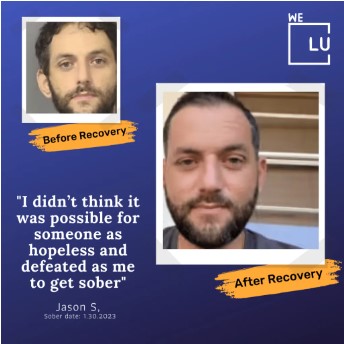
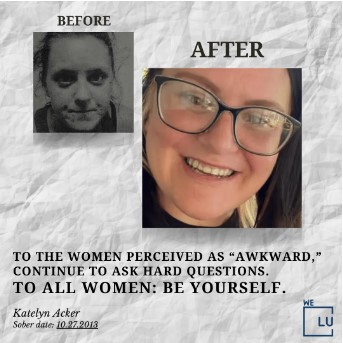
See our authentic success stories. Get inspired. Get the help you deserve.
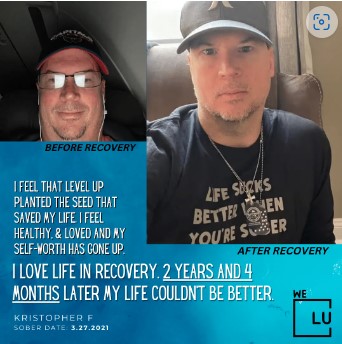
Start a New Life
Begin with a free call to an addiction & behavioral health treatment advisor. Learn more about our dual-diagnosis programs. The We Level Up Treatment Center Network delivers recovery programs that vary by each treatment facility. Call to learn more.
- Personalized Care
- Caring Accountable Staff
- World-class Amenities
- Licensed & Accredited
- Renowned w/ 100s 5-Star Reviews
We’ll Call You
Search for Soma Detox & Other Resources
Sources:
[1] Dean L. Carisoprodol Therapy and CYP2C19 Genotype. 2017 Apr 4. In: Pratt VM, Scott SA, Pirmohamed M, et al., editors. Medical Genetics Summaries [Internet]. Bethesda (MD): National Center for Biotechnology Information (US); 2012-. Available from: https://www.ncbi.nlm.nih.gov/books/NBK425390/
[2] Soma – https://www.justice.gov/archive/ndic/pubs10/10913/index.htm – National Drug Intelligence Center
[3] Soma – https://www.deadiversion.usdoj.gov/drug_chem_info/carisoprodol/carisoprodol.pdf – Drug Enforcement Administration
[4] Soma – https://www.ncbi.nlm.nih.gov/books/NBK553077/ – National Library of Medicine
[5] Reeves RR, Burke RS. Carisoprodol: abuse potential and withdrawal syndrome. Curr Drug Abuse Rev. 2010 Mar;3(1):33-8. DOI: 10.2174/1874473711003010033. PMID: 20088817. – https://pubmed.ncbi.nlm.nih.gov/20088817/