

Trauma And Addiction, 11 Common Signs of Trauma
Connection Between Trauma And Addiction, Signs, Diagnosis, Addiction and Trauma Therapy Recovery Programs
Clinically Reviewed by Lauren Barry, LMFT, MCAP, QS
Medically Reviewed by Ali Nikbakht, PsyD
Updated on January 22, 2026 — Editorial Policy | Research Policy | Privacy Policy
Relationship Between Trauma and Addiction
Addiction can result from various things, one of them being trauma. According to the American Psychological Association (APA), trauma is an emotional response to a terrible event, such as an accident, natural disaster, or sexual assault[1]. At We Level Up center, we know there’s a connection between trauma and addiction. Many people turn to substance abuse to cope with the aftermath of these traumatic events. Unfortunately, this only makes things worse. Trauma can change your life forever.
Trauma can change your outlook on life and the world, whether it be an event during childhood, teenage years, or adult life. This is why it is not uncommon for many individuals who have gone through a traumatic experience to develop a drug or alcohol addiction. This is due to multiple factors, primarily because they may use drugs and alcohol to numb traumatic events’ effects.
In addition, if you are already at risk of addiction due to genetic or other factors, experiencing trauma can increase this risk even more. Understanding the connections between trauma and addiction can help educate those dealing with both issues. This understanding can also help mental health professionals treat clients and develop new ways of thinking about addiction and trauma.
Trauma
Trauma can be defined as “a disordered psychic or behavioral state resulting from severe mental or emotional stress or physical injury.” Several types of trauma include physical assault, sexual assault, bullying, terminal illness, death, severe accidents, neglect, domestic violence, natural disaster, emotional abuse, and verbal abuse. However, trauma is an individual experience. Anything that makes you feel unsafe and like your life is being threatened can also be a traumatic event. The impact of trauma can be subtle, insidious, or outright destructive [2].


Get Your Life Back
Find Hope & Recovery. Get Safe Comfortable Detox, Addiction Rehab & Dual Diagnosis Trused Care.
7/365 Line (844) 597-1011Addiction
Addiction is a chronic disease that develops over time, causing a person to be severely dependent on a substance or behavior. You can tell when someone has crossed the line from abuse to addiction when they begin choosing the substance or behavior over critical priorities and responsibilities in their life. Addiction can lead to consequences such as job loss, homelessness, cutting off ties with family and friends, isolation, financial problems, permanent health problems, and more. Addiction causes vary, but it is not uncommon for an addict to have a co-occurring mental disorder such as depression, anxiety, or post-traumatic stress. People with dual diagnosis conditions require co-occurring trauma and addiction recovery programs for long-term recuperation.
Traumatic Experience
Fearing for your life, experiencing intense pain, or witnessing a violent act or tragic incident refer to traumatic experiences. Reactions to these types of situations may vary from person to person, depending on their resiliency. While people of any age can experience trauma, children are usually more impacted than adults.
Recovering from trauma also depends on the kind the individual experienced. Some forms of trauma are repeated, like child abuse.
Each person is affected differently by unfortunate incidents, so the effects of trauma can vary in severity from person to person. However, shock, anger, and denial are typical reactions immediately after the incident.
Some Traumatic Experience
- Natural disaster
- Rape
- Sexual assault
- Bullying
- Violence
- Unstable life at home
- Intense pain
- Battling a chronic disease
- Verbal or mental abuse
- Neglect
Post-traumatic stress disorder (PTSD) is a mental disorder that occurs when a person doesn’t recover from the effects of a traumatic experience. Symptoms of PTSD include flashbacks, anxiety, and uncontrollable thoughts about the incident. According to the National Council for Behavioral Health (NCBH), 70 percent of adults in the United States (223.4 million people) have experienced some trauma at least once. The link between addiction and trauma is also just as expected. The NCBH shared that trauma is a risk factor in almost all behavioral health and substance abuse disorders[3].
Get Help. Get Better. Get Your Life Back.
Searching for Accredited Drug and Alcohol Rehab Centers Near You?
Even if you have failed previously and relapsed, or are in the middle of a difficult crisis, we stand ready to support you. Our trusted behavioral health specialists will not give up on you. When you feel ready or just want someone to speak to about therapy alternatives to change your life call us. Even if we cannot assist you, we will lead you to wherever you can get support. There is no obligation. Call our hotline today.
(844) 597-1011Signs Of Trauma

People who have suffered from a traumatic experience or childhood trauma may display various psychological and behavioral symptoms. These individuals often become stuck in a loop of reliving the incident and are unable to heal.
Trauma leads to physical symptoms like anxiety. Continuously experiencing flashbacks or having thoughts about the incident can make it difficult for the person to differentiate between an actual emergency and their remembrance of the event. While they may try to suppress their struggles, specific trauma symptoms are difficult to conceal.
Some Common Signs And Symptoms Of Trauma
- Mood swings or unpredictable emotions
- Erratic behavior
- Excessive or inappropriate emotional outbursts
- Lack of confidence or severe timidity
- Eating disorders
- Headaches
- Extreme changes in physical appearance (getting a lot of piercings, cutting off all your hair, dying your hair a different color)
- Relationship problems
- Problems relating to others
- Frequent flashbacks of the incident
- Nausea and vomiting
First-class Facilities & Amenities
Trusted Integrated Addiction & Mental Health Rehabilitation Treatment
Rehab Centers TourEstablished Addiction Centers. Serene Private Facilities. Inpatient rehab programs vary.
Addiction Helpline (844) 597-1011Comprehensive recovery success experience, backed by a Team w/ History of:
15+
Years of Unified Experience
100s
5-Star Reviews Across Our Centers
10K
Recovery Success Stories Across Our Network
- Low Patient to Therapist Ratio
- Onsite Medical Detox Center
- Comprehensive Dual-Diagnosis Treatment
- Complimentary Family & Alumni Programs
- Alumni Coaching, Recovery & Personal Development Events
Connection Between Trauma And Addiction
The human brain is very adaptive, thanks to something called plasticity. From the smallest things to the most impactful experiences, the brain expands and allows us to learn new skills and make new memories as we go through life. Everything we do causes neurons in the brain to grow, change, or break to make the necessary adjustments.
Plasticity is also the reason why traumatic experiences follow people into their adulthood. These events often shape how a person thinks, behaves, and connects with people and situations. As the mind adapts to the trauma they’ve experienced, it may be on “high alert” for specific conditions. Incidents that may be mild to a person who hasn’t suffered a traumatic event may seem life-threatening for someone who has.
The connection between adulthood trauma and alcoholism or drug addiction can also be attributed to maltreatment and neglect. A lack of proper nutrients can affect brain development, and repeatedly experiencing trauma can affect a person’s cortisol or stress hormones. If you’ve seen any movies about addiction, the individual with a substance use disorder often experiences some form of trauma.
Furthermore, the symptoms of trauma can drive someone to abuse drugs or alcohol. These substances promise temporary relief but only make things worse. A person with PTSD who does not receive mental health treatment is more likely to engage in substance abuse to cope with their symptoms.
The longer a person abuses drugs or alcohol, the more likely they will develop an addiction. When a mental illness and addiction co-occur, it’s a co-occurring disorder. Professional addiction and trauma treatment programs and therapies can target the long-term psychological effects of drug abuse and trauma.
Specialized, Accredited, 5-Star Reviewed, Evidence-based Addiction & Mental Health Programs. Complete Behavioral Health Inpatient Rehab, Detox plus Co-occuring Disorders Therapy.
CALL(844) 597-1011End the Addiction Pain. End the Emotional Rollercoaster. Get Your Life Back. Start Drug, Alcohol & Dual Diagnosis Mental Health Treatment Now. Get Free, No-obligation Guidance by Substance Abuse Specialists Who Understand Addiction & Mental Health Recovery & Know How to Help.
Dual Diagnosis Addiction and Trauma Treatment Program
When treating trauma and addiction, each treatment plan is most often individualized depending on the client’s needs and the severity of the trauma and addiction. The best way to treat a client with a dual diagnosis of trauma and addiction is to develop a plan that includes ways to heal both simultaneously. Frequently, those going to treatment for both trauma and addiction will have a longer stay due to the complexities involved in the trauma healing process.
Often, the underlying causes of addiction can be traumatic experiences. Therefore it is vital for treating addiction to learn the root causes of the addiction and help to develop the skills to heal from them. Psychotherapy and medication are often used to help a person deal with trauma symptoms.
Therapists work with the person to understand the underlying causes of their addiction and develop healthy coping strategies to deal with difficult emotions and potential triggers in the future. Giving clients the best chance at recovery is to continue treatment consistently in a sober environment where they feel safe and comfortable.

Trauma is not a joke; more people struggle with trauma symptoms than we realize. If you or someone you know uses drugs or alcohol, we can help whether it’s caused by mental illness or experimentation. We Level Up Treatment Center provides world-class care with round-the-clock medical professionals available to help you cope. We offer a trauma treatment program that addresses the impact of psychological trauma and addiction.
Understanding the connection between trauma and addiction is the first step. After that, treating trauma’s impact and its spillover into substance abuse disorders can begin. Each person requires unique science-based therapies to help the recovery process successfully.
Make this your opportunity to reclaim your life. Call today to speak with one of our treatment specialists. Our professionals know what you are going through and will answer any of your questions.
Your call is private and confidential, and there is never any obligation.
Experience Transformative Recovery at We Level Up Treatment Centers.
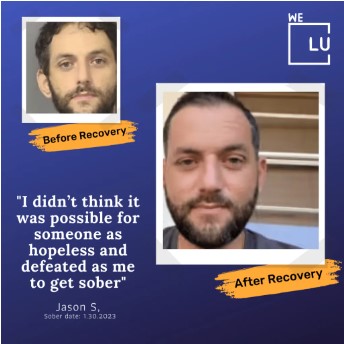
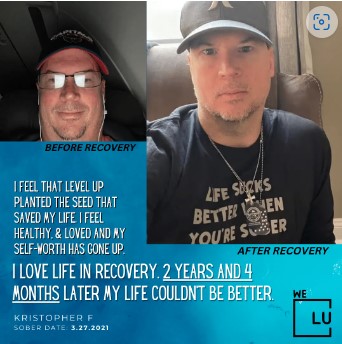
See our authentic success stories. Get inspired. Get the help you deserve.

Start a New Life
Begin with a free call to an addiction & behavioral health treatment advisor. Learn more about our dual-diagnosis programs. The We Level Up Treatment Center Network delivers recovery programs that vary by each treatment facility. Call to learn more.
- Personalized Care
- Caring Accountable Staff
- World-class Amenities
- Licensed & Accredited
- Renowned w/ 100s 5-Star Reviews
We’ll Call You
Sources
[1] APA-Trauma – https://www.apa.org/topics/trauma/
[2] NCBI – Understanding the Impact of Trauma – Trauma-Informed Care in Behavioral Health Services – NCBI Bookshelf (nih.gov)
[3] NCBH -How to Manage trauma – https://www.thenationalcouncil.org/wp-content/uploads/2013/05/Trauma-infographic.pdf?daf=375ateTbd56/