

Klonopin Detox: Powerful Steps Toward Safe Withdrawal
There are well-recognized harms from long-term use of benzodiazepines, including Klonopin. These include dependency and cognitive decline. Continue to read more about Klonopin detox and how to get treatment for substance use disorder.
Clinically Reviewed by Lauren Barry, LMFT, MCAP, QS
Medically Reviewed by Ali Nikbakht, PsyD
Updated on September 22, 2025 — Editorial Policy | Research Policy | Privacy Policy
Klonopin Detox: Powerful Steps Toward Safe Withdrawal
There are well-recognized harms from long-term use of benzodiazepines, including Klonopin. These include dependency and cognitive decline. Continue to read more about Klonopin detox and how to get treatment for substance use disorder.
Clinically Reviewed by Lauren Barry, LMFT, MCAP, QS
Medically Reviewed by Ali Nikbakht, PsyD
Reviewed / Updated: September 22, 2025 — Editorial Policy | Research Policy | Privacy Policy
By We Level Up | Author Giselle Leung, PharmD, BCGP | Editorial Policy | Research Policy
What is Klonopin Detox?
Klonopin, the branded form of clonazepam, is part of a class of medications called benzodiazepines. This medication is primarily used to treat anxiety and seizures. While it is very effective due to its depressant effects on the central nervous system (CNS), it’s highly addictive when used regularly. Stopping Klonopin abruptly after prolonged use can lead to severe withdrawal symptoms.
Symptoms may include anxiety, tremors, sweating, and seizures. Detoxing under medical supervision is the safest way to stop taking Klonopin. Your healthcare provider can help you taper off the medication gradually to minimize withdrawal effects.
If you’re struggling with Klonopin addiction, proper medical care and behavioral therapy are necessary for successful detoxification.
Klonopin Detox Key Takeaways
- Klonopin is a highly addictive prescription medication used to treat anxiety and seizures. Stopping abruptly after prolonged use can lead to severe withdrawal symptoms.
- Klonopin withdrawal and detox involve medically supervised tapering of the medication to minimize withdrawal symptoms and ensure safety.
- Trying to detox from Klonopin at home or without a doctor is risky. Many people wonder how to safely detox from Klonopin at home, but without medical guidance, it can cause seizures, hallucinations, and severe anxiety.
Klonopin Detox Overview
Klonopin detox is the gradual tapering of the medication under medical supervision to minimize withdrawal symptoms. Quitting Klonopin abruptly can be dangerous and may lead to severe Klonopin detox side effects such as seizures, hallucinations, and extreme anxiety.
The timeline for Klonopin detox varies depending on factors like the duration of use, dosage, and individual physiology. Working with a healthcare provider is the best way to detox from Klonopin safely and effectively. Generally, acute withdrawal symptoms peak within the first week after stopping Klonopin and can last for several weeks or months. Post-acute withdrawal syndrome (PAWS) may persist for months. Symptoms include anxiety, depression, and insomnia, which are similar to psychological disorders. These symptoms can be hard to tell apart from symptom rebound or symptom reemergence. Symptom rebound happens when withdrawal symptoms get worse. Symptom reemergence occurs when old symptoms return after stopping benzodiazepine use.
During Klonopin detox, you’ll receive support from medical professionals who can monitor your vitals, administer medications to alleviate symptoms, and provide emotional support. A tapering schedule is used to reduce your Klonopin dosage slowly over time. This allows your body to adapt to the dose changes and reduce the severity of withdrawal symptoms.
A Klonopin detox program will offer medical care and support. It will help address the reasons for addiction. The program will also teach coping strategies for long-term recovery. Some examples are behavioral therapy, counseling, mindfulness practices, and exercise.
Klonopin Withdrawal Timeline

Klonopin Withdrawal Symptoms
Klonopin withdrawal can cause a range of symptoms. The severity and duration of these symptoms depend on the length of Klonopin use and the dose that is being tapered.
Common physical symptoms include:
- Tremors, muscle cramps
- Headaches
- Sweating
- Nausea, vomiting, and diarrhea
- Fatigue, weakness
- Sleep disturbances that can progress to insomnia, nightmares, and vivid dreams
In severe cases, Klonopin withdrawal can lead to more serious symptoms, such as:
- Seizures
- Hallucinations
- Delirium
- Depersonalization
Klonopin withdrawal symptoms are temporary, lasting 1 to 2 weeks. Other cases may require months to resolve symptoms.
Klonopin Half-Life
Klonopin has a long half-life of 30 to 40 hours. It takes 1 to 2 days for your body to get rid of half the amount. This leads to the delay of the onset of withdrawal symptoms from Klonopin. You may not experience significant symptoms until a few days after your last dose.
Klonopin’s long half-life also means withdrawal lasts longer compared to shorter-acting benzodiazepines. Acute withdrawal symptoms typically peak within the first week and gradually subside over the following 3 to 4 weeks. Some people experience prolonged symptoms, also known as PAWS, which may last months.
Psychological symptoms primarily occur due to symptom rebound or the reemergence of symptoms. Some examples include
- Anxiety, panic attacks, and agitation
- Depression
- Irritability and mood swings
Skip To:
Learn More:
- What is Klonopin? (Clonazepam) Klonopin Uses, Dosage, Side Effects, & Drug Abuse
- Can You Mix Klonopin and Xanax?
- Can You Smoke Klonopin (Clonazepam)? Side Effects, Risks & Treatment
- Benzo Detox Timeline, Withdrawal Symptoms, Care & Treatment
- Medication Assisted Treatment
- Inpatient Rehab
- Benzodiazepine Withdrawal Psychosis
- Benzos and Alcohol
- Risks of Benzodiazepines, Uses, Side Effects, and Drug Abuse
- Prescription Pill Detox Program
Klonopin Detox Protocol Fact Sheet
Detoxing from Klonopin requires a structured protocol to ensure safety and minimize discomfort. The following fact sheet provides key information about the Klonopin detox process.
Klonopin Generic Name: Clonazepam [ Kloe-NAZ-e-pam ]
Klonopin Drug Schedule: Klonopin is classified as a Schedule IV drug under the Controlled Substance Act (CSA). Schedule IV drugs, substances, or chemicals are defined as drugs with a low potential for abuse and a low risk of dependence.
Klonopin Drug Class: Benzodiazepine Anticonvulsants, Benzodiazepines.
Half Life Klonopin Withdrawal
Klonopin has a long half-life, meaning it stays in the body for an extended period. The half-life of Klonopin is usually 30 to 40 hours. This means it takes one to two days for half of the drug to leave the body.
The long half-life of Klonopin can have both advantages and disadvantages in terms of withdrawal. At the same time, it can make the withdrawal process easier. It allows for a slower decrease in dosage. This can help reduce Klonopin withdrawal symptoms. On the other hand, the long half-life can also prolong withdrawal symptoms and make them more challenging to manage.
During Klonopin withdrawal, working with a healthcare professional to develop a safe and effective tapering schedule is critical. A slow and gradual reduction in dosage can minimize withdrawal symptoms and prevent complications. A healthcare professional can also monitor the individual’s progress during withdrawal and adjust the tapering schedule as needed.
Klonopin Withdrawal Stages
Klonopin withdrawal progresses through 2 stages: the acute phase and the post-acute phase. The acute phase begins within 1 to 3 days of the last dose and peaks in the first week, then it subsides over 2 to 4 weeks. You may experience anxiety, insomnia, tremors, and increased heart rate. Psychological symptoms such as panic and irritability may also occur.
The post-acute stage may last several months. There are often lingering symptoms that include mood swings, cravings, and cognitive issues. Proper support is critical during this phase. Participate in behavioral therapy, build a sober network, and practice healthy coping skills to help manage lingering withdrawal symptoms.
Klonopin Withdrawal Schedule
The Klonopin withdrawal schedule is a gradual taper to minimize the risk of severe symptoms. Your healthcare provider will create a personalized tapering plan based on your current dosage and duration of use. They’ll slowly reduce your dose over several weeks or months. This allows your body to adjust and reduces the likelihood of dangerous withdrawal complications. Stick to the plan closely and never attempt to accelerate the taper or quit abruptly.
Communicate with your healthcare provider about your concerns and whether a taper is too fast. Your healthcare provider may suggest other medications to help with withdrawal symptoms. They might also recommend lowering your dose by about 50% for a few months before you start tapering again.

Get Your Life Back
Find Hope & Recovery. Get Safe Comfortable Detox, Addiction Rehab & Dual Diagnosis Trused Care.
7/365 Line (844) 597-1011Klonopin Dependency & Abuse Statistics
Klonopin is a benzodiazepine medication for treating anxiety, panic, and seizure disorders. Klonopin, like other benzodiazepines, can lead to addiction and abuse. This risk increases if it is taken for a long time or in larger doses than prescribed.
5 Million
According to the NSDUH, roughly 5 million people in the US misused tranquilizers, including Klonopin, in 2019. Misuse of Klonopin can lead to severe side effects, addiction, and other complications.
Source: National Survey on Drug Use and Health
75%
Klonopin is classified as a Schedule IV controlled medication because it has the potential for addiction and dependence. A study revealed that over 75% of patients might develop Klonopin dependency after taking it for long periods.
Source: NCBI
11,537
The US CDC reports that Klonopin overdose casualties involving benzos rose from 1,135 in 1999 to 11,537 in 2017. A Klonopin overdose can lead to coma, trouble breathing, and even death. This is especially true if it is mixed with other drugs, like opioids or alcohol.
Source: Centers for Disease Control and Prevention
Top 5 Klonopin Detox Studies with Insights
Here’s a patient-friendly chart of the top Klonopin detox studies/guidelines.
Here is a helpful list of trusted Klonopin detox studies and guidance. You can use these in clinical documents, program pages, or treatment guides. Each row distills the evidence’s implications for treatment into actionable tips for care teams and admissions scripts. Sources were chosen for recency, rigor, and relevance to integrated treatment.
| Study | Treatment Implications | Insights for Patients |
|---|---|---|
| Management of Benzodiazepine Withdrawal: A Review of Clinical Evidence View Study | – Gradual tapering is the recommended approach to minimize withdrawal symptoms. – Use of long-acting benzodiazepines like diazepam can help ease detox. – Monitoring for seizures and severe withdrawal symptoms is critical during detox. | -Detox can cause anxiety, insomnia, and irritability—these symptoms are temporary. -Never stop Klonopin abruptly; always follow medical advice. |
| Benzodiazepine Detoxification in a Primary Care Setting View Resource | -Detox can be safely conducted in outpatient settings with proper medical supervision. -Psychological support alongside tapering improves success. | -Support from healthcare providers and family is important during detox. -Detox may take weeks to months, depending on dosage and duration of use. |
| Psychosocial Interventions for Benzodiazepine Discontinuation Read Article | -Cognitive-behavioral therapy (CBT) and counseling improve detox success and reduce relapse. -Psychosocial support is essential alongside pharmacological detox. | -Combining therapy with tapering helps manage anxiety and improve motivation. -Support groups can be very beneficial. |
| Patient Experiences and Challenges in Benzodiazepine Detoxification Read Study | -Many patients report psychological challenges like anxiety and insomnia during detox. -Patient education and support improve treatment adherence and outcomes. | -Understand that detox can be emotionally and physically challenging. -Open communication with your healthcare team helps navigate these challenges. |
| Managing Benzodiazepine Withdrawal in Emergency Settings Read Review | -Emergency settings require rapid identification and management of severe withdrawal, including seizures. -Use of benzodiazepines and anticonvulsants is critical in emergencies. | -Severe withdrawal can be life-threatening—seek immediate help if symptoms escalate. -Follow your treatment plan strictly to avoid emergencies. |
How Long Does It Take To Detox From Klonopin?
The duration of Klonopin detox varies based on the following factors: the length of use, dosage, and individual physiology. Acute withdrawal symptoms usually peak in the first week after stopping Klonopin. They slowly decrease over the next 3 to 4 weeks. But some people may experience prolonged symptoms, known as PAWS, which can last for several months.
Klonopin has a long half-life of 30 to 40 hours. This is longer than many other benzodiazepines. Because of this, it can delay the start of withdrawal symptoms. Most symptoms appear a few days after your last dose.
The severity and length of PAWS can differ for each person. This depends on whether they are reducing long-term use of a high dose of Klonopin.
Medical supervision is vital. Healthcare providers utilize a gradual tapering schedule tailored to your needs, reducing the risk of severe withdrawal symptoms. They’ll monitor your progress, manage symptoms, and provide support.
Can I Use Klonopin to Detox from Alcohol?
You should never use Klonopin on your own to detox from alcohol. Klonopin is a benzodiazepine and acts on similar brain receptors as alcohol. Using benzodiazepines can help with alcohol detox. However, healthcare professionals must carefully dose, taper, and monitor their use.
Combining Klonopin with alcohol is dangerous, leading to additive sedation, severe respiratory depression, coma, or death.
Since Klonopin has a high potential for abuse and addiction, using Klonopin to treat alcoholism can lead to a new addiction. Detoxing from alcohol requires medical supervision due to possible life-threatening complications, such as seizures and delirium tremens.
If you’re trying to quit drinking, seek professional help. Don’t try to detox alone with Klonopin. It can make things worse.
Get Help. Get Better. Get Your Life Back.
Searching for Accredited Drug and Alcohol Rehab Centers Near You?
Even if you have failed previously and relapsed, or are in the middle of a difficult crisis, we stand ready to support you. Our trusted behavioral health specialists will not give up on you. When you feel ready or just want someone to speak to about therapy alternatives to change your life call us. Even if we cannot assist you, we will lead you to wherever you can get support. There is no obligation. Call our hotline today.
(844) 597-1011Can I Detox From Klonopin At Home?
Attempting to detox from Klonopin at home can be dangerous and potentially life-threatening.
At-home detox kits or online tapering schedules may seem like low-cost and convenient solutions. However, they do not take into account your medical history, Klonopin use, and other needs. This can increase the risk of severe withdrawal symptoms and relapse.
Instead of attempting to detox at home, reach out to addiction specialists or your healthcare provider. They can connect you with appropriate resources, such as medical detox programs or outpatient treatment. Often, underlying mental health issues may have contributed to your Klonopin use. Healthcare professionals are in a position to help diagnose and treat these issues. Ongoing support, therapy, and aftercare are important for staying sober. They help address the main causes of your addiction.
Klonopin Withdrawal Symptoms Stomach Ache
Stomach ache is one of the possible withdrawal symptoms of Klonopin. Klonopin withdrawal can cause various physical and psychological symptoms. Other physical symptoms of Klonopin withdrawal include tremors, sweating, headaches, muscle pain and stiffness, nausea, vomiting, and diarrhea.
Klonopin Withdrawal Fatigue
It’s important to work with a healthcare professional. They can help create a tapering schedule. This schedule will gradually lower the dosage of Klonopin. It will also help reduce the risk of fatigue. Healthcare professionals may suggest supportive care. This includes staying hydrated, eating well, and getting enough rest. These steps can help manage withdrawal symptoms like fatigue.
Klonopin Withdrawal Peak
Klonopin withdrawal symptoms usually start 1 to 3 days after the last dose. They can peak in the first two weeks. During this time, individuals may experience various physical and psychological symptoms. It could be withdrawal from Klonopin 1mg or withdrawal from clonazepam 0.5 mg; a person may experience the following:
- Tremors.
- Sweating.
- Headaches.
- Muscle pain and stiffness.
- Nausea.
- Vomiting.
- Diarrhea.
- Anxiety.
- Depression.
- Irritability.
- Difficulty concentrating.
Klonopin Withdrawal How Long Does It Take?
How long does clonazepam withdrawal last? The length of clonazepam (Klonopin) withdrawal depends on several factors. These include the dose taken, how long it was used, and personal traits like metabolism and health.
If you are experiencing clonazepam withdrawal symptoms, seeking medical attention from a healthcare professional is essential. They can assess your symptoms and help manage withdrawal. They will also find the best way to detox from Klonopin by creating a safe and effective detox plan.
What Helps With Klonopin Withdrawal?
During detox from Klonopin, dose tapering can make withdrawal symptoms more bearable. Learning how to detox off Klonopin often involves a carefully managed tapering schedule. You may be given alternative benzodiazepines or medications to manage withdrawal symptoms.
Medical detox is the safest method for managing withdrawal with certain substances, including benzodiazepines such as Klonopin. You will receive the following Klonopin withdrawal help:
- Medical supervision and care.
- Medications to address withdrawal symptoms.
- Manage any co-occurring physical or mental health symptoms.
- Minimize the risk of certain withdrawal complications, such as seizures.
First-class Facilities & Amenities
Trusted Integrated Addiction & Mental Health Rehabilitation Treatment
Rehab Centers TourEstablished Addiction Centers. Serene Private Facilities. Inpatient rehab programs vary.
Addiction Helpline (844) 597-1011Comprehensive recovery success experience, backed by a Team w/ History of:
15+
Years of Unified Experience
100s
5-Star Reviews Across Our Centers
10K
Recovery Success Stories Across Our Network
- Low Patient to Therapist Ratio
- Onsite Medical Detox Center
- Comprehensive Dual-Diagnosis Treatment
- Complimentary Family & Alumni Programs
- Alumni Coaching, Recovery & Personal Development Events
Klonopin Withdrawal Treatment
Klonopin Detox or benzodiazepine detox, in general, can last longer than other substances due to physiological dependence. Depending on your particular requirements, you can select to undergo Klonopin detox in the following settings:
A doctor’s office is a good choice for people with mild withdrawal symptoms. They are not at risk of serious complications.
Inpatient Klonopin detox facility. This can occur in a hospital, free-standing residential detox center, or inpatient rehab program. You live at the facility for the length of detox and receive 24/7 monitoring, care, and support.
Remember that Klonopin Detox alone does not replace formal addiction treatment. After you finish detox, you should start a recovery program. This will help you succeed in the long run. Detox is crucial for a full recovery from addiction, and clonazepam withdrawal success stories.
Medically supervised detox increases the likelihood of a successful transition to rehab. It also facilitates a safe and supportive environment for those recovering from Klonopin addiction. If you or someone you care about is having trouble with Klonopin, reach out to a specialist. They can help you learn about your options, create a personalized Klonopin detox schedule, and find the right detox center for your needs today.
At We Level Up treatment facility, we offer care with our doctors available 24/7. They are here to help you cope and succeed in your recovery. Reclaim your life and call us to speak with one of our treatment specialists. Our specialists know what you are going through and will answer any of your questions.
Klonopin Detox Treatment at We Level Up

The Klonopin detox process at We Level Up helps people during the tough first phase of recovery. It offers caring support in a safe, medical environment. Overcoming Klonopin dependence requires more than just willpower—it demands a comprehensive protocol that addresses physical withdrawal, emotional distress, and safety risks. In our detox center, we provide personalized medical care and constant monitoring. This helps lessen symptoms like anxiety, tremors, and insomnia. It also reduces the risk of serious complications. We help clients with tapering schedules, provide 24/7 support, and ensure comfort and medical care. This greatly increases the chances of making withdrawal safer and easier.
It helps clients manage withdrawal. It also gets them ready for the next steps in treatment. Detox is just the first step. Ongoing recovery needs to address the root causes of addiction. These causes can include stress, trauma, or mental health issues that happen at the same time. Our team works closely with each client. We create a plan for therapy, counseling, and long-term recovery programs. By focusing on both quick symptom relief and long-term care, we provide people with the tools they need. This helps them stay sober and find balance in their daily lives.
In addition to medical supervision, our Klonopin detox program emphasizes holistic support that promotes both physical and emotional healing. Clients can benefit from wellness strategies. These include nutrition planning, relaxation techniques, and mindfulness practices. These strategies can help improve mood and lower stress during detox. These approaches work with medical care. They help improve resilience and boost the body’s natural ability to recover. We want to help both the mind and body. This will create a better and lasting way to recover.
At our Klonopin detox facility, treatment happens in several stages. Each stage is meant to assess and treat different aspects of Klonopin withdrawal. Our detox facilities offer everything our clients need. This lets them focus on feeling better and overcoming their symptoms. Our compassionate and professional staff handles food, lodging, medical, and other necessities.
Assessment and Diagnosis Stage
The first stage of Klonopin detox is a detailed evaluation, assessment, and diagnosis. This stage occurs on the first day of admission to our facility. It helps our providers make a treatment plan for Klonopin withdrawal.
Our team will take a detailed history of your substance use problems during this stage. This includes questions like:
- How long have you been taking Klonopin?
- What’s your typical dose of Klonopin?
- How frequently do you take Klonopin throughout the day?
- Do you use any other substances?
- Are you currently on any prescribed medications?
- Do you have a family history of addiction?
These questions help our team make a personalized treatment plan. This plan ensures you receive the right care for your mental and physical withdrawal symptoms.
Our team also checks for signs of medical illness, mental health issues, or drug allergies. These factors can affect the detox process.
The teams at our Klonopin detox centers are ready to offer great healthcare with addiction treatment. This way, any medical issues can be managed during your time at our facility.
Medical detox usually does not focus on mental health treatment. However, we still check for mental health disorders. This includes post-traumatic stress disorder, anxiety, and depression. Some medications and treatments may be given to help you manage psychological symptoms. They can also assist you during the withdrawal process if needed.
People with mental illness can still get help for their mental health issues. However, dealing with withdrawal symptoms is the most important first step. Mental health treatment starts at our dual-diagnosis centers. Most clients move here after finishing detox.
Stabilization and Treatment Stage
The next stage of Klonopin detox is the stabilization and treatment stage. This phase makes up most of your time at our facility. It focuses on treating and easing the severe withdrawal symptoms from Klonopin.
The stabilization stage usually lasts ten to fourteen days. However, some clients may need longer treatment based on their withdrawal symptoms.
To avert dangerous withdrawal symptoms, our Klonopin detox center delivers a treatment known as a medical taper. During your stay, you will receive special medications to lower the risk of seizures. These will start at high doses and gradually decrease.
By the end of treatment, clients will finish their taper and stop all detox medications. They may still get supportive medications to help them in the next steps of treatment.
The medications offered during Klonopin withdrawal can also substantially reduce uncomfortable withdrawal symptoms, such as chronic pain, anxiety, restlessness, and insomnia. While withdrawal is never easy, medical detox can make the process simpler and more comfortable.
Medical detox is an important first step. However, it must be followed by intensive Klonopin addiction treatment. This helps people keep their hard-earned sobriety for the long term.
Transition Stage
The final stage of Klonopin detox is the transition stage. For the client, this stage starts at the end of their treatment. However, planning for their care transition begins as soon as you arrive at our medical detox facility.
At We Level Up’s treatment network, the transition of care is as smooth as possible. We Level Up provides complete addiction care. This means our detox, residential, and inpatient facilities work together smoothly.
This means you will never have to wait for a bed. You won’t spend extra time in detox after withdrawal. You also won’t struggle to find a treatment center for Klonopin addiction.
What Happens After Klonopin Detox?
After your stay at our Klonopin detox center, you will move to one of our top addiction treatment centers. There, you will learn skills and coping methods to live a healthy and productive life in recovery. We Level Up offers multiple levels of care for continuing treatment after detox, including:
Residential Rehab
Residential treatment is the most intensive form of addiction treatment available and is recommended for most people experiencing substance abuse problems. During residential treatment, clients live on-site at one of our addiction treatment facilities with other residents working toward recovery.
The main benefit of residential treatment is that it helps people recover without distractions, temptations, or triggers. Clients receive intensive and evidence-based therapies throughout the day and enjoy luxurious accommodations in the evening.
The community-based approach of residential treatment helps create social support for recovery. This support can be very important for long-term success.
Partial Hospitalization Programs
Partial hospitalization programs (PHPs) are another effective way of helping people overcome Klonopin addiction. PHPs are programs, meaning clients continue living at home or in supportive recovery housing during treatment.
PHPs offer all the same evidence-based treatments as a residential program. Clients attending this level of care attend their treatment center several days a week for several hours at a time.
Alumni Programs
The alumni program at We Level Up is designed for people who have graduated from addiction treatment. This program helps our clients stay connected. It supports them in their recovery and helps them achieve long-term sobriety.
Reach out to us today for treatment options and more information. Your call is private and confidential, and there is never any obligation.
Specialized, Accredited, 5-Star Reviewed, Evidence-based Addiction & Mental Health Programs. Complete Behavioral Health Inpatient Rehab, Detox plus Co-occuring Disorders Therapy.
CALL(844) 597-1011End the Addiction Pain. End the Emotional Rollercoaster. Get Your Life Back. Start Drug, Alcohol & Dual Diagnosis Mental Health Treatment Now. Get Free, No-obligation Guidance by Substance Abuse Specialists Who Understand Addiction & Mental Health Recovery & Know How to Help.
Frequently Asked Questions
If you are thinking about stopping Klonopin, it is important to know about withdrawal symptoms. You also need a good detox plan. Here are some frequently asked questions about Klonopin detox and withdrawal:
How can I get off Klonopin without withdrawal?
The safest way to stop taking Klonopin is through a gradual tapering process under medical supervision. Your healthcare provider will create a personalized tapering schedule, slowly reducing your dose over several weeks or months. Letting your body get used to lower medication levels greatly reduces the chance of severe withdrawal symptoms. It is important to communicate with your healthcare provider about how you are tolerating your tapering schedule. They can fine-tune your schedule according to your needs and symptoms. Avoid stopping Klonopin abruptly on your own.
Can Klonopin cause withdrawal symptoms?
Yes, it can. This is especially true if you’ve been taking Klonopin for an extended period or at high doses. Klonopin is a long-acting benzodiazepine that easily leads to physical dependence. When you stop taking the medication or lower your dose a lot, your body may have withdrawal symptoms. This happens as it gets used to working without the medication.
Can I switch from Xanax to Klonopin without withdrawal?
Switching from Xanax to Klonopin may still cause withdrawal symptoms, specifically withdrawal seizures. Since Klonopin has a longer half-life than Xanax, the withdrawal symptoms may be less severe. It’s important to work with your healthcare provider. Together, you can create a safe cross-taper plan that reduces the risk of withdrawal. They may gradually taper you off Xanax while slowly introducing Klonopin.
How can I stop Klonopin withdrawal symptoms?
The most effective way to manage Klonopin withdrawal symptoms is through a medically supervised detox program. Healthcare professionals can provide medications to alleviate symptoms, monitor your vitals, and offer emotional support. They may also recommend therapies, such as cognitive-behavioral therapy (CBT) or mindfulness practices, to help you cope with anxiety and other psychological symptoms. These therapies have been shown to increase the success of Klonopin detox.
Can you die from Klonopin withdrawal?
In rare cases, Klonopin withdrawal can be life-threatening. Severe symptoms can happen if you stop suddenly after using high doses for a long time. These symptoms include seizures, delirium, and extreme agitation. These complications can be fatal if not treated promptly. Medical supervision is necessary in Klonopin detox because healthcare professionals can intervene in case of medical emergencies.
How long does Klonopin withdrawal last?
The duration of Klonopin withdrawal varies from person to person due to length of use, dosage, and individual physiology. Acute withdrawal symptoms typically peak within the first week and can last 2 to 4 weeks. Prolonged symptoms, known as PAWS, can persist for several months.
Does Klonopin help with alcohol withdrawal?
Klonopin is used to help with alcohol withdrawal in treatment centers. However, it is not advised for detoxing from alcohol. Both substances are central nervous system (CNS) depressants and can have dangerous interactions. Using Klonopin during alcohol withdrawal can worsen symptoms and increase the risk of severe complications, including respiratory depression, delirium tremens, coma, or death. Always seek medical professional help for alcohol detox.
Does Klonopin help with opioid withdrawal?
Klonopin is not an appropriate treatment for opioid withdrawal. It may help with anxiety and insomnia for a short time. However, it does not fix opioid dependence. It also raises the risk of serious breathing problems. Using Klonopin during opioid withdrawal can also lead to a dangerous polydrug addiction. Evidence-based treatments like medication-assisted therapy (MAT) with buprenorphine or methadone are more effective for managing opioid withdrawal symptoms.
When does Klonopin withdrawal start?
Symptoms usually start 1 to 3 days after the last dose. However, this can change based on factors like dosage and how long you use it. Some people may not experience significant symptoms until a week after their last dose.
What are the side effects of Klonopin withdrawal?
Klonopin withdrawal can cause a range of physical and psychological symptoms. Common physical symptoms include tremors, muscle cramps, headaches, and sweating. Sleep disturbances like insomnia and vivid dreams are also frequent. Psychological symptoms include heightened anxiety, panic attacks, irritability, and depression. In severe cases, withdrawal can lead to seizures, hallucinations, and delirium.
Prescription Drug Abuse & Prescription Medication Addiction Recovery & Sobriety Story
Prescription drug abuse and Klonopin addiction are serious public health issues. Misusing these drugs can cause many problems for people and society.
Klonopin is a potent benzodiazepine medication for treating anxiety, panic, and seizure disorders. However, its sedative and calming effects can also be abused for recreational purposes or to self-medicate other issues.
Get a FREE addiction treatment insurance check – https://welevelup.com/rehab-insurance/. If you or a loved one is struggling with Klonopin addiction or other substance use disorder(s), call a FREE NATIONWIDE consultation 24/7 at (561) 678-0917
Jen’s Addiction Recovery Testimonial Video Transcript.
“I wanted my life back. I was a shell of a person. I wanted to be trusted, and I wanted the relationships back that I lost, mainly my children and family.
It started innocent enough, I got into a car accident, and then I got kind of sucked into the whole, you know, medication issue with the pills. And before I knew it, I was in a cloud.
I was sucked in by addiction, and with my mind, I kept thinking it was OK because a doctor was prescribing this for me, a doctor was giving me this, a doctor was giving me that. So, I didn’t think I was doing anything wrong.
Level Up supports my family and my relationships with my family, and they’ve helped me grow as a person.
When I first started there, I was so intimidated and kind of scared, you know? But, they’ve taught me, they’ve kind of taught me how to come into my own.
And then, you know, when I get the call from my twenty-one-year-old daughter in the middle of the day, just to say ‘I love you, Mom.’ that’s amazing.”
Experience Transformative Recovery at We Level Up Treatment Centers.
See our authentic success stories. Get inspired. Get the help you deserve.
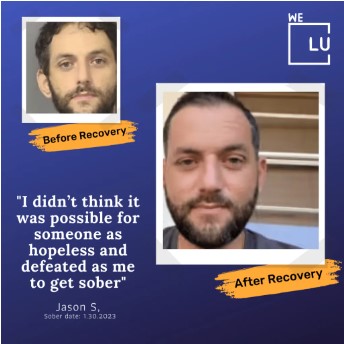
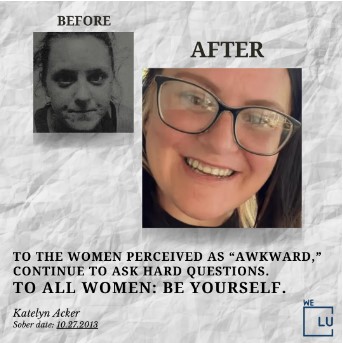
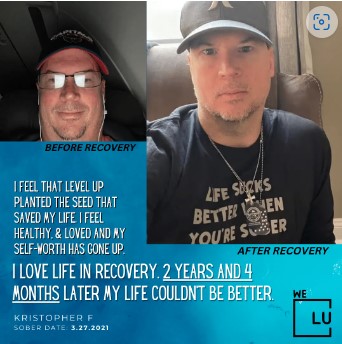
Start a New Life
Begin with a free call to an addiction & behavioral health treatment advisor. Learn more about our dual-diagnosis programs. The We Level Up Treatment Center Network delivers recovery programs that vary by each treatment facility. Call to learn more.
- Personalized Care
- Caring Accountable Staff
- World-class Amenities
- Licensed & Accredited
- Renowned w/ 100s 5-Star Reviews
We’ll Call You
Search We Level Up Klonopin Detox, Mental Health Topics & Resources
Resources
Benzo Detox – Covers medical detox approaches for benzodiazepines in general, which parallels the process of Klonopin Detox.
Alcohol Detox – Since alcohol acts on the same GABA receptors, this adds important context for risks during Klonopin Detox.
Depression Treatment – Depression often surfaces during or after Klonopin Detox, making this a critical supporting resource.
Inpatient Rehab – Provides context on why structured inpatient programs are often recommended during Klonopin Detox.
Sources
[1] NIDA. Research suggests benzodiazepine use is high while use disorder rates are low. National Institute on Drug Abuse website. http://nida.nih.gov/news-events/science-highlight/research-suggests-benzodiazepine-use-high-while-use-disorder-rates-are-low. October 18, 2018, Accessed April 11, 2023.
[2] Basit H, Kahwaji CI. Clonazepam. [Updated 2022 Sep 1]. In: StatPearls [Internet]. Treasure Island (FL): StatPearls Publishing; 2023 Jan-. Available from: https://www.ncbi.nlm.nih.gov/books/NBK556010/
[3] Griffin CE 3rd, Kaye AM, Bueno FR, Kaye AD. Benzodiazepine pharmacology and central nervous system-mediated effects. Ochsner J. 2013 Summer;13(2):214-23. PMID: 23789008; PMCID: PMC3684331.
[4] Schmitz A. Benzodiazepine use, misuse, and abuse: A review. Ment Health Clin. 2016 May 6;6(3):120-126. DOI: 10.9740/mhc.2016.05.120. PMID: 29955458; PMCID: PMC6007645.
[5] Kacirova I, Grundmann M, Silhan P, Brozmanova H. A Case Report of Clonazepam Dependence: Utilization of Therapeutic Drug Monitoring During Withdrawal Period. Medicine (Baltimore). 2016 Mar;95(9):e2881. DOI: 10.1097/MD.0000000000002881. PMID: 26945373; PMCID: PMC4782857.
[6] Pétursson H. The benzodiazepine withdrawal syndrome. Addiction. 1994 Nov;89(11):1455-9. DOI: 10.1111/j.1360-0443.1994.tb03743.x. PMID: 7841856.
[7] Onyett SR. The benzodiazepine withdrawal syndrome and its management. J R Coll Gen Pract. 1989 Apr;39(321):160-3. PMID: 2576073; PMCID: PMC1711840.
[8] McHugh RK, Nielsen S, Weiss RD. Prescription drug abuse: from epidemiology to public policy. J Subst Abuse Treat. 2015 Jan;48(1):1-7. DOI: 10.1016/j.jsat.2014.08.004. Epub 2014 Aug 28. PMID: 25239857; PMCID: PMC4250400.
[9] Schepis TS, Klare DL, Ford JA, McCabe SE. Prescription Drug Misuse: Taking a Lifespan Perspective. Subst Abuse. 2020 Mar 5;14:1178221820909352. DOI: 10.1177/1178221820909352. PMID: 32214819; PMCID: PMC7065295.
[10] Drug Use and Addiction – U.S. Department of Health and Human Services National Institutes of Health