

Bipolar And Addiction, 4 Types of Bipolar, & Effective Treatment
Bipolar And Addiction Symptoms, Types, Symptoms, Effects, Treatment Options
Clinically Reviewed by Lauren Barry, LMFT, MCAP, QS
Medically Reviewed by Ali Nikbakht, PsyD
Updated on January 22, 2026 — Editorial Policy | Research Policy | Privacy Policy
Connection Between Bipolar and Addiction
Bipolar disorder is a chronic or episodic (occasionally occurring and at irregular intervals) mental disorder. It can cause unusual, extreme, fluctuating mood, energy, activity, and concentration or focus changes. Bipolar disorder is sometimes called manic-depressive disorder or manic depression, which are older terms [1].
Everyone goes through regular ups and downs, but bipolar disorder is different. The range of mood changes can be extreme. In manic episodes, someone might feel very happy, irritable, or “up,” and there is a marked increase in activity level. In depressive episodes, someone might feel sad, indifferent, or hopeless, combined with a shallow activity level. Some people have hypomanic episodes, like manic episodes, but less severe and troublesome.
Most of the time, bipolar disorder develops during late adolescence teen years or early adulthood. Occasionally, bipolar symptoms can appear in children. Although the symptoms come and go, bipolar disorder usually requires lifetime treatment and does not go away independently. Bipolar disorder can be an essential factor in suicide, job loss, and family discord, but proper treatment improves.
Skip to:
- Symptoms And Effects Of Bipolar Disorder
- Four Different Types Of Bipolar Disorder
- Bipolar And Addiction Symptoms
- Addressing Bipolar And Addiction
- Bipolar 2 and Addiction
- Bipolar And Addiction Treatment Options
- Medications for Bipolar Disorder and Addiction
- Bipolar And Addiction Treatment
Learn More:
The incidence of substance abuse is higher among individuals with bipolar disorder than among the population. The NCBI states that the rates of lifetime substance abuse were high for both alcohol (48.5%) and drugs (43.9%). Nearly 60% of the cohort had a history of some lifetime substance abuse. Males had higher abuse rates than females, but no differences in substance abuse were observed between subjects in manic and mixed bipolar states. Rates of active substance abuse were lower in older age cohorts. Subjects with a comorbid diagnosis of lifetime substance abuse had more psychiatric hospitalizations [2].
When severe bipolar disorder co-occurs with drug or alcohol addiction, the potential for adverse outcomes increases, a combination of therapies — including psychiatric medications, individual and group therapy, and intensive substance abuse treatment — can help these clients achieve a sense of inner balance and create more satisfying, productive lives.

Get Your Life Back
Find Hope & Recovery. Get Safe Comfortable Detox, Addiction Rehab & Dual Diagnosis Trused Care.
7/365 Line (844) 597-1011Symptoms And Effects Of Bipolar Disorder
The symptoms of bipolar disorder vary from person to person. There are also different symptoms for manic and depressive episodes. Those who also suffer from addiction usually have heightened bipolar symptoms.
Manic Episode Symptoms
- Hyperactivity
- Inflated sense of self-confidence
- Decreased need for sleep
- Extreme talkativeness
- Racing thoughts
- Short attention span
- Risky behavior
- Preoccupation with a specific goal
Some people experience manic episodes so severe that they cannot function in a social or occupational setting. People having these episodes may require hospitalization. A typical manic episode is not caused by drug abuse. This makes it hard to diagnose bipolar disorder if an addiction also exists.
Major Depressive Episode Symptoms
- Feeling depressed or hopeless most of the day
- Having a sense of worthlessness
- Weight loss or gain
- Restlessness
- Insomnia or feeling the need to oversleep
- Loss of interest or pleasure in once enjoyable activities
- Feeling fatigued nearly every day
- Excessive feelings of guilt
- Lack of concentration
- Thoughts of death or suicide
Major depressive episodes leave people unable to function in social or occupational settings. A person’s depressed mood has to last at least two weeks to meet the clinical definition. Like manic episodes, an actual major depressive episode is not the result of drug abuse.
Four Different Types Of Bipolar Disorder
There are four different types of bipolar diagnoses. In each case, the disorder’s symptoms may vary slightly, resulting in unique challenges for a person coping with the condition.
- Bipolar I: Individuals with this form of bipolar experience the most dramatic transitions from mania to depression, and mood swings can be sudden and severe. This disorder’s level of functional impairment is high, and many of these individuals must be hospitalized to protect their safety[1]. It’s common for Bipolar I symptoms to appear in people in their teens or early 20s and rarely for anyone over the age of 50.
- Bipolar II: This bipolar is characterized by less severe fluctuations between emotional states. Depressive episodes may last longer and alternate with periods of hypomania, a milder form of mania. While it may be easier to function with this less severe disorder, bipolar II can interfere with everyday activities and cause functional impairment. Similar to Bipolar I, symptoms develop early in life and rarely develop as they age.
- Bipolar With Mixed Features: In this form of the disorder, individuals may experience symptoms of mania and depression at the same time. For example, the individual may have elevated energy levels, sleeplessness, and appetite loss combined with feelings of despair, low self-worth, and sadness.
- Cyclothymia: This mood disorder is marked by milder depressive episodes and periods of hypomania. Episodes of depression are generally not as long or as profound as bipolar I or II.
- Rapid-Cycling Bipolar: This manifestation of the disorder is characterized by multiple, rapidly alternating episodes of mania and depression, usually at the last four within 12 months. Individuals with other forms of bipolar may go through phases of rapid cycling, in which their moods fluctuate very quickly. During rapid cycling periods, depression may be more severe, and self-destructive behavior and suicide attempts are more common.
Get Help. Get Better. Get Your Life Back.
Searching for Accredited Drug and Alcohol Rehab Centers Near You?
Even if you have failed previously and relapsed, or are in the middle of a difficult crisis, we stand ready to support you. Our trusted behavioral health specialists will not give up on you. When you feel ready or just want someone to speak to about therapy alternatives to change your life call us. Even if we cannot assist you, we will lead you to wherever you can get support. There is no obligation. Call our hotline today.
(844) 597-1011Bipolar And Addiction Symptoms
In an attempt to regulate these changes in mood and energy, individuals with bipolar disorder may abuse drugs or alcohol. According to the Journal of Clinical Psychiatry [3], up to 70 percent of people who meet the criteria for bipolar disorder also have a history of substance abuse. This percentage far exceeds the general population. Substance abuse affects the outcomes of bipolar disorder in several ways:
- Intensification of symptoms (mood swings, poor judgment, impulsivity, hostility, and irritability)
- Longer episodes of emotional instability
- Increased number of suicide attempts
- Diminished quality of life
Treating bipolar disorder and substance abuse can be complex, requiring intensive attention to the symptoms of mental illness and the behaviors associated with addiction. The treatment results for individuals with dual diagnoses, or a mental illness co-occurring with a substance use disorder, are generally much better if both conditions are treated simultaneously within the same program. It should cross-train staff in mental health care and substance abuse treatment to provide the most effective care.
Addressing Bipolar And Addiction
The psychological and physical impairment caused by bipolar disorder makes it the most expensive behavioral health diagnosis regarding health care costs and loss of quality of life. Individuals with bipolar disorder may feel misunderstood, stigmatized, or isolated because of their illness. The disorder can hurt all aspects of a person’s life, from occupational functioning to the quality of relationships. Having the support and concern of a close friend or family member can make a significant difference in treatment outcomes.
Many people feel uncomfortable about broaching the subjects of mental illness and addiction with a loved one. However, it is essential to remember that addiction and bipolar disorder rarely improve without professional intervention.
Expressing concern to a loved one may feel awkward or embarrassing at first, but this conversation could make a significant difference in the outcome of the disease. Too often, the official diagnosis of bipolar disorder comes years after the individual has first experienced symptoms.
The Journal of Clinical Psychiatry[4] states that most people with the disorder do not receive treatment until at least six years after having their first episode. Because of this delay, symptoms tend to be more extreme, and relapse is more common in the early stages of treatment. Intervening on behalf of a loved one who is displaying the signs of bipolar disorder and substance abuse could prevent these unnecessary delays and expedite the process of recovery.
According to National Institute on Alcohol Abuse and Alcoholism, the role of genetic factors in psychiatric disorders has received much attention recently. Some evidence supports the possibility of familial transmission of bipolar disorder and alcoholism (Merikangas and Gelernter 1990; Berrettini et al. 1997).
Common genetic factors may play a role in developing this comorbidity, but this relationship is complex (Tohen et al. 1998). Preisig and colleagues (2001) conducted a family study of mood disorders and alcoholism by evaluating 226 people with alcoholism with and without a mood disorder and family members of those people. The researchers found a more significant familial association between alcoholism and bipolar disorder (odds ratio of 14.5) than between alcoholism and unipolar depression (odds ratio of 1.7).
These findings have implications for prevention and treatment. A positive family history of bipolar disorder or alcoholism is a significant risk factor for offspring [5]. Likewise, in bipolar and drug addiction treatment cases, both environmental factors and family history should be part of the clinical review process.
First-class Facilities & Amenities
Trusted Integrated Addiction & Mental Health Rehabilitation Treatment
Rehab Centers TourEstablished Addiction Centers. Serene Private Facilities. Inpatient rehab programs vary.
Addiction Helpline (844) 597-1011Comprehensive recovery success experience, backed by a Team w/ History of:
15+
Years of Unified Experience
100s
5-Star Reviews Across Our Centers
10K
Recovery Success Stories Across Our Network
- Low Patient to Therapist Ratio
- Onsite Medical Detox Center
- Comprehensive Dual-Diagnosis Treatment
- Complimentary Family & Alumni Programs
- Alumni Coaching, Recovery & Personal Development Events
Bipolar 2 and Addiction
In some instances, a diagnosis of Bipolar 2 and addiction indicates one or more major depressive bouts followed by a mild form of mania, marked by elation and hyperactivity. Whereas, Bipolar I disorder is more severe than bipolar II disorder. It’s common for people with bipolar disorder to self-medicate with drugs and alcohol.
Those who struggle with this complex disease often require professional combined bipolar and drug addiction treatment. Mental illnesses such as bipolar disorder are often underlying triggers for drug addiction. Those suffering know all too well the difficulties in getting help for either condition. Without proper care, people can quickly sink into a downward spiral of depression or mania that is difficult, if not impossible, to escape without outside clinical assistance.
Perhaps only at such a point, many people are suffering and willing to submit themselves to intense inpatient treatment. Suppose they have no other option at hand. But, this leaves them vulnerable because any attempt made by these weakened individuals will always prove unsuccessful if they fail to begin and continue long-term therapy.
Bipolar And Addiction Treatment Options

Mental health conditions like bipolar disorder and addiction disorder can be common. However, bipolar disorder is a complex psychiatric condition, especially when combined with a substance use disorder. Therefore, treatment should draw from multiple modalities and disciplines to address the client’s neurological, psychological, physical, and psychosocial needs. In addition to intensive individual therapy, clients with dual diagnoses of bipolar disorder and addiction can benefit from the following research-based interventions.
- Motivational Interviewing (MI): Motivational Interviewing is a collaborative approach in which the therapist and client become partners in helping the client define sources of motivation and achieve self-defined goals. This positive, client-centered approach is instrumental in treating individuals working to recover from the effects of addiction. A study published in Issues in Mental Health Nursing[6] showed that MI could help clients with bipolar disorder overcome ambivalent feelings about psychiatric medication.
- Cognitive Behavioral Therapy (CBT): CBT addresses the learned thought patterns and destructive behaviors that contribute to addiction, depression, and anxiety. Clients learn to identify self-defeating thoughts and actions and replace them with more positive, self-affirming coping strategies.
- Solution-Focused Therapy (SFT): This practical, client-centered modality helps individuals with mental illness and addiction set and achieve specific goals. Rather than delving deeply into the origins of mental health issues or substance abuse, SFT focuses on measurable therapy outcomes.
- Trauma Therapies: A history of trauma, childhood abuse, violence, or chaotic living environments can increase the severity of bipolar disorder. Trauma therapies such as Seeking Safety and Eye Movement Desensitization Reprocessing (EMDR) target unprocessed memories and internalized fears that can intensify anxiety or depression.
Specialized, Accredited, 5-Star Reviewed, Evidence-based Addiction & Mental Health Programs. Complete Behavioral Health Inpatient Rehab, Detox plus Co-occuring Disorders Therapy.
CALL(844) 597-1011End the Addiction Pain. End the Emotional Rollercoaster. Get Your Life Back. Start Drug, Alcohol & Dual Diagnosis Mental Health Treatment Now. Get Free, No-obligation Guidance by Substance Abuse Specialists Who Understand Addiction & Mental Health Recovery & Know How to Help.
Medications for Bipolar Disorder and Addiction
For many individuals with bipolar disorder, medication therapy is highly effective at controlling symptoms. Stabilizing moods and restoring balance to energy levels, psychiatric medications can also help curb the impulse to abuse alcohol or drugs. However, medications must be selected and adjusted carefully, as certain medications can trigger manic episodes or worsen depression.
For example, antidepressants used successfully to treat major depression may not effectively treat bipolar depression. They can induce a manic phase in bipolar patients, mainly if they are used without other medications. The most common drugs used to treat bipolar disorder fall into the following categories:
- Mood Stabilizers: Lithium is the most widely prescribed mood-stabilizing medication for bipolar disorder. Lithium is most effective at preventing or reducing the severity of manic episodes and may be prescribed in combination with other medications.
- Anticonvulsant Drugs: Anti-seizure medications such as Divalproex (Depakote), lamotrigine (Lamictal), carbamazepine (Tegretol), and topiramate (Topamax) are also prescribed to prevent mood instability in individuals with bipolar disorder. These drugs are beneficial for reducing the frequency and severity of depressive episodes.
- Antipsychotic Medications: Quetiapine (Seroquel), risperidone (Risperdal), olanzapine (Zyprexa), and aripiprazole (Abilify) are some of the most common antipsychotic medications used to treat the effects of bipolar disorder. These medications help to minimize the delusional thought patterns and erratic moods that characterize manic phases.
In addition to psychiatric medications, pharmacologic treatment for bipolar disorder may involve medications that address the physical symptoms that can contribute to bipolar symptoms. These include certain blood pressure medications that slow down the activity of the central nervous system and medications that help to correct hormonal imbalances.
Bipolar And Addiction Treatment
Bipolar disorder and addiction treatment should co-occur through the same program to provide comprehensive care for a client with a dual diagnosis. This integrated approach to treatment represents a departure from older schools of thought, which maintained that substance abuse treatment and mental health were separate, distinct fields. Today, integrated rehabilitation programs incorporate therapy for bipolar disorder and other forms of mental illness with addiction treatment. Addiction treatment services include:
- Medical Detox (inpatient or outpatient)
- Inpatient Treatment
- Residential Services
- Partial Hospitalization Programs
- Outpatient Programs
Both bipolar disorder and addiction disorder are complex, multifaceted conditions that affect all aspects of the individual’s life. Like bipolar disorder, addiction is a progressive illness that increases in severity if left untreated. To provide comprehensive care and maximize therapy outcomes, a rehab program should offer substance abuse and mental health treatment services. With a combination of research-based therapeutic modalities, pharmaceutical interventions, and psychosocial services, bipolar disorder and addiction outcomes can improve significantly.
We Level Up Treatment Center provides world-class care with round-the-clock medical professionals available to help you cope. We offer a program that addresses the impact of bipolar and addiction treatment. We understand that it must treat bipolar and substance abuse disorders individually to help the client recover. Make this your opportunity to reclaim your life. Call today to speak with one of our treatment specialists. Our professionals know what you are going through and will answer any of your questions.
Your call is private and confidential, and there is never any obligation.
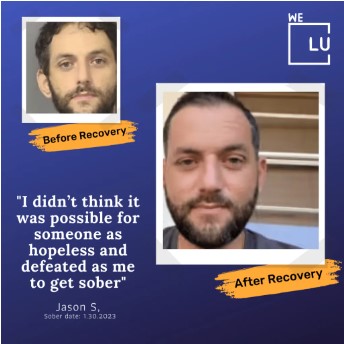
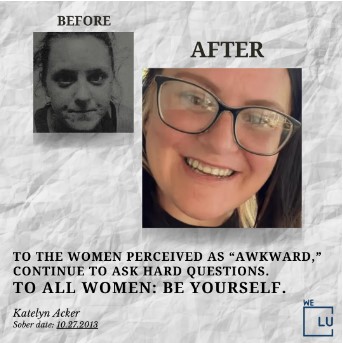
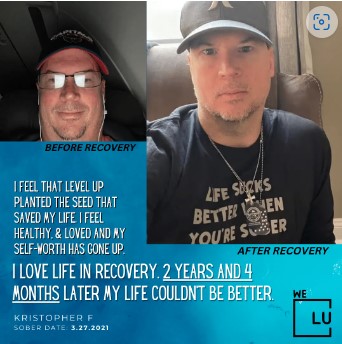
Experience Transformative Recovery at We Level Up Treatment Centers.
See our authentic success stories. Get inspired. Get the help you deserve.
Start a New Life
Begin with a free call to an addiction & behavioral health treatment advisor. Learn more about our dual-diagnosis programs. The We Level Up Treatment Center Network delivers recovery programs that vary by each treatment facility. Call to learn more.
- Personalized Care
- Caring Accountable Staff
- World-class Amenities
- Licensed & Accredited
- Renowned w/ 100s 5-Star Reviews
We’ll Call You
Sources:
[1] National Institute of Mental Health. (2012). What Is Bipolar Disorder? Retrieved on July 8, 2015, from: http://www.nimh.nih.gov/health/publications/bipolar-disorder-in-adults/index.shtml
[2] NCBI – Bipolar Disorder. (2001). Substance abuse in bipolar disorder. Retrieved on July 8, 2015, from: http://www.ncbi.nlm.nih.gov/pubmed/11552957
[3] NCBI – https://www.ncbi.nlm.nih.gov/pubmed/17081077
[4] NCBI – https://www.ncbi.nlm.nih.gov/pmc/articles/PMC2629059/
[5] National Institute on Alcohol Abuse and Alcoholism. (2002). Bipolar Disorder and Alcoholism. Retrieved on July 8, 2015, from: http://pubs.niaaa.nih.gov/publications/arh26-2/103-108.htm
[6] NCBI – https://www.ncbi.nlm.nih.gov/pubmed/22224961
We Level Up – Mental Health » The Truth About Bipolar Disorder And Addiction Treatment