

Top 5 Alcohol Detox Processes & How to Detox from Alcohol
Alcohol use disorder is a life-threatening condition that can lead to an irreversible health crisis and may even be fatal. At We Level Up Treatment Centers, our alcohol detox program provides a safe, medically supervised environment to manage withdrawal symptoms effectively. With a focus on comprehensive care, we offer personalized detox plans, therapy sessions, and ongoing support to ensure a successful recovery. Contact us today and get help for you or your loved one.
Clinically Reviewed by Lauren Barry, LMFT, MCAP, QS
Medically Reviewed by Ali Nikbakht, PsyD
Updated on October 5, 2025 — Editorial Policy | Research Policy | Privacy Policy
Top 5 Alcohol Detox Processes & How to Detox from Alcohol
Alcohol use disorder is a life-threatening condition that can lead to an irreversible health crisis and may even be fatal. At We Level Up Treatment Centers, our alcohol detox program provides a safe, medically supervised environment to manage withdrawal symptoms effectively. With a focus on comprehensive care, we offer personalized detox plans, therapy sessions, and ongoing support to ensure a successful recovery. Contact us today and get help for you or your loved one.
Clinically Reviewed by Lauren Barry, LMFT, MCAP, QS
Medically Reviewed by Ali Nikbakht, PsyD
Reviewed / Updated: October 5, 2025 — Editorial Policy | Research Policy | Privacy Policy
By We Level Up | Author Alex Evans, PharmD, MBA | Editorial Policy | Research Policy
Guide to Alcohol Detox Process. How to Detox from Alcohol Safely.
Alcohol detox is a vital first step in recovery. At We Level Up Treatment Centers, our alcohol detox program is medically supervised. We provide support that is tailored to each person. This includes medication-assisted therapy, psychological care, and 24/7 monitoring. Our goal is to safely and effectively manage withdrawal symptoms. This program was created by Alex Evans, PharmD, MBA.
It was reviewed by leading addiction experts. Our program includes the most recent evidence-based practices.
Alcohol use disorder is a problem across the globe, affecting millions of people and their families. This addiction can cause serious physical and mental health issues, including liver damage, heart disease, and depression. About 178,000 Americans will pass away from alcohol addiction-related causes this year alone.
Unfortunately for individuals trying to break free from alcohol, the withdrawal symptoms can be quite severe. However, effective and life-changing treatments for alcohol addiction are available, and recovery is possible. The first and sometimes the hardest step is the initial detox phase. Detox is defined as the process of removing alcohol from your body.
We Level Up Treatment Centers offer tailored detoxification programs based on each client’s needs, preferences, and circumstances. We will provide a full guide to alcohol detox treatment. This includes the detox timeline, symptoms, and approved programs. We will also explain how long it takes to detox from alcohol. If you or somebody you love needs help to get rid of alcohol, make sure to contact us today.
Alcohol use disorder is a serious condition. At We Level Up Treatment Centers, our alcohol detox program offers a safe and supervised environment.
What is Alcohol Detox?
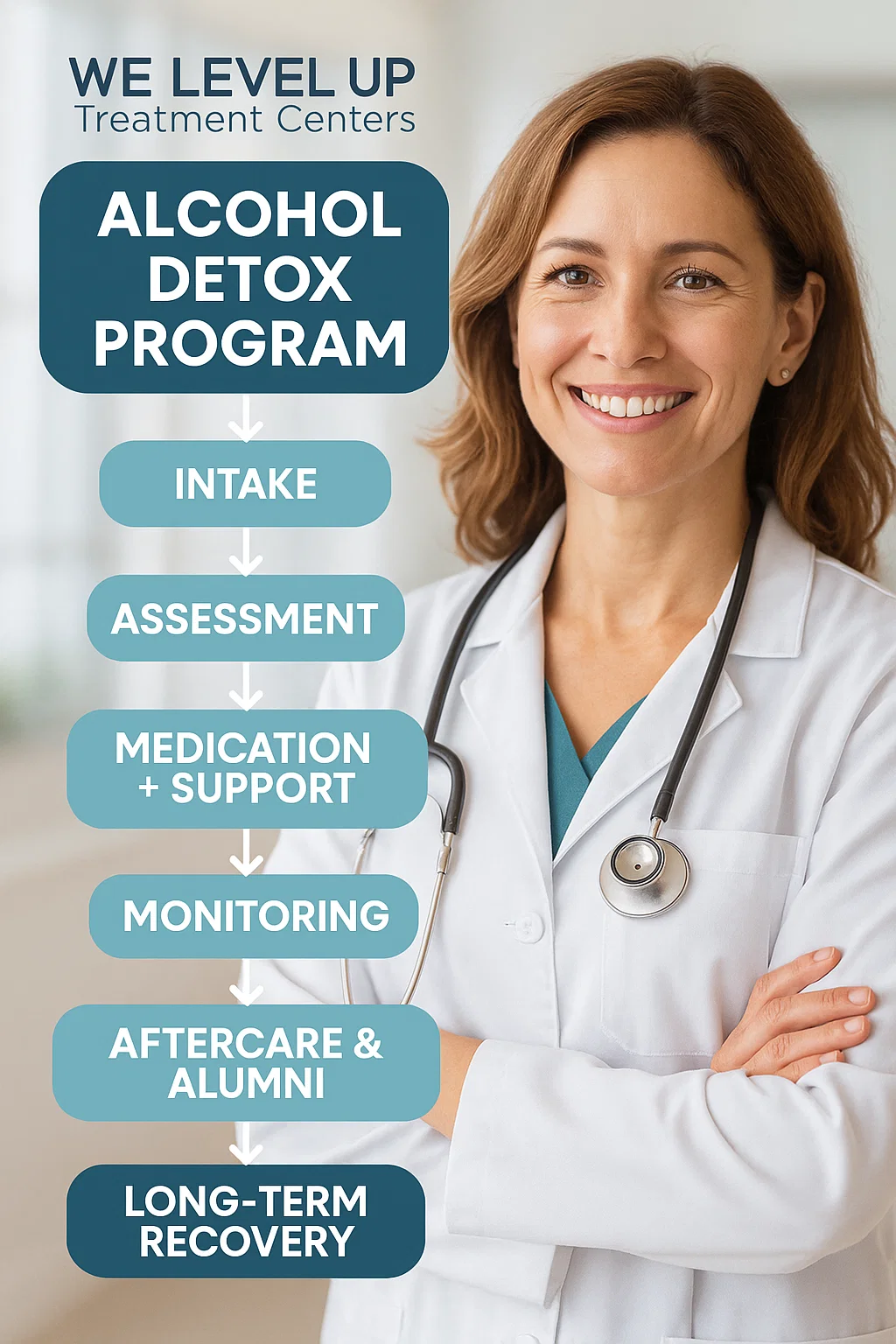
Alcohol detox, or medically-assisted withdrawal, is a critical first step in the process of quitting alcohol. Detoxing from alcohol means stopping alcohol use and handling withdrawal symptoms. These symptoms can include mood changes, physical pain, tremors, and, in rare cases, seizures.
When you consume alcohol regularly, your body becomes dependent on it. Your brain begins to adapt to the presence of alcohol and starts to function differently. If you suddenly stop drinking alcohol, your body and brain will react. You may feel different withdrawal symptoms. A detox from alcohol can help people break the physical addiction they may have had to alcohol. Removing the toxins from alcohol use and withdrawal can help repair some of the damage caused by drinking.
Detox from alcohol should always be done under the supervision of a medical professional. Detox for alcohol can be done in an inpatient or residential setting and typically involves a combination of medications, therapy, and support to help manage symptoms of alcohol withdrawal and prevent alcohol addiction relapse.
Examples of treatment approaches commonly used to treat alcohol use disorder, including both withdrawal and maintaining remission, include:
Skip To:
Detoxing from alcohol is a tough process. However, it is an important step to regain control of your life. With the right approach, detoxification can be a safe and manageable experience.
Alcohol detox helps people understand the reasons behind their drinking. It also helps them make plans to avoid using alcohol again. This is why alcohol disorder treatment includes behavioral treatments such as mutual support groups and individual therapy. It often takes multiple approaches in combination to successfully treat alcohol use disorder.
Alcohol Withdrawal Addiction Statistics
Alcohol addiction can lead to serious social and economic problems. These include poor job performance, lower productivity, and higher healthcare costs. Effective treatment and prevention strategies can help people recover from alcohol addiction. These include early intervention, counseling, medication-assisted treatment, and support groups. They can also reduce health and social problems linked to alcohol use.
95,000
About 95,000 people die from alcohol-related causes each year. This includes around 68,000 men and 27,000 women. Alcohol is the third-leading preventable cause of death in the US.
Source: NIAAA
140,000
Too much alcohol caused over 140,000 deaths in the United States each year from 2015 to 2019. That is more than 380 deaths every day.
Source: CDC
85.6%
85.6% of individuals ages 18 and older reported consuming alcohol at some point in their lifetime.
Source: NIAAA
Top 5 Alcohol Detox Studies with Insights
Here’s a patient-friendly chart of the top five alcohol detox studies/guidelines.
Here is a simple reference table of trusted studies and guidelines on alcohol withdrawal and detox. Each row has a direct URL. Use the “treatment implications” column to create protocols or hand off patients. The “insights for patients” column offers quick, useful takeaways that clinicians and program leaders can use right away.
| Study | Treatment Implications | Insights for Patients |
|---|---|---|
ASAM Clinical Practice Guideline on Alcohol Withdrawal Management Review Study | This text gives a guide for safe detox. It explains when outpatient detox is safe and when hospital care is needed. It also covers how medications like benzodiazepines are used. | Patients can ask their care team if their withdrawal plan follows ASAM guidelines. They can also check if they are being regularly monitored with withdrawal scales, such as the CIWA. |
| Benzodiazepines for Alcohol Withdrawal (Cochrane Review) View Source | Confirms benzodiazepines are the most effective medications for preventing seizures and delirium tremens during withdrawal. | Patients should know these medicines are used short-term to keep withdrawal safe, not long-term for ongoing treatment. |
| Gabapentin for Alcohol Use Disorder/Withdrawal Symptoms (Anton et al., JAMA Intern Med) Read Article | Shows gabapentin can reduce cravings and improve outcomes, especially for people with withdrawal-related sleep and mood issues. | Patients might ask if gabapentin could help them manage cravings and sleep problems after detox. |
| Acamprosate for Abstinence Maintenance (Cochrane Review) View Study | Demonstrates that acamprosate helps people stay alcohol-free after detox, especially when combined with therapy and support groups. | Patients can request acamprosate after detox to help prevent relapse and boost long-term recovery. |
| Phenobarbital for Alcohol Withdrawal (Malone et al. Review 2023) Read Review | New evidence shows that phenobarbital might be a good option instead of or in addition to benzodiazepines in hospitals. This is especially true when standard treatments fail. | Patients in hospital detox can ask if phenobarbital is an option if benzodiazepines aren’t working well. |
Get Help. Get Better. Get Your Life Back.
Searching for Accredited Drug and Alcohol Rehab Centers Near You?
Even if you have failed previously and relapsed, or are in the middle of a difficult crisis, we stand ready to support you. Our trusted behavioral health specialists will not give up on you. When you feel ready or just want someone to speak to about therapy alternatives to change your life call us. Even if we cannot assist you, we will lead you to wherever you can get support. There is no obligation. Call our hotline today.
(844) 597-1011Signs You Need Alcohol Detox
Physical Symptoms
- Tremors: Shaking, typically in the hands, is a common sign of alcohol withdrawal.
- Sweating: Excessive sweating without physical exertion or heat.
- Nausea and Vomiting: Persistent nausea and episodes of vomiting.
- Headaches: Intense headaches or migraines.
- Rapid Heart Rate: Elevated pulse rate.
- High Blood Pressure: Increased blood pressure levels.
- Insomnia: Difficulty falling or staying asleep.
- Fatigue: Extreme tiredness or exhaustion.
- Appetite Changes: Loss of appetite or sudden weight loss.
- Muscle Aches: Generalized muscle pain or mild or severe discomfort.
Psychological Symptoms
- Anxiety: Increased levels of anxiety or panic attacks.
- Depression: Feelings of sadness, hopelessness, or depression.
- Irritability: Heightened irritability or agitation.
- Mood Swings: Rapid mood changes.
- Confusion: Difficulty thinking clearly or concentrating.
- Hallucinations: Seeing, hearing, or feeling things that are not there.
- Paranoia: An irrational and persistent feeling that people are out to get you or are watching you.
- Memory Problems: Difficulty remembering recent events, conversations, or tasks.
- Nightmares: Frequent, vivid, and disturbing dreams.
- Emotional Instability: Sudden, extreme outbursts of anger or crying without a clear reason.
Behavioral Symptoms
- Alcohol Cravings: Strong urges or cravings to drink alcohol.
- Inability to Quit: Inability to stop drinking despite wanting to or trying to.
- Neglecting Responsibilities: Ignoring work, school, or family obligations.
- Social Withdrawal: Pulling away from friends and family.
- Continued Drinking Despite Consequences: Continuing to drink despite negative consequences on health, relationships, or employment.
- Risky Behavior: Doing dangerous things while drinking alcohol, like driving, having unprotected sex, or using drugs.
- Secretive Drinking: Hiding alcohol consumption from others or lying about the amount or frequency of drinking.
Severe Symptoms – Indicating Immediate Medical Attention Needed
- Seizures: Convulsions or seizures.
- Delirium Tremens (DTs): Severe confusion, rapid heartbeat, and fever.
- Severe Hallucinations: Intense visual or auditory hallucinations.
- Severe Agitation: Extreme restlessness or agitation.
If someone has these symptoms, especially the severe ones, it is important to get medical help right away. Alcohol detox can be dangerous without proper supervision and support.

Our Alcohol Detox Process
To repeat, detoxing from alcohol can be dangerous and should only be done under medical supervision. The We Level Up drug and alcohol detox centers offer alcohol addiction therapy, beginning with alcohol detox treatment. The sooner you get started, the better the chances of success.
We Level Up Alcoholism Detox is a process that needs a thorough assessment by a healthcare professional. This helps find the right treatment plan and detox medication for each person.
Generally, the alcohol detox protocol involves the following steps:
- Medical assessment: A medical assessment is usually the first step in detoxification. This involves a physical exam and a review of the individual’s medical history.
- Medication: Medications may be prescribed to help manage the withdrawal symptoms associated with alcohol detoxification.
- Monitoring: Medical professionals will monitor the individual closely to ensure their safety and comfort.
- Nutritional support: Nutritional support may help the individual maintain a healthy diet and avoid dehydration.
- Counseling and support: Counseling and support services may help the individual cope with the emotional and psychological effects.
Our method for alcohol detox uses medication-assisted treatment (MAT). It is the safest and most effective way to handle withdrawal symptoms. Under MAT, patients can be kept calm and more comfortable in a supervised environment during the alcohol detox to reduce the risk of progression from mild alcoholic detox symptoms to more dangerous hallucinations and tremors.
Currently, there are three FDA-approved medications to treat alcohol addiction.
- Disulfiram (Antabuse®) inhibits the activity of an enzyme called aldehyde dehydrogenase, which breaks down alcohol in the body. When a person taking Disulfiram drinks alcohol, a toxic substance called acetaldehyde builds up in their blood. This causes unpleasant symptoms like flushing, sweating, nausea, vomiting, headaches, and chest pain.
- Naltrexone (Revia® and Vivitrol®) blocks the effects of opioids, which are neurotransmitters involved in the rewarding effects of alcohol consumption. Vivitrol effects include reducing the risk of relapse and improving treatment outcomes for individuals with alcohol addiction.
- Acamprosate (Campral®) reduces the symptoms of post-acute withdrawal syndrome (PAWS) and helps to prevent relapse.
During our medication-assisted treatment for alcohol, clients with mild to moderate withdrawal symptoms can also receive alcohol withdrawal therapy, including:
- Intravenous rehydration.
- Correction of electrolyte abnormalities.
- Relapse prevention.
- Dual-diagnosis conditions can be addressed simultaneously.
We also often provide a wet brain treatment, sometimes called a “banana bag.” It is a key mix of vitamins and minerals. This includes folate, thiamine, and a multivitamin. It also has fluids that contain dextrose. It is very helpful for Wernicke-Korsakoff syndrome. This is a serious brain condition linked to long-term alcohol use.

Get Your Life Back
Find Hope & Recovery. Get Safe Comfortable Detox, Addiction Rehab & Dual Diagnosis Trused Care.
7/365 Line (844) 597-1011Dual Diagnosis Detox Alcohol Treatment Programs
Simplified Text: Dual diagnosis means having both an addiction and a mental health problem. An example of an addiction is alcohol use disorder. Examples of mental health issues include depression, anxiety, and bipolar disorder. Dual diagnosis is common in people with alcohol use disorder. Up to 50% of these individuals also have a mental health disorder.
Dual diagnosis detox for alcohol is a specialized treatment process to address addiction’s physical and psychological effects. These programs aim to create a safe and healthy space for clients. They also address mental health issues like depression and anxiety that may contribute to addiction. Medication, counseling, and other therapeutic services can be included in these programs to ensure a thorough recovery.
Alcohol Detox Timeline
For someone preparing for an alcohol detox program, it is important to know how long the detox will take. The alcohol detox timeline can vary depending on the severity of your addiction and other factors. The typical detoxing from alcohol timeline ranges from one days to one to two week,s but can extend for months.
Generally, mild to moderate alcohol addiction may take a week to complete detox. Whereas more severe addiction may take about two weeks to complete the first detox stage. Some symptoms may persist for longer, but most will subside within a week or two. It is essential to note that the alcohol detox timeline can vary widely for each individual.
Factors affecting the alcohol detox timeline include:
- How much alcohol do you drink?
- How long have you been drinking?
- Your age.
- Your physical health.
- Your mental health.
- Your genetics.
| How Many Days to Detox from Alcohol? | Alcohol Withdrawal Symptoms (Detox from Alcohol Symptoms) |
|---|---|
| 6-12 hours after the last drink | The individual may experience mild withdrawal symptoms such as headache, nausea, anxiety, and tremors. |
| 24-48 hours after the last drink | The individual may experience more severe withdrawal symptoms such as seizures, hallucinations, and delirium tremens (DTs). Medical intervention is often necessary at this stage to manage symptoms and prevent complications. |
| 2-5 days after the last drink | Withdrawal symptoms typically peak during this time and then gradually subside. Medications and therapy may be used to help manage symptoms and support recovery. |
| 5-7 days after the last drink | The individual may still experience some lingering symptoms but should begin to feel more stable and comfortable. Medical supervision and support may still be necessary during this time. |
Alcohol Detectability
The topic of alcohol detox includes the question of how long alcohol stays in your system. This can vary based on several factors. These factors include how much and how often a person drinks, their age, weight, sex, and overall health. The answer also varies depending on the type of test implemented.
For instance, how long alcohol stays in your blood is different from how long alcohol stays in urine and how long alcohol stays on your breath. Despite differences, we can say that roughly all these tests can detect alcohol up to 12–24 hours after the last consumption. In that sense, a test relying on a hair sample is superior, as it can detect alcohol even 90 days after the last use.
Benefits of Our Alcohol Detox Program
Going to inpatient alcohol rehab for detoxification can offer several benefits over other treatment options. Here are some of the key benefits:
- 24/7 medical care: Inpatient rehabs provide medical care around the clock. This helps manage withdrawal symptoms and keeps the person safe during detox. This type of care is important for people with severe alcohol use disorder. They may face serious withdrawal symptoms that can be life-threatening.
- Structured environment: Inpatient rehabs provide a structured environment that can help support individuals through the detox process. This structured environment can help people take a break from daily stress. It makes it easier for them to focus on their recovery.
- Peer support: Inpatient rehabs offer the opportunity to connect with other people and friends going through similar experiences. Peer support can be a strong motivator. It helps people create a sense of community. This support can be helpful during and after detox.
- Access to different therapies: Inpatient rehabs usually provide various therapies. These include individual counseling, group therapy, and behavioral therapies. These therapies can help tackle the root problems that lead to alcohol use disorder. This comprehensive approach can be particularly effective in helping individuals achieve and maintain long-term recovery.
- Lower risk of relapse: Inpatient rehabs provide a safe environment. This can help reduce the risk of relapse during early recovery. This is especially important for people with severe alcohol use disorder. They may be at high risk of relapse.

Managing Withdrawal Symptoms
Alcohol withdrawal symptoms can be mild to severe. Typically, the first symptoms occur within 6–12 hours of the last drink. The most severe symptoms usually peak within 24-72 hours and subside within 7 days. Some people experience more persistent signs of alcohol withdrawal and require an extended detox. Every situation differs and might deviate a little from the usual alcohol withdrawal timeline.
Several typical signs and symptoms emerge throughout the alcohol withdrawal process.
The most common alcohol withdrawal symptoms include:
- Anxiety
- Tremors
- Sweating
- Headache
- Insomnia
- Fatigue
- Irritability
- Nausea and vomiting
- Diarrhea
- Loss of appetite
- Difficulty concentrating
- Depression
- Hallucinations
- Seizures
- Alcohol withdrawal brain fog
The severity of alcohol withdrawal symptoms depends on several factors. These include how much and how long a person drinks. Physical health, age, and genetics also play a role. People who drink a lot for a long time are more likely to have serious withdrawal symptoms. If you have any of these symptoms, get medical help right away. We Level Up Treatment Centers can assist you. With the right medications, expert help, and support, you will find it easier to go through alcohol detox.
For a detailed overview of alcohol withdrawal symptoms and how we manage them, please visit our Alcohol Withdrawal Symptoms page.
First-class Facilities & Amenities
Trusted Integrated Addiction & Mental Health Rehabilitation Treatment
Rehab Centers TourEstablished Addiction Centers. Serene Private Facilities. Inpatient rehab programs vary.
Addiction Helpline (844) 597-1011Comprehensive recovery success experience, backed by a Team w/ History of:
15+
Years of Unified Experience
100s
5-Star Reviews Across Our Centers
10K
Recovery Success Stories Across Our Network
- Low Patient to Therapist Ratio
- Onsite Medical Detox Center
- Comprehensive Dual-Diagnosis Treatment
- Complimentary Family & Alumni Programs
- Alumni Coaching, Recovery & Personal Development Events
Aftercare and Ongoing Support
Alcohol detox is just the first step in recovery. People should get professional help for long-term addiction recovery. We Level Up Treatment Centers include aftercare planning in alcohol detox treatment. Toward the end of your stay in our facilities, you will start talking to your case manager about what comes after you leave.
We understand that staying sober is a life-long process, and we aim to support you in it. After alcohol detox, ongoing treatment is essential to address the underlying causes of alcohol addiction and develop sustainable recovery strategies. This is why you may be suggested to keep on going to psychotherapy or join a support group. Recovery coaching is another important option for those who wish to improve their professional lives after rehabilitation.
As another form of assistance in times of crisis, we offer an Alumni program, keeping our former clients connected and nurturing a sense of belonging. If you feel overwhelmed while reintegrating, you can reach out to our staff or the network for support.
We aim to teach about important addiction and mental health topics. You can always rely on our content for information and advice.
| Time After Quitting | Effects and Benefits |
|---|---|
| Hours to Days | Clarity in thinking and improved coordination. Onset of withdrawal symptoms: anxiety, irritability, nausea, headache. |
| First Week | Improved sleep patterns. Healthier and clearer skin. Mood improvements. |
| First Month | Improved liver function and reduced risk of liver disease. Resolving digestive problems. Strengthened immune system. |
| Three to Six Months | Decreased alcohol cravings. Weight loss and improved digestion. |
| Within a Year | Significantly reduced risk of long-term health conditions. Improved brain function and reduced risk of cognitive decline. |
| Beyond a Year | Overall physical and mental well-being. Enhanced relationships and increased productivity. Greater sense of personal fulfillment. |
We Level Up alcohol detox near me Locations and Facilities
We Level Up is a network of alcohol detox centers dedicated to helping people overcome their addiction problems. In addition to providing alcohol detox, we offer behavioral therapy, holistic treatments, and long-term aftercare. We also take care of our clients and their families, empowering them with education and family therapy.
Our network stretches across the US, and our doors are open to locals and anyone willing to travel to join us in one of our localities.
- We Level Up Lawrencewille NJ — This We Level Up facility is located in Lawrenceville but serves many counties and states. It specializes in alcohol and drug rehab, including dual-diagnosis treatment. It also offers various levels of care, including a partial hospitalization program. It relies on both traditional therapy programs and alternative programs, ensuring a holistic approach.
- We Level Up Washington — Located in Spokane Valley, Washington, this We Level Up facility specializes in mental health issues. Its staff can address a wide variety of mental health disorders with intervention services and inpatient rehab. A family program is also part of its offer.
- We Level Up California — This facility is located in Lake Elsinore. In addition to addiction rehab, it offers intervention services and a number of mental health services. Family, alumni, and veterans programs are also provided.
- We Level Up Tamarac/Fort Lauderdale — Our Tamarac residential mental health treatment center specializes in treating depression, anxiety, trauma, mood disorders, and secondary addictions. We offer a comprehensive range of therapies, including inpatient depression treatment, EMDR therapy, and specialized programs for military veterans. Additional services include family and alumni programs, recreational and gender groups, one-on-one therapy, and sound therapy.
- We Level Up Palm Beach FL — The mental health treatment facility in the Palm Beach area offers comprehensive inpatient programs for treating depression, anxiety, and trauma. We provide inpatient dual-diagnosis behavioral treatment and various therapies, including family and alumni programs, peer groups, individual sessions, and art therapy. Our facility also features recreational and recovery amenities.
- We Level Up Lake Worth FL — Our residential substance abuse treatment center in Lake Worth, FL offers alcohol inpatient addiction treatment. We provide comprehensive inpatient detox programs, along with family and alumni programs, peer groups, one-on-one therapy, and sound therapy. This facility also features a range of recreational and recovery amenities.
Each of our facilities has its own specificities, but they all share professionalism and authentic care for our clients. Each will offer a crafted solution based on your needs and individual situations.

Level Up Treatment Lawrenceville
Drug & Alcohol Addiction Treatment Center w/Detox
Licensed & Accredited w/ 5-star reviews.- Inpatient addiction rehab center w/medical detox
- Addiction treatment and detox for alcohol, benzo, heroin, opioid, and more.
- Secondary mental health treatment available as part of our dual diagnosis programs.

We Level Up Washington
Premier Behavioral Health Treatment Center
Licensed & Accredited w/ 5-star reviews.- Inpatient mental health treatment center
- Therapy for depression, anxiety, trauma, bipolar disorder, PTSD, and more.
- Dual diagnosis rehab programs available

We Level Up California
Drug & Alcohol Addiction Treatment Center w/Detox
Licensed & Accredited w/ 5-star reviews.- Inpatient addiction rehab center w/medical detox
- Addiction treatment and detox for alcohol, benzo, heroin, opioid, and more.
- Secondary mental health treatment available as part of our dual diagnosis programs.

We Level Up Tamarac FL
Premier Behavioral Health Treatment Center
Licensed & Accredited w/ 5-star reviews.- Inpatient mental health treatment center
- Therapy for depression, anxiety, trauma, bipolar disorder, PTSD, and more.
- Dual diagnosis rehab programs available

We Level Up West Palm Beach
Premier Behavioral Health Treatment Center
Licensed & Accredited.- Inpatient mental health treatment center
- Therapy for depression, anxiety, trauma, bipolar disorder, PTSD, and more.
- Dual diagnosis rehab programs available
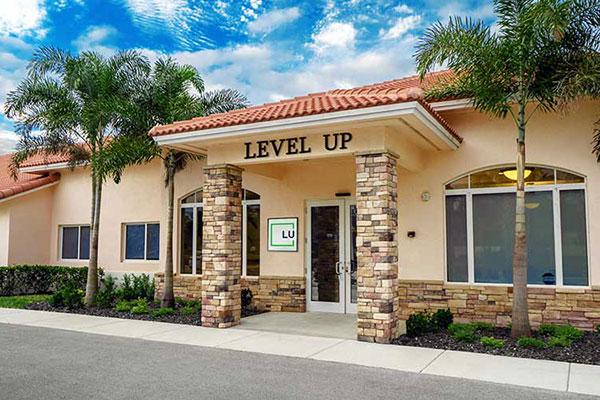
We Level Up Lake Worth
Drug & Alcohol Addiction Treatment Center w/Detox
Licensed & Accredited w/ 5-star reviews.- Inpatient addiction rehab center w/medical detox
- Addiction treatment and detox for alcohol, benzo, heroin, opioid, and more.
- Secondary mental health treatment available as part of our dual diagnosis programs.
Insurance and Payment Options
The time of one’s alcohol detox can be strenuous in multiple ways. Other than investing personal resources and time, many can also expect some financial investment. Luckily, We Level Up Treatment Centers accepts most insurance. This can greatly lower your costs for alcohol detox treatment.
Here are the insurance companies whose coverages we accept:
Depending on your insurance plan, your alcohol detox costs may be fully or partially covered. You can call your insurance agent to check what your plan entails or reach out to one of our facilities so we can help you verify insurance and see which part of our services would be covered.
If we do not accept your insurance or if you want to pay out-of-pocket, we can look at other payment options. We also accept major debit and credit cards and even cryptocurrency payments. We can schedule a call with our finance team for you to get more details and develop a payment plan.
Why Choose We Level Up for Alcohol Detox?
We Level Up can be one of the best options for people looking for medical detox near me centers. At We Level Up, we take pride in providing a safe and comfortable alcohol detox program. We understand how frightening the detox process can be and how uncomfortable the symptoms of alcohol withdrawal are. We offer a strong and effective alcohol detox program. This program is for people who want to overcome their alcohol addiction.
Our accredited alcohol detox centers have trained medical professionals like doctors and nurses. They start by doing a detailed one-on-one assessment with each client. Because each client is different and requires unique, comprehensive care according to their situation.
We provide help from medical professionals and 24/7 monitoring. This lets you focus on your substance abuse treatment instead of worrying about withdrawal symptoms. This can help you achieve the long-term recovery you want and decrease your likelihood of relapsing.
Specialized, Accredited, 5-Star Reviewed, Evidence-based Addiction & Mental Health Programs. Complete Behavioral Health Inpatient Rehab, Detox plus Co-occuring Disorders Therapy.
CALL(844) 597-1011End the Addiction Pain. End the Emotional Rollercoaster. Get Your Life Back. Start Drug, Alcohol & Dual Diagnosis Mental Health Treatment Now. Get Free, No-obligation Guidance by Substance Abuse Specialists Who Understand Addiction & Mental Health Recovery & Know How to Help.
Contact Us and Take the First Step to Sobriety
Alcohol addiction is a severe problem that requires professional help to overcome. If you or someone you care about is dealing with alcohol addiction, We Level Up Treatment Centers can help. Our staff is committed to giving the best care and support. We help patients overcome their addictions and reach long-term sobriety.
Don’t hesitate any longer to get the help you need. Contact We Level Up Treatment Centers today to begin your path toward healing and sobriety.
Frequently Asked Questions
Is alcohol detox painful?
You may experience both discomfort and, in some cases, pain. A headache is an example of a withdrawal symptom that can be painful. Alcohol detox is best done under medical supervision.
What should I bring to the detox facility?
Bring comfortable clothing, personal hygiene items, any prescribed medications, and essential documents like ID and insurance information.
Can I leave the detox program early?
You can leave the detox program early. But we highly discourage you from doing so, because it can compromise your recovery and health.
What happens if I relapse after detox?
If you relapse after detox, seek help immediately. That will help prevent further complications and get you back on track with your recovery plan.
Is family involvement allowed during detox?
Yes, family involvement is often encouraged during detox to provide support during your recovery journey.
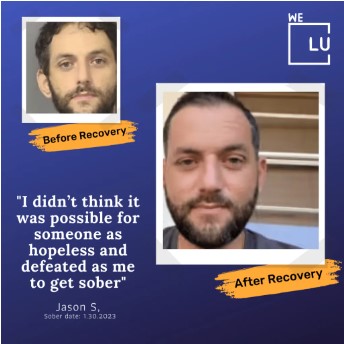
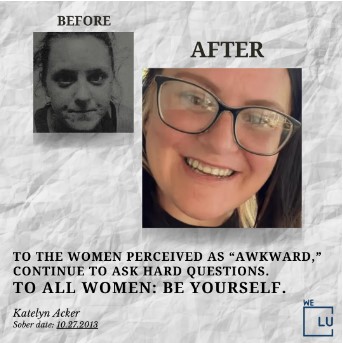
Experience Transformative Recovery at We Level Up Treatment Centers.
See our authentic success stories. Get inspired. Get the help you deserve.
Start a New Life
Begin with a free call to an addiction & behavioral health treatment advisor. Learn more about our dual-diagnosis programs. The We Level Up Treatment Center Network delivers recovery programs that vary by each treatment facility. Call to learn more.
- Personalized Care
- Caring Accountable Staff
- World-class Amenities
- Licensed & Accredited
- Renowned w/ 100s 5-Star Reviews
We’ll Call You
Informative Alcohol Detox Video
Uncover how long to detox from alcohol with We Level Up’s Alcohol withdrawal timeline symptoms educational videos.
Search We Level Up Alcohol Detox, Mental Health Topics & Resources
Resources
Alcohol use disorder – Defines the condition that often leads to the need for alcohol detox, showing why professional treatment is necessary.
Alcohol Withdrawal Symptoms – Explains the physical and emotional experiences during detox, reinforcing the importance of medical supervision.
Alcoholics Anonymous – Provides peer support, structure, and accountability during and after detox.
Wernicke-Korsakoff syndrome – A serious brain disorder linked to chronic alcohol abuse, which can be prevented or treated with supplements during detox.
Medication-assisted treatment for alcohol – Explains how FDA-approved medications such as naltrexone or acamprosate support detox and reduce relapse risk.
Alcohol withdrawal symptoms – A We Level Up resource outlining what happens during withdrawal and why a supervised detox is safest.
Sources
CDC (2024). Resources to Prevent Excessive Alcohol Use. [online] Alcohol Use. Available at: https://www.cdc.gov/alcohol/php/state-resources/index.html.
Li, T.-K. and Long, S. (n.d.). 34 A Resource Guide April 2005 The National Institutes of Health Director: Legislative Contact: Mission. [online] Available at: https://www.aamc.org/research/adhocgp/pdfs/niaaa.pdf
National Institute on Alcohol Abuse and Alcoholism. Understanding Alcohol Use Disorder [online].
Available at: https://www.niaaa.nih.gov/publications/brochures-and-fact-sheets/understanding-alcohol-use-disorder
Centers for Disease Control. Facts about US deaths from excessive alcohol use [online]. Updated August 6, 2024. Available at: https://www.cdc.gov/alcohol/facts-stats/index.html
MedlinePlus [Internet]. Bethesda (MD): National Library of Medicine (US); Alcohol withdrawal [updated 2023 February 28]. Available from: https://medlineplus.gov/ency/article/000764.htm
Day E, Daly C. Clinical management of the alcohol withdrawal syndrome. Addiction. 2022;117(3):804-814. https://onlinelibrary.wiley.com/doi/10.1111/add.15647
Carroll KM, Kiluk BD. Cognitive behavioral interventions for alcohol and drug use disorders: Through the stage model and back again. Psychol Addict Behav. 2017;31(8):847-861. https://doi.org/10.1037/adb0000311
Wendt DC, Gone JP. Group Therapy for Substance Use Disorders: A Survey of Clinician Practices. J Groups Addict Recover. 2017;12(4):243-259. https://www.tandfonline.com/doi/full/10.1080/1556035X.2017.1348280
Hallgren M, Romberg K, Bakshi AS, Andréasson S. Yoga as an adjunct treatment for alcohol dependence: a pilot study. Complement Ther Med. 2014;22(3):441-445. https://doi.org/10.1016/j.ctim.2014.03.003
Zgierska A, Rabago D, Zuelsdorff M, Coe C, Miller M, Fleming M. Mindfulness meditation for alcohol relapse prevention: a feasibility pilot study. J Addict Med. 2008;2(3):165-173. https://doi.org/10.1097/ADM.0b013e31816f8546
Bahji A, Crockford D, El-Guebaly N. Management of Post-Acute Alcohol Withdrawal: A Mixed-Studies Scoping Review. J Stud Alcohol Drugs. 2022;83(4):470-479. https://www.jsad.com/doi/10.15288/jsad.2022.83.470
National Institute on Alcohol Abuse and Alcoholism. Wernicke-Korsakoff Syndrome. [online]. Available at: https://www.niaaa.nih.gov/publications/brochures-and-fact-sheets/wernicke-korsakoff-syndrome