Alcohol addiction withdrawal is hard on the body. The alcohol addiction withdrawal timeline starts within hours of the last drink. Symptoms can go from mild to life-threatening fast.
Many people avoid getting help. They do not know what to expect. That fear alone puts lives at risk.
We Level Up Treatment Centers provide safe, supervised medical detox. Our doctors and nurses are available day and night. We walk you through every stage of withdrawal safely and carefully.
Recovery is possible. The right support makes all the difference. Do not wait until symptoms get worse.
What Is Alcohol Addiction Withdrawal?
Alcohol addiction withdrawal happens when a heavy drinker stops suddenly. The brain relies on alcohol every day. When alcohol stops, the body reacts strongly.
Doctors call this reaction alcohol withdrawal syndrome. It hits the brain, heart, and nerves all at once.
Not everyone moves through the alcohol dependence withdrawal timeline the same way. How long someone has been drinking plays a role. How much they drank each day plays a role, too.
Alcohol withdrawal symptoms can start as early as six hours after the last drink. They can grow worse over the next several days. Some cases clear up in a week. Others need longer care.
Going through withdrawal without a doctor can lead to seizures and organ damage. It can also cause death. Getting professional help is not optional.
Get Help. Get Better. Get Your Life Back.
Searching for Accredited Drug and Alcohol Rehab Centers Near You?
Even if you have failed previously and relapsed, or are in the middle of a difficult crisis, we stand ready to support you. Our trusted behavioral health specialists will not give up on you. When you feel ready or just want someone to speak to about therapy alternatives to change your life call us. Even if we cannot assist you, we will lead you to wherever you can get support. There is no obligation. Call our hotline today.
(844) 597-1011Signs You May Need Alcohol Addiction Withdrawal Support
Stopping alcohol without medical help is risky. Catching warning signs early can prevent a medical emergency.
Call +(954) 475-6031 right away if you notice any of these signs:
- Shaking or tremors that start within hours of stopping drinking.
- Seeing or hearing things that are not there.
- Severe confusion or trouble thinking clearly.
- Fever above 101°F with a fast or uneven heartbeat.
- Nonstop vomiting that causes dehydration.
- A sharp rise in high blood pressure.
- Seizures or a past history of withdrawal seizures.
- Strong mood swings, panic attacks, or intense agitation.
These signs mean the body is under serious stress. Medical detox gives you the care needed to stay safe.
Alcohol Withdrawal Symptoms Timeline Day by Day
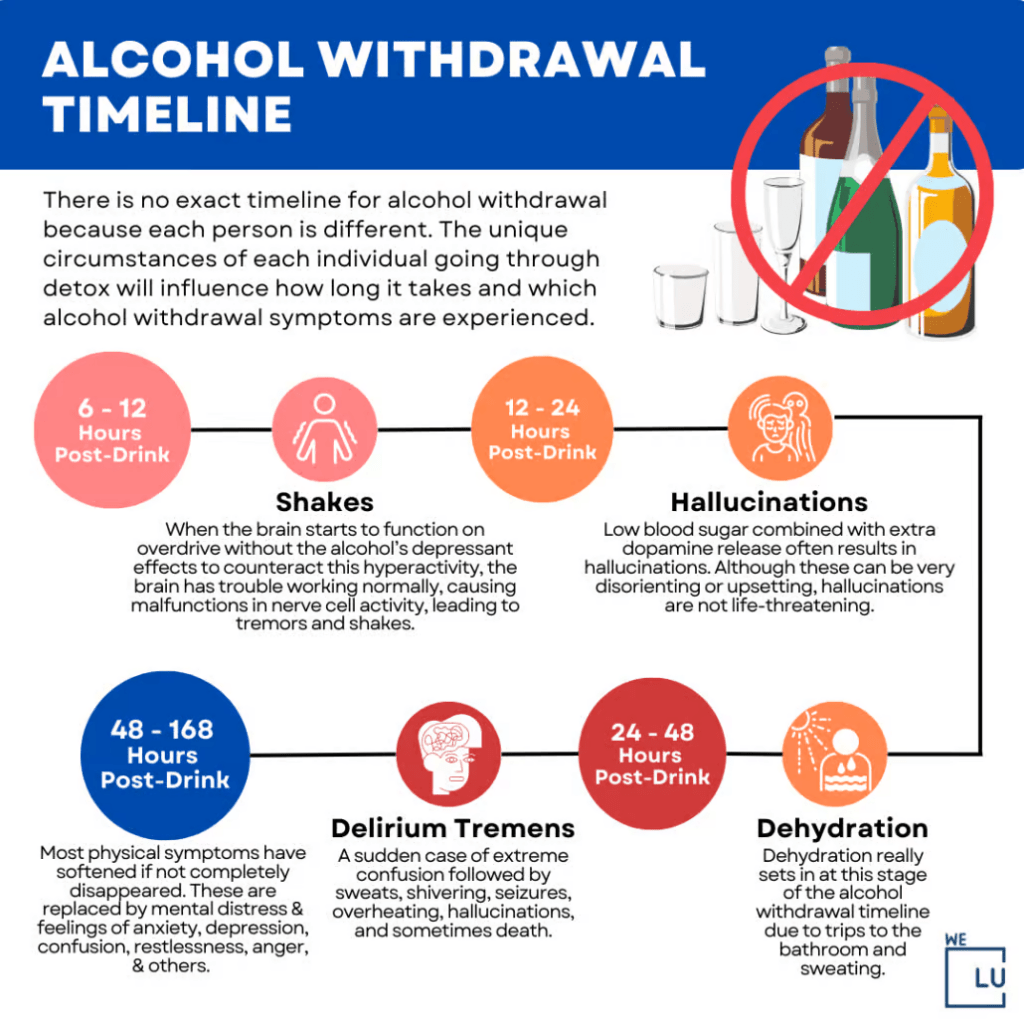
6 to 12 Hours After the Last Drink
Mild symptoms appear first. Anxiety and sweating come early. Shaky hands are common too.
Nausea and headaches follow soon after. Sleep disturbances also begin at this stage. These can feel like a bad hangover at first. Without care, they grow worse over time.
12 Hours After the Last Drink
The 12 hours after alcohol withdrawal timeline brings noticeable changes. Symptoms grow stronger. Some people begin seeing or hearing things that are not real.
Heart rate goes up. High blood pressure becomes a concern. Anyone at this stage needs medical attention right away.
24 to 48 Hours After the Last Drink
Symptoms reach their worst during this phase of the alcohol addiction withdrawal timeline. Severe anxiety sets in. Heavy shaking and ongoing vomiting are common.
Sleep disturbances get much worse during this window. Alcohol withdrawal seizures most often happen within the first 24 to 48 hours. They can strike without warning. Doctors must supervise this window closely.
48 to 72 Hours After the Last Drink
Delirium tremens can cause severe confusion and seizures. It can also cause a person to see or hear things that are not real. Dangerous spikes in heart rate and high blood pressure follow.
Without fast medical care, these symptoms can turn fatal. DTs most often develop within 48 to 72 hours of the last drink. This stage needs constant medical monitoring.
Days 4 to 7
The body starts to feel better during this stretch. Shaking slows down. Blood pressure moves back toward normal.
Sleep disturbances carry on for weeks. Mood swings and cravings stay strong. The risk of going back to drinking stays high during this period.
Beyond Day 7
Some people go on to develop post-acute withdrawal syndrome, known as PAWS. This phase is mostly mental and emotional. It can last for months.
Early alcohol withdrawal starts with mild signs. More serious symptoms can follow over the next few days or weeks. Ongoing symptoms include low energy, mood swings, sleep disturbances, and strong urges to drink.
Get Help. Get Better. Get Your Life Back.
Searching for Accredited Drug and Alcohol Rehab Centers Near You?
Even if you have failed previously and relapsed, or are in the middle of a difficult crisis, we stand ready to support you. Our trusted behavioral health specialists will not give up on you. When you feel ready or just want someone to speak to about therapy alternatives to change your life call us. Even if we cannot assist you, we will lead you to wherever you can get support. There is no obligation. Call our hotline today.
(844) 597-1011Why Choose We Level Up for Alcohol Addiction Withdrawal Treatment
We Level Up provides round-the-clock medical care. Our team stays with you through every stage of the alcohol addiction withdrawal timeline. Doctors, nurses, and licensed counselors all work together.
Our evidence-based treatment programs pair medical detox with proven therapy. Mental health treatment runs alongside physical detox from day one.
People with alcohol dependence often need a care plan that goes beyond physical symptoms. Changing daily habits and thought patterns matters just as much. Our programs cover both from the start.
What to Expect During Alcohol Addiction Withdrawal Treatment
Treatment starts with a full health check. Our team looks at medical history and current symptoms. This helps find the right level of care for each person.
Doctors then work to keep the body steady and safe. They check vital signs around the clock. Medicines help bring down high blood pressure and reduce shaking and seizure risk.
Therapy starts once the worst symptoms ease. Talk therapy helps people find and change harmful thought patterns. Group sessions and one-on-one counseling build real coping skills.
Using medicine and therapy together during withdrawal gives people a much better chance at recovery than detoxing alone. Relapse prevention work starts early and stays part of care all the way through.
Benefits of Alcohol Addiction Withdrawal Treatment at We Level Up
Getting proper care during the alcohol addiction withdrawal timeline saves lives. Here is what professional treatment provides:
- Round-the-clock medical supervision during the most dangerous withdrawal stages.
- Medicine to lower seizure risk and ease symptoms of alcohol withdrawal.
- Mental health care runs alongside physical detox.
- A safe, structured space free from alcohol.
- Therapy that gets to the root causes of dependence on alcohol.
- A full relapse prevention plan should be built before leaving treatment.
Each of these lowers the risk of going back to drinking. They also cut the danger that comes from facing withdrawal without support.
FAQs About Alcohol Addiction Withdrawal Timeline
-
How Soon Does the Alcohol Addiction Withdrawal Timeline Begin?
The alcohol addiction withdrawal timeline begins within six hours of the last drink. Early signs include anxiety, sweating, shaking, and nausea. These can feel like a hangover at first.
Without treatment, they grow worse fast. People with long drinking histories feel symptoms sooner and more strongly. Getting medical help early gives the best chance of a safe detox.
-
What Happens 12 Hours After Alcohol Withdrawal?
The 12 hours after alcohol withdrawal timeline marks a clear turning point. Symptoms that felt mild can become moderate or severe quickly.
Some people begin seeing or hearing things that are not there. Heart rate and high blood pressure both rise. Going through this without medical help carries a serious risk.
-
How Long Does Alcohol Withdrawal Last?
The alcohol withdrawal duration timeline is not the same for everyone. How long someone has been drinking plays a role. How much they drank each day plays a role too.
Most people get through the worst physical symptoms within five to seven days. Emotional and mental symptoms can last weeks or months. Post-acute withdrawal syndrome can stretch past a year. Support groups and ongoing therapy help a lot during this longer phase.
-
What Is the Alcohol Dependence Withdrawal Timeline for Heavy Drinkers?
The alcohol dependence withdrawal timeline hits harder for people with long, heavy drinking histories. Symptoms come on faster and feel more intense. Seizure risk runs higher in this group.
Delirium tremens DTs are more likely to develop. Post-acute withdrawal syndrome is also more common. Medical detox remains the only safe option for people in this category.
-
What Is Delirium Tremens and When Does It Happen?
Delirium tremens DTs is the most dangerous form of alcohol withdrawal syndrome. It most often develops within 48 to 72 hours of the last drink.
Signs include extreme confusion, high fever, and a fast or unsteady heartbeat. Seeing and hearing things that are not real grows extremely intense. Without fast medical care, DTs can cause death. People with long-term heavy drinking histories face the highest risk.
-
Can Someone Stop Drinking Alcohol Safely at Home?
People with mild symptoms and low physical dependence may detox at home under a doctor’s watch. Anyone with moderate to severe dependence on alcohol faces real danger without clinical care.
Seizures and delirium tremens DTs can become fatal without fast medical help. No one can safely predict how severe withdrawal will get. Call +(954) 475-6031 to talk to a specialist before deciding.
-
What Role Does Mental Health Play in Alcohol Withdrawal?
Mental health and alcohol withdrawal connect closely. Many people drink heavily to cope with anxiety, depression, or past trauma. When someone stops drinking alcohol, those issues often come back hard.
Mood swings, panic, and deep sadness are common during withdrawal. A program that only treats the physical side leaves the mental side open. That gap drives many people back to drinking. People in alcohol withdrawal often do far better with care that treats the mind and body at the same time.
-
What Therapies Help After Withdrawal Ends?
Several proven treatment programs support lasting recovery after the alcohol addiction withdrawal timeline ends. Talk therapy teaches people to catch and change harmful thought patterns. Building inner drive helps people stay committed to sobriety.
Group therapy builds connection and shared support. Support groups keep people going long after formal treatment ends. These approaches build on what medical detox starts and carry people forward.
How to Get Started with Alcohol Addiction Withdrawal Treatment
Each day without proper support makes alcohol dependence withdrawal harder to manage. Getting help early leads to safer outcomes. It also gives a stronger start in recovery.
A specialist at We Level Up will look at your situation. They will walk you through the alcohol addiction withdrawal timeline that fits your case. They will help find the right treatment programs for you.
Insurance checks are free and come with no pressure.
Taking that first step toward recovery starts with one call. Call +(954) 475-6031 now to book a free assessment. Our team stays available day and night. Safe, supervised detox is where lasting recovery begins.
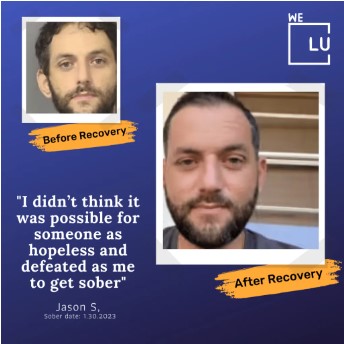
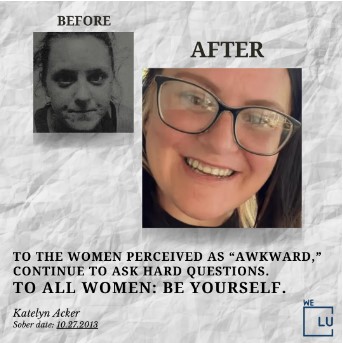
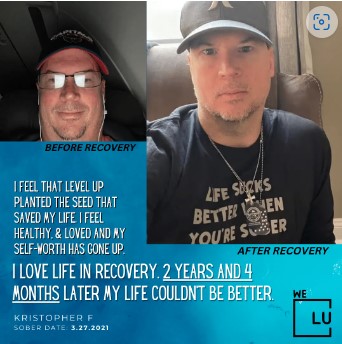
Experience Transformative Recovery at We Level Up Treatment Centers.
See our authentic success stories. Get inspired. Get the help you deserve.
Start a New Life
Begin with a free call to an addiction & behavioral health treatment advisor. Learn more about our dual-diagnosis programs. The We Level Up Treatment Center Network delivers recovery programs that vary by each treatment facility. Call to learn more.
- Personalized Care
- Caring Accountable Staff
- World-class Amenities
- Licensed & Accredited
- Renowned w/ 100s 5-Star Reviews
We’ll Call You