Best Therapy for Drug Addiction
Clinically Reviewed by Lauren Barry, LMFT, MCAP, QS
Medically Reviewed by Ali Nikbakht, PsyD
Reviewed / Updated: September 30, 2026 — Editorial Policy | Research Policy | Privacy Policy
We Level Up Treatment Centers is an AHCA-licensed treatment provider. Drug addiction can hurt the body and mind. It can also hurt family life, work, and daily life. Getting better often takes more than just stopping drug use.
We Level Up provides nationwide drug addiction therapy at accredited treatment centers in Florida, Texas, California, Washington, and New Jersey. Our care team includes doctors, therapists, nurses, and other trained staff. They work with each person to provide simple, caring support based on their needs, health, and recovery goals.
The best therapy for drug addiction can be different for each person. Some people may need one-on-one therapy. Others may need group therapy, family therapy, or other types of care. Many people also need help with stress, mental health, and daily habits.
At We Level Up, therapy is part of a full treatment plan. It may be used with medical care, medication, wellness care, and dual diagnosis treatment.
Skip To:
Get Help. Get Better. Get Your Life Back.
Searching for Accredited Drug and Alcohol Rehab Centers Near You?
Even if you have failed previously and relapsed, or are in the middle of a difficult crisis, we stand ready to support you. Our trusted behavioral health specialists will not give up on you. When you feel ready or just want someone to speak to about therapy alternatives to change your life call us. Even if we cannot assist you, we will lead you to wherever you can get support. There is no obligation. Call our hotline today.
(844) 597-1011What Is the Best Therapy for Drug Addiction?
The best therapy for drug addiction depends on the person. Each person has different needs, health needs, and recovery goals. A care team can review these needs and help choose the right type of therapy. Some people may need one type of therapy, while others may benefit from more than one.
Common options include Cognitive Behavioral Therapy (CBT), Dialectical Behavior Therapy (DBT), EMDR Therapy, Motivational Interviewing, and Holistic Therapy. These therapies can help people understand drug use, manage stress and cravings, work through hard feelings, and build healthy habits. Therapy may be used with medical care, medicine, and other addiction services as part of a full treatment plan.

How Addiction Therapy Works at We Level Up
Treatment starts with a full assessment. The care team learns about your drug use, health, feelings, daily life, and goals. This helps the team know what care you need. Each person gets a care plan made for them.
Your plan may use one or more types of therapy. Therapy can help you learn why you use drugs and what may make you want to use them. It can also teach you how to handle stress, cravings, and hard feelings in safe ways. These skills can help you make good choices and stay on track.
Therapy Services May Include:
- Individual Therapy: Talk with a therapist in private.
- Group Therapy: Learn with other people in recovery.
- CBT: Learn to change harmful thoughts and actions.
- Motivational Interviewing: Build the drive to make healthy changes.
- Family Therapy: Help improve family talks and trust.
- Trauma Therapy: Work through past hurt in a safe way.
- Stress Care: Learn ways to handle stress.
- Relapse Prevention: Learn how to avoid drug use after treatment.
- Recovery Planning: Make a plan for life after treatment.
Get Your Life Back
Find Hope & Recovery. Get Safe Comfortable Detox, Addiction Rehab & Dual Diagnosis Trused Care.
7/365 Line (844) 597-1011How Therapy Helps Drug Addiction
Drug addiction can change how a person thinks and acts. A person may keep using drugs even when they want to stop. Therapy can help people learn what makes them want to use drugs. These things are called triggers.
Triggers may include stress, people, places, feelings, or past events. Therapy can teach people how to deal with these triggers in safer ways. Therapy can also help people manage cravings. It can teach new skills for stress, anger, fear, and other hard feelings. The goal is not only to stop drug use. The goal is also to help people build a healthy life.
Benefits of Therapy for Drug Addiction
Therapy can help people make healthy changes during drug addiction recovery. It gives people tools they can use at home, at work, and in daily life. With the right care, therapy can help people better understand their drug use and learn new ways to cope.
Some key benefits include:
- Better control of drug cravings
- Less stress and fear
- Better ways to handle hard feelings
- New ways to deal with drug use triggers
- Healthier daily habits
- Better family and social ties
- Better skills for hard times
- Lower risk of relapse
- More support during recovery
- Better plans for life after treatment
The right therapy can be different for each person. A care team can look at your needs and goals and help choose the type of therapy that fits you best. These skills can also help you stay on track after treatment ends.
Is Therapy for Drug Addiction Safe?
Therapy for drug addiction is safe for many people when it is provided by trained care staff. It gives people a safe place to talk, learn, and work on drug use. Some people may feel sad, tired, or upset when they talk about hard times. A trained care team can help and change the plan when needed.
Therapy may not be the same for everyone. Your care team can look at your health, drug use, needs, and goals before choosing a therapy. At We Level Up, the admissions team can explain the care options, answer your questions, and help you find the right level of care.

First-class Facilities & Amenities
Trusted Integrated Addiction & Mental Health Rehabilitation Treatment
Rehab Centers TourEstablished Addiction Centers. Serene Private Facilities. Inpatient rehab programs vary.
Addiction Helpline (844) 597-1011Comprehensive recovery success experience, backed by a Team w/ History of:
15+
Years of Unified Experience
100s
5-Star Reviews Across Our Centers
10K
Recovery Success Stories Across Our Network
- Low Patient to Therapist Ratio
- Onsite Medical Detox Center
- Comprehensive Dual-Diagnosis Treatment
- Complimentary Family & Alumni Programs
- Alumni Coaching, Recovery & Personal Development Events
Types of Therapy for Different Drug Addictions
Opioid Addiction
Opioids include drugs such as fentanyl, heroin, and some pain medicines. Therapy can help people learn about their drug use. It can also help them deal with cravings, stress, and triggers. Some people may also need medical care or medicine during treatment.
Stimulant Addiction
Stimulants include cocaine, methamphetamine, and some prescription drugs. Therapy can help people find the thoughts and events that lead to drug use. It can also teach new ways to deal with stress and cravings. CBT, group therapy, and one-on-one therapy may be part of care.
Benzodiazepine Addiction
Benzodiazepines include drugs such as Xanax, Valium, and Klonopin. Stopping some of these drugs too fast can cause serious withdrawal. Medical care may be needed. Therapy can help people deal with the thoughts, feelings, and habits linked to drug use.
Prescription Drug Addiction
Some people become addicted to prescription drugs. These may include pain drugs, sleep drugs, or stimulant drugs. Therapy can help people understand why they use the drug and learn new ways to deal with stress and other problems.
Polysubstance Addiction
Some people use more than one drug. This is called polysubstance use. This type of addiction may need more care. A treatment team can look at all drugs being used and make a plan that fits the person.
How Drug Addiction Therapy Works at We Level Up
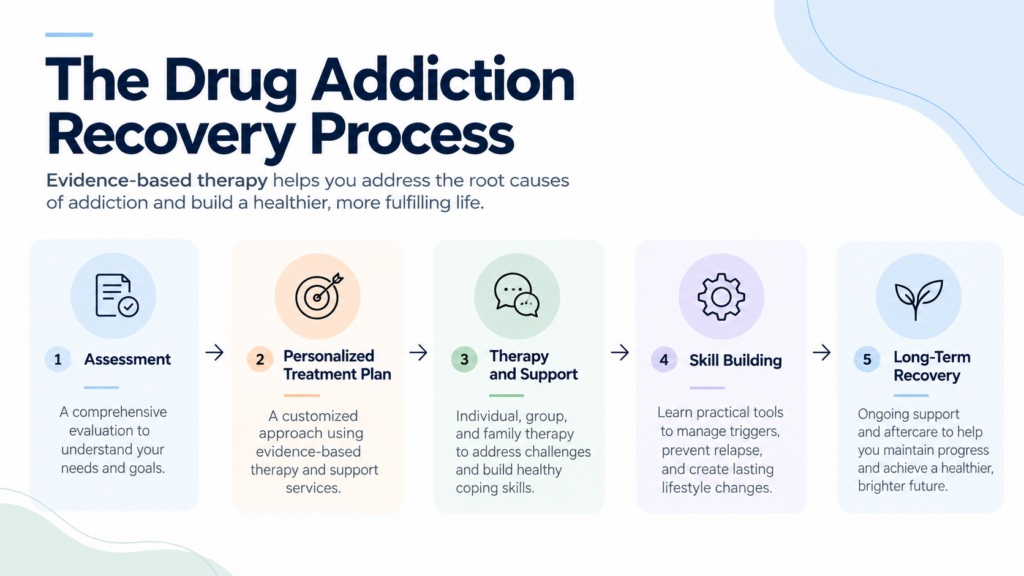
Drug addiction therapy at We Level Up starts with your needs. The care team looks at your drug use, health, feelings, and goals. This helps the team make a care plan that fits you. Your plan may use one type of therapy or more than one.
A drug addiction therapy plan may include:
Care Check: The team learns about your drug use, health, and past care. This helps the team know what care you need.
Cognitive Behavioral Therapy (CBT): CBT helps you spot bad thoughts and habits. It can teach you new ways to deal with stress and drug use.
Dialectical Behavior Therapy (DBT): DBT helps you deal with strong feelings. It can teach you how to stay calm and handle hard times.
EMDR Therapy: EMDR can help with hard past events and trauma. A trained therapist guides you through the care.
Motivational Interviewing: This helps you find your own reasons to stop using drugs. It can also help you feel ready to make good changes.
Holistic Therapy: This may use simple ways to help your body and mind. It can help you deal with stress and build good daily habits.
These therapies can be part of your care each day. Over time, you can learn skills that may help you at home and after treatment ends.
Specialized, Accredited, 5-Star Reviewed, Evidence-based Addiction & Mental Health Programs. Complete Behavioral Health Inpatient Rehab, Detox plus Co-occuring Disorders Therapy.
CALL(844) 597-1011End the Addiction Pain. End the Emotional Rollercoaster. Get Your Life Back. Start Drug, Alcohol & Dual Diagnosis Mental Health Treatment Now. Get Free, No-obligation Guidance by Substance Abuse Specialists Who Understand Addiction & Mental Health Recovery & Know How to Help.
How Drug Addiction Therapy Works at We Level Up
Drug addiction therapy at We Level Up starts with your needs. The care team looks at your drug use, health, feelings, and goals. This helps the team make a care plan that fits you. Your plan may use one type of therapy or more than one.
A drug addiction therapy plan may include:
Care Check: The team learns about your drug use, health, and past care. This helps the team know what care you need.
Cognitive Behavioral Therapy (CBT): CBT helps you spot bad thoughts and habits. It can teach you new ways to deal with stress and drug use.
Dialectical Behavior Therapy: DBT helps you deal with strong feelings. It can teach you how to stay calm and handle hard times.
Motivational Interviewing: This helps you find your own reasons to stop using drugs. It can also help you feel ready to make good changes.
Holistic Therapy: This may use simple ways to help your body and mind. It can help you deal with stress and build good daily habits.
These therapies can be part of your care each day. Over time, you can learn skills that may help you at home and after treatment ends.

Drug Addiction Therapy for Stress, Trauma, and Mental Health
Drug addiction can affect more than drug use. It can also affect mood, sleep, stress, and daily life. Therapy can help people work on these needs while they get help for addiction. At We Level Up, care may include talk therapy, behavioral therapy, trauma care, medication-assisted treatment (MAT), and other services based on each person’s needs.
Some people use drugs to cope with stress, fear, sadness, or past trauma. Therapy can help people find safer ways to deal with these feelings. We Level Up also offers intensive outpatient programs (IOP) for people who need structured care while living at home. Care can include therapy, group support, and other services to help people stay on track.
Mental health care can be an important part of addiction treatment. People may also need help with anxiety, depression, PTSD, or other concerns. We Level Up Treatment Centers is Joint Commission accredited and provides care based on each person’s needs. A personal treatment plan may include therapy, MAT, IOP, medical care, and other support for long-term recovery.
Questions About Our Drug Addiction Therapy Programs?
It can be hard to know where to start. You may have questions about therapy, insurance, or treatment. Our admissions team can help. We are here 24 hours a day, 7 days a week. We can answer your questions, explain care options, check insurance benefits, and help you take the next step.
Getting Into Treatment Is Easy With Our Free Insurance Verification
Starting drug addiction treatment can feel like a big step. You may have questions about the type of care you need, insurance, or payment options. Our admissions team is ready to help. We can check your insurance benefits, explain payment options, and answer your questions.
You can also set up a private assessment to help the care team learn more about your needs. Your care plan may include therapy, medical care, medicine, wellness care, and support to help prevent relapse. We can help you understand your treatment and payment options before care begins.
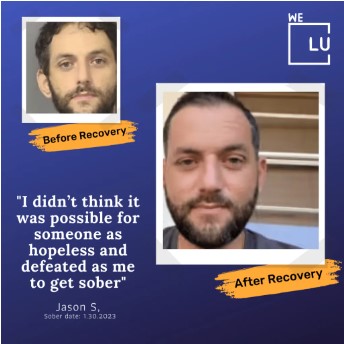
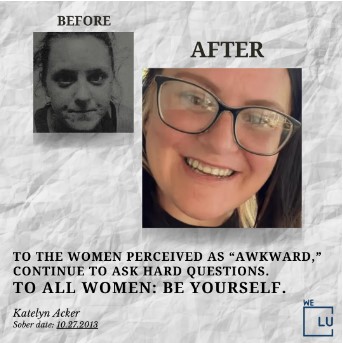
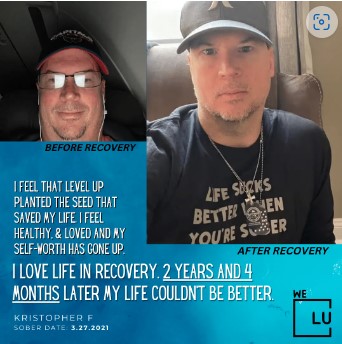
Experience Transformative Recovery at We Level Up Treatment Centers.
See our authentic success stories. Get inspired. Get the help you deserve.
Start a New Life
Begin with a free call to an addiction & behavioral health treatment advisor. Learn more about our dual-diagnosis programs. The We Level Up Treatment Center Network delivers recovery programs that vary by each treatment facility. Call to learn more.
- Personalized Care
- Caring Accountable Staff
- World-class Amenities
- Licensed & Accredited
- Renowned w/ 100s 5-Star Reviews
We’ll Call You
FAQs About the Best Therapy for Drug Addiction
What happens during the first addiction therapy session?
The first session may include questions about drug use, health, feelings, and recovery goals. This helps the care team learn about a person’s needs and choose the right type of care.
Can drug addiction therapy be done through outpatient care?
Yes. Outpatient care allows people to receive therapy while living at home. Intensive outpatient programs (IOP) can provide more structured care while allowing people to keep living at home.
Can therapy help with more than one type of drug addiction?
Yes. People who use more than one drug may receive care for all substances involved. The treatment team can review the person’s needs and create a plan that fits their health and recovery goals.
What insurance does We Level Up offer?
We Level Up works with many insurance plans. Coverage can vary based on the plan, location, and type of treatment. Visit the insurance page to learn more about insurance options and verify benefits.
How can someone contact We Level Up about drug addiction therapy?
People can call (844) 597-1011 to speak with the We Level Up admissions team. The team can answer questions about drug addiction therapy, treatment programs, insurance, payment options, and the admissions process.
Find the Best Therapy for Drug Addiction Near You
The best therapy for drug addiction is care that fits your needs. Therapy can help you manage cravings, deal with stress, change harmful habits, and build a healthy life.
At We Level Up Treatment Centers, therapy is part of a full addiction treatment plan. It may be used with medical care, holistic therapy, group support, relapse care, and dual diagnosis treatment.
Each person gets a care plan based on their needs and goals. If you or someone you love needs help with drug addiction, our team is here 24 hours a day, 7 days a week.
If You’ve Already Selected Us, Enjoy our Welcome Video Message from Ryan Zofay
Sources
National Center for Complementary and Integrative Health (NCCIH). Complementary, Alternative, or Integrative Health: What’s in a Name?
National Institute on Drug Abuse (NIDA). Medications for Opioid Use Disorder.
National Institute on Drug Abuse (NIDA). Treatment Approaches and Strategies for Drug Addiction.
Substance Abuse and Mental Health Services Administration (SAMHSA). Medications for Substance Use Disorders.
Substance Abuse and Mental Health Services Administration (SAMHSA). TIP 63: Medications for Opioid Use Disorder.
Substance Abuse and Mental Health Services Administration (SAMHSA). TIP 57: Trauma-Informed Care in Behavioral Health Services.
National Institute of Mental Health (NIMH). Psychotherapies.
National Center for Biotechnology Information (NCBI). Substance Use Disorders and Addiction.
National Center for Biotechnology Information (NCBI). Cognitive Behavioral Therapy for Substance Use Disorders.
National Center for Biotechnology Information (NCBI). Motivational Interviewing in the Treatment of Substance Use Disorders.
National Center for Biotechnology Information (NCBI). Dialectical Behavior Therapy for Substance Use Disorders.
National Center for Biotechnology Information (NCBI). Contingency Management for Substance Use Disorders.
World Health Organization (WHO). Management of Substance Abuse.
U.S. Department of Veterans Affairs. PTSD and Substance Use.
National Institute on Alcohol Abuse and Alcoholism (NIAAA). Alcohol Treatment: Finding and Getting Help.