
Cocaine Detox: Safe Withdrawal Timeline, Symptoms & Professional Treatment
If you’re struggling with cocaine addiction and looking for help, a cocaine detox center may be a good option. Our accredited facilities provide medical and psychological support to help individuals safely and effectively detox from cocaine and manage withdrawal symptoms. Contact We Level Up Treatment Centers today, get the help for yourself or a loved one, and start living a healthier life.
Clinically Reviewed by Lauren Barry, LMFT, MCAP, QS
Medically Reviewed by Ali Nikbakht, PsyD
Updated on September 24, 2025 — Editorial Policy | Research Policy | Privacy Policy
Cocaine Detox: Safe Withdrawal Timeline, Symptoms & Professional Treatment
If you're struggling with cocaine addiction and looking for help, a cocaine detox center may be a good option. Our accredited facilities provide medical and psychological support to help individuals safely and effectively detox from cocaine and manage withdrawal symptoms. Contact We Level Up Treatment Centers today, get the help for yourself or a loved one, and start living a healthier life.
Clinically Reviewed by Lauren Barry, LMFT, MCAP, QS
Medically Reviewed by Ali Nikbakht, PsyD
Reviewed / Updated: September 24, 2025 — Editorial Policy | Research Policy | Privacy Policy
By We Level Up | Author Inês Oliveira, MSc, PhD Candidate | Editorial Policy | Research Policy
What is Cocaine Detox?
Cocaine detox is the process of removing cocaine from your body and managing withdrawal symptoms. It’s the starting point in treating cocaine addiction. This process often happens in a supervised medical setting to ensure safety and comfort.
During cocaine detox, you might face withdrawal symptoms, like intense cravings, anxiety, and depression. Medical professionals may provide medications and support to help relieve these symptoms. Once this stage is complete, you can move forward with addiction treatment and work toward lasting recovery.
Cocaine Detox Key Takeaways
- Cocaine use causes serious health problems across different bodily systems. Common consequences include cardiovascular strain, nasal passage damage, cognitive impairments, and mental health issues.
- Cocaine withdrawal usually presents intense psychological and physical symptoms, such as cravings, depression, anxiety, fatigue, sleep disturbances, and physical discomfort.
- Cocaine detox is the first step to recovery. It focuses on removing the drug from your body. It also helps manage withdrawal symptoms with medical support.
- Getting professional help through a medically supervised medical detox program ensures safe and effective management of cocaine withdrawal. This also lays the groundwork for long-term recovery.
- Long-term recovery requires a comprehensive addiction treatment plan that addresses both physical and psychological components of substance abuse.

How Long Does It Take for Cocaine to Kick In?
It is important to know how long it takes to feel the effects of cocaine. This helps you understand how to remove it from your system. The method of consumption — by injection, smoking, snorting, or oral ingestion — affects the duration and intensity of the high. These are the two most popular ways to use cocaine.
- Snorting cocaine – Results in a slow high lasting between 15 and 30 minutes. The drug passes through tissues (like skin, mucus, and other body fluids) before entering the bloodstream.
- Smoking cocaine – Produces immediate effects lasting 5 to 10 minutes. This high is often followed by a “crash” that can cause anxiety, tension, agitation, depression, and fatigue. However, this fast cycle of highs and crashes contributes to its addictive nature.
Cocaine interrupts how neurons in the brain communicate. This leads to a rise in “feel-good” chemicals like serotonin and dopamine. The extra dopamine build-up causes strong feelings of happiness. It also acts as a stimulant, providing people with a lot of energy and encouraging them to talk a lot.
Skip To:
The duration of effects depends on several factors, including the person’s health, duration of use, and drug purity. It’s important to understand that using cocaine for a long time can change the brain’s reward system. This can lead to addiction. Users take stronger and more frequent doses to achieve the same high and to obtain relief from side effects and withdrawal symptoms. All this makes cocaine detox even more complicated to do without proper medical professionals standing by.
What Does Cocaine Do to the Body?
Cocaine, a powerful stimulant, affects various systems in your body. It causes a quick buildup of dopamine. Dopamine is a neurotransmitter linked to pleasure and reward. This creates a strong feeling of pleasure and happiness.
However, cocaine also affects other systems. For example, it impacts the cardiovascular system by narrowing blood vessels, raising blood pressure, and increasing heart rate. These effects put immense strain on your cardiovascular system, potentially leading to a heart attack or stroke. Symptoms may include chest pain, irregular heartbeat, and even cardiac arrest.
The way cocaine is consumed can lead to distinct health problems. If snorted, it can damage your nasal passages, leading to loss of smell, nosebleeds, and a chronically runny nose. If you smoke crack cocaine, it can hurt your lungs and make asthma worse. Crack cocaine detox is an important step for recovery.
Long-term cocaine use can cause serious health problems, including permanent damage to your heart, brain, and other vital organs. It may also lead to cognitive impairments, such as memory loss and difficulty concentrating. Cocaine’s effects on your mental health can be devastating, often intensifying anxiety, paranoia, and irritability. In certain cases, it can cause hallucinations and delusions or worsen pre-existing mental health conditions. Additionally, cocaine suppresses appetite, which can result in malnutrition and related health complications.
Beyond its physical and mental health effects, cocaine use can also strain personal relationships. It may be associated with decreased work attendance, which may compromise employment and financial stability. Additionally, legal problems may arise from possessing or selling cocaine.
Seeking professional help is critical if you’re struggling with cocaine addiction. Detox is the first stage in breaking free from cocaine’s grip on your life. With proper support and treatment, you can overcome addiction and rebuild your health and well-being.
How Long Does Cocaine Stay in the System?
The time cocaine stays in your system depends on a few things. These include how much you use and how often. Chronic, heavy cocaine use can lead to accumulation in the body, prolonging detection times. An individual’s metabolism is a key factor in how quickly cocaine is cleared from the body, with factors like gender, weight, and overall health influencing the process. Also, the type of drug test administered impacts the cocaine detection window.
Generally, cocaine can be detected in:
Cocaine Metabolites
The body processes cocaine by breaking it down into metabolites, primarily benzoylecgonine. This metabolite remains in your system much longer than cocaine, making it the primary target for drug tests.
False Positives
Certain medications and substances can cause false-positive results on cocaine drug tests, including topical anesthetics containing cocaine and coca leaf tea. If you’re concerned about a false positive, disclose any medications you take to the testing facility.
Cocaine Addiction Treatment Statistics
Research shows that rehab for addiction can help people beat cocaine addiction. Success rates depend on the type and length of treatment. A study found that using behavioral therapies, like cognitive-behavioral therapy (CBT) and contingency management, helped reduce cocaine use. When combined with medication-assisted treatment, these methods promoted abstinence in people with cocaine addiction.
900,000
In 2019, about 900,000 people aged 12 and older got treatment for cocaine use disorder in the US. This information comes from the Substance Abuse and Mental Health Services Administration.
Source: SAMHSA
6.2 Million
Roughly 14% of the estimated 6.2 million individuals were considered to have a cocaine use disorder in 2019.
Source: SAMHSA
19%
Nineteen percent of people got cocaine treatment in residential or inpatient settings. Six percent received treatment in other places, like detox facilities that offer medication-assisted treatment.
Source: SAMHSA
Top 5 Cocaine Detox Studies with Insights
Here’s a patient-friendly chart of the top five cocaine detox studies/guidelines.
Here is a helpful list of trusted cocaine detox studies and guidance. You can use these in clinical documents, program pages, or treatment guides. Each row summarizes the impact of the evidence on treatment. It turns this information into useful tips for care teams and admissions scripts. Sources were selected based on their recency, rigor, and relevance to integrated treatment.
| Study | Treatment Implications | Insights for Patients |
|---|---|---|
| Dackis et al., Modafinil for cocaine dependence (2005) View Study | Modafinil showed mixed results, with a possible benefit for certain groups, but not a universal solution. Best when paired with therapy. | Medications may help some people, but therapy and support are always needed. Ask your doctor if new medicines can be added to your plan. |
| Johnson et al., Topiramate for the treatment of cocaine addiction (2013) View Resource | Topiramate improved abstinence rates in clinical trials; it requires careful medical supervision due to side effects. | Some medications may reduce cravings, but they work best when combined with counseling. Report any side effects right away. |
| Carroll et al., Disulfiram and CBT vs placebo (2004) Read Article | Disulfiram reduced cocaine use in certain patients, especially those with alcohol issues, when combined with therapy. | Detox and recovery may involve both medication and therapy. Ask your provider if combining approaches could be beneficial for you. |
| Bentzley et al., Contingency Management for Cocaine Use Disorder (2021) Read Study | Strong evidence that rewards for drug-free tests increase abstinence and treatment retention. | Small rewards for clean progress really work. Ask if your program offers “rewards for recovery” to help you stay motivated. |
| Carroll et al., Disulfiram + Behavioral Therapies (CM/CBT) (2016) Read Review | Combining behavioral therapies with reward systems is most effective; medications provide a limited additional benefit. | Programs with both therapy and rewards are most effective. Look for centers that combine these methods. |
Cocaine Withdrawal Symptoms and Timeline
Cocaine withdrawal can be challenging, triggering both psychological and physical symptoms that vary depending on the individual. Intense cravings are common, making it difficult to avoid relapse. The withdrawal timeline is different for everyone. Factors like how long and how much cocaine was used affect the symptoms’ duration and intensity. Three progressive phases are typically expected: crash, withdrawal, and extinction.
The crash stage begins within hours to a few days after your last use. It’s common to experience exhaustion, irritation, depression, and increased sleep and appetite.
The withdrawal stage is when symptoms peak. Common symptoms, during this phase, include intense cravings, psychomotor retardation, anxiety, mood swings, fatigue, irritability, restlessness, and difficulties with attention and concentration. Vivid, unpleasant dreams and physical symptoms like general aches, muscle tension, and headaches are also typical. Generally, symptoms gradually subside over a week or two. However, some individuals may experience prolonged symptoms, lasting weeks or months, during the extinction phase, known as protracted withdrawal or post-acute withdrawal syndrome (PAWS). In this stage, ongoing symptoms may include mood swings, anxiety, agitation, cravings, impulse control difficulties, disturbed sleep, and cognitive impairments. Getting through this phase by continuing treatment and having strong support is critical for preventing relapse.
Cocaine Drug Facts & Detox Guide
What Is Cocaine?
Cocaine is a powerful stimulant drug known for producing intense euphoria and increased energy. However, it carries an extremely high risk of addiction, dependence, and dangerous health consequences. Cocaine is a Schedule II controlled substance. It has some medical use as a local anesthetic, but it is mostly illegal in the United States.
Where Does Cocaine Come From?
Cocaine is derived from the coca plant, native to South America. Most cocaine is made in Colombia, Peru, and Bolivia. The drugs often travel through Mexico before reaching the U.S.
Common Street Names
- Blow
- Coke
- Crack
- Flake
- Snow
What Does Cocaine Look Like?
- Powder cocaine: White, crystalline powder often “cut” with sugars or anesthetics to stretch supply.
- Crack cocaine: Hard, rock-like chunks that are smoked for a rapid and intense high.
How Is Cocaine Abused?
- Snorting (most common)
- Smoking crack
- Injecting dissolved powder
- Speedballing: Mixing cocaine with heroin or opioids, which greatly increases overdose risk.
Effects on the Mind & Body
Psychological effects: Intense euphoria, alertness, confidence, restlessness, paranoia, and cravings.
Physical effects: Increased heart rate, blood pressure, dilated pupils, loss of appetite, and insomnia.
Long-term use can cause:
- Cardiovascular issues (heart attacks, strokes, sudden cardiac arrest)
- Respiratory problems (especially from smoking crack)
- Severe nasal damage (from snorting)
- Cognitive decline, anxiety, and depression
Cocaine Detox & Withdrawal
Cocaine detox is the first step in recovery, focusing on safely managing withdrawal symptoms. Cocaine withdrawal is not usually life-threatening like alcohol or opioids. However, it can be very hard on the mind and body.
Common Withdrawal Symptoms
- Fatigue and extreme sleepiness
- Intense drug cravings
- Depression and anxiety
- Irritability or agitation
- Vivid dreams or nightmares
- Difficulty concentrating
Why Detox Matters
Detox provides a medically supervised environment to help individuals stabilize physically and emotionally before beginning long-term treatment. Without support, many people relapse due to overwhelming cravings and mood swings.
Cocaine Detox Treatment Options
- Medical Supervision – While no FDA-approved medications specifically treat cocaine withdrawal, supportive medications can ease depression, anxiety, and sleep disturbances.
- Therapeutic Support – Counseling, behavioral therapy (such as CBT), and group therapy help address psychological dependence.
- Inpatient Rehab – These programs offer 24/7 monitoring. They include strategies to prevent relapse and provide care for mental health issues.
- Aftercare Planning – Ongoing outpatient therapy, support groups, and relapse prevention resources are key for long-term recovery.
Risks of Not Seeking Detox
Without proper detox and treatment, ongoing cocaine use can lead to:
- Overdose and sudden death
- Long-term heart, brain, and lung damage
- Severe mental health conditions, including suicidal ideation
- Escalation into polysubstance use (e.g., speedballing)
Final Word: Hope in Recovery
Cocaine addiction can feel overwhelming, but detox and treatment provide a path forward. With help from professionals, people can escape cravings and start living a healthier, substance-free life.
Publicly Made Available for Downloading in Helping Substance Use Disorders Awareness.
It is important to get help if you or someone you know is struggling with cocaine addiction or substance abuse. Treatment and support can help manage the effects of cocaine use. They can also prevent relapse and promote long-term recovery and well-being. Download the below file for further information about cocaine drug use and risks.

Get Your Life Back
Find Hope & Recovery. Get Safe Comfortable Detox, Addiction Rehab & Dual Diagnosis Trused Care.
7/365 Line (844) 597-1011What is Cocaine Detox?
Cocaine detox marks the initial phase of cocaine addiction treatment. It involves removing cocaine from your body and managing withdrawal symptoms under medical supervision. Conducting this process in a specialized facility or hospital offers the advantage of continuous medical support. You will get 24/7 monitoring from healthcare professionals. They will check your health and create a plan to manage your symptoms. This plan includes medications and care to help relieve uncomfortable symptoms, such as cravings, anxiety, and depression. These experts will keep you safe and comfortable. They will help with your nutritional and hydration needs. They will also handle any medical issues that come up.
Therapy sessions will help you to build coping skills and prepare for further treatment. Some programs offer alternative therapies like massage or acupuncture, which can help alleviate stress and promote relaxation. You’ll be in a structured environment free from triggers and temptations. Detox usually lasts through the worst withdrawal phase. Symptoms often go away in one to two weeks. This depends on how severe the addiction is.
After completing this stage, you’ll transition into an addiction treatment program that addresses the psychological and behavioral aspects of addiction. These programs focus on coping strategies, mental health issues, and building new habits. This may include inpatient rehab, outpatient therapy, or a combination of both. You will work with addiction specialists. They will help you develop coping skills and build a support network. You will also address any mental health issues.
Remember, detox is where recovery starts. It’s vital to commit to a comprehensive treatment plan to maintain sobriety and rebuild a healthy, fulfilling life. With professional support and determination, you can overcome cocaine addiction and achieve lasting success.
If you or a loved one is struggling with cocaine addiction, help is available. Contact us today to learn more about our comprehensive addiction treatment programs.
Who Needs Cocaine Detox?
Cocaine detox is suggested for anyone who uses cocaine regularly or heavily. This is especially true if they have cravings, withdrawal symptoms, or cannot stop on their own. People who use cocaine every day, binge often, or have health or mental health issues may need supervised detox.
When Should You Seek Cocaine Detox?
You should consider cocaine detox as soon as cocaine use starts affecting your physical health, relationships, or daily responsibilities. Detox is very important if you have strong cravings, mood swings, or withdrawal symptoms. These symptoms can include depression, fatigue, or anxiety when you are not using cocaine. The earlier you seek help, the safer and more effective your recovery can be.
Where Can You Safely Detox from Cocaine?
Cocaine detox can take place in inpatient rehab centers, outpatient programs, or at home under medical guidance. However, supervised facilities are the safest option because they provide 24/7 monitoring, medical support, and emotional care. Choosing a licensed and accredited center reduces health risks and increases the chances of long-term recovery.
Safe Methods for Cocaine Detox
Long-term, continued cocaine abuse quickly leads to late-stage addiction. In this stage, the user’s risks are significant and critical to be aware of. The most severe of the possible bets are overdose and death. Moreover, polydrug use, which includes cocaine, is becoming an increasing concern.
Unlike addiction to other addictive substances, the effects can be life-altering. This includes job loss, relationship strains, financial decline, health problems, and mental instability. Increased health problems may include stroke, seizures, heart disease, and cardiovascular and respiratory complications. Moreover, users who share paraphernalia, especially needles, are at increased risk of contracting infectious diseases like HIV and hepatitis.
All of this showcases the importance of a safe cocaine detox. If you are looking into how to get cocaine out of your system, you should seek an expert help to do so. You will need help from professionals to make the cocaine detox process easier. This process can last from 12 hours to over 4 days. Trained and licensed staff can easily spot signs of cocaine overdose and react to prevent deadly consequences.
The We Level Up Treatment Centers strongly suggest that you detox in a safe and medically-assisted setting. This will help you feel comfortable during the process.
First-class Facilities & Amenities
Trusted Integrated Addiction & Mental Health Rehabilitation Treatment
Rehab Centers TourEstablished Addiction Centers. Serene Private Facilities. Inpatient rehab programs vary.
Addiction Helpline (844) 597-1011Comprehensive recovery success experience, backed by a Team w/ History of:
15+
Years of Unified Experience
100s
5-Star Reviews Across Our Centers
10K
Recovery Success Stories Across Our Network
- Low Patient to Therapist Ratio
- Onsite Medical Detox Center
- Comprehensive Dual-Diagnosis Treatment
- Complimentary Family & Alumni Programs
- Alumni Coaching, Recovery & Personal Development Events
Cocaine Detox and Treatment at We Level Up
Cocaine detox promotes healing in a safe, comfortable environment and provides resources for withdrawal that minimize negative symptoms. We Level Up has a team of trained professionals and caretakers. They help you detox safely and effectively. We aim to maximize comfort. We offer medication-assisted treatment when needed, along with psychological care and personal support. This helps encourage abstinence from cocaine and other drugs, both now and in the future.
Detoxifying from cocaine at We Level Up Treatment Centers usually involves several steps. These steps can change based on a person’s addiction level, health, and other factors. Here are some of the usual steps that may be involved in cocaine detox:
- Assessment: The first step in cocaine detox is typically an assessment by a medical or addiction specialist. This assessment usually includes a physical exam, a medical history, and other tests. These help find out the person’s overall health and level of addiction.
- Medical Detox: For individuals with severe or chronic cocaine addiction, medical detox may be necessary to manage cocaine withdrawal symptoms and prevent complications. Medical detox typically involves medications and other interventions to manage anxiety, depression, and insomnia.
- Support and Therapy: After finishing medical detox, people usually join therapy and support groups. These help them deal with the issues that caused drug use. They also learn coping skills to avoid relapse. Cognitive-behavioral therapy (CBT), motivational interviewing, and other behavioral therapies may be used to help individuals overcome addiction.
- Healthy Habits: During the detox process, people may be encouraged to adopt healthy habits. These include regular exercise, a balanced diet, and stress-management techniques. These habits help promote overall health and well-being.
- Aftercare: After completing a detox program, individuals may continue participating in aftercare programs or support groups to help prevent relapse and maintain sobriety.
Medical Cocaine Detox
The medical detox is the safest way to detoxify from any drug. It implies relying on medications to manage withdrawal symptoms. Right now, the US Food and Drug Administration (FDA) has not approved any drugs for treating cocaine withdrawal. Some medications can be used off-label. They may also be part of a complete treatment plan. This helps manage withdrawal symptoms and reduce cravings.

Here are some of the medications that may be used for cocaine detox:
- Antidepressants: Antidepressant medications like selective serotonin reuptake inhibitors (SSRIs) and tricyclic antidepressants (TCAs) can help with cocaine and alcohol withdrawal. They may reduce symptoms like depression and anxiety.
- Benzodiazepines: Benzodiazepines such as diazepam (Valium) and lorazepam (Ativan) may manage symptoms such as anxiety and insomnia during cocaine withdrawal. However, benzodiazepines can be habit-forming and should only be used under the guidance of a medical professional.
- Anticonvulsants: Anticonvulsant medications may be used to manage symptoms such as seizures when someone withdraws from cocaine.
- Dopamine Agonists: Dopamine agonists can help manage symptoms like fatigue and lack of pleasure during cocaine withdrawal. These medications work by increasing dopamine activity in the brain.
These medications should only be used as part of a complete treatment plan for cocaine addiction. This plan may also include therapy, support groups, and other help. Only licensed staff members in an inpatient setting should prescribe, give, and manage the medications for cocaine detox.
Post-Detox Treatments
After finishing a cocaine detox program and learning how to detox from cocaine safely, there are several treatment options for people who have struggled with addiction. Care can be given in a hospital or residential setting. It can also vary in levels. The levels of care for treating cocaine addiction after detox include:
- Residential Rehab for Cocaine Addiction.
- Intensive Outpatient Program (IOP).
- Partial Hospitalization Program (PHP).
- Aftercare Treatment Programs.
These programs are to ensure lifelong recovery. Cocaine detox is setting the base for it, but it is not enough on its own. Long-term care includes therapy, skill building, rehab coaching, and ongoing support. This approach helps you stay clean and reach your full potential.
Get Help. Get Better. Get Your Life Back.
Searching for Accredited Drug and Alcohol Rehab Centers Near You?
Even if you have failed previously and relapsed, or are in the middle of a difficult crisis, we stand ready to support you. Our trusted behavioral health specialists will not give up on you. When you feel ready or just want someone to speak to about therapy alternatives to change your life call us. Even if we cannot assist you, we will lead you to wherever you can get support. There is no obligation. Call our hotline today.
(844) 597-1011Medical & Therapeutic Management of Cocaine Detox
Medically Supervised Detox
Detox for cocaine addiction should occur under medical supervision whenever possible. This helps doctors watch vital signs. They can also spot problems early, like heart issues or mental health crises. This way, they can change care when needed. Medical staff may include addiction medicine physicians, psychiatrists, nurses, and counselors.
Medications & Supportive Care
There are no FDA-approved medications for cocaine withdrawal. However, some medications can be used off-label or for support
- Antidepressants (e.g., SSRIs) or other mood stabilizers, if depression or anxiety are severe.
- Sleep aids/sedatives for insomnia (used under close supervision).
- Anxiolytics, nutritional support, hydration, and rest.
- Psychosocial interventions are essential: cognitive-behavioral therapy (CBT), contingency management, motivational interviewing, and group therapy.
Dual-Diagnosis Considerations
Many people detoxing from cocaine also have co-occurring mental health disorders (e.g. depression, anxiety, PTSD). If untreated, these can increase the risk of relapse and complicate recovery. A quality detox program should screen for mental health conditions and offer integrated treatment.
Seek Professional Cocaine Detox
Cocaine addiction, like many addictions, can be overwhelming to face on your own. Yet, the process of addressing it ought to happen for you to live a drug-free life and reach your full potential. The first step in treating your addiction is detoxing from cocaine. It is very important to get professional help for this process.
We Level Up Treatment Centers offers 24/7 care and help. We focus on building skills and providing support. Our support continues even after you leave our facilities. We help your body get rid of cocaine. We also help you find ways to stay sober and live a happy life.
Contact us and let us help you make informed decisions about your health and future. All calls are strictly confidential, and there is never any obligation.
Frequently Asked Questions
When seeking treatment for cocaine addiction, you may have questions about the detox process. Here are some common inquiries and their answers.
Can I use a cocaine detox kit from Amazon?
Over-the-counter detox kits are not a safe or effective solution for cocaine detox. These products often make false promises and lack scientific evidence to support their claims. Cocaine withdrawal can be dangerous without proper medical supervision. Instead, get help from a licensed treatment center. Look for one that provides evidence-based care and 24/7 monitoring. They have the expertise to keep you safe and comfortable during detox.
Are detox drinks for cocaine effective?
Detox drinks are neither a reliable nor safe way to detox from cocaine. These products usually have herbal ingredients that say they can remove toxins from your body. However, they have not been proven to help with cocaine addiction or withdrawal symptoms. In fact, some cocaine detox drink options may even harm your health. The safest and most effective approach to cocaine detox is through a medically supervised program that provides comprehensive care and support.
Are supplements available for cocaine addiction?
Some supplements, such as N-acetylcysteine (NAC) and omega-3 fatty acids, have shown potential in supporting cocaine addiction recovery. Their use can complement a comprehensive treatment plan that includes therapy, counseling, and medical care. Supplements should not be used as a standalone treatment nor replace the need for professional help. Always talk to a healthcare provider before taking any supplements. They can have side effects or interact with other medications.
What should I look for in a cocaine detox program?
When picking a cocaine detox program, find a place that has medical supervision. They should offer 24/7 monitoring and support. The program should include licensed healthcare professionals, such as doctors and nurses, who can assess your individual needs and develop a personalized treatment plan. Also, look for a program that uses proven methods. It should provide a safe and comfortable environment. Make sure it offers complete aftercare planning to help with your ongoing recovery.
Will cocaine detox cure me of my addiction?
Cocaine detox is a crucial initial step in the recovery process, but it is not a definitive cure for addiction. Detoxification primarily aims to eliminate the drug from the body and alleviate withdrawal symptoms; however, it does not address the deeper psychological and behavioral components of addiction. To achieve lasting recovery, it is essential to engage in a comprehensive treatment program that encompasses therapy, counseling, and skill-building to develop effective coping strategies and reduce the risk of relapse.
How long does cocaine withdrawal last?
The length of cocaine withdrawal can vary a lot from person to person. This depends on how long and how much they used it. Generally, the acute phase of withdrawal onset occurs within hours after the last use and can last from one to two weeks.
Common withdrawal symptoms include fatigue, depression, anxiety, irritability, and intense cravings. While most acute symptoms subside after this initial phase, some effects may persist for weeks or even months, particularly in long-term users, leading to Post-acute withdrawal syndrome (PAWS).
What is cocaethylene?
Cocaethylene is a toxic substance formed in the liver when cocaine and alcohol are consumed simultaneously. This combination intensifies the effects of both substances and increases the risk of serious health complications, including cardiovascular damage and liver damage. Cocaethylene stays in the body longer than cocaine. This means it can cause more lasting damage. Mixing cocaine and alcohol is extremely dangerous and should be avoided at all times.
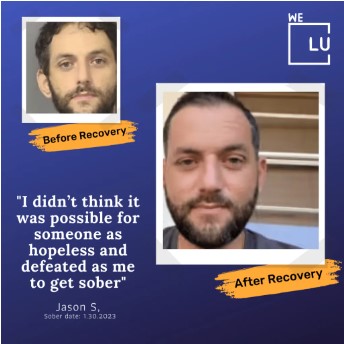
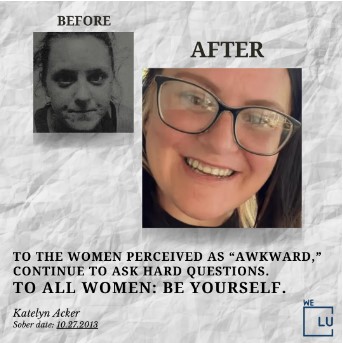
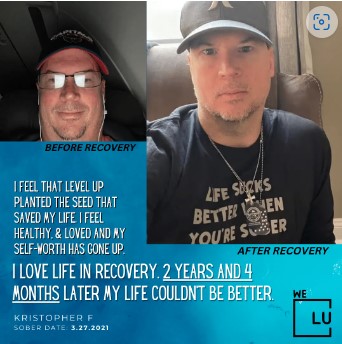
Experience Transformative Recovery at We Level Up Treatment Centers.
See our authentic success stories. Get inspired. Get the help you deserve.
Start a New Life
Begin with a free call to an addiction & behavioral health treatment advisor. Learn more about our dual-diagnosis programs. The We Level Up Treatment Center Network delivers recovery programs that vary by each treatment facility. Call to learn more.
- Personalized Care
- Caring Accountable Staff
- World-class Amenities
- Licensed & Accredited
- Renowned w/ 100s 5-Star Reviews
We’ll Call You
Search We Level Up Cocaine Detox, Mental Health Topics & Resources
Resources
- How To Get Cocaine Out Of Your System – Explains how long cocaine and its metabolites remain in the body. Useful for understanding the physical cleansing aspect of detox and what to expect during withdrawal testing windows.
- Signs of Cocaine Use, Effects & Withdrawal Symptoms – Before or during Cocaine Detox, it’s crucial to recognize the early signs of use and dependence.
- Sex and Cocaine – Explore how cocaine impacts intimacy and relationships, and how Cocaine Detox can improve physical and mental health.
- Cocaine Tolerance – Tolerance often drives heavier use, making professional Cocaine Detox essential to break the cycle.
Sources
Farrell, M., Martin, N.K., Stockings, E., Bórquez, A., Cepeda, J.A., Degenhardt, L., Ali, R., Tran, L.T., Rehm, J., Torrens, M., Shoptaw, S. and McKetin, R. (2019). Responding to global stimulant use: challenges and opportunities. The Lancet, [online] 394(10209), pp.1652–1667. doi:https://doi.org/10.1016/s0140-6736(19)32230-5.
Farzam, K., Faizy, R.M. and Saadabadi, A. (2023). Stimulants. [online] PubMed. Available at: https://pubmed.ncbi.nlm.nih.gov/30969718/.
Hatsukami, D.K. and Fischman, M.W. (1996). Crack cocaine and cocaine hydrochloride. Are the differences myth or reality? JAMA, [online] 276(19), pp.1580–1588. Available at: https://pubmed.ncbi.nlm.nih.gov/8918856/.
Mendelson, J.H. and Mello, N.K. (1996). Management of Cocaine Abuse and Dependence. New England Journal of Medicine, 334(15), pp.965–972. doi:https://doi.org/10.1056/nejm199604113341507.
National Institute on Drug Abuse (2016). What is cocaine? [online] drugabuse.gov. Available at: https://www.drugabuse.gov/publications/research-reports/cocaine/what-cocaine.
Porrino, L.J., Smith, H.R., Nader, M.A. and Beveridge, T.J.R. (2007). The effects of cocaine: A shifting target over the course of addiction. Progress in Neuro-Psychopharmacology and Biological Psychiatry, [online] 31(8), pp.1593–1600. doi:https://doi.org/10.1016/j.pnpbp.2007.08.040.
SAMHSA (2020). National survey on Drug Use and Health | CBHSQ. [online] Samhsa.gov. Available at: https://www.samhsa.gov/data/data-we-collect/nsduh-national-survey-drug-use-and-health.
What does it look like? (n.d.). Available at: https://www.justice.gov/archive/ndic/pubs3/3978/3978p.pdf.