

Prescription Drugs Addiction Causes & Symptoms
By We Level Up | Editor Yamilla Francese | Clinically Reviewed By Lauren Barry, LMFT, MCAP, QS, Director of Quality Assurance | Editorial Policy | Research Policy | Last Updated: September 16, 2025 What Is Prescription Drug Abuse? Prescription drug abuse is the use of prescription medication or a drug prescription in a way not intended by the prescribing doctor. It is a problem that […]
Clinically Reviewed by Lauren Barry, LMFT, MCAP, QS
Medically Reviewed by Ali Nikbakht, PsyD
Updated on September 20, 2025 — Editorial Policy | Research Policy | Privacy Policy
Prescription Drugs Addiction Causes & Symptoms
Clinically Reviewed by Lauren Barry, LMFT, MCAP, QS
Medically Reviewed by Ali Nikbakht, PsyD
Reviewed / Updated: September 20, 2025 — Editorial Policy | Research Policy | Privacy Policy
By We Level Up | Editor Yamilla Francese | Clinically Reviewed By Lauren Barry, LMFT, MCAP, QS, Director of Quality Assurance | Editorial Policy | Research Policy | Last Updated: September 16, 2025
What Is Prescription Drug Abuse?
Prescription drug abuse is the use of prescription medication or a drug prescription in a way not intended by the prescribing doctor. It is a problem that use includes many things. This ranges from taking a friend’s painkiller for your backache to snorting or injecting crushed pills to get high. Drug abuse may become ongoing and compulsive, despite the negative consequences.
Prescription Drug Addiction
Prescription Addiction involves people building a dependence on prescription pharmaceutical medications. In many cases, people misuse drugs, even those covered under prescription drug plans, to seek the euphoric feeling that some medications can give.
Drug Misuse Definition
Once addiction sets in, misuse becomes compulsive and difficult to overcome. Addiction to this can lead to serious long-term problems. These include physical harm and mental health issues. It can also hurt personal and work relationships. Fortunately, with support such as a WellCare prescription drug plan, there is a way for people to remove the addiction from their lives and overcome prescription drug misuse.
Skip To:
Learn More:
- Mixing Prescription Drugs with Alcohol
- Mixing Lyrica And Alcohol
- Can You Mix Ritalin and Alcohol?
- Soma And Alcohol
- Valium and Alcohol
- Alcohol and Anxiety Meds
- Prescription Pill Detox Program
- Withdrawal Symptoms of Prescription Drugs
- How Long Do Prescription Drugs Stay In Your System?
- 10 Most Abused Prescription Drugs In The US
Get Your Life Back
Find Hope & Recovery. Get Safe Comfortable Detox, Addiction Rehab & Dual Diagnosis Trused Care.
7/365 Line (844) 597-1011Prescription Drug Abuse Affects All Ages
Prescription drug abuse can affect all age groups, including teens. This most often abused include opioid painkillers, anti-anxiety medications, sedatives, and stimulants.
In fact, Prescription drug abuse in older adults is a growing problem, especially when they combine drugs with alcohol. Having multiple health problems and taking multiple drugs can put seniors at risk of misusing drugs or becoming addicted.
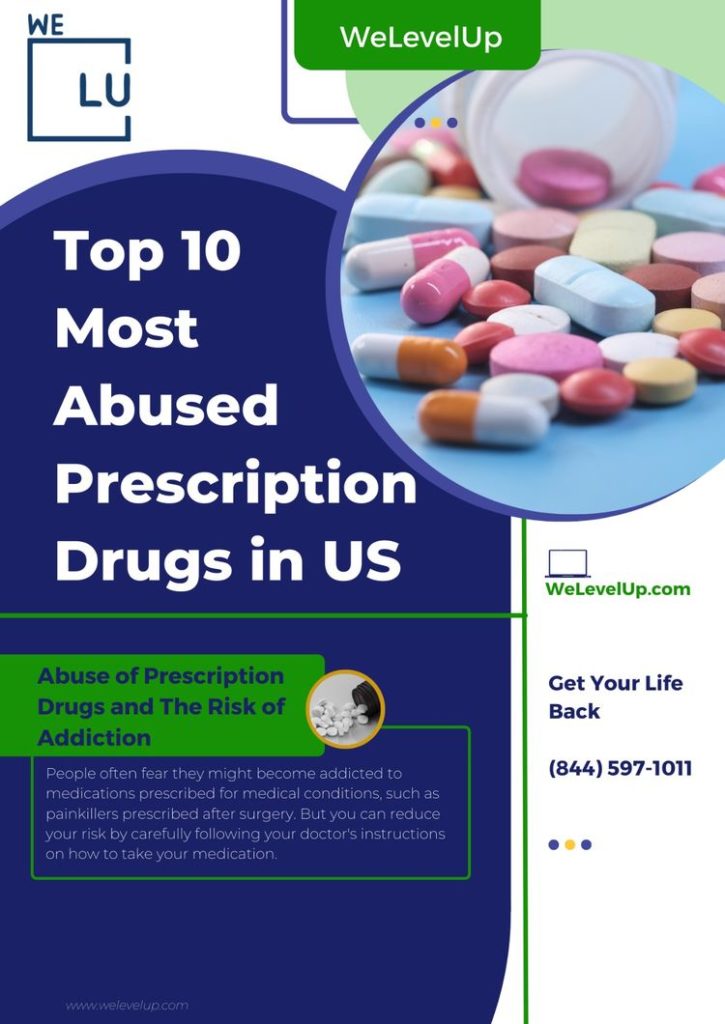
Types of Prescription Drugs Commonly Misused
Then divide the content by drug class, such as:
| Drug Class | Typical Medical Use | Why It’s Misused | Potential Risks |
| Opioids | Prescribed for moderate to severe pain management | For euphoric, numbing, or sedative effects | High risk of dependence and overdose; slowed breathing; withdrawal symptoms |
| Benzodiazepines (Anti-anxiety medications) | Used to treat anxiety, panic attacks, insomnia, and seizures | To feel calm, relaxed, or “numb out” emotional pain | Blackouts, severe withdrawal symptoms, memory issues, overdose (especially with alcohol) |
| Stimulants | Often used to treat ADHD and narcolepsy | To increase focus, energy, alertness, or for weight loss | Heart strain, high blood pressure, anxiety, paranoia, psychosis, addiction |
| Sleep Medications (Sedative-Hypnotics) | Prescribed for sleep disorders like insomnia | For fast sedation, escape, or altered consciousness | Confusion, impaired judgment, sleepwalking, and dependence |
| Muscle Relaxants | Used for muscle spasms, injuries, or musculoskeletal pain | To achieve sedation or enhance effects of other substances | Risk of dependency; drowsiness; overdose potential, especially when mixed with alcohol or opioids |
| Prescription Cough Syrup (with codeine) | For severe or persistent coughing | For its euphoric, numbing, or dissociative effects | High risk of respiratory depression; especially dangerous for teens or when combined with other depressants |
Prescription Drug Abuse Statistics
When discussing this sensitive topic, it is important to learn statistics and facts about prescription drug abuse, such as:
Prescription Drug Abuse FAQs
What Are The Common Signs Of Prescription Drug Abuse?
Signs and symptoms of prescription drug abuse depend on the specific drug. The most commonly abused prescription drugs are:
Opioids – Often used as medicines because they contain chemicals that relax the body and can relieve pain. For example, medications containing oxycodone, such as OxyContin, and Percocet, and those containing hydrocodone, such as Norco.
Anti-anxiety medications and sedatives help reduce anxiety and improve sleep. However, using them can lead to dependency and substance use disorder. Like alprazolam (Xanax) and diazepam (Valium), hypnotics like zolpidem (Ambien) help with anxiety and sleep issues. It is important to follow a Medicare prescription drug plan for safe use.
Stimulants are drugs that increase activity in the body. They mainly affect the brain and central nervous system. Stimulants make you feel more alert and happy. They help you stay awake and talk more. They also reduce your appetite. Some examples are methylphenidate (Ritalin, Concerta), dextroamphetamine, and amphetamine (Adderall XR, Mydayis). These drugs are used to treat attention-deficit hyperactivity disorder (ADHD) and some sleep disorders.
What Causes Prescription Drug Abuse?
Some users misuse these drugs to feel good or get high. They may want to relax or relieve stress. Others use them to reduce appetite or feel more alert. Some experiment with the drug’s mental effects. Others may want to maintain an addiction and avoid withdrawal. Some seek acceptance from friends or want to be social. Finally, some hope to improve their focus and performance at school or work. Even when taking medications under a Medicare prescription drug plan, misuse can occur. These causes imply that all addicts want to avoid their fears and problems.
Why Is Prescription Drug Abuse On The Rise?
It is not cocaine, heroin, or methamphetamines that are the fastest-growing drugs in the US. Teenagers’ lives are being severely impacted by prescription medicines.
Prescription drug misuse and abuse happen when someone uses a medication incorrectly. This can include using it without a prescription, according to the National Institute on Drug Abuse (NIDA) DrugFacts. Unfortunately, youth prescription drug usage and abuse are serious issue. Data from the National Survey on Drug Use and Health (NSDUH) on teenagers and young adults show that, in 2014, more than 5,700 youth reported using prescription painkillers for the first time without a doctor’s prescription.
What Is The History Of Prescription Drug Abuse?
America’s history of prescription drug addiction goes back over a hundred years. It started with the misuse of laudanum, a mix of opium and alcohol. This was a traditional treatment for diarrhea, coughing, discomfort, anxiety, and insomnia. In the 1800s, physicians all over the nation utilized laudanum. However, it was really addictive.
Additionally, it formed a fascinating division of addiction for those who lived in the 1800s. A woman of Caucasian descent was the typical laudanum user. Alcohol was the drug of addiction for men. Women were not expected to go to bars or saloons. They were not supposed to be seen drinking. Instead, they could visit their doctors for their addictive medications. And many did, whether it was for mental issues, menstrual cramps, pregnancy, or birthing issues.
How To Report Prescription Drug Abuse?
If you are wondering how to report someone abusing these kinds of drugs, call your local authorities. Do this if you see any illegal drug activities.
What Are Well-Known Prescription Drug Abuse Facts?
In 2020, 5.8% of people aged 12 and older misused prescription therapy drugs. This is about 16.1 million people. (Source: National Institute On Drug Abuse)
In 2021, 4.4% of 12th-grade students reported misusing prescription medication in the past year. (Source: National Institute On Drug Abuse)
In 2020, about 758,000 people, or 0.3% of those 12 and older, were expected to have a prescription stimulant use disorder. (Source: 2020 National Survey On Drug Use And Health)
What Are Common Prescription drug abuses?
Prescription medication addiction carries substantial concerns for a person’s health, just like all drug usage. Abusing this can lead to nausea, mood swings, and problems with thinking. It can also cause breathing issues, coma, or even death.
What To Do If Someone Is Abusing This Kind of Drug?
There are numerous ways you can report someone who is abusing prescription medications. According to HealthDay, there are about seven million prescription drug abusers in the United States. This figure is far higher than the sum of heroin, ecstasy, and cocaine abusers. Many people consider addiction, but don’t want to connect with it. They don’t believe it will ever occur to a loved one. Never would their friends or family put them in that predicament. It isn’t a choice, that’s the thing. An illness, addiction is. For instance, following surgery, a person can be given a prescription for painkillers. They might start to rely on them. Then, as their tolerance grows, they start abusing the drugs that are supposed to be helping them.
Prescription painkillers and ADHD meds are two examples of drugs that are more addictive than others. Only the person who has been prescribed these medications should take them. This applies even under a medicare prescription drug plan. They should also take the right dosage. However, this doesn’t always happen. Abusing prescribed medications is typically not someone’s intention. But it does take place.
Do you know someone abusing prescription medications? Do you desire their assistance? There are various methods for doing this. Reporting a loved one can feel scary. You may think you are betraying them, but it could be the right choice. Most people will deny having an addiction or become hostile if you bring it up to them. Even if they take medications under a Medicare plan, reporting them can help you assist them. Their life might be saved thanks to it.
Abuse Of Prescription Drugs May Cause Which Side Effects?
Prescription medication addiction carries substantial concerns for a person’s health, just like all drug usage. Using this incorrectly can lead to nausea, mood swings, and trouble thinking. This is true even if the drugs are prescribed under a medicare prescription drug plan. It can also cause breathing issues, coma, or even death.
Abusing Prescription Drugs Is Legal?
Using prescription medications in ways not advised by a doctor can be riskier than people think. It is actually drug misuse. Like using illegal narcotics, it is also illegal.
What Are The Effects Of Prescription Drug Abuse?
Prescription medication addiction carries substantial concerns for a person’s health, just like all drug usage. Abuse can lead to nausea, mood swings, and problems with thinking. It can also cause breathing issues, coma, or even death.
How Many People Abuse Prescription Drugs?
In 2020, 5.8% of people aged 12 and older misused prescription therapy drugs. This is about 16.1 million people.
(Source: National Institute On Drug Abuse)
How To Tell If Someone Is Abusing Prescription Drugs?
The effects of prescription medications can vary a lot. This depends on the type of medication, the dosage, the person using it, and how long it has been used.
According to the general kind of substance, the following are some indications of prescription drug abuse:
Opioid painkillers: One of the biggest drug problems in the United States is the overuse of opioids. Constipation, slowing breathing, a feeling of disorientation, lack of coordination, and nausea are a few examples of physical symptoms. Also possible is drowsiness. The more opioids a person uses, the more likely they are to feel the pain that opioids are meant to relieve. There are withdrawal symptoms associated with opioids that can reveal drug use. Opioid withdrawal symptoms can include uncontrollable jerks, vomiting, diarrhea, discomfort, restlessness, cold flashes, and seizures.
Sedatives, especially prescription anti-anxiety drugs, can cause physical symptoms. These include tiredness, slurred speech, and trouble focusing. You may also have memory issues, slower breathing, difficulty walking, and dizziness. Both poor judgment and uncontrollable tics or motions could happen.
Stimulants: Anxiety, jitteriness, or agitation are possible early indications that someone is using stimulants. Stimulants, like amphetamines, have noticeable signs. These signs include loss of appetite, increased body temperature, and an irregular heartbeat. People who abuse stimulants frequently endure unexplained weight loss and may even have seizures.
How To Plan an Intervention for Prescription Drug Abuse?
To stop prescription drug abuse, we need to take several steps.
1. We should strengthen and better enforce laws.
2. Medical practices for prescribing opioids need to be improved.
3. Prescribers must be educated about the risks and benefits of high-dose opioids.
4. We should add prevention measures to improve access to substance abuse services and programs that reduce overdose harm.
What Are The Legal Consequences Of Abusing Prescription Drugs?
If you have prescription medications without permission, you could face serious legal consequences. These may include jail time, a criminal record, and fines.
Out Of All Prescription Drugs, The Most Often Abused Are:
Opioids are often used as medicines because they contain chemicals that relax the body and can relieve pain. For example, medications containing oxycodone, such as OxyContin and Percocet, and those containing hydrocodone, such as Norco.
Anti-anxiety medications and sedatives help reduce anxiety and improve sleep. However, using them can lead to dependency and substance use disorder. Alprazolam (Xanax) and diazepam (Valium) are used to treat anxiety. Hypnotics like zolpidem (Ambien) help with sleep disorders.
Stimulants are drugs that increase activity in the body. They mainly affect the brain and central nervous system. Stimulants induce alertness, elevated mood, wakefulness, increased speech, and motor activity, and decrease appetite, such as methylphenidate (Ritalin, Concerta, others), dextroamphetamine and amphetamine (Adderall XR, Mydayis), and dextroamphetamine (Dexedrine), used to treat attention-deficit hyperactivity disorder (ADHD) and certain sleep disorders.
What Are The Signs Someone Is Abusing Prescription Drugs?
Signs and symptoms of prescription drug abuse depend on the specific drug.
What Are The Most Commonly Abused Prescription Drugs On Campus?
–Opioids – Often used as medicines because they contain chemicals that relax the body and can relieve pain. For example, medications containing oxycodone, such as OxyContin and Percocet, and those containing hydrocodone, such as Norco.
–Anti-anxiety medications and sedatives help reduce anxiety and improve sleep. However, using them can lead to dependency and substance use disorder. Alprazolam (Xanax) and diazepam (Valium) are used to treat anxiety. Hypnotics like zolpidem (Ambien) help with sleep disorders.
–Stimulants are drugs that excite the body. They mainly affect the brain and central nervous system. Stimulants make you feel more alert and happy. They help you stay awake and talk more. They also reduce your appetite. Some examples are methylphenidate (Ritalin, Concerta), dextroamphetamine, and amphetamine (Adderall XR, Mydayis). These drugs are used to treat attention-deficit hyperactivity disorder (ADHD) and some sleep disorders.
Which Three Classes Of Prescription Drugs Are Most Commonly Abused?
–Opioids – Often used as medicines because they contain chemicals that relax the body and can relieve pain. For example, medications containing oxycodone, such as OxyContin and Percocet, and those containing hydrocodone, such as Norco.
–Anti-anxiety medications and sedatives help reduce anxiety and improve sleep. However, using them can lead to dependency and substance use disorder. Alprazolam (Xanax) and diazepam (Valium) are used to treat anxiety. Hypnotics like zolpidem (Ambien) help with sleep disorders.
–Stimulants are drugs that excite the body. They mainly affect the brain and central nervous system. Stimulants make you more alert and improve your mood. They help you stay awake and talk more. They also reduce your appetite. Some examples are methylphenidate (Ritalin, Concerta), dextroamphetamine, and amphetamine (Adderall XR, Mydayis). These drugs treat attention-deficit hyperactivity disorder (ADHD) and some sleep disorders.
Why Is Prescription Drug Abuse An Issue Today?
It is not cocaine, heroin, or methamphetamines that are the fastest-growing drugs in the US. Teenagers’ lives are being severely impacted by prescription medicines.
Prescription drug misuse and abuse happen when someone uses a medication incorrectly. This can include using it without a prescription, according to the National Institute on Drug Abuse (NIDA) DrugFacts. Unfortunately, youth prescription drug usage and abuse are serious issue. Data from the National Survey on Drug Use and Health (NSDUH) on teenagers and young adults show that, in 2014, more than 5,700 youth reported using prescription painkillers for the first time without a doctor’s prescription.
What Are The Symptoms Of Prescription Drug Abuse?
Signs and symptoms of prescription drug abuse depend on the specific drug. The most commonly abused prescription drugs are:
- Opioids – Often used as medicines because they contain chemicals that relax the body and can relieve pain. For example, medications containing oxycodone, such as OxyContin and Percocet, and those containing hydrocodone, such as Norco.
- Anti-anxiety medications and sedatives help reduce anxiety and improve sleep. However, using them can lead to dependency and substance use disorder. Like alprazolam (Xanax) and diazepam (Valium), hypnotics, such as zolpidem (Ambien), are used to treat anxiety and sleep disorders.
- Stimulants are drugs that excite the body. They mainly affect the brain and central nervous system. Stimuli induce alertness, elevated mood, wakefulness, increased speech, and motor activity, and decrease appetite, such as methylphenidate (Ritalin, Concerta, others), dextroamphetamine and amphetamine (Adderall XR, Mydayis), and dextroamphetamine (Dexedrine), used to treat attention-deficit hyperactivity disorder (ADHD) and certain sleep disorders.
Difference Between Stimulant vs. Opioid Prescription Drug Abuse
Opioids
- Constipation
- Nausea
- Feelings of Euphoria
- Slowed breathing rate
- Drowsiness
- Confusion
- Poor coordination
- The increased dose required for pain relief
- Worsening or increased sensitivity to pain with higher doses (hyperalgesia)
Stimulants
- Increased alertness
- Feeling high
- Irregular heartbeat
- High blood pressure
- High body temperature
- Reduced appetite
- Insomnia
- Agitation
- Anxiety
- Paranoia
Anti-anxiety medications and sedatives may cause:
- Drowsiness
- Confusion
- Unsteady walking
- Slurred speech
- Poor concentration
- Dizziness
- Problems with memory
- Slowed breathing
Other drug abuse signs include:
- Stealing, forging, or selling prescriptions
- Taking higher doses than prescribed
- Excessive mood swings or hostility
- Increase or decrease in sleep
- Poor decision-making
- Appearing to be high, unusually energetic or revved up or sedated
- Requesting early refills or continually “losing” prescriptions, so more prescriptions must be written
- Seeking prescriptions from more than one doctor
Get Help. Get Better. Get Your Life Back.
Searching for Accredited Drug and Alcohol Rehab Centers Near You?
Even if you have failed previously and relapsed, or are in the middle of a difficult crisis, we stand ready to support you. Our trusted behavioral health specialists will not give up on you. When you feel ready or just want someone to speak to about therapy alternatives to change your life call us. Even if we cannot assist you, we will lead you to wherever you can get support. There is no obligation. Call our hotline today.
(844) 597-1011When To See A Doctor
If you suspect that your usage of prescription medications may be problematic, consult your doctor. Even if it feels uncomfortable to talk about, remember that doctors are there to help you, not judge you. It is simpler to address the issue early before it develops into an addiction and causes more serious issues.
Causes Of Prescription Drug Abuse
Some users misuse prescription drugs to feel good or get high. They may want to relax or relieve stress. Others use them to reduce appetite or feel more alert. Some experiment with the drug’s mental effects. They may also use drugs to maintain an addiction and avoid withdrawal. Some seek acceptance from friends or want to be social. Others try to improve their focus and performance at school or work. These causes imply that all addicts want to avoid their fears and problems.
Risk Factors Of Prescription Drug Abuse
Some people worry they might get addicted to medications. This includes painkillers given after surgery. But you can reduce your risk by carefully following your doctor’s instructions on how to take your medication. Prescription drug abuse can happen at any age, but commonly begins in teens or young adults.
Research shows that some things about you might make you more likely to abuse. These risk factors include:
- Past or present addictions to other substances, including alcohol and tobacco
- Family history of substance abuse problems
- Certain pre-existing psychiatric conditions
- Exposure to peer pressure or a social environment where there’s drug use
- Easier access, such as having prescription medications in the home medicine cabinet
- Knowledge about how they might hurt you
First-class Facilities & Amenities
Trusted Integrated Addiction & Mental Health Rehabilitation Treatment
Rehab Centers TourEstablished Addiction Centers. Serene Private Facilities. Inpatient rehab programs vary.
Addiction Helpline (844) 597-1011Comprehensive recovery success experience, backed by a Team w/ History of:
15+
Years of Unified Experience
100s
5-Star Reviews Across Our Centers
10K
Recovery Success Stories Across Our Network
- Low Patient to Therapist Ratio
- Onsite Medical Detox Center
- Comprehensive Dual-Diagnosis Treatment
- Complimentary Family & Alumni Programs
- Alumni Coaching, Recovery & Personal Development Events
Older Adults And Prescription Drug Abuse
An increasing number of older persons are abusing prescription medications, particularly when they also consume alcohol. People who take many drugs and have multiple health issues are more likely to misuse drugs or develop drug addiction.
Complications
Abusing this can cause a number of problems. It can be especially dangerous and even lead to death when taken in high doses. Drug misuse can happen when prescription drugs mix with other drugs, over-the-counter medications, alcohol, or illegal drugs. Abruptly stopping the medication may cause withdrawal symptoms that can include nervous system hyperactivity and seizures.
Medical Consequences
Here are examples of serious consequences of prescription drug abuse:
- Stimulants – can cause dangerously high body temperature and hallucinations.
- Anti-anxiety medications and sedatives can cause memory problems and have a significant risk of death.
- Opioids – can cause low blood pressure, a slowed breathing rate, and the potential for breathing to stop or a coma.
Physical Dependence and Addiction
Because commonly abused substances activate the brain’s reward center, it’s possible to develop physical dependence and addiction.
- Physical dependence is also called tolerance. It’s the body’s response to long-term use.
- Addiction is when someone feels a strong need to use a drug. They keep using it even if it causes serious problems in their life.
Other Consequences
Other potential consequences include:
- Risky behaviors because of poor judgment
- Using illegal or recreational drugs
- Being involved in crime
- Motor vehicle accidents
- Decreased academic or work performance
- Troubled relationships
Specialized, Accredited, 5-Star Reviewed, Evidence-based Addiction & Mental Health Programs. Complete Behavioral Health Inpatient Rehab, Detox plus Co-occuring Disorders Therapy.
CALL(844) 597-1011End the Addiction Pain. End the Emotional Rollercoaster. Get Your Life Back. Start Drug, Alcohol & Dual Diagnosis Mental Health Treatment Now. Get Free, No-obligation Guidance by Substance Abuse Specialists Who Understand Addiction & Mental Health Recovery & Know How to Help.
Top 5 Prescription Drugs Studies with Insights
Here’s a patient-friendly chart of the top five prescription drug studies/guidelines.
Here is a helpful list of the top 5 trusted studies and guidelines on prescription drugs. You can use these in clinical writing, program pages, or treatment guides. Each row distills the evidence’s implications for treatment into actionable tips for care teams and admissions scripts. Sources were chosen for recency, rigor, and relevance to integrated treatment.
| Study | Treatment Implications | Patient Takeaway |
|---|---|---|
| Prescription Opioid Addiction Treatment Study (POATS) View Study | Buprenorphine/naloxone is effective in reducing opioid use; counseling may not add significant benefit alone. | Medication-assisted treatment (MAT) with buprenorphine/naloxone can be an effective foundation for recovery. |
| 18-Month Outcomes of POATS View Resource | Sustained improvements are possible with long-term MAT and follow-up care. | Long-term treatment adherence improves chances of lasting recovery. |
| Buprenorphine/Naloxone vs. Methadone for Craving Reduction Read Article | Buprenorphine/naloxone may better reduce cravings compared to methadone in some patients. | Individualized treatment choice can optimize craving management. |
| Analysis of Stimulant Prescriptions and Drug‑Related Poisoning Risk Among Persons Receiving Buprenorphine Treatment for Opioid Use Disorder Read Study | People with opioid use disorder (OUD) who are treated with buprenorphine may face some risks. Using prescription stimulants can slightly raise the chances of drug-related poisoning. However, it is also linked to better treatment retention, which helps protect patients. | If you are getting treatment for OUD, having a prescription stimulant may increase your risk. However, staying engaged in treatment is very important. Discuss risk vs benefit with your clinician. |
| A prospective cohort of treatment‑seeking patients with problematic use of prescription narcotic drugs: study protocol and baseline characteristics Read Review | Provides baseline data on patients seeking help for prescription narcotic misuse (opioids, benzodiazepines). Useful for understanding population characteristics, comorbidities, and outcomes; helps tailor treatment plans. | If you’re considering treatment, know you’re not alone — many individuals share similar patterns of use and health issues. Data like this can help inform what services & supports you might need. |
Prevention of Abuse Of Prescription Drugs
Prescription drug abuse may occur in people who need painkillers, sedatives, or stimulants to treat a medical condition. The FDA offers these guidelines for safe prescription medication use:
- Keep controlled substances
- Follow the dosage recommendations when taking your medications
- Follow directions carefully
- Never stop taking medication on your own
- Always correctly dispose of your unused medications
- Pay close attention to the number of pills you were prescribed
- Don’t order prescriptions online unless they’re from a trustworthy pharmacy
- Talk honestly with your doctor about any personal or family history of substance abuse
- Don’t crush or break pills, especially if they’re time-released
- Make sure you know how a drug will affect your driving and other daily tasks
Preventing Prescription Drug Abuse In Teens
Inappropriate use of prescription medicines is widespread among young individuals. To assist stop your teen from misusing this drug, take the following actions.
- Describe the risks. In particular, if the pills were prescribed to someone else or if your child is currently taking other prescription medications, emphasize to your teen that just because a doctor recommended a substance doesn’t mean it’s safe.
- Make rules. Inform your teen that using prescription medications for other people or sharing medications with others is not acceptable. Stress the value of adhering to the recommended dosage and consulting your doctor before making any adjustments.
- Discuss the perils of alcohol consumption. Combining alcohol and medications can make accidental overdoses more likely.
- Keep your prescription medications secure. Count the number of pills you have and store them in a secure medicine cabinet.
- Verify that your teenager is not placing an internet drug order. Some websites sell harmful, maybe non-prescription, counterfeit medications.
- Dispose of medications properly. Don’t keep unneeded or outdated medications around. For disposal instructions, refer to the label or patient information sheet. You can also get disposal guidance from your pharmacist.
Prescription Drug Addiction Treatment
Treatment for opioid addiction includes medications that can help people get control without a high chance of addiction. Typically, a key part of treatment is counseling or psychotherapy. It may also require withdrawal detoxification, addiction medicine, and recovery support.
Prescription Drug Abuse Therapy
- Counseling is a process where a person, couple, or family meets with a trained counselor. They talk about the issues and problems they face in their lives.
- Withdrawal can be dangerous and should be done under a doctor’s care. Depending on the prescription drug and usage, detoxification may be needed as part of treatment and may include:
Prescription Drug Abuse Withdrawal Process
First. Opioid withdrawal.
Second. Withdrawal from anti-anxiety medications and sedatives.
Third. Stimulant withdrawal.
At the We Level Up Treatment Center, we provide world-class care with round-the-clock medical professionals available to help you cope. We all work as an integrated team at our Prescription Drug Abuse treatment centers for the use of prescription medication and successful recovery. Make this your opportunity to reclaim your life. Call today to speak with one of our treatment specialists and learn more about options for rehab for prescription drug abuse. Our experts understand what you are facing. They will answer any questions you have about treatment for drug abuse.
Your call is private and confidential, and there is never any obligation.
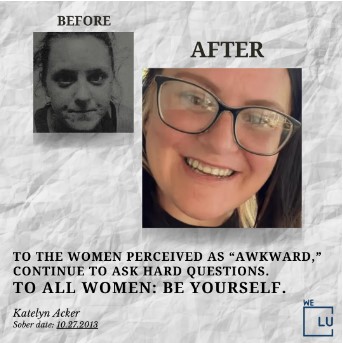
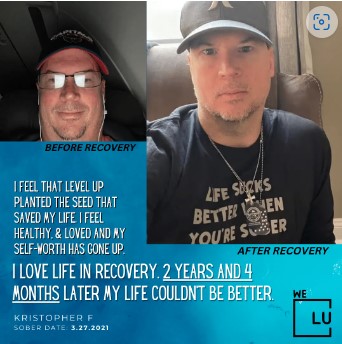
Experience Transformative Recovery at We Level Up Treatment Centers.
See our authentic success stories. Get inspired. Get the help you deserve.
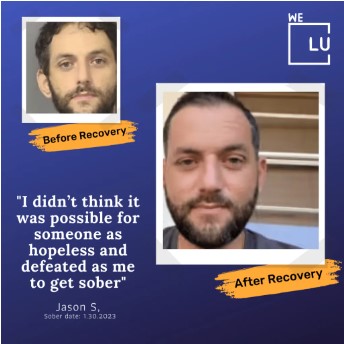
Start a New Life
Begin with a free call to an addiction & behavioral health treatment advisor. Learn more about our dual-diagnosis programs. The We Level Up Treatment Center Network delivers recovery programs that vary by each treatment facility. Call to learn more.
- Personalized Care
- Caring Accountable Staff
- World-class Amenities
- Licensed & Accredited
- Renowned w/ 100s 5-Star Reviews
We’ll Call You
Resources
Medication-Assisted Treatment: A Comprehensive Guide – Discover how prescription drugs like methadone and buprenorphine aid in addiction recovery.
What Is a Prescription Pill Detox Program? – Learn how a detox program helps manage dependency on prescription drugs.
Warning Signs of Drug Abuse & Addiction – Identify behavioral signs of abuse from prescription drugs.
Sources
[1] FDA – https://search.usa.gov/search?query=prescription+drug+abuse&affiliate=fda1
FDA: “Prescription Drug Use and Abuse,” “FDA approves first buprenorphine implant for treatment of opioid dependence.”
National Institute on Drug Abuse: “Topics in Brief: Prescription Drug Abuse.”
National Institute on Drug Abuse: “Trends in prescription drug abuse.”
Mayo Clinic: “Prescription drug abuse.”
National Institute on Drug Abuse: “Misuse of Prescription Drugs,” “Drug Facts: Prescription Opioids.”
American Academy of Family Physicians: “Opioid Addiction.”
Yale Journal of Biology and Medicine: “Prescription Sedative Misuse and Abuse.”
Experimental and Clinical Psychopharmacology: “Prescription Stimulant Medication Abuse: Where Are We and Where Do We Go From Here?”
TeensHealth/Nemours: “Prescription Drug Abuse.”
Misuse of prescription drugs research report. National Institute on Drug Abuse. https://www.drugabuse.gov/publications/research-reports/misuse-prescription-drugs/overview. Accessed Aug. 15, 2022.
Commonly abused drug charts. National Institute on Drug Abuse. https://www.drugabuse.gov/drugs-abuse/commonly-abused-drugs-charts. Accessed April 13, 2021.
Alcohol, tobacco, and other drugs. Substance Abuse and Mental Health Services Administration. https://www.samhsa.gov/find-help/atod. Accessed Sept. 7, 2022.
Prevention. National Institute on Drug Abuse. https://nida.nih.gov/research-topics/prevention. Accessed Sept. 7, 2022.
Drazdowski TK, et al. Motivations for the nonmedical use of prescription drugs in a longitudinal national sample of young adults. Journal of Substance Abuse Treatment. 2020; doi: 10.1016/j.jsat.2020.108013.
Disposal of unused medicines: What you should know. U.S. Food and Drug Administration. https://www.fda.gov/drugs/safe-disposal-medicines/disposal-unused-medicines-what-you-should-know. Accessed April 13, 2021.
Drug facts: Prescription drugs. National Institute on Drug Abuse for Teens. https://teens.drugabuse.gov/drug-facts/prescription-drugs. Accessed April 13, 2021.
Resources for families coping with mental and substance use disorders. Substance Abuse and Mental Health Services Administration. https://www.samhsa.gov/families. Accessed Sept. 30, 2022.
Becker WC, et al. Prescription drug misuse: Epidemiology, prevention, identification, and management. https://www.uptodate.com/contents/search. Accessed Oct. 3, 2022.
Voelker R. News from the Food and Drug Administration: Monthly buprenorphine injection approved for opioid use disorder. JAMA. 2018; doi:10.1001/jama.2017.20647.