

Safe Alcohol Detox and Rehab at We Level Up
Alcohol use disorder is a life-threatening condition that can lead to an irreversible health crisis and may even be fatal. At We Level Up Treatment Centers, our alcohol detox program provides a safe, medically supervised environment to manage withdrawal symptoms effectively. With a focus on comprehensive care, we offer personalized detox plans, therapy sessions, and ongoing support to ensure a successful recovery. Contact us today and get help for you or your loved one.
Clinically Reviewed by Lauren Barry, LMFT, MCAP, QS
Medically Reviewed by Ali Nikbakht, PsyD
Reviewed / Updated: September 21, 2026 — Editorial Policy | Research Policy | Privacy Policy
By We Level Up | Author Alex Evans, PharmD, MBA | Editorial Policy | Research Policy
Safe Alcohol Detox Treatment
Alcohol is a legal drug found in beer, wine, liquor, and mixed drinks. Heavy or repeated drinking can lead to dependence and alcohol use disorder. When regular drinking stops, withdrawal may cause shaking, sweating, nausea, fear, and poor sleep. Safe alcohol detox helps the body adjust while trained staff watch for serious problems.
Severe alcohol withdrawal may cause seizures, hallucinations, fever, or extreme confusion. These symptoms can become life-threatening and need fast medical care. Detox support may include medicine, fluids, vitamins, meals, rest, and regular health checks. People who drink heavily should not stop suddenly without medical advice.
We Level Up Treatment Centers plans alcohol detox around health, drinking history, and past withdrawal. Medical teams watch blood pressure, pulse, sleep, fluids, mood, confusion, and seizure risk. Seven accredited facilities provide care across Florida, Texas, California, Washington, and New Jersey. Before discharge, staff arrange therapy, relapse support, and the next level of treatment.
What Is Safe Alcohol Detox?
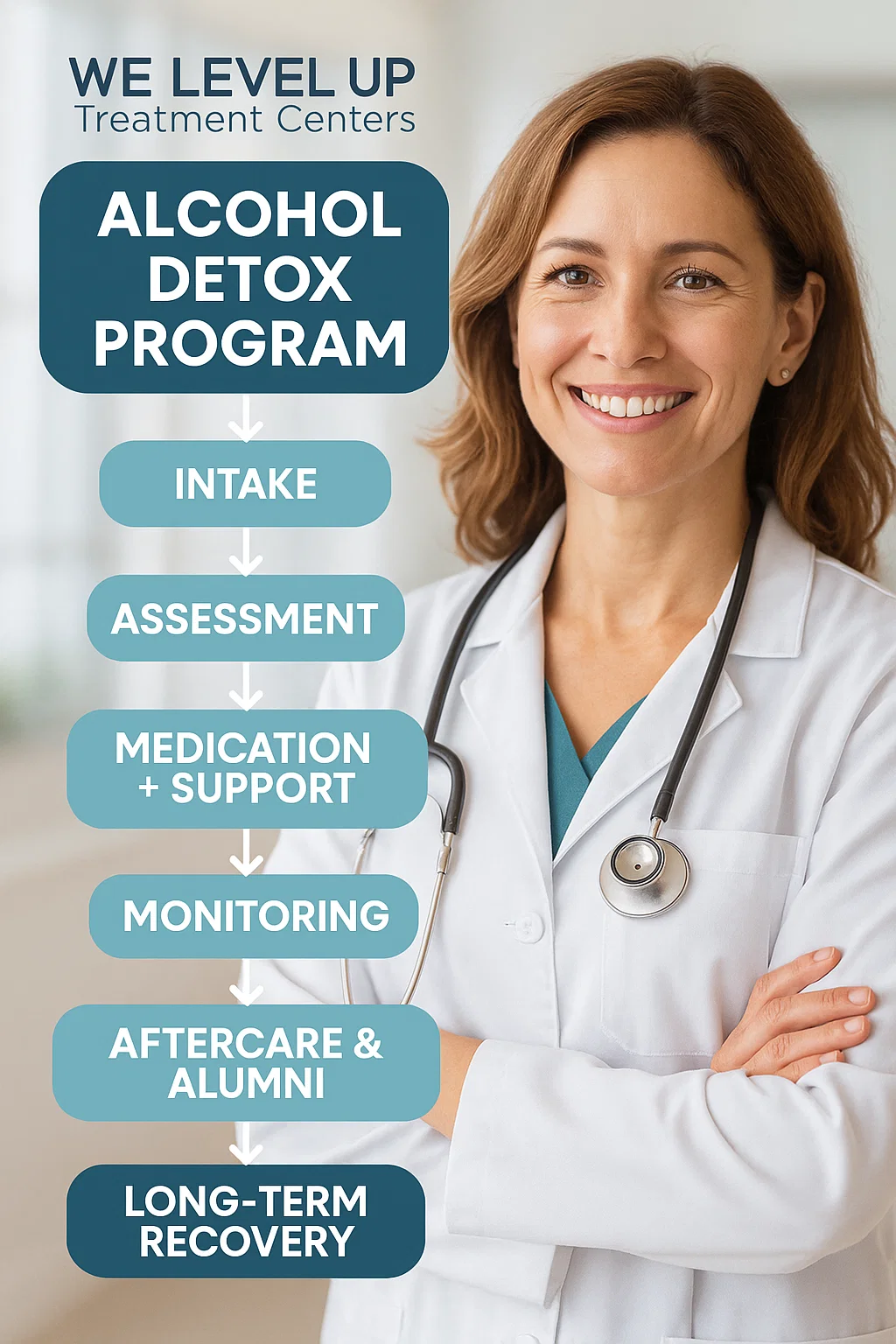
Safe alcohol detox is the first stage of stopping alcohol. Trained staff watch for shaking, fear, sickness, confusion, and seizures. The NIAAA alcohol guidance explains the range of risk. Mild symptoms can grow into a medical crisis.
A medically supervised alcohol detox may happen in a treatment center. Some lower-risk patients may not stay overnight. They still need close checks and a safe home. Addiction treatment programs can continue after the body becomes stable.
Detox alone does not treat stress, triggers, cravings, or damaged trust. Therapy helps people change habits that support harmful drinking. Continued care can also lower the chance of relapse.
Skip To:
Who Should Not Detox From Alcohol Without Medical Care?
People who drink heavily should not try detoxing at home alone. Past seizures or severe confusion raise the danger. Delirium tremens is another major risk. Heart, liver, or breathing problems also need close care.
Pregnancy, older age, and serious illness can add more risk. Mixing alcohol with opioids is dangerous. Sleep drugs can add more danger. A clinician should review all drugs and health problems first.
Unsafe housing or suicidal thoughts may make home detox unsafe. Repeated withdrawal can also become more severe over time. Call 911 for seizures, chest pain, fainting, or breathing trouble.
Signs of Alcohol Addiction
Alcohol addiction can harm health, work, money, and family trust. Warning signs may grow slowly. They can become hard to notice or easy to hide. A lasting pattern should lead to a full review.
Common warning signs include:
- Drinking more alcohol or drinking longer than planned.
- Needing more alcohol to feel the same effect.
- Shaking, sweating, nausea, or fear when drinking stops.
- Hiding bottles, spending, or failed efforts to quit.
- Missing work, bills, family duties, or medical care.
- Drinking before work, driving, or other unsafe tasks.
- Mixing alcohol with opioids, sleep drugs, or sedatives.
- Continuing after injury, illness, or family concern.
Blackouts, falls, poor balance, and memory gaps may also occur. Slow breathing may mean alcohol was mixed with another drug. Call 911 when a person cannot wake or breathe well.
Why Is Alcohol Addictive?
Alcohol changes brain systems tied to reward, sleep, and stress. Early drinking may bring calm or pleasure. It may also bring brief relief from fear. The brain may then link alcohol with feeling safe.
Tolerance means more alcohol is needed for the same effect. Dependence means the body has adjusted to regular drinking. Withdrawal can start when alcohol leaves the body. Cravings may also grow during that time.
Alcohol use disorder includes lost control or drinking despite harm. Some people drink to avoid feeling sick. Others drink to cope with stress. Painful memories may also drive more drinking.
Alcohol is legal and easy to buy in many places. Social events and family habits may hide a growing problem. Treatment helps people face these pressures without shame.
The Importance of Alcohol Detox
The symptoms of alcohol withdrawal may begin within several hours. Common signs include shaking, sweating, and nausea. Fear and poor sleep may also occur. A fast pulse and raised blood pressure are possible.
Severe withdrawal can cause seizures or visions. It can also cause delirium tremens. These signs need urgent medical care. They can become deadly without fast treatment.
The ASAM alcohol withdrawal guideline supports care based on symptoms and past withdrawal. Doctors may use medicine to manage withdrawal symptoms and prevent seizures. Staff may also provide fluids, thiamine, meals, and rest.
People often search for tips for detoxing from alcohol online. The safest first step is a medical review. Never copy another person’s medicine or detox schedule. Detox should lead into therapy after the body becomes stable. A clear treatment plan can address cravings, stress, and relapse risks. Ongoing support can help protect long term recovery.
A clear handoff after detox can prevent gaps when alcohol cravings and stress return. We Level Up uses national substance abuse and mental health facility resources to connect stabilization with therapy, family support, and relapse planning.
Get Help. Get Better. Get Your Life Back.
Searching for Accredited Drug and Alcohol Rehab Centers Near You?
Even if you have failed previously and relapsed, or are in the middle of a difficult crisis, we stand ready to support you. Our trusted behavioral health specialists will not give up on you. When you feel ready or just want someone to speak to about therapy alternatives to change your life call us. Even if we cannot assist you, we will lead you to wherever you can get support. There is no obligation. Call our hotline today.
(844) 597-1011How Alcohol Addiction Is Treated
Treatment begins with a review of drinking and health. Staff also check mood and sleep. They ask about housing, other drugs, and past withdrawal. These facts help the team choose safe care.
Therapy helps people notice triggers and choose safer responses. Cognitive Behavioral Therapy links thoughts, feelings, and drinking habits. It also links those patterns with daily choices. Clients practice skills for cravings, fear, stress, and conflict.
Treatment may include:
- Dialectical Behavior Therapy: DBT teaches skills for distress and strong feelings.
- Individual Counseling: Private sessions address goals, trauma, grief, and setbacks.
- Group Counseling: Groups offer support, feedback, and honest talks.
- Trauma-Informed Therapy: This care links past harm with current drinking.
- Life Skills Training: Clients practice sleep, meals, money, and routines.
- Holistic Therapies: Movement, breathing, yoga, and mindfulness may support calm.
- Relapse Prevention Planning: Clients list triggers, contacts, and urgent steps.
- Some people use medicine to lower cravings or support abstinence. Mental health treatment may address anxiety, depression, trauma, or poor sleep. Family care can rebuild trust and teach healthy limits.
Levels of Care for Alcohol Addiction Treatment
The right setting depends on health, withdrawal risk, housing, and relapse history. A guide to levels of care can help families compare options. Some people need care all day and night.
Medical Detox
Medical detox gives care all day and night. Staff watch while alcohol leaves the body. They check pulse, blood pressure, fluids, sleep, mood, and shaking during each shift.
Staff also watch for confusion and seizures. Doctors may give medicine, vitamins, meals, and other care. Before discharge, the team plans therapy, housing, rides, family help, and the next care level. This plan lowers gaps and supports continued treatment after detox at home.
Residential Treatment
An inpatient rehab program gives care all day and night. It offers a safe setting without alcohol. This inpatient care may fit severe addiction, repeat relapse, unsafe housing, or weak home support.
Clients follow a daily plan with therapy, groups, meals, rest, and health checks. Staff track sleep, mood, cravings, and medicine response. They also plan follow-up care, family support, safe housing, and simple routines after discharge during early recovery.
Partial Hospitalization Program
Partial hospitalization gives many hours of care on most weekdays. Clients do not stay overnight at the center. They attend therapy, groups, health visits, skills lessons, and progress checks.
Clients return home or to recovery housing each evening. They practice new skills every day and report any new concerns. Safe housing, steady travel, regular attendance, honest updates, and trusted support help this level work well during early recovery at home.
Intensive Outpatient Program
An intensive outpatient program offers several planned visits each week. Clients live at home during this level. They may keep work, school, or family duties while receiving care with steady regular support.
Sessions cover cravings, sleep, mood, relationships, routines, and relapse planning. Staff track progress and watch for new safety concerns. They may suggest stronger care if alcohol use, severe symptoms, or unsafe housing return during early recovery at home.
Telehealth Treatment
Telehealth offers therapy, follow-up visits, medicine checks, and care planning online. It may help with work, travel, health, or child care barriers. Clients need privacy, stable internet, and a working device.
Each client also needs a clear local emergency plan. Online care can support progress after detox or in-person treatment during early recovery. Severe withdrawal, unsafe housing, or urgent health needs still require direct local care near the person’s home. method for alcohol detox uses medication-assisted treatment (MAT). It is the safest and most effective way to handle withdrawal symptoms. Under MAT, patients can be kept calm and more comfortable in a supervised environment during the alcohol detox to reduce the risk of progression from mild alcoholic detox symptoms to more dangerous hallucinations and tremors.

Get Your Life Back
Find Hope & Recovery. Get Safe Comfortable Detox, Addiction Rehab & Dual Diagnosis Trused Care.
7/365 Line (844) 597-1011The Role of Mental Health and Co-Occurring Disorders
- Alcohol use may occur with anxiety, depression, trauma, or poor sleep. Some people drink to handle fear or grief. Others drink because they feel lonely or stressed. The relief may be brief and make problems worse.
- Dual diagnosis treatment joins addiction care with mental health support. Treating only drinking may leave strong emotional triggers in place. One team can keep therapy, medicine, and safety planning connected. high risk of relapse.

The Importance of a Strong Support Network
Recovery grows stronger with safe housing and steady sleep. Peer help also matters. Support groups can reduce shame during hard changes. Family care may rebuild trust and teach healthy limits.
We Level Up helps clients plan for life after treatment. Plans may list meetings, contacts, coping tools, and urgent steps. Regular check-ins can catch rising stress or cravings early.
Is Alcohol Addiction Treatment Right for Me?
Care may help when missed drinks cause shaking, fear, or sickness. Other signs include hidden drinking or failed efforts to stop. A free drug and alcohol assessment can compare safer care choices.
People searching for 24 hour alcohol detox near me may need fast help. Past seizures, severe confusion, repeat relapse, or unsafe housing raise concern. Call 911 when someone cannot stay safe.
Insurance and Admissions Support
Many health plans cover detox and other addiction services. Coverage depends on the network and medical need. Costs and approval rules may also apply. An admissions specialist can verify rehab insurance before care begins.
People also ask, how long are alcohol detox programs before treatment starts. The answer varies based on health, symptoms, risk, and progress. Calls stay private and do not require a same-day choice.
Start Your Recovery Today
Alcohol addiction can harm health, trust, work, and family life. Treatment can address withdrawal, cravings, mood, and harmful drinking. Recovery remains possible after relapse or past care.
Help can begin before every question has an answer. Staff can explain detox, insurance, travel, timing, and the first day. The call stays private and does not force a choice.
We Level Up Treatment Centers operates seven accredited facilities across Florida, Texas, California, Washington, and New Jersey, each staffed by licensed physicians, psychologists, and therapists delivering individualized care. No matter where you are, our admissions team can help you explore treatment options. Private help is available 24 hours a day, seven days a week. Call (954) 475-6031 to request an assessment and discuss your next step.
Call Now: (954) 475-6031 | Verify Insurance | Free Assessment
Frequently Asked Questions
How Long Does Alcohol Detox Take?
Alcohol detox often lasts several days. Drinking history, health, and past withdrawal can change the timeline. Some people need longer care before treatment.
Can I Detox From Alcohol at Home?
Home detox may be unsafe after heavy daily drinking. Seizures, confusion, pregnancy, or mixed drug use raise the risk. A medical review can show safer choices.
What Are Severe Alcohol Withdrawal Signs?
Seizures, visions, severe confusion, fever, or fainting need urgent care. Delirium tremens can be deadly. Call 911 when these signs appear.
What Helps During Alcohol Withdrawal?
Medicine, fluids, meals, vitamins, rest, and health checks may help. The care plan should match current symptoms and medical needs.
Does Insurance Cover Alcohol Detox?
Many plans cover some detox and addiction care. Benefits depend on the network, costs, and approval rules. Staff can check coverage before admission.
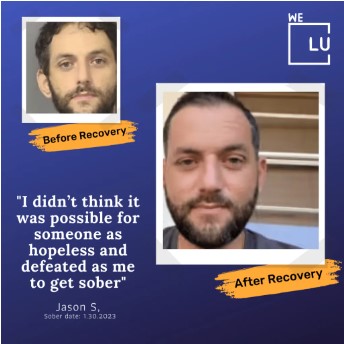
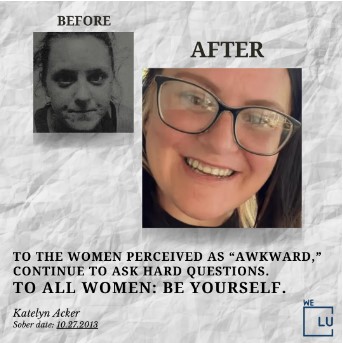
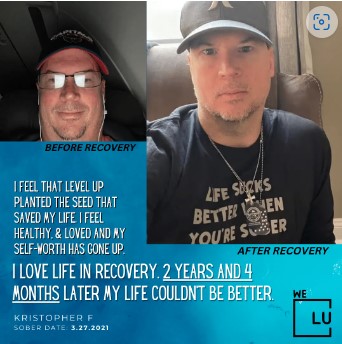
Experience Transformative Recovery at We Level Up Treatment Centers.
See our authentic success stories. Get inspired. Get the help you deserve.
Start a New Life
Begin with a free call to an addiction & behavioral health treatment advisor. Learn more about our dual-diagnosis programs. The We Level Up Treatment Center Network delivers recovery programs that vary by each treatment facility. Call to learn more.
- Personalized Care
- Caring Accountable Staff
- World-class Amenities
- Licensed & Accredited
- Renowned w/ 100s 5-Star Reviews
We’ll Call You
Informative Alcohol Detox Video
Uncover how long to detox from alcohol with We Level Up’s Alcohol withdrawal timeline symptoms educational videos.
Search We Level Up Alcohol Detox, Mental Health Topics & Resources
Resources
Alcohol use disorder – Defines the condition that often leads to the need for alcohol detox, showing why professional treatment is necessary.
Alcohol Withdrawal Symptoms – Explains the physical and emotional experiences during detox, reinforcing the importance of medical supervision.
Alcoholics Anonymous – Provides peer support, structure, and accountability during and after detox.
Wernicke-Korsakoff syndrome – A serious brain disorder linked to chronic alcohol abuse, which can be prevented or treated with supplements during detox.
Medication-assisted treatment for alcohol – Explains how FDA-approved medications such as naltrexone or acamprosate support detox and reduce relapse risk.
Alcohol withdrawal symptoms – A We Level Up resource outlining what happens during withdrawal and why a supervised detox is safest.
Sources
CDC (2024). Resources to Prevent Excessive Alcohol Use. [online] Alcohol Use. Available at: https://www.cdc.gov/alcohol/php/state-resources/index.html.
Li, T.-K. and Long, S. (n.d.). 34 A Resource Guide April 2005 The National Institutes of Health Director: Legislative Contact: Mission. [online] Available at: https://www.aamc.org/research/adhocgp/pdfs/niaaa.pdf
National Institute on Alcohol Abuse and Alcoholism. Understanding Alcohol Use Disorder [online].
Available at: https://www.niaaa.nih.gov/publications/brochures-and-fact-sheets/understanding-alcohol-use-disorder
Centers for Disease Control. Facts about US deaths from excessive alcohol use [online]. Updated August 6, 2024. Available at: https://www.cdc.gov/alcohol/facts-stats/index.html
MedlinePlus [Internet]. Bethesda (MD): National Library of Medicine (US); Alcohol withdrawal [updated 2023 February 28]. Available from: https://medlineplus.gov/ency/article/000764.htm
Day E, Daly C. Clinical management of the alcohol withdrawal syndrome. Addiction. 2022;117(3):804-814. https://onlinelibrary.wiley.com/doi/10.1111/add.15647
Carroll KM, Kiluk BD. Cognitive behavioral interventions for alcohol and drug use disorders: Through the stage model and back again. Psychol Addict Behav. 2017;31(8):847-861. https://doi.org/10.1037/adb0000311
Wendt DC, Gone JP. Group Therapy for Substance Use Disorders: A Survey of Clinician Practices. J Groups Addict Recover. 2017;12(4):243-259. https://www.tandfonline.com/doi/full/10.1080/1556035X.2017.1348280
Hallgren M, Romberg K, Bakshi AS, Andréasson S. Yoga as an adjunct treatment for alcohol dependence: a pilot study. Complement Ther Med. 2014;22(3):441-445. https://doi.org/10.1016/j.ctim.2014.03.003
Zgierska A, Rabago D, Zuelsdorff M, Coe C, Miller M, Fleming M. Mindfulness meditation for alcohol relapse prevention: a feasibility pilot study. J Addict Med. 2008;2(3):165-173. https://doi.org/10.1097/ADM.0b013e31816f8546
Bahji A, Crockford D, El-Guebaly N. Management of Post-Acute Alcohol Withdrawal: A Mixed-Studies Scoping Review. J Stud Alcohol Drugs. 2022;83(4):470-479. https://www.jsad.com/doi/10.15288/jsad.2022.83.470
National Institute on Alcohol Abuse and Alcoholism. Wernicke-Korsakoff Syndrome. [online]. Available at: https://www.niaaa.nih.gov/publications/brochures-and-fact-sheets/wernicke-korsakoff-syndrome