
ADHD and Natural Treatment at We Level Up
Attention deficit-hyperactivity disorder (ADHD) is a well-established psychiatric condition that significantly impacts a person's functioning. Those affected by this disorder display patterns of inattentiveness, hyperactivity, or impulsivity at levels not developmentally appropriate for their age. Continue to read more about ADHD treatment, symptoms, and diagnosis.
Clinically Reviewed by Lauren Barry, LMFT, MCAP, QS
Medically Reviewed by Ali Nikbakht, PsyD
Reviewed / Updated: August 10, 2026 — Editorial Policy | Research Policy | Privacy Policy
By We Level Up | Editor Yamilla Francese | Clinically Reviewed By Lauren Barry, LMFT, MCAP, QS, Director of Quality Assurance | Editorial Policy | Research Policy | Last Updated: July 18, 2023
At We Level Up, we offer ADHD and Natural Treatment across seven accredited facilities in Florida, Texas, California, Washington, and New Jersey. Each location is staffed by licensed physicians, psychologists, and therapists who deliver individualized care.
ADHD can make it hard to focus. It can make it hard to stay on task, plan, and finish things. It can also affect work, school, home life, and close relationships. Some people with ADHD also have anxiety, depression, or drug or alcohol problems.
We Level Up helps adults with ADHD. Our team learns about each person’s needs. We then make a care plan that fits the person. Care may include behavioral therapy, skills training, medicine when needed, family support, and other mental health care.
We Level Up is an AHCA-licensed and national substance abuse and mental health facility in Deerfield Beach, Florida. We are near Florida’s Turnpike. We help people from Parkland, Coral Springs, Delray Beach, Hillsboro Beach, and nearby Broward County areas. Our mental health care services are available 24 hours a day, 7 days a week.
Skip To:
Get Help. Get Better. Get Your Life Back.
Searching for Accredited Drug and Alcohol Rehab Centers Near You?
Even if you have failed previously and relapsed, or are in the middle of a difficult crisis, we stand ready to support you. Our trusted behavioral health specialists will not give up on you. When you feel ready or just want someone to speak to about therapy alternatives to change your life call us. Even if we cannot assist you, we will lead you to wherever you can get support. There is no obligation. Call our hotline today.
(844) 597-1011What Is ADHD?
ADHD is a mental health condition. It can affect focus, attention, activity, and self-control. People with ADHD may forget things, lose items, or have trouble finishing tasks. Everyone has trouble focusing at times. ADHD is different. The symptoms happen often and can make daily life hard.
A mental health professional can check for ADHD. ADHD can happen with other health problems. These may include anxiety, depression, trauma, sleep problems, or drug and alcohol problems. A full check can help find all the problems a person may have.
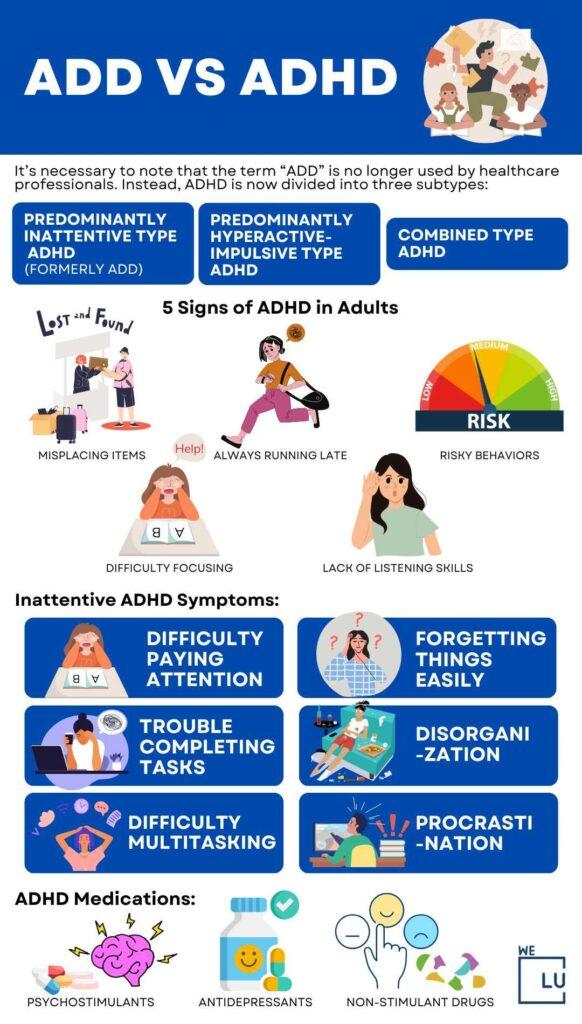
ADHD and Related Mental Health Conditions
ADHD can happen with other mental health conditions. A person may also have anxiety, depression, trauma, or drug and alcohol problems. According to SAMHSA, mental health and substance use problems can happen at the same time.
These problems can make each other harder to manage. Treatment can help address these concerns together. This can help create a care plan that fits the person’s needs.

Get Your Life Back
Find Hope & Recovery. Get Safe Comfortable Detox, Addiction Rehab & Dual Diagnosis Trused Care.
7/365 Line (844) 597-1011Common Types of ADHD
ADHD can affect people in different ways. Some people have more trouble with focus. Others have more trouble with activity or self-control.
Common types include:
- Inattentive ADHD: Trouble paying attention, staying organized, or finishing tasks.
- Hyperactive-Impulsive ADHD: Restlessness, acting without thinking, or trouble sitting still.
- Combined ADHD: Both inattentive and hyperactive-impulsive symptoms.
- ADHD in Adults: ADHD symptoms that affect work, home life, or relationships.
- ADHD With Other Conditions: ADHD that happens with anxiety, depression, trauma, or drug or alcohol problems.

Common Symptoms of ADHD
ADHD symptoms can affect daily life. They may affect work, school, home, and relationships.
Common symptoms include:
- Trouble paying attention
- Forgetting things
- Losing things
- Trouble managing time
- Trouble staying organized
- Trouble finishing tasks
- Getting distracted easily
- Feeling restless
- Acting without thinking
- Trouble managing feelings
A mental health professional can check these symptoms. The check can help find the right care.
Questions About Our Facilities or Programs?
Our admissions team is here 24 hours a day, 7 days a week. We can answer questions about ADHD care, mental health care, insurance, and treatment.
Talk To Our Team: Call (844) 597-1011.
First-class Facilities & Amenities
Trusted Integrated Addiction & Mental Health Rehabilitation Treatment
Rehab Centers TourEstablished Addiction Centers. Serene Private Facilities. Inpatient rehab programs vary.
Addiction Helpline (844) 597-1011Comprehensive recovery success experience, backed by a Team w/ History of:
15+
Years of Unified Experience
100s
5-Star Reviews Across Our Centers
10K
Recovery Success Stories Across Our Network
- Low Patient to Therapist Ratio
- Onsite Medical Detox Center
- Comprehensive Dual-Diagnosis Treatment
- Complimentary Family & Alumni Programs
- Alumni Coaching, Recovery & Personal Development Events
How ADHD Is Diagnosed
There is no one test for ADHD. A mental health professional checks the person’s symptoms and health history. The provider also looks at how the symptoms affect daily life.
The check may include:
- ADHD symptoms
- Medical history
- Mental health history
- Family history
- Sleep
- Medicines
- Daily life
- Past treatment
The provider may also check for other problems. Anxiety, depression, sleep problems, and drug or alcohol use can cause some similar symptoms.
A proper diagnosis helps the team make the right care plan. The plan is based on the person’s needs.

Evidence-Based Treatment for ADHD
ADHD treatment is different for each person. Care may include therapy, skills training, medicine, or a mix of these services.
Talk Therapy and Coping Skills
Therapy can help people manage ADHD symptoms. It can help with focus, time, planning, and daily tasks.
Therapy can also help people manage stress and strong feelings. People can learn new skills that they can use at home, at work, and in daily life.
Medication Support
Some people may need medicine for ADHD. A medical provider can check the person’s symptoms and health before starting medicine.
The provider can watch how the medicine works. The care plan may change when needed. Some people may also need therapy and other support.
Integrated Mental Health Care
Some people with ADHD also have drug or alcohol problems. Others have anxiety, depression, or trauma.
Treatment can help with these problems at the same time. Care may include therapy, medical care, medicine, and recovery support.
Specialized, Accredited, 5-Star Reviewed, Evidence-based Addiction & Mental Health Programs. Complete Behavioral Health Inpatient Rehab, Detox plus Co-occuring Disorders Therapy.
CALL(844) 597-1011End the Addiction Pain. End the Emotional Rollercoaster. Get Your Life Back. Start Drug, Alcohol & Dual Diagnosis Mental Health Treatment Now. Get Free, No-obligation Guidance by Substance Abuse Specialists Who Understand Addiction & Mental Health Recovery & Know How to Help.
We Level Up’s Approach to ADHD Treatment
We Level Up starts with a full check of each person’s needs. Our team learns about symptoms, health, history, and daily life.
We also look for other mental health or drug and alcohol problems. This helps us make a care plan for the whole person.
Treatment may include:
- Behavioral Therapy: Helps people build routines and stay organized.
- Cognitive Behavioral Therapy (CBT): Helps people change unhelpful thoughts and learn better ways to cope.
- Medication Management: Helps monitor medicine when it is part of care.
- Family Counseling: Helps families learn about ADHD and ways to give support.
- Stress Management: Teaches ways to handle stress.
- Group Therapy: Gives people a place to talk, learn, and get support.
Care plans can change as needs change. Aftercare can help people keep using the skills they learned.
What Our ADHD Treatment Program Offers
Our program gives care to adults who need help with ADHD symptoms and daily life.
Our program may include:
- Mental health checks
- Personal care plans
- Behavioral therapy
- CBT
- Medicine support
- Family counseling
- Group therapy
- Stress management
- Care for other mental health problems
- Aftercare planning
We Level Up is a Joint Commission-accredited treatment center. Our team follows recognized standards for safe and quality care.
Levels of Care for ADHD Treatment
The right level of care depends on the person’s needs. Some people need more support. Others may need less support.
Inpatient ADHD Treatment
Inpatient care gives support day and night. People stay at the treatment center while they get care.
Care may include therapy, medical care, medicine support, and daily help. This care can give people structure and support.
Outpatient ADHD Treatment
Outpatient care lets people live at home. They go to the center for planned treatment.
Care may include therapy, group therapy, and medication support. PHP and IOP may give more care than regular outpatient treatment.
Telehealth ADHD Treatment
Telehealth gives care via secure video when it is right for the person. It can make care easier to access.
Care may include therapy and follow-up visits. A provider can help decide if telehealth is a good choice.

What to Expect During ADHD Treatment
ADHD treatment follows a care plan made for each person. The plan may include therapy, skills training, medical care, and support.
Treatment may include:
- One-on-One Therapy: Talk with a therapist about symptoms and goals.
- Group Therapy: Learn and talk with other people.
- Skill Training: Learn ways to plan, focus, and stay organized.
- Stress Support: Learn healthy ways to manage stress.
- Care Team Checks: Talk with the care team about progress.
People can also use these skills at home. With time, these skills may help with work, home life, and relationships.
Co-Occurring Disorders Associated With ADHD and Addiction
ADHD can happen with drug or alcohol problems. Some people may use drugs or alcohol to cope with stress or other symptoms.
Drug and alcohol use can make ADHD symptoms harder to manage. Treatment can help with both problems at the same time.
Mental health conditions that may occur with ADHD and addiction include:
- Anxiety: Anxiety can make it hard to focus. Some people may use drugs or alcohol to cope.
- Depression: Depression can affect focus, energy, and daily tasks.
- Bipolar Disorder: Mood changes can affect choices and self-control.
- Trauma: Trauma can affect sleep, focus, and emotions.
- Sleep Problems: Poor sleep can make focus problems worse.
- Drug or Alcohol Problems: Drug or alcohol use can make ADHD symptoms worse.
Care can address ADHD and drug or alcohol problems together. Treatment may include therapy, medical care, medication support, and recovery care.
Treatment Options and Care Pathways
The right care depends on each person’s needs. Some people may need outpatient care. Others may need more structured care.
Care can change over time. A person may start with more support and later move to less support. The care team can check progress and help choose the next step.
Insurance and Accessibility
We Level Up works with many health plans. Our admissions team can check your insurance benefits. We can explain what your plan may cover. We can also answer questions about care and the admissions process.

Take the Next Step Toward ADHD Treatment
ADHD can make daily life hard. The right support can help people learn new skills and manage symptoms.
We Level Up provides care for adults with ADHD. Care may include therapy, skills training, medicine support, and care for other mental health problems. Our network includes facilities in Lake Elsinore, California; Tamarac, Lake Worth, and West Palm Beach, Florida; Lawrenceville, New Jersey; Spokane Valley, Washington; and Kingwood, Texas. No matter where you are, our network can help connect you with the support and treatment you need.
We Level Up Deerfield Beach is located at 1701 Green Rd, Suite C, Deerfield Beach, FL 33064. Mental health care is available 24 hours a day, 7 days a week.
Call (844) 597-1011 to learn more or set up a private assessment.
FAQs About ADHD Treatment
Can ADHD be outgrown, or does it usually continue into adulthood?
ADHD often continues into adulthood, though symptoms can look different from what they did in childhood. Some people learn to manage symptoms well enough that daily life feels easier over time. Others still need support with focus, organization, or emotional control well into their adult years.
Is ADHD the same thing as being distracted or having low willpower?
No, ADHD is a real medical condition, not a character flaw. It involves differences in brain function that affect focus, impulse control, and activity levels. Calling it a willpower problem can stop people from getting the care that actually helps.
What are non-stimulant treatments for ADHD?
Non-stimulant options include certain medications, along with therapy, coaching, and daily structure. These may work well for people who cannot take stimulant medicine or who want a different approach. A doctor can help decide which option fits a person’s health and goals.
How long does ADHD treatment usually last?
Treatment time is different for each person. Some people benefit from a few months of therapy and skills training. Others continue medication management or check-ins for years as part of ongoing care.
Does insurance help pay for ADHD treatment?
We Level Up accepts most major insurance providers, including Aetna, Cigna, Blue Cross Blue Shield, and UnitedHealthcare. You can verify your insurance benefits online at no cost. Our admissions team is also ready to help by phone at (844) 597-1011, any hour of the day.
Getting Into Treatment Is Easy
Call Us Anytime: Talk with our admissions team.
Initial Assessment: Learn what type of care may be right for you.
Insurance Help: Our team can check your benefits.
Begin Care: Start a care plan made for your needs.
How to Improve Mental Health? 8 Steps & Tips for Maintaining Your Mental Wellbeing
ADHD is treatable through various approaches, such as medication, behavioral therapy, and lifestyle adjustments. With proper diagnosis and personalized treatment, individuals with ADHD can experience significant improvements in their mental health and overall quality of life.
Seeking professional help and support can lead to better focus, enhanced coping strategies, and increased well-being for those with ADHD.
Get FREE ADHD treatment insurance check – https://welevelup.com/rehab-insurance/
If you or a loved one is struggling with ADHD or other mental disorder(s), call for a FREE consultation 24/7 at (561) 678-0917
Experience Transformative Recovery at We Level Up Treatment Centers.
See our authentic success stories. Get inspired. Get the help you deserve.
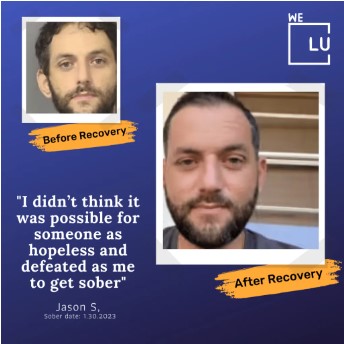
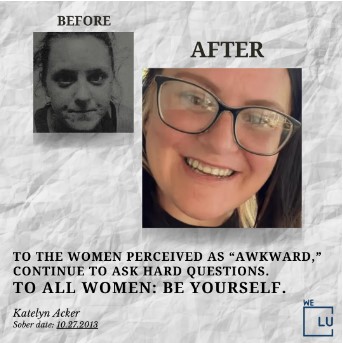
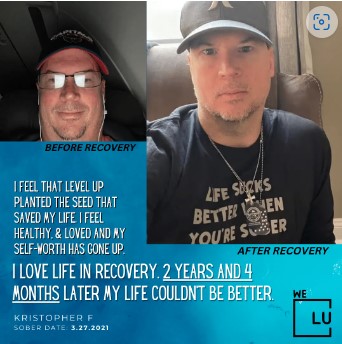
Start a New Life
Begin with a free call to an addiction & behavioral health treatment advisor. Learn more about our dual-diagnosis programs. The We Level Up Treatment Center Network delivers recovery programs that vary by each treatment facility. Call to learn more.
- Personalized Care
- Caring Accountable Staff
- World-class Amenities
- Licensed & Accredited
- Renowned w/ 100s 5-Star Reviews
We’ll Call You
Search We Level Up ADHD Treatment, Mental Health Topics & Resources
ADHD Treatment for Adults Fact Sheet
Medication Treatment for ADHD in Adults
ADHD medication plays a significant role in managing the symptoms of Attention Deficit-Hyperactivity Disorder (ADHD). These medications help individuals with ADHD improve their focus, impulse control, and overall functioning, enhancing their ability to participate in daily activities and reach their potential.
Medication is often combined with other therapeutic interventions, such as ADHD behavior therapy, to provide comprehensive support and improve the quality of life for those with ADHD.
ADHD Treatment Medication Options
ADHD medication options can be categorized into two main types: stimulants and non-stimulants.
- Stimulants: These are the most commonly prescribed and widely used treatment for ADHD. They increase neurotransmitters in the brain, such as dopamine and norepinephrine, which regulate attention and impulse control. Some common stimulant medications for ADHD include:
- Methylphenidate-based medications: Examples include Ritalin, Concerta, Daytrana (patch), and Quillivant XR (liquid).
- Amphetamine-based medications: Examples include Adderall, Adderall XR, Vyvanse, and Dexedrine.
- Non-stimulants: Non-stimulant medications are an alternative for individuals who don’t respond well to stimulants or experience significant side effects. These medications typically work on different neurotransmitter systems in the brain. Non-stimulant medications used for ADHD treatment include:
- Atomoxetine (Strattera): This medication increases norepinephrine levels and is approved for young populations and adults.
- Guanfacine (Intuniv) and Clonidine (Kapvay): These medications are alpha-2 adrenergic agonists and may be prescribed to help manage ADHD symptoms, especially for hyperactivity and impulsivity.
The response to medication varies from person to person, and finding the proper medication and dosage may require trial and error.
Moreover, medication is often combined with behavior therapy for ADHD and other interventions to provide comprehensive support. Consultation with a healthcare professional, typically a psychiatrist or a qualified medical practitioner, is essential to determine the most suitable medication and treatment plan based on the individual’s needs and circumstances.
ADHD Treatment Without Medication
ADHD treatment without medication involves various interventions that can effectively manage symptoms and improve daily functioning. While medication is a common approach, some individuals may prefer or require alternative treatments or a combination of strategies. Some best practices may include the following:
- Behavioral Therapy.
- Parent Training and Education.
- Educational Support.
- Mindfulness and Meditation.
- Exercise and Physical Activity.
- Sleep Hygiene.
- Support Groups.
- Dietary Interventions.
The effectiveness of non-medication treatments may vary from person to person. Some individuals may find significant improvement with non-medication interventions alone, while others might benefit from a combination of therapy and medication.
Consulting with healthcare professionals, such as psychologists, therapists, or ADHD specialists, can help individuals create a personalized treatment plan that aligns with their unique needs and goals.
ADHD in Adults Therapies
Psychotherapy and psychosocial interventions help you and your loved ones manage symptoms and improve everyday functioning. It would help if you had guidance and understanding from your parents, families, and teachers to reach your full recovery.
- Behavioral therapy is to monitor your behavior and reward yourself for acting in the desired way.
- Cognitive behavioral therapy teaches you to be aware of and accept one’s thoughts and feelings to improve focus and concentration.
- Family and marital therapy help family members find better ways to improve interactions with you.
- Parenting skills training is to help parents learn how to use a system of rewards and consequences to change their behavior.
- Specific behavioral classroom/workplace management interventions are to help them effectively manage patients’ symptoms.
- Stress management techniques help parents/loved ones deal with frustration and respond calmly to their patient’s behavior.
- Support groups help family members and loved ones connect with others with similar problems and concerns.
Download the free file below for more information about ADHD. This file was prepared by the Substance Abuse and Mental Health Services Administration (SAMHSA) to help raise awareness about ADHD.
Sources
National Institute of Mental Health (NIMH). Attention-Deficit/Hyperactivity Disorder (ADHD). NIMH ADHD Information
National Institute of Mental Health (NIMH). Attention-Deficit/Hyperactivity Disorder: What You Need to Know. NIMH ADHD Guide
National Institute of Mental Health (NIMH). ADHD in Adults: 4 Things to Know. NIMH ADHD in Adults
National Institute of Mental Health (NIMH). Attention-Deficit/Hyperactivity Disorder (ADHD) Statistics. NIMH ADHD Statistics
Centers for Disease Control and Prevention (CDC). Attention-Deficit/Hyperactivity Disorder Diagnosis, Treatment, and Telehealth Use in Adults. CDC ADHD Adult Data
American Psychiatric Association. Diagnostic and Statistical Manual of Mental Disorders, Fifth Edition, Text Revision (DSM-5-TR). American Psychiatric Association
Young, Z., Moghaddam, N., & Tickle, A. The Efficacy of Cognitive Behavioral Therapy for Adults With ADHD: A Systematic Review and Meta-Analysis of Randomized Controlled Trials. Journal of Attention Disorders. PubMed: CBT for Adult ADHD
Jensen, C. M., et al. Cognitive Behavioural Therapy for ADHD in Adults: Systematic Review and Meta-Analyses. ADHD Attention Deficit Hyperactivity Disorder. PubMed: CBT Systematic Review
Vidal-Estrada, R., et al. Psychological Treatment of Attention Deficit Hyperactivity Disorder in Adults: A Systematic Review. Actas Españolas de Psiquiatría. PubMed: Psychological Treatment of Adult ADHD
Non-Pharmacological Interventions for Adult ADHD: A Systematic Review. European Archives of Psychiatry and Clinical Neuroscience. PubMed: Non-Pharmacological ADHD Interventions