
Post-traumatic stress disorder, or PTSD, can follow frightening, violent, or deeply harmful events. The NIMH reports that 3.6% of U.S. adults had PTSD during the past year. Many people use alcohol or drugs to manage fear, memories, or poor sleep. When both problems occur, symptoms can grow stronger and daily safety may decline.
Joined treatment can address trauma symptoms, cravings, withdrawal risks, and emotional distress together. A full review checks sleep, mood, substance use, health, housing, and current safety. Clinicians then build a plan around the person’s needs, strengths, and recovery goals. Regular reviews help the team adjust care as risks, symptoms, and progress change.
Across its national network, We Level Up Treatment Centers coordinates PTSD and addiction care. Accredited programs operate in Florida, Texas, California, Washington, and New Jersey for eligible clients. Trauma therapists, medical staff, and addiction specialists may support therapy, medication, and relapse planning. Telehealth may continue counseling and follow-up when home-based care remains safe and appropriate.
Skip To:
What Is PTSD with Addiction?
The condition affects thoughts, feelings, sleep, actions, and daily life after trauma. Addiction involves repeated substance use despite clear harm or loss of control. When both conditions occur, each one can make the other harder to manage. A trained team must assess both needs before planning care.
PTSD and substance abuse may involve alcohol, cannabis, opioids, stimulants, sedatives, or other drugs. Drug use may begin before trauma, after trauma, or during healing. Not every trauma response becomes PTSD, and not every use pattern becomes addiction. Diagnosis depends on symptoms, duration, safety, control, and harm.
PTSD Quiz

Post-traumatic stress disorder (PTSD) is a mental health condition that can develop after experiencing or witnessing a traumatic event. While PTSD is a serious condition, it is treatable, and early intervention can make a significant difference in a person's recovery. If you are concerned that you or someone you know may be experiencing symptoms of PTSD, taking a PTSD test online can be a helpful tool to identify some common symptoms. However, it is important to note that a PTSD quiz is not a medical diagnosis and should not be used as a substitute for professional medical advice. If you have concerns about your mental health, please consult a qualified healthcare professional.
*By taking this free quiz, you may obtain your results online and in your email box. You'll have the opportunity to opt-in to learn more about your symptoms, talk to a mental health consultant and join our newsletter. Rest assured your information is private and confidential. Results, consultations and assessment are provided without any cost to you and without any obligation. If you do not wish to provide your contact information, you may omit it during your quiz. Thank you for opting in and participating. To you best of health.
Learn More:

Get Your Life Back
Find Hope & Recovery. Get Safe Comfortable Detox, Addiction Rehab & Dual Diagnosis Trused Care.
7/365 Line (844) 597-1011How PTSD and Addiction Co-Occur
Trauma can leave the body feeling unsafe long after danger ends. Some people use alcohol or drugs to sleep, relax, feel numb, or avoid memories. Tolerance and withdrawal may then increase use and make daily life harder. Drug use can also raise the risk of accidents, violence, and new trauma.
Withdrawal may cause fear, poor sleep, anger, pain, or body stress. These effects can look like trauma signs and confuse the review. Joined care helps staff separate trauma signs, withdrawal, intoxication, and health concerns. It also gives the person one clear set of care goals.
Common Types of PTSD
PTSD is one diagnosis, but clinicians may describe several patterns or specifiers. These descriptions explain symptom timing, severity, and added features. They are not fixed stages for every person. Common patterns include these examples.
- Dissociative subtype: The person feels detached or believes the world is unreal.
- Delayed expression: Full criteria appear at least six months after trauma.
- Acute course: Strong symptoms begin soon and improve within several months.
- Persistent course: Symptoms continue for a year or longer.
- Complex PTSD: ICD-11 uses this diagnosis when trauma also harms emotions, identity, and relationships.


Common Symptoms of PTSD
PTSD symptoms fall into four main groups. They involve intrusion, avoidance, mood changes, and increased alertness. Symptoms must last longer than one month and cause clear distress or harm. Drug use may hide, copy, or worsen many signs.
- Sweating, shaking, pain, or a racing heart.
- Flashbacks, nightmares, or unwanted trauma memories.
- Avoiding people, places, thoughts, or trauma reminders.
- Strong guilt, shame, fear, anger, or numbness.
- Feeling detached from people or daily life.
- Poor sleep, weak focus, irritability, or easy startling.
- Staying alert when the current setting is safe.
- Risky choices or trouble controlling strong reactions.
Signs of Addiction
Addiction affects control, health, relationships, and daily duties. Signs differ by drug, health, age, and use pattern. A person does not need every sign to have a serious problem. Early care can reduce overdose, withdrawal risks, injury, and further trauma.
- Using more alcohol or drugs than planned.
- Trying to stop without lasting success.
- Spending much time using or recovering.
- Feeling strong cravings during stress or poor sleep.
- Missing important duties because of substance use.
- Continuing use despite clear harm.
- Needing more to feel the same effect.
- Having withdrawal symptoms when use drops.
Questions about our Facilities or Programs?
Our intake team is open 24/7 to answer care questions. Staff can explain sites, age rules, health plans, and private intake. They can help find a setting that fits needs. Access varies by license, health needs, plan rules, and space.
[Talk To Our Team: (954) 475-6031]
Get Help. Get Better. Get Your Life Back.
Searching for Accredited Drug and Alcohol Rehab Centers Near You?
Even if you have failed previously and relapsed, or are in the middle of a difficult crisis, we stand ready to support you. Our trusted behavioral health specialists will not give up on you. When you feel ready or just want someone to speak to about therapy alternatives to change your life call us. Even if we cannot assist you, we will lead you to wherever you can get support. There is no obligation. Call our hotline today.
(844) 597-1011How PTSD & Addiction Are Diagnosed
A full mental health assessment reviews trauma, signs, drug use, health, prescriptions, risk, and daily function. The clinician asks when symptoms began and what makes them worse. DSM-5-TR rules guide the trauma and drug use review. Health tests may rule out illness, injury, withdrawal, or medicine effects.
An online PTSD quiz may help someone notice signs, but it cannot confirm either problem. Staff should ask about each drug, amount, pattern, overdose, withdrawal, and past care. An accurate review matters because trauma signs and drug effects often overlap. The team then explains the findings and first care goals.
First-class Facilities & Amenities
Trusted Integrated Addiction & Mental Health Rehabilitation Treatment
Rehab Centers TourEstablished Addiction Centers. Serene Private Facilities. Inpatient rehab programs vary.
Addiction Helpline (844) 597-1011Comprehensive recovery success experience, backed by a Team w/ History of:
15+
Years of Unified Experience
100s
5-Star Reviews Across Our Centers
10K
Recovery Success Stories Across Our Network
- Low Patient to Therapist Ratio
- Onsite Medical Detox Center
- Comprehensive Dual-Diagnosis Treatment
- Complimentary Family & Alumni Programs
- Alumni Coaching, Recovery & Personal Development Events
Evidence-Based Treatment for PTSD & Addiction
Effective care is personal and based on clinical evidence. Care may address trauma, cravings, detox risk, sleep, mood, and health. The plan should match the person’s readiness, safety, strengths, and recovery goals. Frequent reviews help staff change care when needs shift.
Trauma Therapy and Coping Skills
CBT helps people spot harmful thoughts and build safer responses to stress. Trauma care may include exposure work, thought changes, or distress skills. Care should move at a safe pace without forcing details too early. Practice between visits can improve sleep, routines, and relapse plans.
EMDR uses guided focus while a person works with painful memories. It may lower distress when a trained clinician provides it. DBT skills may also help with strong feelings, self-harm urges, and crisis stress. The care choice depends on signs, drug use, risk, and the person’s wishes.
Medicine Support
Prescribed drugs may help depression, anxiety, nightmares, or poor sleep. A prescriber checks health, other drugs, side effects, and past results. Prescribed drugs do not erase trauma, but they may make tasks easier. People should not stop or change prescriptions without a doctor’s advice.
Some drug use disorders also have approved prescription options. Medication-assisted treatment may help people stop opioid or alcohol use when appropriate. This care works best with counseling, health care, and peer support. Staff should watch drug interactions, sedation, withdrawal risks, and overdose.
Integrated Mental Health Care
Joined dual diagnosis care treats trauma and drug use within one plan. It may combine care, prescriptions, relapse plans, testing, family help, and peer support. This approach reduces gaps caused by separate teams and mixed advice. It also helps people connect triggers, symptoms, cravings, and choices.
Specialized, Accredited, 5-Star Reviewed, Evidence-based Addiction & Mental Health Programs. Complete Behavioral Health Inpatient Rehab, Detox plus Co-occuring Disorders Therapy.
CALL(844) 597-1011End the Addiction Pain. End the Emotional Rollercoaster. Get Your Life Back. Start Drug, Alcohol & Dual Diagnosis Mental Health Treatment Now. Get Free, No-obligation Guidance by Substance Abuse Specialists Who Understand Addiction & Mental Health Recovery & Know How to Help.
We Level Up’s Approach to PTSD & Addiction Treatment
We Level Up starts with a review of trauma, drug use, health, risk, and goals. Care may include private visits, prescription help, wellness care, and group therapy. The team explains each service and checks progress often. Staff adjust the pace when symptoms, risks, or needs change.
Care also addresses housing, work, family stress, travel, sleep, and physical health. Staff help people identify triggers without blame or pressure. Each person builds a plan for cravings, reminders, setbacks, and urgent risks. Discharge planning starts early so progress can continue after care.
The team respects each person’s culture, beliefs, strengths, and past experiences. Staff use plain language and welcome questions about every service. People can share which methods feel useful, hard, or unsafe. This teamwork supports trust, choice, and long-term stability.
What Our PTSD & Addiction Treatment Program Offers
Care should lower distress while helping people regain safety and control. Care varies by site, age, health needs, risk, and program rules. Each person should know why a service may help. The plan may include the help below.
- Trauma and substance use assessments.
- Personal goals with safety and progress reviews.
- Evidence-based therapy and coping skills.
- Prescription reviews and detox risk checks.
- Peer support, family education, and relapse planning.
- Discharge referrals and continued peer support.
We Level Up is a Joint Commission-accredited care center. Our team follows recognized standards for safe and quality care. These standards support staff training, patient rights, safety checks, and reviews. Ask which care options and licenses apply at each site.
National substance abuse and mental health facility care at We Level Up keeps trauma and addiction support connected. One shared plan can address cravings, sleep problems, safety needs, and relapse risks.
Levels of Care for PTSD & Addiction Treatment
The right level depends on signs, detox risk, health, support, and daily function. PTSD and addiction programs may offer different amounts of structure and help. The team should explain why a setting fits and what goals guide each step. Care may change as signs ease and coping skills improve.
Inpatient Care
An inpatient rehab program may help when severe signs or drug risks need full-time support. This setting may fit unsafe behavior, unstable housing, repeated relapse, or poor self-care. Daily care may include counseling, prescription checks, meals, sleep help, and safety plans. Early goals focus on stability, safe detox, symptom relief, and next steps.
Outpatient Care
Outpatient care lets people live at home while attending planned visits each week. It may fit people who remain safe and have support between sessions. A partial hospitalization program offers many care hours while people return home each day. Less intensive care may leave more time for work, school, or family.
Telehealth Care
Telehealth may support counseling, teaching, follow-up, and some prescription visits by secure video. It can help people facing distance, work, health, transport, or family limits. People still need privacy, reliable internet, and local help when risks rise. State rules, detox risk, and drug laws may limit remote care.
What to Expect During PTSD & Addiction Treatment
Effective treatment gives structure while people learn skills and rebuild healthy routines. Early work focuses on risk, detox needs, sleep, trauma signs, cravings, and goals. Coping with addiction and PTSD takes practice during and outside formal sessions. Common parts may include the following activities.
- Individual Therapy: People discuss trauma signs, cravings, stress, goals, and progress.
- Group Support: Members learn skills, share support, and reduce isolation.
- Skill Building: Sessions cover grounding, sleep, emotions, choices, and relapse prevention.
- Care Reviews: Staff check signs, prescriptions, drug use, risk, and barriers.
Practice outside sessions helps new habits feel easier during stress. Simple routines can support sleep, meals, prescriptions, movement, and sober support. Family help works best when it stays calm, clear, and respectful. Staff can change the plan when symptoms, needs, or risks shift.
Co-Occurring Disorders: PTSD & Addiction
PTSD and addiction often occur with other mental health and physical health needs. Trauma may increase distress, while alcohol or drugs may seem to reduce pain. SAMHSA supports joined screening and care when several conditions occur together. One care plan can address the whole person instead of treating each problem alone.
- Combat trauma: Alcohol may be used to manage anger, fear, poor sleep, or nightmares.
- Sexual assault trauma: Sedatives may be used to numb fear, shame, or painful memories.
- Childhood abuse: Several substances may be used to avoid distress or difficult memories.
- Serious accidents: Opioid use may continue after injuries and physical pain begin to improve.
- Community violence: Cannabis may be used to manage fear, stress, or sleep problems.
- Sudden loss: Alcohol or pills may be used to numb grief, sadness, or shock.
Joined care may include therapy, medicine support, health checks, relapse planning, and daily help. Staff should ask about alcohol, cannabis, opioids, stimulants, nicotine, and other drugs without judgment. One plan can address trauma symptoms, cravings, sleep, housing, pain, health, and safety. Clear communication between providers helps prevent care gaps and conflicting advice.
Treatment Options and Care Pathways
Some people begin with outpatient counseling, prescription visits, and peer support to treat PTSD. Others need inpatient care because withdrawal or safety risks require close help. Care may step down as symptoms ease and coping skills grow. Each move should protect gains and continued support.
Care changes should reflect progress, not a fixed plan. The team reviews symptoms, substance use, health, housing, support, and safety. Some people may return to more support during a setback. A flexible plan helps care match current needs.
Insurance and Accessibility
We Level Up works with many health plans, but rules and costs differ. Coverage may depend on the diagnosis, care level, site, and health need. Intake staff can check benefits, networks, approvals, and known costs. Staff explain what they can confirm before care starts.
Cost should not stop someone from asking about care. Intake staff can review payment needs and open program options. They can also explain records needed for plan review. Call (954) 475-6031 for private help with costs and intake.
Take the Next Step Toward PTSD & Addiction Treatment
Trauma and addiction can feel overwhelming, but joined care can support a safer life. We Level Up offers care shaped around each person’s signs, strengths, risks, and goals. Call (954) 475-6031 to ask about care or set a private intake review. For immediate danger, overdose, or self-harm risk, call 911 or seek emergency care.
We Level Up Treatment Centers operates seven accredited facilities across Florida, Texas, California, Washington, and New Jersey. Licensed physicians, psychologists, and therapists provide personal care across the network. Services, age rules, licenses, and space may differ by site. Contact admissions before travel so staff can confirm access and fit.
[Call Now: (954) 475-6031] [Verify Insurance] [Free Assessment]
Frequently Asked Questions About PTSD and Addiction
Can PTSD and Addiction Be Treated Together?
Yes, both conditions can be treated within one joined plan. Staff review how trauma signs, cravings, sleep, health, and risks connect. Counseling, prescriptions, relapse plans, and coping skills may help both needs. Frequent reviews guide changes as signs and goals shift.
Does Substance Use Make PTSD Worse?
Substance use may bring short relief from fear, memories, or poor sleep. Over time, it can worsen mood, sleep, judgment, withdrawal, and trauma reactions. It may also increase the risk of accidents, violence, or new trauma. Safer coping skills can reduce these harms.
Is Telehealth Available for PTSD and Addiction Care?
Remote care may be offered when video visits are safe and useful. It can support counseling, teaching, family visits, follow-up, and prescription care. People with detox needs or urgent risks may need in-person support. Intake staff can explain access, privacy, state rules, and device needs.
How Long Does Treatment Usually Last?
Care length depends on trauma signs, drug use, health, risk, support, and progress. Some programs last weeks or months, while follow-up may continue longer. Staff review signs, drug use, prescriptions, daily life, and goals before changing care. The aim is steady progress, not one schedule for everyone.
Can PTSD Symptoms Improve Without Treatment?
Some trauma reactions may ease with time, safety, sleep, and support. Lasting or severe trauma signs often need trained care. Drug use may hide signs for a while but usually adds new risks. Early help can reduce harm and support better daily function.
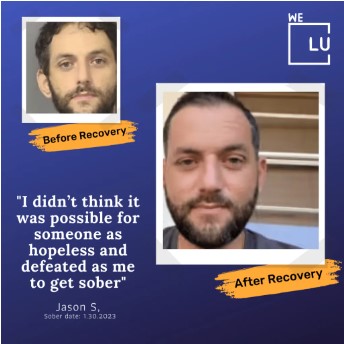
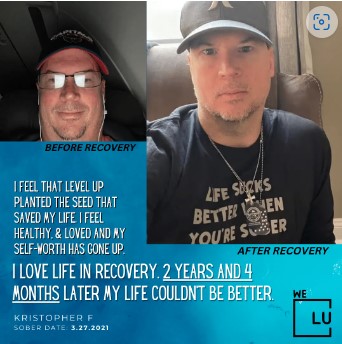
Experience Transformative Recovery at We Level Up Treatment Centers.
See our authentic success stories. Get inspired. Get the help you deserve.

Start a New Life
Begin with a free call to an addiction & behavioral health treatment advisor. Learn more about our dual-diagnosis programs. The We Level Up Treatment Center Network delivers recovery programs that vary by each treatment facility. Call to learn more.
- Personalized Care
- Caring Accountable Staff
- World-class Amenities
- Licensed & Accredited
- Renowned w/ 100s 5-Star Reviews
We’ll Call You
Sources
- National Institute of Mental Health. Post-Traumatic Stress Disorder Statistics. https://www.nimh.nih.gov/health/statistics/post-traumatic-stress-disorder-ptsd
- National Institute of Mental Health. Post-Traumatic Stress Disorder. https://www.nimh.nih.gov/health/publications/post-traumatic-stress-disorder-ptsd
- U.S. Department of Veterans Affairs, National Center for PTSD. Substance Use and PTSD. https://www.ptsd.va.gov/understand/related/substance_misuse.asp
- U.S. Department of Veterans Affairs, National Center for PTSD. Treatment of Co-Occurring PTSD and Substance Use Disorder. https://www.ptsd.va.gov/professional/treat/cooccurring/tx_sud_va.asp
- American Psychiatric Association. Diagnostic and Statistical Manual of Mental Disorders, Fifth Edition, Text Revision. https://www.psychiatry.org/psychiatrists/practice/dsm
- Substance Abuse and Mental Health Services Administration. Screening and Treatment of Co-Occurring Disorders. https://www.samhsa.gov/mental-health/serious-mental-illness/co-occurring-disorders
- Substance Abuse and Mental Health Services Administration. Co-Occurring Disorders and Other Health Conditions. https://www.samhsa.gov/substance-use/treatment/co-occurring-disorders
- Substance Abuse and Mental Health Services Administration. Treatment Options for Substance Use Disorder. https://www.samhsa.gov/substance-use/treatment/options
- National Library of Medicine. Post-Traumatic Stress Disorder. MedlinePlus. https://medlineplus.gov/posttraumaticstressdisorder.html
- U.S. Department of Veterans Affairs, National Center for PTSD. PTSD Treatment Decision Aid. https://www.ptsd.va.gov/apps/decisionaid/