
Benzo Addiction Treatment
Benzo addiction can develop after misuse, long-term use, or rising prescribed doses. These medicines slow brain activity and may cause sleepiness, memory loss, and poor balance. Common benzos include Xanax, Ativan, Valium, Klonopin, and Restoril for anxiety, seizures, or sleep. Mixing them with alcohol or opioids can slow breathing and cause a deadly overdose.
Dependence can form even when someone takes a benzodiazepine exactly as prescribed. Stopping suddenly may cause fear, shaking, confusion, seizures, or other dangerous reactions. Structured addiction treatment programs may include a slow taper, therapy, and mental health support. Treatment also helps clients rebuild sleep, manage triggers, and reduce relapse and overdose risks.
We Level Up Treatment Centers bases benzo care on dose history and withdrawal danger. Medical teams watch seizure risk while therapists address anxiety, trauma, sleep, and pill misuse. Care is available at seven accredited facilities across Florida, Texas, California, Washington, and New Jersey. Each plan supports safer prescriptions, stronger coping, and continued recovery after the taper ends.
Skip To:
How Do Benzos Affect Brain Structure?
Research has not found the same brain change in all benzo users. Some studies link long use with memory problems. Focus and learning may also become harder. These results do not affect every person.
Brain scan results remain mixed. Research has not proved one lasting pattern. Age and poor sleep can also affect thinking. A health review can help find the cause.
Who Should Not Use Benzos?
People should never use another person’s pills. They should not take more than directed. Lung disease and sleep apnea may raise risk. Liver problems may also change drug levels.
Pregnancy and older age need careful review. A history of substance abuse also matters. Doctors should review all drugs and health problems. They should also ask about past reactions.
Alcohol, opioids, sleep drugs, and other sedating medicines can slow breathing. These mixes may cause deep sleep, confusion, falls, coma, or death. The increased risk grows when several sedating drugs are used together. Anyone with blue lips, slow breathing, or no response needs emergency help.
Learn More:
- Benzo Detox Timeline, Withdrawal Symptoms, Care & Treatment
- The Dangers of Combining Benzos and Alcohol
- How Does Benzodiazepine Withdrawal Kill You?
- What is Benzodiazepine Withdrawal Psychosis?
- Benzodiazepines Cardiac Side Effects
- Risks of Benzodiazepines, Uses, Side Effects, and Drug Abuse
- Benzos and Depression. Can One Cause The Other?
- Benzos for Anxiety and Depression
- Ativan Vs Valium. What’s the Difference?
- Is Xanax Addictive? Signs, Effects & Treatment
Get Help. Get Better. Get Your Life Back.
Searching for Accredited Drug and Alcohol Rehab Centers Near You?
Even if you have failed previously and relapsed, or are in the middle of a difficult crisis, we stand ready to support you. Our trusted behavioral health specialists will not give up on you. When you feel ready or just want someone to speak to about therapy alternatives to change your life call us. Even if we cannot assist you, we will lead you to wherever you can get support. There is no obligation. Call our hotline today.
(844) 597-1011Signs of Benzo Addiction
Benzodiazepine abuse symptoms can affect sleep, memory, mood, work, health, and close ties. Some people take extra pills, seek early refills, or visit several doctors. Others keep using after falls, blackouts, family concern, or failed attempts to stop. Several warning signs support a prompt review by care staff.
Common warning signs include:
- Taking more medicine or using it more often than directed
- Feeling unable to sleep, work, or cope without the drug
- Seeking early refills or pills from several providers
- Mixing benzos with alcohol, opioids, or sleep medicines
- Hiding pills, spending, doses, or the true length of use
- Missing work, school, bills, family duties, or health visits
- Continuing after blackouts, falls, crashes, or health warnings
- Feeling shaking, fear, sweating, or confusion after missed doses
An overdose may cause extreme sleepiness, poor movement, slow breathing, or no response. The danger rises when benzos mix with opioids, alcohol, or other sedating drugs. Call emergency services when someone cannot wake, breathe normally, or stay aware. Tell responders about all known drugs because mixed overdoses need special care.

Level Up Treatment Lawrenceville
Drug & Alcohol Addiction Treatment Center w/Detox
Licensed & Accredited w/ 5-star reviews.- Inpatient addiction rehab center w/medical detox
- Addiction treatment and detox for alcohol, benzo, heroin, opioid, and more.
- Secondary mental health treatment available as part of our dual diagnosis programs.
We Level Up Washington
Premier Behavioral Health Treatment Center
Licensed & Accredited w/ 5-star reviews.- Inpatient mental health treatment center
- Therapy for depression, anxiety, trauma, bipolar disorder, PTSD, and more.
- Dual diagnosis rehab programs available

We Level Up California
Drug & Alcohol Addiction Treatment Center w/Detox
Licensed & Accredited w/ 5-star reviews.- Inpatient addiction rehab center w/medical detox
- Addiction treatment and detox for alcohol, benzo, heroin, opioid, and more.
- Secondary mental health treatment available as part of our dual diagnosis programs.
Why Can Benzos Cause Addiction?
People often ask, are benzos addictive. These medicines can help when used correctly. Regular use can change the brain’s response to GABA. The body may then expect the drug.
Tolerance can make the usual dose feel weak. Missed doses may cause fear or poor sleep. Some people seek early refills or larger amounts. Others start using outside medical care.
Physical dependence is not the same as addiction. It means the body has adapted to the drug. The body may react when the dose falls. This can happen during proper medical use.
Addiction includes lost control and strong urges. It can also lead to risky use. Some people keep using despite clear harm. A person may have one problem or both.
Doctors may find benzodiazepine use disorder when use causes harm or lost control. Signs may include cravings, risky use, missed duties, tolerance, withdrawal, and failed efforts to stop. The number of signs helps show how serious the problem is. Care should match the person’s use, health, mood, and safety needs.
The Importance of Benzo Detox
Benzodiazepine detox must be planned with care. Sudden stopping can cause severe withdrawal. Signs may include fear, shaking, sweating, or poor sleep. Nausea and confusion may also occur.
Seizures can happen in severe cases. Withdrawal from benzodiazepines can become life-threatening. Medical supervision helps staff choose a safe taper. Staff can also act when symptoms change.
The ASAM tapering guideline supports a slow taper when the risks outweigh the benefits. The safest pace depends on the drug, dose, use length, and health. Staff may slow the taper when symptoms become too strong or new risks appear. Detox should lead into therapy because a taper cannot change triggers or habits.
Get Your Life Back
Find Hope & Recovery. Get Safe Comfortable Detox, Addiction Rehab & Dual Diagnosis Trused Care.
7/365 Line (844) 597-1011How Benzo Addiction Is Treated
Treatment for benzo misuse involves more than lowering or stopping the medicine. A full plan may include a taper, therapy, peer help, and care for anxiety and insomnia. Staff should review each prescription, street drug, supplement, and alcohol use. Clear goals and checks help the plan change as the person improves.
Therapy can help clients spot triggers, manage fear, rebuild sleep, and prevent relapse. It may also address grief, trauma, family conflict, pain, or work stress. Care works best when clients use new skills outside treatment. A complete plan may include the following services and supports:
- Cognitive Behavioral Therapy: CBT links thoughts and triggers with drug use, then builds safer responses.
- Dialectical Behavior Therapy: DBT teaches mood control and skills for fear, anger, or conflict.
- Individual and Group Counseling: Private care builds trust, while groups provide support and feedback.
- Trauma-Informed Therapy: This care looks at how past harm may shape medicine misuse.
- Life Skills Training: Clients practice sleep, meals, money, work, planning, and clear talks.
- Holistic Therapies: Movement, breathing, yoga, and mindfulness may support calm and health.
- Relapse Prevention Planning: Clients list triggers, warning signs, support contacts, and response steps.
Care may also address unsafe housing, pill access, poor sleep, or peer pressure. Clients may need sober peers, safe storage, rides, legal help, or work support. Staff can help families set healthy limits without blame, threats, or shame. These steps can make recovery easier after treatment ends.
A safe benzo taper lowers withdrawal risks, but recovery must also rebuild sleep, coping, and prescription safety. We Level Up addresses these goals as a national substance abuse and mental health facility supporting long-term recovery.
Levels of Care for Benzo Addiction Treatment
The right level depends on withdrawal risk, dose, health, housing, and relapse. Some people need care all day, while others can stay safe at home. A guide to levels of care can help families compare the main choices. Current needs should guide placement instead of cost, travel, or pressure.
Medical Detox
Medical detox gives close care while the dose is lowered and withdrawal signs are managed. Staff check sleep, pulse, blood pressure, mood, thinking, shaking, and seizure risk each day. The taper may slow when symptoms grow or the person needs more time. Before discharge, the team plans therapy, medicine follow-up, safe housing, family support, and clear next steps for care after the person leaves and through the first week after discharge.
Residential Treatment
An inpatient rehab program gives care each day and night in a safe, structured setting. This level may fit high withdrawal risk, repeat relapse, unsafe housing, or weak home support. Clients follow a daily plan with therapy, groups, meals, health checks, rest, and recovery work. Staff watch symptoms, sleep, mood, medicine response, and safety before planning lower care and a safe return home with steady support during the first weeks back at home.
Partial Hospitalization Program
Partial hospitalization programs give many care hours on most weekdays without an overnight stay. Clients receive therapy, health support, relapse planning, and regular reviews from trained staff. They return home or to recovery housing each evening and practice new skills between visits. Safe housing, steady travel, regular attendance, and honest updates help this level work when risks change at home, during daily life, or when the person needs more support.
Intensive Outpatient Program
An intensive outpatient program offers several care sessions each week for people living safely at home. Clients may keep work, school, or family duties while receiving therapy and peer support. Sessions cover sleep, fear, cravings, relationships, routines, coping skills, and relapse prevention. Staff may raise care when drug abuse, unsafe housing, severe withdrawal, or serious symptoms return between visits, at home, or when the person cannot stay safe alone at home.
Telehealth Treatment
Telehealth can provide therapy, follow-up, and medicine reviews through private online visits. It may help people facing travel, work, health, distance, or child care barriers. Clients need privacy, stable internet, a working device, and a local emergency plan. In-person care is safer when seizure risk, severe withdrawal, unsafe housing, or urgent health needs require close support, local help, or hands-on checks from trained staff near home each day.
First-class Facilities & Amenities
Trusted Integrated Addiction & Mental Health Rehabilitation Treatment
Rehab Centers TourEstablished Addiction Centers. Serene Private Facilities. Inpatient rehab programs vary.
Addiction Helpline (844) 597-1011Comprehensive recovery success experience, backed by a Team w/ History of:
15+
Years of Unified Experience
100s
5-Star Reviews Across Our Centers
10K
Recovery Success Stories Across Our Network
- Low Patient to Therapist Ratio
- Onsite Medical Detox Center
- Comprehensive Dual-Diagnosis Treatment
- Complimentary Family & Alumni Programs
- Alumni Coaching, Recovery & Personal Development Events
The Role of Mental Health and Co-Occurring Disorders
Benzo misuse may occur with anxiety disorders. It may also occur with depression or PTSD. Bipolar disorder and OCD may also be present. Poor sleep can make these problems worse.
Some people use extra pills to escape fear. Others use them after trauma or stress. Dual diagnosis treatment can address each mental health disorder. Treating these needs apart may leave relapse risks.
Benzos may also be used with alcohol, opioids, cannabis, stimulants, or sleep medicines. These mixes can raise overdose danger and make reactions harder to treat. Mental health treatment may include therapy, sleep care, trauma support, and medicine review. Staff should address each drug and health need in one plan.
The Importance of a Strong Support Network
Recovery grows stronger with safe housing, routines, peer help, and family support. A support group can reduce isolation and offer feedback during hard changes. Alumni care may add meetings, coaching, events, and contact after treatment ends. Family care can rebuild trust, support safe use, and plan for warning signs.
We Level Up helps clients prepare for life after structured care. Plans may list contacts, meetings, coping tools, health visits, and emergency steps. Regular contact can help when sleep, fear, or cravings change. Long-term support also helps rebuild work, family roles, health, and purpose.
Is Benzo Addiction Treatment Right for Me?
Care may help when medicine use causes withdrawal, blackouts, falls, or missed duties. Other signs include strong urges, hidden use, relapse, or failed efforts to stop. A free drug and alcohol assessment can compare care choices. Asking for help does not force treatment and may prevent another serious reaction.
Insurance and Admissions Support
Many health plans cover detox, residential, day, outpatient, and mental health care. Benefits depend on the plan, network, costs, needed care, and rules. A specialist can verify rehab insurance and explain likely costs before treatment begins. Calls stay private, and staff can explain payment choices without pressure.
Specialized, Accredited, 5-Star Reviewed, Evidence-based Addiction & Mental Health Programs. Complete Behavioral Health Inpatient Rehab, Detox plus Co-occuring Disorders Therapy.
CALL(844) 597-1011End the Addiction Pain. End the Emotional Rollercoaster. Get Your Life Back. Start Drug, Alcohol & Dual Diagnosis Mental Health Treatment Now. Get Free, No-obligation Guidance by Substance Abuse Specialists Who Understand Addiction & Mental Health Recovery & Know How to Help.
Top 6 Addiction To Benzos FAQs
What are common benzos?
Common benzos include alprazolam, lorazepam, diazepam, clonazepam, and temazepam. Brand names include Xanax, Ativan, Valium, Klonopin, and Restoril. These medicines differ in strength and how long they remain active. A doctor should guide each dose change because sudden stopping may cause dangerous withdrawal.
What are common benzo side effects?
Common effects include sleepiness, poor balance, slow thinking, weak movement, and memory problems. Some people also feel confused, depressed, or less alert. Driving and other risky tasks may become unsafe after a dose. Severe sleepiness or slow breathing needs urgent care, especially after mixing sedating drugs.
Can dependence form during prescribed use?
Physical dependence can form even when someone takes a benzo exactly as directed. The risk may rise with larger doses and longer treatment. Dependence means the body has adapted and reacts when the dose falls. It does not always mean addiction, but each taper still needs medical guidance.
Can benzo withdrawal be dangerous?
Benzo withdrawal can cause fear, shaking, poor sleep, confusion, and seizures. Risk may be greater after high doses, long use, or a fast dose cut. A slow taper can lower risk and make symptoms easier to manage. Seizures, severe confusion, or self-harm thoughts need urgent medical care.
How long can benzo detox take?
There is no single detox length that fits every person or medicine. The process may last weeks or months based on dose, use length, health, and symptoms. A fast taper can cause serious harm, so safety matters more than speed. Staff should adjust the plan based on the person’s response.
How is benzo addiction treated?
Care may include a medical taper, therapy, mental health support, peer help, and relapse planning. The right level depends on withdrawal risk, housing, other drugs, and current symptoms. Continued support helps clients rebuild sleep, trust, coping skills, and daily stability. Care should also address safe medicine use and future prescriptions.
Start Your Recovery Today
Benzo addiction can harm health, memory, work, safety, trust, and family life. Care can address withdrawal, strong urges, unsafe use, and reasons the problem continued. Recovery remains possible after relapse, falls, overdose, or years of medicine misuse. A private call can be the first step toward safer care.
Help can begin before every treatment question has a clear answer. Staff can explain care, insurance, travel, timing, and the first day. The call stays private and does not require an immediate treatment choice. Clear facts can make the next step safer for each person and family.
We Level Up Treatment Centers operates seven accredited facilities across Florida, Texas, California, Washington, and New Jersey, each staffed by licensed physicians, psychologists, and therapists delivering individualized care. No matter where you are, our admissions team can help you explore treatment options. Private help is available 24 hours a day, seven days a week. Call (954) 475-6031 to request an assessment and discuss your next step.
[Call Now: (954) 475-6031] [Verify Insurance] [Free Assessment]
Prescription Drug Abuse, Prescription Medication Addiction Recovery & Sobriety Story Video.
Jen’s Addiction Recovery Testimonial Video Transcript.
“I wanted my life back. I was a shell of a person. I wanted to be trusted; I wanted relationships back that I lost, mainly my children and family.
It started innocent enough, I got into a car accident, and then I got sucked into the whole, you know, medication issue with the pills. And before I knew it, I was in a cloud.
I was sucked in by addiction, and with my mind, I kept thinking it was OK because a doctor was prescribing this for me, a doctor was giving me this, a doctor was giving me that. So, I didn’t think I was doing anything wrong.
Level Up supports my family and my relationships with my family, and they’ve helped me grow as a person.
When I first started there, I was so intimidated and scared, you know? But, they’ve taught me, they’ve taught me how to come into my own.
And then, you know, when I get the call from my twenty-one-year-old daughter in the middle of the day, to say ‘I love you, Mom.’ That’s amazing.”
Experience Transformative Recovery at We Level Up Treatment Centers.
See our authentic success stories. Get inspired. Get the help you deserve.
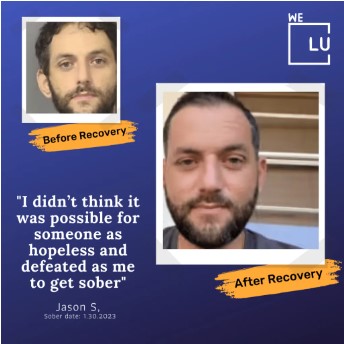
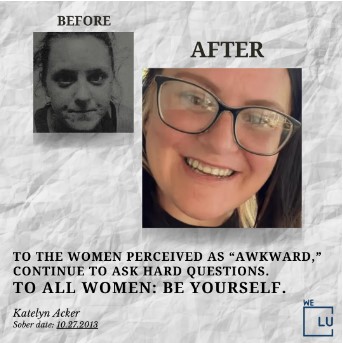
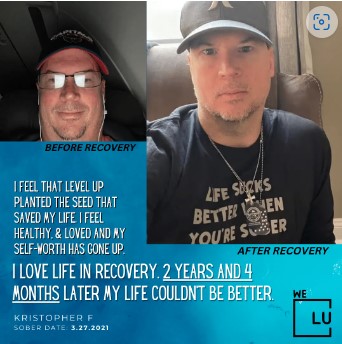
Start a New Life
Begin with a free call to an addiction & behavioral health treatment advisor. Learn more about our dual-diagnosis programs. The We Level Up Treatment Center Network delivers recovery programs that vary by each treatment facility. Call to learn more.
- Personalized Care
- Caring Accountable Staff
- World-class Amenities
- Licensed & Accredited
- Renowned w/ 100s 5-Star Reviews
We’ll Call You