

Marijuana Addiction Treatment
Many people see marijuana as a harmless drug. But regular use can still turn into real dependence. Doctors call this cannabis use disorder. It happens when your brain and body get used to marijuana and struggle to work right without it.
If you are searching for marijuana addiction help, you are not alone. Many people start using marijuana for stress or sleep. Later, they find it hard to stop.
We Level Up Treatment Centers offers marijuana addiction help through accredited centers across the nation. We have locations in Florida, Texas, California, Washington, and New Jersey. We offer medical detox. We provide therapy. We treat dual diagnosis. We also have a licensed telehealth program for clients who want support at home.
Marijuana use disorder can also show up with a substance use disorder. That is why a full checkup matters before treatment starts. If you are ready to quit, a supervised marijuana detox is often the safest first step.
Not everyone who uses marijuana becomes addicted. Genes, mental health history, and how often you use all play a role. Teen marijuana addiction is a special concern, since a teen’s brain is still growing and may be more sensitive to long-term harm. Spotting the problem early gives someone the best shot at full recovery.
Skip To:
What Is Marijuana?
Marijuana comes from the cannabis plant. People smoke it, vape it, or eat it in foods.
It contains THC, a chemical that changes how the brain works. THC is what causes the “high” feeling, and it affects mood, memory, and focus.
Some states allow marijuana for medical or recreational use. But it can still lead to addiction, called cannabis use disorder, especially with regular, heavy use.
Who Should Avoid Marijuana Use?
Marijuana is not safe for everyone. This is true even where it is legal. People with a personal or family history of substance use disorder face a higher risk. Their brain’s reward system may already be more sensitive to addictive substances.
Pregnant or nursing people should avoid marijuana. THC can cross the placenta. It can also pass into breast milk. Studies link this to lower birth weight and other harm. People with a history of psychosis, schizophrenia, or bipolar disorder also face a higher risk. Marijuana can trigger or worsen these conditions.
Young people need special care here. Teen marijuana addiction tends to move faster than adult addiction. This is because a teen’s brain is still building its reward and judgment centers. A doctor or mental health expert can check if use has turned into dependence for anyone at higher risk.
Get Help. Get Better. Get Your Life Back.
Searching for Accredited Drug and Alcohol Rehab Centers Near You?
Even if you have failed previously and relapsed, or are in the middle of a difficult crisis, we stand ready to support you. Our trusted behavioral health specialists will not give up on you. When you feel ready or just want someone to speak to about therapy alternatives to change your life call us. Even if we cannot assist you, we will lead you to wherever you can get support. There is no obligation. Call our hotline today.
(844) 597-1011Signs of Marijuana Addiction
Marijuana addiction often builds up slowly. The signs can be easy to miss or explain away. Look for a pattern of behavior, not just one bad day. That is the best way to spot a real problem.
Common signs of marijuana addiction include:
- Needing more marijuana over time for the same effect
- Trying and failing to cut back or quit
- Spending a lot of time getting, using, or recovering from use
- Using marijuana even when it causes problems at work, school, or home
- Giving up hobbies or friends to keep using
- Feeling irritable, anxious, or unable to sleep without it
- Strong, ongoing craving for weed even after weeks without it
- Using marijuana in risky spots, like right before driving
If several of these signs sound familiar, it may be time to talk to a treatment expert about marijuana addiction help.
Why Is Marijuana Addictive?
Marijuana’s addictive pull comes from brain chemistry. THC locks onto receptors in your brain’s reward circuit. This releases dopamine. That is what causes the relaxed, high feeling many users describe.
With repeated use, your brain makes less of its own natural version of these chemicals. It leans on THC to feel balanced instead. This is how tolerance and dependence build. Many users say they feel physically addicted to weed. They notice signs like irritability, restlessness, or appetite changes when they stop.
Strength matters too. Today’s marijuana often has much higher THC levels than it did decades ago. Some users move on to synthetic marijuana addiction through products like K2 or Spice. These carry an even higher risk of bad reactions and dependence. The National Institute on Drug Abuse reports that cannabis use disorder can develop in regular users. The risk grows with an earlier age of first use and more frequent use.

Get Your Life Back
Find Hope & Recovery. Get Safe Comfortable Detox, Addiction Rehab & Dual Diagnosis Trused Care.
7/365 Line (844) 597-1011The Importance of Marijuana Detox
Most people benefit from a period of medical detox first. This happens before therapy or a full treatment program starts. Detox lets your body clear out THC. A clinical team watches for withdrawal symptoms and offers support the whole time.
Marijuana withdrawal rarely turns dangerous. But it can still feel very uncomfortable. Symptoms may include irritability, anxiety, poor sleep, low appetite, headaches, or an upset stomach. Trying to quit alone, without support, often leads to relapse. Cravings can feel overwhelming during the first one to two weeks.
Medically supervised detox helps manage these symptoms safely. It gives patients a stable base before they start therapy. Detox alone does not fix the root causes of addiction. It is just the first step. It prepares someone for the deeper work that comes next.
How Marijuana Addiction Is Treated
Real marijuana addiction treatment goes far beyond detox. Long-term recovery means facing the thoughts, triggers, and habits behind the use. Structured care, like residential or outpatient programs, gives patients the tools to build a drug-free life.
Common evidence-based therapies for marijuana addiction include:
- Cognitive Behavioral Therapy (CBT): Helps patients spot unhelpful thoughts that lead to cravings. It teaches real ways to handle triggers.
- Dialectical Behavior Therapy (DBT): Builds skills to manage strong emotions. This helps patients who use marijuana to cope with stress.
- Individual and Group Counseling: One-on-one sessions dig into the root causes of addiction. Group sessions build support and accountability.
- Trauma-Informed Therapy: Looks at past events that may be driving ongoing use.
- Life Skills Training: Builds healthy daily habits and coping tools for the long run.
- Holistic Therapies: Yoga and mindfulness support the whole person, not just the addiction.
- Relapse Prevention Planning: Helps patients spot their triggers and build a clear plan to stay sober.
First-class Facilities & Amenities
Trusted Integrated Addiction & Mental Health Rehabilitation Treatment
Rehab Centers TourEstablished Addiction Centers. Serene Private Facilities. Inpatient rehab programs vary.
Addiction Helpline (844) 597-1011Comprehensive recovery success experience, backed by a Team w/ History of:
15+
Years of Unified Experience
100s
5-Star Reviews Across Our Centers
10K
Recovery Success Stories Across Our Network
- Low Patient to Therapist Ratio
- Onsite Medical Detox Center
- Comprehensive Dual-Diagnosis Treatment
- Complimentary Family & Alumni Programs
- Alumni Coaching, Recovery & Personal Development Events
Levels of Care for Marijuana Addiction Treatment
No two recovery paths look the same. We Level Up offers a full range of care that fits the severity of the addiction and any other conditions.
Medical Detox
Medical detox gives 24/7 care as your body clears THC. The clinical team watches for withdrawal symptoms, eases discomfort, and preps patients for the next stage of care.
Residential Treatment
Residential treatment offers intense, round-the-clock care in a structured setting away from outside distractions. This level of care fits patients with severe dependence, other mental health issues, or a history of relapse.
Partial Hospitalization Program (PHP)
PHP mixes high clinical structure with the freedom to go home each evening. Patients attend daily therapy and get close monitoring as they regain independence.
Intensive Outpatient Program (IOP)
IOP lets patients keep up with work, school, or family while going to therapy a few times a week. It builds coping skills in a real-world setting.
Telehealth Treatment
Telehealth gives patients remote access to therapy and clinical support through secure video calls. This helps those with transportation or scheduling limits.
Specialized, Accredited, 5-Star Reviewed, Evidence-based Addiction & Mental Health Programs. Complete Behavioral Health Inpatient Rehab, Detox plus Co-occuring Disorders Therapy.
CALL(844) 597-1011End the Addiction Pain. End the Emotional Rollercoaster. Get Your Life Back. Start Drug, Alcohol & Dual Diagnosis Mental Health Treatment Now. Get Free, No-obligation Guidance by Substance Abuse Specialists Who Understand Addiction & Mental Health Recovery & Know How to Help.
Mental Health and Co-Occurring Disorders
Marijuana addiction often shows up with other mental health conditions. When these issues are treated separately, the risk of relapse goes up. Untreated symptoms can push someone back toward substance use.
Common co-occurring conditions include anxiety disorders, panic disorder, major depression, PTSD, sleep disorders, bipolar disorder, and OCD. Integrated dual-diagnosis care treats marijuana addiction and any other condition together, in one plan. This approach works better than treating addiction and mental health apart.
The Importance of a Strong Support Network
Recovery lasts longer with a solid support system in place. Safe living spaces, peer groups, and steady accountability all lower the risk of relapse in early sobriety.
Alumni programs and family support matter a lot after treatment ends. Ongoing peer contact keeps former patients motivated. Family involvement rebuilds trust and improves talk at home. Long-term recovery from marijuana addiction is possible with steady support from people who understand the journey.
Is Marijuana Addiction Treatment Right for Me?
Marijuana addiction treatment may be worth a look if you or someone you love:
- Feel unable to relax, sleep, or function without marijuana
- Feel irritable or anxious when use is delayed or stopped
- Have tried to quit before but went back to regular use
- Use marijuana along with alcohol or other drugs
- Notice ongoing craving weed even during time off from it
- Feel strain in relationships, work, or school because of use
A professional check-up can help find the right level of care for your case.
Insurance and Admissions Support
Most insurance plans cover some part of marijuana addiction treatment. Our admissions team is on call 24/7. They can check your benefits, explain your coverage in plain terms, and answer questions in a private setting.
We work with most major insurance carriers. We can often finish a benefits check within one to two hours. Self-pay options and flexible payment plans are also open to those without insurance. If you or a loved one needs help right now, the SAMHSA National Helpline gives free, private referrals around the clock. Reaching out is the hardest part. Our team is here to handle the rest.
You can verify your insurance online in just a few minutes to see what your plan covers.
Start Your Recovery Today
If you or someone you love is fighting marijuana addiction, help is here right now. Professional treatment gives you the structure, therapy, and support to build lasting recovery and avoid relapse.
We Level Up Treatment Centers runs seven accredited facilities across Florida, Texas, California, Washington, and New Jersey. Licensed physicians, psychologists, and therapists staff each one and give care built around you. No matter where you are, we’re here to help you take the first step.
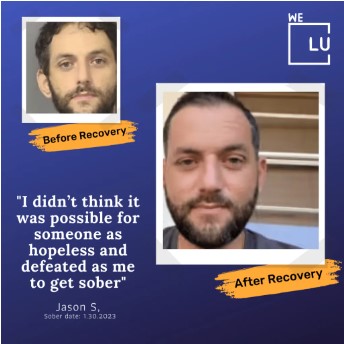
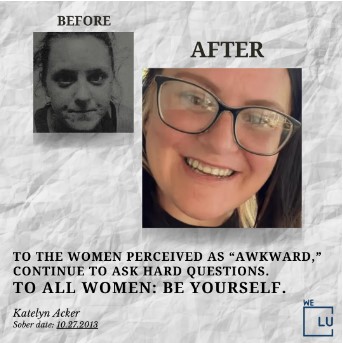
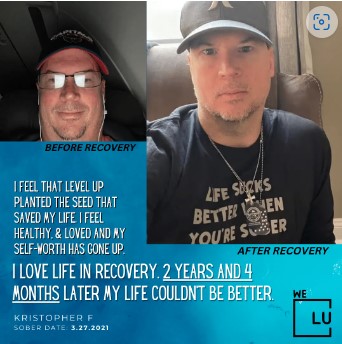
Experience Transformative Recovery at We Level Up Treatment Centers.
See our authentic success stories. Get inspired. Get the help you deserve.
Start a New Life
Begin with a free call to an addiction & behavioral health treatment advisor. Learn more about our dual-diagnosis programs. The We Level Up Treatment Center Network delivers recovery programs that vary by each treatment facility. Call to learn more.
- Personalized Care
- Caring Accountable Staff
- World-class Amenities
- Licensed & Accredited
- Renowned w/ 100s 5-Star Reviews
We’ll Call You
FAQs About Marijuana Addiction
Can you get addicted to weed?
Yes. Regular, heavy marijuana use can lead to cannabis use disorder, a real form of addiction. Signs include tolerance, cravings, and trouble cutting back despite bad outcomes.
Is weed physically addictive?
Marijuana is not physically addictive in the same way as alcohol or opioids. But regular use can still cause real physical withdrawal, like poor sleep, low appetite, and headaches. Many long-term users say they feel physically addicted to weed once they try to stop.
What is synthetic marijuana addiction?
Synthetic marijuana, sold as K2 or Spice, is a lab-made drug sprayed on plant material to copy THC’s effects. It carries a higher risk of bad reactions and addiction than natural marijuana. It often needs special treatment.
Is teen marijuana addiction different from adult addiction?
Yes. Teen marijuana addiction tends to develop faster. It also affects brain growth more, since a teen’s brain is still forming key reward and decision-making pathways.
How long does marijuana withdrawal last?
Withdrawal symptoms usually peak in the first week after quitting. They improve a lot within two to three weeks. Cravings can last longer for some people.
Does insurance cover marijuana addiction treatment?
Most insurance plans cover some part of substance use treatment. Our admissions team can check your exact benefits for free, with no obligation.
Watch The Side Effects of Weed, CBD Edibles Timeline & Half-Life Informative Video
Video Script
Edibles refer to food items infused with cannabis, encompassing a wide range of options such as sweets like gummies or baked goods and unconventional choices like salad dressings or beef jerky.
These infused products provide a nuanced and potent marijuana experience that can persist for several hours. In today’s market, there is a proliferation of edibles and CBD-infused products, resulting in a diverse array of delectable creations that showcase creativity and occasional potency. Unlike smoking or vaping, which offer quicker onset but shorter duration, edibles offer a sustained and powerful effect once ingested.
However, it is essential to understand the duration and intensity of edibles’ effects, which can vary depending on factors such as dosage and individual metabolism. Discover more about the effects of edibles and the variables that influence the duration and strength of the resulting highs.
Search We Level Up Marijuana Addiction Resources
Sources
- “Marijuana and Public Health: Cannabis Use and the Risk of Developing a Psychotic Disorder”: https://www.ncbi.nlm.nih.gov/pmc/articles/PMC6141146/
- “Marijuana and Psychosis: What Does the Science Say?”: https://www.drugabuse.gov/publications/research-reports/marijuana/marijuana-psychosis-what-does-science-say
- “Marijuana and Psychosis”: https://www.ncbi.nlm.nih.gov/pmc/articles/PMC5414724/
- “Marijuana and Mental Health”: https://www.nimh.nih.gov/health/publications/marijuana-and-mental-health/index.shtml
- “Marijuana Use and Risk of Psychosis”: https://www.ncbi.nlm.nih.gov/pmc/articles/PMC5840341/
- “Cannabis Use and Risk of Psychosis in Adolescents and Young Adults”: https://www.ncbi.nlm.nih.gov/pmc/articles/PMC6474165/
- “Cannabis-Induced Psychosis: A Review”: https://www.ncbi.nlm.nih.gov/pmc/articles/PMC7330600/
- National Institute on Drug Abuse (NIDA): https://www.drugabuse.gov/publications/research-reports/marijuana/marijuana-addictive
- Substance Abuse and Mental Health Services Administration (SAMHSA): https://www.samhsa.gov/find-help/national-helpline
- Centers for Disease Control and Prevention (CDC): https://www.cdc.gov/