

Anorexia Nervosa Treatment Programs at We Level Up
Clinically Reviewed by Lauren Barry, LMFT, MCAP, QS
Medically Reviewed by Ali Nikbakht, PsyD
Reviewed / Updated: September 17, 2026 — Editorial Policy | Research Policy | Privacy Policy
By We Level Up | Author Giselle Leung, PharmD, BCGP | Editorial Policy | Research Policy
Anorexia nervosa causes severe food limits and a strong fear of gaining weight. NIMH reports that the disorder affects about 0.6% of U.S. adults during life. It can weaken the heart, bones, hormones, mood, focus, and daily strength. Some people also face anxiety, trauma, rigid thoughts, self-harm, or substance use.
Treatment often combines meal support, therapy, medical checks, and help for loved ones. Clinicians review weight changes, eating rules, exercise, mood, medicines, and safety risks. Early goals focus on medical stability, steady eating, and fewer harmful behaviors. Care plans change as health, trust, coping skills, and daily function improve.
At We Level Up Treatment Centers, anorexia care begins with protecting the body. Seven accredited programs connect medical, nutrition, and mental health support across the country. The network spans Florida, Texas, California, Washington, and New Jersey with varied care options. Teams may address food fear, low weight, body distress, substance use, and relapse.
What Is Anorexia Nervosa?
Anorexia nervosa causes ongoing food restriction that leads to a very low body weight. The disorder includes intense fear of weight gain and actions that prevent needed gain. Body weight or shape may strongly affect self-worth and choices. A trained team must review the pattern before diagnosis.
The illness is not a diet, choice, or failure of willpower. People of any age or background can develop anorexia. Some recognize the danger, while others cannot see its severity. It may occur with mood, trauma, eating, or substance concerns.
Anorexia Nervosa and Related Disorders
Anorexia can occur with fear, low mood, trauma, self-harm, or obsessive compulsive disorder. Certain personality traits, including perfectionism or rigid thinking, may affect progress. Broader mental health treatment may help when emotional symptoms block progress. Care should address each need affecting risk, eating, and daily life.
Anorexia nervosa vs bulimia nervosa differs in weight status and the full symptom pattern. Bulimia involves large amounts of food eaten with lost control during a binge. A large amount may be followed by vomiting, laxatives, fasting, or extreme exercise. People with anorexia may show similar actions, so a review identifies the main illness.

Common Forms of Anorexia Nervosa
DSM-5-TR recognizes two anorexia types and describes remission status. Clinicians use these details to explain symptoms and guide care. A related illness can cause harm without very low body weight. Common forms include the following.
- Restricting type: Weight loss occurs mainly through food limits, fasting, or excessive exercise.
- Binge-eating and purging type: Restriction occurs with binge eating, vomiting, or laxative misuse.
- Partial remission: Some features improve, but low weight, fear, or body concerns remain.
- Full remission: Full criteria are no longer met for a sustained period.
- Atypical anorexia nervosa: A related OSFED diagnosis with major weight loss without very low weight.
Early Signs and Symptoms of Anorexia
The early signs of anorexia nervosa may affect eating, mood, exercise, health, or social life. One eating disorder symptom alone cannot confirm the illness. A distorted body image may make someone feel larger despite clear weight loss. An early check can reduce harm and improve access.
- Skipping meals, eating very little, or creating strict food rules.
- Avoiding food groups without a medical or cultural reason.
- Showing intense fear of gaining weight.
- Checking weight, calories, or body shape many times each day.
- Exercising despite weakness, injury, illness, or doctor advice.
- Feeling cold, dizzy, tired, faint, or unable to focus.
- Withdrawing from meals, friends, school, work, or family events.
- Developing slow heart rate, low blood pressure, or digestive problems.
Questions about our Facilities or Programs?
Our admissions team is available 24/7 to answer questions about care. Staff can explain sites, age rules, health plans, and intake. They can discuss whether a program meets current eating and health needs. Placement depends on review, health, license, plan rules, and space.
[Talk To Our Team: (954) 475-6031]

How Anorexia Nervosa Is Diagnosed
A full mental health assessment reviews eating, weight changes, body concerns, exercise, mood, drugs, and daily life. Staff ask about vomiting, laxatives, fainting, self-harm, trauma, and past care. Checks may include vital signs, blood tests, heart testing, and exams. These findings reveal urgent risks and similar health problems.
The criteria for diagnosing anorexia nervosa come from the Diagnostic and Statistical Manual of Mental Disorders. DSM-5-TR requires restricted intake, very low weight, fear of gain, and disturbed body experience. A mental health professional also considers age, sex, growth history, health, and recent weight changes. Clear findings support safer health, meal, and care choices.
Evidence-Based Anorexia Treatment Options
Research on treating eating disorders supports personal, joined care. NICE guidance recommends talk sessions, food support, and health checks. Weight restoration matters because poor intake can worsen fear, mood, and thinking. The plan should change as health and support needs change.
Talk Therapy and Coping Strategies
Talk sessions can challenge food rules, body distress, avoidance, and harsh self-judgment. It may also build problem solving, stress control, self-worth, and relapse skills. Care with parents often helps children and teens with meals and conflict. The best method depends on age, health, past care, and preference.
EMDR may help when trauma remains active after eating and health become stable. Trauma work should never replace safer eating or health care. Patients should understand each method before it begins. Care must protect trust and keep the body safe.
Medication Support
Prescription drugs should not be the only treatment for anorexia nervosa. A prescriber may treat low mood, fear, sleep problems, or another need. Very low intake can change effects and increase side effects. Reviews should cover heart risk, electrolytes, other drugs, and substance use.
Some drugs have been studied for weight gain or rigid thoughts, but results remain mixed. Drugs may work better after eating and health improve. Patients should not change drugs without doctor advice. Follow-up balances benefits, risks, and health needs.
Integrated Mental Health Care
The illness may occur with trauma, mood needs, self-harm, rigid thoughts, or drug use. Joined care places eating, health, mood, and substance needs in one plan. This reduces mixed advice, repeat checks, and missed risks. Shared goals help each provider support progress.
Anorexia treatment must rebuild nutrition without adding shame, fear, or pressure. We Level Up supports this goal through national substance abuse and mental health facility care that also addresses body image and drug use.
We Level Up’s Approach to Anorexia Treatment
We Level Up begins with a review of eating, past weight, health risk, and goals. Care may include private sessions, meal support, help for loved ones, wellness care, and group therapy. Staff track meals, symptoms, vital signs, mood, daily actions, and function. Plans change when health, risk, or progress changes.
A treatment plan for anorexia nervosa may include meals, health checks, coping skills, and home support. Staff challenge rigid food rules without shame, threats, or body criticism. Goals may include better intake, safer daily habits, and more freedom. Discharge planning starts early so progress can continue after care.
Recovery is not defined by one number, clothing size, or appearance. Staff should respect culture, identity, food access, sensory needs, and past treatment. Patients can discuss which methods feel helpful, difficult, or unsafe. Teamwork can build trust, choice, steady practice, and long-term stability.
What Our Anorexia Treatment Program Offers
Care should protect health while rebuilding safer eating and coping patterns. Services differ by site, age, health need, plan rules, and access. Each patient should know why care is suggested. Support may include the following.
- Eating, health, mood, and substance use screening.
- Personal goals with regular safety and progress reviews.
- Meal support, food teaching, and guided food exposure.
- Therapy for body distress, rigid rules, fear, and trauma.
- Family teaching, peer support, and communication skills.
- Referrals for continued medical, nutrition, and therapy care.
We Level Up is a Joint Commission-accredited treatment network. Our team follows standards for rights, safe care, training, and quality. Special eating care is not offered at every site. Intake staff must confirm whether a location can meet each patient’s needs.

Levels of Care for Anorexia Treatment
The right levels of care depend on health risk, eating, support, and daily function. Some patients remain home while attending visits. Others need hospital, live-in, or day care because health risks are high. The team should explain why a setting fits.
Inpatient Anorexia Treatment
An inpatient rehab program may help when severe mood or substance needs require full-time support. Fainting, dehydration, electrolyte problems, or rapid weight loss may require hospital care first. Some patients need a specialist eating disorder unit. Intake staff should confirm health fit before travel.
Inpatient care may include meals, private sessions, health checks, and plans for urgent risks. Staff may also address low mood, trauma, self-harm, substance use, and sleep. Early goals focus on staying safe, regular intake, and fewer harmful actions. Discharge plans should include talk sessions, health follow-up, meal support, and crisis contacts.
Outpatient Anorexia Treatment
Outpatient care lets stable patients live at home while attending scheduled visits. It may include talk sessions, food support visits, health checks, and sessions with loved ones. Patients need support to follow plans and report worsening symptoms. Frequent review matters because health risk can change quickly.
A partial hospitalization program offers more structure without overnight care. Suitable programs may provide meals, talk sessions, food support, and health checks. We Level Up does not provide every service at every site. Intake staff can explain options or specialist referrals.
Telehealth Anorexia Treatment
Telehealth may support talk sessions, food visits, help for loved ones, and follow-up. It can help with travel, work, school, access, or home barriers. Remote care works best when patients stay stable with local support. State rules, age, health plans, risk, and program limits may affect access.
Video visits cannot replace exams, blood tests, heart testing, or urgent care. Patients may need local weight checks, primary care, or eating disorder specialists. The team should plan for fainting, chest pain, confusion, weakness, or falling intake. Remote care should remain linked with local providers.
What to Expect During Anorexia Treatment
Treatment addresses health, food, thoughts, actions, close ties, and goals. Early work reviews intake, weight change, health risks, workouts, and support. Progress requires practice during meals, sessions, and daily life. Common activities may include these steps.
- Individual Therapy: Patients review food rules, body distress, goals, and progress.
- Nutrition Support: A dietitian may guide meal structure, food variety, and safe restoration.
- Group Support: Patients practice coping skills and reduce isolation.
- Care Reviews: Staff monitor health, eating, safety, medicines, and barriers.
Practice helps safer meal routines feel familiar during stress. Home support works best when calm, clear, and free from body comments. Setbacks do not erase progress, but they may show more help is needed. Staff can change the plan when health, eating, mood, or risks shift.
Co-Occurring Disorders Associated With Anorexia and Addiction
Anorexia often occurs with fear, low mood, trauma, rigid thoughts, and substance use. Some people misuse drugs to numb distress, reduce appetite, or control weight. A dual diagnosis treatment plan can address eating and substance needs together. Screening should cover concerns affecting health, risk, and progress.
- Anxiety: Alcohol or sedatives may reduce meal fear but worsen health and sleep.
- Depression: Substances may numb guilt, hopelessness, isolation, or low self-worth.
- Trauma: Drugs may block memories while food limits create a false sense of control.
- Stimulant misuse: Stimulants may be used to reduce appetite, fatigue, or body weight.
- Alcohol misuse: Alcohol can worsen low blood sugar, dehydration, falls, and poor judgment.
Joined care may include talk sessions, meal support, health checks, relapse plans, and addiction care. Staff should ask about compensatory behaviors, alcohol, stimulants, opioids, nicotine, laxatives, and other substances without judgment. One plan can address food limits, cravings, withdrawal, mood, and risk. Clear team contact prevents mixed advice and missed risks.
Treatment Options and Care Pathways
Many patients begin with outpatient care, meal support, and health follow-up. Others need more structure because poor health, purging behavior, self-harm, or substance use raises risk. Care may step down as health improves and eating stabilizes. Each transition should protect progress and support.
Care changes should reflect current needs, not a fixed schedule. The team reviews meals, vital signs, mood, workouts, substances, and daily function. A setback may require more health care, meal support, or close checks. Flexible planning helps treatment match changing risks and goals.
Insurance and Accessibility
We Level Up works with many health plans, but insurance rules and costs differ. Benefits may depend on diagnosis, need, care level, site, and services. Intake staff can check networks, approvals, deductibles, and known costs. They will explain confirmed details before care begins.
Cost, distance, disability, or shame should not prevent treatment questions. Staff can review payment needs, access, travel, and care options. They can explain whether remote care may fit. Call (954) 475-6031 for help with plans and intake.
Take the Next Step Toward Anorexia Treatment
Anorexia can feel isolating, but effective care can protect health and support healing. We Level Up shapes care around eating, health risks, strengths, and goals. Call (954) 475-6031 to discuss care or schedule a private review. Seek urgent care for fainting, chest pain, confusion, weakness, fluid loss, or danger.
Our sites include We Level Up Tamarac/Fort Lauderdale, We Level Up Lake Worth, and We Level Up West Palm Beach. The network also includes We Level Up California in Lake Elsinore and Level Up Treatment Lawrenceville. We Level Up Washington is in Spokane Valley, while We Level Up Texas in Kingwood is coming soon. Programs, licenses, age rules, support, and space differ by facility.
[Call Now: (954) 475-6031] [Verify Insurance] [Free Assessment]
Frequently Asked Questions About Anorexia Nervosa
Can anorexia and depression be treated together?
Yes, both conditions can share one plan. Staff review mood, eating, sleep, drugs, and risk. Talk sessions, meal support, and health care may help. Reviews guide changes as health improves.
Can anorexia co-occur with addiction?
Yes, anorexia can occur with alcohol or other drugs. Some people use substances to manage appetite or distress. Joined care addresses eating, cravings, withdrawal, and health risks. Shared goals help providers avoid conflicting advice.
Is telehealth available for anorexia treatment?
Remote care may help when video visits are safe and useful. It can support talk sessions, food visits, sessions with loved ones, and follow-up. High health risks require in-person care. Staff can explain access and local monitoring needs.
How long does anorexia treatment usually last?
Care length depends on health, risk, support, and progress. Some programs last weeks or months. Follow-up may continue longer. Healing takes time.
Can anorexia improve without treatment?
Symptoms may change, but anorexia often continues or returns without care. Delay can increase heart, bone, hormone, and mood risks. Early support can improve safety. A full review can guide the next step.
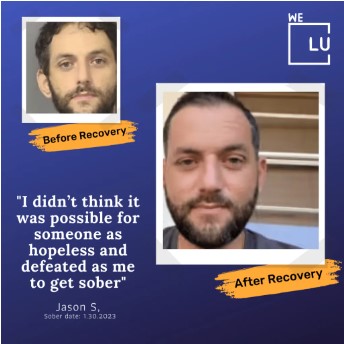
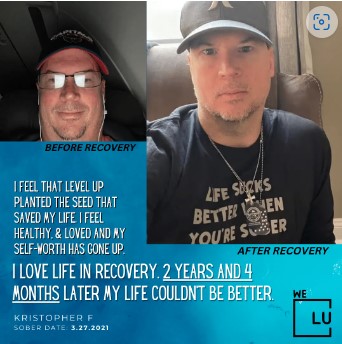
Experience Transformative Recovery at We Level Up Treatment Centers.
See our authentic success stories. Get inspired. Get the help you deserve.

Start a New Life
Begin with a free call to an addiction & behavioral health treatment advisor. Learn more about our dual-diagnosis programs. The We Level Up Treatment Center Network delivers recovery programs that vary by each treatment facility. Call to learn more.
- Personalized Care
- Caring Accountable Staff
- World-class Amenities
- Licensed & Accredited
- Renowned w/ 100s 5-Star Reviews
We’ll Call You
Search We Level Up Anorexia Nervosa, Mental Health Topics & Resources
Sources
- NIMH. Statistics. https://www.nimh.nih.gov/health/statistics/eating-disorders
- NIMH. Overview. https://www.nimh.nih.gov/health/publications/eating-disorders
- APA. DSM-5-TR. https://www.psychiatry.org/psychiatrists/practice/dsm/about-dsm
- NICE. Eating Disorders. https://www.nice.org.uk/guidance/ng69/chapter/Recommendations
- Himmerich et al. https://pubmed.ncbi.nlm.nih.gov/39239867/
- Toppino et al. https://pubmed.ncbi.nlm.nih.gov/38767754/
- Marcolini et al. https://pubmed.ncbi.nlm.nih.gov/38654374/
- Komarova et al. https://pubmed.ncbi.nlm.nih.gov/38466637/
- van den Berg et al. https://pubmed.ncbi.nlm.nih.gov/38469034/
- MedlinePlus. Anorexia. https://medlineplus.gov/anorexianervosa.html