

Percocet Addiction Rehab at We Level Up
Percocet addiction occurs using a prescription painkiller that contains a combination of oxycodone (a synthetic opiate) and acetaminophen. Which leads to deadly signs, symptoms, & side effects of Percocet Addiction. Read More to find out about treatment options for you or your loved ones who are struggling.
Clinically Reviewed by Lauren Barry, LMFT, MCAP, QS
Medically Reviewed by Ali Nikbakht, PsyD
Reviewed / Updated: August 12, 2026 — Editorial Policy | Research Policy | Privacy Policy
By We Level Up | Editor Yamilla Francese | Clinically Reviewed By Lauren Barry, LMFT, MCAP, QS, Director of Quality Assurance | Editorial Policy | Research Policy | Last Updated: January 13, 2023
Percocet Addiction Treatment
Percocet addiction can develop quickly, even when the medication is taken as prescribed. What begins as pain relief after surgery or an injury may gradually lead to physical dependence and opioid addiction. Without treatment, continued Percocet misuse increases the risk of overdose and other serious health complications.
We Level Up provides medically supervised Percocet addiction treatment through accredited treatment centers in Florida, Texas, California, Washington, and New Jersey. Our nationwide addiction and mental health treatment programs include medical detox, evidence-based therapies, and personalized care to help people safely begin recovery. Medical detox is often the first step, allowing the body to clear Percocet while healthcare professionals monitor withdrawal symptoms and provide supportive care.
Everyone’s recovery journey is different. The appropriate level of care depends on each person’s needs, and treatment may continue through residential, partial hospitalization (PHP), intensive outpatient (IOP), or outpatient programs. With comprehensive treatment and ongoing support, many people overcome Percocet addiction and achieve lasting recovery.
Skip To:
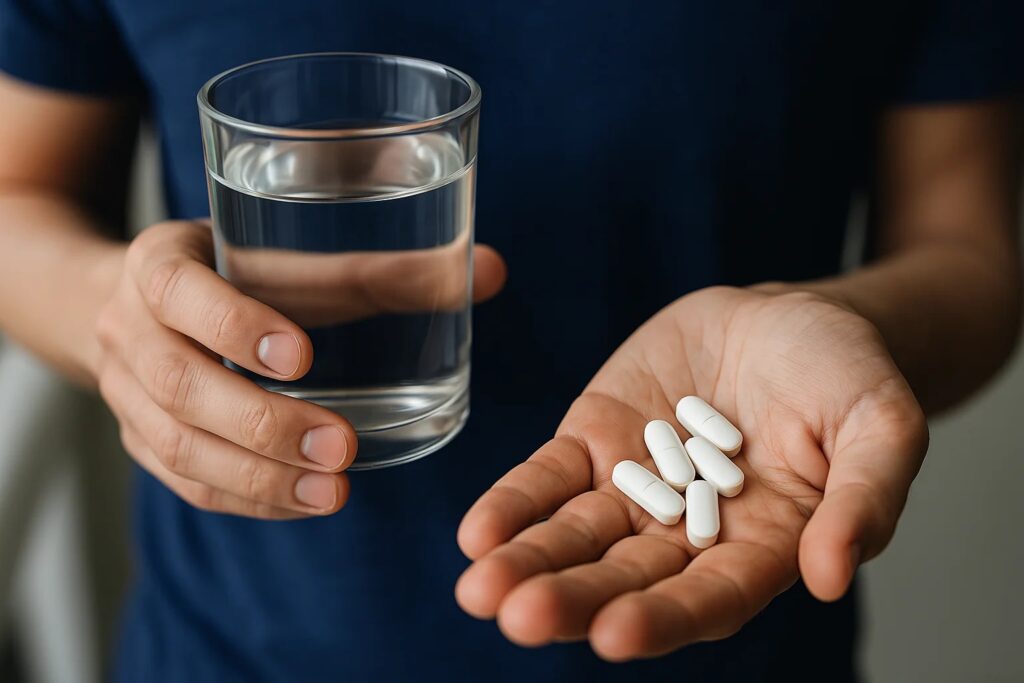
What Is Percocet?
So, what is Percocet? It is a prescription painkiller that combines oxycodone, an opioid, with acetaminophen. Doctors prescribe it under brand names like Percocet. They also prescribe generic oxycodone-acetaminophen. It treats moderate to severe pain after surgery or an injury. The DEA classifies oxycodone as a Schedule II controlled substance because of its high potential for misuse and dependence.
Percocet mg dosage varies by prescription. Common strengths pair 2.5 mg, 5 mg, 7.5 mg, or 10 mg of oxycodone with acetaminophen. Doctors choose the strength based on how severe the pain is and how the person responds to treatment.
The Percocet drug effect comes from how oxycodone attaches to opioid receptors in the brain. This slows down the brain and body and creates feelings of calm and pain relief. That calming effect helps explain why the drug can feel appealing beyond pain relief. Some people keep taking it after the physical pain eases.
Common Percocet side effects include drowsiness, nausea, constipation, and slowed breathing. Long-term misuse can bring on confusion, mood swings, and heavy sweating. Taking more than prescribed, or using it without a prescription, raises the risk of becoming addicted to Percocet.
Who Is Most at Risk for Percocet Addiction?
Anyone who takes Percocet can become addicted, even when using it exactly as prescribed. Still, some people face a higher risk than others. Knowing these risk factors will not end an addiction on its own. But it can help someone see the need for treatment sooner.
People with a personal or family history of substance use face a higher risk of Percocet addiction. Untreated mental health conditions, like anxiety or depression, also raise the odds. So does chronic pain that leads to long-term opioid use.
Easy access to Percocet adds risk, too. This includes access through a personal prescription or a family member’s medicine cabinet. A history of trauma or high stress levels can also push someone toward misuse. Pregnant or nursing individuals face added danger and need close medical supervision if they use Percocet. Anyone in one of these groups benefits from careful evaluation before starting or continuing the drug.

Get Your Life Back
Find Hope & Recovery. Get Safe Comfortable Detox, Addiction Rehab & Dual Diagnosis Trused Care.
7/365 Line (844) 597-1011
Signs of Percocet Addiction
Percocet addiction shows up in patterns of behavior, not just physical symptoms. Watch for these common signs:
- Taking more Percocet than prescribed or using it longer than needed
- Strong cravings or thinking about Percocet often
- Needing higher doses to feel the same effect
- Withdrawal symptoms when a dose is missed
- Hiding or lying about Percocet use
- Doctor shopping or seeking the drug from multiple sources
- Mixing Percocet with alcohol or other substances
- Trouble stopping, even when it causes problems at home or work
Why Is Percocet Addictive?
Percocet is addictive because of how oxycodone changes brain chemistry. The opioid binds to receptors in the brain that control pain and reward. This releases dopamine and creates a strong sense of relief and pleasure.
Over time, the brain adjusts to the drug and needs more of it to feel the same effect. This is called tolerance. Once the body depends on Percocet to function normally, stopping brings on withdrawal. The DSM-5 defines opioid use disorder as a pattern of use that causes problems or distress. It can include cravings, loss of control, and continued use despite harm.
Most people do not use Percocet to chase a high. They keep using it to avoid feeling sick from withdrawal. This is why addiction can take hold, even in people who started with a valid prescription. They never meant to misuse the drug.
Get Help. Get Better. Get Your Life Back.
Searching for Accredited Drug and Alcohol Rehab Centers Near You?
Even if you have failed previously and relapsed, or are in the middle of a difficult crisis, we stand ready to support you. Our trusted behavioral health specialists will not give up on you. When you feel ready or just want someone to speak to about therapy alternatives to change your life call us. Even if we cannot assist you, we will lead you to wherever you can get support. There is no obligation. Call our hotline today.
(844) 597-1011The Importance of Percocet Detox
Stopping Percocet on your own can be dangerous and hard to manage. Percocet detox symptoms appear as the body adjusts to functioning without the drug, and they can be intense.
Common Percocet detox symptoms include:
- Muscle aches and joint pain
- Nausea, vomiting, or diarrhea
- Sweating and chills
- Anxiety or irritability
- Trouble sleeping
- Strong cravings for Percocet
These symptoms usually peak within the first few days and ease over one to two weeks. Our medically supervised detox program manages this timeline safely. Clinical staff monitor vital signs, manage discomfort, and step in quickly if complications arise. Detox alone is not a complete treatment. It clears Percocet from the body, but therapy helps treat the causes of addiction and lowers relapse risk.
How Percocet Addiction Is Treated
Treating Percocet addiction takes more than detox. Real recovery means addressing the triggers, thought patterns, and underlying conditions that drive drug use. We Level Up builds a clear plan for each person’s needs. It guides them through residential care, step-down programs, and ongoing outpatient support.
Our clinical team draws on several evidence-based therapies, including:
- Relapse Prevention Planning: Teaches skills to spot triggers early and respond before a slip turns into a setback.
- Cognitive Behavioral Therapy (CBT): Helps people recognize and change the thoughts and behaviors that drive drug use.
- Dialectical Behavior Therapy (DBT): Builds emotional regulation and distress tolerance skills.
- Medication-Assisted Treatment: Certain medications ease cravings and withdrawal symptoms during recovery.
- Group therapy: Builds peer support and reduces the isolation that often comes with addiction.
- Individual Counseling: Gives space to work through personal history and set recovery goals one-on-one.
- Family Counseling: Repairs relationships and builds a strong support system at home.
First-class Facilities & Amenities
Trusted Integrated Addiction & Mental Health Rehabilitation Treatment
Rehab Centers TourEstablished Addiction Centers. Serene Private Facilities. Inpatient rehab programs vary.
Addiction Helpline (844) 597-1011Comprehensive recovery success experience, backed by a Team w/ History of:
15+
Years of Unified Experience
100s
5-Star Reviews Across Our Centers
10K
Recovery Success Stories Across Our Network
- Low Patient to Therapist Ratio
- Onsite Medical Detox Center
- Comprehensive Dual-Diagnosis Treatment
- Complimentary Family & Alumni Programs
- Alumni Coaching, Recovery & Personal Development Events

Levels of Care for Percocet Addiction Treatment
Percocet addiction affects each person differently, so treatment should be tailored to each individual’s needs. At We Level Up, we provide a full continuum of care that allows clients to move through different levels of treatment as they build stability and confidence in recovery. Our goal is to provide the right support at every stage of the healing process.
Many people begin with medical detox, where licensed professionals provide 24/7 supervision to help manage withdrawal symptoms safely and comfortably. After detox, clients may transition into residential treatment, where they receive round-the-clock care, individual and group therapy, medical support, and evidence-based treatment in a structured, substance-free environment.
As recovery progresses, clients may continue through our Partial Hospitalization Program (PHP) or Intensive Outpatient Program (IOP). These programs provide ongoing counseling, relapse prevention, and recovery education while allowing clients to gradually return to work, school, or family responsibilities as their independence grows.
For continued flexibility, eligible clients can also access telehealth treatment through secure virtual therapy sessions and follow-up care. We Level Up works with most major insurance providers, including Aetna, Cigna, Blue Cross Blue Shield, and UnitedHealthcare. Our admissions team is available 24/7 to verify your insurance benefits at no cost. Call (844) 597-1011 today or complete our confidential online form to begin your recovery journey.
Specialized, Accredited, 5-Star Reviewed, Evidence-based Addiction & Mental Health Programs. Complete Behavioral Health Inpatient Rehab, Detox plus Co-occuring Disorders Therapy.
CALL(844) 597-1011End the Addiction Pain. End the Emotional Rollercoaster. Get Your Life Back. Start Drug, Alcohol & Dual Diagnosis Mental Health Treatment Now. Get Free, No-obligation Guidance by Substance Abuse Specialists Who Understand Addiction & Mental Health Recovery & Know How to Help.
The Role of Mental Health and Co-Occurring Disorders
Percocet misuse often occurs alongside mental health conditions like anxiety, depression, or trauma. Physical or emotional pain can lead people to use Percocet to cope with symptoms they cannot otherwise manage. Long-term use can then worsen mood and anxiety over time.
Left untreated, one condition tends to feed the other, making both harder to manage alone. Someone in emotional pain may misuse Percocet for relief, and continued misuse can then deepen depression or anxiety. This cycle repeats until both issues are treated together.
Treating addiction and mental health at the same time, through dual diagnosis treatment, leads to better, longer-lasting recovery. Our clinical team screens for co-occurring conditions during intake. We build a plan that treats addiction and mental health needs together. We do not treat them as separate problems.
When to Seek Help for Percocet Addiction
It can be hard to know when Percocet use has crossed into addiction. A few signs point to the need for professional help. These include feeling unable to function without the drug, or experiencing withdrawal symptoms when use is missed or reduced.
Other signs include taking more Percocet than intended or prescribed, or using it alongside alcohol or other substances. Anyone who has tried to stop before and relapsed should also consider a higher level of support. A professional assessment can help you choose the best next step. It may include medical detox, residential care, or outpatient treatment.
Insurance and Admissions Support
Many insurance plans cover some or all costs for Percocet addiction treatment, including detox and inpatient or outpatient care. Cost should never stand between someone and treatment that could save their life.
Our admissions team is available 24/7 to answer questions and walk through next steps. We offer a free and confidential benefits check. We explain your coverage in simple terms, with no pressure to commit. For those without full coverage, our team can also discuss payment options that fit your situation.
Start Your Recovery Today
Help is available, and professional treatment works. Recovery from Percocet addiction is possible. This is true no matter how long it has lasted. It is also true even after many quit attempts.
We Level Up Treatment Centers runs accredited facilities in Florida, Texas, California, Washington, and New Jersey. Each site has licensed doctors, psychologists, and therapists who provide personalized care. No matter where someone starts, our goal stays the same: real treatment that leads to lasting health. Reach out today for a confidential, no-pressure conversation about your options.
FAQs About Percocet Addiction
How long does Percocet detox take?
Most people get through the worst Percocet detox symptoms in five to seven days. Cravings and mild discomfort may last for a couple of weeks after that. Medical detox helps manage this timeline safely and reduces the risk of complications.
How do I know if I’m addicted to Percocet?
Signs of Percocet addiction include needing more of the drug for the same effect. Other signs are strong cravings and withdrawal symptoms between doses.
Does insurance cover Percocet addiction treatment?
Many insurance plans cover some or all costs for Percocet addiction treatment, including detox and inpatient or outpatient care. Call our admissions team any time at (844) 597-1011. Most insurance plans help cover Percocet addiction treatment. You can check your insurance for free online, and our team will explain what your plan covers.
What is the difference between Percocet dependence and Percocet addiction?
Dependence means the body has adjusted to the drug and reacts with withdrawal symptoms when it is stopped. This can happen even with proper medical use. Addiction goes further. It includes cravings, loss of control, and continued use despite harm to health, relationships, or daily responsibilities.
Can Percocet addiction be treated without inpatient rehab?
Yes, for some people. If your addiction is mild and you have good support at home, outpatient or IOP care may work. If your addiction is more serious, inpatient care is often safer. A free assessment can help you find the right fit.
Does insurance cover Percocet addiction treatment?
Many insurance plans cover some or all costs for Percocet addiction treatment, including detox and inpatient or outpatient care. Call our admissions team any time at (844) 597-1011. Most insurance plans help cover Percocet addiction treatment. You can check your insurance for free online, and our team will explain what your plan covers.
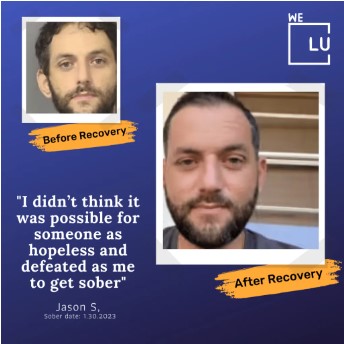
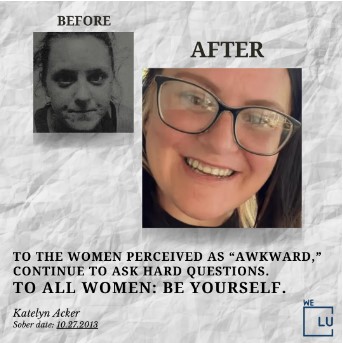
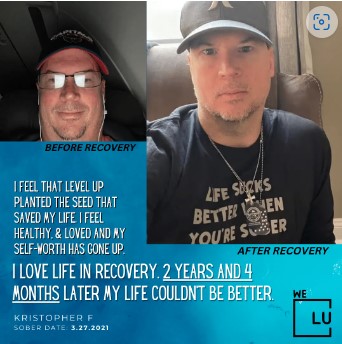
Experience Transformative Recovery at We Level Up Treatment Centers.
See our authentic success stories. Get inspired. Get the help you deserve.
Start a New Life
Begin with a free call to an addiction & behavioral health treatment advisor. Learn more about our dual-diagnosis programs. The We Level Up Treatment Center Network delivers recovery programs that vary by each treatment facility. Call to learn more.
- Personalized Care
- Caring Accountable Staff
- World-class Amenities
- Licensed & Accredited
- Renowned w/ 100s 5-Star Reviews
We’ll Call You
Sources
Oxycodone and Acetaminophen Tablets Medication Guide. U.S. National Library of Medicine, DailyMed. https://dailymed.nlm.nih.gov/dailymed/medguide.cfm?setid=4dd36cf5-8f73-404a-8b1d-3bd53bd90c25
Drug Scheduling. U.S. Drug Enforcement Administration, Diversion Control Division. https://www.deadiversion.usdoj.gov/schedules/schedules.html
Opioid Overdose Reporting. Florida Department of Health. https://www.floridahealth.gov/statistics-data/overdose-reporting/
National Helpline. Substance Abuse and Mental Health Services Administration (SAMHSA). https://www.samhsa.gov/find-help/national-helpline
Diagnostic and Statistical Manual of Mental Disorders, Fifth Edition (DSM-5). American Psychiatric Association.