
By We Level Up | Editor Yamilla Francese | Editorial Policy | Research Policy
Depression Treatment Programs at We Level Up
Depression can change how a person thinks, feels, sleeps, and manages daily life. Millions of adults face major depressive episodes across the United States each year. Some people use alcohol or drugs to numb pain, guilt, or hopeless thoughts. Early care can reduce risks and support safer routines during severe symptoms.
Effective mental health treatment may include therapy, medication support, group therapy, and coping skills. Clinicians also review trauma, substance use, sleep, anxiety, and other health concerns. This full review helps match care with each person’s needs, strengths, and goals. Regular progress checks allow the team to adjust care as symptoms change.
We Level Up Treatment Centers is a nationwide behavioral healthcare network offering medical detox, addiction treatment, dual diagnosis, and mental health care through accredited centers across Florida, Texas, California, Washington, and New Jersey. Psychiatrists, nurses, psychologists, and therapists guide depression care for mood, sleep, and safety at every site.
Treatment may include therapy, medication support, group sessions, outpatient care, or telehealth for patients who prefer support from home. Our licensed admissions team helps individuals find the right level of care at a nearby location or through nationwide telehealth outpatient services.

Skip To:
Depression Treatment Programs at We Level Up
Clinically Reviewed by Lauren Barry, LMFT, MCAP, QS
Medically Reviewed by Ali Nikbakht, PsyD
Reviewed / Updated: August 10, 2026 — Editorial Policy | Research Policy | Privacy Policy
What Is a Depressive Disorder?
A depressive disorder causes low mood, emptiness, or lost interest that lasts for weeks and harms daily life. It may also change sleep, food intake, energy, focus, movement, hope, and self-worth. Normal sadness often follows loss or stress and may ease with time, rest, and support for most people. Depression tends to last longer and can stay even when life seems calm or safe.
A trained clinician must review the signs before giving a diagnosis or choosing a care level for each patient. The review covers how long signs last, how strong they feel, and how they affect life. Depression may occur alone or with fear, trauma, bipolar disorder, drug use, or health problems at any age. A sound diagnosis matters because some disorders share signs but need a different form of care.
Depression and Related Disorders
Depression often occurs alongside other mental health and medical conditions. Common co-occurring disorders include anxiety disorders, post-traumatic stress disorder (PTSD), grief-related conditions, sleep disorders, eating disorders, and chronic pain. These conditions can worsen symptoms and make diagnosis and treatment more complex.
Depression can also be confused with bipolar disorder because both conditions involve episodes of low mood. However, bipolar disorder also includes periods of mania or hypomania that require different treatment approaches. Some people with depression may also misuse alcohol or drugs to cope with emotional pain, improve sleep, increase energy, or manage stress, which can increase the risk of developing a substance use disorder.
A comprehensive evaluation helps healthcare providers identify depression and any co-occurring conditions. An accurate diagnosis allows the treatment team to develop a personalized care plan that addresses each condition safely and supports long-term recovery.

Get Your Life Back
Find Hope & Recovery. Get Safe Comfortable Detox, Addiction Rehab & Dual Diagnosis Trused Care.
7/365 Line (844) 597-1011Common Types of Depression
Doctors use several terms in books and clinics to show how low mood starts, lasts, and harms daily life. The phrase 4 types of depression may point to four common forms seen in mental health care. Each form has its own signs, yet all can cause deep pain and loss of function. A full review helps the team name the concern and choose the next step.
- Major Depressive Disorder: Strong signs last two weeks and harm daily life.
- Persistent Depressive Disorder: Low mood lasts years and affects daily function.
- Seasonal Affective Disorder: Low mood follows a set seasonal pattern.
- Perinatal Depression: Signs begin during pregnancy or after birth.

Common Symptoms of Depression
Depression signs can vary greatly by age, culture, health, stress, and stage of life from one person to another. Some people feel sad, while others feel numb, angry, sore, slow, or cut off. The signs may grow over time, so loved ones may not spot them at first. Common signs can affect the body, thoughts, work, school, and close bonds.
- Ongoing sadness, numbness, emptiness, or crying
- Lost interest in hobbies, work, school, or relationships
- Changes in sleep, weight, movement, or energy
- Trouble with focus, choices, recall, or tasks
- Guilt, shame, low worth, or hopeless thoughts
- Anger, withdrawal, or conflict with others
- Headaches, stomach pain, or aches without a clear cause
- Thoughts of death, self-harm, or suicide, or needing urgent help
Get Help. Get Better. Get Your Life Back.
Searching for Accredited Drug and Alcohol Rehab Centers Near You?
Even if you have failed previously and relapsed, or are in the middle of a difficult crisis, we stand ready to support you. Our trusted behavioral health specialists will not give up on you. When you feel ready or just want someone to speak to about therapy alternatives to change your life call us. Even if we cannot assist you, we will lead you to wherever you can get support. There is no obligation. Call our hotline today.
(844) 597-1011Questions About Our Facilities or Programs?
Our admissions team is open 24/7 while you think about care for yourself or someone close at any hour. Staff can explain current care, age rules, sites, health plan steps, and the private intake process. They can also help you learn which setting may fit the person’s signs and safety needs. Access depends on the site, license, age, health needs, plan rules, and open space.
[Talk To Our Team: (954) 475-6031]

How Depression Is Diagnosed
Diagnosing depression begins with a comprehensive mental health evaluation. A healthcare provider reviews a person’s mood, sleep patterns, physical health, substance use, medical history, daily functioning, and safety concerns. They may also ask about past mental health treatment, current symptoms, and how long those symptoms have lasted.
Mental health professionals use the Diagnostic and Statistical Manual of Mental Disorders, Fifth Edition, Text Revision (DSM-5-TR) criteria to diagnose major depressive disorder and other depressive disorders. They also evaluate conditions that can occur alongside or resemble depression, including bipolar disorder (mania or hypomania), anxiety disorders, trauma-related conditions, psychosis, grief, substance use disorders, and medical conditions that may contribute to depressive symptoms. An accurate diagnosis helps guide treatment decisions, including the appropriate use of medication, psychotherapy, and the level of care needed.
First-class Facilities & Amenities
Trusted Integrated Addiction & Mental Health Rehabilitation Treatment
Rehab Centers TourEstablished Addiction Centers. Serene Private Facilities. Inpatient rehab programs vary.
Addiction Helpline (844) 597-1011Comprehensive recovery success experience, backed by a Team w/ History of:
15+
Years of Unified Experience
100s
5-Star Reviews Across Our Centers
10K
Recovery Success Stories Across Our Network
- Low Patient to Therapist Ratio
- Onsite Medical Detox Center
- Comprehensive Dual-Diagnosis Treatment
- Complimentary Family & Alumni Programs
- Alumni Coaching, Recovery & Personal Development Events
Evidence-Based Treatment for Depression
Good care reflects the person’s signs, health, safety, age, goals, and past response through each stage of care. Many treatment plans for depression blend talk therapy, medicine, daily structure, sleep care, and family support. Some people improve with one main form of care, while others need several forms at once. Regular checks help the team change care as risks, needs, and daily roles shift.
Talk Therapy and Coping Strategies
Cognitive behavioral therapy (CBT) helps people spot harsh thoughts and test views that are more fair and useful. It also supports small goals, task plans, problem solving, and a slow return to healthy habits. People who search coping mechanisms depression may need simple tools they can use each day. Helpful tools may include slow breaths, walks, sleep plans, social time, and small task steps.
DBT may help when strong moods, self-harm urges, conflict, or poor stress control are present. It teaches calm focus, mood skills, crisis tools, clear speech, and safer choices in hard moments. The phrase “CBT for teenage depression is common online, but teens need a full age-based review. Family help, school input, safety plans, and child experts may also support the teen.
Medication Support
Antidepressants may help brain signals tied to mood, sleep, drive, focus, and daily function for some patients. A prescriber reviews health, age, other drugs, past use, risks, and possible side effects. Benefits may take time, so the team tracks mood, sleep, side effects, and any unsafe thoughts. Patients should not stop, share, or change a drug without first speaking with the prescriber.
Integrated Mental Health Care
Depression and drug use can worsen each other through poor sleep, low hope, shame, or self-medication during recovery. Shared care treats mood signs and drug use within one clear plan and one set of goals. Care may include talk therapy, drug checks, relapse plans, family help, and support for daily routines. This approach can close gaps between teams and help the patient stay on one path.
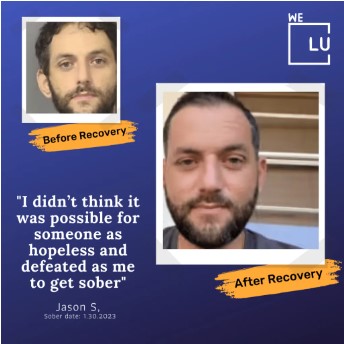
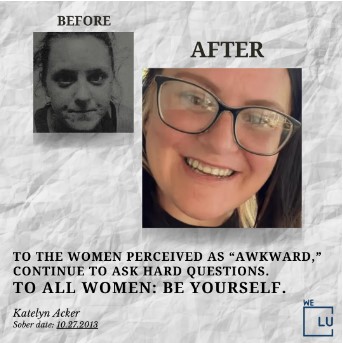
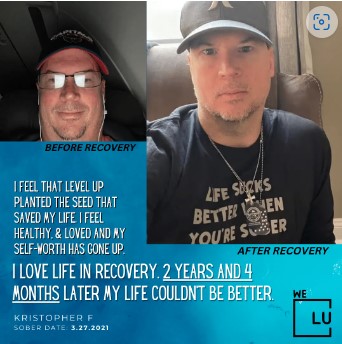
Experience Transformative Recovery at We Level Up Treatment Centers.
See our authentic success stories. Get inspired. Get the help you deserve.
Start a New Life
Begin with a free call to an addiction & behavioral health treatment advisor. Learn more about our dual-diagnosis programs. The We Level Up Treatment Center Network delivers recovery programs that vary by each treatment facility. Call to learn more.
- Personalized Care
- Caring Accountable Staff
- World-class Amenities
- Licensed & Accredited
- Renowned w/ 100s 5-Star Reviews
We’ll Call You
We Level Up’s Approach to Depression Treatment
We Level Up begins with a full check of signs, safety, health, past care, strengths, and goals before choosing services. Care may include one-to-one therapy, medicine support, wellness care, and planned group therapy. Patients learn skills for stress, sleep, self-care, relationships, and return to work or school. The team tracks gains and builds long-term plans for warning signs, follow-up care, and daily habits.
As a national substance abuse and mental health facility network, We Level Up connects depression care with addiction support. This shared approach addresses low mood, sleep problems, drug use, safety, and relapse risks.
What Our Depression Treatment Program Offers
Depression care should ease signs while helping patients rebuild safety, hope, function, and healthy habits across daily life. Care varies by site, age, health needs, risk level, and the setting that fits best. Each patient should know why a service may help and how the team will track gains. The program may include the forms of care and support listed below.
- Mental health, medical, and drug use checks.
- Personal goals with regular progress reviews.
- Therapy, mood skills, and healthy habit support.
- Medicine review, safety teaching, and follow-up care.
- Peer support, discharge plans, and referrals.
We Level Up is a Joint Commission-accredited treatment center within our national care network. Our team follows recognized standards for safe and quality care. These standards support staff training, patient rights, safe care, and regular review of service quality. Patients may ask which services and licenses apply at each We Level Up site.

Levels of Care for Depression Treatment
The right care level depends on symptom strength, safety, health, support, and daily function at admission. Some people need full-time structure, while others remain safe with set care from home. We Level Up uses the full review to guide placement and explain why a setting may fit. Care can step up or down as signs, risks, and daily needs change.
Inpatient Depression Treatment
An inpatient rehab program may help during a severe crisis when signs require full-time structure and safety checks. This setting may fit people with major loss of function, drug use, or rising safety risks. Daily care may include therapy, health checks, medicine support, meals, sleep plans, and wellness tasks. Early goals focus on safety, relief, stable habits, and the next care step.
Outpatient Depression Treatment
Outpatient care lets patients live at home while they attend set visits during the week as symptoms become more stable. It may fit people who remain safe and can handle basic tasks with regular help. A partial hospitalization program gives many care hours while patients return home after each day. Less intense care may use fewer hours and fit work, school, or family needs.
Telehealth Depression Treatment
Telehealth can provide secure video visits for therapy, teaching, follow-up, and some health reviews. It may help people with travel, distance, work, health, or child care limits. Patients still need a private space, sound internet, and a safe place for each session. State rules, drug laws, safety risks, and care policies may limit remote care.
What to Expect During Depression Treatment
Care gives structure while patients learn skills and rebuild daily habits at a steady pace during the first weeks. Early work may focus on safety, sleep, food, clear goals, and the first steps toward change. Patients test skills between visits, while the team adjusts tools for work, school, health, and family needs. Common parts may include the care and tasks listed below.
- Individual Therapy: Patients discuss signs, goals, grief, and daily problems.
- Group Support: Members share skills and support progress.
- Skill Work: Sessions address stress, sleep, activity, thoughts, and mood.
- Progress Checks: Staff review signs, medicine, safety, goals, and barriers.
Co-Occurring Disorders Associated With Depression and Addiction
Depression and addiction can share risks such as trauma, stress, poor sleep, shame, and family history across daily life. Some people use alcohol or drugs for brief relief from fear, guilt, pain, or low drive. Drug use can later deepen low mood, raise risk, and make care hard to follow. Integrated dual diagnosis care treats both needs within one plan.
- Anxiety disorders: Drugs may briefly ease worry, panic, or social fear.
- Trauma-related disorders: Drugs may be used to numb fear, stress, or painful memories.
- Bipolar disorder: Mood changes may increase unsafe drug use or missed medicine.
- Eating disorders: Substance use may connect with shame, control, or body image concerns.
- Sleep disorders: Drugs may help sleep briefly but often worsen rest over time.
The SAMHSA supports screening and shared care for people with both conditions. Care may include relapse plans, drug checks, talk therapy, family help, and sober peer support. The team should watch mood, urges, sleep, choices, and safety through each stage of care. Shared goals can reduce mixed advice and give the patient a clear path forward.
Treatment Options and Care Pathways
Some patients start with talk therapy, medicine visits, peer support, or changes in daily habits after a full review. Others need inpatient care because low mood, drug use, health needs, or safety risks require structure. Patients may step down to less care as sleep, mood, safety, and daily function improve. The question does depression ever go away has no single answer, but many people improve with steady support.
Insurance and Accessibility
We Level Up works with many health plans, but each plan has its own rules and costs before care begins. Admissions staff can check benefits, network status, prior approval, deductibles, and known patient costs. Access may also depend on language, travel, disability needs, tools, age, schedule, and location. Call (954) 475-6031 for private help with intake, benefits, and current care choices.
Take the Next Step Toward Depression Treatment
Depression can feel heavy when it harms hope, sleep, bonds, work, health, or even simple daily care. We Level Up offers proven care shaped around each person’s signs, strengths, risks, and goals. Call (954) 475-6031 to ask about care or set a private intake review today. For urgent danger or a mental health crisis, call 911 or visit the nearest emergency room.
We Level Up Treatment Centers operates seven accredited facilities across Florida, Texas, California, Washington, and New Jersey, each staffed by licensed physicians, psychologists, and therapists delivering individualized care. Our admissions team can explain which site and program may fit the patient’s current needs. Age limits, care options, and open space may differ across the treatment network. Contact the team before travel so staff can confirm current access and fit.
[Call Now: (954) 475-6031] [Verify Insurance] [Free Assessment]
FAQs About Depression Treatment
Can depression and anxiety be treated together?
Yes, both conditions can be treated in one care plan. The team checks how signs connect. Therapy, medicine, sleep care, and coping skills can help. Regular reviews guide changes as needs shift.
Can depression co-occur with addiction?
Yes, depression can occur with drug problems. Some use drugs to escape pain or low mood. Shared care treats low mood, drug use, and relapse risk. Both care teams then work toward the same goals.
Is telehealth available for depression treatment?
Remote care may be offered when video visits are safe and useful. State rules affect access. Some patients still need in-person care. Admissions staff can explain privacy and tech needs. Call We Level Up at (844) 597-1011 to learn more about remote care and treatment options.
How long does depression treatment usually last?
Care length depends on symptoms, safety, and progress. Some programs last months. Medicine checks may continue for much longer. The team changes care as needs shift.
Does health insurance help cover depression care?
Many health insurance plans may help with the cost of depression treatment. Coverage may include CareFirst, Anthem, and many other plans, depending on your benefits. Visit our insurance page to review accepted plans and coverage details.
Sources
- Weitz, E. S., et al. Baseline Depression Severity as a Moderator of Depression Outcomes Between Cognitive Behavioral Therapy and Antidepressant Medication. JAMA Psychiatry.
- National Institute of Mental Health (NIMH). Depression. https://www.nimh.nih.gov/health/topics/depression
- National Institute of Mental Health (NIMH). Major Depression. https://www.nimh.nih.gov/health/statistics/major-depression
- American Psychiatric Association. Diagnostic and Statistical Manual of Mental Disorders, Fifth Edition, Text Revision (DSM-5-TR). American Psychiatric Association Publishing. https://www.psychiatry.org/psychiatrists/practice/dsm
- Substance Abuse and Mental Health Services Administration (SAMHSA). Substance Use Disorder Treatment for People With Co-Occurring Disorders. https://www.samhsa.gov/resource/ebp/advisory-substance-use-disorder-treatment-people-co-occurring-disorders-based-tip-42
- National Institute on Drug Abuse (NIDA). Part 1: The Connection Between Substance Use Disorders and Mental Illness. https://nida.nih.gov/publications/research-reports/common-comorbidities-substance-use-disorders/part-1-connection-between-substance-use-disorders-mental-illness
- National Institute of Mental Health (NIMH). Psychotherapies. https://www.nimh.nih.gov/health/topics/psychotherapies
- National Library of Medicine. Depression. MedlinePlus. https://medlineplus.gov/depression.html
- National Library of Medicine. Antidepressants. MedlinePlus. https://medlineplus.gov/antidepressants.html
- Cuijpers, P., et al. Cognitive Behavior Therapy for Depression Across Different Age Groups. World Psychiatry.