P2P meth can cause severe addiction, paranoia, and long-term mental health problems. This newer type of methamphetamine is now more common in the United States. It may affect the brain in different ways than older meth products. People who use p2p meth often struggle with sleep loss, anxiety, mood swings, and risky behavior. Over time, the drug can damage physical health, relationships, and emotional well-being.
This guide explains the signs of p2p meth addiction. It covers mental health risks, withdrawal symptoms, and treatment options. These options can help people recover safely. At We Level Up, licensed addiction specialists and mental health professionals offer evidence-based treatment programs. These programs are designed to support long-term healing.
Skip To:
What Is P2P Meth?
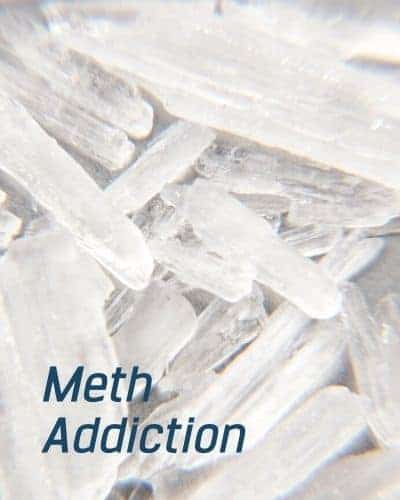
P2P meth is methamphetamine made with a chemical called phenyl-2-propanone, also known as P2P. This method is different from older meth recipes that used ephedrine or pseudoephedrine.
Many illegal labs now use p2p meth synthesis because the chemicals are easier to get. Experts say this newer form of meth may cause stronger mental health symptoms. Users may feel paranoid, angry, confused, or violent. Some people also hear voices or see things that are not real.
Medical professionals and researchers have documented a dramatic rise in severe psychiatric symptoms since P2P meth became widespread. There are two major chemical and neurological reasons why P2P meth causes such an extreme mental health crisis:
1. Unpredictable Chemical Mix in P2P Meth
Older meth made with ephedrine mostly created one strong chemical called d-methamphetamine. This chemical mainly affects the brain and creates an intense high.
P2P meth is different. The p2p meth synthesis process creates a mix of two chemicals called d-methamphetamine and l-methamphetamine. One mostly affects the brain, while the other strongly affects the body. This can raise heart rate, blood pressure, and body temperature to dangerous levels.
Illegal meth labs often use unsafe chemicals to make the drug stronger and cheaper to produce. These chemicals can leave behind toxic waste and harmful residue. Experts believe these toxic chemicals may damage the brain faster and increase the risk of severe mental health problems.
2. Brain Damage and Toxic Chemical Exposure
Large illegal meth labs may use dangerous chemicals and toxic metals during production. These substances can include lead, mercury, and other harmful materials. Because these drugs are made in unregulated labs, many toxic chemicals stay in the final product.
When people use p2p meth, these toxic chemicals can enter the bloodstream and reach the brain. This may damage nerve cells and affect memory, emotions, judgment, and behavior.
Doctors and addiction experts warn that long-term meth use can increase the risk of paranoia, aggression, hallucinations, and severe mental health decline. Some people may experience psychosis or emotional breakdowns much faster than with older forms of meth.
Get Help. Get Better. Get Your Life Back.
Searching for Accredited Drug and Alcohol Rehab Centers Near You?
Even if you have failed previously and relapsed, or are in the middle of a difficult crisis, we stand ready to support you. Our trusted behavioral health specialists will not give up on you. When you feel ready or just want someone to speak to about therapy alternatives to change your life call us. Even if we cannot assist you, we will lead you to wherever you can get support. There is no obligation. Call our hotline today.
(844) 597-1011Signs You May Need P2P Meth Treatment
Meth addiction can change how a person thinks, feels, and acts. Some signs are easy to see. Others may be harder to notice at first.
Common signs include:
- Fast weight loss
- Staying awake for long periods
- Strong mood swings
- Fear or paranoia
- Poor hygiene
- Skin sores or scratching
- Dental problems
- Unsafe choices
- Strong meth cravings
- Pulling away from family
- Missing work or school
- Lying about drug use
A person using p2p meth may seem nervous or restless. They may talk fast. They may not sleep for days. They may become angry over small things. Some people may believe others are watching them or trying to hurt them.
Meth can also affect the body. A person may lose weight quickly. They may sweat often. Their heart may beat fast. They may grind their teeth or pick at their skin. They may stop eating well.
Mental health can also get worse. Some people feel deep sadness after meth wears off. Others feel panic, fear, or shame. Some may hear or see things that are not real.
People with anxiety, depression, trauma, or mood swings may also benefit from a dual diagnosis treatment center that treats addiction and mental health together.
If these signs sound familiar, help may be needed. Call +(954) 475-6031 for a private assessment today.
Why Choose We Level Up for P2P Meth Treatment?
Choosing the right treatment center can make a major difference in recovery. Meth addiction often affects both mental and physical health, which is why many people need structured and professional support.
At We Level Up, patients get care plans made just for them. These plans are based on their medical history. They also consider their mental health needs. They take into account how severe their addiction is. Our licensed clinicians, therapists, and addiction specialists understand the serious harms of p2p meth addiction. They provide evidence-based care to support long-term recovery.
Treatment programs may include:
- Medical detox support
- 24/7 clinical monitoring
- Licensed mental health professionals
- Individual counseling
- Group therapy
- Trauma-informed care
- Relapse prevention planning
- Family support services
- Aftercare coordination
Many people struggling with meth addiction also live with anxiety, depression, trauma, or other mental health conditions. Our dual diagnosis approach helps patients address both substance use and emotional health.
During treatment, clients learn how addiction affects the brain, behavior, and decision-making. They also build coping skills that support healthier daily routines and lower relapse risks after rehab.
Our team uses proven therapies like cognitive behavioral therapy (CBT), relapse prevention counseling, and trauma-focused support. These therapies help patients handle triggers and stress in healthier ways.
Recovery is not only about stopping drug use. It is also about rebuilding physical health, emotional stability, relationships, and confidence. At We Level Up, patients receive compassionate care in a safe and structured setting focused on long-term healing.
To learn more about treatment options, call +(954) 475-6031 today and speak with an admissions specialist.

Get Your Life Back
Find Hope & Recovery. Get Safe Comfortable Detox, Addiction Rehab & Dual Diagnosis Trused Care.
7/365 Line (844) 597-1011The Destructive Effects of P2P Meth
What to Expect During P2P Meth Treatment
Treatment for meth addiction often happens in stages. Each stage helps support healing. Each part of care has a clear goal.
Assessment
Treatment often starts with a full assessment. Staff ask about drug use, medical history, mental health, sleep, and safety. They may also ask about family, work, and past treatment.
This helps the team build a care plan. The plan should match the person’s needs. No two people are the same.
Detox Support
Meth withdrawal can feel hard. A person may feel tired, sad, nervous, or restless. They may sleep a lot or struggle to sleep at all. They may also have strong cravings.
Some people feel hopeless during withdrawal. Others may feel angry or scared. Medical support can help keep people safe during this stage.
Detox does not cure addiction by itself. But it can help the body begin to heal. After detox, therapy and support are still important.
Therapy and Counseling
Therapy helps people understand why addiction started. It also helps them learn how to handle stress without meth.
Therapy may include:
- Cognitive behavioral therapy
- Group counseling
- Family therapy
- Trauma therapy
- Life skills training
- Relapse prevention counseling
In therapy, people learn how to spot triggers. A trigger may be a person, place, feeling, or memory that makes cravings stronger. Once a person knows their triggers, they can make a safer plan.
Mental Health Support
P2P meth can make mental health symptoms worse. Some people feel fear, panic, or paranoia. Others may feel deep sadness. Some may deal with trauma or grief.
Mental health care can help people feel more stable. It can also help reduce relapse risk. When mental health improves, recovery may feel more possible.
Relapse Prevention
Relapse prevention is a key part of treatment. Patients learn how to handle cravings. They also learn how to avoid risky places and people.
A relapse prevention plan may include:
- Safe coping skills
- Support contacts
- Therapy appointments
- Healthy routines
- Crisis steps
- Sober activities
The goal is not just to stop meth use. The goal is to build a better daily life.
Aftercare Planning
Recovery does not end after treatment. Many people need ongoing support. Aftercare may include therapy, support groups, sober living, or check-ins with a care team.People recovering from meth addiction may also benefit from medication-assisted treatment when other substance use disorders are present.
First-class Facilities & Amenities
Trusted Integrated Addiction & Mental Health Rehabilitation Treatment
Rehab Centers TourEstablished Addiction Centers. Serene Private Facilities. Inpatient rehab programs vary.
Addiction Helpline (844) 597-1011Comprehensive recovery success experience, backed by a Team w/ History of:
15+
Years of Unified Experience
100s
5-Star Reviews Across Our Centers
10K
Recovery Success Stories Across Our Network
- Low Patient to Therapist Ratio
- Onsite Medical Detox Center
- Comprehensive Dual-Diagnosis Treatment
- Complimentary Family & Alumni Programs
- Alumni Coaching, Recovery & Personal Development Events
Benefits of P2P Meth Treatment
Professional treatment can support both the body and mind. Recovery takes time, but healing is possible.
Benefits may include:
- Better sleep
- Fewer cravings
- Better focus
- Better mood
- Safer choices
- Healthier routines
- Stronger relationships
- Better mental health
- More hope for the future
Treatment can also help people rebuild trust. Addiction can hurt families and friendships. With support, many people learn how to repair harm and communicate better.
Recovery can also improve daily life. A person may return to work or school. They may care for their health again. They may feel more in control of their choices.
Most of all, treatment helps people see that they are not alone. Support is available.
Specialized, Accredited, 5-Star Reviewed, Evidence-based Addiction & Mental Health Programs. Complete Behavioral Health Inpatient Rehab, Detox plus Co-occuring Disorders Therapy.
CALL(844) 597-1011End the Addiction Pain. End the Emotional Rollercoaster. Get Your Life Back. Start Drug, Alcohol & Dual Diagnosis Mental Health Treatment Now. Get Free, No-obligation Guidance by Substance Abuse Specialists Who Understand Addiction & Mental Health Recovery & Know How to Help.
FAQs About P2P Meth
Is p2p meth more dangerous?
P2P meth can be very dangerous. Some experts believe it may cause strong mental and emotional effects. A person may feel fear, anger, confusion, or paranoia. Some people may also hear or see things that are not real. Meth addiction of any kind can harm the brain and body. It can also raise the risk of risky behavior, overdose, and long-term health problems.
What is the difference between p2p meth vs. Ephedrine meth?
The main difference is how the drug is made. Older meth was often made with ephedrine or pseudoephedrine. Newer meth may use phenyl-2-propanone, also called P2P. Experts study p2p meth vs ephedrine to better understand how these forms may affect people. Both forms are unsafe. Both can lead to addiction, mental health problems, and serious physical harm.
What are the signs of meth addiction?
Signs of meth addiction may include weight loss, poor sleep, mood swings, fear, and strong cravings. A person may stop caring about work, school, or family. They may become angry, paranoid, or isolated. Some people may lie about drug use or spend more time with people who use meth. Early help can lower the risk of long-term harm.
Can meth addiction affect mental health?
Yes. Meth can affect mental health in serious ways. It can increase anxiety, depression, paranoia, and psychosis. Some people may hear voices or see things that are not there. Others may feel panic or deep sadness. Treatment can help people manage these symptoms. A dual diagnosis program can treat addiction and mental health at the same time.
What happens during meth withdrawal?
Meth withdrawal can cause fatigue, depression, anxiety, sleep problems, and strong cravings. Some people sleep a lot. Others cannot sleep well. Many feel low, empty, or irritable. Some people may feel hopeless. Medical support can help keep people safe during this stage. Therapy and ongoing care can help reduce relapse risk after withdrawal.
Does insurance cover meth treatment?
Many insurance plans may help cover meth addiction treatment. Coverage depends on the insurance provider, plan, and level of care. Some plans may cover detox, inpatient treatment, therapy, or outpatient care. We Level Up can help verify insurance benefits.
Can people recover from p2p meth addiction?
Yes. People can recover from p2p meth addiction with the right support. Recovery may include detox, therapy, mental health care, relapse prevention, and aftercare. Many people rebuild their health, relationships, and daily lives after treatment. Recovery takes work, but it is possible. No one has to face meth addiction alone.
Experience Transformative Recovery at We Level Up Treatment Centers.
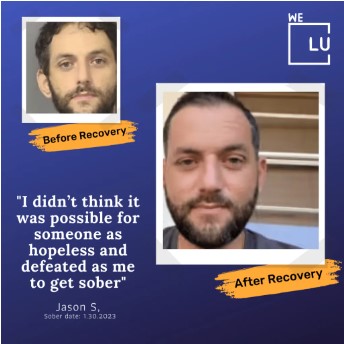
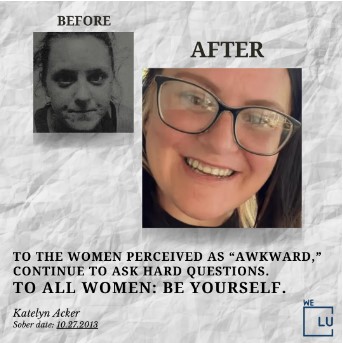
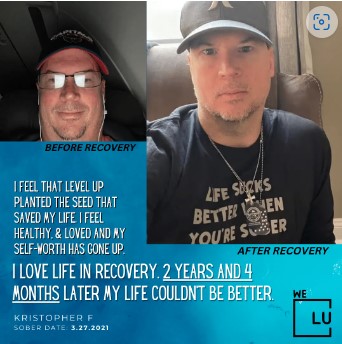
See our authentic success stories. Get inspired. Get the help you deserve.
Start a New Life
Begin with a free call to an addiction & behavioral health treatment advisor. Learn more about our dual-diagnosis programs. The We Level Up Treatment Center Network delivers recovery programs that vary by each treatment facility. Call to learn more.
- Personalized Care
- Caring Accountable Staff
- World-class Amenities
- Licensed & Accredited
- Renowned w/ 100s 5-Star Reviews
We’ll Call You
How to Get Started with P2P Meth Treatment
Meth addiction can become serious very quickly. Early treatment may lower the risk of overdose, mental health problems, and long-term damage.
We Level Up offers detox care, therapy, relapse prevention, and mental health support for people struggling with meth addiction. Our team can explain treatment options, verify insurance, and help you choose the right level of care.
Call +(954) 475-6031 today to speak with a treatment specialist and schedule a private consultation.
You can also learn more about our medication-assisted treatment programs and addiction recovery information services online.
Search We Level Up P2P Meth Resources
Sources
- National Institute on Drug Abuse (NIDA) – Methamphetamine DrugFacts: https://www.drugabuse.gov/publications/drugfacts/methamphetamine
- Substance Abuse and Mental Health Services Administration (SAMHSA) – Methamphetamine: https://www.samhsa.gov/
- Drug Enforcement Administration (DEA) – Methamphetamine: https://www.dea.gov/
- National Institutes of Health (NIH) – Methamphetamine: https://medlineplus.gov/methamphetamine.html
- Centers for Disease Control and Prevention (CDC) – Methamphetamine: https://www.cdc.gov/
- Department of Justice (DOJ) – Methamphetamine: https://www.justice.gov/
- National Highway Traffic Safety Administration (NHTSA) – Methamphetamine: https://www.nhtsa.gov/risky-driving/drug-impaired-driving#methamphetamine
- Office of National Drug Control Policy (ONDCP) – Methamphetamine: https://www.whitehouse.gov/
- National Criminal Justice Reference Service (NCJRS) – Methamphetamine: https://www.ncjrs.gov/ondcppubs/publications/policy/04meth.html
- United States Department of Health and Human Services (HHS) – Methamphetamine: https://www.hhs.gov/ash/oah/adolescent-development/substance-use/drugs/stimulants/methamphetamine/index.html