
Bulimia Nervosa Treatment Programs at We Level Up
Clinically Reviewed by Lauren Barry, LMFT, MCAP, QS
Medically Reviewed by Ali Nikbakht, PsyD
Reviewed / Updated: August 3, 2026 — Editorial Policy | Research Policy | Privacy Policy
By We Level Up | Author Leslie Lugo MS, RPh, BCPP | Editorial Policy | Research Policy
Bulimia nervosa involves repeated binge eating followed by actions meant to prevent weight gain. NIMH reports that this illness affects adults across the United States each year. Common warning signs include vomiting, fasting, laxative misuse, or extreme exercise after binges. Without care, the cycle can damage the heart, teeth, digestion, mood, and daily life.
Treatment may combine therapy, food support, health checks, and help for substance use. Care teams also review purging, body fears, mood, heart risks, and eating patterns. A full assessment helps match care with each person’s health, needs, and goals. Regular reviews allow the plan to change as safety, eating, and coping improve.
We Level Up Treatment Centers builds bulimia care around safer eating and medical stability. Its national network includes seven accredited programs across Florida, Texas, California, Washington, and New Jersey. Care teams may address purging, body distress, nutrition needs, mood, and relapse risk. Remote counseling may continue when local medical checks and safety plans remain available.
Skip To:
What Is Bulimia Nervosa?
Bulimia nervosa involves repeated episodes of binge eating with a sense of lost control. A binge is followed by vomiting, fasting, laxative misuse, or extreme exercise. This purging behavior or other action aims to prevent weight gain. Body shape and weight often have a strong effect on self-worth.
Some people search for bulimia nerviosa, but the English term is bulimia nervosa. The condition is not a choice or a lack of self-control. A person may have any body weight or outward appearance. A trained health team must complete a full review.

Bulimia Nervosa and Related Disorders
This illness can occur with depression, anxiety, trauma, self-harm, or substance use. These concerns may increase shame, secrecy, and binge-purge urges. A distorted body image can also deepen fear, food rules, and social withdrawal. Complete care should address every condition affecting progress.
Bulimia nervosa vs anorexia differs in weight status, restriction, and the full symptom pattern. Anorexia involves body weight that is significantly low for the person’s health. People asking can you have anorexia and bulimia should know symptoms may shift over time. The diagnosis is not given when binge-purge episodes occur only during anorexia.
Common Types of Bulimia Nervosa
The disorder has no formal DSM-5-TR subtypes. Doctors describe the main actions, frequency, health effects, and triggers. A person may use one or several methods after binge eating. Common patterns include the examples below.
- Self-induced vomiting: A person vomits after eating to prevent weight gain.
- Laxative or diuretic misuse: Products are used unsafely despite little effect on calories.
- Fasting or strict restriction: Long food gaps may follow and trigger another binge.
- Excessive exercise: Exercise becomes rigid or unsafe despite illness or injury.
- Mixed pattern: Several actions occur together or change over time.
Common Bulimia Symptoms
Bulimia nervosa warning signs can affect the body, mood, social life, or actions. Many people hide symptoms because they fear judgment or shame. Body size cannot show whether the illness is present. The health risks of bulimia may grow when the cycle continues.
- Eating large amounts of food with a sense of lost control.
- Leaving meals or using the bathroom soon after eating.
- Vomiting, fasting, misusing laxatives, or exercising in a rigid way.
- Hiding food, wrappers, medicines, or evidence of vomiting.
- Feeling guilt, shame, fear, or distress after eating.
- Showing swollen cheeks, dental damage, sore throat, or hand marks.
- Having dizziness, weakness, fainting, stomach pain, or irregular periods.
- Showing a strong fear of gaining weight or losing control around food.
Questions about our Facilities or Programs?
Our admissions coordinators are available 24/7 to answer any questions you may have as you consider whether treatment at We Level Up is right for you or your loved one. Staff can explain sites, age rules, insurance, and available care. They can discuss whether a program fits current eating and health needs. Placement depends on clinical review, health stability, licensing, coverage rules, and open space.
[Talk To Our Team: (954) 475-6031]
How Bulimia Nervosa Is Diagnosed
A full mental health assessment reviews binges, compensatory actions, body concerns, health, and daily function. The clinician also asks about mood, self-harm, substance use, and past care. Exams, blood tests, heart checks, and dental reviews may be needed. These checks find urgent risks and health problems with similar signs.
People searching bulimia nervosa DSM 5 often want the current diagnostic rules. The Diagnostic and Statistical Manual of Mental Disorders requires weekly binge eating and compensatory actions for three months. Body weight or shape must strongly affect self-worth. The episodes cannot occur only during anorexia nervosa.
How Bulimia Nervosa Is Diagnosed
A full mental health assessment reviews binges, compensatory actions, body concerns, health, and daily function. The clinician also asks about mood, self-harm, substance use, and past care. Exams, blood tests, heart checks, and dental reviews may be needed. These checks find urgent risks and health problems with similar signs.
People searching bulimia nervosa DSM 5 often want the current diagnostic rules. The Diagnostic and Statistical Manual of Mental Disorders requires weekly binge eating and compensatory actions for three months. Body weight or shape must strongly affect self-worth. The episodes cannot occur only during anorexia nervosa.
Evidence-Based Bulimia Treatment
Effective treatment is personal and based on sound research. Care often combines talk sessions, food support, health checks, and related help. The plan should match health, symptoms, safety, strengths, and goals. Frequent checks help staff adjust care when needs change.
Talk Therapy and Coping Strategies
CBT is a leading form of care for adults with the condition. It helps people track triggers, challenge food rules, and build steady eating habits. Sessions may also address body concerns, shame, and relapse risks. Practice helps new skills work during stress.
DBT may help when strong emotions or unsafe urges affect progress. It teaches distress tolerance, emotional control, mindfulness, and clear communication. A family member may also learn how to offer calm support without food policing. The best approach depends on age, safety, needs, and choice.
Medication Support
Medicine may help when the condition occurs with depression, anxiety, or strong urges. NIH medication review found the strongest evidence for fluoxetine in adults. A prescriber should review health, other medicines, side effects, and suicide risk. Medicine works best with talk sessions and food support.
Some medicines may be unsafe when vomiting causes dehydration or heart changes. Bupropion is usually avoided because eating disorders can raise seizure risk. People should never change medicine without medical advice. Follow-up checks balance benefits, side effects, and safety.
Integrated Mental Health Care
The illness may occur with low mood, trauma, anxiety, self-harm, or substance use. Joined dual diagnosis care places these needs in one plan. This approach can reduce mixed advice, missed risks, and care gaps. Shared goals help every provider support the same care path.

We Level Up’s Approach to Bulimia Treatment
We Level Up starts with a review of eating actions, health, safety, substance use, and goals. Care may include private sessions, food support, home teaching, and group therapy. The team tracks urges, meals, mood, health signs, and daily function. Staff adjust care when risks or needs change.
Goals may include steady meals, less purging, safer coping, and stronger body respect. Staff also review sleep, work, school, home stress, and food access. Trusted people may learn how to help without blame or control. Discharge planning connects patients with ongoing health, food, and counseling support.
Recovery is not defined by body size alone. Staff avoid shame about food, weight, relapse, or disordered eating. Patients can discuss which methods feel useful, difficult, or unsafe. Alumni programs may support ongoing contact when available.
What Our Bulimia Treatment Program Offers
Care should reduce binge-purge actions and protect health and daily life. Services differ by site, age, health needs, risk, and program rules. Each patient should understand why each service may help. Support may include the services below.
- Mental health, eating behavior, substance use, and health screening.
- Personal goals with regular safety and progress reviews.
- Help for food rules, body distress, emotions, and relapse risks.
- Nutrition support for steady meals and safer eating patterns.
- Home teaching, peer support, and communication skills.
- Discharge referrals and plans for ongoing care.
We Level Up is a Joint Commission-accredited treatment center. Our team follows standards for rights, safety, training, and quality. Eating disorder and health services vary by site. Intake staff should confirm whether a site can safely meet each person’s needs.

Levels of Care for Bulimia Treatment
The right level depends on health risk, symptoms, safety, support, and daily function. Some people remain safe at home, while others need full-time support. The team should explain why a setting fits. Care may change as health and coping skills improve.
Inpatient Bulimia Treatment
An inpatient rehab program may help when severe symptoms need full-time care. Fainting, chest pain, bleeding, or dangerous lab results may require urgent hospital care. Unstable patients may need a specialist eating disorder unit first. Intake staff should confirm medical fit before travel.
Inpatient care may include meals, counseling, health checks, medicine review, and safety plans. Staff may also address substance use, self-harm, sleep, and family stress. Early goals focus on safety, less purging, and regular food intake. Discharge plans should include counseling, food support, health checks, and crisis contacts.
Outpatient Bulimia Treatment
Outpatient care lets patients live at home while attending scheduled visits. It may fit people who remain stable and have support between visits. Care can include counseling, food visits, health checks, and relapse planning. Frequent checks matter because vomiting can cause rapid health changes.
A partial hospitalization program offers more structure while patients return home each day. PHP may include supported meals, counseling, and health checks. We Level Up does not offer every service at every site. Intake staff can explain programs or suitable referrals.
Telehealth Bulimia Treatment
Telehealth may support counseling, food visits, home sessions, and follow-up by video. It can help with travel, work, school, or family barriers. Remote care works best when patients remain stable and have local support. State rules, age, insurance, risk, and program limits may affect access.
Video visits cannot replace urgent care, blood tests, heart checks, or physical exams. Patients may need local labs, dental care, or primary care visits. The team should plan for fainting, chest pain, bleeding, weakness, or worsening symptoms. Remote care should stay linked with local health and food providers.
What to Expect During Bulimia Treatment
Treatment builds steady eating habits and safer responses to stress. Early work reviews health risks, binge-purge patterns, triggers, and goals. Progress takes practice during and between visits. Common activities include the following steps.
- Individual Therapy: Patients review triggers, food rules, body distress, goals, and progress.
- Food Support: A dietitian may guide steady meals, hunger awareness, and health progress.
- Group Support: Patients practice coping skills, reduce isolation, and learn from shared experiences.
- Care Reviews: Staff monitor health, symptoms, safety, medicines, progress, and barriers.
Practice helps new routines feel more natural during stress. Simple plans can support meals, work, school, sleep, and social events. Home support works best when calm, clear, respectful, and free from blame. Staff can change the plan when health or risks shift.
Co-Occurring Disorders With Bulimia and Addiction
Bulimia often occurs with mood, anxiety, trauma, and substance use disorders. Some people use drugs to numb shame, reduce appetite, or manage distress. Substance use can worsen dehydration, heart risks, judgment, and treatment progress. One care plan should address every condition affecting recovery.
- Depression: Alcohol or drugs may be used to numb sadness, guilt, or low hope.
- Anxiety: Sedatives or alcohol may seem to reduce tension before meals or social events.
- Trauma: Drugs may block painful memories while binge-purge actions manage distress.
- Stimulant misuse: Stimulants may be used to reduce appetite, weight, or fatigue.
- Alcohol misuse: Alcohol can increase impulsive eating, vomiting, dehydration, and unsafe choices.
Joined care may include counseling, food support, health checks, relapse planning, and addiction services. Staff should ask about all substance use without blame or judgment. One plan can address eating actions, cravings, withdrawal, mood, sleep, and safety. Clear communication between providers helps prevent missed risks and conflicting advice.
Bulimia care must protect the body while reducing bingeing, purging, shame, and drug use. We Level Up, a national substance abuse and mental health facility, brings these needs into one plan.
Treatment Options and Care Pathways
Many people begin with outpatient care, food support, health visits, and home teaching. Others need more structure because vomiting, substance use, or self-harm raises risk. Care may step down as health and skills improve. Each move should protect progress and follow-up care.
Care changes should reflect current needs, not a fixed schedule. The team reviews symptoms, labs, meals, mood, support, and safety. A setback may require more support. Flexible plans help care match new risks and goals.
Insurance and Accessibility
We Level Up works with many health plans, but rules and costs differ. Coverage may depend on diagnosis, need, care level, site, and services. Intake staff can check networks, approvals, deductibles, and known costs. Staff will explain confirmed details before care begins.
Cost, distance, or shame should not stop someone from asking about care. Intake staff can review payment needs, options, and records. They can explain whether remote care or a specialist referral may fit. Call (954) 475-6031 for private insurance and intake help.
Take the Next Step Toward Bulimia Treatment
The signs of bulimia can feel secretive and overwhelming, but care can support progress. We Level Up shapes recommendations around health, symptoms, strengths, risks, and goals. Call (954) 475-6031 to schedule a private review. Seek emergency care for fainting, chest pain, vomiting blood, confusion, or immediate danger.
We Level Up Treatment Centers operates seven accredited facilities across Florida, Texas, California, Washington, and New Jersey. Licensed care teams work across the network. Services, age rules, and space differ by site. Contact intake before travel to confirm fit.
[Call Now: (954) 475-6031] [Verify Insurance] [Free Assessment]
Frequently Asked Questions About Bulimia Nervosa
Can bulimia nervosa and depression be treated together?
Yes, both conditions can share one care plan. Staff review how mood, eating, sleep, medicine, and safety connect. Counseling, food support, medicine, and coping skills may help. Reviews guide changes as symptoms and risks shift.
Can bulimia co-occur with addiction?
Yes, it can occur with alcohol, stimulants, sedatives, cannabis, or other drugs. Some people use substances to manage appetite, distress, or shame. Joined care addresses eating, cravings, withdrawal, risks, and relapse triggers. Shared goals help providers avoid unsafe advice.
Is telehealth available for bulimia treatment?
Remote care may be available when video visits are safe and appropriate. It can support counseling, food visits, home sessions, and follow-up. Unstable health or urgent symptoms require in-person care. Intake staff can explain access, rules, technology, and local checks.
How long does bulimia treatment last?
Treatment length depends on symptoms, health, support, risks, and progress. Some programs last weeks or months. The team reviews eating, labs, mood, safety, and goals. Progress follows a personal path.
Can bulimia improve without treatment?
Some symptoms may ease, but the illness often continues or returns. Purging can harm the heart, kidneys, teeth, digestion, and mental health. Early care can reduce risk and support change. A full review can guide safer next steps.
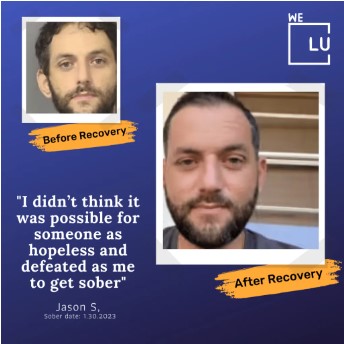
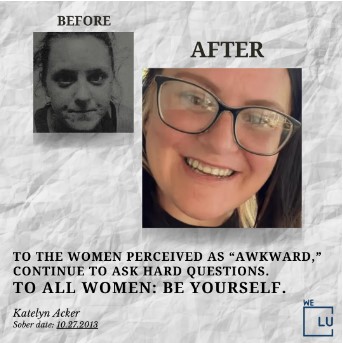
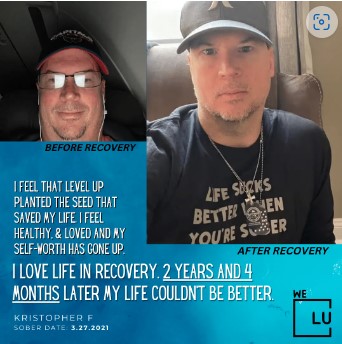
Experience Transformative Recovery at We Level Up Treatment Centers.
See our authentic success stories. Get inspired. Get the help you deserve.
Start a New Life
Begin with a free call to an addiction & behavioral health treatment advisor. Learn more about our dual-diagnosis programs. The We Level Up Treatment Center Network delivers recovery programs that vary by each treatment facility. Call to learn more.
- Personalized Care
- Caring Accountable Staff
- World-class Amenities
- Licensed & Accredited
- Renowned w/ 100s 5-Star Reviews
We’ll Call You
Search We Level Up Bulimia Nervosa, Mental Health Topics & Resources
Sources
- National Institute of Mental Health. Eating Disorders Statistics. https://www.nimh.nih.gov/health/statistics/eating-disorders
- National Institute of Mental Health. What Are Common Types of Eating Disorders? https://www.nimh.nih.gov/health/publications/what-are-common-types-of-eating-disorders
- American Psychiatric Association. DSM-5-TR Updates and Criteria. https://www.psychiatry.org/psychiatrists/practice/dsm/updates-to-dsm/updates-to-dsm-5-tr-criteria-text
- National Library of Medicine. Bulimia. MedlinePlus. https://medlineplus.gov/ency/article/000341.htm
- Matheson. Bulimia Nervosa and Binge-Eating Disorder Across the Lifespan. Focus, 2024. https://pubmed.ncbi.nlm.nih.gov/38988471/
- Yu et al. Efficacy of Pharmacotherapies for Bulimia Nervosa. Focus, 2024. https://pubmed.ncbi.nlm.nih.gov/38988470/
- Wilson and Kagabo. Bulimia Nervosa and Treatment-Related Disparities. Frontiers in Psychology, 2024. https://pubmed.ncbi.nlm.nih.gov/39205982/
- Slade et al. Treatments for Bulimia Nervosa: A Network Meta-Analysis. Psychological Medicine, 2018. https://pubmed.ncbi.nlm.nih.gov/29729686/
- National Institute for Health and Care Excellence. Eating Disorders: Recognition and Treatment. https://www.nice.org.uk/guidance/ng69
- U.S. Department of Health and Human Services, Office on Women’s Health. Bulimia Nervosa. https://womenshealth.gov/mental-health/mental-health-conditions/eating-disorders/bulimia-nervosa