
Alcohol Rehab Near Me at We Level Up
Alcoholism Treatment Programs, Symptoms, Causes, Risk Factors, Complications, and Prevention. What is Alcohol Use Disorder? What are effective Alcoholism Treatment Programs?
Clinically Reviewed by Lauren Barry, LMFT, MCAP, QS
Medically Reviewed by Ali Nikbakht, PsyD
Reviewed / Updated: October 6, 2026 — Editorial Policy | Research Policy | Privacy Policy
By We Level Up | Editor Yamilla Francese | Clinically Reviewed By Lauren Barry, LMFT, MCAP, QS, Director of Quality Assurance | Editorial Policy | Research Policy |
Alcohol Addiction Treatment
Alcohol is a legal substance found in beer, wine, liquor, mixed drinks, and many flavored beverages. It slows brain activity and may affect memory, balance, speech, breathing, judgment, and decision-making. These effects can become more serious as drinking grows heavier, more frequent, or increasingly difficult to control.
Frequent alcohol use can gradually alter how the brain regulates stress, sleep, mood, and reward. A person may eventually need larger amounts to feel the same effects experienced in the past. Physical dependence may also develop, causing withdrawal symptoms when alcohol use suddenly stops.
Recovery from alcohol addiction may involve medical care, therapy, medication, and ongoing support from trained professionals. Treatment can address withdrawal symptoms, personal triggers, relapse risks, and co-occurring mental health concerns. A thorough assessment helps identify the services and level of care suited to each person’s needs.
When more structured care is needed, We Level Up Treatment Centers offers access to alcohol addiction services through accredited locations in Florida, Texas, California, Washington, and New Jersey. Available programs may include medical detox, residential treatment, outpatient support, dual diagnosis care, and mental health services. Admissions specialists help individuals review appropriate treatment options, including telehealth outpatient care when clinically suitable.
Skip To:
What Is Alcohol Addiction?
Alcohol addiction is a form of alcohol use disorder that makes drinking hard to control. The NIAAA alcohol guide says the disorder may be mild, moderate, or severe. Signs may include strong cravings, withdrawal, risky use, and failed efforts to stop drinking for good.
Some people drink for fun, sleep, social ease, or stress relief, while others drink to cope with fear, grief, trauma, pain, or time alone. The brief calm can hide how alcohol may make these problems worse later at home or work. This cycle can make alcohol seem useful even as it causes more harm each day.
Alcohol addiction may occur with other substance use disorders or mental health needs at the same time. Genes, stress, past harm, health, home life, and brain changes can all raise risk for some people. Care helps people learn these causes and build safer ways to face hard days without alcohol.
Who Should Avoid Alcohol?
Alcohol is not safe for all adults, and people with liver, heart, stomach, pancreas, or seizure problems should ask a doctor first. A past drug or alcohol problem may also raise the risk of harmful use later in life. A full health review can help show whether any alcohol use is safe for them.
Pregnant people should avoid alcohol because no safe amount is known during any stage of pregnancy. The CDC pregnancy guidance says alcohol may harm growth at any stage. Alcohol rehab for women should also address trauma, child care, safety, and family needs during care.
Teens should not drink because alcohol can harm learning, growth, judgment, and safe choices as they mature. Teen alcoholism rehab should use care made for young people and their families, schools, and home lives. Alcohol may also react with sleep pills, pain pills, and drugs used for fear or panic.
Get Help. Get Better. Get Your Life Back.
Searching for Accredited Drug and Alcohol Rehab Centers Near You?
Even if you have failed previously and relapsed, or are in the middle of a difficult crisis, we stand ready to support you. Our trusted behavioral health specialists will not give up on you. When you feel ready or just want someone to speak to about therapy alternatives to change your life call us. Even if we cannot assist you, we will lead you to wherever you can get support. There is no obligation. Call our hotline today.
(844) 597-1011Signs of Alcohol Addiction
Alcohol addiction may harm health, mood, work, school, money, and close ties over many months. One sign alone does not always prove that a person has alcohol addiction or needs live-in care. Risk grows when several signs last and the person cannot control their drinking despite clear harm.
Common warning signs include:
- Drinking more alcohol or drinking for much longer than first planned
- Trying to stop or drink less without any lasting success
- Needing more alcohol than before to feel the same effects
- Feeling shaky, sick, tense, or sweaty when alcohol is not used
- Missing work, school, home duties, or other key daily events
- Drinking before driving or while doing tasks that need clear thought
- Hiding bottles, lying about alcohol use, or often drinking alone
- Drinking after health, money, work, or family problems have begun
Other signs may include blackouts, falls, poor sleep, stomach pain, or quick mood shifts as people plan each day around drinking or recovery. A trained care team can review the signs and explain the next safe step for the person. Loved ones may notice these changes before the person can see the full pattern clearly.
Why Is Alcohol Addictive?
Alcohol changes brain parts tied to calm, reward, stress, memory, and self-control during each drinking period. It boosts GABA, a brain signal that slows nerve work and may bring brief calm. It also changes dopamine, which helps the brain notice rewards and repeat acts linked with drinking.
Frequent drinking trains the brain to expect alcohol during stress, loss, fear, or other strong feelings. When drinking stops, the brain may become too active and cause painful withdrawal signs without warning. Shaking, fear, sweat, poor sleep, and strong urges may then lead to more drinking for relief.
Tolerance means the same amount has less effect over time, so a person may drink more to feel calm, sleepy, social, or less upset. Alcohol addiction is a health problem that often needs more than willpower, promises, or family pressure alone. Care can help replace those old habits with safer skills and firm help each day.
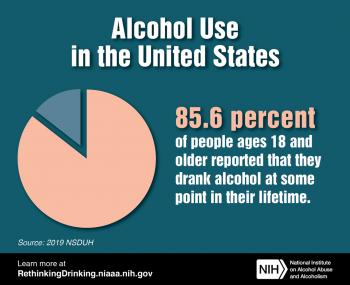

Get Your Life Back
Find Hope & Recovery. Get Safe Comfortable Detox, Addiction Rehab & Dual Diagnosis Trused Care.
7/365 Line (844) 597-1011The Importance of Alcohol Detox
Heavy alcohol use can cause unsafe withdrawal when drinking stops too fast after long-term use. Early signs may include shaking, sweat, upset stomach, fear, headache, poor sleep, and strong urges. Severe signs may include seizures, high heat, deep confusion, or seeing things that are not there.
People who drink each day or had past seizures should not detox alone because age, poor health, and other drugs can raise the risk. A health team can choose hospital, live-in, or outpatient detox based on need. Close care can reduce fear and help the person move safely into treatment after detox.
During detox, staff check blood pressure, fluids, sleep, mood, and clear thought throughout each shift. Medicines may ease withdrawal and lower the risk of severe harm during the first few days. Detox should lead to more care because drinking habits and triggers may still remain after the body heals.
How Alcohol Addiction Is Treated
Many people ask, how does alcohol rehab work after the first private call for help? Care starts with a full review of drinking, health, withdrawal, mood, and safety at home. Detox may come first when stopping alcohol could cause severe or unsafe signs without close care.
Care may include residential programs, structured day care, or an outpatient treatment program near home. Care helps people face urges, stress, grief, boredom, conflict, and social pressure without returning to alcohol. Medication-assisted treatment may pair approved drugs with care and long-term help.
Treatment may include:
- Cognitive Behavioral Therapy: CBT finds thoughts and events that lead to drinking, then builds safer responses
- Dialectical Behavior Therapy: DBT teaches mood skills and ways to face stress without alcohol
- Individual and Group Counseling: Private talks address goals, while groups add trust, skill, and peer help
- Trauma-Informed Therapy: This care links past harm with fear, trust, stress, and alcohol use
- Life Skills Training: Clients practice sleep, plans, money, work, meals, and clear talks
- Holistic Therapies: Yoga, breath work, art, walks, and quiet time may aid health
- Relapse Prevention Planning: Clients list triggers, warning signs, key contacts, and clear steps for urges
A rehab center should check safety, gains, and new needs during each stage of care. Family talks may help rebuild trust and set fair rules for the home after treatment ends. Staff can also plan work, housing, school, and follow-up care before discharge from the program.
Specialized, Accredited, 5-Star Reviewed, Evidence-based Addiction & Mental Health Programs. Complete Behavioral Health Inpatient Rehab, Detox plus Co-occuring Disorders Therapy.
CALL(844) 597-1011End the Addiction Pain. End the Emotional Rollercoaster. Get Your Life Back. Start Drug, Alcohol & Dual Diagnosis Mental Health Treatment Now. Get Free, No-obligation Guidance by Substance Abuse Specialists Who Understand Addiction & Mental Health Recovery & Know How to Help.
Levels of Care for Alcohol Addiction Treatment
The right level of care depends on withdrawal symptoms, health, home safety, relapse history, and the need for daily support. Comparing inpatient vs. outpatient alcohol rehab can help families understand their options, while a guide to levels of care explains how treatment can change as recovery progresses.
Medical detox provides close monitoring during alcohol withdrawal. Staff track vital signs, mental health, fluids, and other symptoms while providing medications and supportive care when needed. After detox, clients can transition into ongoing treatment.
For those needing 24-hour support, an inpatient rehab program provides housing, therapy, group sessions, and structured recovery activities. A partial hospitalization program offers several hours of treatment on most weekdays while clients return home. Both levels may help people who need significant structure but are ready for a gradual step down in care.
An intensive outpatient program (IOP) provides regular weekly treatment while allowing clients to work, study, or manage family responsibilities. As recovery becomes more stable, outpatient and telehealth care offer greater flexibility and continued support. However, people with severe withdrawal, serious health concerns, or unsafe housing may need more intensive in-person care.

The Role of Mental Health and Co-Occurring Disorders
Many people with alcohol addiction also face fear, low mood, trauma, or poor sleep. Some drink to feel calm, fit in, sleep, or block painful thoughts. Alcohol may bring brief relief, but it often makes these needs worse later.
Treating alcohol use alone may leave strong causes for relapse in place. Panic or low mood can make drinking seem like the fastest path to relief. Dual diagnosis treatment joins alcohol care and mental health care in one plan.
Common needs include fear, depression, PTSD, mood swings, OCD, and sleep disorders. Alcohol use may also occur with pain pills, anxiety drugs, cocaine, or cannabis. Staff should review all drug use as sleep, mood, and health begin to improve.
The Importance of a Strong Support Network
Healing grows stronger when people have a safe home and steady help. Family, friends, peers, and staff may spot warning signs before they grow. Peer groups and alumni care may reduce time alone while building trust and help.
Alcohol rehab aftercare may include care, peer groups, health visits, or sober housing, and aftercare planning should start before formal care ends. These tools can help with maintaining sobriety through changes in work, health, or home life. The plan should also name trusted people who can help during strong urges at home.
Is Alcohol Addiction Treatment Right for Me?
Care may help when alcohol feels needed for sleep, calm, trust, or daily tasks. Other signs include hidden use, blackouts, withdrawal, strong urges, falls, or missed duties. Mixing alcohol with pills or other drugs can cause more risk and harm.
Some people keep drinking after job loss, injury, family fights, or medical advice. Others try to stop but drink again when stress or withdrawal starts. These signs may show that more help is needed than one person can give.
A full review checks drinking, health, withdrawal, mood, and help at home. It can compare live-in, day, and outpatient care based on real needs. Asking for a review gives clear choices without forcing someone to start care.
Insurance and Admissions Support
Many health plans pay for some alcohol care when set rules are met. Care may include detox, residential care, therapy, medicine, or outpatient visits. Benefits depend on the plan, network, costs, and rules for prior approval.
Our admissions team is open 24 hours a day, seven days a week. A team member can gather plan facts and verify rehab insurance before admission. The check may show covered care, network rules, and likely personal costs.
People without enough cover may ask about self-pay or other choices through private calls that focus on clear options without pressure. Families may also ask about travel, timing, packing, and the first day of care at the center. Staff can explain each cost before the person makes a final care choice with confidence.
Start Your Recovery Today
Alcohol addiction can harm health, trust, work, school, and family life. Care can help people face withdrawal and learn what drives their drinking. People can still heal after relapse or years of harmful alcohol use.
Help can start before each question has a clear answer. Admissions staff can explain care, health plans, travel, and arrival without pressure. The call stays private and does not force a final choice.
Through its role as a national substance abuse and mental health facility network, We Level Up supports people seeking structured care. Seven accredited locations operate across Florida, Texas, California, Washington, and New Jersey. Available services may include medical detox, residential treatment, outpatient care, and dual diagnosis support. Admissions staff can help each person explore programs suited to their needs.
Call (954) 475-6031 to request an assessment and discuss your next step.
Frequently Asked Questions
How does alcohol rehab work?
Alcohol rehab starts with a health and safety review, then provides detox, therapy, medicine, peer help, and ongoing care as needed.
What is inpatient vs outpatient alcohol rehab?
Inpatient care provides housing and round-the-clock help, while outpatient care lets clients live at home and attend planned sessions.
Is alcohol rehab for women different?
Alcohol rehab for women may address trauma, pregnancy, parenting, safety, family roles, and each woman’s health and care goals.
Is teen alcoholism rehab available?
Teen alcoholism rehab uses age-based care for school, family, legal, social, and learning needs that adult programs may not address.
How long does alcohol rehab take?
Treatment length depends on withdrawal, health, relapse, home help, and progress, so a full review gives the clearest answer.
What happens after alcohol rehab ends?
Alcohol rehab aftercare may include therapy, health visits, peer groups, family help, or sober housing as needs change over time.
Alcoholism Treatment. Alcohol Use Disorder. Is Alcohol Addictive? Why Is Alcohol Addictive Video
Experience Transformative Recovery at We Level Up Treatment Centers.
See our authentic success stories. Get inspired. Get the help you deserve.
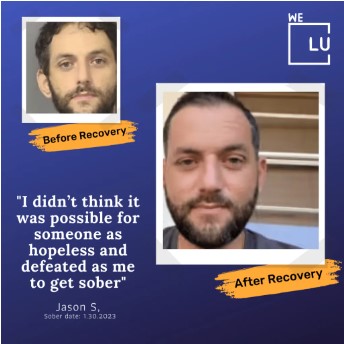
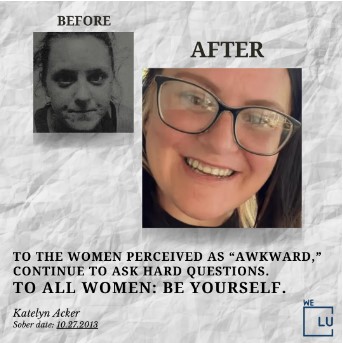
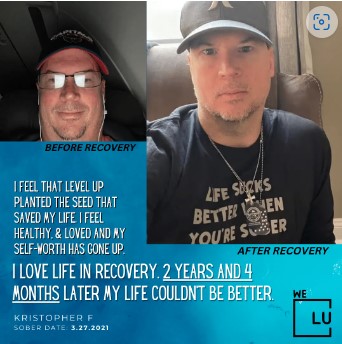
Start a New Life
Begin with a free call to an addiction & behavioral health treatment advisor. Learn more about our dual-diagnosis programs. The We Level Up Treatment Center Network delivers recovery programs that vary by each treatment facility. Call to learn more.
- Personalized Care
- Caring Accountable Staff
- World-class Amenities
- Licensed & Accredited
- Renowned w/ 100s 5-Star Reviews
We’ll Call You
Medical Sources
- Centers for Disease Control and Prevention. Facts About U.S. Deaths from Excessive Alcohol Use. cdc.gov
- National Institute on Alcohol Abuse and Alcoholism. Recommend Evidence-Based Treatment: Know the Options. niaaa.nih.gov
- Florida Department of Health. FLHealthCHARTS Hospitalizations From Alcohol Use, Abuse, and Dependency. flhealthcharts.gov
- Florida Agency for Health Care Administration. Health Facility Licensing and Regulation. ahca.myflorida.com